
Review · SUMO STABLE VISITS
Private Ryogoku Walking Tour with Sumo Wrestler and Master Guide
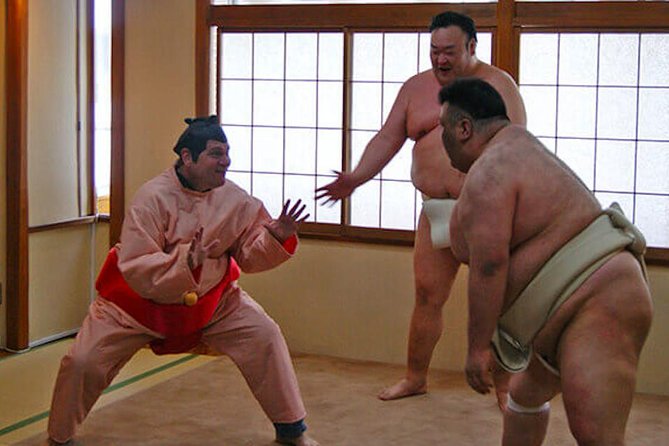
Sumo town comes with street-level context. This private Ryogoku and Asakusa tour gives you two great things at once: a real sumo wrestler guide plus a translator, and time at iconic places like Kokugikan and Senso-ji. The one catch is the price, which can feel steep if you are not splitting with others.
I like how the pacing works for first-timers, you get a compact, 2 to 2.5 hour sampler of Tokyo wrestling culture and classic temple area life. You also get a human conversation angle, not just facts on a screen, and the group stays small, with a max of 5 people.
In This Review
- Key points at a glance
- Why a sumo wrestler guide makes Ryogoku click
- Ryogoku Edo Noren, the old station turned shopping stop
- Ryogoku Kokugikan, stadium scale and the practice vibe
- Nomi Sukune Shrine, Yokozuna names and a quiet reset
- Asakusa Senso-ji and Nakamise Street, snacks with context
- Price and logistics, when $402.32 feels fair
- What the small-group private format changes
- Who this Ryogoku and Asakusa sumo tour suits best
- Should you book this private Ryogoku and Asakusa sumo tour?
- FAQ
- How long is the Private Ryogoku Walking Tour?
- Where does the tour start and end?
- How many people can be in a booking?
- Who leads the tour, and is a translator included?
- What sights are included during the tour?
- Is food and transportation included?
Key points at a glance
- Sumo wrestler + translator: You can ask real questions, not guess at meanings.
- Ryogoku Kokugikan focus: The stadium is big, but the tour helps you see what matters.
- Practice and wrestling stable access: You get a behind-the-scenes feel, not just a photo stop.
- Asakusa stops that make sense: Senso-ji and Nakamise Street feel connected, not random.
- Small-group private tour: Better for families and couples who want an easy pace.
Why a sumo wrestler guide makes Ryogoku click
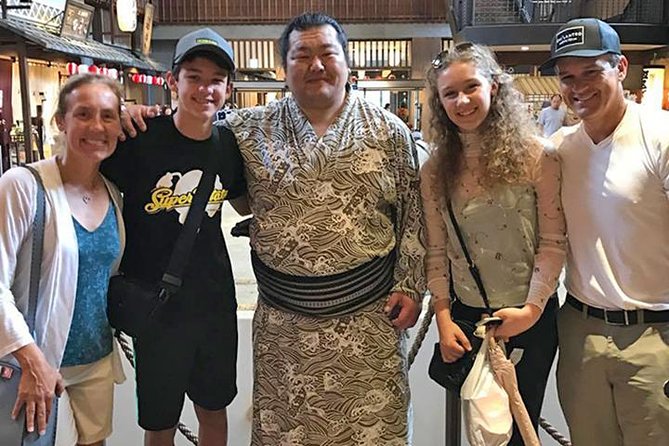
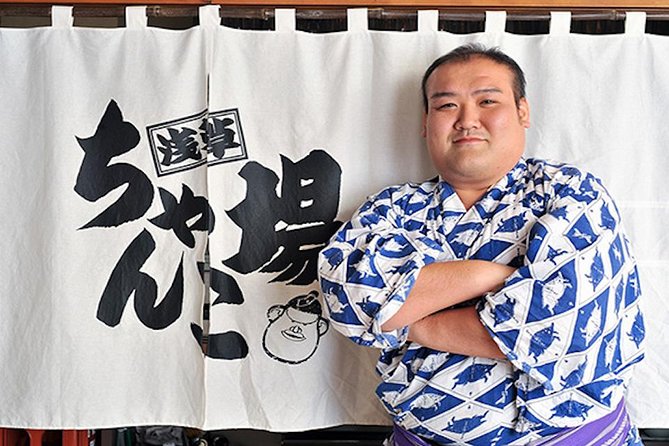
Ryogoku is Tokyo’s sumo neighborhood, and it can feel a little like a theme area if you do it on your own. What makes this tour work is the guide, a current active wrestler or, when needed, a just-retired sumo wrestler. Either way, the point is the same, you’re getting the sport explained by someone who lives the rhythm of it.
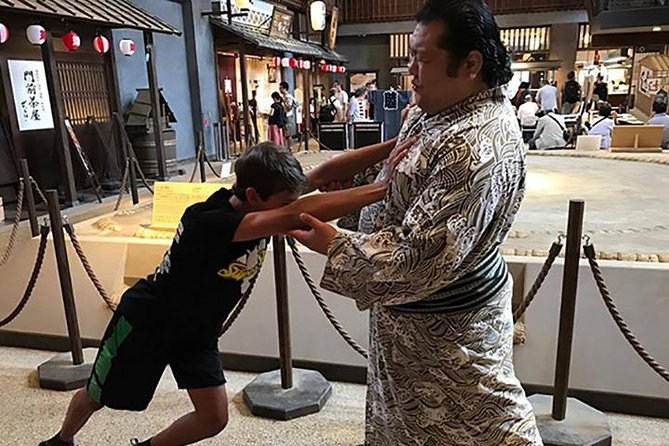
I also like that the experience is built around conversation. The included translator helps you move from surface-level facts to the “why” behind traditions, training culture, and what you are seeing at the stadium. That matters because sumo has a lot of terms, customs, and meaning in plain sight, but you do not automatically get it as a tourist.
The tour is also short enough to stay fun. At about 2 hours, you can cover Ryogoku and Asakusa without feeling like you are speed-walking through Tokyo landmarks. If you want a day that still has energy left for dinner or shopping after, this fits.
More Walking Tours in Tokyo
- Tokyo Tsukiji Fish Market Food and Culture Walking Tour
★ 5.0 · 3,184 reviews - Tokyo: Shinjuku Local Bar and Izakaya Guided Walking Tour
★ 4.9 · 1,794 reviews - Tokyo: Tsukiji Fish Market Food and Walking tour
★ 5.0 · 1,724 reviews
Ryogoku Edo Noren, the old station turned shopping stop
Your walk begins at Ryogoku Station area, starting near Ryogoku Station (1-chome-3-20 Yokoami, Sumida City). The first major stop is Ryogoku Edo Noren, housed in the restored former Ryogoku Station building. The structure dates back to 1929, and the key detail is that they kept the old façade while turning it into a shopping and restaurant complex.
This stop is not just a “pretty building.” It sets the tone for Ryogoku as a working district with history, not only a stadium zone. You get an easy entry point before you head into the heavy sumo atmosphere, and you can spot what local life looks like when Tokyo tourists are not the main audience.
Time is also reasonable here, about 30 minutes with an admission ticket included. If you are the type who likes to browse, you will probably enjoy using that time to look around rather than racing for the next photo. If you mainly want the stadium and the temple, you might find the shopping complex a little less thrilling than the sumo sites, but it does help the transition feel natural.
Ryogoku Kokugikan, stadium scale and the practice vibe
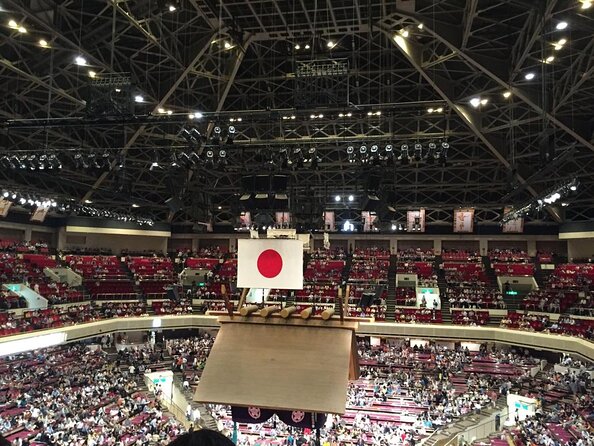
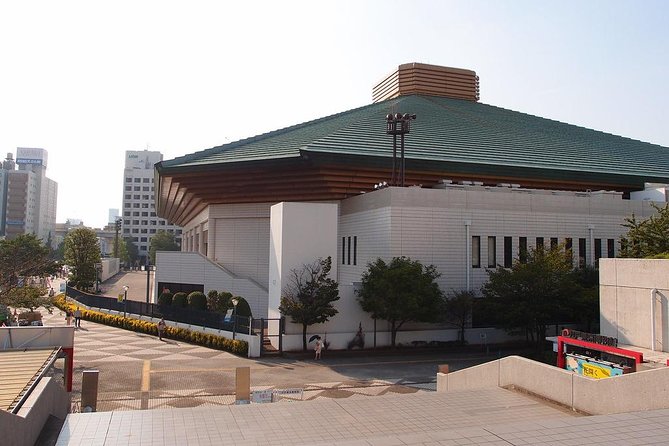
Next comes Ryogoku Kokugikan, the big sumo stadium built in 1985. The scale is hard to miss, it can hold over 10,000 visitors. Even if you are not attending a tournament, the tour helps you understand why this place is central to Japanese wrestling culture.
What I find valuable is that the stop is not just “stand here and take pictures.” The experience is designed to connect you to what happens around tournaments, including time that points you toward wrestlers’ world and their stable. You also get a chance to see where practice happens, so sumo feels like an ongoing discipline, not a one-day event.
Admission at Kokugikan is free during this portion, and the guide keeps it tight at about 30 minutes. That duration is right for first-timers, you get the big moments without draining your legs. If you have already visited a stadium elsewhere and want a super long, in-depth venue tour, you might want something longer, but for a combined Ryogoku plus Asakusa plan, this is a solid fit.
Also note the guide may adjust to circumstances. The tour description flags that the wrestler could be just retired if active wrestlers are unavailable due to tournaments or other reasons. In practice, that is good news, not a downgrade, because the tour aims to keep the expertise and explanations strong either way.
Nomi Sukune Shrine, Yokozuna names and a quiet reset
Between stadium energy and temple crowds, you get a breather at Nomi Sukune Shrine. This is dedicated to the deity credited with initiating sumo in ancient Japan. That alone gives the place a different feel than a typical “small shrine along the route.”
The most interesting detail here is the stone statue garden area, engraved with Yokozuna names. It is a physical way to connect today’s big champions to the sport’s long line of tradition. When you see that kind of memorial, sumo stops looking like a modern sport-only spectacle and starts to feel like a cultural chain.
The time block is about 20 minutes, and admission is free. This is enough to slow down, look closely, and reset before you head into Asakusa shopping streets. If you get tired easily during Tokyo walks, this is also a useful pause. You are not committing to a long stop, but you are getting one.
Compare these Sumo Stable visits in Tokyo:
- Tokyo: Sumo Show Experience with Chicken Hot Pot and a Photo
★ 4.8 · 6,678 reviews - Tokyo: Sumo Show and Dining Experience
★ 4.8 · 2,742 reviews - the SUMO show
★ 5.0 · 1,960 reviews - Tokyo Sumo Entertainment Show with Chicken Hot Pot and Photo
★ 5.0 · 1,205 reviews
Asakusa Senso-ji and Nakamise Street, snacks with context
Then you move into Asakusa, one of Tokyo’s most recognizable historic districts. The highlight here is Senso-ji, the iconic temple complex that people travel across the city to see. You will not just look at it, you get guidance that connects what you are seeing to the broader neighborhood vibe.
After Senso-ji, the tour shifts to Nakamise Street, where you can sample snacks and do some shopping. This is where the experience becomes more than “cultural sightseeing,” because you get to taste and browse like you belong there for a bit. Since food and drinks are not included, you are choosing your own snacks, which is often better for value, you can go with what you actually want instead of paying a fixed price for things you might not like.
This portion is part of why I think the tour is a smart first Tokyo day-or-half-day plan. You start in Ryogoku’s wrestling-world logic, then you end with Asakusa’s older-city temple logic, and both fit the same theme of Japanese tradition. Even if you are not obsessed with sumo, the Asakusa piece keeps the day from becoming too niche.
If you are traveling with kids, the combo can be a win. The sports angle gives energy, and the snack street gives an easy reward loop. The tour is also listed as having a minimum age of 10, which suggests it is planned for older kids who can walk and engage for the full span.
Price and logistics, when $402.32 feels fair
The tour costs $402.32 per person, and it is a private experience capped at a maximum of 5 people per booking. That is not the kind of price you treat like a casual add-on.
So when does it feel worth it? When you value access and explanation. You are paying for a sumo wrestler guide, a translator, and time in and around high-importance locations like Kokugikan and the Asakusa temple area. You are also paying for the convenience of a tight route where someone else manages pacing and meaning.
It can still feel expensive if you are traveling as a solo rider, because the “private” part is hard to spread. In that case, you may want to compare against a standard walking tour and decide whether the wrestler-plus-translator angle is a must for you. Based on the tour’s overall design and the reviews’ consistent praise for the guide and translator, it seems the people who love it most are the ones who want to talk, not just look.
On logistics, the meeting point is near public transportation at Ryogoku Station. The tour ends back at the meeting point, and transportation to and from is not included. That is normal for Tokyo walking tours, but it does matter for planning, because you will want to arrive ready to walk without rushing.
What the small-group private format changes
This is a private tour, meaning only your group participates. With a max of 5 people, the guide can slow down when questions come up, and you are less likely to feel like you are being rushed through temples and stadiums.
This format also affects comfort. You are walking in two Tokyo neighborhoods that can vary in crowd level. A small group helps you handle narrow sidewalks, temple-side pedestrian flow, and the timing of snack browsing without feeling trapped in a moving crowd.
The included translator is also part of the value of the small format. When the group is smaller, you get more back-and-forth instead of one-way interpretation. If your Japanese is limited, this matters a lot, because sumo terminology and shrine meaning are easier to follow when you can ask follow-up questions.
And one more practical note, the experience is not fully about food. Food and drinks are not included, so you get flexibility, you can skip snacks if you are full, or spend a little extra if something looks good. That tends to make a higher-priced tour feel less like a forced bundle.
Who this Ryogoku and Asakusa sumo tour suits best
I think this tour fits best if you fall into one of these buckets:
- You want a Tokyo experience with a clear theme and a local expert, not generic sightseeing.
- You are curious about sumo beyond the basics, especially how the sport connects to tradition.
- You enjoy conversation, you ask questions, and you like learning through real-world explanations.
- You are traveling with a partner or small group and can split the private cost to make it more reasonable.
It is also a good fit if you like mixing “serious culture” with “street life.” Ryogoku gives you wrestling world context, Asakusa gives you the sensory experience of temple sightlines and Nakamise Street browsing.
If you are strictly trying to minimize walking, or you expect a super long museum-style breakdown at Kokugikan, you might feel the tour is too short. The route is designed as a compact 2-hour-plus sampler, so it prioritizes variety over depth at any single stop.
Should you book this private Ryogoku and Asakusa sumo tour?
Yes, with a couple of smart checks.
Book it if: you want the unique combo of sumo culture explained by a wrestler and a guided Asakusa experience that includes Senso-ji and Nakamise Street. The small private size and translator support make this easier to enjoy, especially if you do not read much Japanese.
Consider another option if: you are price-sensitive, you prefer self-guided sightseeing, or you want a long stop inside a single venue. At this price, you want to be sure you will use the guide interaction time, not only passively watch.
If you do decide to book, my best advice is to show up with curiosity. Bring a few sumo questions, even simple ones like how training or hierarchy works, and you will get more out of the walk than you expected.
FAQ
How long is the Private Ryogoku Walking Tour?
The tour lasts about 2 hours (listed as approximately 2 hours).
Where does the tour start and end?
It starts at Ryogoku Station (1-chōme-3-20 Yokoami, Sumida City, Tokyo 130-0015) and ends back at the meeting point.
How many people can be in a booking?
A maximum of 5 people per booking.
Who leads the tour, and is a translator included?
The tour is led by a sumo wrestler, and a local translator is included.
What sights are included during the tour?
The tour includes Ryogoku Edo Noren, Ryogoku Kokugikan stadium, Nomi Sukune Shrine, and Asakusa’s Senso-ji and Nakamise Street. There may also be a Hokusai dedicated museum stop if you like his work.
Is food and transportation included?
Food and drinks are not included, and transportation to and from the meeting spot is also not included.
Newly listed around Tokyo
- Private Tokyo Food Tour – A Journey Through Time Through Food★ 5.0 · 36 reviews
- Private Tokyo Tour with Licensed Guide & Vehicle (Max 15 persons)★ 5.0 · 107 reviews
- Private Tokyo Custom Full-Day Tour by Chartered Vehicle★ 5.0 · 16 reviews
- Private Tokyo Custom Half-Day Tour by Chartered Vehicle★ 4.5 · 13 reviews
- Private Outstanding Nikko Tour with English Speaking Driver★ 4.0 · 11 reviews
- Private Sightseeing to Mt Fuji and Hakone with English Driver★ 5.0 · 51 reviews
- Private Snow Monkeys park Day Trip From Tokyo or Nagano★ 4.5 · 26 reviews
- 4 Day Tour – Mount. Fuji, Tokyo, Hakone, Kamakura and Yokohama★ 5.0 · 19 reviews
Sumo Stable Visits, compared.
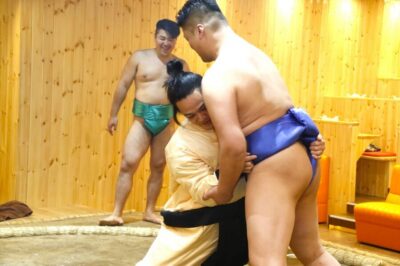
Sumo Show Experience with Chicken Hot Pot and a Photo
Read our review →
Tokyo Sumo Entertainment Show with Chicken Hot Pot and Photo
Read our review →
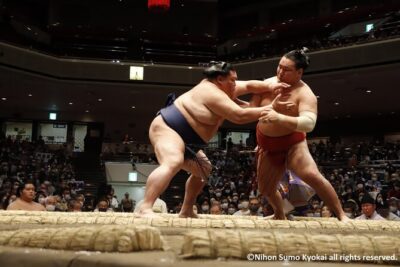
Tokyo Grand Sumo Tournament Viewing Tour with Tickets
Read our review →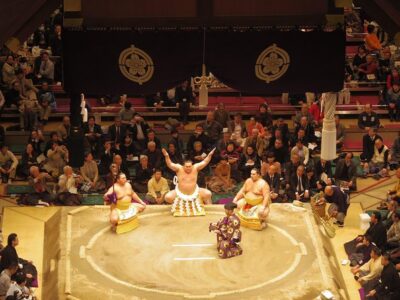
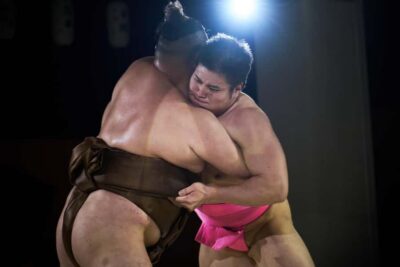
Sumo Show & Experience w/ Optional Kimono & Hot Pot
Read our review →Browse the lists this tour appears in