
Review · SUMO STABLE VISITS
Ryogoku: Sumo Town Guided Walking Tour with Lunch
Sumo starts in back alleys, not just rings. I love how this tour connects Ryogoku to over 1600 years of sumo development, and I love that lunch is chanko-nabe, the hot-pot meal built into a wrestler’s daily life. It is a small-group day that turns random sights into a story you can actually use.
One key thing to consider: this experience does not include watching sumo bouts. You will be learning the culture and the routine, not sitting down for a match.
With a group capped at 8 and an English-speaking guide, you can ask the follow-up questions that make sumo make sense fast. Bring comfortable shoes, because you will be walking between stables, temples, and landmark stops.
In This Review
- Key Things I’d Prioritize on This Ryogoku Sumo Walk
- Why Ryogoku Makes Sumo Feel Obvious
- Hakkaku-beya and Kasugano-beya, Looking at Sumo Life from the Outside
- Ryogoku Kokugikan and Ryōgoku Edo NOREN, Stadium vs. Street Energy
- Ekō-in and the Shrine-and-Temple Thread Through Sumo
- Woodblock Prints, Gardens, and Swords, How the Guide Connects Culture to Combat
- Lunch at Chanko-nabe, Wrestler Food Built for Weight, Muscle, and Teamwork
- Timing, Walking Pace, and What You Might Actually See
- Price and Value for a 3.5-Hour Sumo Culture Day
- Who This Tour Fits Best in Your Japan Trip
- Should You Book This Ryogoku Sumo Town Tour?
- FAQ
- Does this tour include watching sumo matches?
- Where do I meet the guide?
- How long is the Ryogoku Sumo Town guided walking tour?
- Is lunch included, and what do I eat?
- Is this tour suitable for food allergies or mobility impairments?
- What should I bring?
- Is there free cancellation?
Key Things I’d Prioritize on This Ryogoku Sumo Walk
- Two-for-one learning, sumo history plus day-to-day stable life, not just stadium photos
- Outside views of real stables like Hakkaku-beya and Kasugano-beya, with explanations of how wrestlers live and train
- Landmarks that teach context, from Ryogoku Kokugikan to the Ryōgoku Edo NOREN area
- Culture stops that connect to sumo, including Shinto and Buddhist sites, plus woodblock-print and sword references
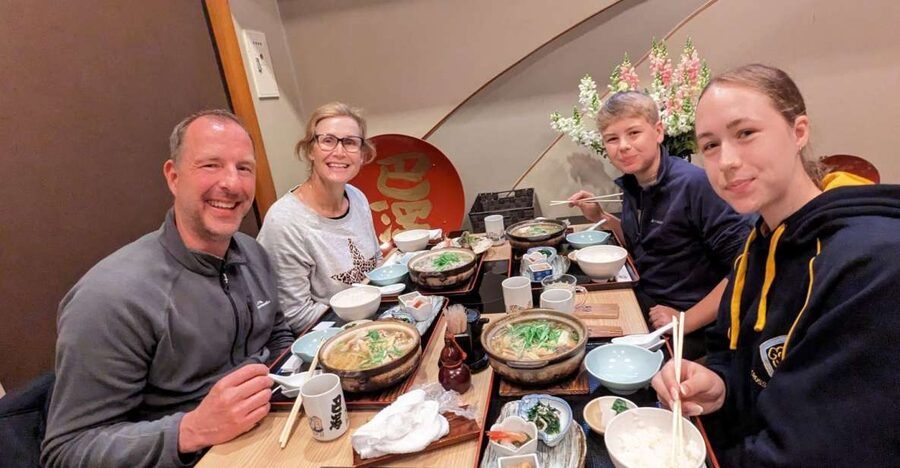
- Chanko-nabe lunch as a real shared hot pot, linked to wrestling diet and teamwork
Why Ryogoku Makes Sumo Feel Obvious
If sumo ever feels like it belongs only to the arena, Ryogoku corrects that. This part of Tokyo is purpose-built around the sport, with stables, shrine and temple culture, and stadium identity all packed into walkable distances.
What I like is the way the tour frames sumo as a living system. You are not just seeing objects, you are getting the logic behind them, including how sumo developed over 1600 years and why that matters for what you notice in the ring.
Also, the rhythm is practical. You get your walking first, then your meal, so the explanations stick while your feet are still warm.
More Walking Tours in Tokyo
- Tokyo Tsukiji Fish Market Food and Culture Walking Tour
★ 5.0 · 3,184 reviews - Tokyo: Shinjuku Local Bar and Izakaya Guided Walking Tour
★ 4.9 · 1,794 reviews - Tokyo: Tsukiji Fish Market Food and Walking tour
★ 5.0 · 1,724 reviews
Hakkaku-beya and Kasugano-beya, Looking at Sumo Life from the Outside
One of the best parts is the stable viewing. You start with Hakkaku-beya Sumo Stable, then you swing past Kasugano-beya Sumo Stable later, and the guide keeps it grounded in real routines.
You generally see stables from outside, but that is still useful. You learn what stables represent, how wrestling careers progress, and what daily life can look like when you are training toward tournaments. It is the kind of context that makes later sightings in Japan feel less random.
On some days, you might even catch wrestlers out and about while they walk the neighborhood. Some groups have noted moments like wrestlers taking a breather near their stable and practice items being aired out after training, which is exactly the kind of human detail that makes the sport feel close.
If you want the vibe of sumo training without hunting for the perfect schedule, this stable-focused approach is a smart way to spend your time.
Ryogoku Kokugikan and Ryōgoku Edo NOREN, Stadium vs. Street Energy
Ryogoku Kokugikan is the centerpiece in the area, and visiting it is a fast way to get your bearings. Even if you are not catching a tournament day, you will understand why this building matters to the sport’s public face.
Then you move into Ryōgoku Edo NOREN, which keeps the experience grounded in place. Instead of only thinking about matches, you start thinking about the community around matches, the surrounding culture, and why sumo is treated like more than a game.
This is where a good guide earns their lunch. If you end up with a guide like Jeff or Taka, the storytelling often lands in a way that helps you spot meaning behind the scenery, not just names on signs.
A possible drawback here is timing. If your trip lines up with sumo holidays or other calendar quirks, you may see less training activity than you hoped. The tour still delivers culture and history, but sightings of daily action are never guaranteed.
Ekō-in and the Shrine-and-Temple Thread Through Sumo
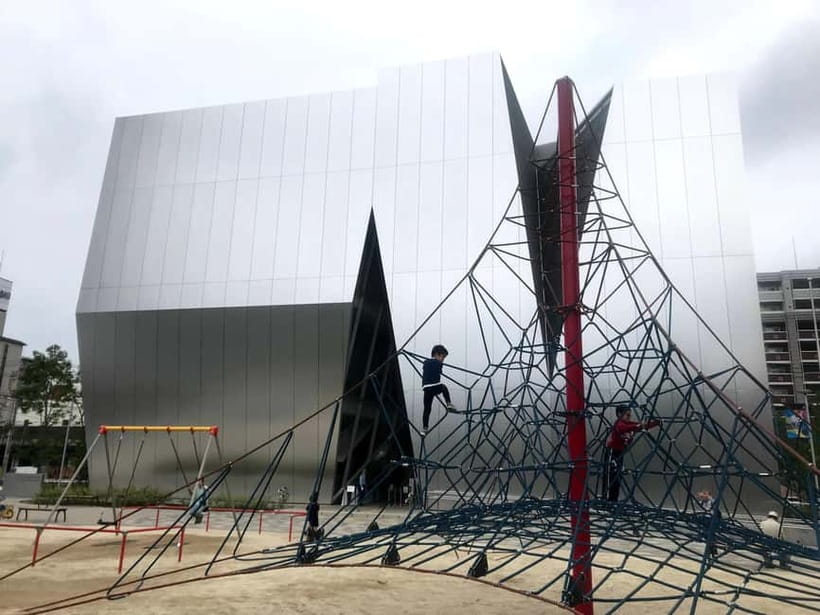
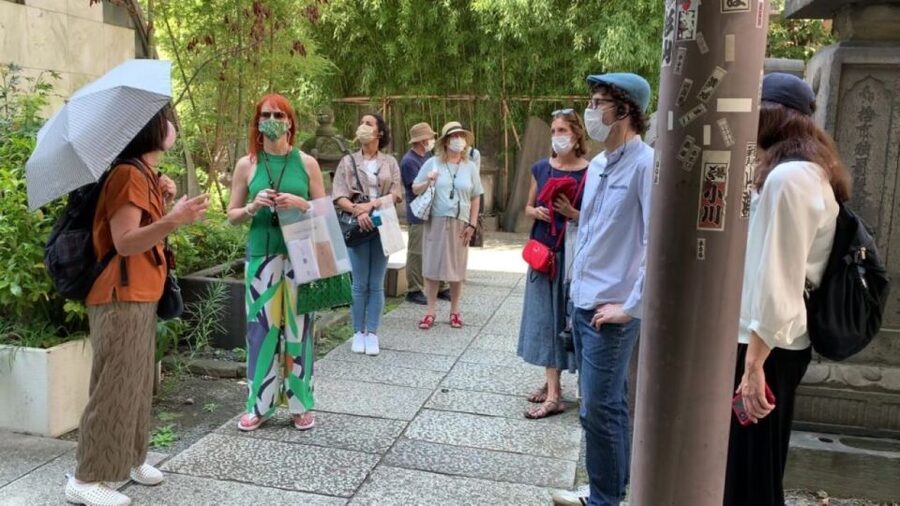
Sumo may look like pure sport, but it has deep ties to Japan’s spiritual traditions. The walking route includes Ekō-in and other culture stops built around Shinto shrine and Buddhist temple themes.
Why does this matter to you as a visitor? Because sumo rituals are not decorative. Once you understand the spiritual frame, you start noticing how ceremonies, respect, and meaning are woven into the sport’s everyday language.
These stops also break up the walk in a good way. You get quieter moments, better photos, and a sense of how Ryogoku’s sumo identity coexists with older religious life. That contrast makes the sport feel less like a tourist show and more like a serious part of Japanese tradition.
Compare these Sumo Stable visits in Tokyo:
- Tokyo: Sumo Show Experience with Chicken Hot Pot and a Photo
★ 4.8 · 6,678 reviews - Tokyo: Sumo Show and Dining Experience
★ 4.8 · 2,742 reviews - the SUMO show
★ 5.0 · 1,960 reviews - Tokyo Sumo Entertainment Show with Chicken Hot Pot and Photo
★ 5.0 · 1,205 reviews
Woodblock Prints, Gardens, and Swords, How the Guide Connects Culture to Combat
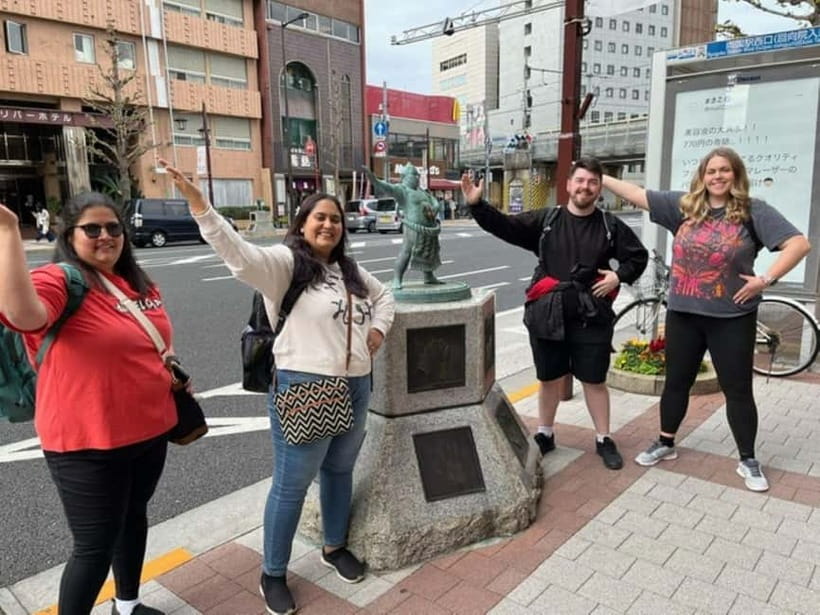
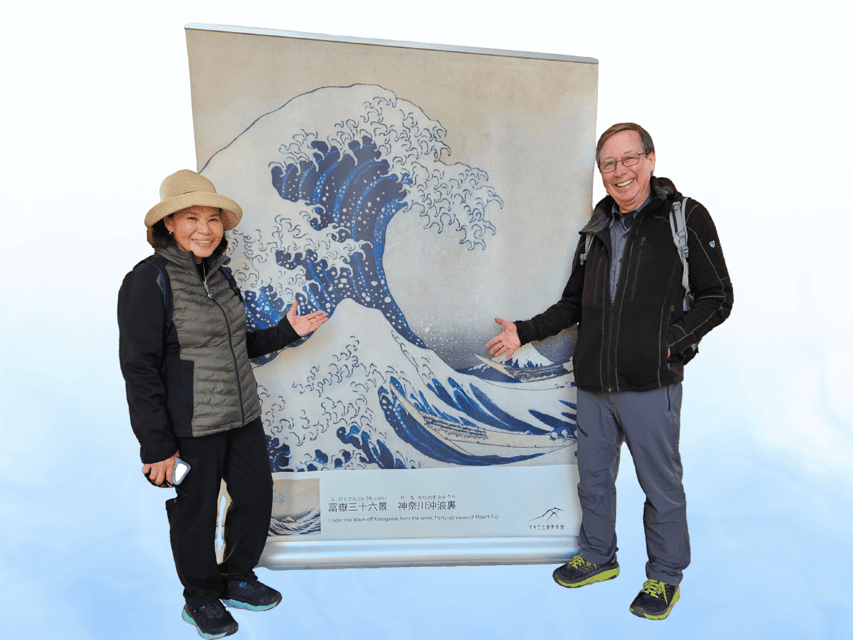
The tour does not stay in a single lane. Along the way, you may visit culture points connected to woodblock prints, and you can encounter references to swords and other traditional arts.
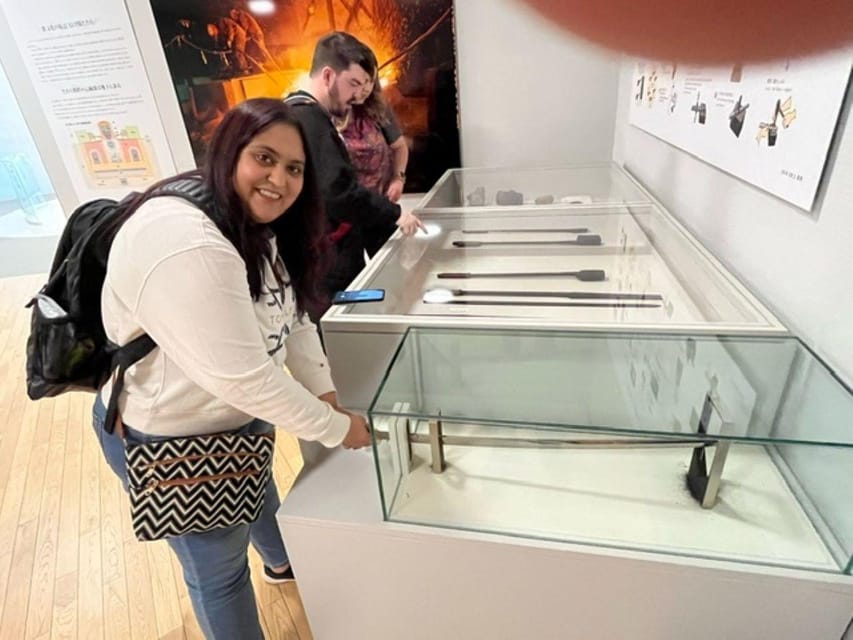
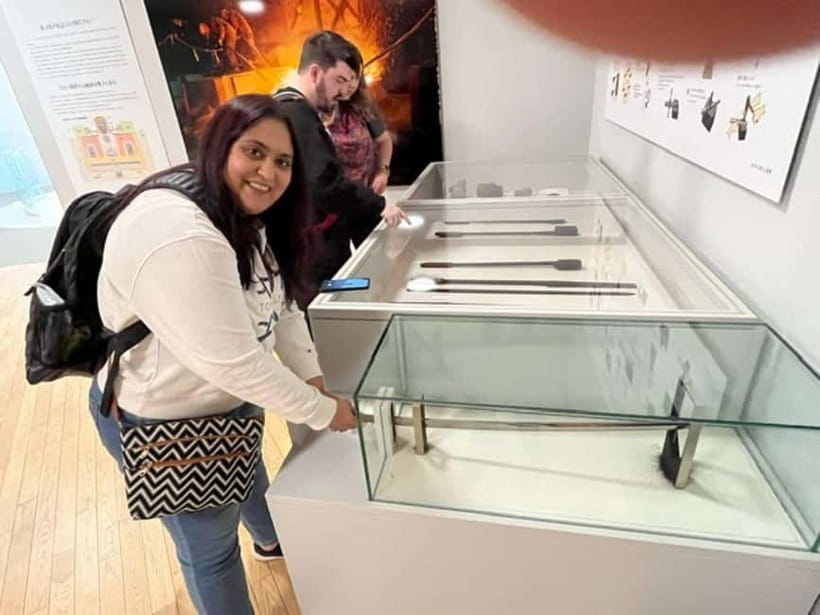
The route has included stops like the Hokusai museum area in past groups, plus Japanese gardens and a sword museum visit. Even if those specifics vary by day, the tour’s promise is consistent: the guide ties the visuals to the broader story of Japan and sumo.
This is one reason the small-group size works well. When you have 8 people or fewer, you are more likely to get explanations that answer your actual questions, like why certain rituals look the way they do, or how history shaped the sport’s rules and roles.
The result is that when you later watch sumo on TV or attend a match in Japan, you are not just watching throws. You are watching a tradition carrying meaning from earlier centuries to today.
Lunch at Chanko-nabe, Wrestler Food Built for Weight, Muscle, and Teamwork
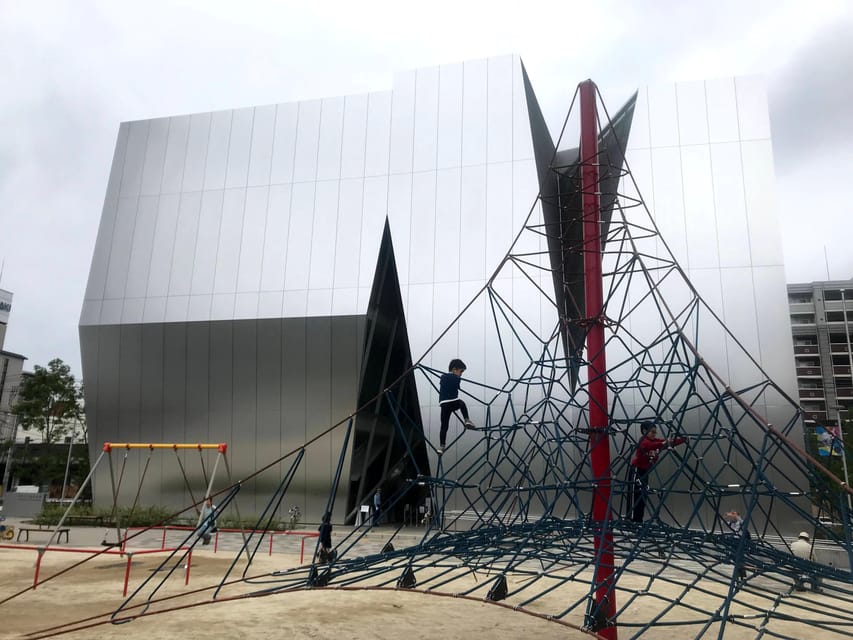
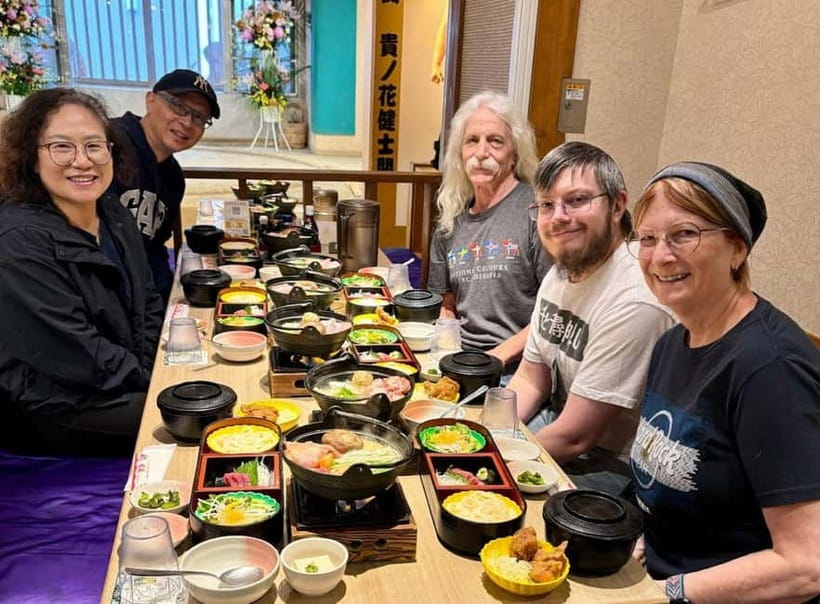
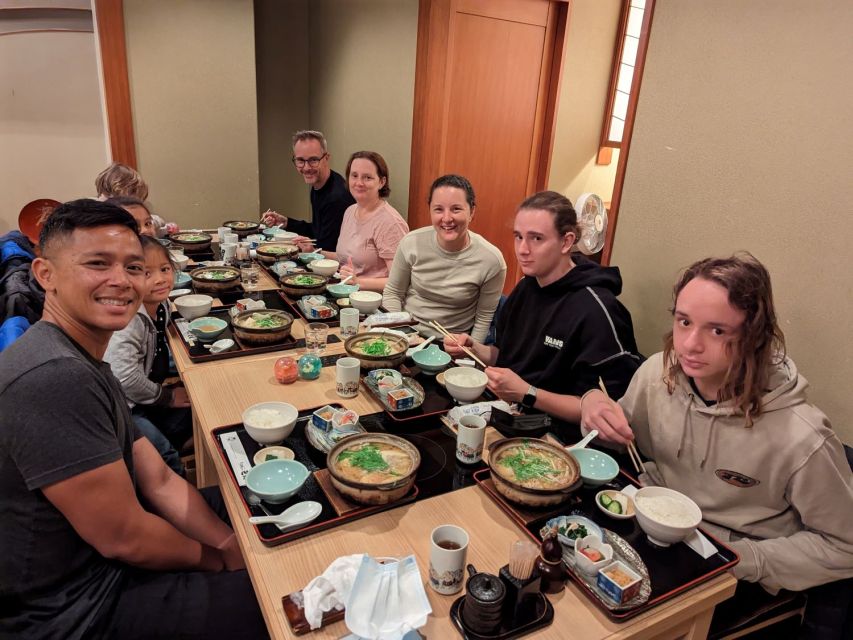
Let’s talk about lunch, because this is not an afterthought. You eat chanko-nabe at one of the best chanko-nabe restaurants in Ryogoku, and the guide keeps the meal tied to what wrestlers need.
Chanko-nabe is a hot pot dish built around nutrition and heat. The idea is straightforward: wrestlers eat in a way that supports gaining weight and muscle, and the dish is designed for that purpose.
Here is the practical part that makes me trust the experience. The tour info emphasizes that the food must be prepared by the wrestlers in the stable, with no professional cooks on site. It is also heated during preparation, which supports hygiene, and because everyone eats from the same pot, the meal naturally reinforces teamwork.
When the group sits down, you get a very Japanese experience style. You are not just consuming calories, you are stepping into a shared routine that wrestlers practiced long before you arrived.
Note: if you have food allergies, this tour is not suitable. Chanko-nabe is a communal hot pot, and the tour data flags allergies as a problem you should not plan around.
Timing, Walking Pace, and What You Might Actually See
The tour runs about 210 minutes, or roughly 3.5 hours. That is long enough to learn a lot, but short enough that you are not spending your whole day on your feet.
Expect a walking-heavy format with multiple guided segments, including stable viewing and several cultural landmark stops. You will want comfortable shoes, because the itinerary is built around movement between locations.
Now the big expectation-setting point. This tour does not include actual watching of sumo bouts. If your main goal is to sit in the stands during a match, you will need tournament timing, not just a good walk.
That said, you might still see sumo-related life. Some past groups have spotted wrestlers relaxing nearby or noticing stable routines in the neighborhood. Think of it as bonus atmosphere, not a promise.
If it is raining or you are worried about weather, plan to stay flexible. The tour is designed as a guided walking day, so your best strategy is comfortable footwear and a light layer you can manage easily.
Price and Value for a 3.5-Hour Sumo Culture Day
At $122 per person for 210 minutes, this is not a budget filler. You are paying for two things at once: guided expertise and a full lunch.
The lunch inclusion matters more than it might sound. Chanko-nabe is a signature wrestler meal, and the tour frames it as part of the sport’s physical and cultural routine. If you were to try to hunt down a great chanko-nabe spot on your own, you would likely spend time and still miss the context.
The small-group cap at 8 also helps justify the cost. This is a tour where questions can actually land, and you are less likely to feel like you are just being herded past signs.
Is it worth it? If sumo interests you even a little, yes. If you are only chasing a match and nothing else, then you may want a tournament day plan instead.
Who This Tour Fits Best in Your Japan Trip
This is ideal for you if you want sumo to feel understandable. You will get the history thread, the stable-life framework, and the culture background that makes later match watching more satisfying.
It also works well if you like “sports plus culture” travel. The walking route touches religious sites, traditional arts references, gardens, and cuisine, so it is not a one-note experience.
It is not a great fit if you have mobility impairments, because it is built around walking and getting around between sites. And if you have food allergies, the lunch component makes it a no.
If you are planning a first trip to Tokyo and want a memorable slice of Japanese identity beyond the obvious highlights, Ryogoku is a strong choice. It feels focused, local, and oddly satisfying for something so sport-specific.
Should You Book This Ryogoku Sumo Town Tour?
Book it if you want sumo meaning, not just spectacle. This guided walking tour gives you the 1600-years-on-up context, the stable-life perspective from outside the gates, and a lunch that is tied directly to wrestler routine.
Skip it if your only goal is to watch bouts. Since this experience explicitly does not include sumo matches, your best plan is to pair it with tournament timing or a separate match day.
If you do book, my advice is simple: come curious and walk with your questions ready. When your guide is strong, like Jeff, Sue, Jean, Yoko, or Taka, the trip becomes less about memorizing facts and more about learning how sumo works as a culture.
FAQ
Does this tour include watching sumo matches?
No. The tour does not include actual watching of sumo bouts, though you may see sumo-related life in the neighborhood depending on the day.
Where do I meet the guide?
Meet your guide outside Ryogoku Station.
How long is the Ryogoku Sumo Town guided walking tour?
The tour duration is about 210 minutes.
Is lunch included, and what do I eat?
Yes. Lunch is included at a chanko-nabe restaurant in Ryogoku.
Is this tour suitable for food allergies or mobility impairments?
No. It is not suitable for people with mobility impairments, and it is also not suitable for people with food allergies.
What should I bring?
Wear comfortable shoes, since the tour involves walking between multiple stops.
Is there free cancellation?
Yes. You can cancel up to 24 hours in advance for a full refund.
Newly listed around Tokyo
- Tokyo private transfer for Yokohama Port★ 4.5 · 63 reviews
- Luxury Kimono Photoshoot at Ginza Tokyo★ 5.0 · 7 reviews
- Tokyo Allstar Food Tour★ 4.5 · 206 reviews
- Private One Day Nikko Tour with Bilingual driver★ 3.5 · 11 reviews
- Tokyo Art Aquarium Museum E-Ticket with optional Tokyo Metro Pass★ 5.0 · 17 reviews
- Tokyo: Best Ginza Food Tour at 3 Local Eateries★ 5.0 · 83 reviews
- PRIVATE tour in 180SX to Daikoku+++++★ 5.0 · 6 reviews
- Kabuki Talk★ 5.0 · 10 reviews
Sumo Stable Visits, compared.
Sumo Show Experience with Chicken Hot Pot and a Photo
Read our review →
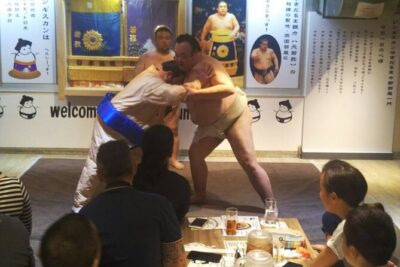
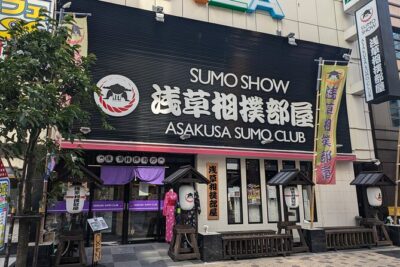
Tokyo Sumo Entertainment Show with Chicken Hot Pot and Photo
Read our review →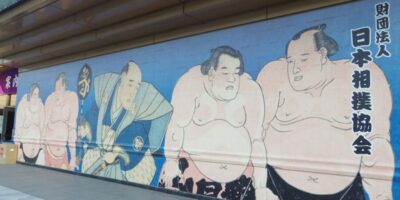
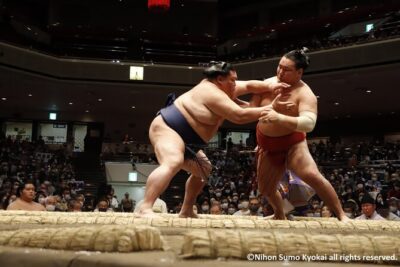
Tokyo Grand Sumo Tournament Viewing Tour with Tickets
Read our review →
Sumo Show & Experience w/ Optional Kimono & Hot Pot
Read our review →Browse the lists this tour appears in