
Review · MOUNT FUJI DAY TRIPS
Sightseeing Day Trip to Mount Fuji and Hakone Green Number
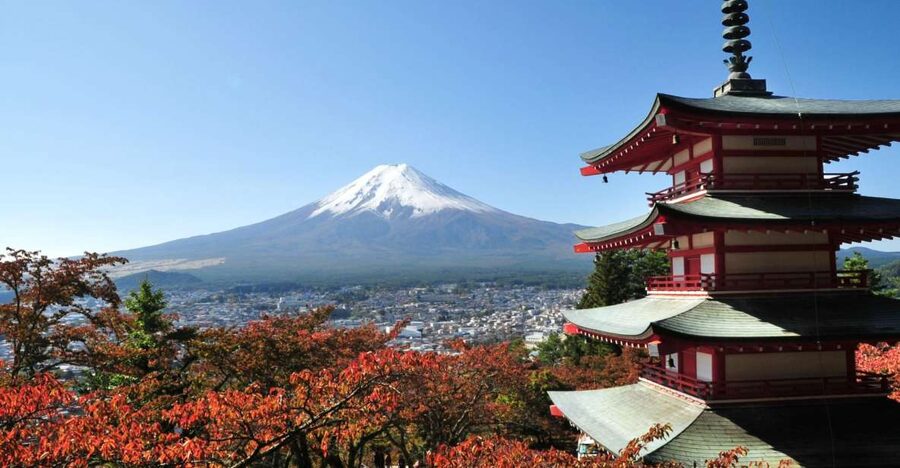
One day. Two world-famous views. This private Mount Fuji and Hakone tour is interesting because it strings together big scenery stops without making you fight trains, transfers, or schedules. I like the private guide model, where your driver also explains what you’re seeing and helps you hit the best photo angles. I also love how the route mixes Mount Fuji viewpoints with Hakone’s lake-and-ropeway area, so the day feels varied instead of repetitive. The one thing to keep in mind is that weather can make Fuji views hit or miss, and road traffic can steal time.
You can choose a full day that combines Mount Fuji plus Hakone, or go Fuji-only for a tighter focus. Either way, it runs from Tokyo and comes with roundtrip pickup and drop-off, plus a private group setup that keeps things flexible when your guide adjusts for weather and timing.
In This Review
- Key takeaways before you go
- Why this Mount Fuji and Hakone day trip works
- Your two itinerary choices, Fuji plus Hakone or Fuji-only
- Option A: Mount Fuji plus Hakone in one long day
- Option B: Mt. Fuji area only for a tighter focus
- Entering the Fuji 5th Station zone, and how to handle weather
- Lake Kawaguchi and Oshino Hakkai, the sightseeing that stays beautiful
- Ropeways and Hakone airtime, Kachi Kachi and beyond
- Lake Ashi and Hakone’s green side, where the scenery changes mood
- Shrines, parks, and Oishi Park, finishing with viewpoints
- Private transport from Tokyo, time, traffic, and Green Number plates
- Price and value: what $419 covers, and what costs extra
- English-speaking guides like Petteri, Zia, Israr, Ghazi Ali, and Hadir
- Who should book this tour, and who should skip it
- Should you book this tour or not?
- FAQ
- How much does the tour cost?
- How long is the day trip?
- Where does the tour start and end?
- What are the two itinerary options?
- What’s included in the price?
- Are any tickets included?
Key takeaways before you go
- Two itinerary styles: Mount Fuji plus Hakone, or a Fuji-only loop for a more concentrated day
- Your guide is also the driver: easier pacing, fewer handoffs, and more time spent outside the vehicle
- Weather-dependent Mt. Fuji 5th Station: plan for alternatives and don’t rely on perfect visibility
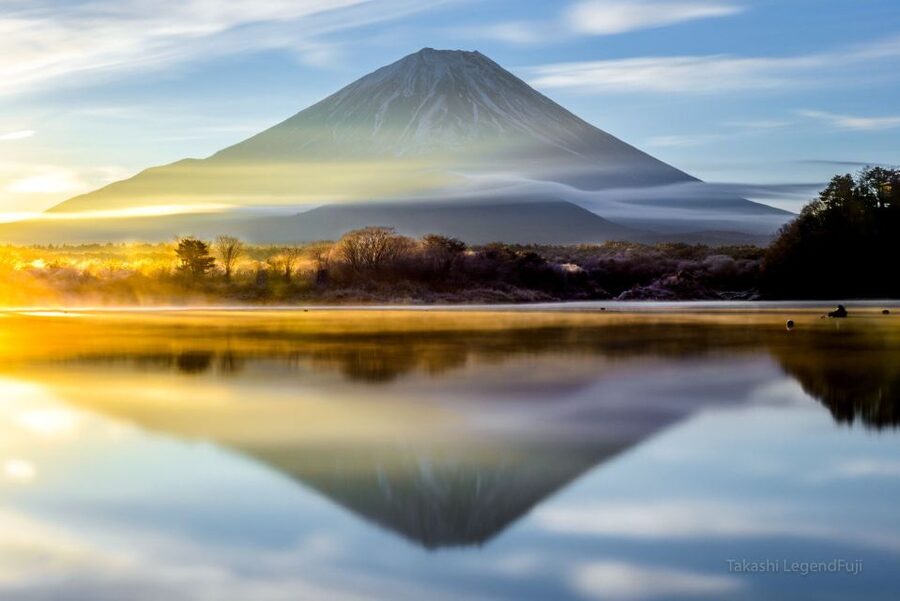
- Classic photo stops: Lake Kawaguchi, Oshino Hakkai, ropeways, and lake views
- Green Number plates included: you travel with the tour’s licensed sightseeing transport setup
- One extra entry fee to plan: Mt. Fuji 5th Station entry is listed at ¥2,800
Why this Mount Fuji and Hakone day trip works
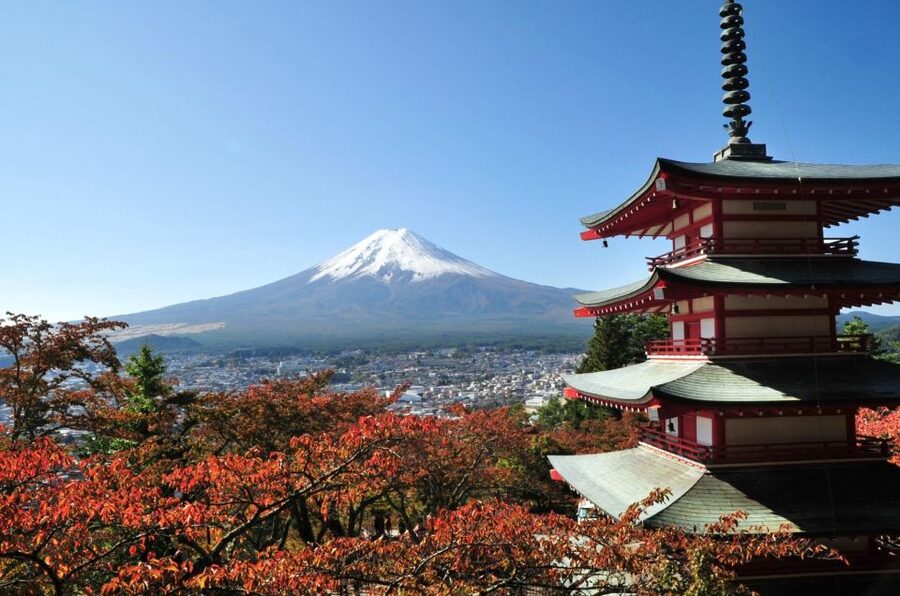
If you only have a day or two in Tokyo, you’re basically choosing between two imperfect options: squeezing Fuji and Hakone into public transport, or paying for a private setup that protects your time. This tour leans hard into the time-protection plan. You get hotel pickup and drop-off, roundtrip transportation from Tokyo, and a live English guide who travels with you as you move between regions.
What I like most is the balance between iconic and practical. You get major landmarks that people travel for, like Oshino Hakkai and Hakone’s ropeway/lake area, but you also get the guide time that helps you understand what you’re looking at and where to stand for the best sightlines. That makes a difference when you only have 10 hours total and the light changes fast.
More Mount Fuji Day trips in Tokyo:
- Mt Fuji and Hakone 1-Day Bus Tour Return by Bullet Train
★ 5.0 · 26,383 reviews - Mt Fuji & Hakone Cruise, Drum Show Bullet Train 1 Day from Tokyo
★ 4.0 · 7,413 reviews - Tokyo Mt Fuji 5th St & Hakone Cruise Bus Tour w/Bullet Train
★ 4.4 · 5,024 reviews
Your two itinerary choices, Fuji plus Hakone or Fuji-only
You have two ways to run the day, and picking the right one depends on what you’re chasing.
Option A: Mount Fuji plus Hakone in one long day
This version is built around a loop that starts in the Fuji area and then pushes into Hakone. Expect stops such as:
- Lake Kawaguchi
- Mt. Fuji 5th Station (weather dependent)
- Kachi Kachi Ropeway
- Hakone Ropeway
- Lake Ashi
- Wakudani
This option is ideal when you want variety. You’re not just seeing Fuji from a single viewpoint. You’re stacking different angles: lake views, ropeway views, and the Hakone valley and shoreline scenery.
A practical drawback: this is the stop-heavy choice. If traffic gets rough or weather closes in, you may feel the day compress.
Option B: Mt. Fuji area only for a tighter focus
This version is a more concentrated Fuji day, built around:
- Mt. Fuji 5th Station (weather dependent)
- Lake Kawaguchi
- Kachi Kachi Ropeway
- Kitaguchi Hongu Fuji Sengen Shrine
- Oshino Hakkai
- Oishi Park
- Arashiyama Sengen Shrine
If you want the most time in the Fuji zone, this is the calmer-feeling plan. It also makes it easier to adjust if Mt. Fuji 5th Station visibility is weak, because the rest of the day is already centered on the same region.
A few more Tokyo days to weigh up
- 1-Day Tokyo Bus Tour
★ 5.0 · 14,250 reviews - Tokyo: TOKYO SKYTREE® Admission ticket
★ 4.5 · 11,192 reviews - Tokyo: teamLab Planets TOKYO Digital Art Museum Entry Ticket
★ 4.6 · 9,779 reviews - Tokyo: Sumo Show Experience with Chicken Hot Pot and a Photo
★ 4.8 · 6,678 reviews
Entering the Fuji 5th Station zone, and how to handle weather
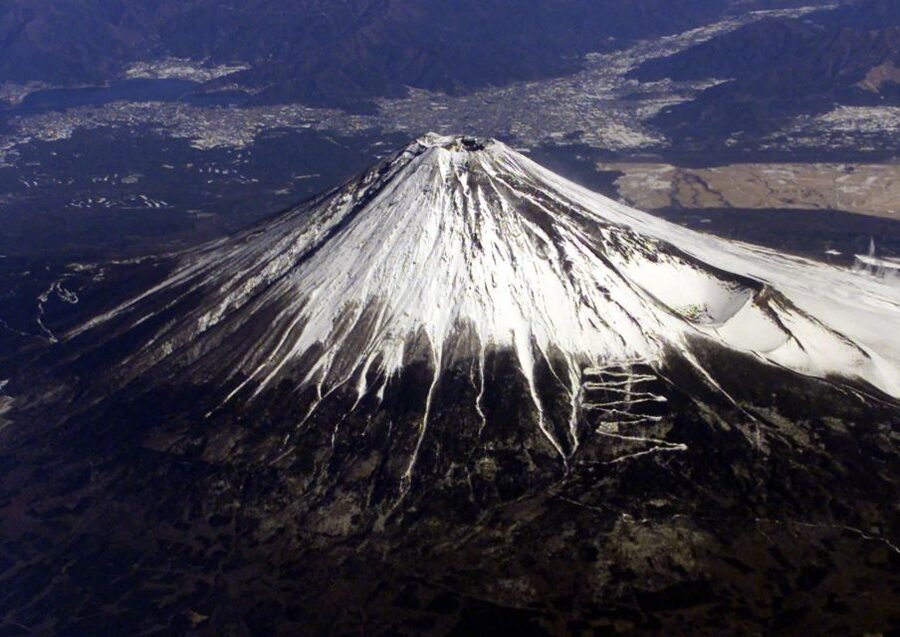
Mt. Fuji 5th Station is the star, and it’s also the part that needs the most humility. The tour lists it as weather dependent, which is exactly how it should be. When visibility is good, you get that rare feeling of being near the mountain rather than just looking at it.
When visibility is not great, don’t treat the plan as a failure. Your guide’s job becomes switching the day from wishful thinking to solid sightseeing. You still have Lake Kawaguchi and Oshino Hakkai later in the route, and those spots can still be excellent even when Fuji is shy.
Practical tip: pack for changing conditions. Even on a day that starts mild, mountain weather can flip quickly. Bring layers and something windproof.
Lake Kawaguchi and Oshino Hakkai, the sightseeing that stays beautiful
Lake Kawaguchi is the opening act for your Fuji views, and it’s a smart early stop. You’re building your day around open air and wide sightlines, and you’re doing it before the crowds and late-day fatigue take over.
Then comes Oshino Hakkai. This area is one of the most satisfying stops on a Fuji day because it’s not just about views. It’s about atmosphere. You’ll walk among ponds and spring-fed water features connected to the Fuji region’s volcanic character. It’s the kind of stop that feels gentle after the busier, higher-energy viewpoints.
Your guide matters here. One reason private tours earn their keep is simple: you’ll know where to pause, where to look, and how long to linger for the best scenes.
Ropeways and Hakone airtime, Kachi Kachi and beyond
After the Fuji-side highlights, the Mount Fuji plus Hakone itinerary brings you into the Hakone story, and the day gets more vertical. Ropeways change how you see the same area because they change your angle and your height.
Kachi Kachi Ropeway is listed as part of the route, and in practice it’s a great mid-day reset. You get that in-between feeling of transport that turns into sightseeing. Then, if you choose the full combined itinerary, you’ll also head to Hakone Ropeway.
If your goal is iconic footage, ropeways help a lot. You can get a sweeping view of the terrain without spending your day hiking. That’s a big deal if you’re traveling with kids, older relatives, or anyone who gets grumpy when a day turns into an endurance test.
Lake Ashi and Hakone’s green side, where the scenery changes mood
Lake Ashi is the next big mood shift. Instead of focusing on Fuji itself, you start seeing the way Hakone sits around water and valleys. The tour includes Lake Ashi as a sightseeing stop, and some guided experiences have included time for a lake ride so you can see the area from the water.
Wakudani is also on the combined itinerary. It’s a stop that tends to feel more dramatic and active than the calmer lake viewpoints. It gives the day variety, especially if you’re doing both regions in one go.
One word of realism: if traffic runs late, this part can get squeezed. That’s not the tour being wrong, it’s just Japan’s road math. One of the standout caution signs from real-world timing is that it can take a long stretch to reach Hakone during busier periods, and then the schedule can narrow.
Shrines, parks, and Oishi Park, finishing with viewpoints
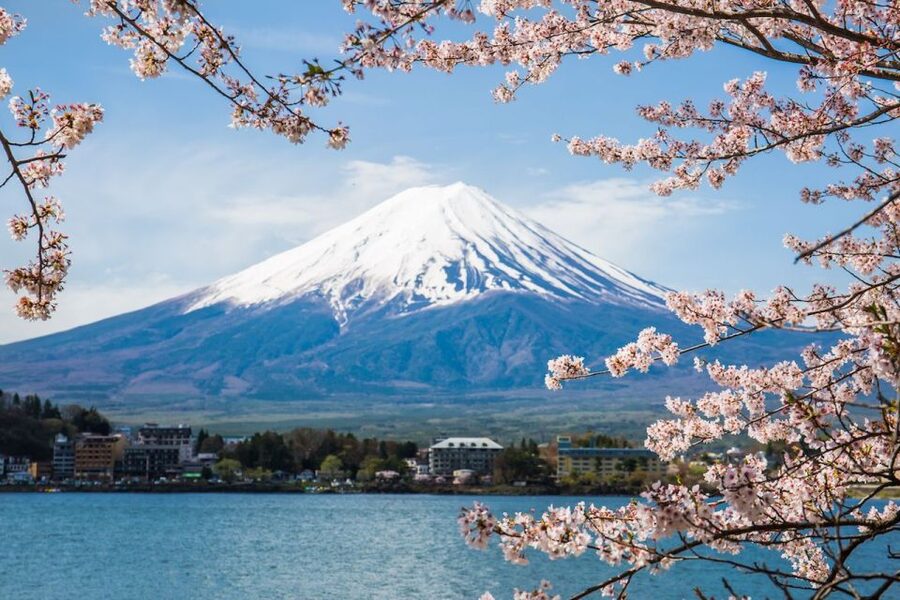
Depending on which itinerary you pick, you’ll end the day with a mix of shrines and parks, including:
- Arakurayama Sengen Park (listed for the combined structure)
- Kitaguchi Hongu Fuji Sengen Shrine (listed on the Fuji-only route)
- Arashiyama Sengen Shrine (listed on the Fuji-only route)
- Oishi Park (listed on the Fuji-only route)
I like this structure because it gives you a second chance at great views late in the day, when conditions can improve again after morning clouds or mist. The Sengen shrine theme also fits the day’s Fuji focus: these sites connect visitors to how the mountain is viewed and revered.
Oishi Park is the kind of stop that works well for travelers who want an easy, scenic walk rather than a long climb. If you’re doing the Fuji-only itinerary, it’s a great way to close the day without feeling like you’re racing through the last hour.
Private transport from Tokyo, time, traffic, and Green Number plates
This tour is built around private roundtrip transportation with hotel pickup and drop-off. That matters more than it sounds. Public transport to Fuji and Hakone can be a puzzle, and you lose energy tracking platforms, transfer times, and schedules that don’t care about your photo plan.
Here, you’re riding with your guide/driver, which is a big advantage when you need flexibility. It also helps with group comfort. The tour price is per group up to 5, so you can travel with friends or a family unit without splitting up.
Green Number plates are listed as included. While the tour data doesn’t spell out what that signals in detail, it does tell you this isn’t a random car pulled together last minute. You’re using the tour’s standard sightseeing vehicle setup.
Traffic is the wild card. One real-world example included a situation where getting to Lake Hakone took nearly four hours due to congestion, and Mt. Fuji plans were impacted. So yes, the tour can still deliver plenty, but I’d manage expectations on peak travel days.
Price and value: what $419 covers, and what costs extra
The price is listed at $419 per group, up to 5 people, for a 10-hour day trip. On paper, private tours can feel pricey until you compare it to the real cost of getting two or three separate trips arranged yourself. Here, you’re buying:
- roundtrip private transportation
- a private guide who also drives
- hotel pickup and drop-off
- fully insured service
- Green Number plates included
That’s the core value. You’re not just paying for someone to tell you where to go. You’re paying for someone to manage the day.
What’s not included is important for budgeting: entry tickets. The tour lists Mt. Fuji 5th Station entry at ¥2,800. Since that’s a concrete known fee, you can plan for it without guesswork. Other attractions on the route may have their own small costs, but those are not specified in the tour details you provided.
My practical take: if you’re traveling as a group of two to five, this price can feel reasonable because you’re splitting the cost of private transport across people who would otherwise each need their own transit tickets and coordination time.
English-speaking guides like Petteri, Zia, Israr, Ghazi Ali, and Hadir
The guide quality is a major reason this kind of private Fuji day works. Names from real guided experiences include Petteri, Zia, Israr, Ghazi Ali, Mukarram, and Hadir, and they’re repeatedly described as going beyond basic directions.
What you should expect from strong guide-led days:
- help with photo spots, including quick adjustments for the light
- recommendations for local food during the route
- thoughtful pacing so you see a lot without feeling rushed
- patience with families, including care for children (useful if you’re traveling with toddlers)
Some guided experiences also mention special moments like a view of Mt. Fuji from the lake on a speed boat. Even if you’re not guaranteed a specific add-on, it highlights the bigger point: a good guide turns transit time into sightseeing time, not just movement.
Who should book this tour, and who should skip it
This tour fits best if:
- you want roundtrip convenience from Tokyo
- you care about hitting multiple famous stops in one day
- you’re traveling in a private group of up to 5
- you prefer a guide-led day over self-navigation
- you want help with timing around weather and photo conditions
You might choose something else if:
- you hate any chance of schedule compression from traffic
- you want a slow, long stay in just one area
- you’re traveling solo on a tight budget and private transport feels hard to justify
Season matters too. The “weather dependent” Fuji 5th Station piece means your day is partially at the mercy of visibility. You’ll still get plenty even when conditions aren’t perfect, but it won’t feel exactly the same.
Should you book this tour or not?
I’d book if you want a high-confidence day plan with private logistics and a guide who can steer you toward the best angles for the time you have. The biggest selling points are the full-day structure, Mt. Fuji plus Hakone option, and the guide-led pacing that can rescue a day when weather or timing shifts.
I would hesitate if your trip is extremely sensitive to delays, or if you’re traveling during a peak window where road traffic can be brutal. In that case, consider the Fuji-only itinerary as a safer bet for keeping the day focused, or plan a lighter schedule the next day so you’re not rattled.
If you want Mount Fuji and Hakone without the stress of transfers, this is the kind of private setup that turns a big goal into a manageable day.
FAQ
How much does the tour cost?
The price is $419 per group, up to 5 people.
How long is the day trip?
It runs for 10 hours total.
Where does the tour start and end?
Pickup is from Tokyo, and you return back to Tokyo at the end of the day.
What are the two itinerary options?
You can do a combined Mount Fuji and Hakone day, or choose a Mt. Fuji area only route. Both options include Mt. Fuji 5th Station (weather dependent) in the provided plan structures.
What’s included in the price?
Included are hotel pickup and drop-off, private roundtrip transportation, a private tour guide who also drives, Green Number plates, and full insurance.
Are any tickets included?
Entry tickets are not included. The tour lists Mt. Fuji 5th Station entry as ¥2,800.
Newly listed around Tokyo
- Stand-Up Comedy in Shibuya (English)★ 4.2 · 27 reviews
- Join a Unique Cultural Ceremony at Tokyo’s Meiji Shrine★ 5.0 · 9 reviews
- Shinjuku: Golden Gai Food Tour★ 4.6 · 77 reviews
- Shinjuku Tokyo: Authentic Japanese Home-Style Culinary Class★ 4.9 · 125 reviews
- Shinjuku: bar hopping night tour at Japanese Izakaya★ 5.0 · 8 reviews
- Shinjuku: Explore the Hidden Local Bars – 3.5 Hours★ 4.7 · 41 reviews
- Tokyo: Authentic Japanese Dance Show ticket by professionals★ 4.7 · 17 reviews
- Shibuya Tokyo: Sushi Making Class (Vegan/Vegetarian/Halal)★ 4.7 · 29 reviews
Mount Fuji Day Trips, compared.
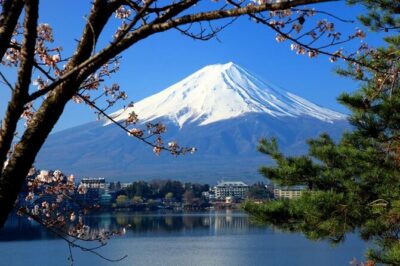
Mt Fuji and Hakone 1-Day Bus Tour Return by Bullet Train
Read our review →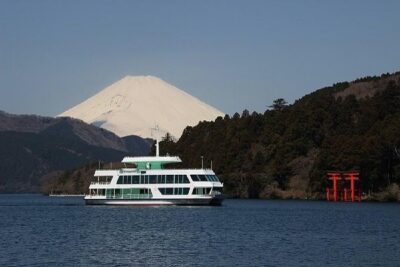
Mt Fuji & Hakone Cruise, Drum Show Bullet Train 1 Day from Tokyo
Read our review →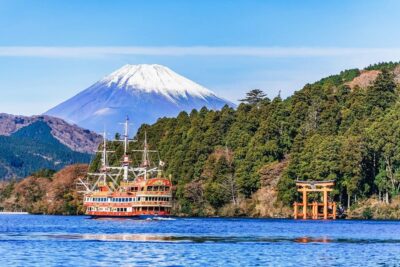
Tokyo Mt Fuji 5th St & Hakone Cruise Bus Tour w/Bullet Train
Read our review →
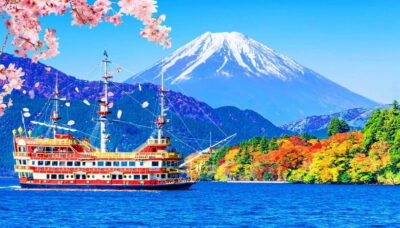
Mt. Fuji Tour, Hakone Ropeway, Owakudani, Lake Ashi
Read our review →
Mt.Fuji,Kawaguchiko Oishi Park,Arakurayama Sengen Park
Read our review →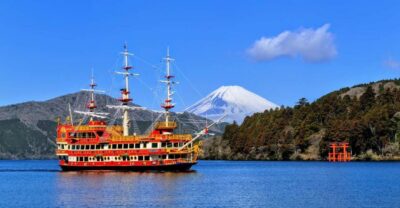
Mt. Fuji 5th Station & Hakone Cruise 1-Day Bus Tour
Read our review →
Mt Fuji Top 5 Spots Day Tour: Arakurayama Park,Oshino Hakkai
Read our review →Browse the lists this tour appears in