Review · GUIDED
Special Ikebana Experience Guided by an Ikebana Master, Mrs. Inao
Fresh flowers, quiet lessons, real Japanese culture.
This Special Ikebana Experience in Kurashiki pairs a hands-on session with a guide and interpreter, plus teaching from Mrs. Inao, an instructor linked to Ikenobo, one of Japan’s oldest Ikebana schools. You start at Sumire Florist, pick materials, then move through the Kurashiki Bikan Historical Quarter with help translating what you’re seeing and doing.
I love that you begin by choosing what you’ll work with, not just walking in and being assigned flowers, and the interpreter sets the history and spirit of Ikebana right where the locals shop. I also like the teaching pace, led by Mrs. Inao, who brings decades of experience, along with support from the interpreter (your guide can be Misa) so you understand both the technique and the etiquette. And yes, the lesson includes thoughtful extras people remember, like green tea and sweets, plus an added touch when the teacher’s husband shares his own art.
One possible drawback: if you’re expecting a heavy, lecture-style dive into culture and flower-arranging philosophy, the focus may feel more practical and lesson-based than “deep-history heavy.” Also, you’ll need to remove your shoes, so plan for socks.
In This Review
- Key Highlights You’ll Actually Feel During the Lesson
- Why Kurashiki Feels Right for Ikebana
- Your Start Point: Sumire Florist and Choosing Flowers
- Quick practical tip before you arrive
- Kurashiki Bikan Historical Quarter, With Translation in Motion
- Meeting Your Teacher: Mrs. Inao and Ikenobo Teachings
- The philosophy, explained in plain terms
- What You Make, and How the Lesson Actually Works
- Small Details That Add Big Comfort: Socks-Off, Tea, and Support
- Shoes off
- Green tea and sweets
- Interpreter help (including Misa)
- Price and Value in Real Terms (Not Just the Number)
- Who This Is For (and Who Might Want Something Else)
- Booking Timing and What to Expect Before You Go
- Should You Book This Ikebana Session with Mrs. Inao?
- FAQ
- How long is the Ikebana experience?
- Where do I meet, and does it return to the same place?
- How much does it cost?
- Do I need to remove my shoes?
- Is it a private experience?
- When should I cancel for a full refund?
Key Highlights You’ll Actually Feel During the Lesson
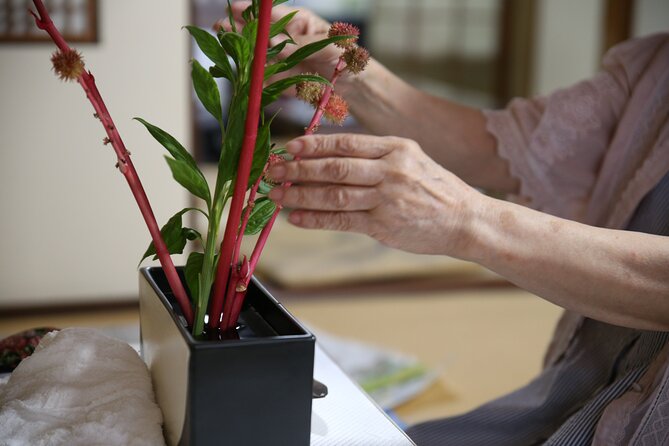
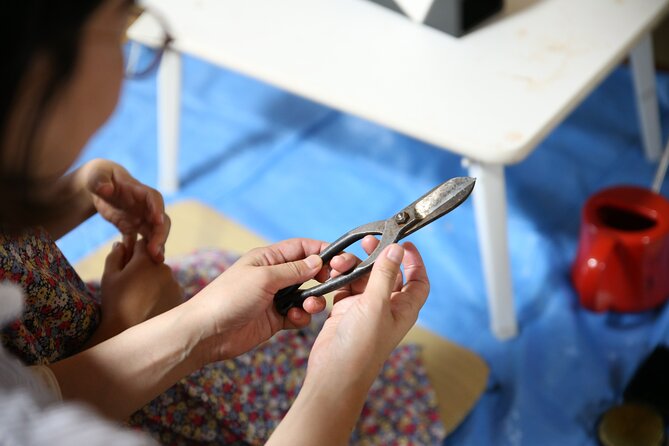
- Two-stage flow: pick your materials at Sumire Florist, then learn on to the classroom teaching
- Ikenobo instruction: technique plus etiquette, not just how to place stems
- Kurashiki Bikan Historical Quarter walk: you move through the town, not just between doors
- Interpreter support (often Misa): easier questions, clearer steps, smoother understanding
- Thoughtful finishing touches: green tea and sweets are part of the experience
- Shoes-off classroom: bring socks or plan to wear them for comfort
Why Kurashiki Feels Right for Ikebana
Kurashiki is a calmer base than many of Japan’s headline cities, and that matters for this kind of activity. Ikebana is not about speed or spectacle. It’s about attention, pauses, and making choices with intention, and Kurashiki’s softer tempo fits that mood.
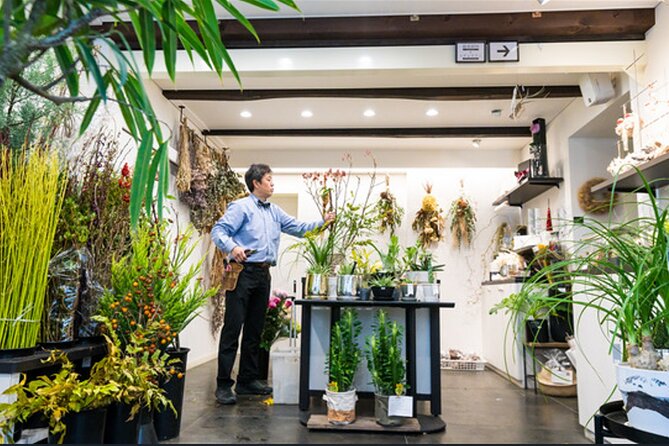
Also, the experience is built around place. You start in a florist that’s been loved by locals for about 70 years, so the beginning already feels grounded in everyday life, not a show pulled out for tourists. Then you transition through the Kurashiki Bikan Historical Quarter while an interpreter keeps you connected to what you’re doing and why it matters.
If you want something different from crowded temples or long lines, this is a nice change of pace. The quiet kind of “Japan” where you slow down and learn a living art.
A few more Japan days to weigh up
- Tokyo 6hr Private Tour with Government-Licensed Guide
★ 5.0 · 3,902 reviews - Tokyo: Shinjuku Local Bar and Izakaya Guided Walking Tour
★ 4.9 · 1,794 reviews - Tokyo: Private City Highlights Tour with Local Guide
★ 4.8 · 1,433 reviews
Your Start Point: Sumire Florist and Choosing Flowers
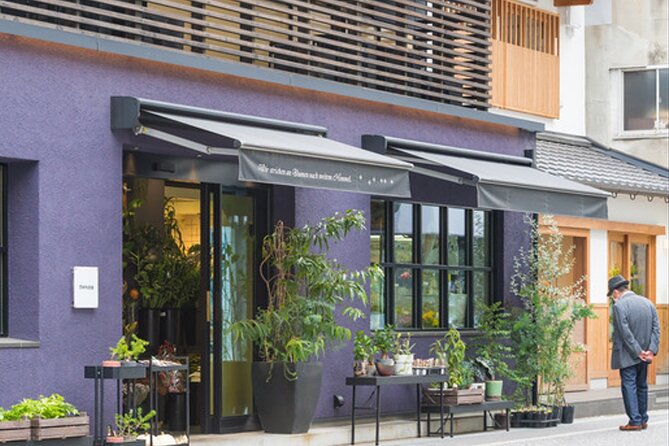
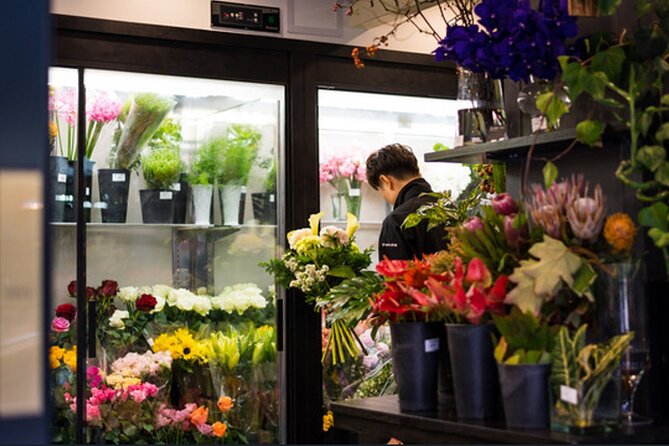
The activity begins back at Sumire Florist, at 3-chōme-8-8 Achi in Kurashiki. You meet there and you are not just waiting for the class. The first real step is practical, you choose materials.
Here’s what I like about this start. You get an early connection to the art. The interpreter explains the history and spirit of Ikebana at the florist itself, so when you later pick stems, it doesn’t feel random. You’re selecting with context, and that makes your arrangement more personal.
The florist setting also helps you ease into the right mindset. It’s easy to imagine how a lesson like this works for locals, coming in to see what’s fresh and seasonal. Even if your Japanese is limited, the interpreter is there to translate the big ideas and the steps, so you’re not stuck guessing.
Quick practical tip before you arrive
Plan to wear socks you’re comfortable staying in, because the experience requires removing your shoes later. If you forget socks, you might have a less comfortable time than you expected.
Kurashiki Bikan Historical Quarter, With Translation in Motion
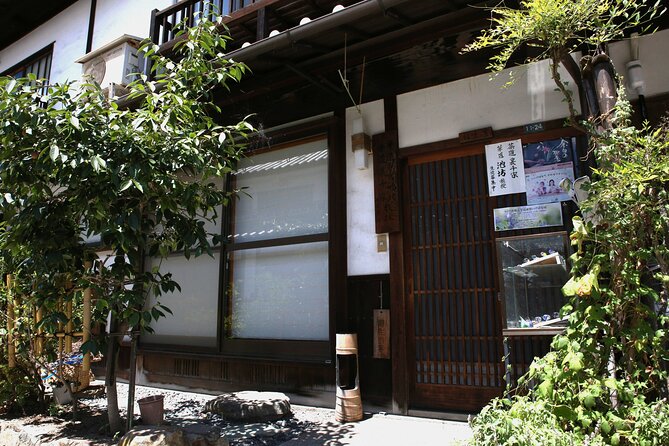
After the flower selection, you travel from the flower store to the classroom through the Kurashiki Bikan Historical Quarter with an interpreter. This is one of those parts that quietly improves the whole day.
Instead of rushing between points, you get a guided walk through a historic streetscape. The interpreter doesn’t just translate words, they help you connect the setting to what you’re learning. That matters because Ikebana is not separate from culture. The “why” behind the arrangement is part of the experience, even while you’re walking.
The drawback, if there is one, is that you are on foot during part of the experience, and the exact comfort level depends on your pace. The tour is only about two hours total, so it’s not a long hike, but it’s still a real walk through the quarter.
A different sort of day in Japan:
- Mt Fuji and Hakone 1-Day Bus Tour Return by Bullet Train
★ 5.0 · 26,383 reviews - 1-Day Tokyo Bus Tour
★ 5.0 · 14,250 reviews - PERFECT KYOTO 1-Day Bus Tour
★ 5.0 · 13,518 reviews - Tokyo: TOKYO SKYTREE® Admission ticket
★ 4.5 · 11,192 reviews
Meeting Your Teacher: Mrs. Inao and Ikenobo Teachings
The class is taught by a teacher from Ikenobo, described as Japan’s oldest Ikebana school. Mrs. Inao is the key teacher name connected with this experience, and she has decades of arranging experience listed for the tour, including 65 years of experience as an arranger.
The teaching style is built around more than placement. You learn techniques and you also learn etiquette. In Ikebana, etiquette is not a side topic. It affects how you handle materials, how you work, and how you carry the arrangement with respect.
This is where the experience feels most “real” rather than like a craft workshop. A typical souvenir-style floral class might teach you steps. This one also teaches you how to behave in the process, what’s meant by the structure, and how to approach the arrangement with care.
The philosophy, explained in plain terms
The tour frames Ikebana through a key idea: giving life back to life by arranging flowers that were cut off. It also explains Ikebana as an aesthetic of subtraction. That can sound poetic until you realize what it means in practice.
You’re not trying to cover every space. You’re trying to show balance, direction, and meaning with fewer, more deliberate choices. When you understand that shift, your arrangement usually improves quickly, even if you have no previous experience.
What You Make, and How the Lesson Actually Works
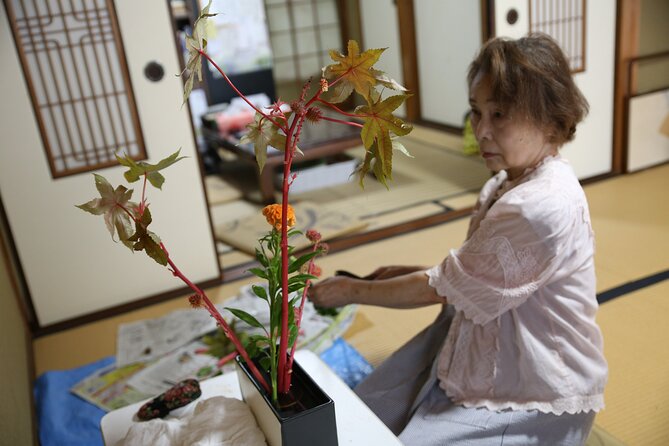
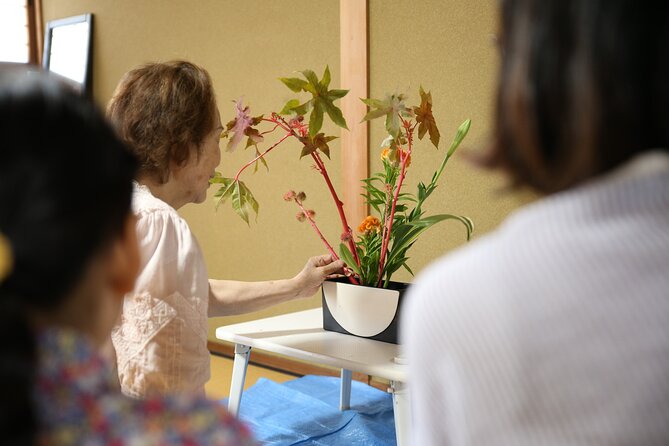
You pick one type of flower for yourself at the start, and then you follow the teaching steps in the classroom. The tour is set up to guide you from materials selection to technique and etiquette, with the interpreter helping you understand what’s happening as you go.
The experience is described as not just hands-on, but also a springboard for deeper understanding of Ikebana and Japanese culture. That usually means you leave with more than a completed arrangement. You leave with a sense of the logic behind the style.
One of the best signs this tour gets it right is how people talk about the teachers and support. In the positive feedback, the guide and teacher are described as kind and attentive, especially when it comes to making sure you understand the instructions. That’s exactly what you want in a hands-on lesson, because the fastest way to enjoy yourself is knowing you’re not missing steps.
Small Details That Add Big Comfort: Socks-Off, Tea, and Support
This experience has a couple of practical details that you should treat as part of the design.
Shoes off
The classroom requires removing your shoes. The tour asks you to wear socks or bring a pair with you. That’s not a throwaway rule. In a class like this, comfort affects your concentration. If you’re cold or distracted, the lesson stops being relaxing.
Green tea and sweets
The experience includes green tea and sweets as part of the time together. That might sound like a standard “welcome” item, but in a lesson context it helps you reset. You’re not rushing from one step to the next. It gives you a moment to observe, ask questions, and settle your thoughts.
Interpreter help (including Misa)
The interpreter is a core piece of the value here. One of the named interpreter-guide experiences includes Misa, described as attentive and helpful while you’re trying to understand the teacher’s explanations. If you’re nervous about language, this kind of real-time translation is the difference between an enjoyable class and a confusing one.
Price and Value in Real Terms (Not Just the Number)
At $82.42 per person, this is not the cheapest thing you can do in Kurashiki. But it also is not a casual craft session. You’re paying for several bundled elements:
- a florist start where you pick materials
- a translator who explains history and spirit
- teaching from an Ikenobo-linked instructor, Mrs. Inao
- technique plus etiquette instruction
- time in the Kurashiki Bikan Historical Quarter, guided by an interpreter
- classroom items like green tea and sweets, and extra personal touches when offered
The value is strongest if you want a structured, guided experience with cultural context, not just a take-home project. It also tends to suit people who like slower, more thoughtful activities.
One consideration based on feedback: if you were expecting a more extensive, lecture-heavy cultural history, you might feel the session is too focused on doing. This tour is positioned as a hands-on lesson with cultural explanation, so your best move is to go in expecting practice and guidance, not a long cultural seminar.
Who This Is For (and Who Might Want Something Else)
This Ikebana experience is a great fit if you:
- want a calm, culture-forward activity in Kurashiki
- like small-group learning with support
- enjoy hands-on craft but also care about the meaning behind it
- want to learn etiquette, not only how to place flowers
It might be less ideal if you:
- want a very long, in-depth cultural lecture
- prefer activities that do not require you to remove shoes
- expect a bigger sightseeing itinerary, because this is mainly a focused class experience
Booking Timing and What to Expect Before You Go
The tour is commonly booked about 42 days in advance on average, so if your trip dates are fixed, it’s smart to reserve sooner rather than later. You should receive confirmation within 48 hours of booking, based on availability.
The experience is also described as private for your group, which can make the learning feel less rushed and more personal. It’s listed as near public transportation, which helps if you’re building this around other plans in Okayama or the region.
If you like having your ticket handy on your phone, the tour includes a mobile ticket.
Should You Book This Ikebana Session with Mrs. Inao?
I’d book it if your goal is a calm, meaningful cultural activity where someone guides you through both the craft and the spirit behind it. The strongest reasons are the Ikenobo-style teaching, the clear support from an interpreter like Misa, and the fact that you start with real flower selection at a long-loved local shop.
I’d hesitate only if your main expectation is a deep, lecture-style history dump. This is built as a practical lesson, with cultural context woven in, not a full classroom seminar on Japanese aesthetics.
If you want a break from big crowds and you’re open to taking your shoes off to learn something beautiful, this is a great choice for Kurashiki.
FAQ
How long is the Ikebana experience?
It runs for about 2 hours.
Where do I meet, and does it return to the same place?
You meet at Sumire Florist in Kurashiki, and the activity ends back at the meeting point.
How much does it cost?
The price is $82.42 per person.
Do I need to remove my shoes?
Yes. The experience requires removing your shoes, and you’re asked to wear socks or bring a pair.
Is it a private experience?
Yes. It’s listed as private, meaning only your group participates.
When should I cancel for a full refund?
Free cancellation is available up to 24 hours before the experience starts for a full refund. Confirmation is based on availability and you’ll receive it within 48 hours of booking.
Newly listed around Japan
- Guided Photoshoot of Fushimi Inari Shrine and Secret Bamboo Grove★ 5.0 · 10 reviews
- Tailored Full Day Private Experience of Kyoto for 1 Day Visitors★ 4.5 · 34 reviews
- Kyoto 2 Hours Genuine Kendo / Samurai Experience In Japan★ 5.0 · 57 reviews
- Private car tour Let’s uncover secrets of majestic Kyoto history★ 5.0 · 45 reviews
- Kyoto Hiking Tour: The Nature and Legends of Kurama and Kibune★ 5.0 · 75 reviews
- Full-Day Sightseeing to Kyoto Highlights★ 5.0 · 77 reviews
- Kyoto Satoyama Cycling with Lunch and English Guide★ 5.0 · 19 reviews
- Kyoto Half Day Yamazaki Whisky Museum and Asahi Art Museum★ 5.0 · 11 reviews
Guided, compared.
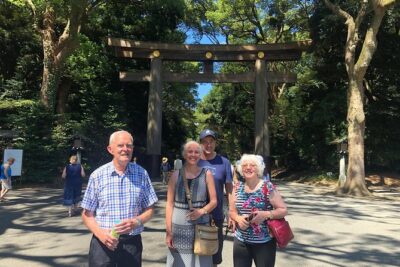
Tokyo 6hr Private Tour with Government-Licensed Guide
Read our review →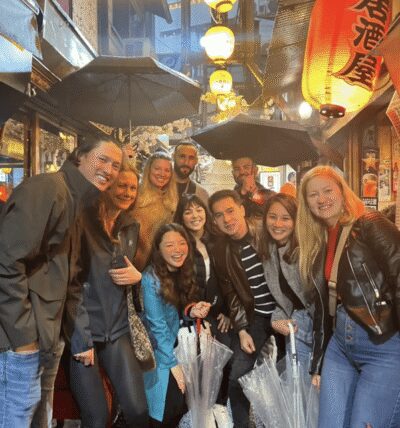
Shinjuku Local Bar and Izakaya Guided Walking Tour
Read our review →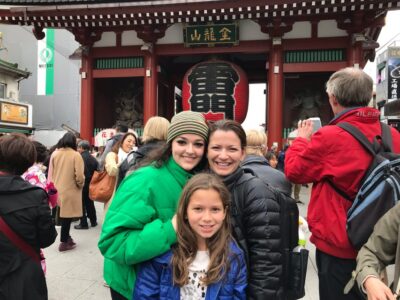
Private City Highlights Tour with Local Guide
Read our review →
Kyoto Early Morning Tour with English-Speaking Guide
Read our review →

Tokyo 4hr Private Tour with Government-Licensed Guide
Read our review →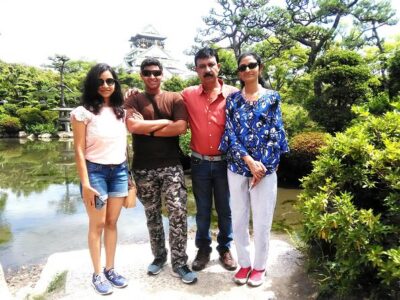
Kyoto 6hr Private Tour with Government-Licensed Guide
Read our review →