
Review · SUMO STABLE VISITS
Tokyo: Exclusive Access to Sumo Morning Practice with Photos
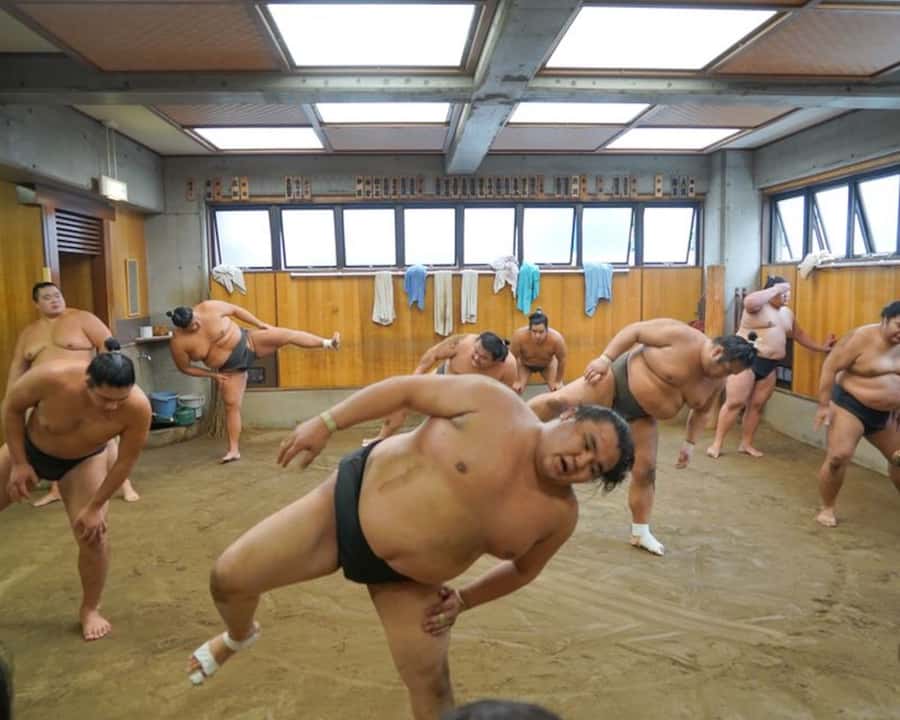
Sumo is a lot more real up close. This Tokyo morning tour gets you into a working sumo stable to watch training at close range, with an English guide like Marie who can answer questions fast.
What I love most is the intimacy. You are not guessing from faraway seats, you are watching the wrestlers work, move, and reset like athletes with a job to do. The whole thing feels more personal and less like a show.
My second favorite part is the ending. The tour includes a photoshoot with the sumo wrestlers, and when the stable allows it you may also get a brief chance to say hello. It is one of those moments that feels practical, not staged, and guides such as Ken Take and Kazu make the time feel relaxed.
One consideration before you book: you sit on tatami with no chairs, and the practice may be canceled or shortened. If you are not great with cross-legged sitting, or if you want a longer showpiece session, this might feel tight for the price.
In This Review
- Key things I’d watch for
- Why a sumo stable visit beats stadium seats
- Finding the meeting spot near Oshiage, fast and stress-free
- The two-hour rhythm: what the schedule feels like
- Inside the stable: what you are really watching during morning practice
- Your English guide: turning what you see into something you understand
- Photos with wrestlers: the payoff, the limits, and how to prepare
- Price and logistics: is $96 for two hours good value?
- Comfort and etiquette: tatami seating, no restrooms, stable rules
- Who this sumo morning practice fits best
- Should you book this sumo morning practice tour?
- FAQ
- How long is the sumo morning practice tour?
- Where do I meet the guide in Tokyo?
- Is the tour suitable for children?
- Will I have a chair to sit on during the practice?
- Does the tour include photos with the wrestlers?
- Is the guide available in English?
- Are restrooms available during the tour?
Key things I’d watch for
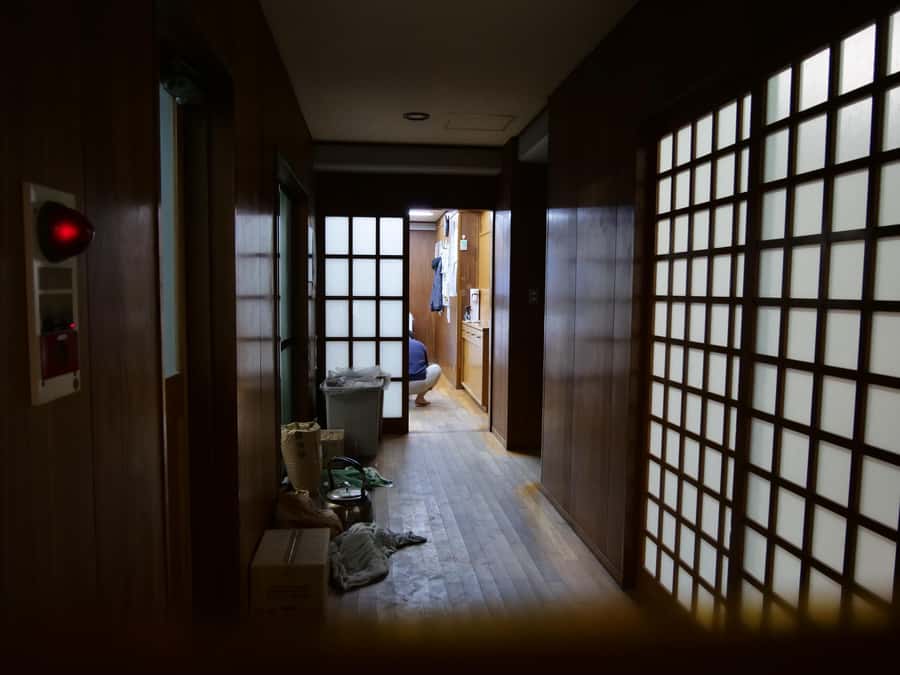
- Close viewing during morning practice: you get a near-seat view you usually cannot find at tournament venues
- Small group, up to 10 people: easier to hear the guide and stay out of the way inside the stable
- Tatami seating, no chairs: plan your comfort first, since you will sit on the floor
- English live guide plus a sumo info guidebook: you get rules, diet, and cultural context during the session
- Photoshoot with wrestlers at the end: a clear, included payoff, even if casual photo chances vary
- Photography rules vary by stable: you might be limited depending on where you sit and what the stable allows
Why a sumo stable visit beats stadium seats
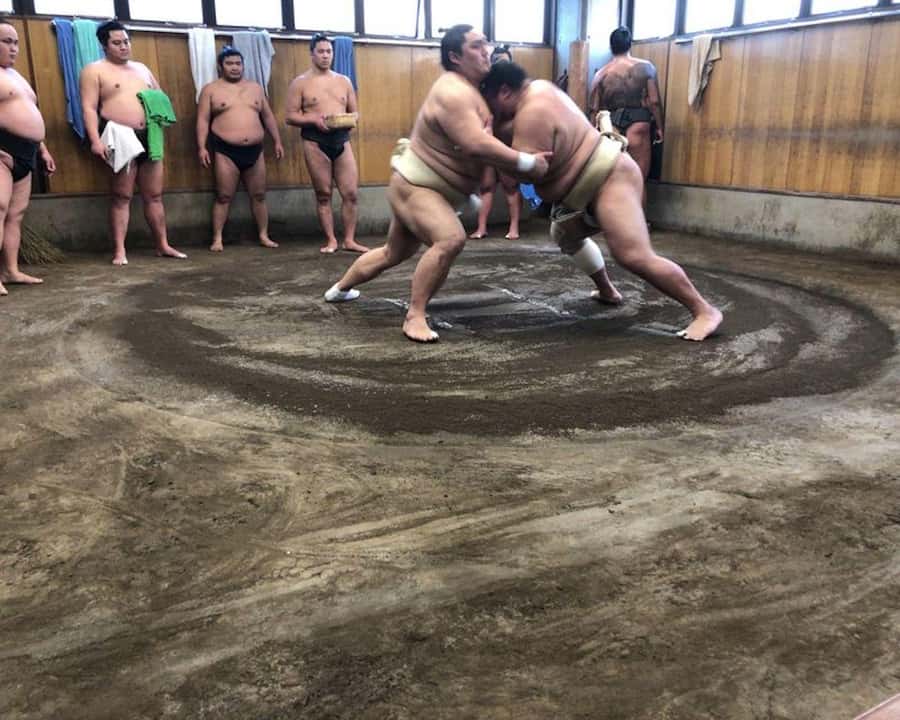
If you have only seen sumo in a stadium, you already know the problem: distance. Even with good seats, the ring is still far away, and you miss how the athletes prepare their bodies and routines. This experience flips that. You watch training from close by, so you can actually see the physical details, timing, and intensity behind the spectacle.
I like that the tour focuses on practice, not performance. In a stable, sumo is work. That means you get a real sense of rhythm, discipline, and repetition, from warmups to drills to practice bouts. It is not just big bodies colliding, it is technique, posture, and calls done the way the stable expects.
You also get cultural context in a way that helps you watch better. Your guide walks you through the basics you need to recognize what you are seeing, including rules and the wrestlers’ diet. Even if you already know a little sumo, this kind of framing makes the training feel more readable instead of mysterious.
More Photo Tours in Tokyo
- Tokyo: Kimono Dressing, Walking, and Photography Session
★ 4.9 · 427 reviews - Best Go Kart Experience in Shibuya Crossing with Iconic Photos
★ 5.0 · 348 reviews - Tokyo Go-Karting Experience: Shibuya Crossing with Photos
★ 4.8 · 190 reviews
Finding the meeting spot near Oshiage, fast and stress-free
The tour starts on time, and late arrivals cannot join or reschedule. So I suggest you aim to arrive a few minutes early at the meeting point, not during a last-second sprint.
Meet in front of the Oshiage Taxi stop on the ground in front of Exit B3 at Oshiage Station. From that spot, you can see Tokyo Skytree and also nearby signs like Uniqlo, LIFE, and Sizzler, which makes it easier to confirm you are in the right area. Your guide will be holding a red or orange sign that says MagicalTrip.
This part matters because you are about to walk into a highly structured environment. When you start calm, you enjoy the session more, and you avoid that awkward moment of trying to catch up in the middle of stable rules.
The two-hour rhythm: what the schedule feels like
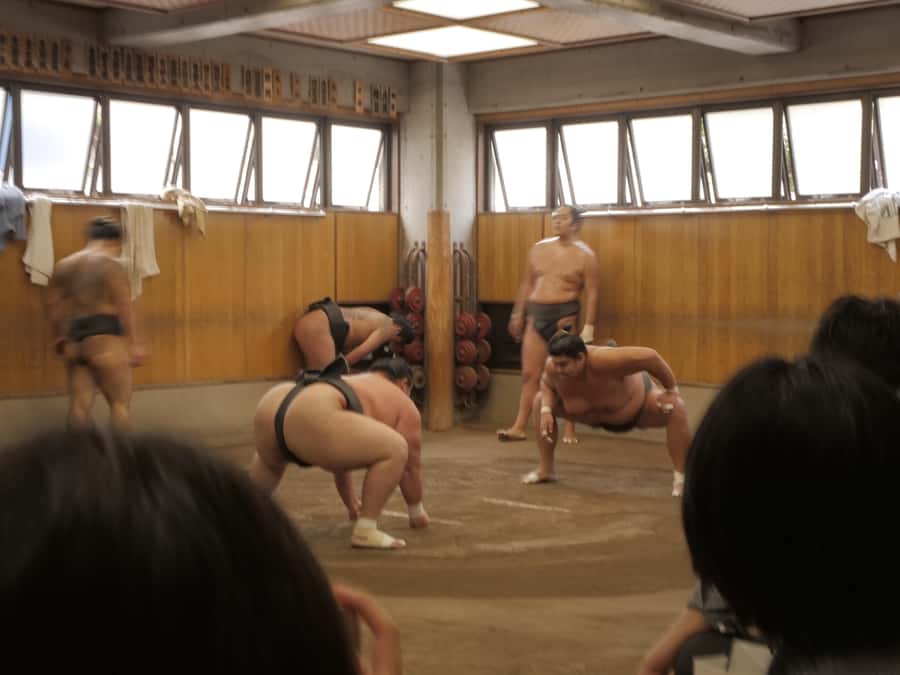
The whole experience is about 2 hours, starting at the taxi stand meeting point and ending back there. Within that window, the main event is your stable visit and morning practice viewing.
Because it is scheduled tightly, the timing feels like this: you meet, get brief orientation, settle in, watch training, then finish with the included photoshoot. The tour also notes that practice could be canceled or shortened without notice, with a full refund if the operator cancels.
That matters for expectations. You are buying access and closeness, not control over the stable’s morning. If the session ends early, you may wish it were longer, and some people have felt that the duration did not match the price when practice time was shorter.
Inside the stable: what you are really watching during morning practice
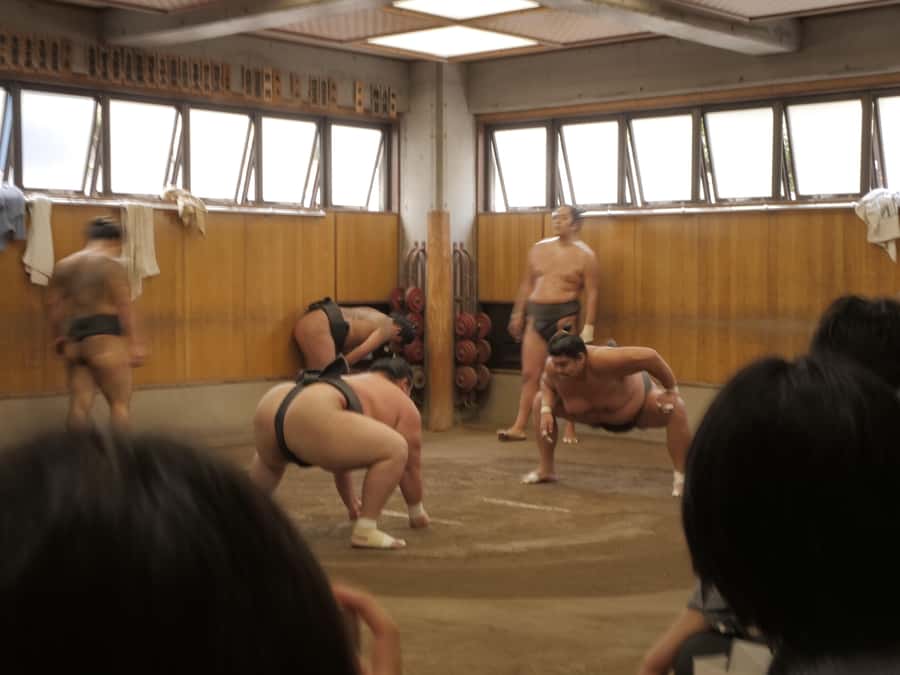
This is where the tour delivers its main value. You enter a real sumo stable and watch the morning practice in progress. That means you see the wrestlers in their training setting, working through drills and bouts while following stable routine.
The most important practical detail is seating. You will sit on tatami, and there are no chairs. That can be fine if you are comfortable on the floor, but if you are sensitive to knees or hips, plan for it. One person noted that legs can go numb when sitting cross-legged, and that the experience is still worth it, but comfort becomes part of the plan.
Once you are seated, the close distance changes everything. You get a better sense of the scale, how big the wrestlers are in real life, and how their movements look when you can see the full body mechanics. It also helps you notice the smaller transitions, like when wrestlers reset stance, regroup with coaches, or pause before training resumes.
You will also get a guide-led explanation while you watch. Your guide covers the rules of sumo and the wrestlers’ diet, and they also use visual materials such as cards and quizzes to help you learn without turning it into a lecture hall. The best guides, like Marie in one example, can answer questions quickly because they live and breathe sumo culture.
Compare these Sumo Stable visits in Tokyo:
- Tokyo: Sumo Show Experience with Chicken Hot Pot and a Photo
★ 4.8 · 6,678 reviews - Tokyo: Sumo Show and Dining Experience
★ 4.8 · 2,742 reviews - the SUMO show
★ 5.0 · 1,960 reviews - Tokyo Sumo Entertainment Show with Chicken Hot Pot and Photo
★ 5.0 · 1,205 reviews
Your English guide: turning what you see into something you understand
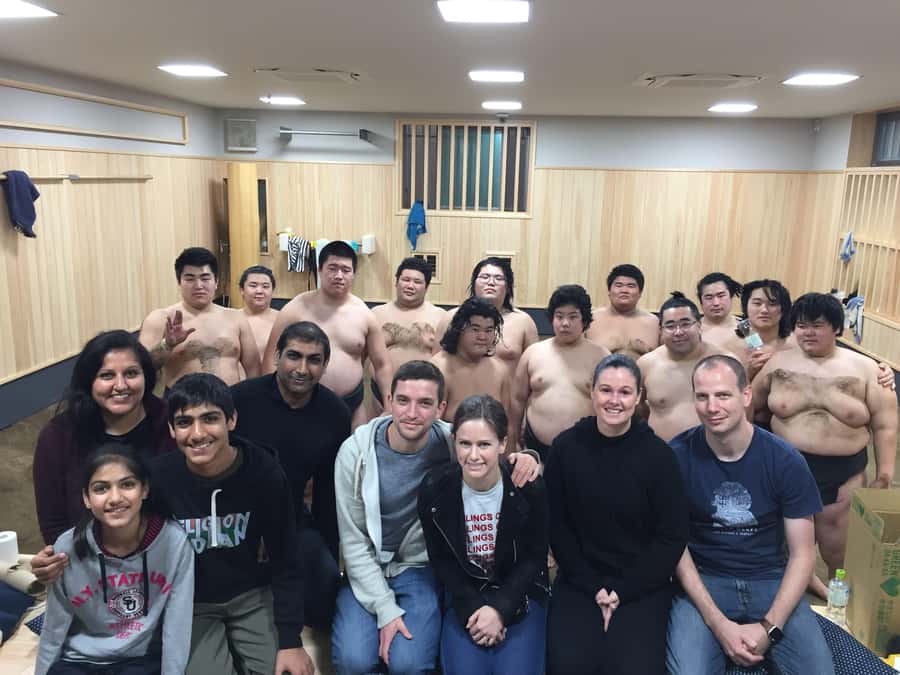
The biggest difference between simply watching training and actually enjoying training is interpretation. This tour is built around an English live guide, so you are not left guessing what matters.
Your guide explains:
- Rules of sumo in a way that helps you follow the practice actions
- Diet and training culture, which gives context for how the bodies look and perform
- How the rituals and routines fit into daily stable life
The tone is also important. Several people mentioned guides who were friendly and ready to answer questions without hesitation. Names that came up include Marie, Ken Take, Kazu, and Max, and they all seem to share the same strength: making the sport understandable without shrinking it into trivia.
If you go, come with a couple of questions you actually care about. For example, ask what you should watch for during practice, or what role diet plays in training. With a guide who can answer instantly, you will get more out of those two hours than you would by reading a guidebook alone.
Photos with wrestlers: the payoff, the limits, and how to prepare
The tour includes a photoshoot with the sumo wrestlers at the end. That is a clear benefit because it does not rely on luck or timing. You finish the training session with a structured photo moment, and multiple people praised the photos as a highlight.
Still, photography can be limited depending on the stable. The tour explicitly warns that photo rules vary, and stable behavior rules apply. So bring your camera expectations down to earth. Think of it as, you will likely get photos, but the exact freedom depends on what the stable allows.
Here is how to make it smoother:
- Have your phone/camera ready before the photos moment starts
- Keep your posture calm, no rushing, no blocking anyone’s view
- Follow the guide’s instruction right away, since stable rules matter more than your shot
If you are hoping for a long meet-and-greet, the tour notes that you might have a chance to talk or take photos depending on conditions and the wrestlers’ state. That part is not guaranteed, but the included photoshoot is, so you still leave with something tangible.
Price and logistics: is $96 for two hours good value?
For many people, the sticker shock is real. $96 for two hours is not cheap, especially when you see that it is not a tournament match. The key question is whether you are buying access and closeness, plus guide time and photo time.
In value terms, you are getting:
- Exclusive access to a working stable morning practice
- Close-up viewing that is hard to replicate elsewhere
- An English live guide for context and rules
- A sumo info guidebook and learning materials
- Photoshoot with the wrestlers at the end
- A small group limited to 10 people
That is a lot packed into a short window. But there is also a clear risk that price feels harder to justify if the practice is shortened. The tour notes that practice may be canceled or shortened without notice, and full refunds apply if the operator cancels. Some people also mentioned that the practice lasted less than expected and that the pace felt a bit rushed, so your personal sense of value may depend on how long training runs that morning.
My practical advice: treat this as an access experience first, not a long training show. If you want hours and hours of action, you might feel you paid for something shorter than hoped. If you want real closeness, explanation, and a photoshoot payoff, the price can feel fair.
Comfort and etiquette: tatami seating, no restrooms, stable rules
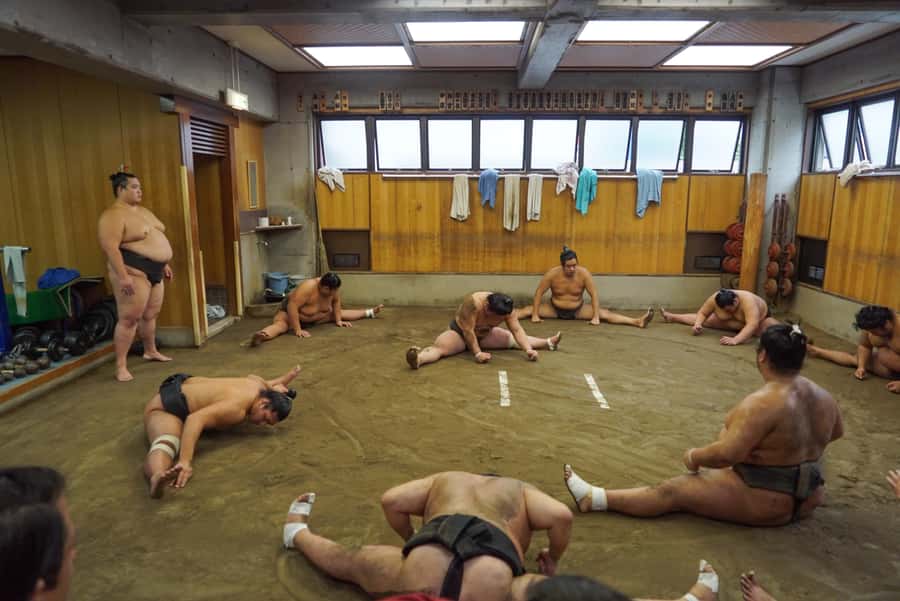
This tour has a few ground-level realities that you should take seriously.
Tatami seating with no chairs means you should wear clothes you can sit comfortably in. If you know you struggle with floor sitting, plan for breaks. The tour also says there are no restrooms during the tour, so go before you meet. That one item sounds basic, but it affects comfort more than you think.
Stable rules matter. The tour says follow all stable rules, and disruptive behavior or entering restricted areas can lead to removal without refund. Re-entry is not allowed, so if you leave early you do not come back.
Also note that groups may be split and seating is first-come, first-served. That means arriving on time is not only about joining, it is also about being positioned well for viewing and for hearing the guide.
Finally, photography rules depend on the stable. So you may be able to take photos during parts of the visit and limited during others. The guide will help you stay within the boundaries.
Who this sumo morning practice fits best
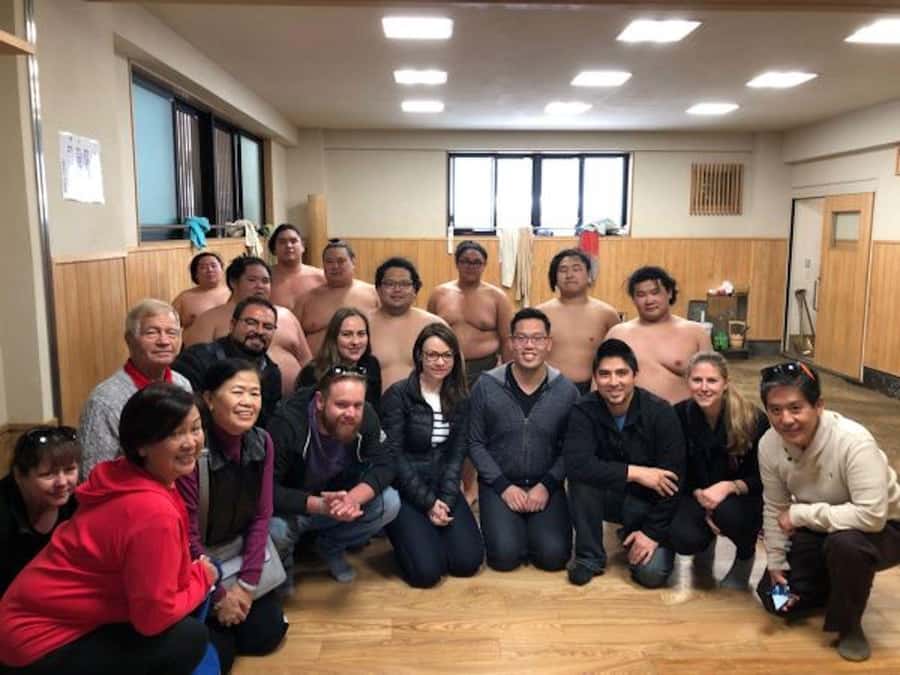
This is best for you if:
- You want a more intimate view of sumo than stadium seating offers
- You like learning alongside the action, with a guide explaining rules and diet
- You care about culture, routine, and the sport as daily work, not just tournament drama
- You enjoy small groups and are fine with sitting on tatami
It may not be ideal if:
- You need chairs, or you know you cannot handle cross-legged floor seating
- You have restroom needs during the tour window
- You are traveling with someone under 12, since children under 12 cannot join and may be denied entry without refund
- You rely on wheelchair or stroller access, because some stables aren’t wheelchair/stroller accessible
If you are traveling with teens and above, this can be a standout activity on a Tokyo morning schedule. Several comments also suggested it works especially well as a first sumo experience, because you get context right before you watch the bodies and rituals.
Should you book this sumo morning practice tour?
I think you should book if you want real closeness, a small-group feel, and an English guide who can explain what you are seeing. The included photoshoot with the wrestlers is a meaningful payoff, and the chance to ask questions makes the two hours feel useful instead of passive.
You should pause and consider your priorities if you are sensitive to floor sitting, because tatami with no chairs is part of the deal. And if you are the type who wants a long, uninterrupted session, remember that practice can be shortened that morning. The price can feel steep if training time runs short.
If you are aiming for one authentic Tokyo culture moment that feels different from the typical big-ticket sightseeing day, this is a strong choice.
FAQ
How long is the sumo morning practice tour?
The tour lasts 2 hours.
Where do I meet the guide in Tokyo?
Meet in front of the Oshiage Taxi stop on the ground in front of Exit B3 at Oshiage station. The guide will be holding a red or orange MagicalTrip sign.
Is the tour suitable for children?
The tour is for guests aged 12 and over. Children under 12 cannot join and will be denied entry without refund.
Will I have a chair to sit on during the practice?
No. Guests sit on tatami, and chairs are not provided.
Does the tour include photos with the wrestlers?
Yes. It includes a photoshoot with the sumo wrestlers at the end.
Is the guide available in English?
Yes. The live tour guide speaks English.
Are restrooms available during the tour?
No restrooms are available during the tour, so you should go before it starts.
More Photography Sessions in Tokyo
- Tokyo: Sumo Practice Tour with Ring-Side Seat and Photoshoot
★ 4.7 · 103 reviews - Tour with Pro Tokyo Photographer and take Edgy Unique Portraits
★ 5.0 · 80 reviews - Tokyo: Evening Photography Tour
★ 4.8 · 61 reviews - Tokyo Asakusa: Miu Kimono Rental and Optional Photoshoot
★ 4.9 · 54 reviews
Newly listed around Tokyo
- Tokyo: Tsukiji Fish Market food Tour★ 4.8 · 7 reviews
- Tokyo: Family Sumo Workshop & Live Wrestling Show with Lunch★ 4.9 · 99 reviews
- Tokyo: Flagship 2-Hour Street Go-Kart Tour by Street Kart★ 4.9 · 94 reviews
- Tokyo’s Upmarket District: Explore Ginza with a Local Guide★ 4.5 · 26 reviews
- Tokyo: English Standup Comedy Night★ 5.0 · 8 reviews
- Tokyo: Enjoy Sumo match and know about it! [Ticket included]★ 4.4 · 7 reviews
- Tokyo: Evening Photography Tour★ 4.8 · 61 reviews
- Private Drifting Lesson w/ OG Instructor Tokyo Drift Japan★ 5.0 · 30 reviews
Sumo Stable Visits, compared.
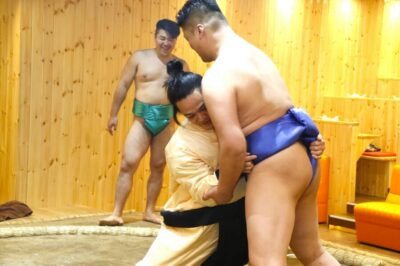
Sumo Show Experience with Chicken Hot Pot and a Photo
Read our review →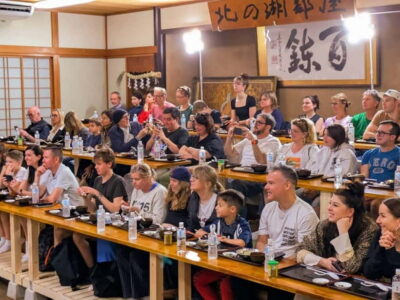
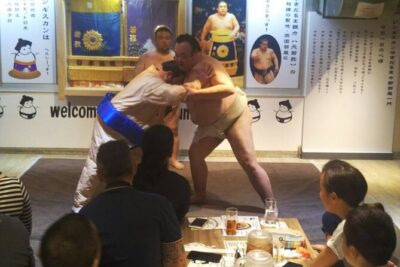
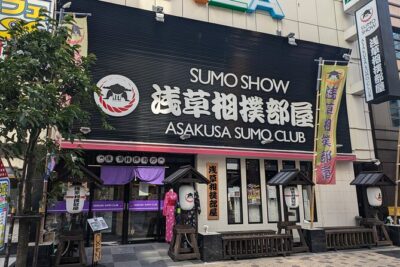
Tokyo Sumo Entertainment Show with Chicken Hot Pot and Photo
Read our review →
Tokyo Grand Sumo Tournament Viewing Tour with Tickets
Read our review →
Sumo Show & Experience w/ Optional Kimono & Hot Pot
Read our review →Browse the lists this tour appears in