
Review · SUMO STABLE VISITS
Tokyo: Family Sumo Workshop & Live Wrestling Show with Lunch
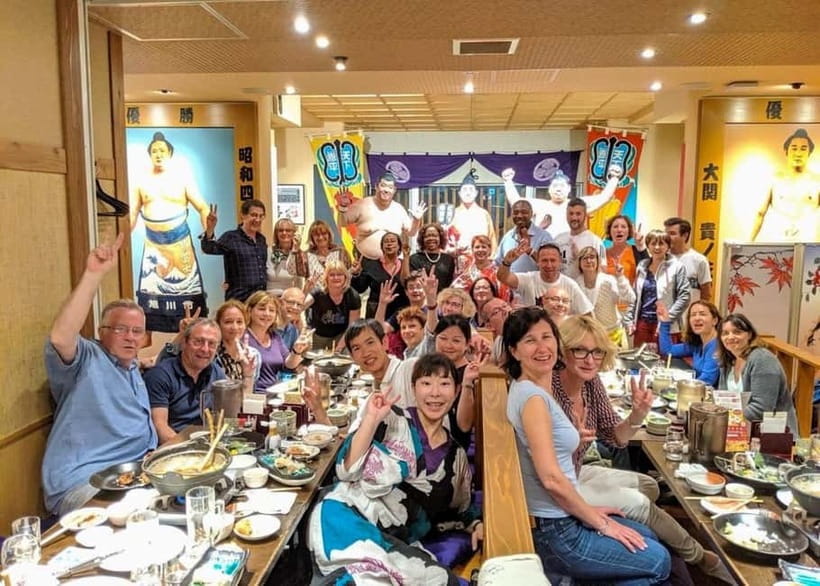
Tokyo hits different inside a sumo ring. This family workshop in Ryogoku turns the legends into something you can actually feel, with former pros guiding you in the ring. You also get a hands-on show plus a filling mini lunch, so it is more than just watching.
I love the practical training, especially the stomp-and-slide basics like shiko and suri-ashi, taught in a way families can follow. I also love the big payoff moments, the full-speed exhibition, the chance to challenge a wrestler in a padded suit, and the chanko nabe lunch that shows up steaming and ready to eat. MCs like Yo and Rio, plus wrestlers such as Kai and Ede, are repeatedly praised for being funny, clear, and great with questions.
One consideration: if you have strict halal requirements, ask early. The meal is said to avoid pork and alcohol, but it is not described as officially halal certified, and cross-contamination cannot be guaranteed for strict avoidance.
In This Review
- Key Things That Make This Sumo Workshop Worth Your Morning
- Stepping Into Ryogoku’s Sumo World, Up Close
- The Training Part Families Actually Understand: Shiko, Teppo, Suri-Ashi
- Exhibition Match Energy, Plus the Chance to Challenge a Wrestler
- Chanko Nabe Lunch: More Than a Token Meal
- Price and Value: Why $60 Feels Like More Than a Show
- What to Expect on the Ground: Timing, Shoes, and Family Comfort
- Who This Sumo Workshop Is Best For (and Who Might Skip It)
- Should You Book This Tokyo Sumo Workshop?
- FAQ
- How long is the Tokyo family sumo workshop?
- What food is included, and can you handle dietary needs?
- Is the meal halal certified?
- Do I have to participate in ring drills?
- Are children welcome?
- Is the experience wheelchair accessible?
Key Things That Make This Sumo Workshop Worth Your Morning
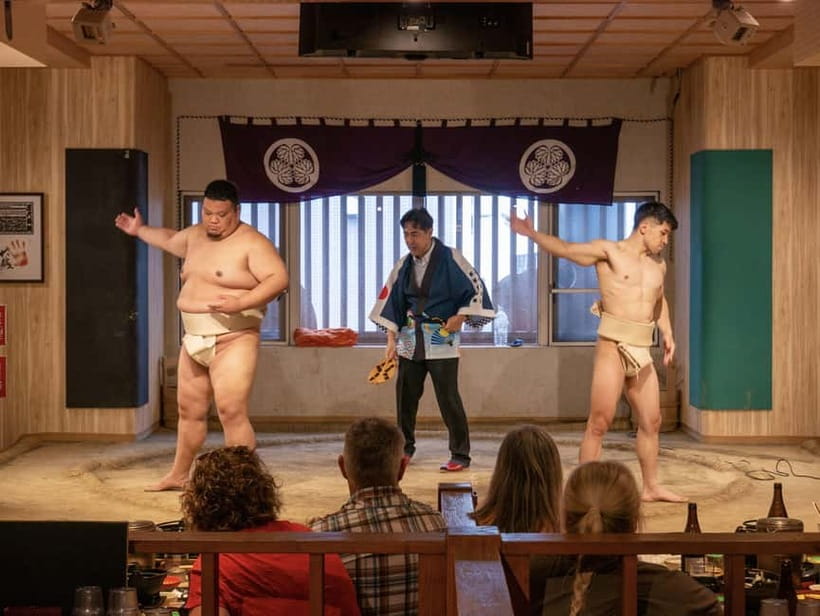
- Ryogoku ring access with former pros, so you are not just watching from behind a barrier
- Family drills you can try, including shiko, teppo, and suri-ashi basics at an appropriate level
- A real exhibition match moment, with the atmosphere of impact and ritual explained by an EN/JP MC
- A padded-suit challenge option, where some participants go head-to-head with a wrestler
- Free photo time with wrestlers, including chances to film or join the action if you are invited
- Chanko nabe lunch included, vegan and allergy-friendly options available on request (with halal limits)
Stepping Into Ryogoku’s Sumo World, Up Close
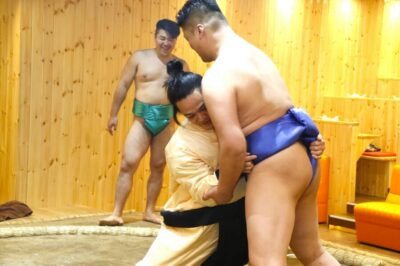
Ryogoku is where Tokyo’s sumo culture lives year-round, and this experience lets you get closer than the usual tourist version. Instead of craning your neck in a big stadium, you enter an intimate space focused on training, rituals, and practice bouts. You also get the important context, salt-tossing traditions and the meaning behind the stomps, explained in a way kids and adults can follow.
The vibe matters here. Sumo can look intimidating from far away, but inside the ring, it feels human, physical, and surprisingly playful. Former pro wrestlers lead you, and the tone stays friendly even when the talk turns serious about technique and rules. Reviews repeatedly highlight how approachable the wrestlers are, plus how the MC keeps energy high with bilingual commentary and laughs.
If you are traveling with kids, that intimacy is a big win. Everyone can see what is happening without waiting for a screen. If you are traveling solo, you still get a family-style welcome, and you are not stuck in a passive audience role.
Compare these Sumo Stable visits in Tokyo:
- Tokyo: Sumo Show Experience with Chicken Hot Pot and a Photo
★ 4.8 · 6,678 reviews - Tokyo: Sumo Show and Dining Experience
★ 4.8 · 2,742 reviews - the SUMO show
★ 5.0 · 1,960 reviews
The Training Part Families Actually Understand: Shiko, Teppo, Suri-Ashi
The workshop’s training time is built around basics that are easy to grasp and fun to practice together. You start with drills that sumo wrestlers use to warm up and learn rhythm, then you add footwork so you understand how balance and movement work on the clay ring floor.
You can expect to work on:
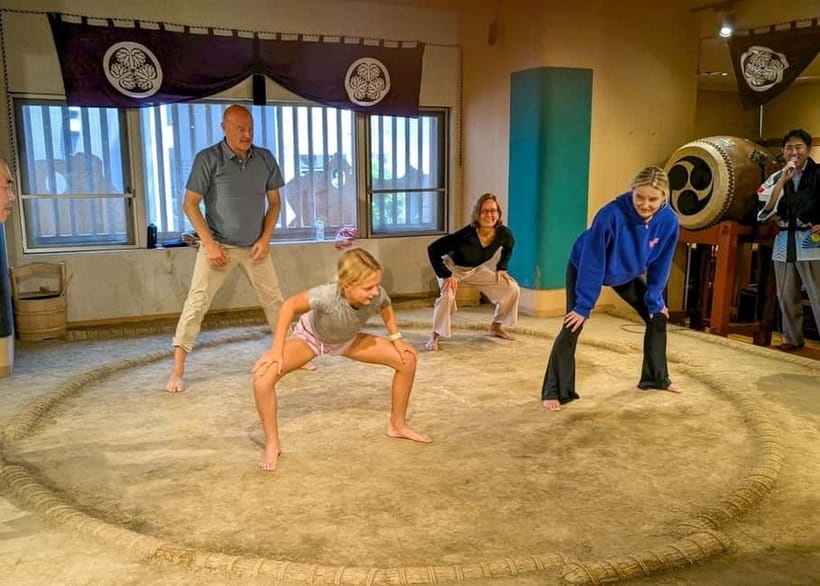
- Shiko stomps, the big leg stomps you can see from miles away in sumo footage, but you learn the purpose and how they feel
- Teppo practice, the striking rhythm that helps with timing and spacing
- Suri-ashi, the sliding footwork that teaches control rather than brute force
What I like about this format for your trip planning is the “try it” pacing. You are not forced into hard sparring. Ring drills are optional, and spectators can stay seated and watch, including filming. That flexibility makes it easier to match the experience to your family’s comfort level.
Also, the instructors tend to explain with humor and clear language, which matters when your goal is learning something you can actually use. In reviews, the MCs are praised for making the sport’s rules and training culture understandable, not just for performing.
Practical tip: wear loose sportswear. You will remove shoes when you get into the ring area, and you want clothing that moves easily while you stomp, slide, and balance.
Exhibition Match Energy, Plus the Chance to Challenge a Wrestler
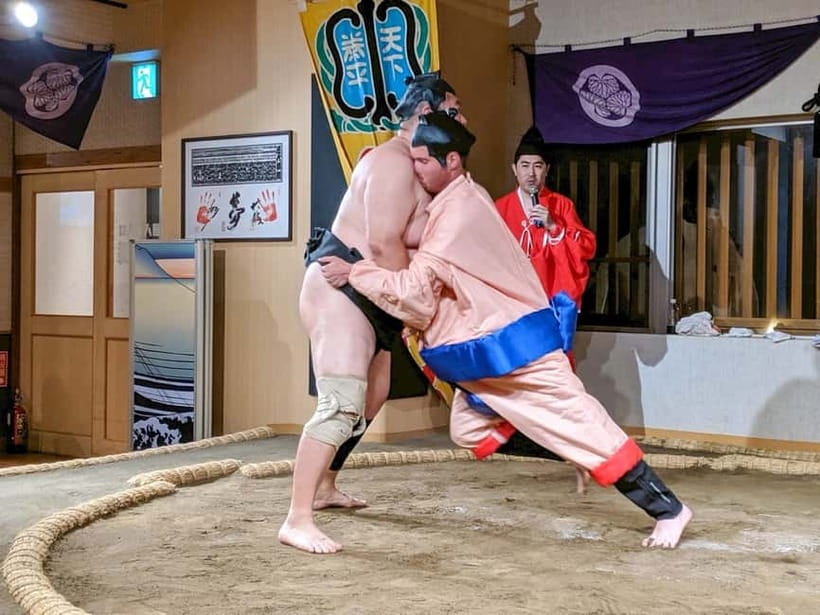
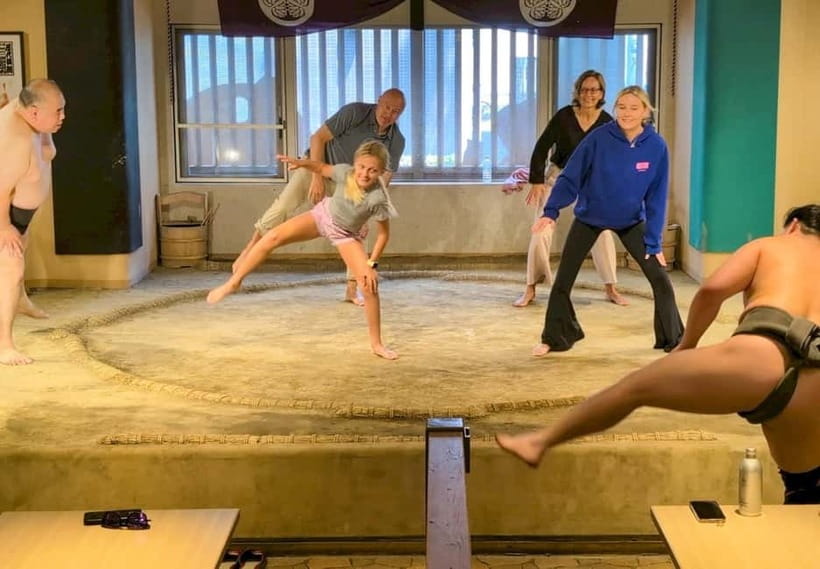
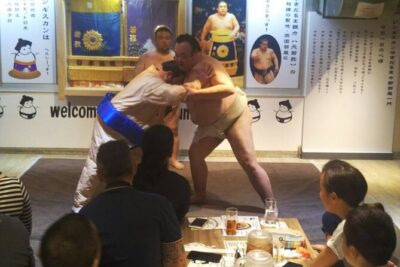
The show portion is where sumo’s speed and physicality really show up. You watch a demonstration that includes the full-speed clash style and the slap-and-collision moments that make sumo famous. The MC’s job is to decode what you are seeing, from ritual to match flow, so it does not become random chaos.
Then comes the standout moment for many people: challenging a wrestler in the ring. Volunteers can wear a padded suit, which turns the experience into something safer, sillier, and still exciting. The activity is designed for fun, and it is framed as a safe way to feel wrestler strength firsthand.
A practical reality check: the data says volunteer challengers need to be in good health, and you should not expect this to be a match you can “win.” It is about getting the experience of pushing into a professional athlete’s power and balance. If you lean into the moment for what it is, most people walk out laughing and proud.
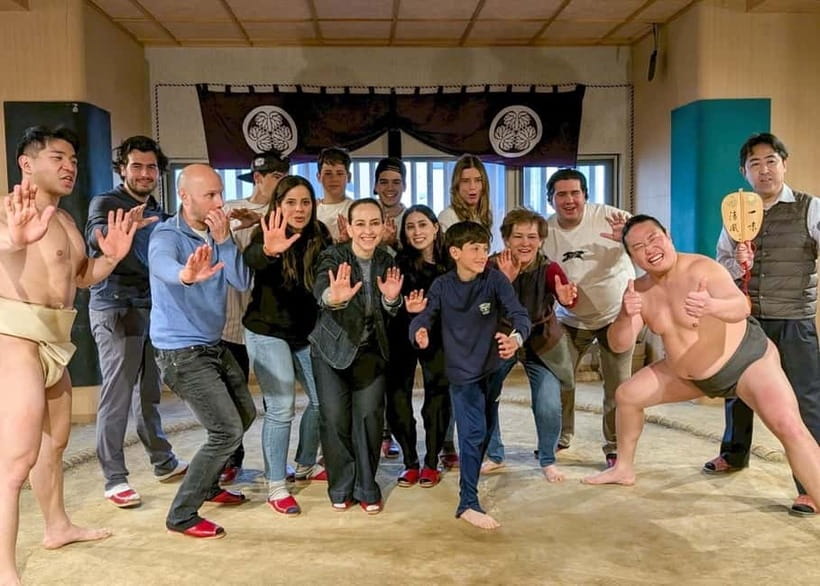
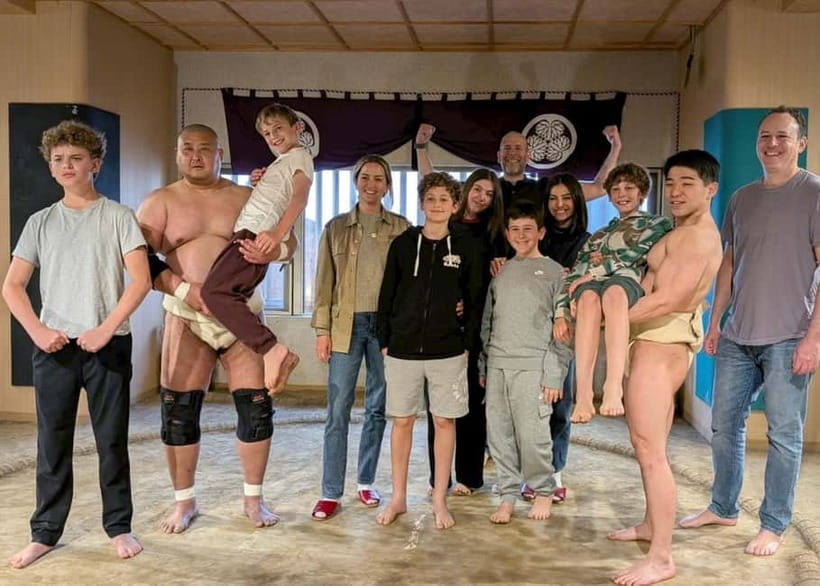
One more detail that many families love: free photo time with the wrestlers. If your parents want to film, or if you want your family included in the photo moments, it is part of the flow. That turns the workshop into a memory you can keep, not just a brief lesson.
Chanko Nabe Lunch: More Than a Token Meal
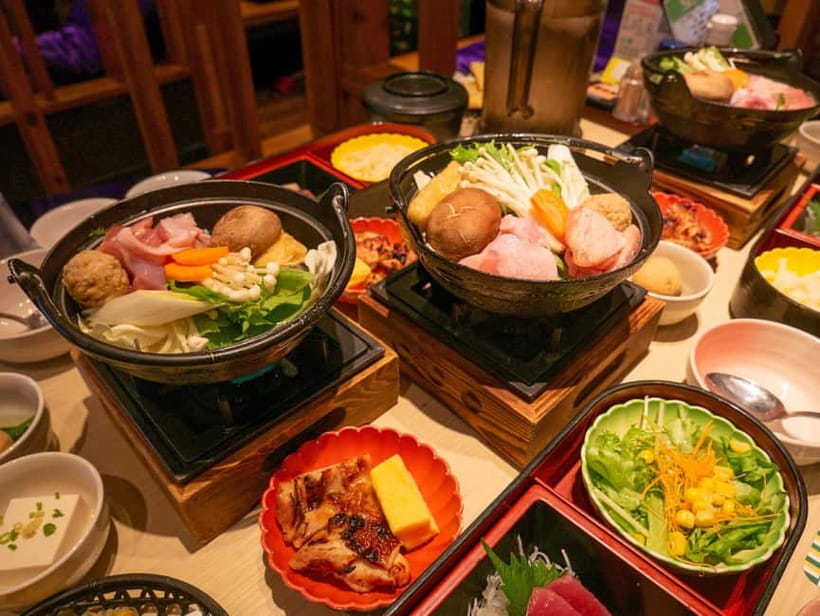
Food is often the weak link in cultural workshops. Not here. You get a hearty mini chanko hotpot lunch, described as protein-rich and built around vegetables and meat, served as the sumo-style “power meal” athletes rely on.
The biggest value for you is that it is not a sad side dish. Reviews say portions are plenty, and people often admit they are glad they did not overeat before the workshop. If you like warm comfort food on a cool Tokyo morning, this lands well.
Dietary options are also a key reason this works for real families. Vegan, vegetarian, and allergy-friendly choices are available if you advise them at least 48 hours in advance. That planning time is worth it because it lets you keep everyone at the table.
Halal note, because this affects actual decision-making: they do not present the meal as officially halal certified. They can ensure no pork or alcohol is used, but they cannot accommodate strict cross-contamination avoidance. If that matters for your household, I would treat this as a “contact first” situation, not a default assumption.
If you are traveling with dietary needs, this workshop can still be a great fit, just be clear about your level of restriction when you book.
A few more Tokyo days to weigh up
- Mt Fuji & Hakone Cruise, Drum Show Bullet Train 1 Day from Tokyo
★ 4.0 · 7,413 reviews - Tokyo: Samurai Restaurant Show Ticket with 2 Drinks
★ 4.5 · 1,307 reviews - Mt Fuji & Hakone Cruise, Drum Show Bus 1 Day from Tokyo
★ 4.0 · 1,287 reviews - Tokyo Sumo Entertainment Show with Chicken Hot Pot and Photo
★ 5.0 · 1,205 reviews
Price and Value: Why $60 Feels Like More Than a Show
At $60 per person, this is not a bargain in the “cheap ticket” sense. It is priced more like a premium experience, but it is also loaded with what you typically want out of Tokyo activities: access, interaction, and a sit-down meal.
Here is what you are paying for, in practical terms:
- Entry and ring access, not just a viewing pass
- Former pro wrestlers with EN/JP commentary and hands-on guidance
- Interactive drills and the option to challenge in a padded suit
- A included mini chanko nabe lunch
- Free photo time with the wrestlers
For many families, the value comes down to time and participation. You spend your morning in one place, getting both education and action, then you leave fed. That is a better “per hour” feeling than lots of sightseeing that mostly stays passive.
Also, the format fits different energy levels. If everyone wants to try the drills, you can. If someone just wants to watch and film, you can do that too. That flexibility helps justify the cost.
What to Expect on the Ground: Timing, Shoes, and Family Comfort
The workshop runs about 105 minutes. The day is structured so training and the show happen first, then you eat. That means you likely will not want a heavy breakfast right before. Reviews repeatedly suggest saving your appetite.
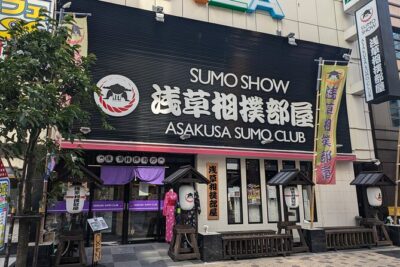
Meet-up details matter, so plan for them. You meet in front of the shop at the face-in-hole photo board, and the guide is identified by a smartphone showing AlvaJapan. You are asked not to enter until 10:00 AM, so arriving a little early lets you check in without rushing.
Once you are in the ring area:
- Loose sportswear is your friend
- Shoes come off on the ring
- Ring drills are optional, so you can choose your level of participation
For families with young children, the booking rules matter too. The data says children under 5 are not provided with meals under the child rate. If a child under 5 needs a meal, you should book them at the adult rate. It also notes that children aged 6 and older cannot be booked at the child rate.
If you are traveling with someone who uses a wheelchair, good news. The experience is listed as wheelchair accessible, and the venue support is part of what you should expect.
Who This Sumo Workshop Is Best For (and Who Might Skip It)
This is one of those Tokyo experiences that works well when you want culture plus movement. I think it is ideal for:
- Families who want a short, active activity with clear stages
- First-timers who do not know much sumo yet, but want the rules and rituals explained
- People who like hands-on photos and want a story that feels personal
- Anyone who wants a traditional meal included without planning a restaurant afterward
It might be less ideal if:
- You need strict halal certification or strict cross-contamination guarantees
- You expect a long, formal lecture or a pure spectator experience only
- You dislike any physical participation, even mild drills, since the vibe is hands-on even when you watch
Should You Book This Tokyo Sumo Workshop?
If your goal is a memorable morning that combines real sumo atmosphere with hands-on training and a satisfying lunch, I would book this. The strongest reason is simple: you get former pros, you get interaction, and you leave with a full meal and photos, not just a seat in a show.
Before you reserve, do a quick check based on your household:
- If you have dietary needs, send vegan or allergy requests ahead of time, and if halal is involved, confirm the no-pork/no-alcohol approach and cross-contamination limits
- If your child is under 5, check how meals are handled
- If you are unsure about participating in drills, remember watching and filming are allowed
For most families and curious first-timers, this is one of those Tokyo experiences that feels worth the money because it is active, personal, and unusually friendly in the ring.
FAQ
How long is the Tokyo family sumo workshop?
The experience runs for about 105 minutes, including training, the exhibition, and the included mini chanko hotpot lunch.
What food is included, and can you handle dietary needs?
Lunch is mini chanko hotpot. Vegan, vegetarian, and allergy-friendly options are available if you request them at least 48 hours in advance.
Is the meal halal certified?
They do not list the meal as officially halal certified. They can ensure no pork or alcohol is used, but they cannot guarantee cross-contamination for strict avoidance.
Do I have to participate in ring drills?
No. Ring drills are optional, and spectators may remain seated and film. You can also choose whether to join volunteer challenges if those are offered during your session.
Are children welcome?
Yes. Children under 5 are not provided meals under the child rate. Children under 5 who require a meal should be booked at the adult rate. Children aged 6 and older cannot be booked at the child rate.
Is the experience wheelchair accessible?
Yes, it is listed as wheelchair accessible.
Newly listed around Tokyo
- Tokyo: Tsukiji Fish Market food Tour★ 4.8 · 7 reviews
- Tokyo: Flagship 2-Hour Street Go-Kart Tour by Street Kart★ 4.9 · 94 reviews
- Tokyo: Exclusive Access to Sumo Morning Practice with Photos★ 4.8 · 107 reviews
- Tokyo’s Upmarket District: Explore Ginza with a Local Guide★ 4.5 · 26 reviews
- Tokyo: English Standup Comedy Night★ 5.0 · 8 reviews
- Tokyo: Enjoy Sumo match and know about it! [Ticket included]★ 4.4 · 7 reviews
- Tokyo: Evening Photography Tour★ 4.8 · 61 reviews
- Private Drifting Lesson w/ OG Instructor Tokyo Drift Japan★ 5.0 · 30 reviews
Sumo Stable Visits, compared.
Sumo Show Experience with Chicken Hot Pot and a Photo
Read our review →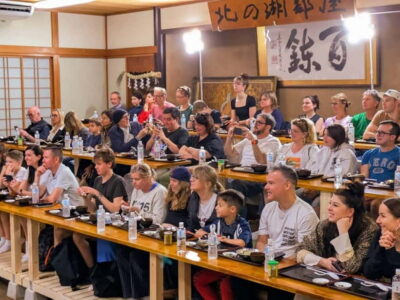
Tokyo Sumo Entertainment Show with Chicken Hot Pot and Photo
Read our review →
Tokyo Grand Sumo Tournament Viewing Tour with Tickets
Read our review →
Sumo Show & Experience w/ Optional Kimono & Hot Pot
Read our review →Browse the lists this tour appears in