
Review · LOCAL FOOD WALKS
Tokyo: Food Tour in Ueno with 10+ Tastings of Japanese Classics
Snacks plus shrines in Ueno? I like how this tour pairs Ueno neighborhood food with culture stops, and I love the 10-plus tastings of Japanese classics in one easy afternoon. It’s also built for time-crunched visits, so you get a smart sampler of what to eat and what to notice as you walk.
Just keep in mind the tour involves a fair amount of walking, so comfortable shoes matter. The itinerary can also shift with weather and availability, which is normal for an outdoor, market-heavy route.
In This Review
- Key highlights worth planning for
- Ueno Food in 3.5 Hours, and why this neighborhood makes sense
- The 10-plus tastings: sushi, gyoza, yakitori, matcha ice cream, and tea
- Market stroll and under-the-tracks lanes where you actually learn the neighborhood
- Ueno Park paths and the spring hanami vibe you can picture
- The Tokugawa Ieyasu shrine built in 1627, and what to look for
- A Buddhist worship center with tranquil grounds for a calm reset
- Is the $142 price fair for 3.5 hours of food and guidance?
- Who should book this Ueno food walk, and who might prefer a different plan
- Should you book this Ueno food tour?
- FAQ
- How long is the Tokyo food tour in Ueno?
- What is the tour price?
- Where is the meeting point?
- Is hotel pickup included?
- What food and drinks are included?
- How many people are in the group?
- Is the tour mostly walking?
- Can you handle dietary requirements?
- What if the weather is bad?
Key highlights worth planning for
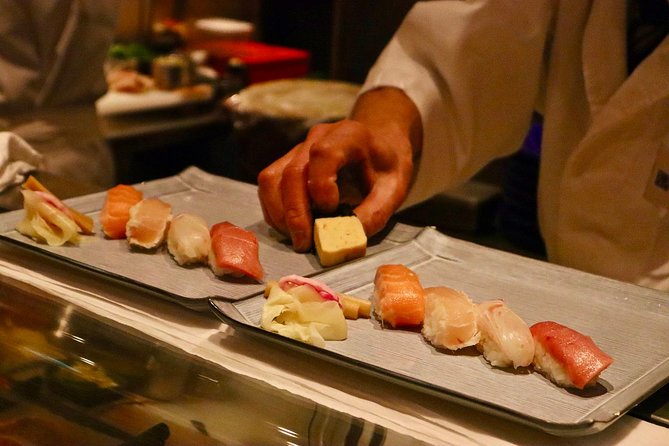
- 10-plus tastings including sushi, gyoza, yakitori, seasonal fruit, matcha ice cream, tea, and a draft beer
- Culture stops that make sense with food, from markets to Ueno Park and major worship sites
- Under-the-tracks alley exploring in the under-the-girders area, perfect for getting oriented fast
- Small groups up to 15, so you actually hear answers and get guidance on what to try
- Guides like Harumi, Natsumi, Yumi, and Mari are praised for upbeat energy and useful local tips
Ueno Food in 3.5 Hours, and why this neighborhood makes sense
Ueno is one of Tokyo’s best “first feeling” districts because it mixes everyday street life with big cultural sites. In a short time, you can go from food stalls and small shops to wide park paths, then to shrines and temple grounds. That flow is exactly what I want on a food tour, because the eating isn’t floating in a vacuum.
This one is also designed for a fast hit: about 3 hours 30 minutes, with a maximum group size of 15. Smaller groups tend to work better when you want to ask questions, react to smells and menu changes, and keep moving without feeling rushed by a large crowd.
The other practical win is the guide. If your Japanese is limited, you’ll feel the difference right away. You are not stuck trying to decode what something is, or when it was made, or how people actually order. The tour also promises you can tailor the itinerary to your tastes, which matters in a city where some people want seafood-first and others would rather lean into meat, sweets, or lighter bites.
More Food Tours in Tokyo
- Tokyo: Shinjuku Food Tour (13 Dishes at 4 Local Eateries)
★ 5.0 · 6,603 reviews - Tokyo Tsukiji Fish Market Food and Culture Walking Tour
★ 5.0 · 3,184 reviews - Tokyo: Shinjuku Food Tour (15 Dishes and 4 Eateries)
★ 4.9 · 2,033 reviews
The 10-plus tastings: sushi, gyoza, yakitori, matcha ice cream, and tea
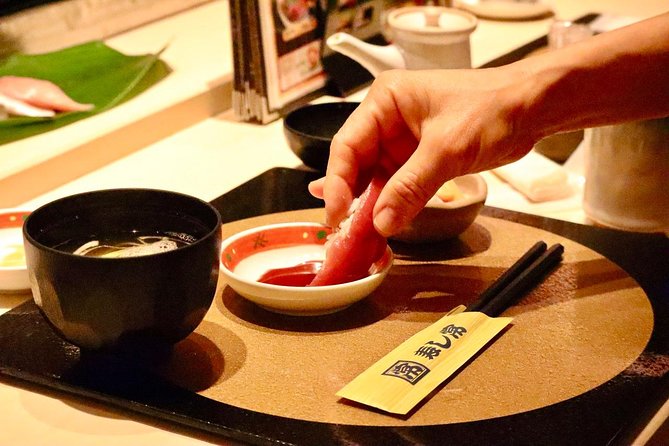
This tour is built around eating, not just walking past restaurants. You get a lineup of classic Japanese comfort foods, plus drinks and dessert. The included list is clear and substantial: fresh, authentic sushi, crispy gyoza, yakitori (perfectly grilled skewered chicken), seasonal fresh fruits, and matcha ice cream. Add in two different types of tea, one draft beer, water, and a secret dish, and you have more than enough to feel like you really ate your way through Ueno.
Here’s what I like about this set of foods for first-timers. It’s not random. Sushi, gyoza, and yakitori are all widely loved staples, so you can judge your preferences quickly. If you fall for one, you’ll know what to seek later on your own. If one doesn’t click, you still leave with a fuller sense of Japanese snack and izakaya culture.
Dessert is a highlight for many people, and matcha ice cream is specifically included. Matcha in Japan often tastes deeper and less sweet than you might expect, especially in cold desserts. The seasonal fruit also keeps the tour from turning into a sugar marathon, which is a real concern when you are moving between multiple tasting stops.
One smart tip from the experience format: go in hungry, but not reckless. You will eat and eat across multiple stops, and even a quick breakfast can make the middle feel like a slog. I’d treat this as your main meal slot for the day.
Market stroll and under-the-tracks lanes where you actually learn the neighborhood
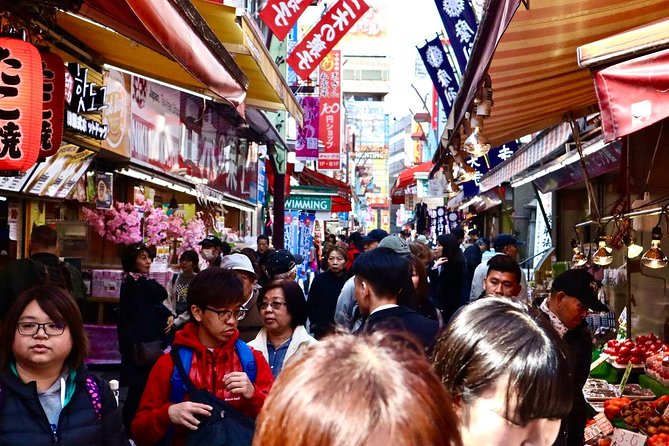
Your walking route starts in a popular indoor-outdoor market with shops selling food and gifts, plus apparel. Markets can be overwhelming, especially in a city where you cannot read everything quickly. With a guide, the market becomes more than a photo stop. You learn where to look, what to pick, and what each place is known for.
This kind of start matters because it sets the tone. You begin in a zone where snacks, small bites, and gifts all live side by side. That’s a very Japanese shopping pattern, and it helps you understand why Ueno feels like a real district rather than a single attraction.
Then you move toward an area under elevated train tracks, specifically described as the Japanese term for under the girders. This is one of those Tokyo spaces that looks chaotic from far away, but once you are guided through it, it becomes practical. It’s a good place to notice how people use narrow spaces for eating, lingering, and quick errands. It also helps you see the city’s layers, how transportation infrastructure sits right on top of daily life.
This is where your guide’s job really shows. You are not just tasting food, you are also watching the rhythms of the area: where lines form, how people choose what to eat, and how the environment shapes what you can grab fast.
Ueno Park paths and the spring hanami vibe you can picture
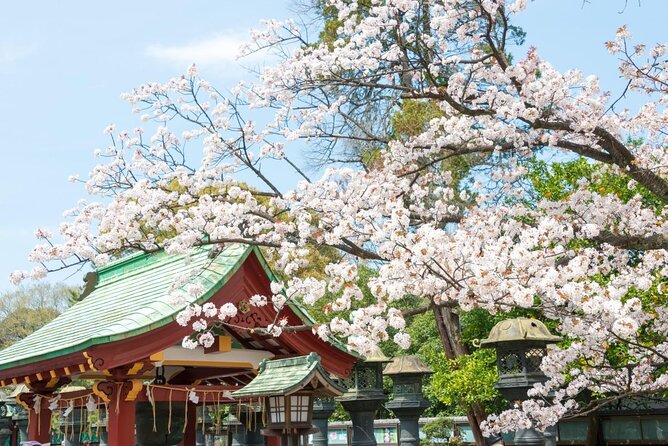
After you’ve been in food-focused lanes, the tour gives you a breather in Ueno Park, a large public green space in the Ueno district. Even if you are not traveling in cherry blossom season, it helps to see the park because it frames the whole neighborhood. Markets and temples are great, but Tokyo also needs open space, and Ueno delivers.
In spring, Ueno Park is famous for cherry blossoms and hanami. The timing of your trip may determine whether you see blossoms, but even without them, the park’s layout makes it easier to orient yourself. You can mentally map where the cultural sites are relative to where you ate. That’s valuable because it helps you plan your next day without guessing.
One subtle point: park time also changes your pace. You go from short, concentrated stops into a walk with more space around you. If you are with a group, it can be a useful reset so everyone can regroup, catch up on where they are, and get ready for the shrine and temple segments.
More Food Walks in Tokyo
- Tokyo Night Foodie Tour in Shinjuku – Seasonal Sushi, Wagyu Beef
★ 5.0 · 1,161 reviews - Shinjuku Izakaya Food Tour
★ 5.0 · 1,041 reviews - Eat and Drink Like a Local: Tokyo Ueno Food Tour-Taverns&Ramen
★ 5.0 · 957 reviews - Tokyo: Shibuya Food Tour (13 dishes and 4 Eateries)
★ 5.0 · 770 reviews
The Tokugawa Ieyasu shrine built in 1627, and what to look for
Next comes a major shrine connected to Japan’s Tokugawa era. This stop includes a shrine built and dedicated in 1627 to honor Tokugawa Ieyasu, the founder of the Tokugawa Shogunate.
Even if you are not a history buff, this part works because it gives you a concrete anchor. You are not just standing near a pretty building. You are seeing how political power and spiritual practice were intertwined, and how memory is preserved through sacred architecture and dedication.
In a food tour, I like adding these moments because they prevent the day from becoming only consumption. You get context. You also get better at noticing cultural cues around you later, like how people behave at worship sites and how space is treated with respect.
Practical advice: expect some walking here too, and pay attention to your guide’s pace. You’ll likely spend enough time to observe and understand the significance, but not so much that it drags.
A Buddhist worship center with tranquil grounds for a calm reset
The tour then heads to a storied center for Buddhist worship and prayer, described as having tranquil landscaping. This stop is a different emotional gear than the market and the shrine segment. Markets are sensory, shrines can feel ceremonial and formal, and this one is more about stillness.
That matters because by now you’ve already eaten a full spread, and you will appreciate a slower, calmer environment. It’s the kind of break that helps you process what you ate, and what you learned, instead of simply rushing from one snack to the next.
Also, being with a guide can help you notice what you might otherwise miss. On your own, it’s easy to walk past details you cannot identify. On a guided walk, you get the “why this matters” context, even in a short time window.
Is the $142 price fair for 3.5 hours of food and guidance?
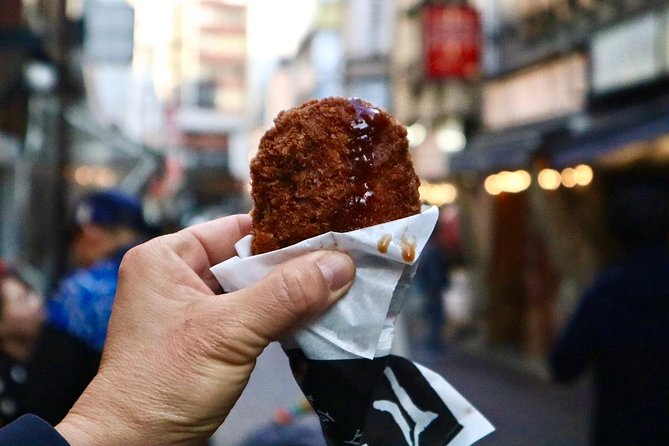
At $142 per person for roughly 3 hours 30 minutes, you are paying for more than just food. You are paying for someone to do the hard parts: find local spots, manage the pacing, handle ordering and language, and keep the route logical so you can sample multiple classics without wasting time.
The included lineup is strong. You’re not just getting one snack and calling it a day. You get multiple savory dishes like sushi, gyoza, and yakitori, plus fruit, tea, a draft beer, and matcha ice cream. Add in the secret dish, and you end up with a real meal-style experience rather than a quick sampler.
There was also a clear positive pattern in how guides are described, with people praising the mix of fun energy and practical tips. That kind of guiding can be worth it in Tokyo, where a small mistake can cost you time and a disappointing meal.
One caution from the overall feedback: a small minority felt they wanted deeper food origin components and more cultural explanation, and they were not fully impressed with English. That doesn’t mean the tour is consistently like that, but it does mean you should go in with realistic expectations for a short, taste-focused format. If something interests you, ask direct questions. Guides can usually work with that.
Who should book this Ueno food walk, and who might prefer a different plan
This is a great fit if you want:
- A short, efficient intro to Ueno through classic foods
- Help navigating places without reliable Japanese reading skills
- A mix of snacking plus cultural stops, so the walk feels meaningful
- A group setting with enough size control, since the cap is 15 people
It also seems family-friendly in practice, since kids around late elementary school age have been able to enjoy it without it turning into a boring history lecture. If you’re traveling as a family, the key is bringing energy and accepting the walking pace.
Dietary needs are supported, but you have to plan ahead. The info says to contact in advance for dietary requirements so the team can cater as best they can. That’s exactly what I’d do, especially for allergies or strict preferences.
If your ideal food tour is all about extremely detailed food science, or long cultural lectures with lots of story depth, you might find this format too short. It’s a tasting and orientation tour first, and culture second.
Finally, keep the walk in mind. Comfortable shoes are not a suggestion for comfort, they are part of the plan.
Should you book this Ueno food tour?
I’d book this if you want a smart, fast way to eat classic Japanese foods while getting your bearings in Ueno. The mix of market wandering, under-the-girders lanes, Ueno Park, and major worship sites makes the day feel like more than a restaurant hop. The included lineup is also the kind that satisfies a real appetite, especially with sushi, gyoza, yakitori, and matcha ice cream.
I would think twice if you dislike walking, want hotel pickup, or expect an ultra-deep lesson about every ingredient and origin. This is a short, taste-led experience, and it works best when you show up ready to eat and ready to ask questions.
If you are booking soon, note that it’s often booked around 46 days in advance on average. That suggests demand is real, so earlier planning usually keeps your dates flexible.
FAQ
How long is the Tokyo food tour in Ueno?
It runs about 3 hours 30 minutes.
What is the tour price?
The price is $142.00 per person.
Where is the meeting point?
Meet at Ueno Station, 7 Chome-1, Ueno, Taito City, Tokyo 110-0005, Japan. The tour ends back at the meeting point.
Is hotel pickup included?
No, hotel pickup and drop off are not included.
What food and drinks are included?
Included items are fresh authentic Japanese sushi, gyoza, yakitori, seasonal fresh fruits, matcha ice cream, two different types of tea, one draft beer, water, and a secret dish.
How many people are in the group?
The tour has a maximum of 15 travelers.
Is the tour mostly walking?
Yes. It involves a fair amount of walking, so comfortable shoes are recommended.
Can you handle dietary requirements?
You should contact the tour in advance for any dietary requirements so they can cater as best as possible.
What if the weather is bad?
The experience requires good weather. If it is canceled due to poor weather, you will be offered a different date or a full refund.
More Food & Drink in Tokyo
- Tokyo: Tsukiji Fish Market Food and Walking tour
★ 5.0 · 1,724 reviews - Tokyo: Tsukiji Fish Market Food and Culture Walking Tour
★ 4.7 · 757 reviews - Tsukiji Fish Market: Street Food & Culture Walking Tour
★ 5.0 · 669 reviews - Tsukiji Fish Market Small-Group Food Walking Tour
★ 5.0 · 621 reviews
Newly listed around Tokyo
- Tokyo private transfer for Yokohama Port★ 4.5 · 63 reviews
- Luxury Kimono Photoshoot at Ginza Tokyo★ 5.0 · 7 reviews
- Tokyo Allstar Food Tour★ 4.5 · 206 reviews
- Tokyo Art Aquarium Museum E-Ticket with optional Tokyo Metro Pass★ 5.0 · 17 reviews
- Tokyo: Best Ginza Food Tour at 3 Local Eateries★ 5.0 · 83 reviews
- Private One Day Nikko Tour with Bilingual driver★ 3.5 · 11 reviews
- Japanese Whisky Tasting Experience at Local Bar in Tokyo★ 5.0 · 59 reviews
- PRIVATE tour in 180SX to Daikoku+++++★ 5.0 · 6 reviews
Local Food Walks, compared.
Shinjuku Food Tour (13 Dishes at 4 Local Eateries)
Read our review →
Shinsekai Food Tour with 13-15 Dishes at 5 Eateries
Read our review →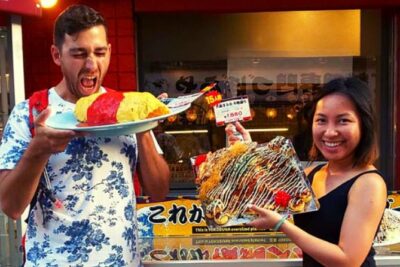
Osaka Food Tour: 13 Dishes at 5 Local Eateries
Read our review →
Shinjuku Food Tour (15 Dishes and 4 Eateries)
Read our review →
Kyoto Night Foodie Tour in Gion (9+ dishes + 6 Sake tastings)
Read our review →
Hungry Osaka Street Food Tour:15 Tastings & 3 Drinks with a Local
Read our review →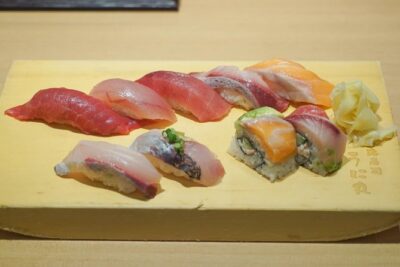
Tokyo Night Foodie Tour in Shinjuku – Seasonal Sushi, Wagyu Beef
Read our review →
Browse the lists this tour appears in