Review · FULL-DAY
Tokyo full day private tour with Guide
A luxury ride makes Tokyo feel simple. This private full-day plan strings together the big hitters like Tsukiji Fish Market, Senso-ji, and Skytree, with pickup and drop-off that takes the pressure off.
You also get a very personal feel for the day, since the route can be adjusted around your pace and interests instead of locking you into one fixed script.
I like the way this tour mixes food culture and landmark sightseeing without making you constantly hunt for transport. Complimentary coffee, tea, and bottled water help, especially when the day gets busy, and the guide support is available in multiple languages.
If you want some structure, but still want choices, that balance is the point.
One possible drawback to plan for is that not every day may feel equally guided. If you’re expecting deep explanations at each stop, it’s worth confirming what the guide will cover, since the service can sometimes feel more like a chauffeured transfer than a talk-rich guided tour.
In This Review
- Quick reasons this Tokyo day works
- How the day is designed, and why private matters in Tokyo
- Tsukiji Fish Market: why this stop hits harder than you expect
- Sensō-ji in Asakusa: two visits, one calm way to see it
- Meiji Shrine and the Imperial grounds: quiet contrast in the middle of the city
- Shibuya Crossing: the world’s loudest intersection test
- Odaiba: a break on a man-made island with a story
- Skytree and Tokyo Tower: two sky stops, two kinds of perspective
- Price and logistics: what $329 buys you, and what to verify
- What this tour is best for
- Should you book this Tokyo private day tour?
- FAQ
- How long is the Tokyo private tour?
- How much does it cost?
- Is this a private tour?
- Do you get hotel pickup and drop-off?
- Which main attractions are included?
- Can the itinerary be customized?
- What languages does the live tour guide speak?
- Is the tour wheelchair accessible?
- What is the cancellation policy?
Quick reasons this Tokyo day works
- Private door-to-door comfort: you ride in a luxury vehicle with air conditioning, and you do less navigation on your own
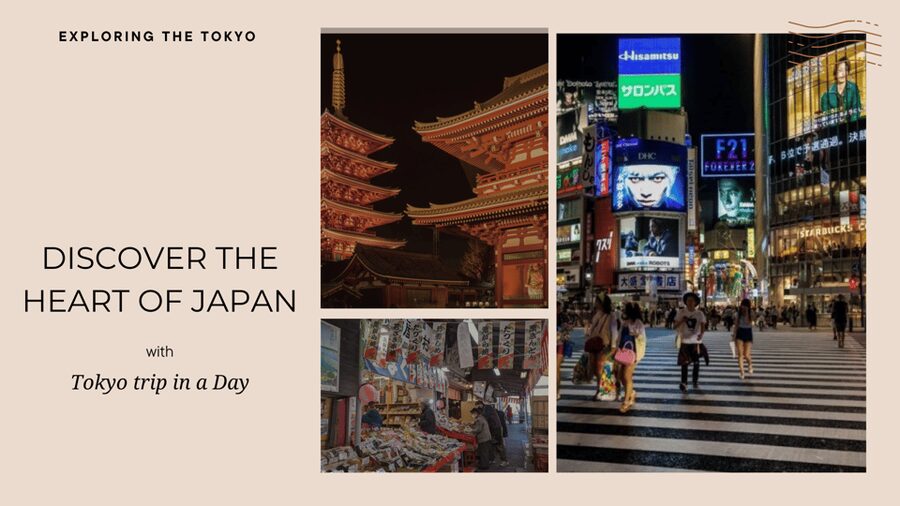
- Market and temple focus: Tsukiji and Senso-ji give you strong Tokyo “texture,” from food street energy to temple atmosphere
- Luxury vehicles: Toyota Vellfire, Toyota Crown, and Land Cruiser options are part of the setup
- Flexible pacing: the itinerary is described as customizable, so you can shift time between stops
- Two skyline stops: Tokyo Skytree and Tokyo Tower both appear, so you can compare views and vibes
- A second Senso-ji slot: the plan includes more than one chunk of time around the Senso-ji area for a slower, less rushed feel
How the day is designed, and why private matters in Tokyo
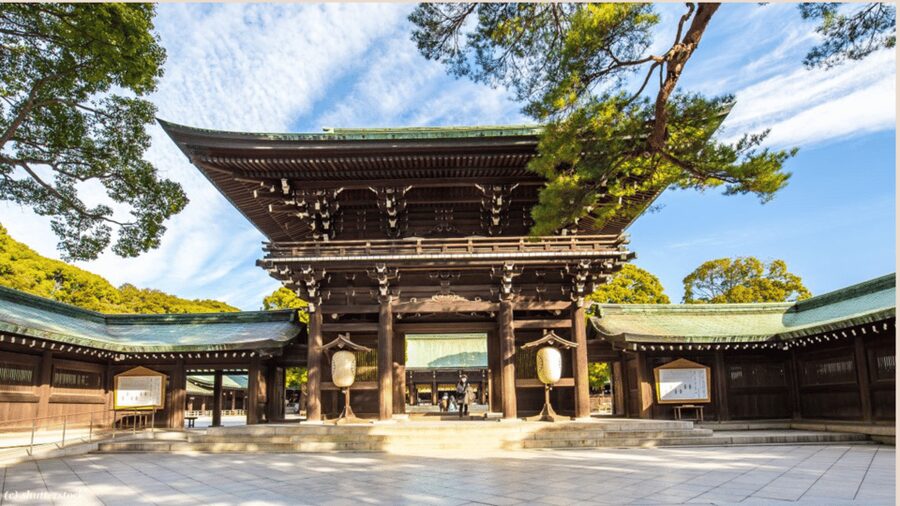
Tokyo rewards efficiency. Roads, stations, crowds, and signage can turn a simple day into a stressful scavenger hunt, especially if you’re trying to see multiple neighborhoods. With this setup, the value is not just the sightseeing list. It’s the fact that one person handles the driving and routing, while you get a curated flow from stop to stop.
The day is built around major landmarks that each tell a different side of Tokyo. You start with Tsukiji’s food-world energy. Then you shift into temple and shrine Japan, with Sensō-ji and Meiji Shrine. After that, you move into modern Tokyo with Shibuya Crossing, Odaiba, and two iconic towers.
You’re also not paying for a large group experience. This is a private group, set up for up to 2 people per booking. That matters because you can actually use the time, rather than spending it waiting for other people or merging into a crowd schedule.
A few more Tokyo days to weigh up
- Mt Fuji and Hakone 1-Day Bus Tour Return by Bullet Train
★ 5.0 · 26,383 reviews - 1-Day Tokyo Bus Tour
★ 5.0 · 14,250 reviews - Tokyo: TOKYO SKYTREE® Admission ticket
★ 4.5 · 11,192 reviews
Tsukiji Fish Market: why this stop hits harder than you expect
Tsukiji is often described as Japan’s Food Town, and the core idea here is exactly right. You’re walking through an area where traditional Japanese food culture meets the practical hustle of wholesale and retail. The market environment is about more than souvenirs. It’s about seeing how ingredients are chosen and how vendors create meals from seafood and daily staples.
In a tour like this, I think the best use of the time is to treat Tsukiji as a living food lesson, not just a photo stop. A guided visit for about an hour should help you focus on what to look for, where to linger, and how to spot quality amid the noise.
What you might enjoy most at Tsukiji:
- The range of eateries and stalls, where old-school flavors sit next to newer food trends
- The market rhythm itself, which is a big part of why people love coming here
- The chance to learn from the environment, including activities related to ingredient selection and fish preparation that are commonly part of the market experience
Practical note: markets can be standing-room dense, and it can get loud. Wear comfortable shoes and plan for a bit of sensory overload. This is one of those places where having a guide to keep you moving helps a lot.
Sensō-ji in Asakusa: two visits, one calm way to see it
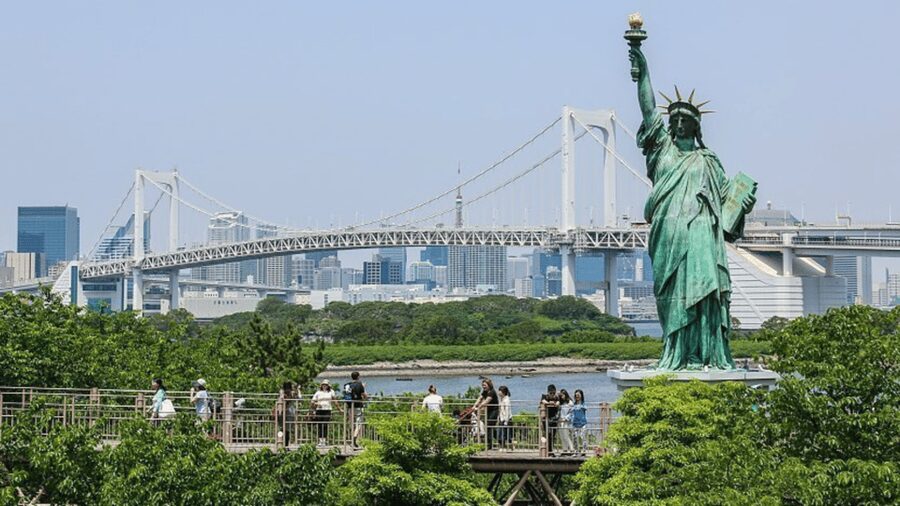
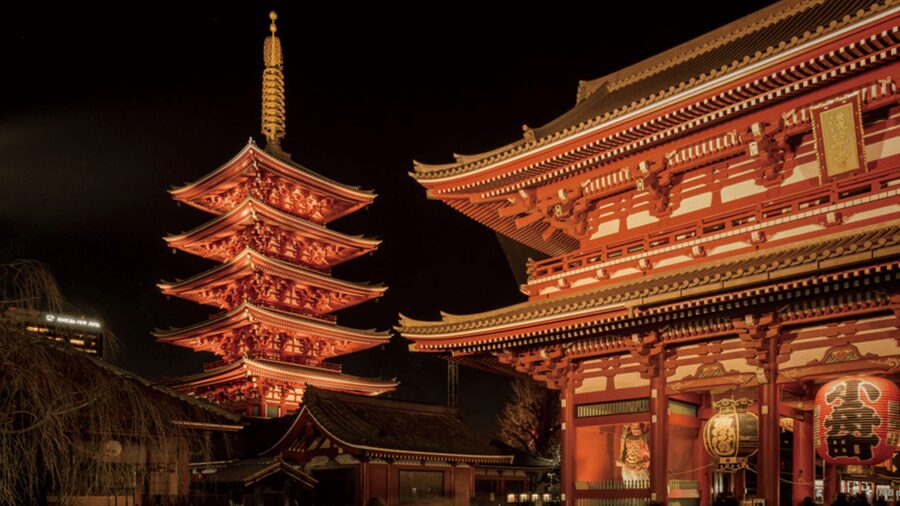
Sensō-ji is one of Tokyo’s oldest temples, devoted to the Buddhist goddess of mercy, Kannon. The temple is described as a blend of architecture, places of worship, Japanese gardens, and traditional marketplaces. That mix is important because it changes how you experience the area. You’re not just walking through one single “thing.” You’re moving through multiple layers of atmosphere.
The tour plan includes a first Sensō-ji visit and later a second chunk of time in the same zone. I like this design. It reduces the usual problem where one temple stop turns into a rushed sprint. The second hour gives you room to slow down, take a different route through the area, and actually absorb the details you might miss the first time.
If you go with a guide, ask questions while you’re there. The temple environment is full of symbolic cues, and the information you get can shape your whole experience. Sensō-ji is described as having statues of various gods watching over gates, shrines, and hallways, so there’s plenty of material a true guide can turn into real context.
Meiji Shrine and the Imperial grounds: quiet contrast in the middle of the city
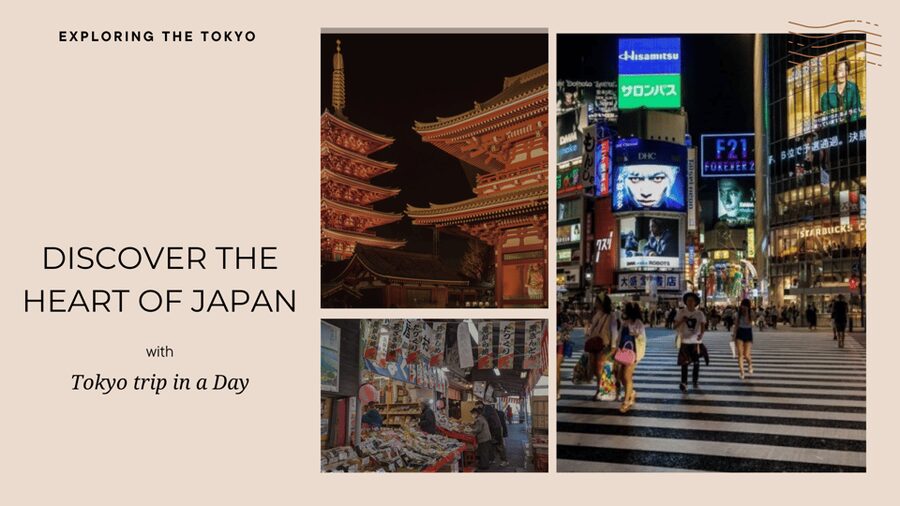
After Asakusa’s temple energy, the day shifts into two quieter, reflective settings: Meiji Shrine and the Imperial Palace East Gardens. These places feel different from each other in the best way.
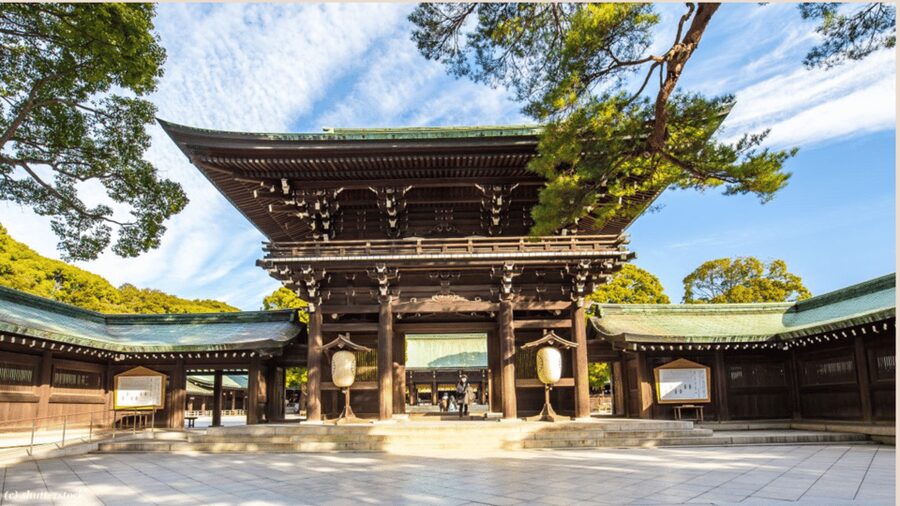
Meiji Shrine, also described with the name Meiji Jingu, sits in the middle of Tokyo inside a massive 70 hectare forest. I love this kind of “breathing space” in a city day. You enter the grounds and your brain immediately recalibrates. The shrine was founded in 1920 to honor Emperor Meiji and Empress Shoken, and the story connects to Japan’s modernization.
The Imperial Palace area adds another kind of perspective. The Imperial Palace houses the Emperor’s formal residence and the Imperial Residence and Complex. The East Gardens are described as accessible to the general public and located on the eastern portion of the royal grounds. This stop is less about hustle and more about being in a space that carries ceremony and continuity, even when you’re simply walking through the public areas.
A practical mindset for both stops: go slow. Give yourself time to notice how the sound level changes. Tokyo can be constant motion. These are the spots where you can reset.
A different sort of day in Japan:
- Tokyo: teamLab Planets TOKYO Digital Art Museum Entry Ticket
★ 4.6 · 9,779 reviews - Mt Fuji & Hakone Cruise, Drum Show Bullet Train 1 Day from Tokyo
★ 4.0 · 7,413 reviews - Tokyo: Sumo Show Experience with Chicken Hot Pot and a Photo
★ 4.8 · 6,678 reviews - Tokyo: Shinjuku Food Tour (13 Dishes at 4 Local Eateries)
★ 5.0 · 6,603 reviews
Shibuya Crossing: the world’s loudest intersection test
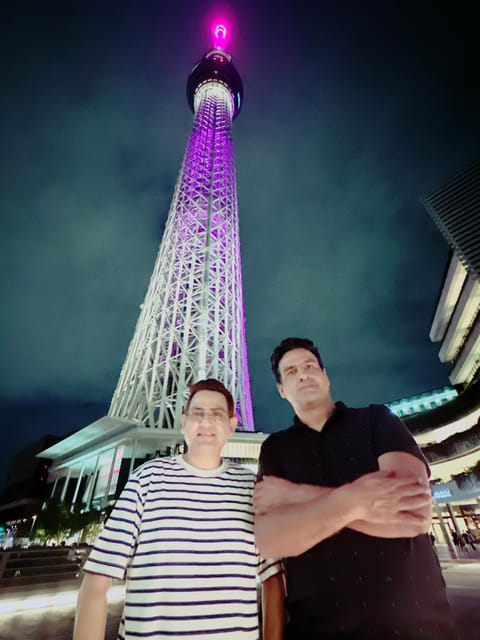
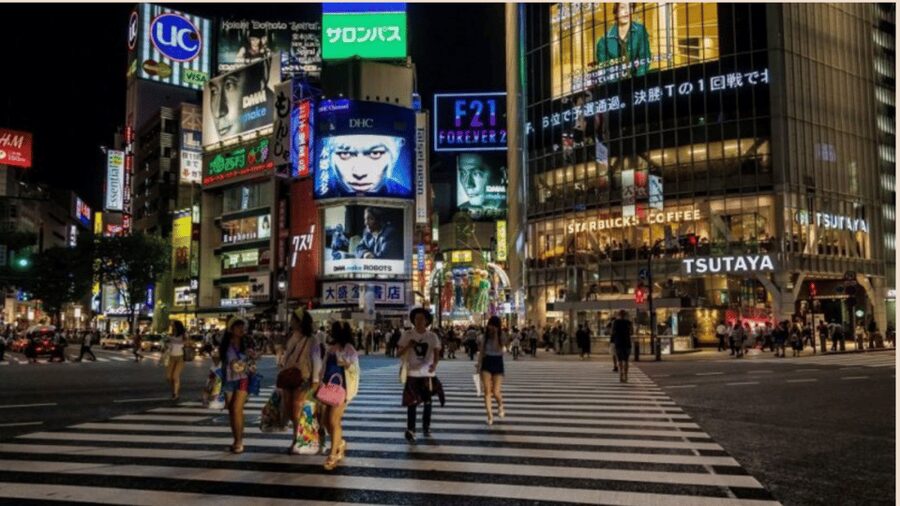
Shibuya Crossing is described as a vast scramble junction just outside Shibuya Station. It’s busy in every direction, with lights and advertisements everywhere. The day includes a guided visit here for about an hour, which makes sense because Shibuya is one of those places where you can either enjoy it or spend it trying not to get lost.
What helps about a guide at Shibuya is simple: they can point out how to manage the crowd flow so you actually get time to look around. If you want a quick, fun way to experience Shibuya, use that hour to watch how people move, then step back and take in the scale.
One specific detail included in the tour info that’s worth remembering is the presence of three enormous television screens fixed on buildings facing the intersection, flashing throughout the day. That makes Shibuya feel less like street theater and more like a constant media environment. If you’re a first-time Tokyo visitor, it’s a strong reality check for how modern Tokyo works.
Odaiba: a break on a man-made island with a story
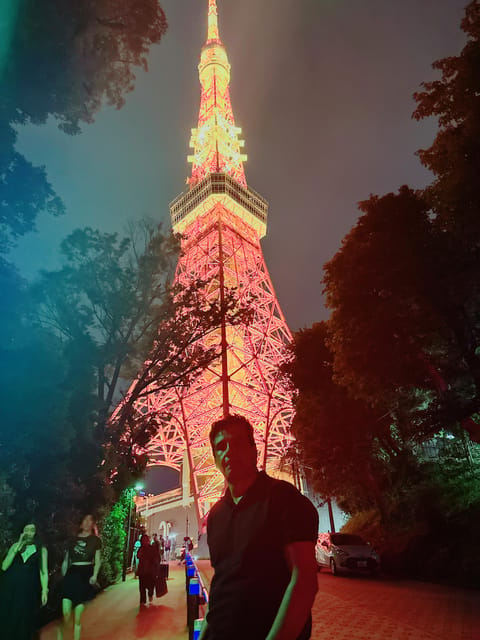
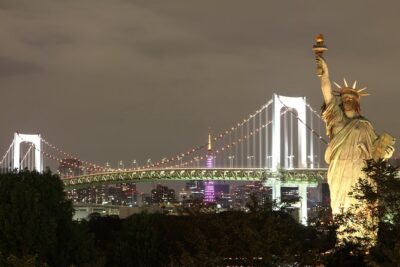
After the intensity of Shibuya, Odaiba offers a different rhythm. It’s described as a popular retail and leisure center on a man-made island in Tokyo Bay. The tour info also gives the historical backstory: Odaiba was originally known as a group of small artificial fort islands, daiba meaning “fort.” These were built in the late Edo period to defend Tokyo from maritime attacks, especially in reaction to Commodore Perry’s gunboat diplomacy.
That history matters because Odaiba is one of those places where modern Tokyo can hide its earlier purpose. Even if you’re mainly there for the views and the chance to relax, knowing that the land itself started as defense gives you a deeper sense of place.
This stop is scheduled for about two hours, which is enough time to wander, take breaks, and reset before you head toward the big observation points.
Skytree and Tokyo Tower: two sky stops, two kinds of perspective
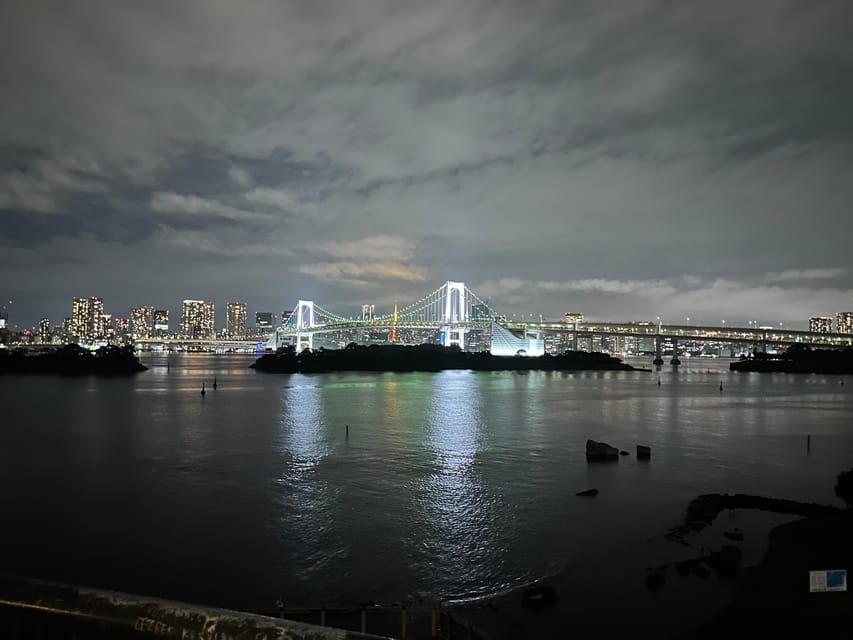
Tokyo Skytree is included with about an hour for sightseeing and walking. The details in the tour description are excellent for setting expectations. When it opened on May 22, 2012, it reached 2,080 feet (634 meters) and was the second-tallest building in the world at the time, behind the Burj Khalifa in Dubai.
Two observation decks are open to the public: the Tembo Deck and the Tembo Gallery, also called Galleria. The Tembo Gallery is described as having two levels connected by a curved circular ramp. That design detail is worth noting because it shapes how you move through the viewing areas, not just what you see.
Then you finish with Tokyo Tower as another sightseeing stop for about an hour. The day ends with classic and modern skyline energy side by side, which is a nice way to close. Skytree feels more like a new-world Tokyo symbol. Tokyo Tower gives you a different visual language, and the contrast can be fun if you like comparing icons.
Price and logistics: what $329 buys you, and what to verify
The price is $329 per group up to 2, for a private day that runs about 9 hours, often described as close to 10 hours in total. On paper, that can sound steep until you compare what you’re actually getting.
Here’s where the value calculation gets real:
- You pay for a private vehicle and driver, with hotel pickup and drop-off included
- Highway taxes and fuel are included
- You’re riding in luxury vehicles like Toyota Vellfire, Toyota Crown, and Land Cruiser options
- You’re also getting air conditioning, plus complimentary coffee, tea, and bottled water
If you travel as a couple or as two friends, you can treat this as one bundled “transport plus guided structure” day. In Tokyo, that can be a worthwhile trade if you want to spend your energy on the sights, not on transit puzzle-solving.
Now the important part, based on the service reality you might encounter: because the word guided is used in the description, you should confirm what kind of guidance you’ll get. One key concern that matters a lot is the difference between:
- a driver who knows where to take you, and
- a guide who can explain what you’re seeing, share context, and answer questions in the language you want
If you care about temple symbolism, dates, and meaning, ask the operator ahead of time how they define guiding at each stop. If the day’s interpretation is light, you can still enjoy the landmarks. But if you’re paying for a guided experience, clarify expectations so the day matches what you think you’re buying.
What this tour is best for
This kind of private full-day plan is a strong fit if you:
- Want to see Tokyo’s major sights without the stress of trains and transfers all day
- Prefer a tailored route, with flexibility built in
- Like food culture and traditional sites, not just modern Tokyo photos
- Travel with someone who values comfort, since you’re using a luxury vehicle with a chauffeur
It’s also a good option if you’d benefit from a multi-language guide, since the live guide support is listed across several languages including English, Hindi, Japanese, Urdu, Punjabi, Spanish, Vietnamese, and Bengali.
One more practical match: this tour is listed as wheelchair accessible. If you need accessibility support, it’s still wise to mention your needs when you book, since the actual comfort level depends on how your route and stops are handled.
Should you book this Tokyo private day tour?
I’d book it if your top priority is a smooth, no-stress day with major Tokyo highlights, delivered by a chauffeur-driven luxury setup. The list of stops is strong, and the day includes both food-world Tokyo and modern icons, with extra time built around Sensō-ji and a second skyline viewpoint option.
I would not book blindly if you need deep, talk-heavy guidance at every stop. Before you go, make sure the guide portion includes explanations, not just directions. If you confirm that up front, this can be a very satisfying way to see Tokyo without burning your energy on logistics.
If your goal is to get your sights done comfortably, then yes, this is the kind of day that can feel worth the money.
FAQ
How long is the Tokyo private tour?
The tour duration is listed as 9 hours. It’s also described as an all-day private tour of approximately 10 hours.
How much does it cost?
The price is $329 per group, up to 2 people.
Is this a private tour?
Yes. It’s described as a private group with a private vehicle and driver.
Do you get hotel pickup and drop-off?
Yes. Hotel pickup and drop-off are included.
Which main attractions are included?
Tsukiji Fish Market, Sensō-ji Temple, Tokyo Imperial Palace, Meiji Shrine, Odaiba, Imperial Palace East Gardens, Shibuya Crossing, Tokyo Skytree, and Tokyo Tower are all included.
Can the itinerary be customized?
Yes. A flexible itinerary customization option is included.
What languages does the live tour guide speak?
The guide is listed as available in English, Hindi, Japanese, Urdu, Punjabi, Spanish, Vietnamese, and Bengali.
Is the tour wheelchair accessible?
Yes. The tour is described as wheelchair accessible.
What is the cancellation policy?
Free cancellation is offered up to 24 hours in advance for a full refund.
Newly listed around Tokyo
- Tokyo private transfer for Yokohama Port★ 4.5 · 63 reviews
- Luxury Kimono Photoshoot at Ginza Tokyo★ 5.0 · 7 reviews
- Tokyo Allstar Food Tour★ 4.5 · 206 reviews
- Private One Day Nikko Tour with Bilingual driver★ 3.5 · 11 reviews
- Tokyo Art Aquarium Museum E-Ticket with optional Tokyo Metro Pass★ 5.0 · 17 reviews
- Tokyo: Best Ginza Food Tour at 3 Local Eateries★ 5.0 · 83 reviews
- PRIVATE tour in 180SX to Daikoku+++++★ 5.0 · 6 reviews
- Kabuki Talk★ 5.0 · 10 reviews
Full-Day, compared.

Mount Fuji Full-Day Private Tour from Tokyo (Customizable)
Read our review →
Hiroshima / Miyajima Full-day Private Tour with Government Licensed Guide
Read our review →
Full-Day Guided Bus Tour to Top Highlights & Tickets
Read our review →