
Review · MOUNT FUJI DAY TRIPS
Tokyo: Mt. Fuji, Arakurayama Sengen Park, Oshino Hakkai Tour
Fuji in all seasons, in one long day. I like how this route groups Mt. Fuji photo moments with calm water scenery, and I also like that you get an English-speaking guide to keep the stops moving. The main trade-off is that the day includes stairs and uphill walking, so it is not ideal for everyone.
You start in Shinjuku, then ride a coach out to Fujiyoshida and Lake Kawaguchi area sights. At around $50 per person for roundtrip transportation plus a ticket for Saiko Iyashi-no-Sato Nenba, the value is mainly in the time saved, especially if you do not want to coordinate buses and transfers on your own.
One more thing to plan around: Oishi Park is weekday-only, and it can also be canceled if traffic delays hit the schedule. If you are flexible and okay with a structured day, this is a practical way to see a lot of Fuji without doing logistics math all morning.
In This Review
- Key Points You’ll Actually Care About
- From Shinjuku to Fuji, What 570 Minutes Buys You
- Arakurayama Sengen Park: Pagoda + Mount Fuji in Every Season
- The Clock Shop and Fujiyoshida Honcho Street Moment
- Oshino Hakkai: The Spring Water That Reflects Mt. Fuji
- Oishi Park: A Weekday Photo Stop You Must Plan Around
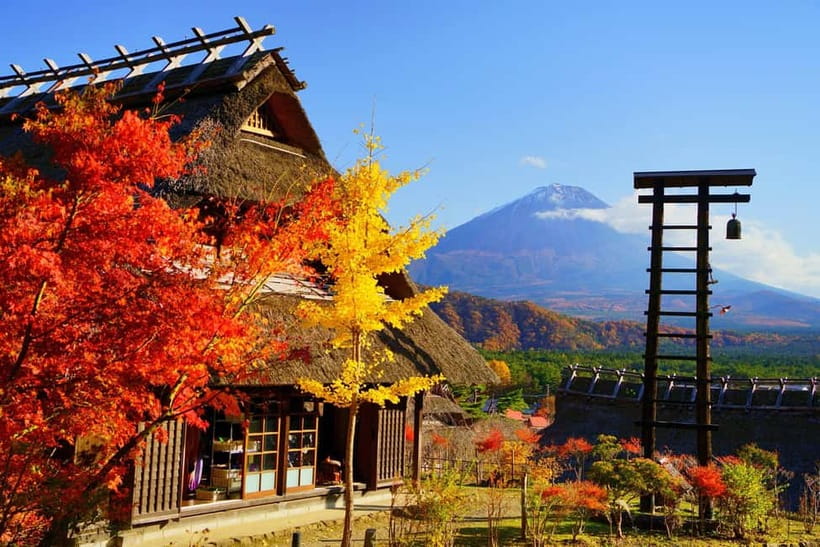
- Saiko Iyashi-no-Sato Nenba: Thatched Roofs and Winter Steam
- Walking, Timing, and Photo Tips for a Smooth Day
- Who Should Book This Mt. Fuji Day Trip From Tokyo?
- Should You Book It?
- FAQ
- Where do I meet the tour in Shinjuku?
- What’s included in the price?
- Are meals included?
- Is Oishi Park guaranteed on every day?
- What languages will the guide use?
- What should I bring, and what should I avoid?
Key Points You’ll Actually Care About
- Arakurayama Sengen Park gives you the classic pagoda-and-Fuji photo setup, with scenery changing dramatically by season.
- Oshino Hakkai centers on spring-water ponds where Fuji reflections can look almost unreal, especially after snow or in clear seasons.
- Saiko Iyashi-no-Sato Nenba includes your entrance ticket, so you spend your time on walking and viewing, not ticket lines.
- Fujiyoshida Honcho Street area adds traditional street energy and architecture, plus seasonal festival or quiet early-morning viewpoints.
- Oishi Park is the weekday wildcard, and it is the one stop you must treat as conditional.
From Shinjuku to Fuji, What 570 Minutes Buys You
This is a nearly full-day Mt. Fuji outing, totaling about 570 minutes. You meet in Shinjuku at the west side area of Kogakuin University, right by the West Exit side of Shinjuku station. Plan to show up on time, since the tour does not contact you in advance the way some day trips do.
Why this matters: the “value” here is not just the price tag. It is the way the coach handles the heavy lifting. You get roundtrip transportation, and you spend your energy on the sights instead of figuring out which bus goes where.
The schedule is built around travel time and short-to-medium free periods at each key spot. You get about an hour at Arakurayama Sengen Park, around 1.5 hours at Oshino Hakkai, a photo stop plus free time at Oishi Park, and another about hour at Saiko Iyashi-no-Sato Nenba. In other words, it is structured enough to see multiple icons, but still gives you room to wander for photos.
Two practical notes before you go:
- You need cash on hand, since it is listed as what to bring.
- Luggage rules exist, with one suitcase per passenger limited to 30 kg and 155 cm total size. Also, do not plan on storing valuables in the bus trunk.
More Mount Fuji Day trips in Tokyo:
- Mt Fuji and Hakone 1-Day Bus Tour Return by Bullet Train
★ 5.0 · 26,383 reviews - Mt Fuji & Hakone Cruise, Drum Show Bullet Train 1 Day from Tokyo
★ 4.0 · 7,413 reviews - Tokyo Mt Fuji 5th St & Hakone Cruise Bus Tour w/Bullet Train
★ 4.4 · 5,024 reviews
Arakurayama Sengen Park: Pagoda + Mount Fuji in Every Season
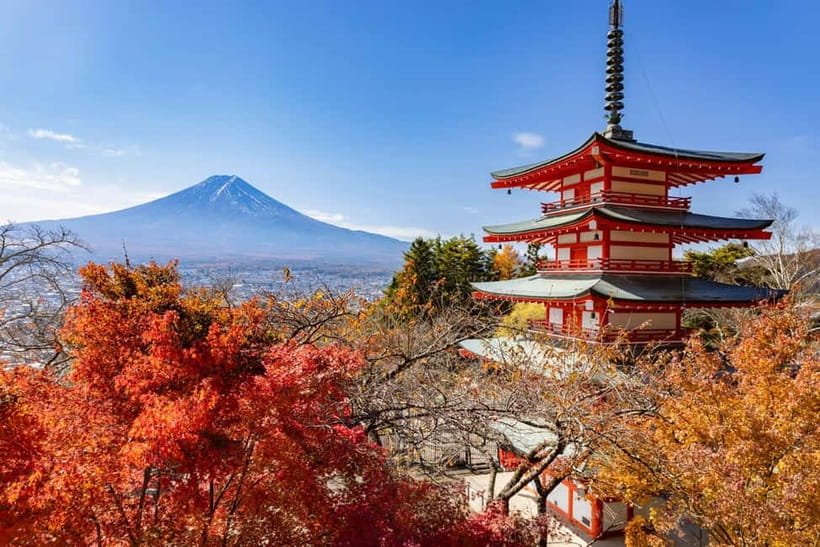
Arakurayama Sengen Park is where your Mt. Fuji day goes from a nice trip to a real memory. The big draw is the five-story pagoda framed with Mount Fuji, and the way the hillside changes color and texture through the year.
Here is what you can expect season by season:
- Spring: around 650 cherry blossom trees bloom, turning the park into a dreamy postcard scene with Fuji in the background.
- Summer: lush greenery and fresh air make the views feel clean and bright, with Fuji set against the summer sky and clouds.
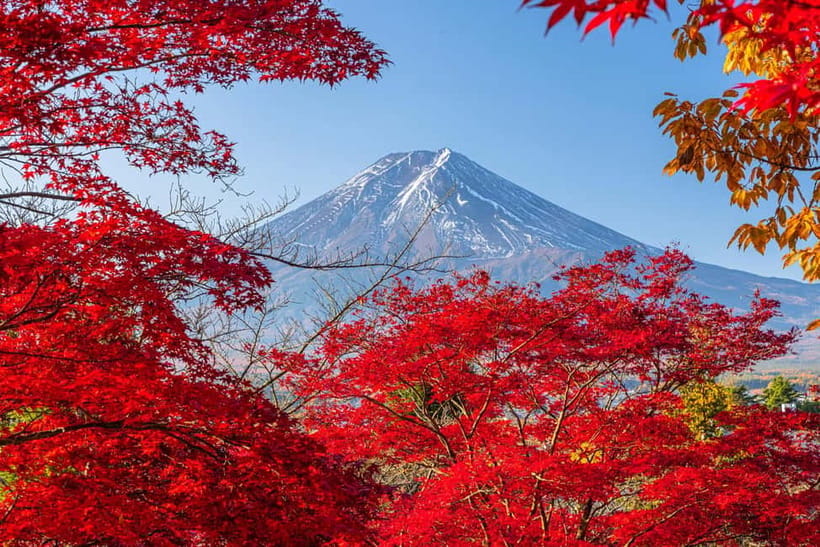
- Autumn: red leaves on the hillside add romance, and the orange tones make the pagoda feel like it is part of the foliage.
- Winter: snow covers the pagoda roof and the mountain peak, and the whole scene can look crisp and sharply white.
Even if you have seen Mt. Fuji photos before, this is one of the better places for understanding why people obsess over light and weather. A clear day can make Fuji look iconic and bold. A hazier day can still feel atmospheric, especially around the pagoda and the changing leaf colors.
One small consideration: crowding can be part of the deal at famous viewpoints. If you want the calmest photos, you will usually do better by walking a bit away from the busiest angles during your free time.
The Clock Shop and Fujiyoshida Honcho Street Moment
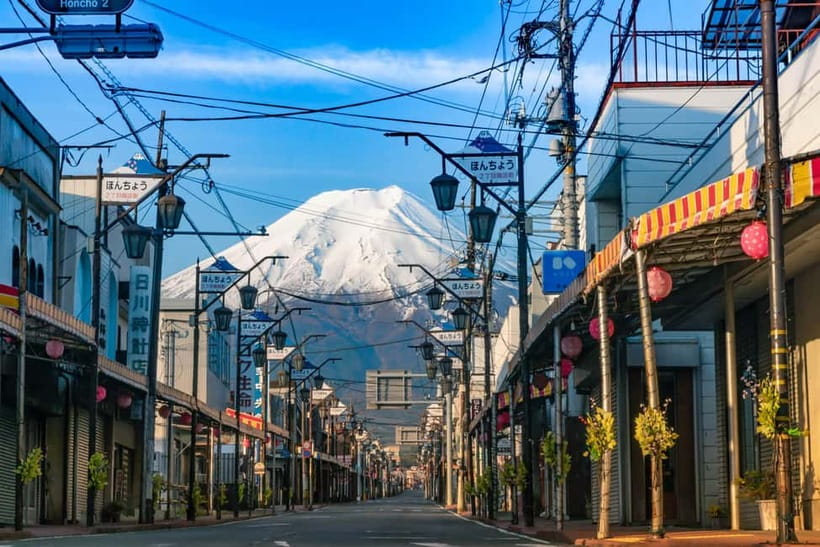
Between the major Fuji view stops, you get a shorter break around Hikawa Clock Shop and the Fujiyoshida Honcho Street area. This is one of those “good for atmosphere” pauses, not a major nature highlight.
The idea is to switch gears. You trade big mountain views for traditional street life and architecture. And because you visit at different times of year, the street mood shifts:
- Spring: cherry blossoms line the street with shops nearby, while Fuji watches from the end of the street.
- Summer: you can catch a more festival-like feel, with fireworks and lively stalls adding energy.
- Autumn: yellow and red leaves add warm tones, with Fuji’s first snow sometimes faintly visible.
- Winter: crisp early air can make the distant snow-covered Fuji view feel especially striking.
For photos, this stop is handy because it gives you lines and angles, not just a single mountain shot. Think of it as your chance to capture Fuji in a human-scale scene.
Oshino Hakkai: The Spring Water That Reflects Mt. Fuji
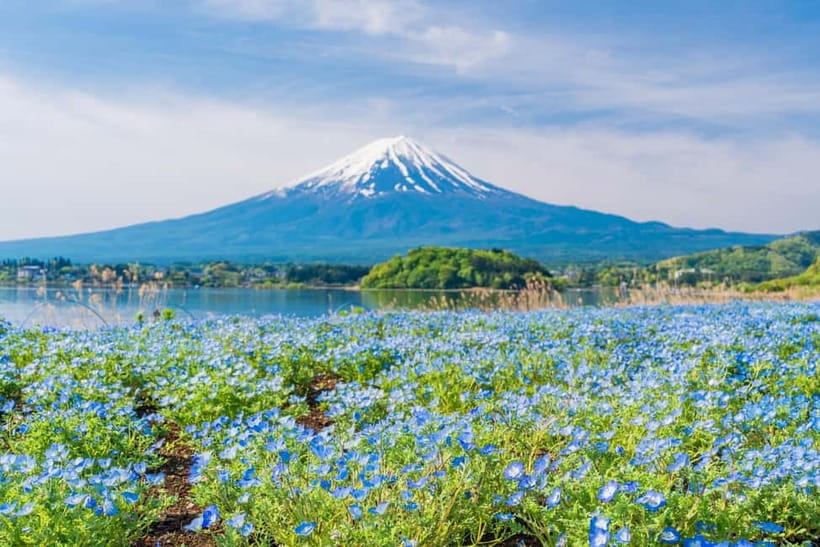
Oshino Hakkai is the calm counterbalance in the day. Instead of focusing on one dramatic viewpoint, it focuses on water. The spring-water ponds have a peaceful, almost meditative vibe, and Mount Fuji can appear reflected on the water depending on conditions.
Season by season:
- Spring: cherry blossoms by the spring water, plus the possibility of Fuji reflected in the pond surface for a poetic feel.
- Summer: cool, clear spring water with mirrored greenery, which feels refreshing on a warm day.
- Autumn: red leaves gently falling onto the water, quiet and elegant instead of loud.
- Winter: snow blankets the village, yet the spring water stays crystal clear, creating a striking contrast between white and glassy reflections.
This stop is also where I think you get the most “slow travel” feeling without actually extending the day. You can pause, look down into the water, and let your eyes adjust to a slower pace. It is the kind of place where you notice small differences in lighting and reflections, which is one reason it photographs so well.
Timing note: you have about 1.5 hours here, so you can actually do the walking and still leave time to stop for photos. If the day is crowded elsewhere, Oshino Hakkai often feels more grounded, more natural, and less like a single-photo checkpoint.
A few more Tokyo days to weigh up
- 1-Day Tokyo Bus Tour
★ 5.0 · 14,250 reviews - Tokyo: TOKYO SKYTREE® Admission ticket
★ 4.5 · 11,192 reviews - Tokyo: teamLab Planets TOKYO Digital Art Museum Entry Ticket
★ 4.6 · 9,779 reviews - Tokyo: Sumo Show Experience with Chicken Hot Pot and a Photo
★ 4.8 · 6,678 reviews
Oishi Park: A Weekday Photo Stop You Must Plan Around
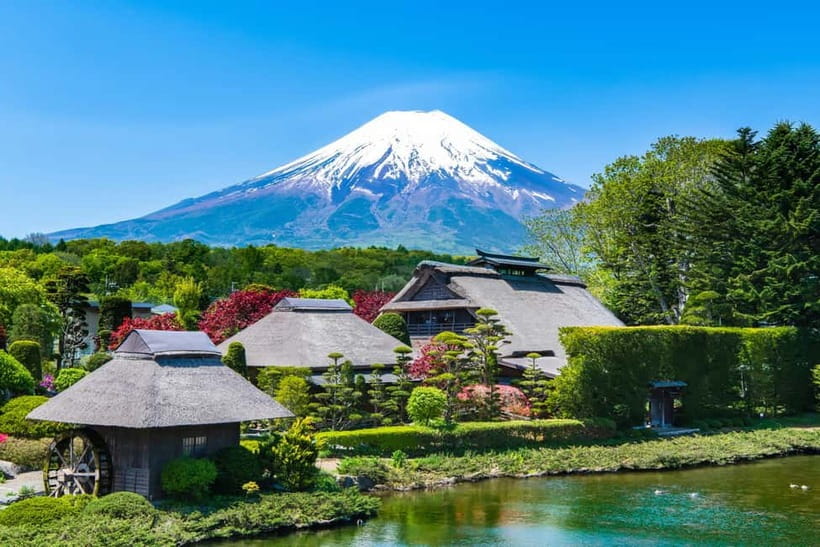
Oishi Park is a highlight, but it comes with a big scheduling rule: it is open only on weekdays. It is closed on weekends, holidays, and during Golden Week (April 29 to May 5). Also, visits may be canceled on weekdays if there are traffic delays.
This is the one stop I would treat like your “optional bonus” until you see it on the day. If you are visiting when the park is closed, you may have to accept that the day’s timing can change.
When it is open, the seasonal looks are the reason people come:
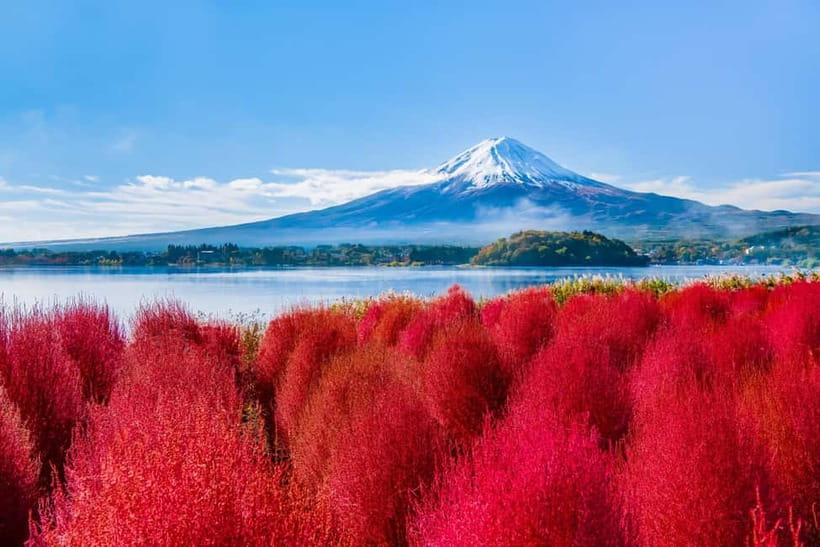
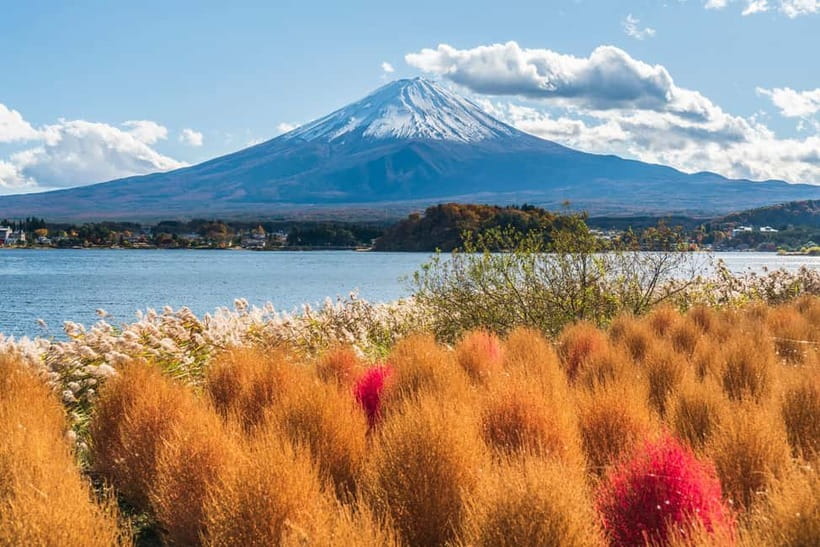
- Spring: tulips and moss phlox decorate the lakeside, with Lake Kawaguchi and Mount Fuji in the same frame.
- Summer: purple lavender blooms can make it feel like a fragrance-filled Provence-style moment.
- Autumn: lakeside grass turns golden, and Fuji’s first snow can appear in the distance.
- Winter: snowy mountain views reflected on the lake can create a quiet, almost silent feeling.
You only get a short window here, about 30 minutes, with it functioning as a photo stop plus free time. That means you will want to decide quickly what you want: wide lake-and-Fuji shots, closer flower details, or a mix of both.
If you care about photos most, arrive ready to move fast once you get there. If you care about breathing space, pick one main angle and linger.
Saiko Iyashi-no-Sato Nenba: Thatched Roofs and Winter Steam
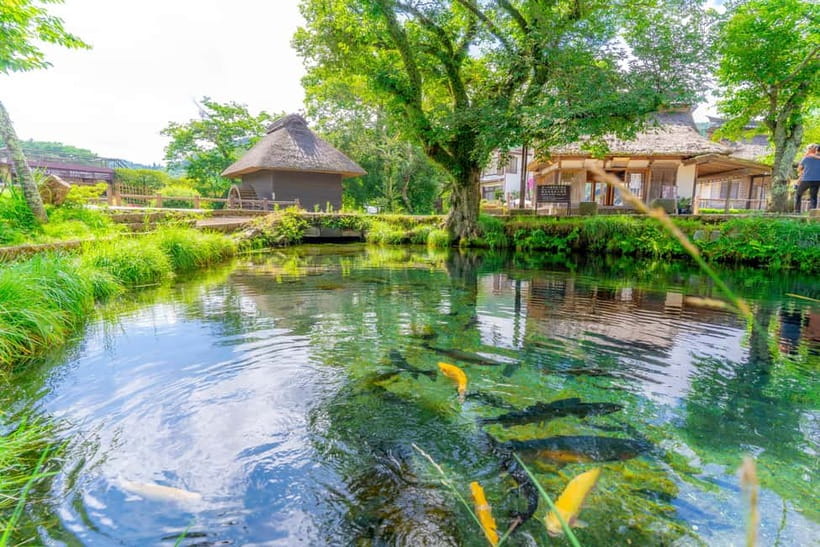
Saiko Iyashi-no-Sato Nenba is included with your ticket, and it is a great way to end the day on a quieter, more traditional note. This is the “healing and relaxation” portion, and the scenery here is designed to feel like rural Japan rather than just scenic nature.
Season by season, it changes tone:
- Spring: ancient thatched-roof houses with cherry blossoms create a strong traditional rural charm.
- Summer: verdant rice fields and clear streams plus mountain breezes with fresh natural scents.
- Autumn: red leaves cover the hillside and frame the thatched roofs, almost like time travel.
- Winter: snow covers the rooftops, and steam rises from hot springs, creating a fairytale-like village mood.
The practical value of this stop is that it gives your eyes a break from the full-on Fuji photo pursuit. After spending time trying to frame the mountain, you can focus on textures, houses, and the calmer pace of a village setting.
You also get about an hour here, which is long enough to walk, take photos, and enjoy the atmosphere without feeling rushed. It is a good fit if you like cultural scenery but do not want a museum-style indoor time slot.
Walking, Timing, and Photo Tips for a Smooth Day
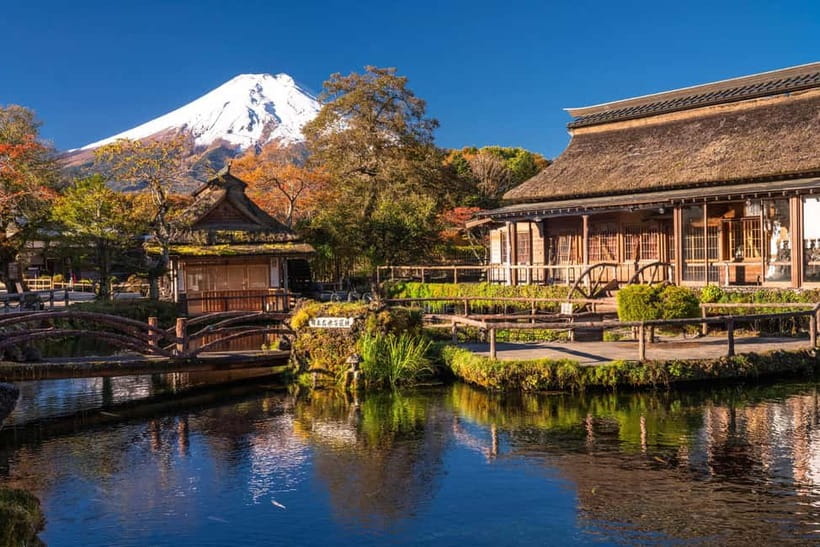
This tour is friendly, but it is not a lazy ride. There are long stairs and uphill sections on parts of the route, and seniors who require crutches are not recommended. The tour is also listed as not suitable for people over 70.
If you fall into the “I can do hills, but I move slowly” category, you will want to prepare for that reality:
- Wear shoes that handle uneven paths.
- Bring water if you can, even though meals are not included.
- Think about your photo plan at each stop so you do not waste time backtracking.
Photo strategy that works well for this kind of day:
- At the big Fuji-pagoda viewpoint, choose your angle early, then return for a second look from a different spot during your free time.
- At water-based stops like Oshino Hakkai and Oishi Park, timing matters. If the water is calm, reflections improve. If it is windy, you might focus on the ponds and seasonal foliage instead.
- In winter, snow scenes can be striking, but be ready for the day to feel cold and bright, with hard contrast in the light.
Also keep in mind the guide setup. The tour lists a live English-speaking guide, but if the vehicle is a Hiace or microbus, the driver may provide Chinese or machine-translated English commentary instead of a professional guide. Either way, you still get the benefit of guided flow between stops, which is the real stress reducer.
Who Should Book This Mt. Fuji Day Trip From Tokyo?
This is a good fit if you want:
- a Fuji-heavy day with multiple iconic stops in one shot
- seasonal variety, since the same viewpoints shift dramatically across spring, summer, autumn, and winter
- an easier way to experience Fujiyoshida and the Lake Kawaguchi area without planning transfers
It is less ideal if:
- you have mobility limitations related to stairs and uphill sections
- you need guaranteed access to Oishi Park, since it is weekday-only and can be canceled if traffic delays affect the schedule
- you want lots of time for long meals, since meals are not included and the free-time blocks are built for sightseeing
If your goal is “see as much Fuji area beauty as possible in one day,” this tour matches that mission.
Should You Book It?
I would book this if you can handle a structured long day and you care about visiting several Mt. Fuji-related highlights without wrestling with transportation on your own. The value is strongest for what you get bundled: roundtrip coach ride, an English-speaking guide, and a ticket for Saiko Iyashi-no-Sato Nenba.
I would hesitate only if Oishi Park is your top priority and your travel dates fall on a weekend, holiday, or Golden Week. In that case, your best move is to plan your expectations around the weekday rule.
If you are ready for pagoda-and-Fuji views, spring-water reflections, and a village walk through thatched roofs, this is a solid way to do it from Shinjuku in one day.
FAQ
Where do I meet the tour in Shinjuku?
Meet in front of Kogakuin University Shinjuku Station West Exit. You walk 1 to 2 minutes toward the Tokyo Metropolitan Government Building, and you should look for the Wonder Tour flag. The starting point is near the underground Central West Exit.
What’s included in the price?
Roundtrip transportation is included, plus a ticket for Saiko Iyashi-no-Sato Nenba and an English-speaking guide.
Are meals included?
No. Meals are not included, so you will need to plan for food on your own during free time.
Is Oishi Park guaranteed on every day?
No. Oishi Park is open for visits only on weekdays. It is closed on weekends, holidays, and during Golden Week from April 29 to May 5. It may also be canceled on weekdays due to traffic delays.
What languages will the guide use?
The tour lists Chinese and English. If the vehicle is a Hiace or microbus, the driver provides Chinese or machine-translated English commentary rather than a professional guide.
What should I bring, and what should I avoid?
Bring cash. Alcohol and drugs are not allowed. You may also want to bring appropriate footwear since parts of the route include long stairs and uphill sections.
Newly listed around Tokyo
- Tokyo private transfer for Yokohama Port★ 4.5 · 63 reviews
- Luxury Kimono Photoshoot at Ginza Tokyo★ 5.0 · 7 reviews
- Tokyo Allstar Food Tour★ 4.5 · 206 reviews
- Tokyo Art Aquarium Museum E-Ticket with optional Tokyo Metro Pass★ 5.0 · 17 reviews
- Tokyo: Best Ginza Food Tour at 3 Local Eateries★ 5.0 · 83 reviews
- Private One Day Nikko Tour with Bilingual driver★ 3.5 · 11 reviews
- Kabuki Talk★ 5.0 · 10 reviews
- Japanese Whisky Tasting Experience at Local Bar in Tokyo★ 5.0 · 59 reviews
Mount Fuji Day Trips, compared.
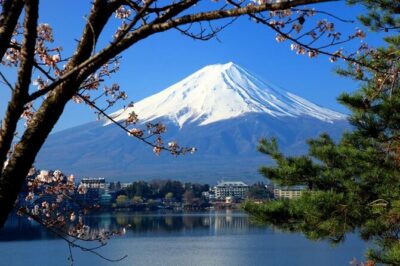
Mt Fuji and Hakone 1-Day Bus Tour Return by Bullet Train
Read our review →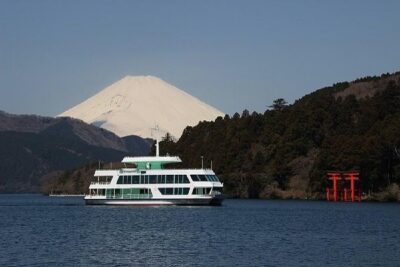
Mt Fuji & Hakone Cruise, Drum Show Bullet Train 1 Day from Tokyo
Read our review →
Tokyo Mt Fuji 5th St & Hakone Cruise Bus Tour w/Bullet Train
Read our review →
Mt. Fuji Tour, Hakone Ropeway, Owakudani, Lake Ashi
Read our review →
Mt.Fuji,Kawaguchiko Oishi Park,Arakurayama Sengen Park
Read our review →
Mt. Fuji 5th Station & Hakone Cruise 1-Day Bus Tour
Read our review →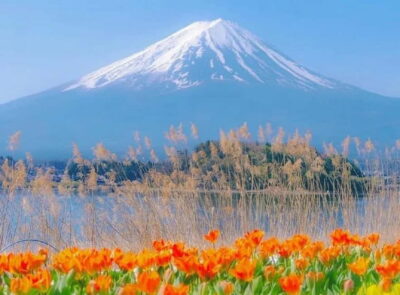
Mt Fuji Top 5 Spots Day Tour: Arakurayama Park,Oshino Hakkai
Read our review →Browse the lists this tour appears in