
Review · MUSEUMS
Tokyo National Museum Private Tour
This is a fast, focused way to understand Japan. A private, English-guided walk through the Tokyo National Museum is a smart first stop, especially if you want context instead of standing in front of captions. I especially like how the tour targets major corners of Japanese art history, and how guides such as Yoko or Naomi are praised for clear, patient explanations. One thing to consider, though, is that 2 hours is tight, so you’ll want to set expectations for what you can realistically see.
You start at Ueno, one of Tokyo’s most convenient art neighborhoods, and the pacing is built for understanding key themes rather than covering everything. The museum itself is huge, and the tour helps you pick what matters most by pointing you to signature objects like Ukiyo-e woodblock prints and Netsuke in the Japanese Gallery.
My only caution is logistical and simple: the guide contacts you by WhatsApp, so you’ll need a working phone number and notifications turned on. If your phone is spotty, the tour can still work, but you’ll be doing extra stress-management instead of enjoying the art.
In This Review
- Key takeaways before you book
- Tokyo National Museum in Ueno, the easiest way to get oriented
- The 2-hour private format, how the guide keeps you from missing the point
- Gallery of Horyuji Treasures, Buddhism statues and Silk Road connections
- The Japanese Gallery, where Ukiyo-e and Netsuke get explained
- Japanese archaeology room (optional), Haniwa and Dogu
- What the museum collection scale means for your expectations
- Value for $96, when guided time beats solo planning
- Meeting point and the WhatsApp rule you should not ignore
- Who this private Tokyo National Museum tour is for
- Final decision: should you book this tour?
- FAQ
- Where do I meet the guide?
- How long is the Tokyo National Museum private tour?
- Is this tour private or shared?
- Is the guide English-speaking?
- What’s included in the price?
- Are drinks included?
- Do I need to use WhatsApp to coordinate?
- Is the tour suitable for kids?
- Is there anything optional during the tour?
Key takeaways before you book
- A true private group: you’re not fighting the crowd for the guide’s attention.
- English-speaking guidance: names from recent guides include Yoko, Aki, Naomi, and Mami.
- Built around major collections: Horyuji treasures, Ukiyo-e, Netsuke, plus optional archaeology.
- Museum context included: you’ll get the art-history through-line instead of random stops.
- Admission is included: you’re paying for guide time plus entry, not just a “walk with directions.”
Tokyo National Museum in Ueno, the easiest way to get oriented
If Tokyo feels like a lot all at once, I get it. The Tokyo National Museum gives you a clean starting point because it spans Japan’s art and material culture from older eras to later developments.
This tour is timed at 2 hours, which matters. You do not try to “see the whole museum.” Instead, you get a structured hit list of places that explain how Japanese art thinking evolved, with just enough time to look closely when something grabs your attention.
Also, the museum’s scale works in your favor for first-timers. It’s the oldest museum in Japan, founded in 1872, and it stores about 120,000 works, with nearly 100 national treasures. Even though only a portion is on view at any time, there are usually more than 3,000 works displayed, so your guide is basically helping you choose the most meaningful subset.
More Museum Tours in Tokyo
- Tokyo: teamLab Planets TOKYO Digital Art Museum Entry Ticket
★ 4.6 · 9,779 reviews - Tokyo: Samurai Ninja Museum Guided tour and Experience
★ 4.6 · 1,010 reviews - Skip the lines Basic Ticket at SAMURAI NINJA MUSEUM TOKYO
★ 5.0 · 470 reviews
The 2-hour private format, how the guide keeps you from missing the point
A big reason this tour rates so high is the way the guide’s explanations are described: clear, patient, and focused. In particular, guides like Yoko (called clear and patient), Aki (praised for a strong art-learning focus), Naomi (warm and personable, with deep education), and Mami (simply wonderful) show up in recent feedback.
That matters because the Tokyo National Museum can overwhelm you if you wander without a plan. You’ll see great objects, but you might not connect why they matter or how they fit together.
In this format, the guide steers you through the right spaces, so you’re not spending precious minutes walking between rooms with no payoff. You’ll also get small course corrections based on your interests, which is ideal if you care more about art history than technical details, or the other way around.
One practical note: this is a walking tour, so comfortable shoes help. But it’s not a marathon, and it stays centered around the museum’s key galleries.
Gallery of Horyuji Treasures, Buddhism statues and Silk Road connections
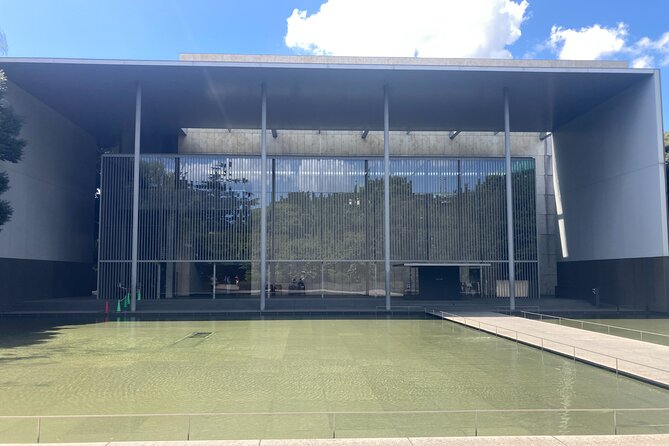
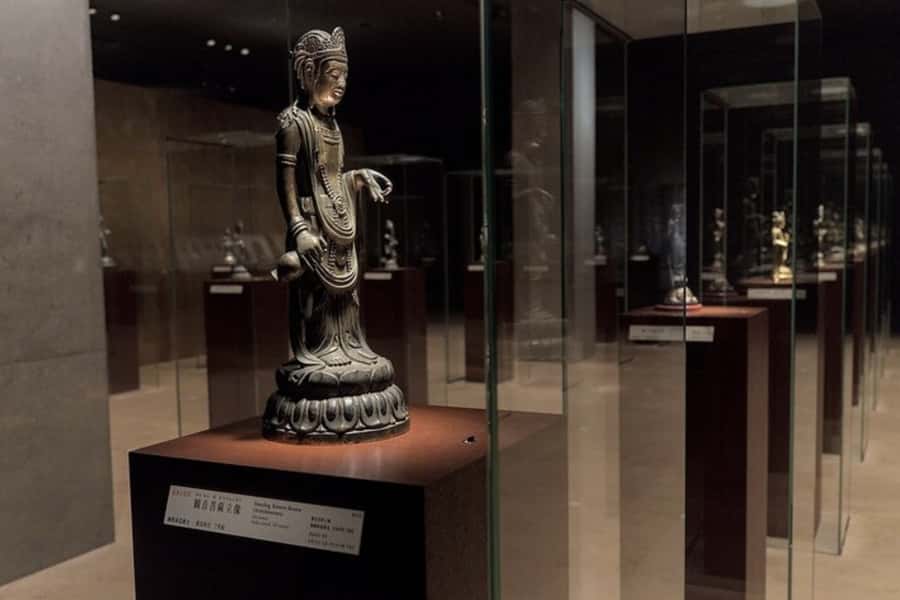
Your first major stop is the Gallery of Horyuji Treasure. Expect Buddhist statues and treasures, and specifically items that link to the Silk Road context as described in the tour outline.
This is a smart starting point because it shifts your frame from “Japanese art” as a single category into Japanese art as a long conversation. You get early anchors first, which makes later rooms easier to understand when styles and themes change.
Practically, the benefit of starting here is that it sets visual vocabulary. If you don’t know what you’re looking for, earlier pieces become your baseline. If you do know what you like, this room is still a strong opening because it’s built around famous kinds of objects that people come to see.
If you’re visiting with kids age 10 and up, this is also a good room to start with. It’s object-forward and idea-packed, which helps keep attention from drifting. The tour is designed for that age recommendation, so the pacing should feel manageable.
The Japanese Gallery, where Ukiyo-e and Netsuke get explained
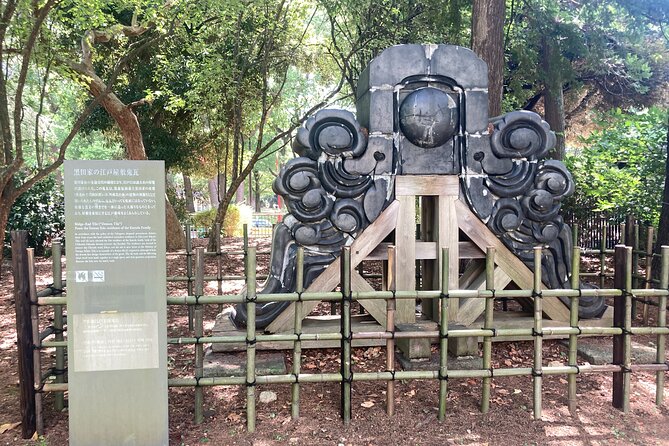
Next up is the Japanese Gallery, which is described as a digest of Japanese art history. This room includes highlighted focus on Ukiyo-e woodblock prints and Netsuke, the small decorative pieces used in the Edo period (1603 to 1868).
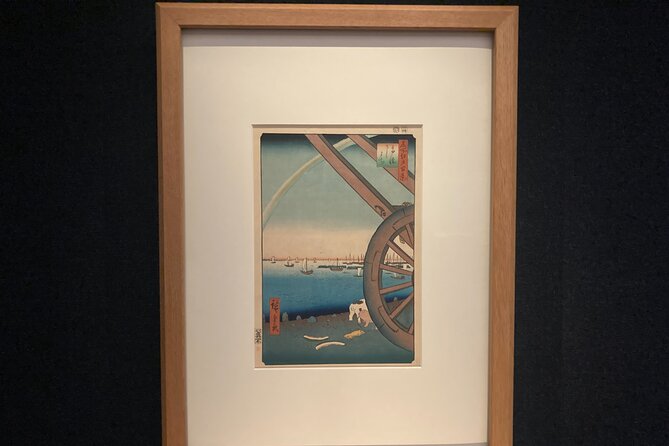
Ukiyo-e is one of those topics where captions can help, but a live explanation makes the images stick in your mind. You’ll likely learn how woodblock prints connected art, entertainment, and everyday life. Even if you don’t remember every term, you’ll walk out with a clearer sense of what the prints were doing culturally.
Then there’s Netsuke. The tour calls them small decoration used in the Edo period, which is exactly the kind of detail that’s easy to overlook on your own. A guide helps you see Netsuke as more than mini-trinkets. They’re small objects with personality and practical function, so they’re ideal for close looking.
This combo, Ukiyo-e plus Netsuke, is a nice balance. One is “big images” on paper, the other is “tiny objects” you have to imagine up close. Together, they show range in Japanese craftsmanship and design thinking.
A few more Tokyo days to weigh up
- Tokyo Studio Ghibli Museum and Ghibli Film Appreciation Tour
★ 4.5 · 421 reviews - Tokyo Sword Experience – includes Museum Ticket/Ninja Experience
★ 5.0 · 314 reviews - Samurai Ninja Museum Asakusa: Samurai Sword Lesson & Tour
★ 4.8 · 306 reviews - Tokyo: Art Aquarium Museum GINZA Entry Ticket
★ 4.5 · 278 reviews
Japanese archaeology room (optional), Haniwa and Dogu
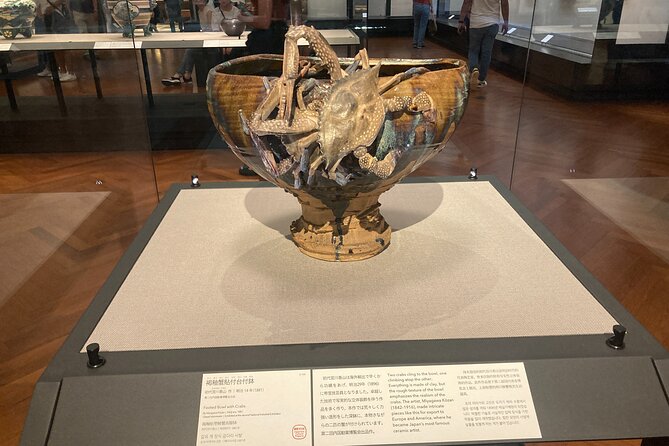
There’s an optional archaeology room stop that includes ancient objects such as Haniwa and Dogu. Haniwa are terracotta funerary figures, and Dogu refers to ancient clay figures, both of which help bridge the gap between ancient ritual objects and later art traditions.
Is this room for everyone? Not necessarily. If you love earlier artifacts and want something more tangible and physical than paper and prints, this will likely be a highlight. If you’re mainly in the mood for “art history as aesthetics,” you might find the archaeology room more factual and less stylistically driven.
The key point is that it’s optional. That flexibility is valuable in a 2-hour tour, because it lets you match the experience to your interests without feeling like you’re forcing yourself through something you won’t enjoy.
What the museum collection scale means for your expectations
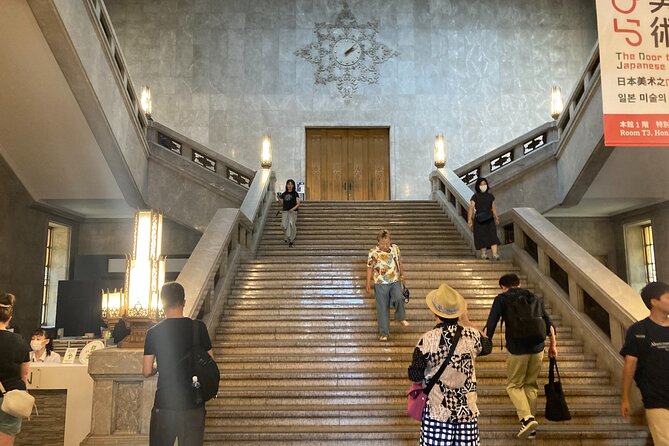
The Tokyo National Museum has an enormous collection, and the tour itself acknowledges that. More than 3,000 works are on display at any time, but the collection changes a little each week.
That week-to-week change is a big deal for value. It means you’re not locking yourself into one “perfect day” at the museum. If you come back later, it won’t feel like you’re just repeating the exact same view.
For this specific tour, the guide is aiming for the most educational stops, not an endless scan of rooms. So if you’re the type who wants depth in a few places, you’re in the right lane.
If, however, you want to wander freely at your own pace through a large portion of the galleries, this tour is not trying to be that. Think of it as training wheels, not as your entire museum day plan.
Value for $96, when guided time beats solo planning
Let’s talk price honestly. At $96 per person for a 2-hour private tour, you’re paying for two things: admission plus an English-speaking guide who steers you to the most meaningful rooms.
If you’ve ever tried to do the Tokyo National Museum “by vibes,” the cost can feel high, but the guide time often saves you from the most common mistake, spending time in the wrong place for your interests. You’re also not paying separately for admission, since tickets are included.
Could you do it on your own for less? Probably. But the difference is context. In a museum this large, your biggest challenge is not entering, it’s deciding what to prioritize.
From the reviews, the recurring praise is about explanation quality. Yoko is highlighted as clear and patient, Aki for art learning, Naomi for warmth and education, and Mami for a wonderful experience. That kind of guide performance is what you’re buying, especially if your time in Tokyo is limited.
Also, drinks aren’t included, so plan on water or a quick refresh before or after. A 2-hour tour passes quickly, but you don’t want to feel under-fueled while you’re trying to focus on details.
Meeting point and the WhatsApp rule you should not ignore
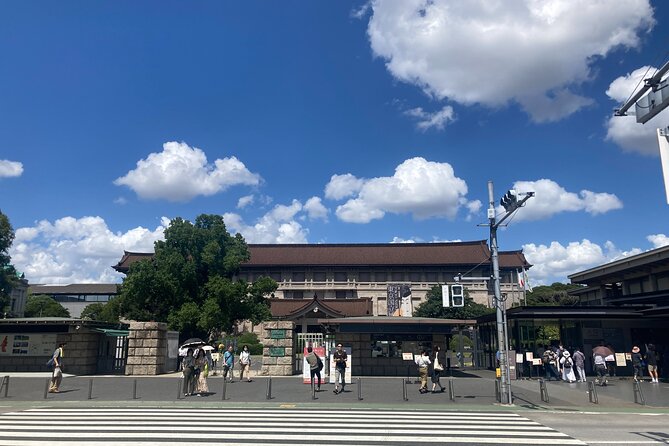
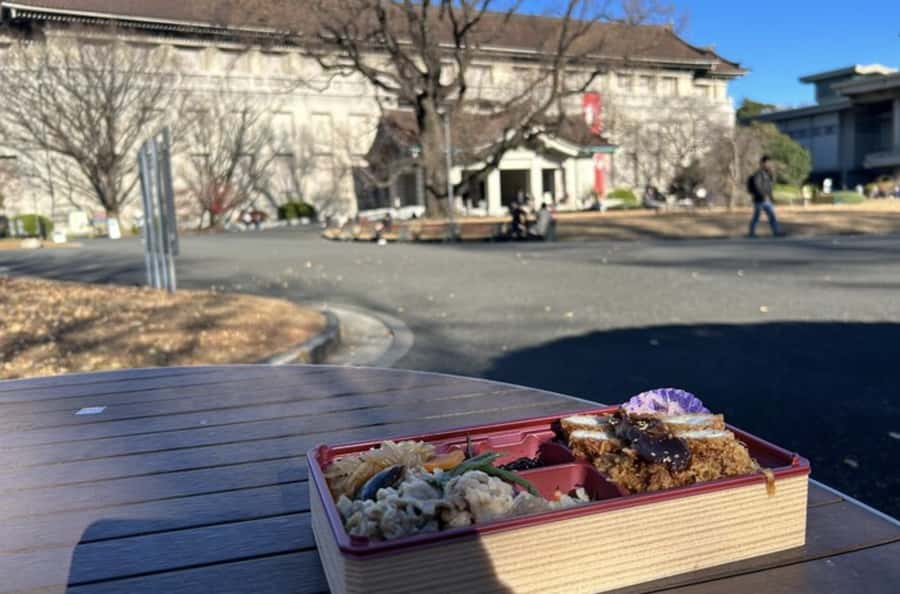
You meet at the ticket office, the Information office, at the entrance gate, at 13-13 Uenokōen. That’s straightforward, and it helps you avoid the usual, “Where do we line up?” confusion.
The one logistics detail that matters most is WhatsApp. The guidance is explicit: download WhatsApp, the guide will contact you there, and you should provide an accurate phone number with notifications enabled from Japanese phone numbers.
I treat this as non-negotiable. Turn on notifications and make sure your phone number works. If you do that, the whole experience should feel smooth. If you do not, you’ll spend mental energy tracking messages instead of enjoying the galleries.
Who this private Tokyo National Museum tour is for
This tour is a strong fit if you:
- Want a clear entry ramp into Japanese art history in a short amount of time
- Prefer an English explanation over self-reading everything
- Like a focused route instead of wandering the whole museum
- Are traveling with kids age 10 and up and want a structured experience
It’s also a good choice if you’re traveling solo or as a couple, because a private group means you’re not competing for attention and you can stay on the guide’s rhythm.
If you’re an advanced museum goer who already knows exactly what rooms you want and how to read them, you might find the 2-hour structure a little limiting. But even then, a strong English-speaking guide can still help you see connections you would otherwise miss.
Final decision: should you book this tour?
I’d book this Tokyo National Museum Private Tour if your goal is understanding fast. It’s designed for the “first stop” mindset, with a tight route through big themes, Buddhism treasures, Ukiyo-e, Netsuke, and optional archaeology.
Your best reasons to choose it are simple: you get guided context, you avoid aimless wandering in a massive museum, and you’re paying for admission plus a guide rather than paying for “time with no payoff.”
One last thought: because the collection can change weekly, you can also use this tour as a foundation. After you learn the big ideas in 2 hours, you’ll likely enjoy exploring more on your own later.
If your phone notifications are working and you’re ready to walk and look closely, this is a high-value way to start seeing Japan through art and objects.
FAQ
Where do I meet the guide?
Meet at the ticket office, the Information office, at the entrance gate of Tokyo National Museum at 13-13 Uenokōen.
How long is the Tokyo National Museum private tour?
The tour lasts 2 hours.
Is this tour private or shared?
It’s a private group tour.
Is the guide English-speaking?
Yes, the guide provides a live tour in English.
What’s included in the price?
Admission tickets and an English-speaking guide are included.
Are drinks included?
No, drinks are not included.
Do I need to use WhatsApp to coordinate?
Yes. The guide will contact you via WhatsApp, so you should download WhatsApp, use an accurate phone number, and enable notifications from Japanese phone numbers.
Is the tour suitable for kids?
It’s recommended for ages 10 and up.
Is there anything optional during the tour?
There is an optional archaeology room stop featuring ancient objects such as Haniwa and Dogu.
Newly listed around Tokyo
- Tokyo: Nikko Private Sightseeing Day Trip with Driver★ 5.0 · 10 reviews
- Tokyo: Nikko Private Day Tour with English Speaking Driver★ 4.8 · 97 reviews
- Tokyo: Nikko World Heritage Private Day Trip Hotel Pick-up★ 4.8 · 145 reviews
- Tokyo: Nikko Kegon Falls Lake Chuzenji Toshogu Temple & More★ 4.9 · 12 reviews
- Tokyo: Nikko Private Day Tour With Guide★ 4.9 · 18 reviews
- Private Tour Through the Tokyo National Museum & Ukiyo-e★ 4.7 · 17 reviews
- Tokyo: Nikko Day Tour Shrines, Lake Chūzenji & Kegon Falls★ 4.9 · 26 reviews
- Tokyo Night Drive: Daikoku PA Car Culture & Wangan Midnight★ 4.4 · 10 reviews
Museums, compared.

teamLab Planets TOKYO Digital Art Museum Entry Ticket
Read our review →
Samurai Ninja Museum Guided tour and Experience
Read our review →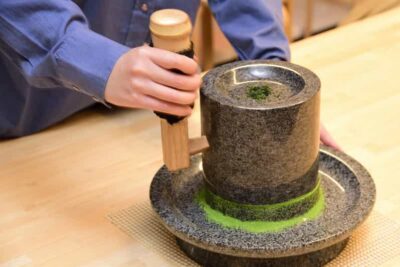
Tea Museum Tickets and Matcha Grinding Experience
Read our review →
Skip the lines Basic Ticket at SAMURAI NINJA MUSEUM KYOTO
Read our review →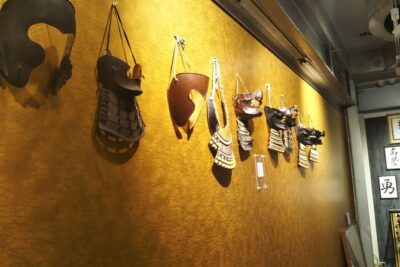
Skip the lines Basic Ticket at SAMURAI NINJA MUSEUM TOKYO
Read our review →
Tokyo Studio Ghibli Museum and Ghibli Film Appreciation Tour
Read our review →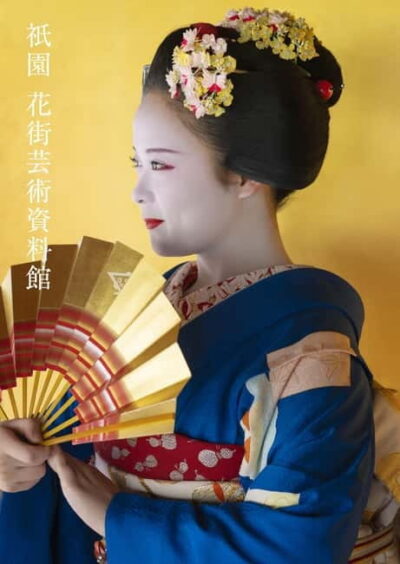
Geiko Maiko Dance of Kyoto & Visits of Gion Museum
Read our review →Browse the lists this tour appears in