
Review · SUMO STABLE VISITS
Tokyo: Not a show- a professional sumo practice with experts
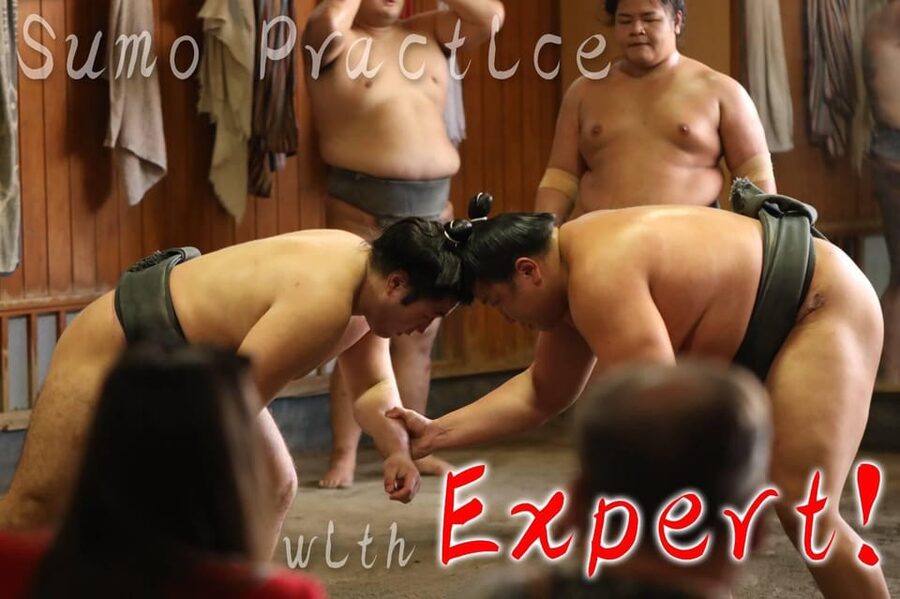
Sumo training beats any staged show. I love that this is a real sumo stable morning practice, not a performance, so you see the work and the rituals up close. I also like that you can ask questions in depth during a Q&A with Shinya, a long-time sumo specialist tied to national media coverage, plus you get a photo with the wrestlers.
The main drawback to plan for is the seating. You watch from the floor for a long stretch, and while a floor cushion is provided, floor seating can still be challenging if you have knee or back issues.
In This Review
- Key highlights worth your attention
- Tokyo’s Ryogoku, the real sumo neighborhood
- Takasago-beya Sumo Stable: live practice up close
- What to watch for while you sit
- The Ryogoku walk: Kokugikan and Edo Noren between the training and the street
- Drawback to consider at this stage
- Meet Shinya: Q&A that turns watching into understanding
- Photo with the wrestlers, and why it feels different here
- Sumo etiquette and comfort tips that actually matter
- Price and value: what $103 buys for 3 hours
- Who should book this sumo practice experience
- Who might want to skip or choose carefully
- Tour day flow, step by step
- My booking advice: should you go?
- FAQ
- How long is the sumo practice tour?
- What does the tour cost?
- Is this a staged sumo show or a real training session?
- Where does the tour start?
- Where is the meeting point for the tour?
- Do I get to take photos with the wrestlers?
- Is there a Q&A during the tour?
- What stops are included besides the stable?
- Is smoking allowed?
- What is included, and what should I plan for separately?
- Is the tour suitable for young children?
Key highlights worth your attention
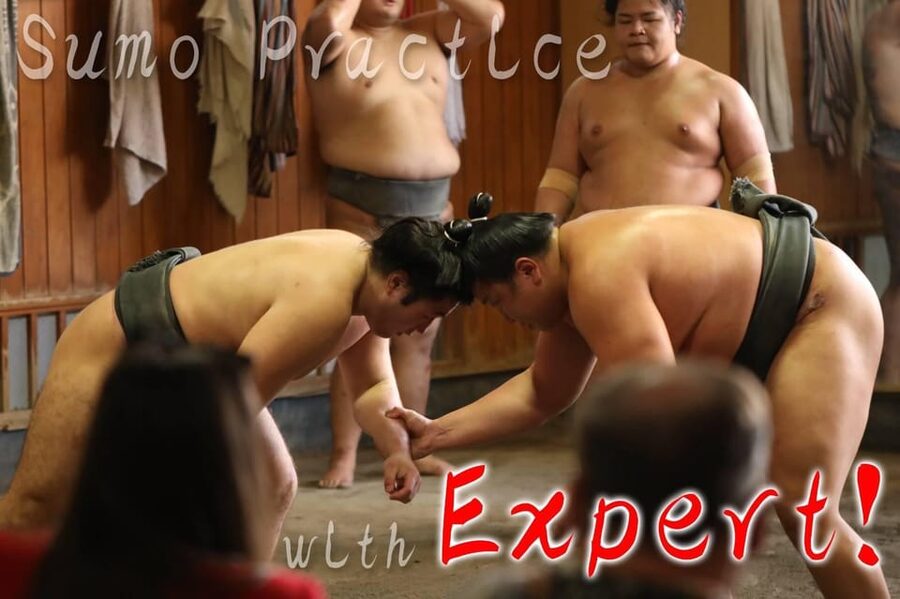
- A real stable visit with special permission, plus you get close enough to feel the intensity
- Q&A with Shinya, a long-time sumo expert and media professional
- Photo time with sumo wrestlers, not just photos of a monument or costume
- Ryogoku area hits, including a guided look at Kokugikan and Edo Noren
- Small group size (up to 10), so questions actually fit into the schedule
Tokyo’s Ryogoku, the real sumo neighborhood
If Tokyo has a sumo “home,” it is Ryogoku. This is the place where sumo feels normal, not themed. You’ll start your day in the station area, then move on foot toward the stable and the sumo landmarks nearby.
What I like about building the tour around Ryogoku is that it connects the sport to the city. You are not only watching training, you are also getting a sense of how sumo lives here, from the training spaces to the arena world. It is a practical way to understand the culture, because sumo is not just two people in a ring, it is routines, hierarchy, and etiquette, all day long.
Compare these Sumo Stable visits in Tokyo:
- Tokyo: Sumo Show Experience with Chicken Hot Pot and a Photo
★ 4.8 · 6,678 reviews - Tokyo: Sumo Show and Dining Experience
★ 4.8 · 2,742 reviews - the SUMO show
★ 5.0 · 1,960 reviews
Takasago-beya Sumo Stable: live practice up close
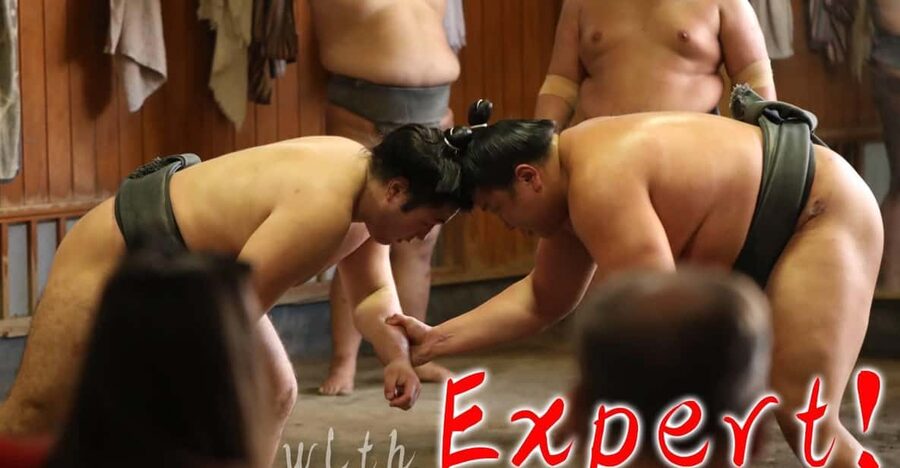
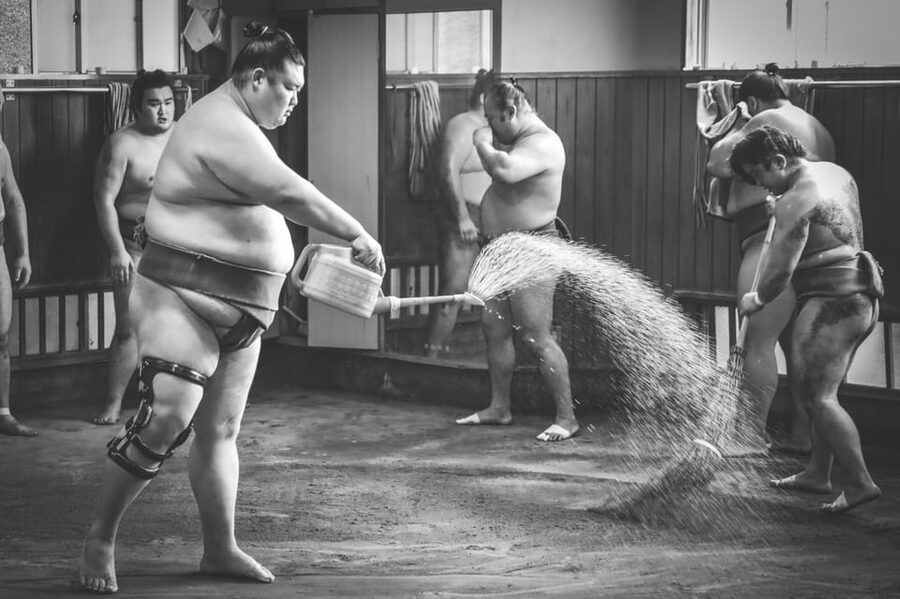
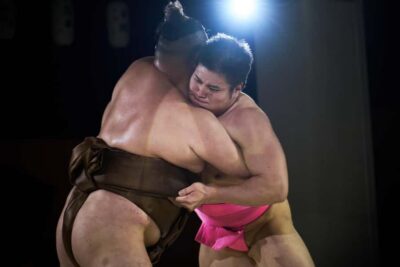
The heart of the experience is the two-hour visit to Takasago-beya Sumo Stable. This is not the kind of “sumo experience” where you watch something set up for tourists. You are stepping into a professional training environment, with people there to work.
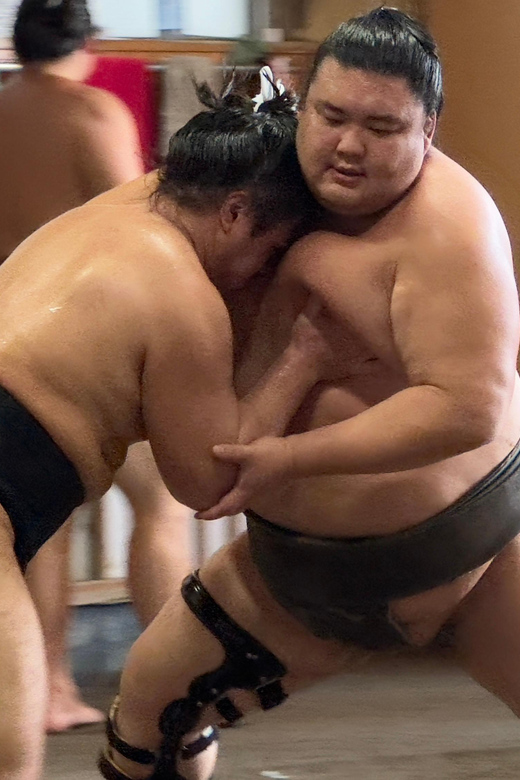
Once you arrive, the rhythm takes over fast. Even before any big explanation, you can see how structured everything is. Wrestlers train, practice drills, and work through the discipline that makes sumo what it is. You are watching from close range, close enough to notice how technique looks when it is not just taught in a video.
The stable visit is where the tour earns its reputation for being more rewarding than a typical show. A show can be fun, but it compresses everything into a performance. A real morning practice gives you the longer look at how athletes prepare, refine, and respond. It also helps you spot the human side of sumo, the way older wrestlers guide the younger ones and how the session moves in a steady flow.
What to watch for while you sit
Try to focus on three things as you watch:
- How wrestlers set their stance and adjust before contact
- How quickly they reset and try again after exchanges
- How the practice feels like a system, not random fighting
You might come in with some sumo basics already, or you might not know much at all. Either way, this part works, because you can see the structure immediately.
The Ryogoku walk: Kokugikan and Edo Noren between the training and the street
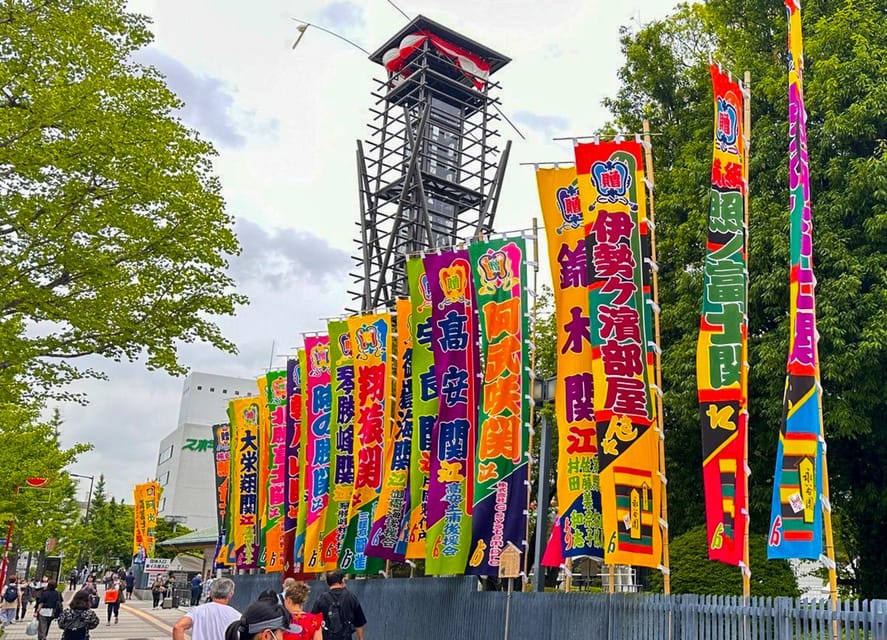
After the stable time, the tour shifts to a guided look around Ryogoku’s sumo sites. You will get a short guided tour at Ryogoku Kokugikan, then another guided visit at Ryōgoku Edo Noren, with a final stretch for shopping and sightseeing.
These stops are shorter than the stable visit, but they matter. Kokugikan is the arena world, the stage where tournaments become big public events. Even if you are not catching a tournament match, this is the place to understand what the training is building toward. Seeing it in person helps connect the dots.
Edo Noren is more of the neighborhood texture. It is a place to slow down a bit, take in the vibe, and do some browsing. You also get a guided walkthrough before you have time to look around on your own. That mix is helpful because sumo culture can feel abstract until you see it in the context of real streets and real local spaces.
A few more Tokyo days to weigh up
- Mt Fuji & Hakone Cruise, Drum Show Bullet Train 1 Day from Tokyo
★ 4.0 · 7,413 reviews - Tokyo: Samurai Restaurant Show Ticket with 2 Drinks
★ 4.5 · 1,307 reviews - Mt Fuji & Hakone Cruise, Drum Show Bus 1 Day from Tokyo
★ 4.0 · 1,287 reviews - Tokyo Sumo Entertainment Show with Chicken Hot Pot and Photo
★ 5.0 · 1,205 reviews
Drawback to consider at this stage
You do not have a ton of time at each stop. If you want maximum museum-style reading time, you might find the pacing a little brisk. It helps to come with a few questions ready for Shinya during the Q&A part, so you use the longer conversation time wisely.
Meet Shinya: Q&A that turns watching into understanding
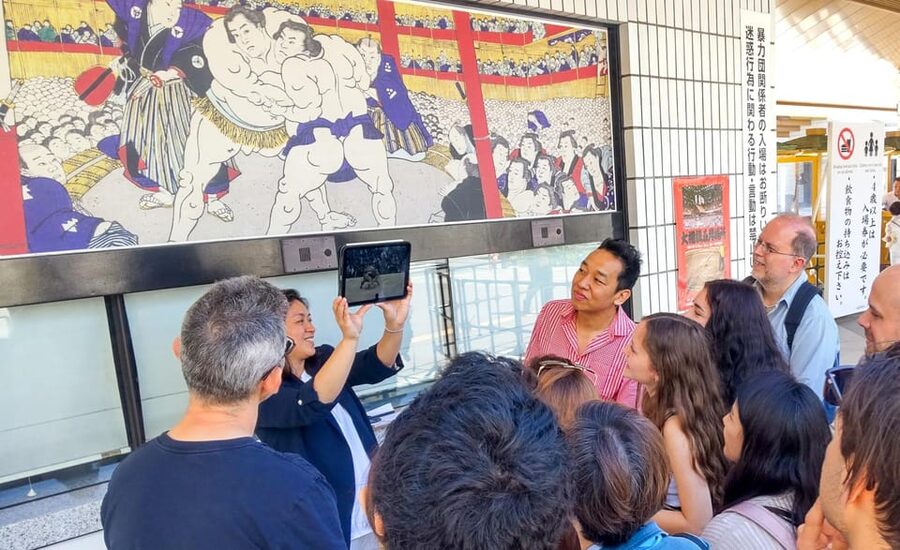
One of the standout features is the Q&A with Shinya. This is where a lot of the real value lives, because the tour is not only about watching training, it is about interpreting what you are seeing.
Shinya is described as a long-time sumo expert and media professional, and that shows in how he talks. You are not getting generic facts. You can ask whatever you want, from wrestling culture to tournament details to wrestler backgrounds. If you are a sumo beginner, you can start with the big questions. If you already follow sumo casually, you can go deeper into rules, rituals, and how the sport works on the inside.
Photo with the wrestlers, and why it feels different here
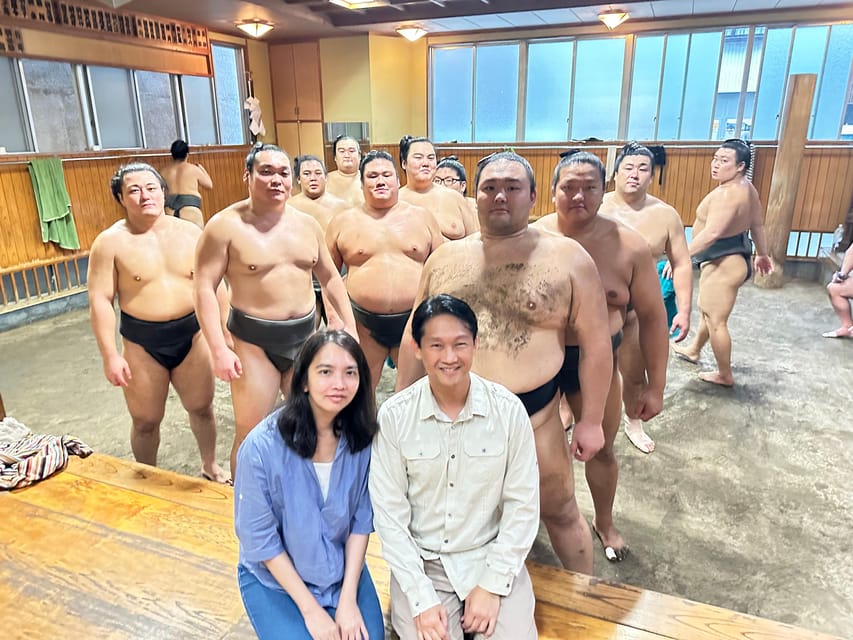
You also get a photo with the wrestlers. The difference is that it comes out of the stable experience, not as a separate “meet and pose” act. You are already seeing them train. So the photo feels like a memory of context, not a souvenir moment.
A small practical note: the tour runs in a small group, and your time for photos and questions is managed, so it can feel more personal than larger, bus-style tours.
Sumo etiquette and comfort tips that actually matter
This tour is built around watching and respecting real training. That means you need to follow etiquette, and you need to be comfortable enough to sit.
Here are the points worth planning for:
- You sit on the floor to watch. A floor cushion is available, but you should still prepare for a floor-sitting day.
- Phone use matters. One review-style tip from the experience is to turn your phone off, keep things quiet, and follow the guide’s instructions.
- Smoking indoors is not allowed.
If you are flexible, the floor seating is manageable for most people. If you are not, think ahead. Consider wearing supportive shoes so you feel steady while moving and finding your spot, and bring any simple comfort item that works for you personally, since you do not get food or drink included.
Price and value: what $103 buys for 3 hours
At about $103 per person for a 3-hour experience, this is not cheap. But it is also not the kind of price you pay for a basic sightseeing walk.
You are paying for:
- Access to a real sumo stable for live morning practice
- Special permission for the group to be there
- An English-speaking guide who can explain what you are seeing in real time
- A Q&A with Shinya, plus photo time with wrestlers
- Small group format, up to 10 people
That mix is the value equation. Many Tokyo tours offer “sumo” as a performance or a theme stop. Here, the core is the stable practice, and the explanation is tied directly to that moment. Even if you end up with a long list of questions in your notebook, the Q&A is designed to answer them.
If your goal is theatrical entertainment, you might feel the price is too high. If your goal is a respectful, close-up look at authentic sumo, it starts to feel like a bargain compared to how rare this kind of access is.
Who should book this sumo practice experience
This is a strong fit if you want authenticity over performance. It is also great if you enjoy learning while you watch, because the guide and Shinya’s Q&A turn what could be a passive viewing session into an educational one.
It is also a solid pick if you:
- Want to be in Ryogoku for the sumo atmosphere
- Like asking questions and getting clear answers
- Prefer small groups
Who might want to skip or choose carefully
If your main goal is a full-on show format with constant narration during the practice itself, you might find the experience style more “participatory Q&A” than “commentary throughout.” Also, if you have trouble sitting on the floor for an extended period, think twice and bring your comfort strategy.
Children under 5 are not suitable, so this is more of a teen and adult friendly choice.
Tour day flow, step by step
Here is how your time typically unfolds, based on the published pacing.
1) Meet around Ryogoku
You begin at 両国 HANA WAビル, then you head from the nearby station area toward the stable. The tour moves quickly, so plan to arrive a few minutes early and keep your navigation simple.
2) Takasago-beya Sumo Stable
You spend about two hours here. This is the longest and most important block. Expect watching practice, observing technique, and using the time to pay attention to what your guide is describing.
3) Ryogoku Kokugikan guided tour
Next is a short guided segment at the arena. It helps you connect training to tournament culture without taking a whole day.
4) Ryōgoku Edo Noren guided tour and time to explore
You get another guided walkthrough, then a chunk of time for shopping and sightseeing.
5) Finish near Ryogoku Station
You end at 両国駅, which makes it easy to continue your day in Tokyo after the tour.
My booking advice: should you go?
I would book this if you want a Tokyo highlight that feels real, respectful, and close to the action. The stable practice access, the chance to take a photo with wrestlers, and the Q&A with Shinya are the three reasons to choose this over a more touristy sumo option.
I would hesitate only if you know floor seating will ruin your comfort, or if you want a constant show-style commentary while the practice is happening. In that case, you might enjoy a different kind of sumo activity more.
If you book, go in with two mindsets: quiet respect during training, and curiosity during the Q&A. Those two things are what turn this into a memorable story, not just a cool morning in Tokyo.
FAQ
How long is the sumo practice tour?
The tour duration is 3 hours.
What does the tour cost?
The price is listed as $103 per person.
Is this a staged sumo show or a real training session?
It is a professional sumo morning practice at a sumo stable, with special permission for the group.
Where does the tour start?
The starting location is 両国 HANA WAビル.
Where is the meeting point for the tour?
The meeting point is Subway Toei Oedo Line, Ryogoku Station (E12), Exit A2 (Ground Level), about a 5-minute walk from the east exit of JR Ryogoku Station.
Do I get to take photos with the wrestlers?
Yes, photo with a sumo wrestler is included.
Is there a Q&A during the tour?
Yes. There is a Q&A with a long-time sumo expert included.
What stops are included besides the stable?
The tour includes a guided tour at Ryogoku Kokugikan and a guided tour and shopping/sightseeing time at Ryōgoku Edo Noren.
Is smoking allowed?
Smoking indoors is not allowed.
What is included, and what should I plan for separately?
Included: English-speaking guide, photo with a sumo wrestler, and Q&A with a long-time sumo expert. Not included: tip, drinks, and food.
Is the tour suitable for young children?
It is not suitable for children under 5 years.
Newly listed around Tokyo
- Tokyo private transfer for Yokohama Port★ 4.5 · 63 reviews
- Luxury Kimono Photoshoot at Ginza Tokyo★ 5.0 · 7 reviews
- Tokyo Allstar Food Tour★ 4.5 · 206 reviews
- Tokyo: Best Ginza Food Tour at 3 Local Eateries★ 5.0 · 83 reviews
- Private One Day Nikko Tour with Bilingual driver★ 3.5 · 11 reviews
- Tokyo Art Aquarium Museum E-Ticket with optional Tokyo Metro Pass★ 5.0 · 17 reviews
- PRIVATE tour in 180SX to Daikoku+++++★ 5.0 · 6 reviews
- Kabuki Talk★ 5.0 · 10 reviews
Sumo Stable Visits, compared.
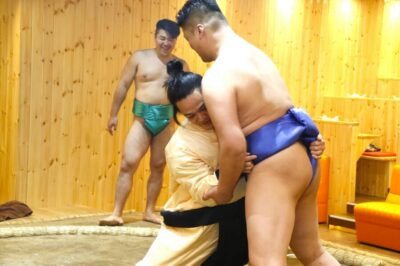
Sumo Show Experience with Chicken Hot Pot and a Photo
Read our review →
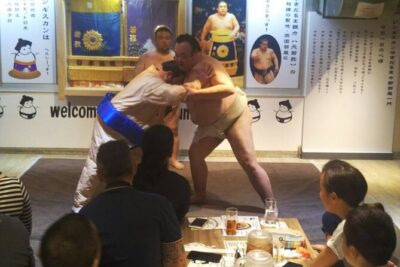
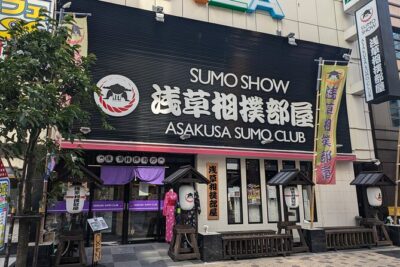
Tokyo Sumo Entertainment Show with Chicken Hot Pot and Photo
Read our review →
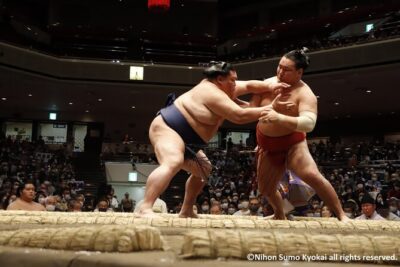
Tokyo Grand Sumo Tournament Viewing Tour with Tickets
Read our review →
Sumo Show & Experience w/ Optional Kimono & Hot Pot
Read our review →Browse the lists this tour appears in