
Review · SUMO STABLE VISITS
Tokyo: Sumo Morning Practice with journalists. Not fake show
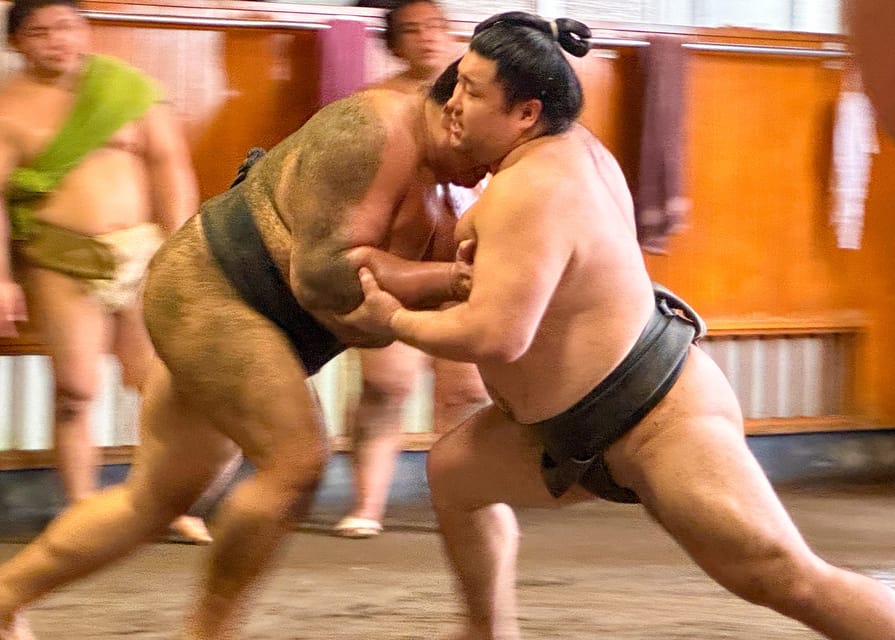
Sumo starts early, and this one starts before the crowds. You watch real sumo morning practice at Takasago-beya in Ryogoku with a guide who explains what you’re seeing, not just what to photograph.
I love the Q&A time with a sumo specialist who is also a national newspaper journalist. It turns the usual guessing game of sumo into something you can actually understand while you’re sitting ringside.
One thing to consider: the stable setup is traditional, you’ll be sitting on the floor, and flash photography is not allowed. Also, the operator notes the tour is not suitable for wheelchair users despite a general wheelchair-accessible label.
In This Review
- Key points I’d underline before you go
- Ryogoku Morning: where the tour starts and why it matters
- Takasago-beya Sumo Stable: what the 2 hours feel like
- The practical stuff you need to know at the stable
- The journalist guide: turning sumo rules into something you can watch
- Photo time and etiquette: how to get the shot without breaking rules
- Ryōgoku Edo NOREN stop: why a 30-minute guided add-on helps
- Price and value: is $103 for 3 hours fair
- Who this tour is perfect for, and who should pass
- Who might want to skip it
- Tips to make the morning go smoothly
- Should you book this sumo morning practice tour?
- FAQ
- How long is the sumo morning practice tour?
- Where is the meeting point in Ryogoku?
- What part of the tour includes live sumo viewing?
- Can I take photos with flash during the practice?
- Is food or alcohol allowed during the tour?
- Is this tour suitable for wheelchair users?
- What is included, besides the live practice?
Key points I’d underline before you go
- Special permission to access a sumo stable, not a staged viewing area
- A guide who’s a national newspaper journalist, so the explanations go deeper
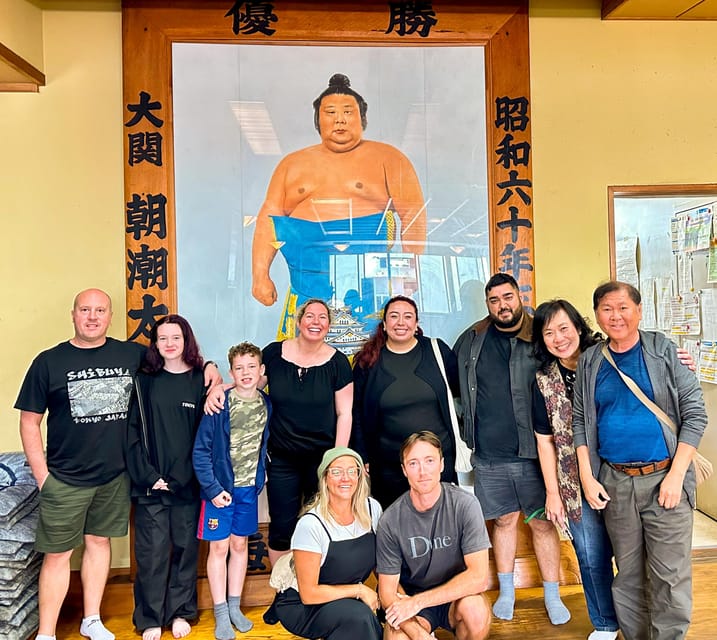
- Live practice viewing plus commemorative photos after the session
- No flash during practice, so bring a camera that can handle low light
- Short guided stops in Ryogoku, including Ryōgoku Edo NOREN, to add context
- Dress for floor seating, because you will sit on the tatami
Ryogoku Morning: where the tour starts and why it matters
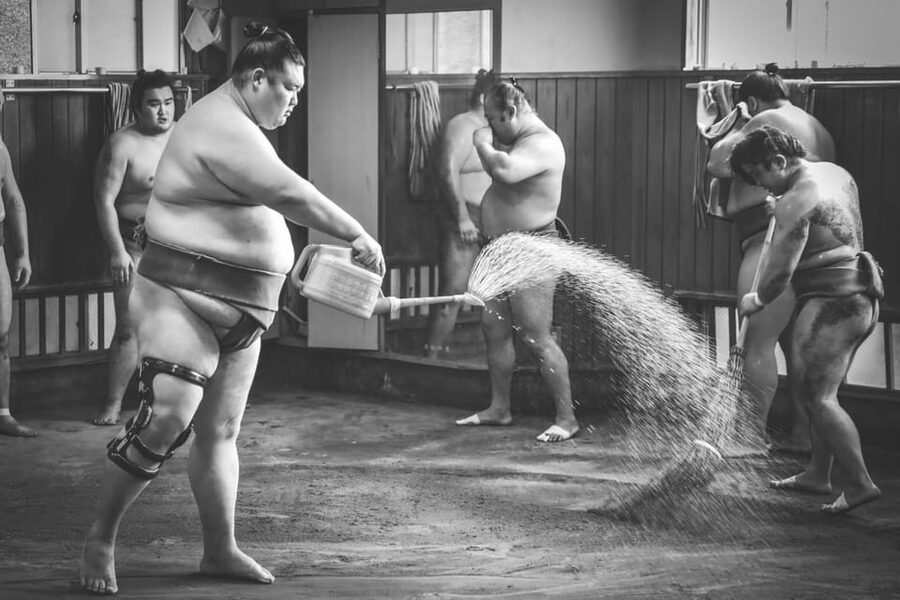
This tour is built around a simple idea: see sumo the way it happens every day, in a training environment, not as a tourist production. You meet at 両国 HANA WAビル, right in Ryogoku, which is Tokyo’s sumo neighborhood.
Your meeting point is easy to spot once you know the exact transit exit. Use the Toei Oedo Line to Ryogoku Station (E12), Exit A2, and plan on a short walk from there. The tour start time is not a suggestion, because the group heads out quickly for the stable.
That early start is part of the value. Morning practice is calmer, more focused, and less performance-coded. You’re not arriving to a spectacle. You’re arriving to work.
Compare these Sumo Stable visits in Tokyo:
- Tokyo: Sumo Show Experience with Chicken Hot Pot and a Photo
★ 4.8 · 6,678 reviews - Tokyo: Sumo Show and Dining Experience
★ 4.8 · 2,742 reviews - the SUMO show
★ 5.0 · 1,960 reviews
Takasago-beya Sumo Stable: what the 2 hours feel like
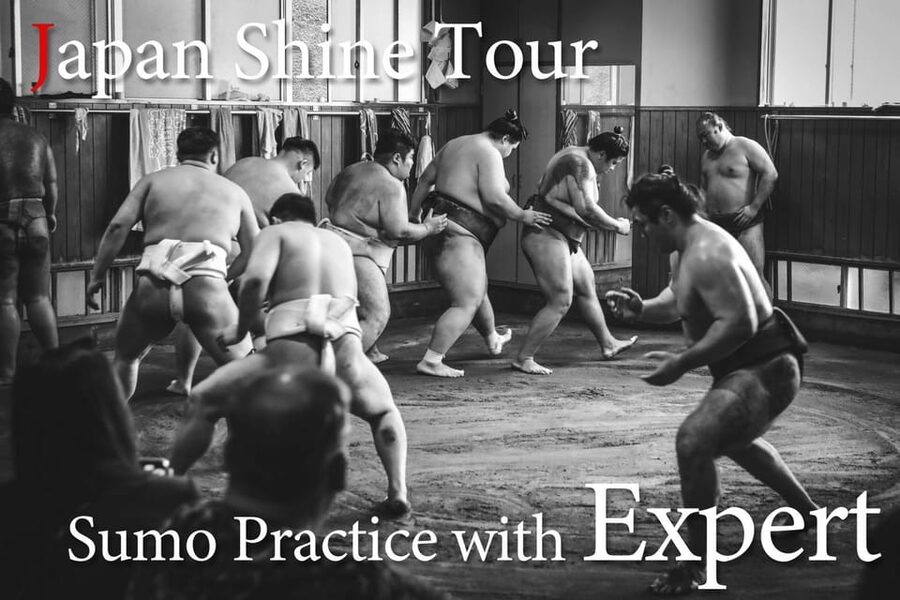
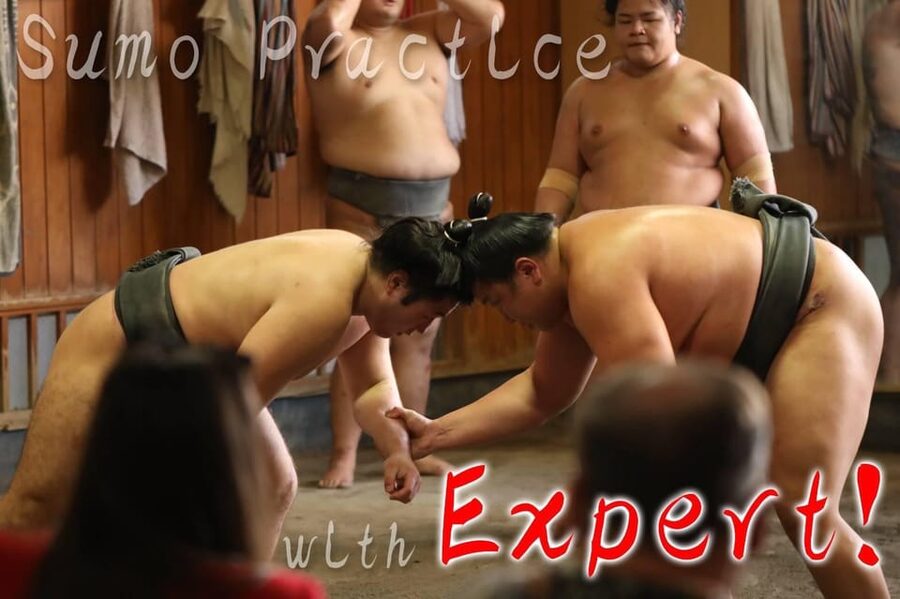
The heart of the morning is the guided visit at Takasago-beya Sumo Stable, scheduled for about 2 hours. You’ll view a live morning practice while a specialist explains what each phase means.
What I like about this format is that it respects your attention. You aren’t bounced from one photo spot to another. Instead, you watch the wrestlers train, then you get help interpreting the details you would otherwise miss.
This is also where the tour’s special permission shows. Access to a stable is not something every operator can just arrange. The tour is explicitly granted permission from the stable, and that matters because it changes the experience from casual to real.
The practical stuff you need to know at the stable
- You will be sitting on the floor, so wear comfortable clothes
- Flash photography is not allowed during the practice
- No shoes indoors in the stable setting
- No food and no alcohol
If you’re a photographer, plan to use steady settings and higher ISO, because you’re dealing with indoor lighting. If your camera only takes great shots with flash, bring a backup plan, or you may find yourself frustrated.
The journalist guide: turning sumo rules into something you can watch
A lot of sumo tours will tell you the basics. This one leans hard into understanding, because the guide is a sumo specialist and national newspaper journalist. In practice, that translates to sharper explanations and stories you can connect to what you’re seeing.
The tour sets you up with context first, then you watch the practice with that context in mind. That rhythm helps. You’re not trying to decode sumo mid-action.
You also get a chance to ask all the questions you want. That is a big deal if you’re the type who wonders how the ranking system affects training, how wrestlers handle hierarchy, or why rituals matter even when they look symbolic.
From the guide style described in participant feedback, you can expect a mix of clear structure and humor. People specifically mention funny, memorable stories and the way the guide links day-to-day training life to what the sport looks like on TV.
Guides you may run into can include names like Shinya Setsu-san, and in other runs Karen and Ray have been mentioned as outstanding guides. Even if you get a different guide, the role is the same: sumo specialist plus journalist perspective.
A few more Tokyo days to weigh up
- Mt Fuji & Hakone Cruise, Drum Show Bullet Train 1 Day from Tokyo
★ 4.0 · 7,413 reviews - Tokyo: Samurai Restaurant Show Ticket with 2 Drinks
★ 4.5 · 1,307 reviews - Mt Fuji & Hakone Cruise, Drum Show Bus 1 Day from Tokyo
★ 4.0 · 1,287 reviews - Tokyo Sumo Entertainment Show with Chicken Hot Pot and Photo
★ 5.0 · 1,205 reviews
Photo time and etiquette: how to get the shot without breaking rules
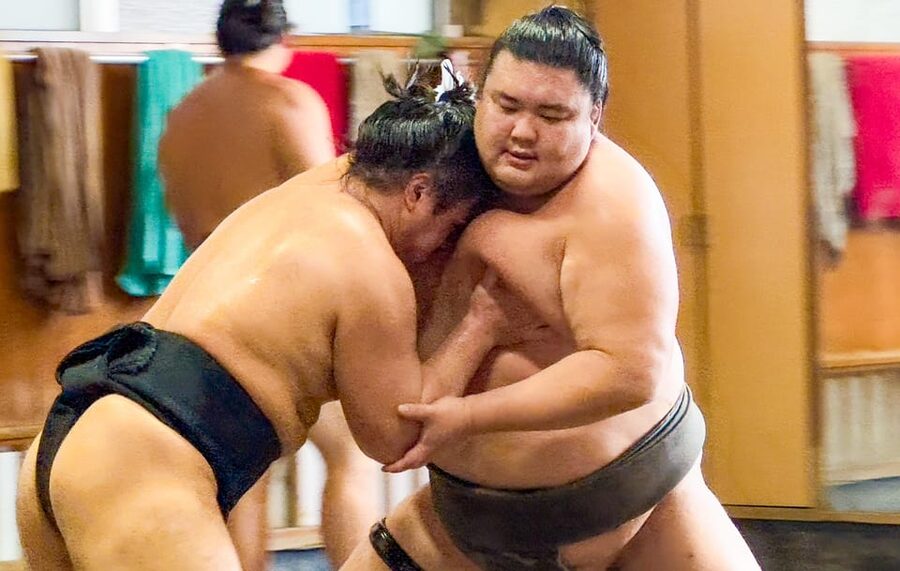
After viewing the practice, the tour includes a commemorative photo opportunity. This is the moment people usually think about when they book, but it only works if you follow the stable etiquette closely.
Remember:
- No flash photography during the practice
- No shoes indoors
- Follow the guide’s quiet instructions during training
The lack of flash changes your approach. Instead of blasting the scene, you’ll rely on camera settings and steady posture. If you want photos, it helps to arrive with a camera you already know how to operate in low light.
Also, don’t plan on eating during the stable portion. Food is listed as not allowed. You’ll likely want snacks later, after you’re finished, since this tour is focused and time-bound.
Ryōgoku Edo NOREN stop: why a 30-minute guided add-on helps
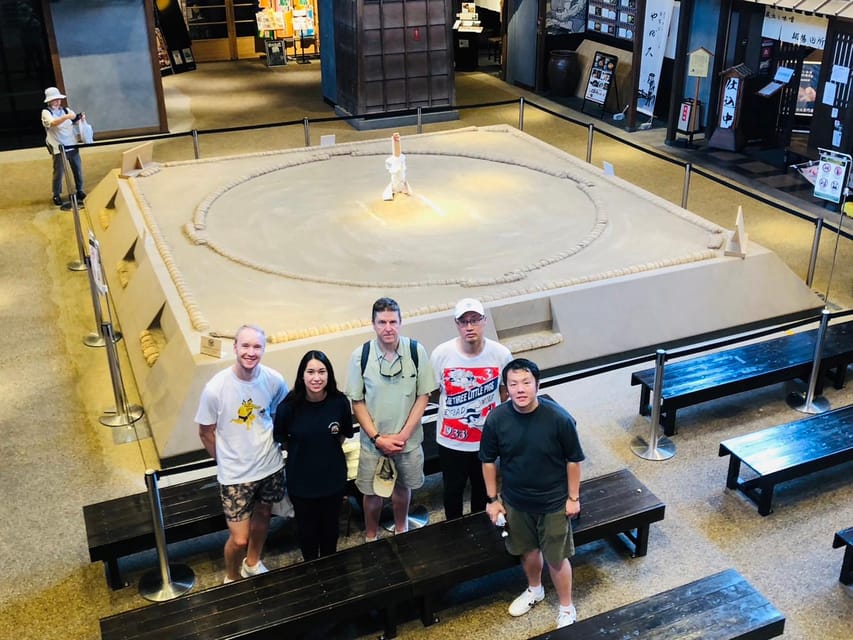
After the stable visit, you’ll transfer briefly and then spend about 30 minutes at Ryōgoku Edo NOREN with a guided tour.
At first glance, it might sound like a quick retail stop. But the value here is the context. Sumo is not only a sporting event. It’s tied to place, tradition, and the culture around it.
This segment also helps you connect the practice you just watched with the bigger sumo world you’ll see later in Tokyo. Even if you don’t fully know Ryogoku’s sumo geography going in, leaving with names and a bit of cultural framing makes the rest of your Tokyo time smoother.
The tour ends back at 両国駅 (Ryogoku Station). That makes it easy to get on with the rest of your day without a long slog back across town.
Price and value: is $103 for 3 hours fair
At $103 per person for about 3 hours, this is not a bargain tour. But it’s also not overpriced in a random way. The money is paying for three things that are harder to arrange than they look:
- Stable permission
The tour is explicitly granted special permission from the stable. That type of access is rarely cheap or easy.
- A journalist-level guide
You’re not just paying for someone who likes sumo. You’re paying for an English-speaking guide with national newspaper reporting experience and a specialist focus.
- A low-tourist, real training setting
This is practice viewing, with rules, rituals, and behavior you don’t get in a staged show.
If you can only choose one sumo experience in Tokyo, this one makes a lot of sense. Tickets for large tournament events can be tough to get. When you can’t attend a tournament, a real morning practice can still give you the sport’s discipline and rhythm, not just the match-day drama.
Could you spend less on a different activity? Sure. But if your goal is to understand sumo, not just see it, the price starts to feel reasonable.
Who this tour is perfect for, and who should pass
This is a great fit if you:
- Want a real morning practice, not a performance for tourists
- Enjoy asking questions and learning as you go
- Care about tradition, rituals, and why the sport looks the way it does
- Want a guide who can explain the sport with real-world reporting experience
It’s also especially useful if you’re visiting outside major tournament windows. Even participants who booked because tournament access was hard found the practice to be a strong substitute.
Who might want to skip it
- Wheelchair users: the tour notes it is not suitable due to the traditional setup
- Babies under 1 year are not suitable
- Anyone who needs food during the session should plan accordingly, since food is not allowed and the practice is focused
Also, if you hate quiet instruction and structured etiquette, you may find the stable portion challenging. This is not a chatty, walk-around-all-day experience.
Tips to make the morning go smoothly
Before you go, I’d do two small things that make a big difference:
- Wear comfortable clothes you can sit in on the floor
The tour guidance is explicit about floor seating during the practice.
- Bring a camera, but plan for no flash
The tour rules say flash photography is not allowed during the practice, so set expectations.
Finally, arrive early enough to handle station navigation. One clear piece of advice from past participants is that being on time matters, since the group leaves right away from the meeting spot.
Should you book this sumo morning practice tour?
If you care about authenticity and understanding, I’d book it. The big win is that you’re getting live training access with a journalist-style explanation and real Q&A time. For many people, it becomes the Tokyo activity where sumo feels human and disciplined, not just theatrical.
If you’re mainly shopping for a quick, casual photo stop, this may feel like more work than you want. You’ll follow rules, sit on the floor, and you cannot use flash during practice.
My bottom line: book it if you want the real thing, in the morning, with context you can carry with you long after the practice ends.
FAQ
How long is the sumo morning practice tour?
The tour lasts about 3 hours.
Where is the meeting point in Ryogoku?
Meet at 両国 HANA WAビル. Use Toei Oedo Line Ryogoku Station (E12), Exit A2 at ground level, about a 5-minute walk from the east exit of JR Ryogoku Station.
What part of the tour includes live sumo viewing?
The live sumo morning practice viewing happens during the guided visit at Takasago-beya Sumo Stable.
Can I take photos with flash during the practice?
No. Flash photography is not allowed during the practice.
Is food or alcohol allowed during the tour?
Food is not allowed, and alcohol is also not allowed.
Is this tour suitable for wheelchair users?
The tour notes that it is not suitable for wheelchair users due to the traditional setup.
What is included, besides the live practice?
Included are the live sumo morning practice viewing, commemorative photos, and guidance by a sumo specialist and national newspaper journalist, with special permission from the sumo stable.
Newly listed around Tokyo
- Modern Vegan Night Foodie Tour in Tokyo★ 3.9 · 7 reviews
- Tokyo: Asakusa Night Waling & Food Tour★ 4.9 · 16 reviews
- Tokyo Vegan Food Tour★ 5.0 · 8 reviews
- Tokyo: Tsukiji Market Walking Tour & Sushi Cooking Class★ 4.6 · 122 reviews
- Tokyo: Tsukiji walk & sushi private tour with Uni Students★ 5.0 · 17 reviews
- Tokyo: Two Types of Japanese Sweets Making and Tea Ceremony★ 4.6 · 26 reviews
- Tokyo: Tsukiji Market Guided Tour & Sushi-Making Experience★ 4.4 · 11 reviews
- Tokyo Tsukiji Food & Culture Private Tour Licensed Guide★ 4.9 · 28 reviews
Sumo Stable Visits, compared.
Sumo Show Experience with Chicken Hot Pot and a Photo
Read our review →
Tokyo Sumo Entertainment Show with Chicken Hot Pot and Photo
Read our review →
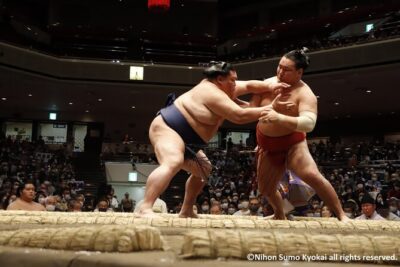
Tokyo Grand Sumo Tournament Viewing Tour with Tickets
Read our review →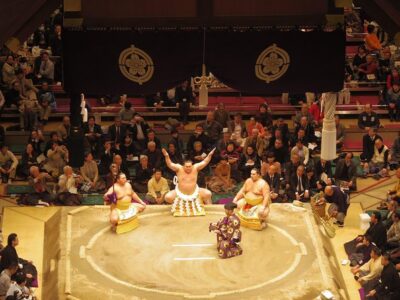
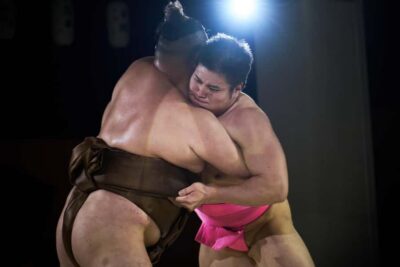
Sumo Show & Experience w/ Optional Kimono & Hot Pot
Read our review →Browse the lists this tour appears in