Review · GUIDED
Tokyo’s Upmarket District: Explore Ginza with a Local Guide
Ginza can feel like a showroom until someone points the right doors. What I like most is the one-on-one local host pairing plus a route that stays flexible, so you can lean toward designer stores or quieter culture stops without wasting time. If you get a guide in the style of Alberto, Shoko, or Noriko, the walk tends to include real explanations, not just surface stops.
The other big win: you get shopping guidance in context, including smart ideas for where to spend and where to save, plus practical advice on what to do next in Tokyo. One consideration, though, is that food, tickets, and in-tour transport are not included, so your final cost depends on how much you shop and eat during those 2 to 4 hours.
In This Review
- Key highlights worth planning around
- Ginza, but with a human map in your hand
- How the 2 to 4 hour format stays realistic
- Starting near Mitsukoshi Ginza, where you get your bearings fast
- Wako and the department-store style of modern Tokyo
- Kabukiza: culture in the middle of the shopping streets
- Yurakucho Gado-shita under the Yamanote Line
- Shopping strategy in Ginza: how your host saves you time and money
- The Grand 47 and classic-meets-modern dining ideas
- Hakuhinkan Toy Park: the playful break that keeps the day fun
- Private group reality: who this tour fits best
- Price and logistics: is $64 per person good value?
- Should you book this Ginza local guide tour?
- FAQ
- How long is the Ginza tour?
- What is the price per person?
- What’s included in the tour price?
- What is not included?
- Where do we meet the guide?
- What languages are the guides?
- Is this a private group?
- Can I get a vegetarian-friendly lunch suggestion?
- Is the tour wheelchair accessible?
- Can I cancel and get a full refund?
Key highlights worth planning around
- Matched host, tuned to you, so the day doesn’t feel like a generic Ginza script
- Fully flexible pacing, you can steer toward shopping, theater, or small food streets as you go
- Department-store icons and modern luxury, including stops near Wako and the Mitsukoshi Ginza area
- Kabukiza for arts culture, a classic Ginza anchor when you want more than storefronts
- Yurakucho Gado-shita under the Yamanote Line, where you can bounce between wine, French-style options, and cheap eats
- Hakuhinkan Toy Park, great if you travel with kids or just want a playful break
Ginza, but with a human map in your hand
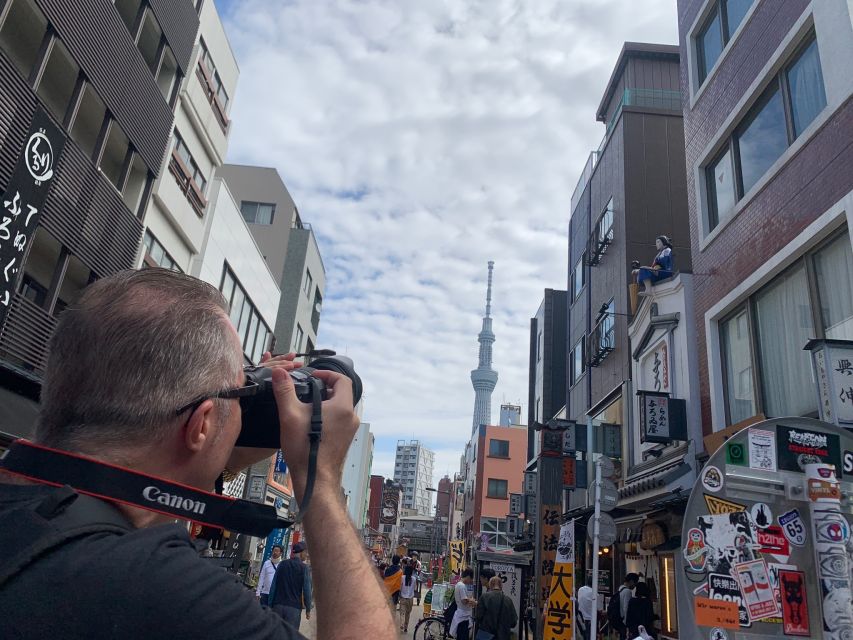
Ginza is Tokyo at its most polished. Think bright storefronts, big-name boutiques, and buildings that look like they belong in an ad campaign. The problem is that without local help, you can end up walking in circles, or you’ll only shop where the crowds go.
This experience solves that. You start with a host who understands your interests and your personality, then they shape the route around your time window. You’re not stuck with a long checklist. If you want more talking about what you’re seeing, you can ask for it. If you want faster decision-making for shopping, you can aim for that too.
I also like that you can go from famous Ginza landmarks to more everyday-feeling food streets. That balance matters because it keeps the day from turning into pure luxury theater. You still get the shine, but you also get places where Tokyo life feels closer to real.
And yes, the guide can handle tricky needs. One important example from guest experiences: guides have been helpful with vegetarian lunch options, which is a real relief when you’re in a part of Tokyo famous for seafood and meat-heavy menus.
A few more Tokyo days to weigh up
- Mt Fuji and Hakone 1-Day Bus Tour Return by Bullet Train
★ 5.0 · 26,383 reviews - 1-Day Tokyo Bus Tour
★ 5.0 · 14,250 reviews - Tokyo: TOKYO SKYTREE® Admission ticket
★ 4.5 · 11,192 reviews
How the 2 to 4 hour format stays realistic
Two to four hours sounds short. In Ginza, though, it can be just enough time to see a few true anchors and still keep your energy for shopping decisions.
Here’s the practical rhythm you can expect:
- You meet your host near Mitsukoshi Ginza, by the Lion Sculpture at the main entrance area.
- From there, you walk. This is designed as a walking experience, with extra transportation only if you request it and it can be arranged at added cost.
- Your host builds the plan to fit the time you have. If you have only two hours, you’ll likely focus on fewer stops but get stronger guidance at each one. If you have four hours, the day can include more variety, like theater plus food streets plus shopping.
This pacing is smart because Ginza navigation is tricky on your own. Stations and exits are close, but the district spreads out in a way that makes it easy to lose time. A host helps you move efficiently while still keeping the route flexible.
Starting near Mitsukoshi Ginza, where you get your bearings fast
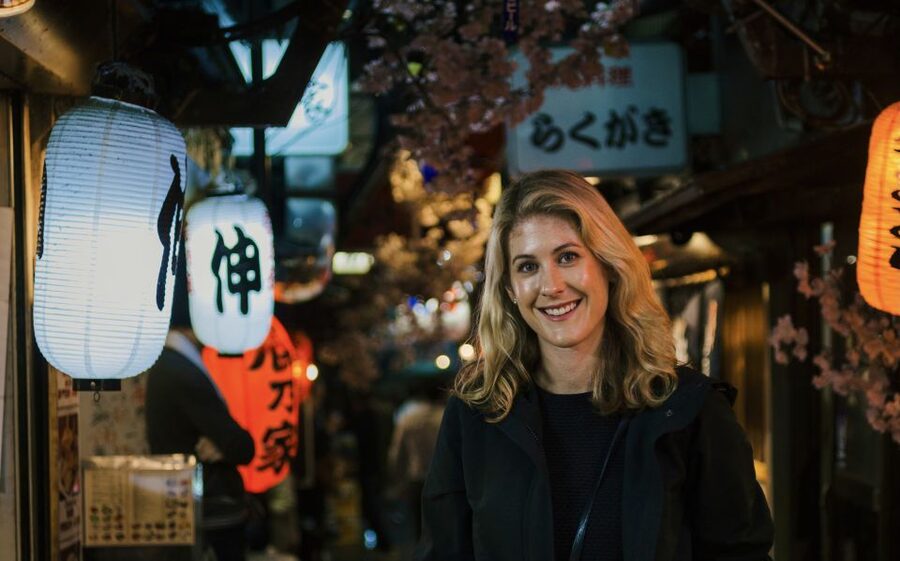
Your day begins at the most obvious kind of Tokyo anchor: Mitsukoshi Ginza. Meeting by the Lion Sculpture keeps the meetup simple, and it also puts you right in the central flow of the district.
From that starting point, your host can steer you toward what you actually want:
- If you love big, iconic shopping architecture, you can head toward department-store territory.
- If you care more about culture, your route can pivot toward Kabukiza later.
- If you want food variety without committing to one long restaurant reservation, you can build toward Yurakucho Gado-shita under the Yamanote Line.
One useful mindset here: use the first stretch to set the tone. You can quickly tell your host your priorities, like budget range, whether you want gifts versus personal shopping, and if you need vegetarian-friendly places.
Wako and the department-store style of modern Tokyo
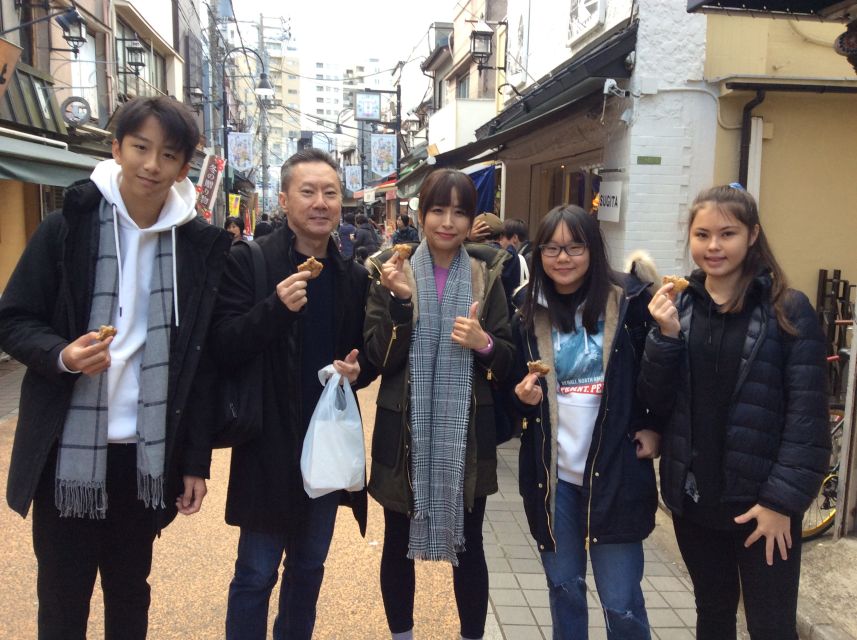
Ginza has its own visual language, and department stores are a big part of it. One standout icon you might encounter is Wako, famous for its landmark clock tower. Even if you do not buy anything, it’s a good reference point for how Ginza looks and feels.
What makes this stop valuable with a host is decision-making. Shopping in a luxury district can be stressful if you don’t know where your money will go:
- A guide can suggest what to browse first so you’re not wasting time hunting.
- You can ask about brand types, what’s worth comparing, and where to look for special items.
This matters because Ginza includes both high-end counters and places where you can spend less while still getting good stuff. Your host can usually help you find the balance, especially if you tell them what you consider value.
A different sort of day in Japan:
- Tokyo: teamLab Planets TOKYO Digital Art Museum Entry Ticket
★ 4.6 · 9,779 reviews - Mt Fuji & Hakone Cruise, Drum Show Bullet Train 1 Day from Tokyo
★ 4.0 · 7,413 reviews - Tokyo: Sumo Show Experience with Chicken Hot Pot and a Photo
★ 4.8 · 6,678 reviews - Tokyo: Shinjuku Food Tour (13 Dishes at 4 Local Eateries)
★ 5.0 · 6,603 reviews
Kabukiza: culture in the middle of the shopping streets
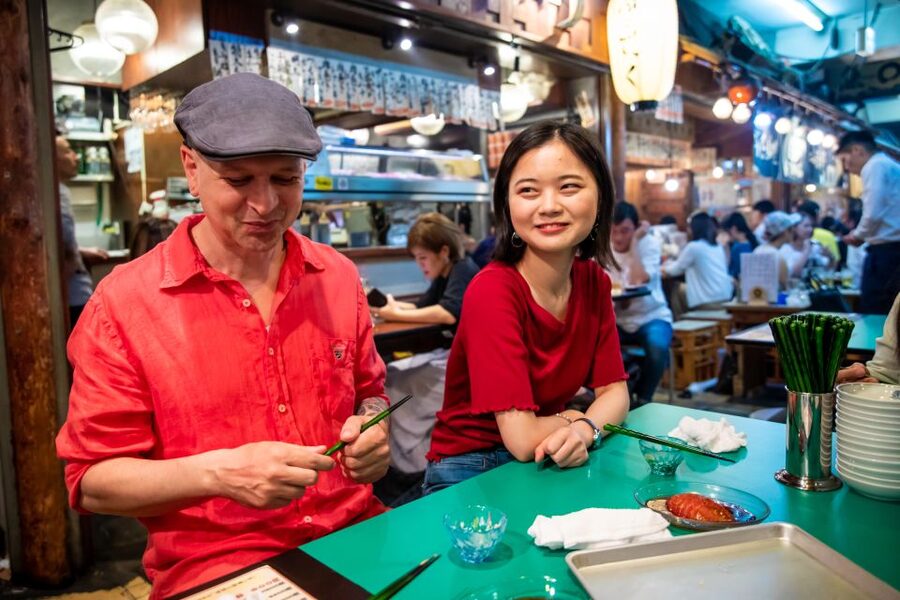
When Ginza is all storefronts, it’s easy to feel like you’re only shopping with your eyes. Adding Kabukiza changes that. It’s a playhouse where Ginza ties itself to kabuki theater, one of Japan’s most famous traditional performance styles.
Even if you’re not attending a show on this day, the presence of Kabukiza helps the district feel less like a mall corridor and more like a cultural neighborhood. It also gives you a mental break. You’ll slow down, look more carefully, and get context for why Ginza has always been tied to status, arts, and public life.
If your group includes kids or people who get bored by shopping, this kind of stop is a smart reset. It keeps the day varied without forcing you into a long museum visit.
Yurakucho Gado-shita under the Yamanote Line
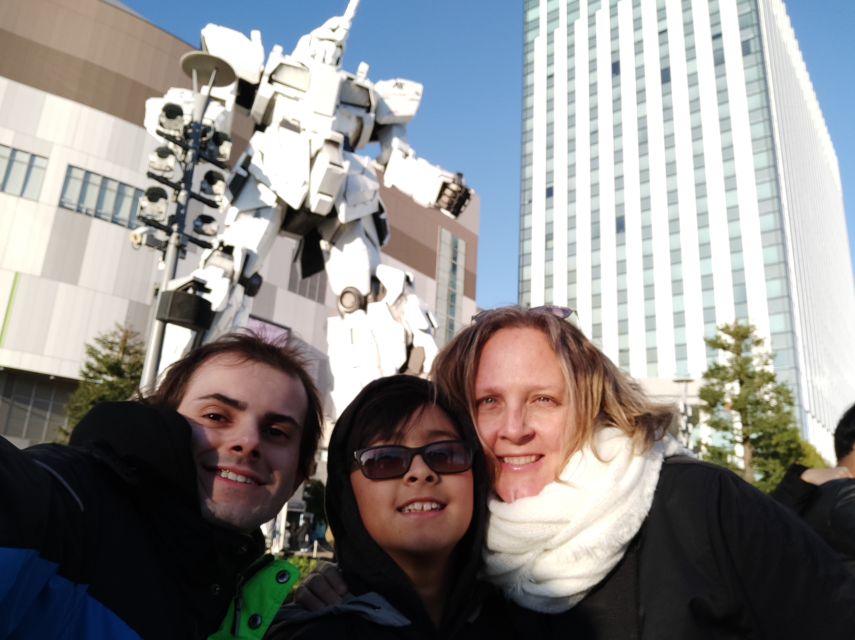
One of the most fun ways to change your Ginza perspective is to go underground in a practical way. That’s where Yurakucho Gado-shita comes in, a collection of tiny restaurants built under the Yamanote railway line.
This area is all about variety and practicality:
- You can find places serving French wine and other more international options.
- You can also find spots that lean toward cheaper local street-food style choices.
The big benefit of having a host here is that you can aim for the right mood. Want something calmer? Prefer a more casual bite? Need vegetarian-friendly options? A guide can steer you based on the time of day and what you’re craving.
This is also where Ginza feels less intimidating. You get to eat and move like Tokyo locals, not like shoppers trying to figure out where the next landmark is.
Shopping strategy in Ginza: how your host saves you time and money
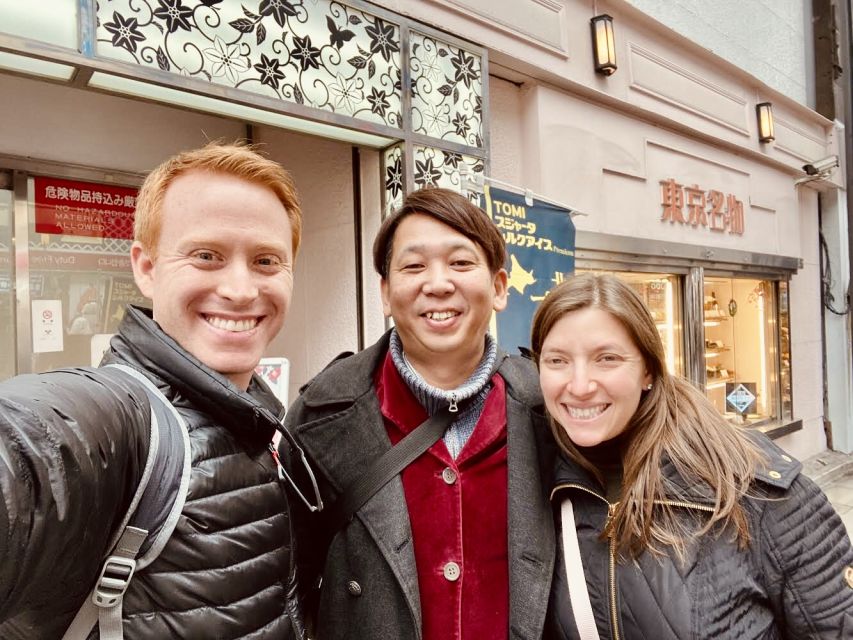
Ginza shopping isn’t just about luxury. It’s about choices. The same street energy can lead you to wildly different results depending on where you go and what you’re looking for.
A good host helps you shop with a plan, not a hope. In practice, that can mean:
- Checking out mega-department stores for a wide sweep, then narrowing down.
- Spending more deliberately at one or two standout luxury spots, instead of scattering your budget.
- Finding less expensive shopping options when you still want the Ginza experience but not the full-price sticker shock.
Your host can also recommend specific places to focus on, including luxury goods stops like the area known for Wako and the Mitsukoshi Ginza zone you start near. They can also point you toward toy and gift-friendly detours if your group wants something lighthearted.
The key is that you do not have to commit to shopping at every stop. With a customizable day, you can treat stores like museums. Look, learn, compare, then buy only when it feels right.
The Grand 47 and classic-meets-modern dining ideas
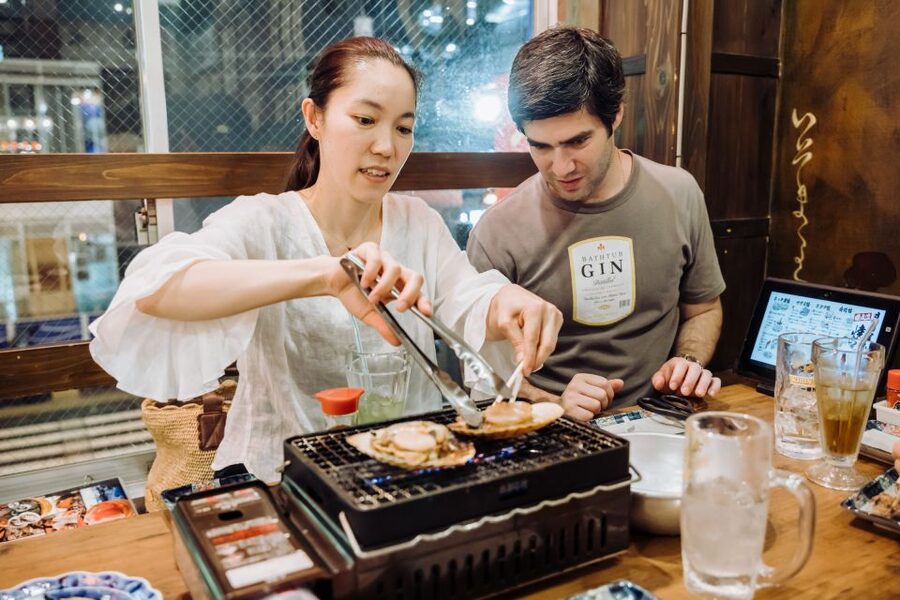
Ginza is famous for dining, and your host can build that theme into your route if you want a meal highlight. One example is The Grand 47, described as a modern take on classic Japanese cuisine.
Even though food and drinks are not included, having an expert pointing you toward a specific style can make your time better spent. Instead of wandering and comparing menus while hungry, you can align your meal idea with the rest of the day.
If you’re traveling with dietary needs, use your guide as your tool. Vegetarian-friendly lunch options have come up in guest experiences, so it’s worth stating your needs early. You’ll get better results when the host can steer you toward suitable places.
Hakuhinkan Toy Park: the playful break that keeps the day fun
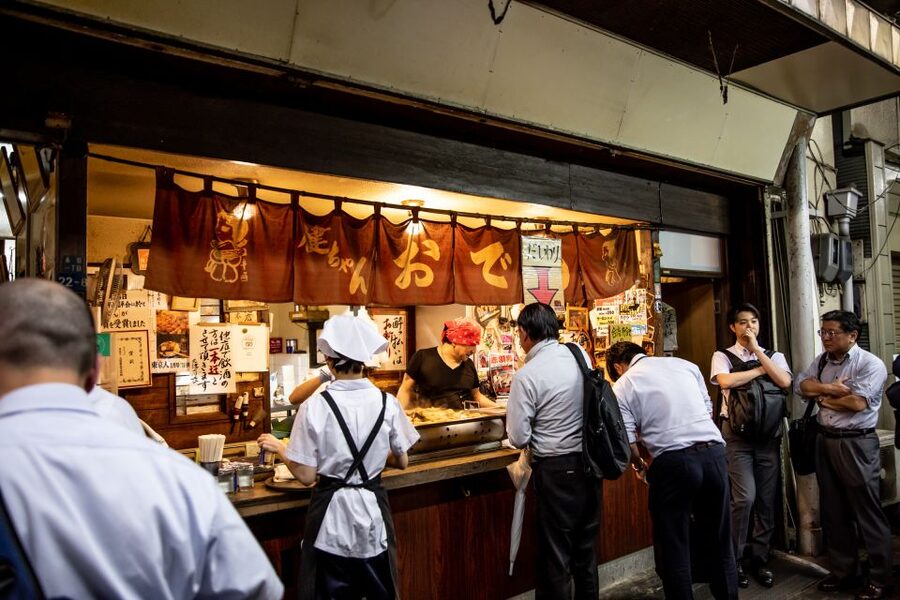
Not every Ginza moment needs to be serious. If you want something more playful, check out Hakuhinkan Toy Park, a well-known toy store area with giant stuffed toys and plenty of other fun items.
This stop works for multiple kinds of travelers:
- Families with kids get a guaranteed win.
- Adults who like quirky gifts get a reset.
- Anyone who’s tired of luxury shopping gets a mood shift without leaving the district.
In a 2 to 4 hour day, this is also a smart move because it’s quick to enjoy. You can spend time looking, picking out a few memorable items, then return to shopping or culture without burning your whole afternoon.
Private group reality: who this tour fits best
This is a private experience, normally up to 6 people. That small size is a feature, not a limitation, because it helps your host keep the day smooth and responsive.
It fits best if:
- You want a customized walk rather than a fixed group route.
- You care about shopping advice and want someone to help you prioritize.
- You want cultural stops like kabuki theater without turning the day into a strict lesson plan.
- You have specific dietary or interest needs, including vegetarian lunch searches.
If your group wants a quiet, low-effort day with minimal decision-making, this kind of hosting style can be a great match. If your group wants a strict schedule and lots of structured ticketed attractions, you might still love the host, but you should expect to add tickets and meal plans separately.
Price and logistics: is $64 per person good value?
At $64 per person for a 2 to 4 hour private walking experience, the value mostly depends on what you want to buy with your time.
Here’s the honest breakdown:
- You pay for a local host plus personalized routing. That’s the core value.
- Food and drinks are not included, and neither are tickets to attractions.
- Transportation during the tour is not included, though pickup from your accommodation can happen if you’re within reasonable distance, and other transportation can be arranged at added cost.
So when does it make sense?
- If you would otherwise wander and still need help choosing where to go, this price often feels reasonable because the host does the sorting for you.
- If you’re the type who wants one good plan and better shopping decisions, the guidance can save time and prevent impulse spending.
- If you only want to take photos outside landmark buildings and you already know exactly what you want to buy, the cost might feel like more than you need.
In other words, it’s best as a decision tool. You’re paying to make the most of Ginza in a limited time window.
Should you book this Ginza local guide tour?
If your goal is to see Ginza with fewer dead ends and better choices, I’d say yes. This is a smart way to combine famous stops like Wako and Kabukiza with practical food variety at places like Yurakucho Gado-shita, then finish with shopping that matches your comfort level and budget.
You should book if you want:
- A custom plan built around your interests and time
- A host who can suggest shopping focus areas, including higher and lower price options
- A day that can shift from culture to casual eating without feeling forced
Skip it only if you want a ticket-heavy, tightly scheduled attractions day, because food, tickets, and additional transport are not included. Also consider that the experience quality depends on the fit between you and your host. If you care about detailed explanations, tell your host upfront so they can match your expectations.
FAQ
How long is the Ginza tour?
The tour runs for 2 to 4 hours.
What is the price per person?
The price is $64 per person.
What’s included in the tour price?
It includes a private and personalized experience, a local host, and a walking tour. Pickup from your accommodation is included if it is within a reasonable distance.
What is not included?
Food and drinks are not included, and tickets to attractions are also not included. Transportation to and from the meeting point, plus public or private transportation during the tour, is not included.
Where do we meet the guide?
You meet the host next to the Lion Sculpture, located next to the main entrance to Mitsukoshi Ginza.
What languages are the guides?
The tour is available with a live guide in English and Japanese.
Is this a private group?
Yes, it is a private group. Private groups are normally no larger than 6 people.
Can I get a vegetarian-friendly lunch suggestion?
Food and drinks are not included, but your host can provide advice and suggestions, including for vegetarian options.
Is the tour wheelchair accessible?
Yes, the experience is wheelchair accessible.
Can I cancel and get a full refund?
You can cancel up to 24 hours in advance for a full refund.
Newly listed around Tokyo
- Tokyo: Tsukiji Fish Market food Tour★ 4.8 · 7 reviews
- Tokyo: Family Sumo Workshop & Live Wrestling Show with Lunch★ 4.9 · 99 reviews
- Tokyo: Flagship 2-Hour Street Go-Kart Tour by Street Kart★ 4.9 · 94 reviews
- Tokyo: Exclusive Access to Sumo Morning Practice with Photos★ 4.8 · 107 reviews
- Tokyo: English Standup Comedy Night★ 5.0 · 8 reviews
- Tokyo: Enjoy Sumo match and know about it! [Ticket included]★ 4.4 · 7 reviews
- Tokyo: Evening Photography Tour★ 4.8 · 61 reviews
- Private Drifting Lesson w/ OG Instructor Tokyo Drift Japan★ 5.0 · 30 reviews
Guided, compared.
Tokyo 6hr Private Tour with Government-Licensed Guide
Read our review →
Shinjuku Local Bar and Izakaya Guided Walking Tour
Read our review →
Private City Highlights Tour with Local Guide
Read our review →
Kyoto Early Morning Tour with English-Speaking Guide
Read our review →
Tokyo 4hr Private Tour with Government-Licensed Guide
Read our review →
Kyoto 6hr Private Tour with Government-Licensed Guide
Read our review →