
Review · SOBA & UDON MAKING CLASSES
A pairing experience in Sapporo where you can enjoy tempura and 3 kinds of Hokkaido-only sake, along with a soba-noodle making experience!
Fresh soba starts with your hands. This Sapporo pairing experience teaches the full buckwheat noodle workflow, then lets you eat what you made with Hokkaido-only sake and seasonal tempura. I love that it happens in a working soba restaurant, not a staged show kitchen, but do note the tempura is served hot and can burn fast.
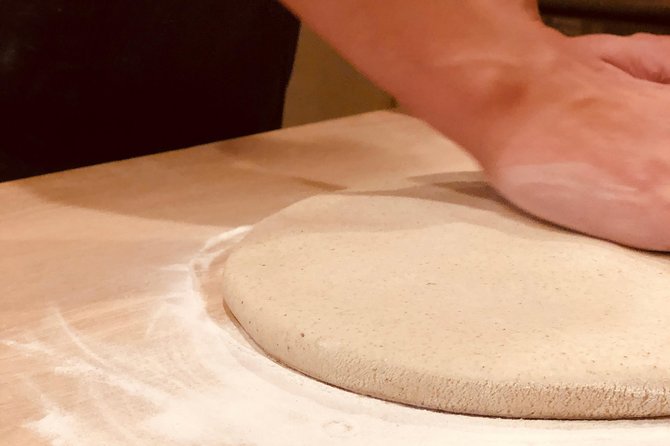
What makes it feel special is the pacing. You learn the same sequence Japanese cooks use, from mixing buckwheat flour through stretching, cutting, and boiling. It’s also a small, private group, so you get time to ask questions and watch the details up close, instead of rushing through a script.
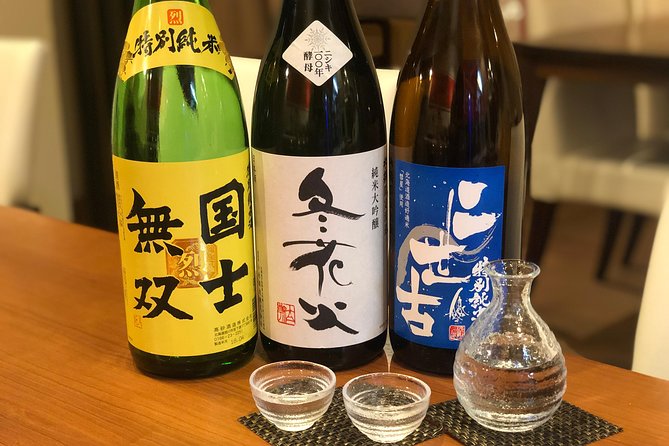
And the meal is built for pairing. You get freshly boiled soba at its peak moment, then a comparison of two cold sake pours and one warmed option from Hokkaido, so you can taste how aromas shift with temperature.
In This Review
- Key things that make this Sapporo experience worth your time
- Inside a real soba shop in Sapporo, not a themed cooking factory
- The full soba making workflow, from dough mix to fresh boiling
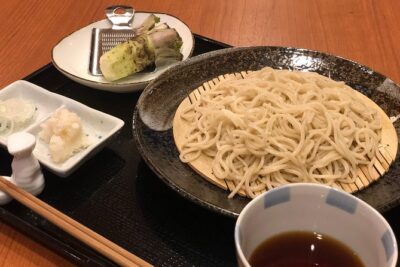
- What you eat after: freshly boiled soba, then tempura on the side
- Hokkaido sake pairing, including two cold types and one warm pour
- Price and value: what $123.79 buys you in real-world terms
- Timing, getting there, and what to expect from the atmosphere
- Safety, comfort, and how to make the most of the meal
- Who should book this Sapporo soba and sake pairing class
- Should you book it? My take on the decision
- FAQ
- How long is the soba and sake pairing experience in Sapporo?
- Is this experience held in a dedicated cooking facility?
- What do I do during the soba-noodle making experience?
- What food and drinks are included with the soba?
- What kinds of sake will I taste?
- Is there an age requirement?
- Is tempura included, and is it safe to eat?
- Where is the meeting point, and can I cancel?
Key things that make this Sapporo experience worth your time
- A real, open soba restaurant setting where chefs instruct you as they would for daily service
- The complete soba making process, including mixing, stretching, cutting, and boiling
- Freshly boiled soba you taste right away, when aroma and texture are at their best
- Hokkaido seasonal tempura paired with soba, focusing on compatibility rather than heavy sauces
- Three Hokkaido-only sake styles, including two cold types and one warmed pour for comparison
- Small-group, private instruction in a calmer space than big tour-style classes
Inside a real soba shop in Sapporo, not a themed cooking factory
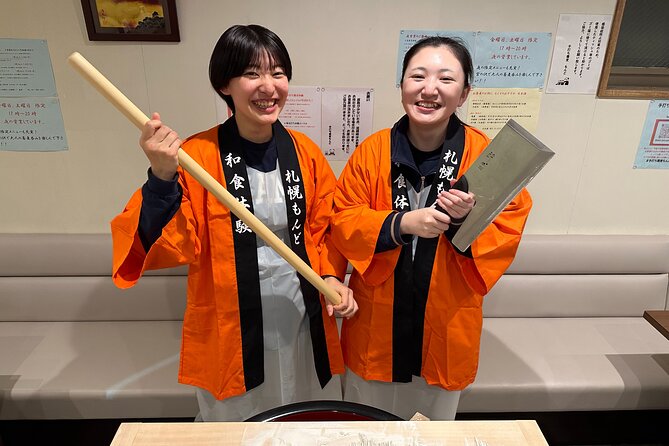
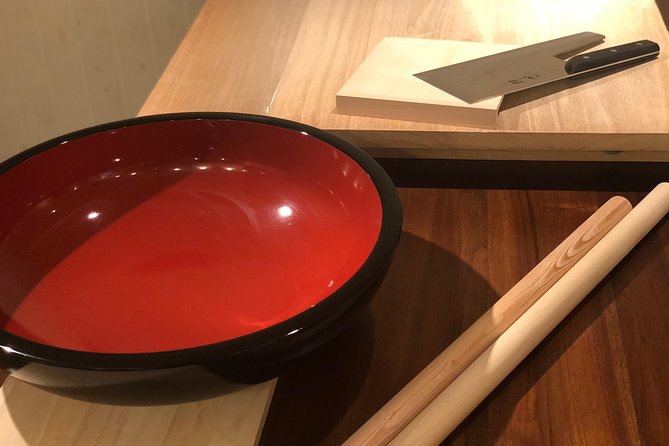
This is one of those Sapporo food experiences that feels grounded in everyday life. The activity is not run in a dedicated theme facility. It takes place in a handmade soba restaurant that is actually open, with chefs who make and serve soba on a daily basis.
That matters more than it sounds. In a staged cooking class, you often learn steps in isolation, then eat something prepped separately. Here, you’re learning the process in the same kind of environment Japanese diners are used to. It’s quieter and more practical, because the goal is to teach you how soba is made and how it’s eaten, not how to perform for cameras.
You’re also working closely with the soba chefs while they guide you through the noodle process. Even if your Japanese is limited, you can pick up a lot from observation: how dough is handled, what consistency looks like, and how careful timing affects the final bite.
One more point: the restaurant style is meant for real dining, so expect a focused meal. This is not a long sit-down party. It’s structured, efficient, and centered on quality.
More Sake Tastings in Sapporo:
- Kyoto Night Foodie Tour in Gion (9+ dishes + 6 Sake tastings)
★ 5.0 · 1,762 reviews - 1-Day Snow Monkeys, Zenko-ji Temple & Sake in Nagano
★ 5.0 · 1,020 reviews - 3-Hour Kyoto Insider Sake Brewery Tour with Tastings & Pairings
★ 5.0 · 917 reviews
The full soba making workflow, from dough mix to fresh boiling
Many classes let you “make soba” but really mean you mix a little dough, watch the rest, and then eat. Here, the plan is built to give you the full sequence, and that’s where the learning is.
You can expect to experience the workflow in this order:
- Mix buckwheat flour, which sets the base flavor
- Put the dough together, working it into something workable
- Stretch the dough, which is where thinness and texture start to matter
- Cut the noodles, where shape and consistency influence how they cook
And then comes the part that makes this class feel different: your soba is finished as fresh noodles that get boiled at the most delicious time. Fresh soba has a different aroma and texture than what you get when noodles sit around or are handled in bulk. When the instructor guides you to the point of boiling, you understand why craftsmanship matters, not just what buttons to press.
Timing matters too. With a duration around 1 hour 15 minutes, this is not an all-day hands-on craft session. You’ll be busy, but the flow is likely paced to keep things moving in the kitchen environment.
What you eat after: freshly boiled soba, then tempura on the side
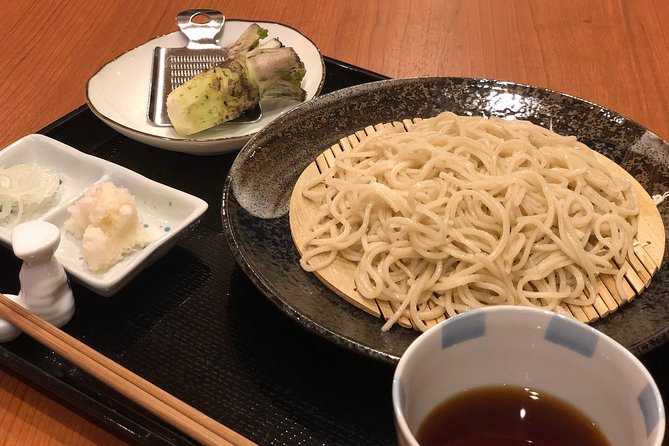
Once your soba is done, the meal follows naturally. You get your noodles served fresh, boiled for you to taste at peak moment. That first bite is usually the “wow” factor, because buckwheat has a scent that feels subtle in theory but obvious when it’s truly fresh.
Soba in Japan is often eaten with a mix of textures and flavors, not just plain noodles. In this plan, you’ll typically see Japanese-style companions such as:
- Warm soba sauce
- Tenkasu, the crisp bits that add crunch
Those details may sound small, but they change the whole experience. Warm sauce helps you notice the noodle’s aroma and feel. Tenkasu adds contrast so the bite doesn’t feel flat.
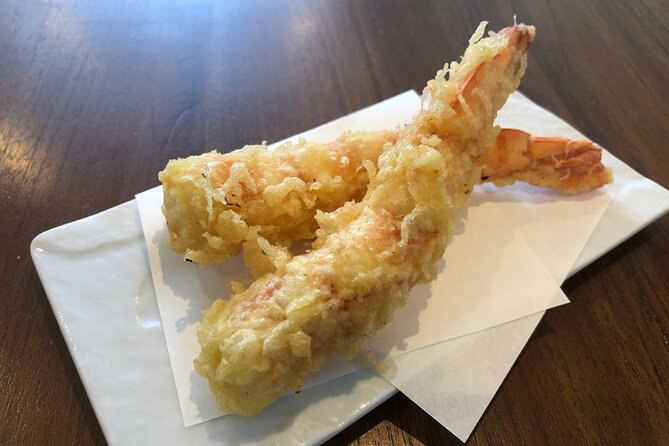
And then there’s tempura. You’ll eat seasonal tempura made from Hokkaido ingredients, prepared by Japanese tempura artisans. The pairing philosophy here is simple: use the ingredient taste and keep it compatible with soba, instead of drowning everything in heavy flavors.
Practical note: tempura can be seriously hot. The experience explicitly warns that tempura is made by a chef and can burn, so take the first few bites slowly and let it cool a touch in your mouth before you go for full-speed chomping.
Hokkaido sake pairing, including two cold types and one warm pour
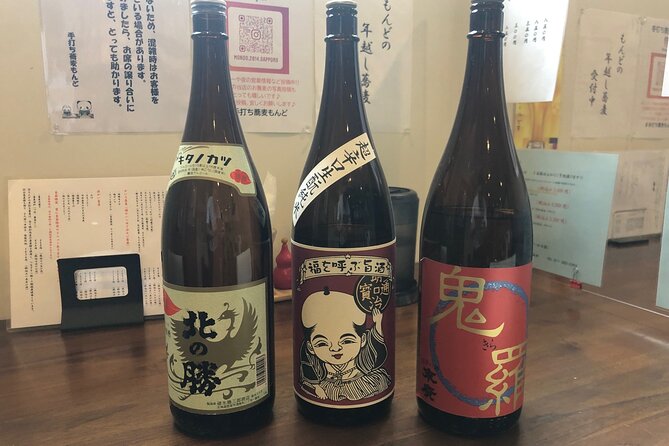
If you like food pairing, this is the section to watch. The sake tasting is built as a comparison, not a single pour token.
You’ll taste three kinds of sake selected locally from Hokkaido:
- Two cold sake options
- One warmed sake option
The idea is to let you notice how aromas and flavors shift with serving temperature. Cold sake can highlight clarity and crispness. Warm sake tends to change the profile, bringing forward different aromas and a rounder impression.
The plan also focuses on drinkability for overseas visitors. The selected sake is described as easier to drink and close to food, which is a helpful way to think about it. Some sake tasting experiences start with harder-to-like labels that are meant more for enthusiasts than regular diners. This one leans toward pairing with a meal, so you can connect the sake to what you’re chewing.
How does it work on your plate? You’re tasting while eating soba and tempura, so you can sort out what makes sense:
- When cold sake feels refreshing with the noodle texture
- When warm sake feels more integrated with the warmth of sauce or broth
They also mention serving styles like hot soba broth, which gives you another temperature contrast to play with as you taste.
Soba and Udon Making classes readers book most in Sapporo:
- Popular in SapporoExperience authentic hand-made soba at a real soba shop!
★ 5.0 · 77 reviews - Mondo’s most popular plan! Experience making soba noodles and the king of Japanese cuisine, tempura, in Sapporo!
★ 5.0 · 71 reviews - in Sapporo! Hand-made soba experience and shabu-shabu experience plan of Yezo deer meat (Gibier meat) from Hokkaido
★ 5.0 · 29 reviews - Gluten-free only.Soba making experience plan!
★ 5.0 · 9 reviews
Price and value: what $123.79 buys you in real-world terms
At about $123.79 per person, you’re paying for a compact but ingredient-heavy experience: hands-on noodle making, plus a meal, plus three sake tastings, plus chef-led instruction in a working restaurant setting.
The best value angle here is that it’s not just a meal with a side of teaching. You’re actively involved in the complete soba process, and then you eat it immediately while it’s fresh. Add in seasonal Hokkaido tempura and the tasting of two cold and one warmed Hokkaido sake, and it turns into more than a cooking class.
There’s also the small-group angle. Because it’s a private experience for a limited number of people, the instruction is less rushed. That usually means you get more direct feedback and you spend less time waiting around while someone else handles the key steps.
One realistic consideration: the whole experience is around 1 hour 15 minutes. That’s efficient and fun, but it won’t feel like a slow, detailed craft day. If you’re the type who wants time to experiment, this might feel brief, but the quality of the sequence helps offset that.
Timing, getting there, and what to expect from the atmosphere
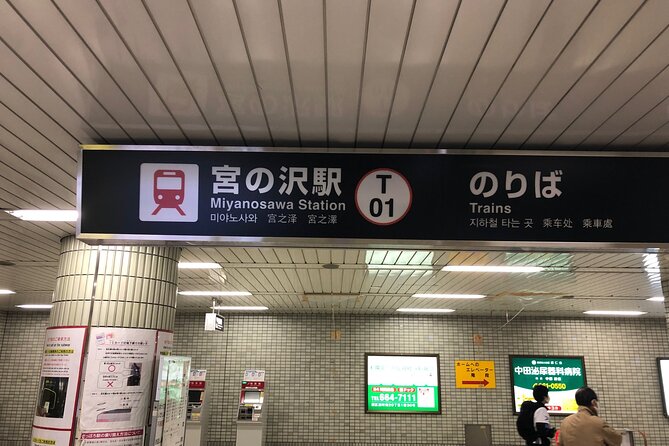
You meet at 9-chōme-17-28 Hassamu 6 Jō, Nishi Ward, Sapporo, Hokkaido 063-0826, Japan, and the experience ends back at the meeting point. It’s described as near public transportation, so you should be able to reach it without a private car. Still, because it’s a neighborhood restaurant and not a central museum-style attraction, I’d plan to arrive a few minutes early and take a moment to get oriented.
The tone is calm and polite. This isn’t mass acceptance, where you queue up, do a quick demo, and shuffle out. Reviews you’ll find for this kind of experience often praise patient instruction and a friendly vibe, and the description here lines up with that.
Language-wise, you should assume your main tool will be your eyes. Some English support may be available, but don’t count on fluent back-and-forth. Think of it as guided practice. Watch the chefs, ask what you can, and enjoy the food even if you don’t catch every word.
Safety, comfort, and how to make the most of the meal
Here’s your simple checklist.
1) Come ready to learn by doing.
Mixing dough and stretching it takes hands-on focus. If you show up distracted, you’ll miss the technique part.
2) Treat tempura like it’s hot, because it is.
The plan calls out burn risk. Let it cool a moment, then take smaller first bites.
3) Dress for a kitchen vibe.
Not because you’ll get dirty everywhere, but because cooking rooms can run warm, and you’ll be leaning in and watching closely.
4) Go hungry.
You’re making soba, then eating fresh noodles plus tempura and sake. This is filling, and it’s meant to be a real meal, not a snack.
If you’re visiting Sapporo in cooler weather, this kind of warm cooking class can feel extra satisfying. One common pattern with this experience type is that it becomes a great break from the cold, especially since you’re eating something steaming and freshly made.
Who should book this Sapporo soba and sake pairing class
This is a great fit if you want:
- A real food culture lesson in a working soba restaurant
- Hands-on practice with soba noodle making, including cutting and boiling
- A meal that’s built around pairing, not just eating one dish after another
- Three Hokkaido sake tastes, including cold and warm comparisons
It’s especially good for couples or small groups who want something more personal than a big tour. If you prefer guided experiences where you can ask questions and get close to the craft, this small-group format helps.
Less ideal if:
- You want a long multi-course dining experience with lots of downtime.
- You’re extremely sensitive to hot food risk and prefer no heat exposure at all. (Tempura is part of the plan.)
- You need a heavy English lecture. You can still enjoy it, but you’ll learn a lot by watching, not only by listening.
Should you book it? My take on the decision
Book it if your trip to Sapporo includes a food priority and you like the idea of making soba from scratch, then tasting it at its best moment. The combination of complete soba process, freshly boiled noodles, Hokkaido tempura, and three sake styles is strong value for a 1 hour 15 minutes block.
Skip it if you mainly want sightseeing photos and a relaxed stroll. This experience is hands-on and meal-focused. If that sounds like your kind of evening, it’s one of the more authentic choices you can make in Sapporo.
FAQ
How long is the soba and sake pairing experience in Sapporo?
It lasts about 1 hour and 15 minutes.
Is this experience held in a dedicated cooking facility?
No. It takes place in a real handmade soba restaurant that is actually open.
What do I do during the soba-noodle making experience?
You learn the full sequence: mixing buckwheat flour, putting the dough together, stretching, cutting, and then tasting freshly made and boiled soba.
What food and drinks are included with the soba?
You eat your freshly boiled soba with tempura made from seasonal Hokkaido ingredients. You also get a comparison tasting of three Hokkaido-only sake types.
What kinds of sake will I taste?
You’ll taste two kinds of cold sake and one kind of warmed sake, selected locally from Hokkaido.
Is there an age requirement?
Yes. Participation is limited to those aged 20 and over.
Is tempura included, and is it safe to eat?
Tempura is included, and it is made by a chef. The experience notes that tempura can be dangerous for burns, so you should be careful with the heat.
Where is the meeting point, and can I cancel?
The meeting point is at 9-chōme-17-28 Hassamu 6 Jō, Nishi Ward, Sapporo, Hokkaido 063-0826, Japan, and it ends back there. Free cancellation is available up to 24 hours in advance for a full refund.
More Drinking Tours in Sapporo
- Sapporo: Nightlife Bar Hopping Tour with Local Guide
★ 5.0 · 8 reviews - Tokyo Bar Hopping Tour in Shinjuku (All-You-Can-Drink + Dinner)
★ 5.0 · 3,587 reviews - Tokyo: Shinjuku Local Bar and Izakaya Guided Walking Tour
★ 4.9 · 1,794 reviews - Shibuya Meltdown Nightlife Tour: All-You-Can-Drink Bar Hopping
★ 5.0 · 1,058 reviews
More Food & Drink in Sapporo
- Sapporo Bar Hopping Food Tour
★ 5.0 · 232 reviews - Sapporo: Sumo Show Experience with Japanese food & Photo
★ 4.9 · 81 reviews - Eat Like a Local in Sapporo – Private & Custom Food Tour
★ 4.8 · 11 reviews - Hokkaido Sapporo :Hill of Buddha, Beer Museum & Fish Market
★ 4.6 · 9 reviews
Newly listed around Sapporo
- Otaru Canal Private Sightseeing Tour from Sapporo Station★ 5.0 · 11 reviews
- Sapporo Private Tour with a Local – Highlights & Hidden Gems★ 5.0 · 91 reviews
- Hokkaido Private Car Service – Toyota Alphard with Driver★ 5.0 · 6 reviews
- One Day Highlights Tour of Sapporo★ 5.0 · 41 reviews
- Private Car Tour of Furano and Biei in Hokkaido with Local Guide★ 5.0 · 6 reviews
- Mountain Bike Tour from Sapporo Including Hoheikyo Onsen and Lunch★ 4.5 · 35 reviews
- Mt. Moiwa Ropeway / Moriscar Ticket★ 5.0 · 8 reviews
- Gluten-free only.Soba making experience plan!★ 5.0 · 9 reviews
Soba & Udon Making Classes, compared.
Popular in SapporoExperience authentic hand-made soba at a real soba shop!
Read our review →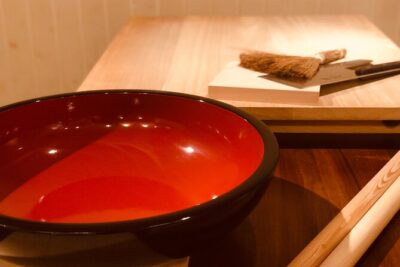
Mondo’s most popular plan! Experience making soba noodles and the king of Japanese cuisine, tempura, in Sapporo!
Read our review →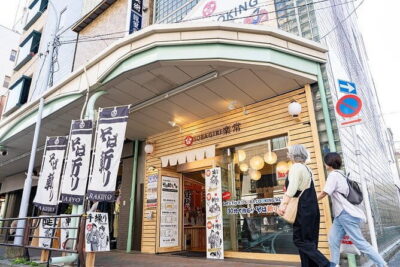
Experience Big soba knife Soba Making Class in Tokyo Kappabashi
Read our review →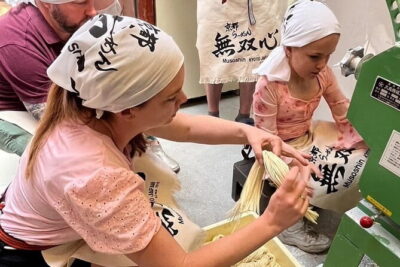
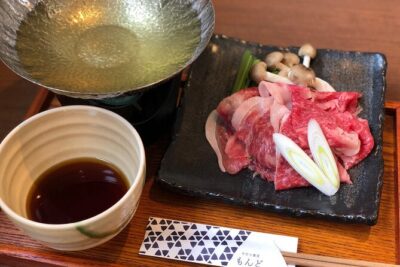
in Sapporo! Hand-made soba experience and shabu-shabu experience plan of Yezo deer meat (Gibier meat) from Hokkaido
Read our review →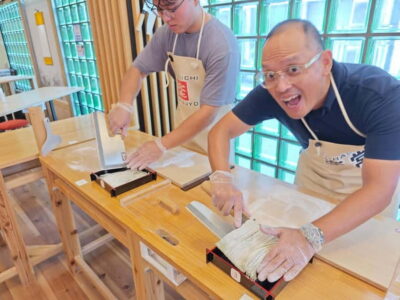
Made from flour in 30min! Ramen-noodle Making Experience!
Read our review →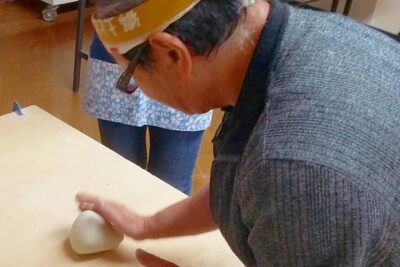
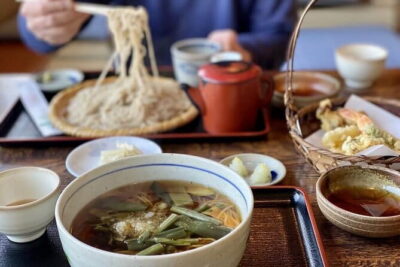
1-Day Togakushi Tour: Soba making, Ninja Town, and Hidden Shrines
Read our review →Browse the lists this tour appears in