
Review · HISTORICAL TOURS
Asakusa History and Kappa Street (Kappabashi Dogugai) Tour
Asakusa packs 2,000 years into two hours. What I like most is the hands-on way you learn temple manners at Senso-ji, plus the focused shopping time for Kappabashi Dogugai. One thing to keep in mind, there is no lunch included, so you will want a snack plan before or after.
This is a small-group tour, capped at 9 people, and it runs on a mobile ticket. It starts at Starbucks Coffee – Kaminarimon and ends near Kappabashi at Nishiyama Shikki, with an optional join on the way back toward Don Quijote in Asakusa.
You also get a quick culture bonus that goes beyond sightseeing. You can draw an omikuji fortune slip, compare Buddhist temple and Shinto shrine customs, and watch for kappa statues as the tour shifts from sacred sites to shopping streets.
In This Review
- Key highlights I’d plan around
- Where the Asakusa story starts at Kaminarimon and Nakamise
- Senso-ji temple etiquette, purification, and omikuji at street pace
- Asakusa Shrine right next to Senso-ji, and the key differences
- Hoppy Street, izakaya culture, and what to look for
- Kappabashi Dogugai: the wholesale chef street for real Japan-style shopping
- Price and timing: does $21.83 feel fair for two hours?
- Small-group comfort and where the tour ends
- Who should book this Asakusa and Kappabashi walk
- Should you book this tour?
- FAQ
- How long is the Asakusa History and Kappa Street tour?
- What does the tour cost?
- Where does the tour start and end?
- Is lunch included?
- Is there a ticket, and is it mobile?
- What’s included in the tour price?
- Is free cancellation available?
Key highlights I’d plan around
- Purification and prayer basics at Senso-ji, so you know what you are looking at
- Omikuji fortune slip option if you want a little added ritual
- Buddhism vs Shinto clarity at Asakusa Shrine, with the right language for what you see
- Hoppy Street izakaya atmosphere and classic local drinks and snacks
- Kappabashi Dogugai shopping strategy for tableware, lacquerware, knives, and food replicas
Where the Asakusa story starts at Kaminarimon and Nakamise
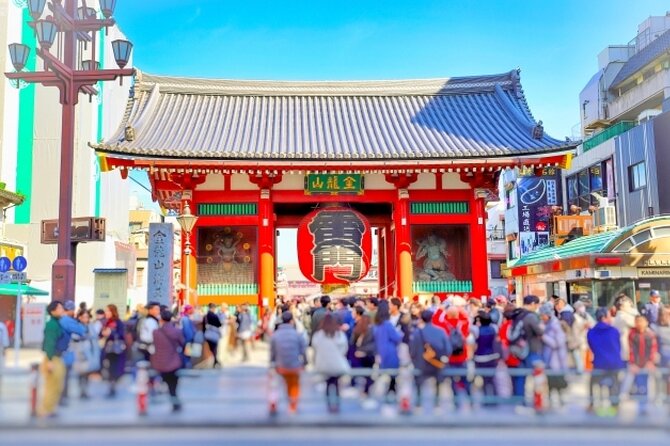
If you want Asakusa to make sense fast, this route is a smart choice. You begin at Kaminarimon, the big red gate and lantern photo stop that instantly tells you you are in the right neighborhood. Even if you have seen pictures before, standing there helps you understand the flow of the area, where people move, pause, and photograph.
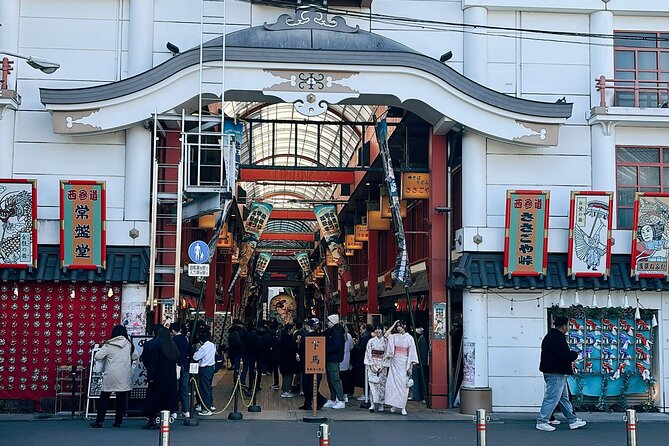
Next comes Nakamise Shopping Street, the long arcade of shops heading toward Senso-ji. You can expect around 90 stalls selling sweets, traditional crafts, and kimono accessories. I like that this part is short and practical, because it sets your expectations before you hit the temple sites. You are not just wandering, you are learning what kind of place Asakusa is at street level.
A good thing to plan for here: Nakamise can be busy, and some stalls are focused on quick impulse buys. If you want souvenirs later, treat Nakamise like your warm-up, not your whole shopping trip. You will have a better target once you reach Kappabashi.
More History Tours in Tokyo
- [30 minutes] Rickshaw tour around Asakusa [History, sightseeing, Tokyo Skytree]
★ 5.0 · 38 reviews - Tokyo: Imperial Palace Japanese History Walking Tour
★ 4.9 · 987 reviews - Tokyo: Shinjuku Historical Walking Tour & Secret Backstreets
★ 5.0 · 530 reviews
Senso-ji temple etiquette, purification, and omikuji at street pace
Senso-ji is Tokyo’s oldest temple, founded in 628. That date matters, because it explains why this area feels layered, like you are walking through centuries at a slow stroll speed. You will see classic temple architecture, including the main hall and the five-story pagoda.
What makes this stop useful is the instruction style. Instead of only pointing out sights, your guide covers the traditional temple-visit customs, including the purification ritual. That is a small detail that makes a big difference. When you know what the ritual is for, the whole scene becomes clearer, and you are less likely to feel like you are doing it wrong.
You will also learn how to properly offer prayers. If you have ever stood in front of an altar without understanding the steps, this is the part that turns a photo stop into a real experience. And if you want something playful, you can draw an omikuji fortune slip. Even if you do not treat it like a life decision, it is a simple way to participate in the atmosphere.
Time is about 20 minutes at Senso-ji. That is enough for the main views and the key etiquette points, but not enough for slow wandering inside every corner. If your goal is deep temple exploring on your own afterward, treat this as your setup visit, the way locals might do it: see the essentials, learn the rules, then decide where to spend extra time.
Asakusa Shrine right next to Senso-ji, and the key differences
Immediately after Senso-ji, the tour heads to Asakusa Shrine, also known as Sanja-sama. This is a great pairing because it gives you a direct comparison without requiring extra transit. On the shrine side, you get the iconic red torii gate and a calmer reset from the temple crowd energy.
The most valuable part here is the explanation of differences between Buddhist temples and Shinto shrines. You are not just being told to look at a building. You are getting context for why things feel different when you step through the shrine space. That helps you notice the right cues, like what you focus on when it is time to pray, and how the overall vibe shifts from one tradition to the other.
This stop is short, about 5 minutes, so you should not expect a long, sit-down lesson. Instead, think of it as a focused orientation. In that short time, you learn enough to keep your brain from blending everything together.
Hoppy Street, izakaya culture, and what to look for
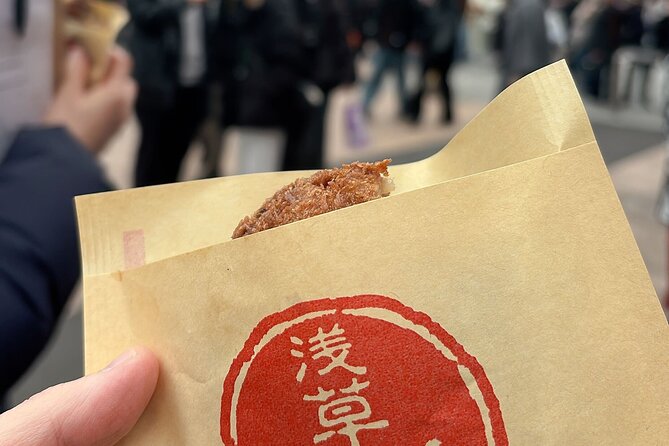
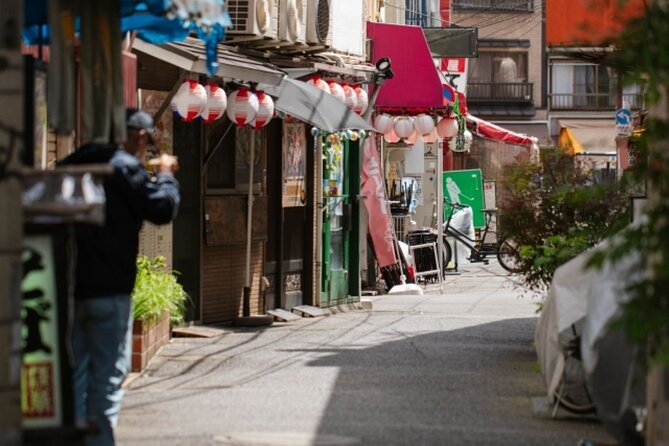
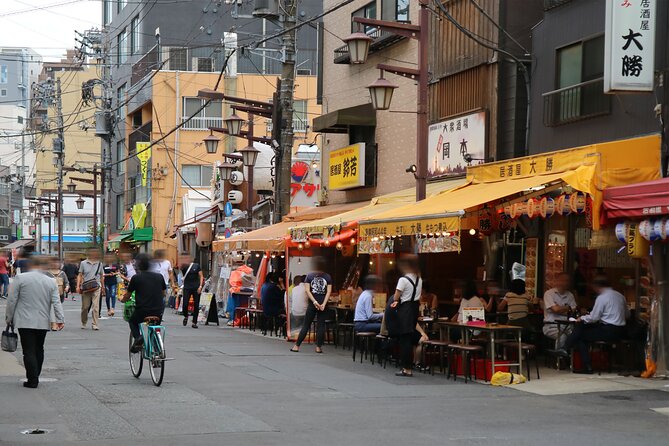
After the shrine, you walk to Hoppy Street, also called Kouen Hondori Shopping Street. This is where Asakusa shows its everyday personality, with a nostalgic postwar Japan atmosphere and red lanterns guiding you into the izakaya world.
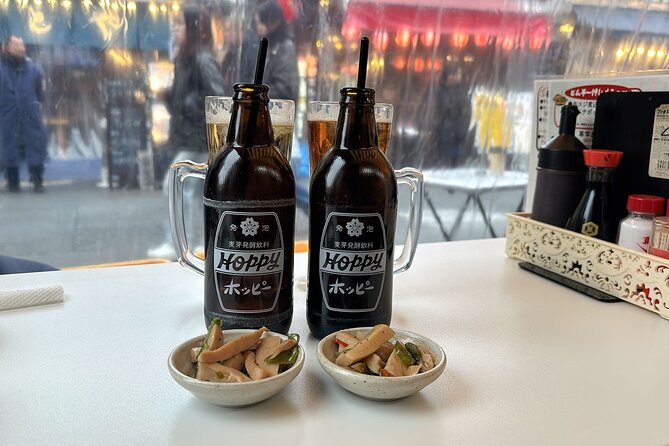
The street stays lively during the day, and you will see cozy local pubs that make the area feel like it is waiting for evening. Even though this is not a food tour with a meal included, the guide helps you spot what is iconic here, including Hoppy, a well-known drink, and stewed offal. If those sound adventurous, you are not forced to try them, but at least you know what you are seeing and why people come back.
This segment is about 15 minutes, which is perfect for a taste of the neighborhood without turning your whole day into a snack marathon. Since the tour does not include lunch, Hoppy Street is a good place to decide on a quick bite or drink either during or just after the tour. If you skip it, you still leave with clear anchors for what to chase later.
A few more Asakusa days to weigh up
- World Heritage Shirakawa-go and Experience Tours from Kanazawa
★ 5.0 · 4,049 reviews - World Heritage Kyoto & Nara Uji Authentic Matcha Experience
★ 5.0 · 1,573 reviews - Kanazawa: World Heritage Shirakawa-go Morning Guided Tour
★ 4.9 · 988 reviews - Hiroshima Historical Walking Tour – Why A-Bomb was Dropped
★ 4.8 · 893 reviews
Kappabashi Dogugai: the wholesale chef street for real Japan-style shopping
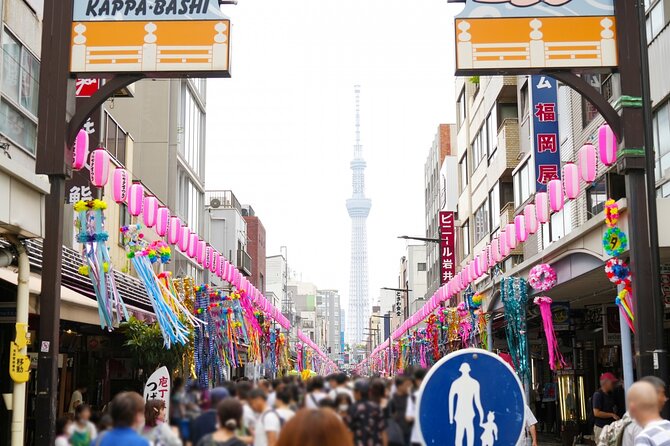
Then comes the big shopping payoff, Kappabashi Dogugai. This is one of Japan’s largest wholesale districts, and the area is known as a mecca for chefs. You also get a fun theme element: keep an eye out for kappa statues, the mischievous folklore creatures that gave the street its nickname.
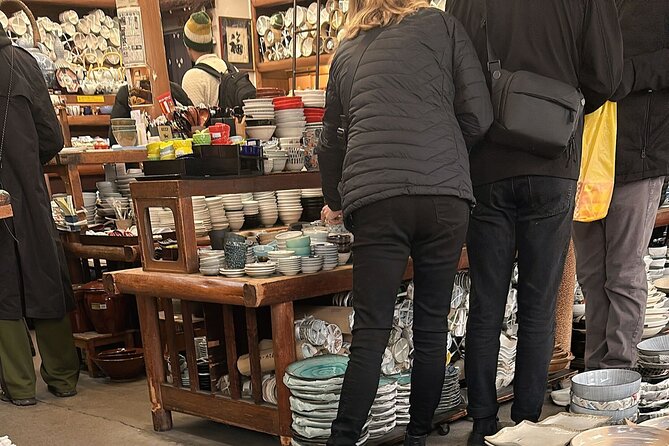
You get around 50 minutes here, which is long enough to browse purposefully. Kappabashi is not the place to buy random souvenirs in a hurry. It is the place to find Japan-style kitchen culture, with specialty shops selling professional-grade cookware and tableware, lacquerware, kitchen knives, and even food replicas.
Here is how I think about this shopping time so it feels worthwhile: decide what type of souvenir you want before you arrive. If you want everyday items, focus on tableware or lacquerware. If you are serious about kitchen gear, look for knives and tools, then match the quality to what you will actually bring home. And if you love food culture visuals, those food replicas are the kind of souvenir that looks great and tells a story.
A practical note: this is shopping, so expect crowds and lots of displays. It is easy to lose time comparing every knife and every plate. The guide’s historical insights help you stay oriented so you do not just wander in circles for 50 minutes.
Price and timing: does $21.83 feel fair for two hours?
The price is $21.83 per person for about 2 hours, with a tour guide and historical insights included. That is a solid value when you compare it to what you would otherwise need to piece together yourself: finding the right route, learning temple and shrine etiquette, and getting context for why each street matters.
Free admission applies to the main stops you visit, including Kaminarimon, Nakamise Shopping Street, Senso-ji, Asakusa Shrine, Hoppy Street, and the Kappabashi area. This matters because your money goes toward the guided experience, not entry fees.
The mobile ticket format is also convenient. You do not have to juggle paper, and it makes last-minute confirmation feel easier. The only tradeoff is that it is a tight schedule. You get broad coverage, not deep, slow exploration. If you want long shopping hours or extended temple time, plan extra independent time after the tour ends.
Small-group comfort and where the tour ends
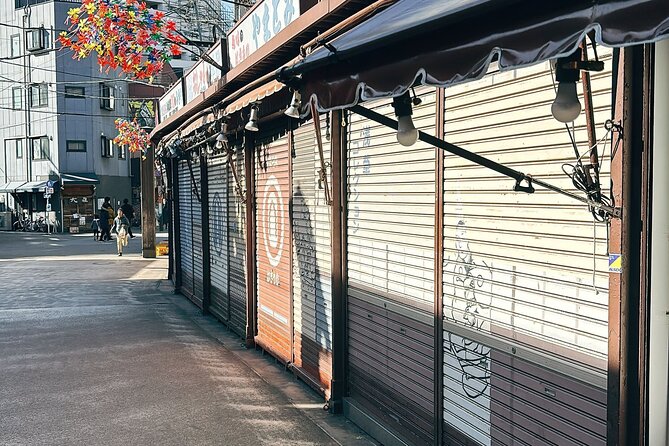
The tour caps at 9 travelers, which I consider a sweet spot for walking tours in Tokyo. You can ask questions without feeling like you are talking into a megaphone, and you are not stuck behind a huge line of people.
The route starts at Starbucks Coffee – Kaminarimon in Asakusa and finishes at Nishiyama Shikki Corporation in Kappabashi. If you want help getting back, there is an optional join on the way back to Don Quijote in Asakusa. Even if you do not join, ending in Kappabashi is convenient because it keeps you close to the shopping district right when you are still in that souvenir mindset.
If you have a specific shopping goal, put it in your mind early. Once you are in Kappabashi, you may not want to backtrack. This tour’s structure nudges you to focus, which is usually a good thing if you only have a short window in Tokyo.
Who should book this Asakusa and Kappabashi walk
This tour is ideal if you want a high-signal overview of Asakusa without guessing at etiquette. I think it is especially good for first-timers who want Senso-ji and Asakusa Shrine to feel understandable, not confusing.
It is also great if you are curious about Japan’s food culture but do not want to commit to a full meal plan. You get a taste of drink and snack culture on Hoppy Street, and then you get Kappabashi’s kitchen obsession on the next leg.
You might want a different plan if you are a hardcore shopper who wants hours in Kappabashi. Fifty minutes can still be fun, but it is not enough for full day hunting. You might also prefer a separate food-focused tour if you strongly want a lunch included, because this one explicitly does not include lunch.
Should you book this tour?
Yes, I would book it if your goal is to see the core Asakusa sights in the right order and understand what you are looking at. The standout value is the instruction at Senso-ji, where etiquette makes the visit feel real, then the practical shift to Kappabashi where you can shop with purpose.
If you do book, do two things to make it work smoothly: plan snacks since lunch is not included, and decide your Kappabashi shopping category before you arrive so you do not lose time comparing everything.
FAQ
How long is the Asakusa History and Kappa Street tour?
The tour lasts about 2 hours.
What does the tour cost?
It costs $21.83 per person.
Where does the tour start and end?
It starts at Starbucks Coffee – Kaminarimon (Asakusa) and ends at Nishiyama Shikki Corporation in Kappabashi.
Is lunch included?
No, lunch is not included.
Is there a ticket, and is it mobile?
Yes, you get a mobile ticket.
What’s included in the tour price?
A tour guide and historical insights of the district are included.
Is free cancellation available?
Yes. You can cancel for a full refund up to 24 hours before the experience’s start time.
Newly listed around Asakusa
- Tokyo : Asakusa Food Tour – 12 Dishes & 3 Drinks★ 5.0 · 44 reviews
- Tokyo: Customized Private Tour with a Local Guide★ 5.0 · 16 reviews
- 【Tokyo/Asakusa】Traditional Japanese Washi Papermaking experience★ 5.0 · 146 reviews
- Tokyo Japanese Dance Cabaret Theater Asakusa-Kaguwa★ 5.0 · 170 reviews
- Asakusa Kimono Photography Tour (Private Option Available)★ 5.0 · 20 reviews
- Tokyo: Asakusa & Sensoji ー Oldest Temple Walking Tour (2hrs)★ 5.0 · 213 reviews
- Asakusa Rental Kimono in Tokyo★ 5.0 · 11 reviews
- Asakusa:Family-Friendly Kimono & Yukata Experience at WARGO★ 5.0 · 30 reviews
Historical Tours, compared.
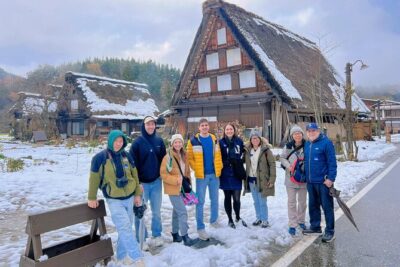
World Heritage Shirakawa-go and Experience Tours from Kanazawa
Read our review →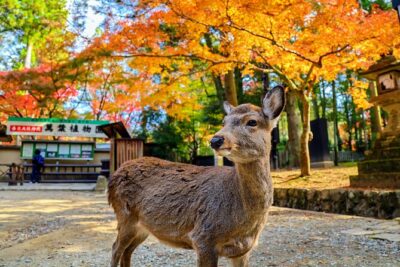
World Heritage Kyoto & Nara Uji Authentic Matcha Experience
Read our review →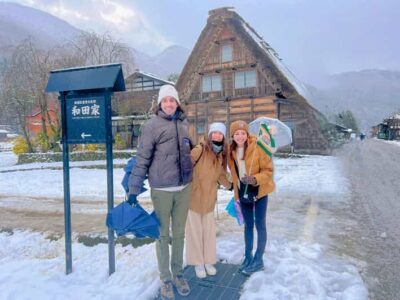
World Heritage Shirakawa-go Morning Guided Tour
Read our review →
Hiroshima Historical Walking Tour – Why A-Bomb was Dropped
Read our review →
Hiroshima Peace (Heiwa) Walking Tour at World Heritage Sites
Read our review →
Yanaka Walking Tour: Historic and Traditional District of Tokyo
Read our review →
Shinjuku Historical Walking Tour & Secret Backstreets
Read our review →Browse the lists this tour appears in