
Review · FISH MARKET WALKS
Awesome Private Tour: Tsukiji, Asakusa, Shinjuku, Shibuya
Tokyo hits different with a good guide. This private route mixes iconic stops with the kind of in-the-street local guidance you only get when you’re not racing the crowd. I like the small-group flexibility and the fact that your schedule can bend toward your interests, and I especially like how the route strings together food culture, temples, and big-city neon without feeling random. One thing to consider: it is a lot of ground, plus transit costs are on you, so comfortable shoes and a bit of pacing matter.
I also like that this isn’t just point-and-shoot sightseeing. Your English-speaking host, often Abu, is there to connect the dots and help you plan what comes next after the tour, including where to eat near the places you’ll actually visit. In past departures, guides such as Ayoub and Maruf have also been mentioned, and the consistent theme is thoughtful pacing, including breaks when the weather turns intense.
In This Review
- Key highlights worth paying attention to
- Price, time, and value of a $116 private Tokyo route
- Tsukiji Outer Market and Tsukiji Hongan-ji, morning Tokyo you can taste
- Ginza to Tokyo Skytree, modern Tokyo with a real break built in
- Asakusa and Sensō-ji, how to enjoy the temple without losing your day
- Akihabara and Ueno, tech and old-school culture with space to breathe
- Shibuya Crossing and Shinjuku night districts, a late-city hit with guidance
- Customization that can pull you toward Harajuku, Yanaka, Nakano, and Kichijoji
- Getting the most from a private guide, from photos to heat breaks
- Should you book this private Tokyo tour?
- FAQ
- How long is the tour?
- What does the tour cost?
- Is the tour private?
- What language is the guide?
- Are transportation costs included?
- Are attraction tickets included?
- Is it wheelchair accessible and can I get a refund if plans change?
Key highlights worth paying attention to
- Tsukiji Outer Market plus Tsukiji Hongan-ji, a morning contrast of sights and spirituality
- Asakusa and Sensō-ji, with time for photos and shopping on Nakamise Street
- A long Tokyo Skytree window, so you can actually enjoy the views without rushing
- Shibuya Crossing and Shinjuku night districts like Omoide Yokocho, Kabukicho, and Golden Gai
- Customization options that can shift you toward Harajuku, Yanaka, Nakano, or Kichijoji
- English guidance and planning help, including food recommendations and photo tips
Price, time, and value of a $116 private Tokyo route
At $116 per person, this tour sits in the “worth it if you want efficiency” zone. You’re not paying for a bus. You’re paying for a private, English-speaking host to help you move across Tokyo, interpret what you’re seeing, and make choices for you when there are too many options.
Time is the other big factor. The tour runs 4 to 8 hours, and that flexibility is key. If you’re the type who likes to get the big sights done but still wants time to breathe, you can keep it shorter and avoid decision fatigue. If you want a deeper walk-and-snack day, you can stretch it longer.
Do note what is not included: transportation expenses during the tour are on you, and entrance tickets are not covered. That means the true cost depends on how many paid attractions you choose inside the route. Still, the structure helps because your guide reduces wasted stops and helps you choose what’s practical for your day.
More Market Walks in Tokyo
- Tokyo Tsukiji Fish Market Food and Culture Walking Tour
★ 5.0 · 3,184 reviews - Tokyo: Tsukiji Fish Market Food and Walking tour
★ 5.0 · 1,724 reviews - Tokyo: Tsukiji Fish Market Guided Walking Tour
★ 4.9 · 1,397 reviews
Tsukiji Outer Market and Tsukiji Hongan-ji, morning Tokyo you can taste
Tsukiji Outer Market is one of those places where Tokyo feels real fast. It’s busy, busy in a hands-on way, with storefronts and stalls built for walking close and deciding quickly what looks good. You’ll get a short, focused window to do the essentials: photos, guided context, and time to shop and snack.
What I like here is that this isn’t treated like a museum stop. Your host can point out how the area works and what to look for, so you’re less likely to fall into the trap of grabbing something you don’t actually want. And if you’re sensitive to crowds or long lines, having a plan for your time matters.
Right after the market, you shift to Tsukiji Hongan-ji. This is a smart pivot because it changes the tone from commercial and energetic to calm and ceremonial. You get guided walking and photo time at the temple complex, then more time to look around. That rhythm is the secret to having a morning that feels varied instead of chaotic.
Practical note: Tsukiji can be a sensory sprint. If you’re planning snacks, keep it simple. You’ll enjoy it more if you’re not trying to eat everything at once.
Ginza to Tokyo Skytree, modern Tokyo with a real break built in
After Tsukiji, the route turns toward Ginza, and that matters because it’s Tokyo’s image of polish. Even if you don’t shop, you’ll notice the difference in street vibe, architecture, and how people move. The photo stop and guided walk here work well as a reset between the market morning and the temples and neighborhoods later.
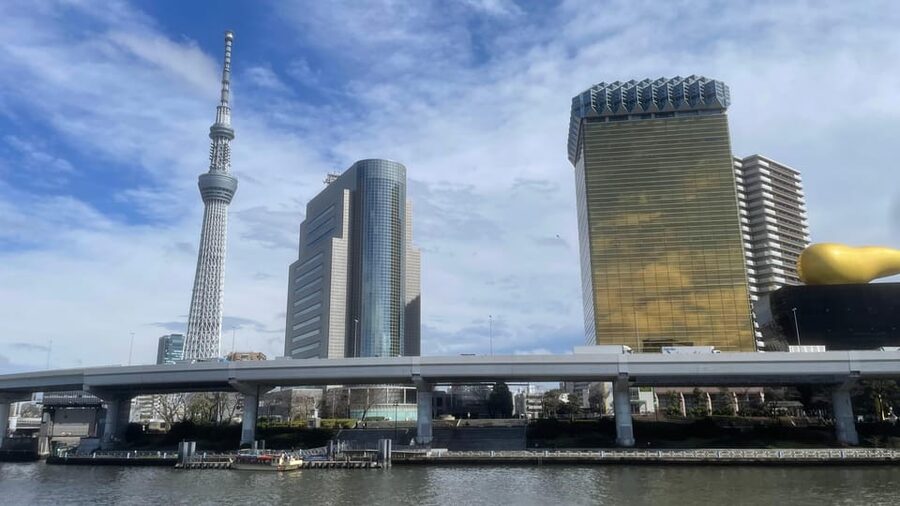
Then comes the centerpiece: Tokyo Skytree. This is where having a private guide pays off because the time block is long enough to do more than just a quick look. You get a visit plus guided context, plus free time that can be used for photos, shopping, and taking a breath.
A tip I’d use: if you want photos, decide in advance what you’re aiming for. Skyline shots and interior views feel different, and with a longer window you can afford to do both. If you’re not into buying or big crowds inside, you can keep your time inside tight and focus on photo viewpoints and walking around.
One more thing: this is a good time for pacing. The tour includes breaks, and that’s not a small detail in Tokyo, especially if your day includes hot weather or lots of sun.
Asakusa and Sensō-ji, how to enjoy the temple without losing your day
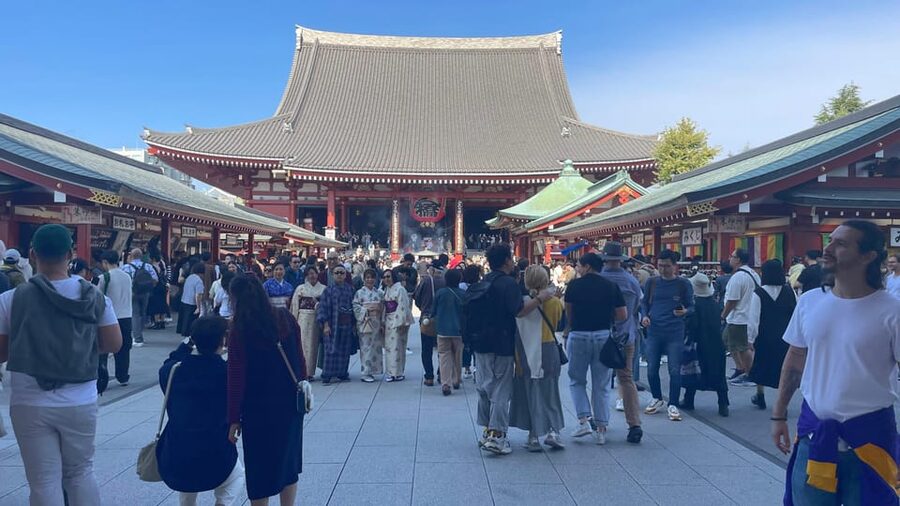
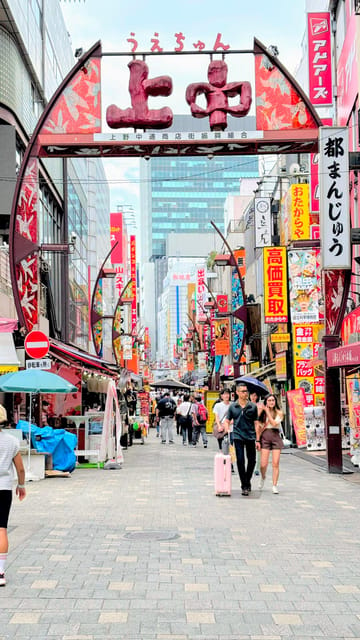
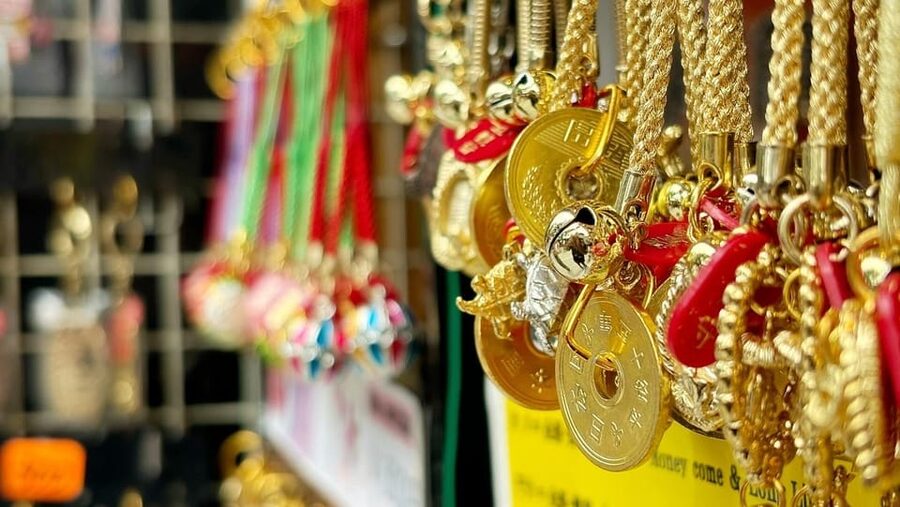
Asakusa is where Tokyo slows down just enough to feel historic without being frozen in time. The route takes you into Nakamise Shopping Street first, with time for photos, shopping, and guided context. This is the strip where you can taste local street snacks and look for traditional souvenirs, and it’s also where you can easily burn 45 minutes without realizing it.
That’s why the guide support is valuable. You’ll spend time where it’s worth it and skip dead ends. If you’re picky about souvenirs, you can use your time for browsing with intention rather than impulse buying.
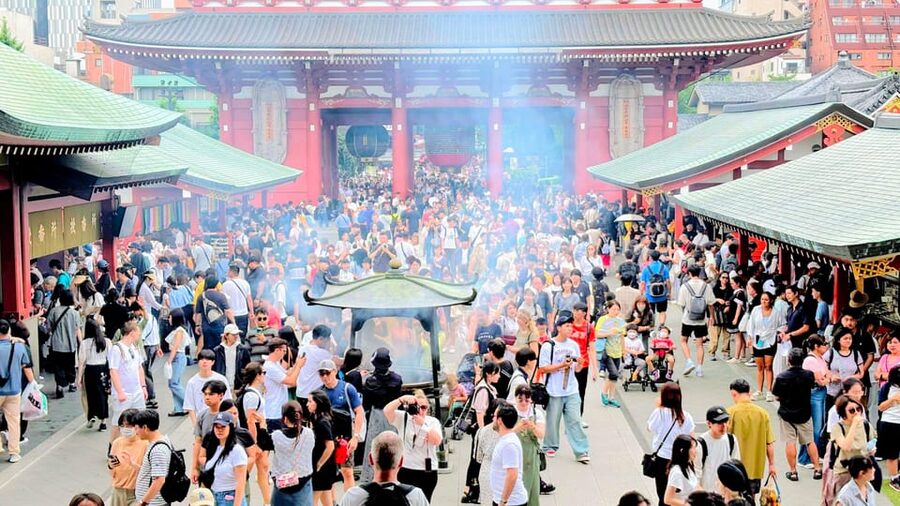
Sensō-ji is the main event. You get guided walking and photo time, plus free time so you can explore on your own. This combination is smart because the best temple visits are part understanding, part personal wandering. The guided part helps you read what you’re seeing, and the free time lets you linger where you feel pulled.
Drawback to consider: Asakusa can be crowded at peak times. With a private guide, you can still have a satisfying experience, but if you hate crowds entirely, keep your expectations realistic and aim to enjoy the atmosphere rather than fight it.
A few more Shibuya and Shinjuku Nightlife around Tokyo:
- Tokyo: Shinjuku Food Tour (13 Dishes at 4 Local Eateries)
★ 5.0 · 6,603 reviews - Tokyo Bar Hopping Tour in Shinjuku (All-You-Can-Drink + Dinner)
★ 5.0 · 3,587 reviews - Official Street Go-Kart in Shibuya
★ 5.0 · 3,435 reviews - Tokyo: Shinjuku Food Tour (15 Dishes and 4 Eateries)
★ 4.9 · 2,033 reviews
Akihabara and Ueno, tech and old-school culture with space to breathe
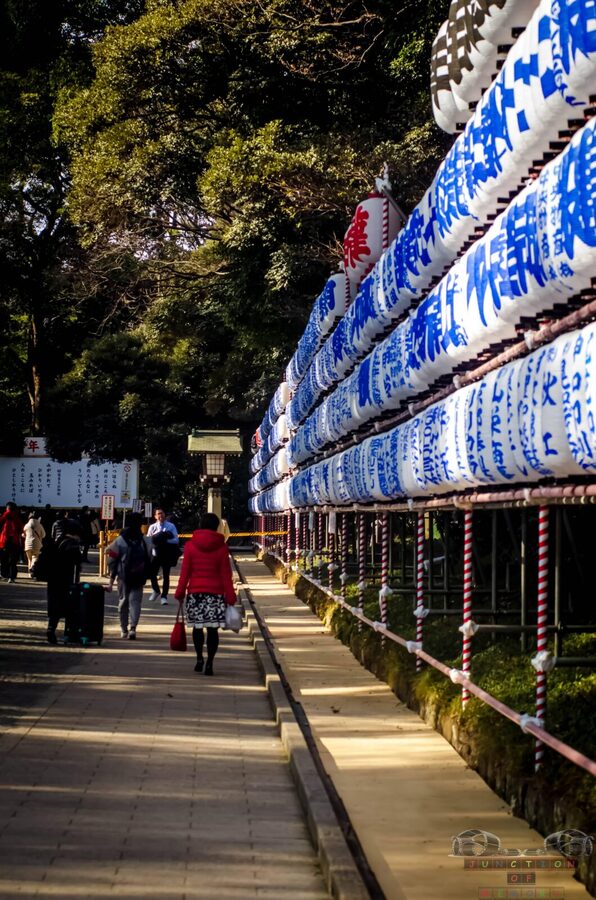
After Asakusa and Skytree, the itinerary shifts into two areas that feel like Tokyo’s different moods.
Akihabara is the pop-culture and tech district. You’ll get a guided stop and time to roam, with breaks built in. This works well if you’re into anime, gaming, electronics, or just want to see a neighborhood where Tokyo’s fandom and consumer tech mix in one place. The short guided portion helps you choose where to go next without getting stuck just wandering.
Then there’s Ueno. Ueno tends to add balance because it’s less about single-theme shopping and more about a calmer cultural setting. You get a photo stop and guided walk with free time. That means you can either keep it light and scenic, or spend the extra moments you need if you’re the type who likes parks and slower streets.
Why this pairing works: your day goes from market energy to temple calm to skyline views, then turns to pop culture and then a more relaxed cultural zone. That variety helps prevent the common Tokyo problem where everything starts to blend together.
Shibuya Crossing and Shinjuku night districts, a late-city hit with guidance
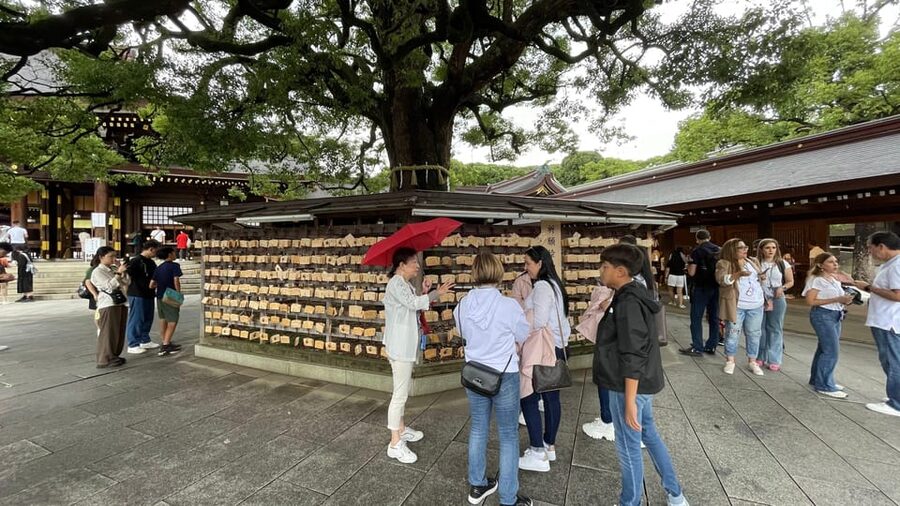
Shibuya Crossing is famous for a reason, and you’ll feel it the minute you arrive. The route includes time around the crossing for photos and guided context, plus free time to look around and reset. This stop is best enjoyed with a plan, because the sidewalks are a maze and you can easily lose 20 minutes just finding your bearings.
Right after Shibuya, the tour shifts toward Shinjuku nightlife areas. You’ll spend time at Omoide Yokocho, then move through Kabukicho, and finish with Golden Gai.
Here’s what I think is especially valuable about having a guide for this part of the day: nightlife districts are fun, but they can be overwhelming if you don’t know what you’re looking at. With guided walking and breaks, you can experience the atmosphere without feeling like you’re rushing from one photo spot to the next.
Also, these areas are ideal for evening energy. You get photo time, guided context, and short free windows to wander. If you’re hungry, this is also a good moment to ask your host what style of food you should go for next, since the tour includes planning assistance for after the walk.
Small drawback: nightlife districts are not the best choice if you need a quiet day. But if you want Tokyo’s sharper, neon-edged personality, this is where you get it.
Customization that can pull you toward Harajuku, Yanaka, Nakano, and Kichijoji
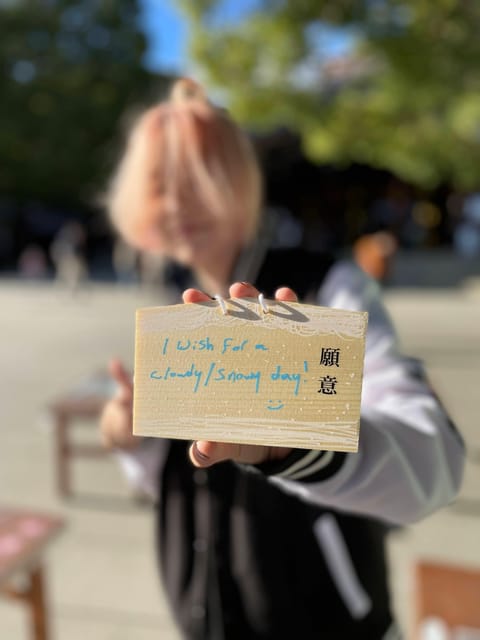
One of the best parts of this tour is that it is not limited to a fixed script. You can tailor the itinerary around what you care about, including art, history, food, shopping, or modern architecture.
Even if your day centers on major sights, the guide can help you steer toward options such as:
- Harajuku for its trendy street energy, including Takeshita Street, plus Meiji Shrine as a calmer contrast
- Yanaka for old-town Shitamachi atmosphere, narrow lanes, and Yanaka Ginza street shopping
- Nakano for pop-culture shopping energy around Nakano Broadway, plus local izakaya-style vibes
- Kichijoji for Inokashira Park downtime, boating lake views, and relaxed cafes
The value here is control. Instead of spending your day bouncing between neighborhoods you picked from a map, you get a route shaped for your preferences and your pace. That’s a big deal in Tokyo, where the distance between “interesting” and “tiring” can be just one wrong turn.
If you’re a first-timer who wants the icons, you can keep the plan close to the major districts. If you want a more local-feeling day, swap some of the high-demand zones for these off-the-beaten-path areas when your schedule allows.
Getting the most from a private guide, from photos to heat breaks
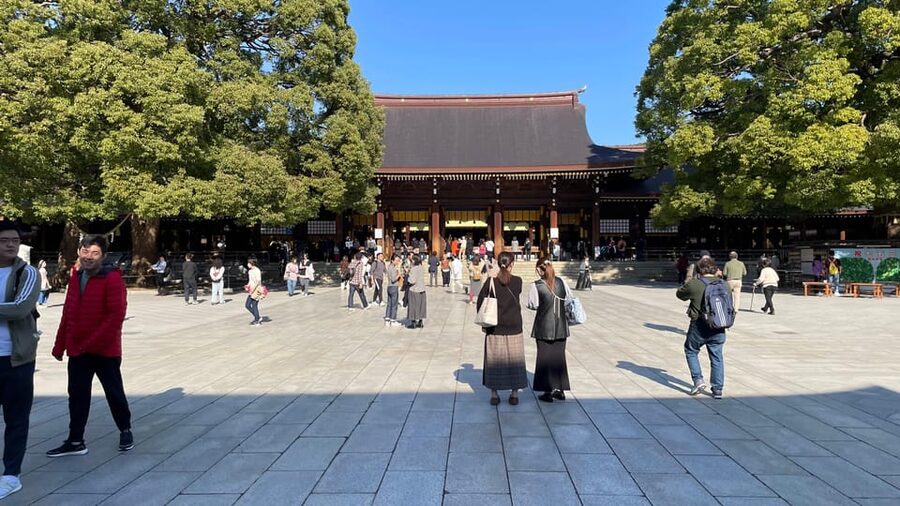
This experience is at its best when you treat it like a collaborative day. Your host is there not just to walk you around, but to help you make decisions.
Here are the practical ways I’d use that:
- Use your guided time for orientation, not only sightseeing. Ask how neighborhoods connect so you can keep exploring after the tour.
- If you care about photos, tell your guide your style. You’ll get better results from intentional photo stops than from random snapshots.
- Expect breaks to be built around real conditions. Past experiences with Abu specifically highlight pacing decisions during hot weather, which is useful if you’re not built for constant sun.
- Keep snacks and shopping simple. Tokyo can tempt you into spending more time and money than you planned, especially in market and shopping streets.
Group size is another advantage. This is a private group with small-group flexibility. That means you’re not waiting for stragglers behind a guide who can’t slow down. You get a more personal flow, and you can adjust on the fly.
One more consideration: tickets and many paid attractions are not included. If you want to go inside certain sites, plan for extra spend so you do not run out of budget halfway through a great day.
Should you book this private Tokyo tour?
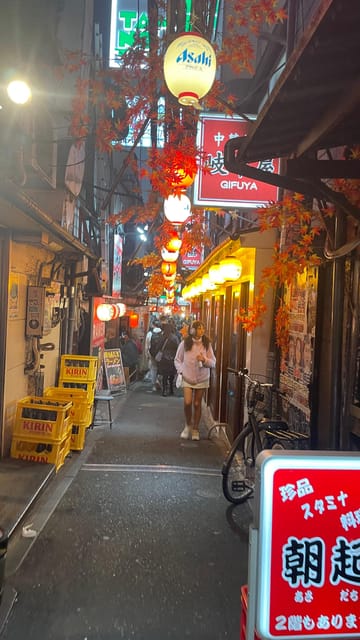
I think you should book it if you want a Tokyo day that feels efficient but still personal. The price makes sense when you value an English-speaking host, customized choices, and an easy route across major neighborhoods plus nightlife districts. It’s also a strong fit if you want help planning what happens after, because the guide context can save you time on your remaining days.
Skip it if you hate walking, or if you want a fully hands-off, self-guided day where you control every stop with no guidance at all. The route covers a lot of areas, and transportation and possible entrance fees can add up.
If you’re a first-time visitor, this kind of guided structure is one of the best ways to avoid a Tokyo schedule that looks great on paper but falls apart in real life.
FAQ
How long is the tour?
It runs for 4 to 8 hours, depending on the starting time and how you shape the day.
What does the tour cost?
The price is $116 per person.
Is the tour private?
Yes, it is offered as a private group experience with small-group flexibility.
What language is the guide?
The live tour guide speaks English.
Are transportation costs included?
No. Transportation expenses are not included, and you are responsible for your own transit costs during the tour.
Are attraction tickets included?
No. Tickets to attractions are not included, and you would pay entrance fees separately if you choose to visit.
Is it wheelchair accessible and can I get a refund if plans change?
It is wheelchair accessible. There is free cancellation up to 24 hours in advance for a full refund.
Newly listed around Tokyo
- Tokyo: FC TOKYO Football Game at Ajinomoto Stadium★ 4.8 · 58 reviews
- Expert Anime Guide in Akihabara with a maid witch★ 4.9 · 19 reviews
- Experience Crafting a Flower-Adorned Mini Japanese Garden★ 4.7 · 15 reviews
- Old and Nostalgic Tokyo: Half-Day Yanaka Walking Tour★ 4.9 · 30 reviews
- Exclusive Tokyo Ramen Kitchen Experience★ 4.7 · 34 reviews
- Private Edo-Tokyo Open Air Architectural Museum Tour★ 4.8 · 15 reviews
- Eat/Drink like a LOCAL-Taverns & Ramen★ 4.9 · 23 reviews
- Nikko: Edo Wonderland Edomura Cultural Theme Park Ticket★ 4.3 · 205 reviews
Fish Market Walks, compared.
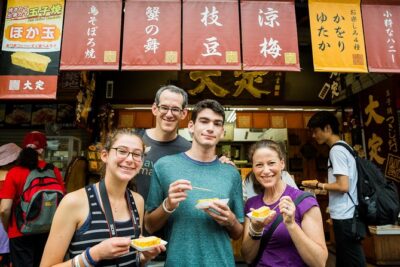
Tokyo Tsukiji Fish Market Food and Culture Walking Tour
Read our review →
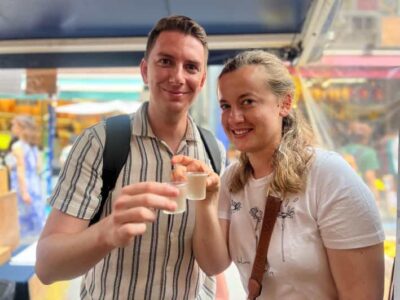
Nishiki Market Brunch Walking Tour (7 Tastings + Brunch)
Read our review →
Tokyo Sushi Making Class in Tsukiji with Professional Chef
Read our review →
Tsukiji Fish Market Guided Tour and Sushi Making with Pro Chef
Read our review →Tsukiji Fish Market Food and Culture Walking Tour
Read our review →Browse the lists this tour appears in