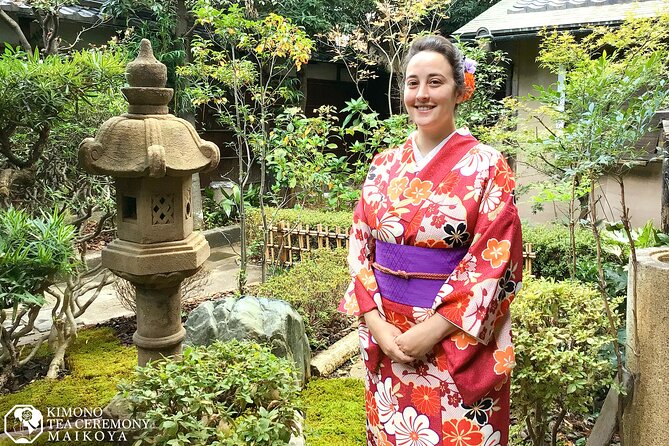
Review · MATCHA & TEA CEREMONY SESSIONS
Kimono Tea Ceremony at Kyoto Maikoya, NISHIKI
Wear a kimono, then make matcha.
This Kyoto Maikoya tea ceremony in the Nishiki area pairs a hands-on tea lesson with traditional dress-up, so your time in Kyoto feels personal and practical, not just sightseeing. I especially love how you get help picking and wearing a kimono, and how the staff also handle a simple matching hair style (for ladies).
What I also like is the focused, step-by-step way the host guides you through the tea ritual, including learning the tools and how to whisk matcha using quality matcha powder. The one drawback to plan around is that you need to get yourself to the Nishiki meeting point, because there is no hotel pickup or drop-off.
In This Review
- Key things to know before you go
- Kyoto Maikoya Nishiki: getting to the start point in central Kyoto
- Choosing your kimono, then getting picture-ready
- The 90-minute flow: from check-in to tatami tea ritual
- How the host teaches matcha, utensils, and etiquette
- Matcha and wagashi: what you actually get to taste
- Price and value at $65.66 per person
- Who this Kyoto kimono tea ceremony suits best
- Practical tips to make your ceremony smoother
- Should you book Kimono Tea Ceremony MAIKOYA Nishiki?
- FAQ
- Where is the meeting point for the Kimono Tea Ceremony at Kyoto Maikoya, Nishiki?
- How long does the tea ceremony take?
- Is transportation or hotel pickup included?
- What is included in the experience?
- Can children under 7 attend the tea ceremony?
- What if the weather is bad or I need to cancel?
Key things to know before you go
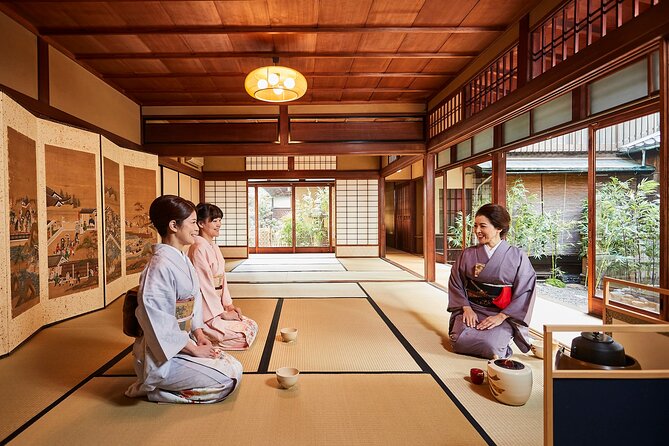
- Kimono experience built in: You choose a kimono on site and get staff support to wear it properly.
- Simple hair styling (for ladies): Your hair is styled to match your kimono.
- Matcha making at the tatami floor: You learn utensils and steps, then make your own drink.
- Wagashi sweets with your tea: You finish with your matcha and Japanese sweets.
- Central Kyoto meeting point: It starts at Kimono Tea Ceremony MAIKOYA Nishiki, near public transportation.
- Small-group feel: It stays intimate, and group sizes described in tea rooms tend to be limited.
Kyoto Maikoya Nishiki: getting to the start point in central Kyoto
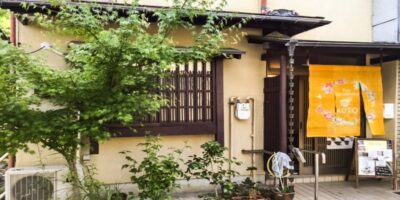
This experience begins at Kimono Tea Ceremony MAIKOYA Nishiki, at 329 Ebiyachō, Gokomachi-dori Sanjo-sagaru, in the Nishiki area of Kyoto. The big practical win here is that you do not have to hunt down a separate kimono shop and then find a tea room later. It is all coordinated in one place.
You will need to make your own way to the meeting point. There is no hotel pickup or drop-off, so if you are staying outside central Kyoto, build extra time for getting there. A mobile ticket is used, and you confirm at booking, so have your phone ready at check-in.
Timing matters too. You can choose a morning or afternoon slot, which is helpful when you are building a Kyoto day around temples, markets, and transit.
More Kimono Rentals in Kyoto
- Kyoto: Kimono Rental with Hairstyling and Accessories
★ 4.8 · 653 reviews - KYOTO Tea Ceremony with kimono near by Imamiya Jinjya Shrine
★ 5.0 · 343 reviews - Kyoto: Kimono and Tea Ceremony Experience at Cultural Asset
★ 4.3 · 306 reviews
Choosing your kimono, then getting picture-ready
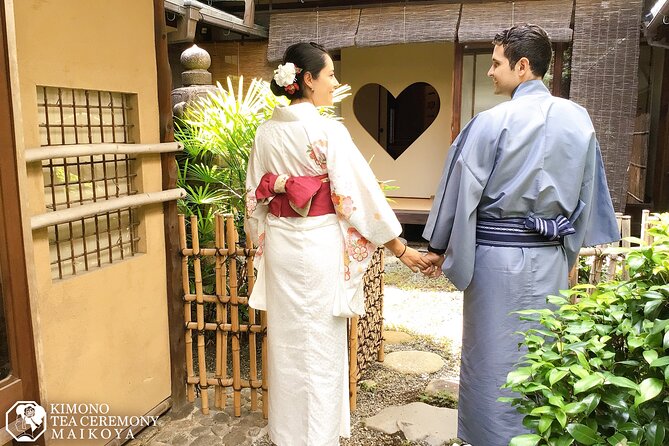
The first phase is all about getting set up. After you meet your tea master host and a small group, you select from a range of kimonos to wear for the ceremony. Staff help pin and adjust everything so you are actually comfortable enough to sit on the tatami floor and focus on the tea.
For ladies, you can also get your hair done with a simple matching style. This is not just a quick fix. Multiple participants highlight how detailed the staff support is, including hair flower accessories that help your kimono look feel complete for photos.
If you are worried about personal items, do not be. You are given a purse for valuables, which makes it easier to relax during the lesson and take photos without constantly thinking about your phone and wallet.
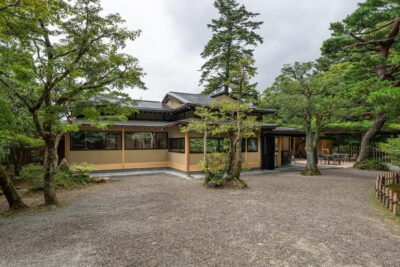
Many sessions also include time to take photos after you dress. One person even called out having an ample area, like a garden space, for clicking pictures. The photo time is part of the flow, not an awkward add-on, so you can plan to bring a bit of patience here.
The 90-minute flow: from check-in to tatami tea ritual
The total time is about 1 hour 30 minutes. That length is a sweet spot. Long enough to learn what matters and actually participate, short enough that you can still keep a full Kyoto day schedule.
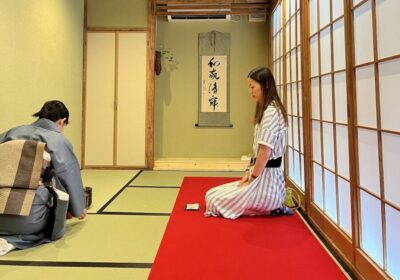
Once you are dressed and ready, you take a seat in the traditional way, on the tatami floor. The room setup is part of why this feels special. You are not standing in a hallway while someone demonstrates from a distance. You are sitting where the ritual happens.
From there, the tea master host guides you through the ceremony steps. You start with context, then move to hands-on practice. In multiple accounts, the host does more than recite a script. You get explanations of what the utensils are for and why each step has meaning.
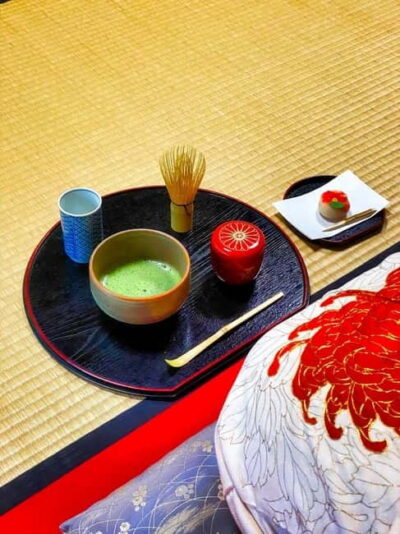
You then make your matcha. That is the main active moment, and it is where the ceremony stops being purely cultural viewing. You learn how to mix whisking technique with the right preparation, and then you sip the tea you made yourself.
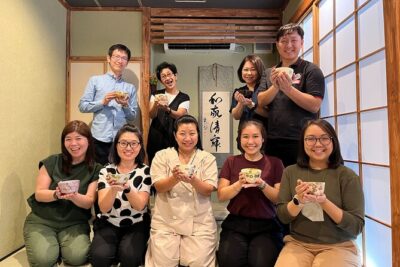
You finish with wagashi sweets. These are Japanese sweets designed to pair with the tea. People describe them as delicious, and the timing of the sweet and tea pairing is one of the reasons the ending feels smooth rather than rushed.
One extra note, because it comes up in an account: there may be a brief meditation moment. Even when that is included, it tends to be short and meant to keep the pace calm.
How the host teaches matcha, utensils, and etiquette
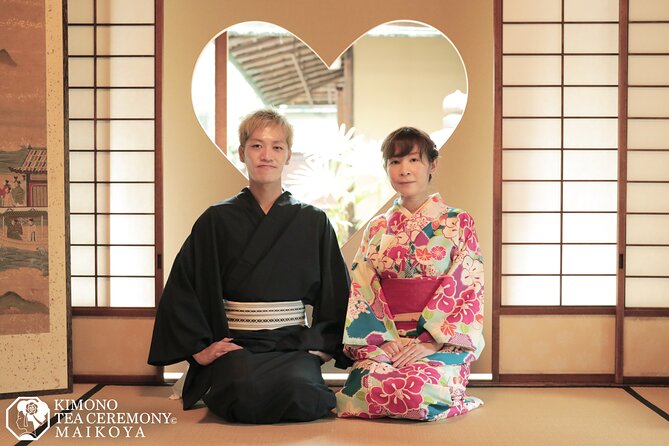
This is the core value of the experience. You are not only tasting matcha. You are learning the logic behind the ritual, which makes the tea more than a drink.
The host explains the history and significance of the traditional tea ceremony, then walks you through the process step by step. This includes the utensils and their roles in preparing matcha. People consistently emphasize that the host is friendly and easy to follow, and that the explanations connect the practical actions to the meaning.
One review specifically named the host as Sono. If you get Sono, you are likely to get clear guidance with lots of thoughtful explanation.
Here is what this kind of instruction does for you as a visitor. Once you understand the tools and steps, you can taste with more awareness. You notice texture and aroma differences, and you appreciate why the whisking method matters. It is also useful for future travel. After you learn the sequence and etiquette basics, you will be able to spot what is happening in other tea rooms you visit later.
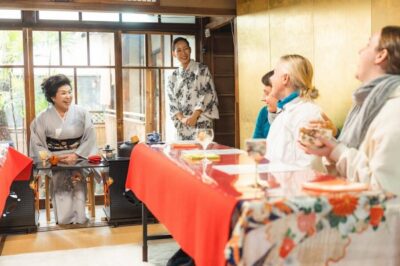
And yes, there is a social side, too. A small group format gives you a chance to ask questions. Several accounts mention the staff and presenter being very helpful and welcoming.
More Market Walks in Kyoto
- Nishiki Market Brunch Walking Tour (7 Tastings + Brunch)
★ 5.0 · 1,355 reviews - Kyoto Nishiki Market Food and Culture Walking Tour
★ 5.0 · 412 reviews - Kyoto: Nishiki Market Tea Ceremony with Koto Performance
★ 4.8 · 294 reviews - Kyoto: Nishiki Market Brunch Walking Tour-7 Tastings+Brunch
★ 4.8 · 197 reviews
Matcha and wagashi: what you actually get to taste
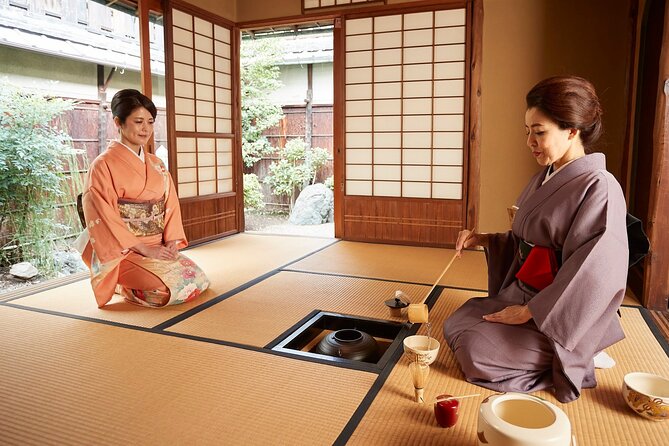
You are served matcha green tea and wagashi sweets as part of the ceremony. You also use green tea tools during the process, since the experience includes utensils.
Because the ceremony is hands-on, you should expect the matcha taste to be closely tied to your own technique. Even if you are not a “tea person” yet, the lesson format nudges you to pay attention to how it looks and feels while mixing, not just the final sip.
The sweets are an intentional pairing. Wagashi often has a lighter sweetness and changes the way the tea hits your palate. In the feedback, people call the matcha and sweets delicious, and that pairing is repeatedly mentioned as a highlight.
You will not have to figure out a separate snack stop after. The ceremony is built to end with that final combination of matcha and wagashi.
Price and value at $65.66 per person
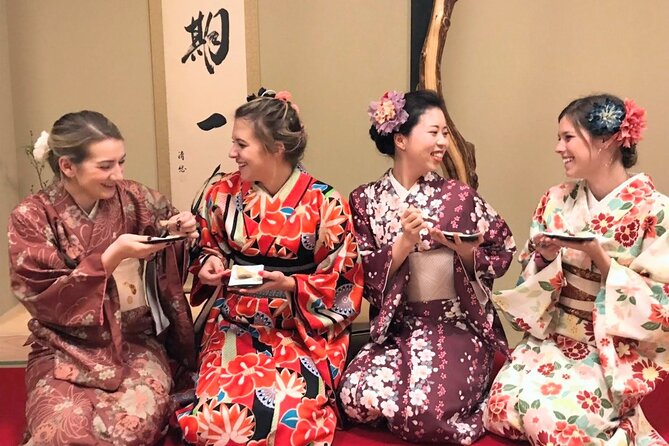
$65.66 per person is not cheap, especially in Japan where you can find free or low-cost cultural activities. But this price includes real services, not just a seat in a room.
Here is what you get in the included list:
- Kimono costume
- Green tea
- Utensils
- Simple hairstyling (for ladies)
- Snacks
Then there are savings you do not see on the receipt. You skip the hassle of booking a kimono rental separately, and you do not have to find a tea ceremony venue on your own. You also avoid paying extra for a guide who teaches the steps and context while you participate.
Your main extra cost is transportation to the meeting point, since transportation and hotel pickup or drop-off are not included. If you live or stay near central Kyoto, that is usually manageable. If you are farther out, it could add time and transit fees.
I think the value works best if you want the full package: dressing up plus the ceremony. People who only want a quick taste of matcha might feel it is more than they need. But if you want the cultural context and the active making of tea, the bundled format is where you feel the value.
Who this Kyoto kimono tea ceremony suits best
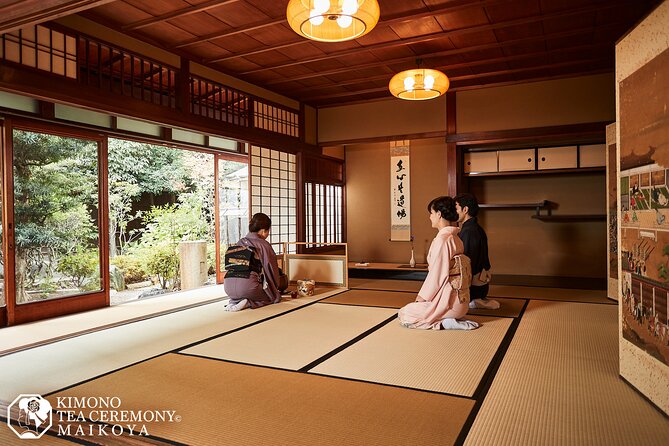
This is a great fit for first-timers in Kyoto. It sits right in the middle of how visitors usually experience Japanese culture: you get a traditional costume, a ritual with clear steps, and an explanation that connects it to meaning.
It also suits:
- Couples and friends who want something different from temple hopping
- People who enjoy hands-on activities, not just watching
- Travelers who want a calm hour and a half with a structured experience
- Anyone who wants photos but also wants more substance than posing
Two limits to keep in mind:
- Children under 7 cannot enter the venue, so you will not be able to reserve if your party includes a child under 7.
- The venue requires good weather, since the experience can be canceled and you may be offered a different date or a full refund.
Also, check what kind of group size you prefer. Some accounts describe sessions as feeling intimate even with a handful of other people. One person even pointed out that a maximum group size around 10 to 12 helps keep the serenity. Either way, expect a small-group atmosphere rather than a big, theater-style show.
Practical tips to make your ceremony smoother
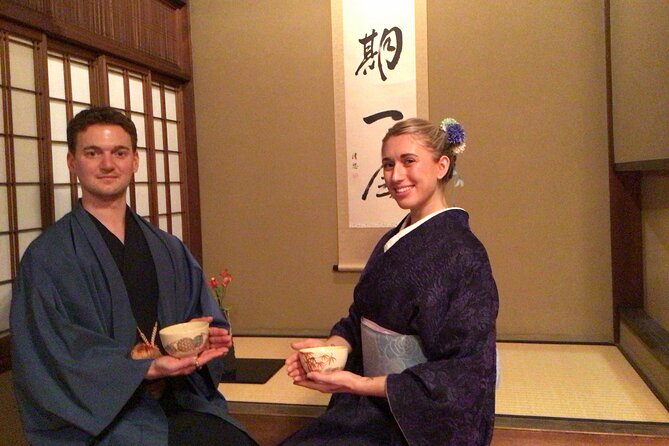
A few small things can make a big difference.
First, show up with enough time to settle in. Since you need to get yourself to the Nishiki meeting point, arriving early reduces stress. Once you are dressed, you will be on the tatami floor, and you will want to feel comfortable.
Second, plan to use the included photo moment wisely. You can take photos after getting dressed, and you may have garden time for pictures. If you care about photos, keep your phone charged and ready before the kimono goes on.
Third, treat the instructions like part of the show. The best part is not only the final sip. It is learning what each utensil does and how the steps connect. If you pay attention, you will actually taste the difference.
Finally, if you have a child in your group or you are traveling with family, double-check the under-7 rule before you book. It is a hard limit for entry, not a suggestion.
Should you book Kimono Tea Ceremony MAIKOYA Nishiki?
Book it if you want the classic Kyoto combo: kimono dress-up plus a structured, hands-on tea ceremony where you make and taste matcha with wagashi. The value is strong because the experience includes the kimono, utensils, green tea, simple hair styling (for ladies), and snacks, all in one central location.
Skip it or think twice if you dislike activities where you must follow a schedule and stay seated, or if you would rather spend your time on temples and neighborhoods only, without structured instruction. Also consider the practical point that there is no hotel pickup. If you are not comfortable navigating to central Kyoto on your own, you may want to plan your day around this reservation.
My call: if this sounds like your kind of Kyoto memory, it is a solid choice. It is calm, interactive, and built to give you more than a photo. You leave understanding the ritual, not just watching it.
FAQ
Where is the meeting point for the Kimono Tea Ceremony at Kyoto Maikoya, Nishiki?
The meeting point is Kimono Tea Ceremony MAIKOYA Nishiki, 329 Ebiyachō, Gokomachi-dori Sanjo sagaru, 329 海老屋町 中京区 京都市 京都府 604-8076, Japan. The activity ends back at the meeting point.
How long does the tea ceremony take?
The duration is approximately 1 hour 30 minutes.
Is transportation or hotel pickup included?
No. Transportation and hotel pickup and drop-off are not included, so you will need to make your own way to the meeting location.
What is included in the experience?
Included items are the kimono costume, green tea, utensils, simple hairstyling (for ladies), and snacks.
Can children under 7 attend the tea ceremony?
No. Children under 7 cannot enter the tea ceremony venue, so reservations cannot be made if your party includes a child under 7.
What if the weather is bad or I need to cancel?
Free cancellation is available. You can cancel up to 24 hours in advance for a full refund, and if the experience is canceled due to poor weather, you will be offered a different date or a full refund.
More Tea Ceremonies in Kyoto
- Kyoto: Tea Ceremony in a Traditional Tea House in Kiyomizu
★ 4.9 · 3,519 reviews - Kyoto: Tea Ceremony Ju-An at Jotokuji Temple
★ 4.9 · 3,207 reviews - Kyoto: 45-Minute Tea Ceremony Lesson Experience
★ 4.3 · 2,378 reviews - Kyoto: Table-Style Tea Ceremony at a Kyo-Machiya
★ 4.9 · 1,211 reviews
Newly listed around Kyoto
- Taste of Nishiki Market Walking Food Tour with Local guide★ 5.0 · 17 reviews
- Kyoto: Sushi Making Class with Sushi Chef★ 4.8 · 64 reviews
- Simple Plan with Maiko★ 4.4 · 10 reviews
- Shibori Furoshiki Course at Kyoto Shibori Museum★ 5.0 · 21 reviews
- Kyoto: City Secrets eBike Tour★ 4.9 · 196 reviews
- Sacred Pathways: Discover the Philosopher’s Path of Kyoto★ 4.9 · 20 reviews
- Private Tour to Monkey Park and Arashiyama Highlights★ 5.0 · 22 reviews
- Private Nara Tour from Osaka – Meet at Your Hotel★ 5.0 · 22 reviews
Matcha & Tea Ceremony Sessions, compared.
Tea Ceremony in a Traditional Tea House in Kiyomizu
Read our review →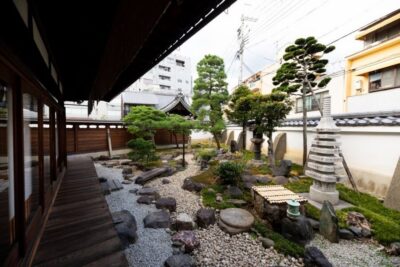
World Heritage Kyoto & Nara Uji Authentic Matcha Experience
Read our review →