
Review · JAPANESE CRAFT WORKSHOPS
Chopstick Making Workshop in Ginza
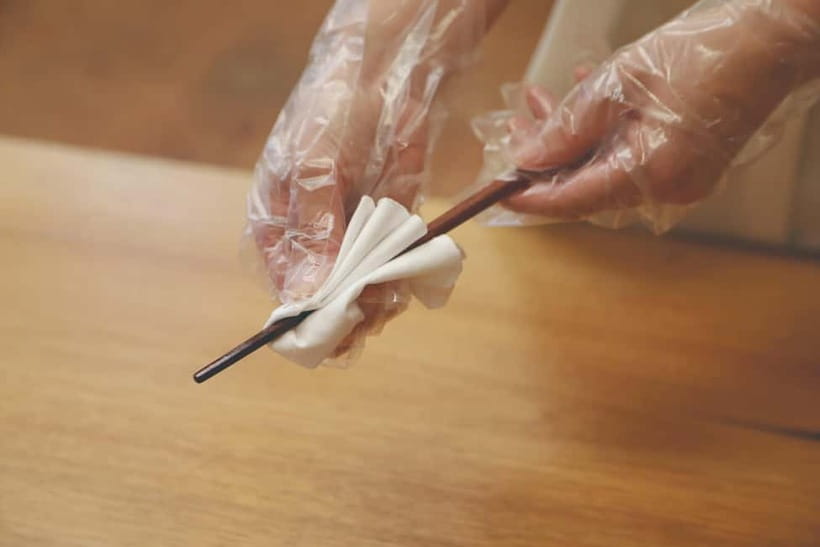
Handmade chopsticks are oddly addictive. In Ginza, you pick from 24 wood types and carve them on the spot, then add your own name engraving if you want a keepsake that feels truly Japanese.
The only catch is that this is real woodworking, not a demo, so plan on using your arms and patience when planing and sanding, especially with tougher grains like olive.
In This Review
- Key highlights at a glance
- Getting To Ginza’s Chopstick Workshop And What You Pay For
- Picking Your Wood: 24 Options And Two Lengths
- Shaping The Chopsticks With A Plane And Sandpaper
- Oil Finish, Comfort Grip, And Taking Your Chopsticks Home
- Optional Laser Engraving: Names And Favorite Phrases
- Who Should Book This Workshop, And Who Might Want To Skip
- My Practical Tips For Getting A Great Pair In 1 Hour
- Should You Book Chopstick Making In Ginza?
- FAQ
- How long does the chopstick-making workshop take?
- How much does it cost?
- Can I choose different wood types?
- How much is the optional engraving?
- Can I take the finished chopsticks home the same day?
- Do you get English help during the workshop?
- Where do I meet for the workshop?
- Is the workshop wheelchair accessible?
- Is it suitable for young children and older adults?
Key highlights at a glance
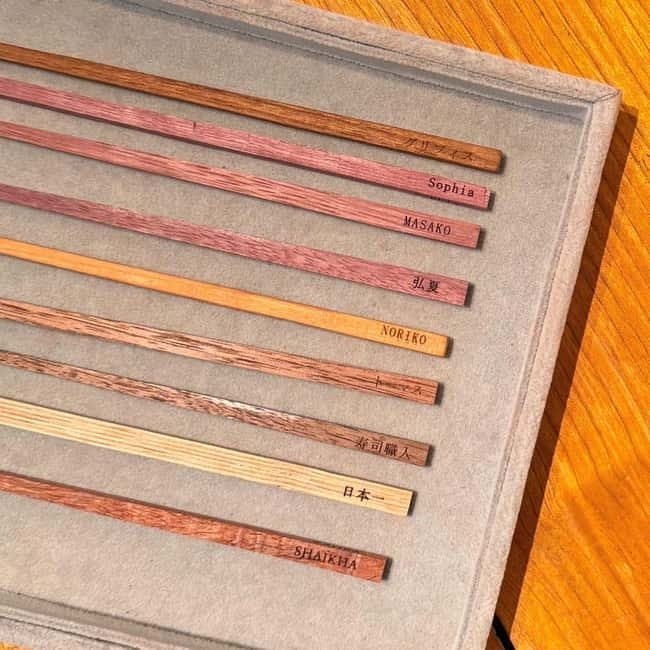
- 24 wood choices plus two different lengths for your custom pair
- Hands-on tools: plane your sticks, then smooth with sandpaper
- Oil finishing for a polished look you can use right away
- Optional laser engraving of your name or a favorite phrase
- Same-day takeaway: you leave with the finished chopsticks
- English support from staff, with guidance at each step
Getting To Ginza’s Chopstick Workshop And What You Pay For
You’re starting in central Tokyo, at 2-9-13 Ginza, Chuo-ku, Tokyo. The class runs about 1 hour, which is perfect if you want a hands-on craft without turning your whole afternoon into a workshop day.
The base price is $25 per person, and it includes the core experience, tool use, materials, and English-speaking staff. There’s also a guide fee included (listed as 1,000 yen in the details), so you’re not just handed tools and left to figure things out.
Now for value, the smart way to look at the pricing is this: you’re paying for instruction plus the satisfaction of making something functional. But you can also spend more, because most of the better wood choices cost extra and engraving costs extra too. If you’re the kind of traveler who wants one perfect pair, that’s fine. If you’re trying to keep it budget tight, stick to the included woods and use engraving only if you really want the personalization.
More Craft Workshops in Tokyo
- Tokyo: Samurai Sword & Archery Class from Samurai Descendant
★ 5.0 · 603 reviews - Tokyo: Shinjuku Chopstick Making Class
★ 4.9 · 440 reviews - Tokyo: Calligraphy on Kanji Fan & Scroll with Drink
★ 5.0 · 210 reviews
Picking Your Wood: 24 Options And Two Lengths
The fun begins before you touch any tools. You choose from 24 types of wood and two lengths, so you can tailor the look and feel of your chopsticks.
Here’s the key detail for planning: 5 wood types are included at no additional charge, while the other 19 are higher-grade woods that cost more. That means your final total can vary depending on what you want. Some people go with the included woods to keep it simple, then get the engraving as the upgrade that feels most meaningful.
If you’re unsure what to choose, think like this:
- Softer or more cooperative woods can help you finish smoothly within an hour
- Harder woods can be more rewarding, but they require more pressure and control
In practice, some guests found certain specialty woods harder to work with, like olive, and needed extra patience to shape and sand evenly.
You’ll also see that this workshop is run by a woodworking company, and they keep the process in-house. That matters because it usually translates into better setup, clearer guidance, and more consistency between tools, materials, and what you end up with.
Shaping The Chopsticks With A Plane And Sandpaper
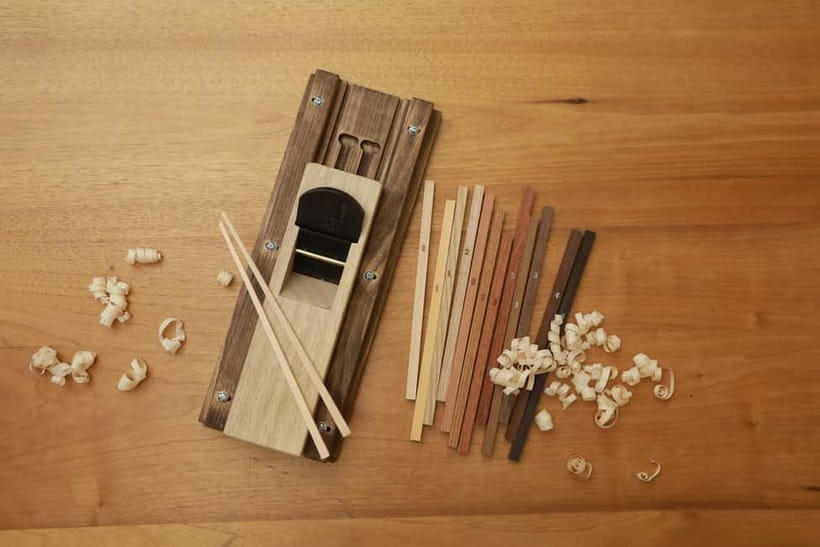
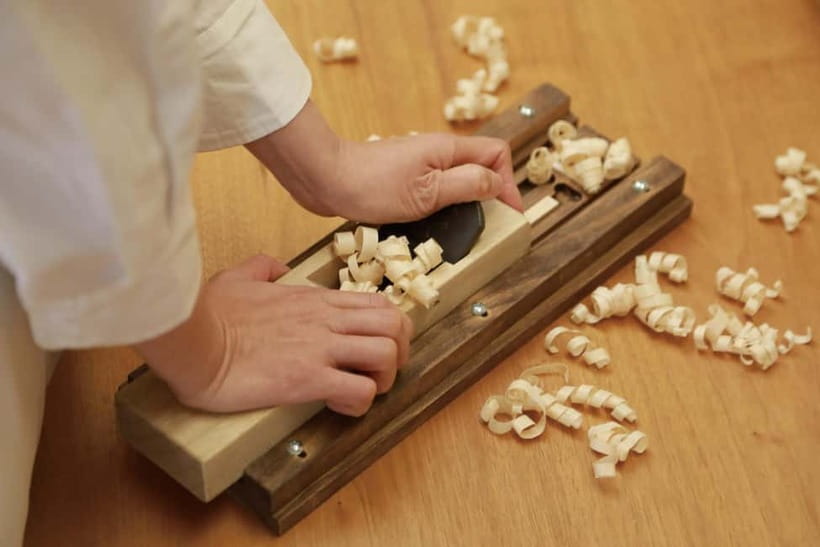
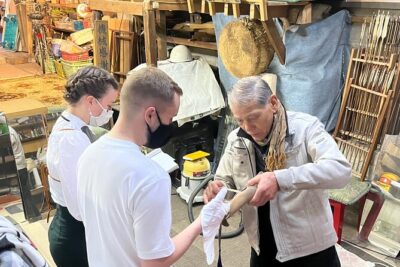
This is where the experience gets real. You place your wood on the stand, then carve the chopsticks using a plane, followed by smoothing with sandpaper. You’re not just sanding something already shaped. You’re shaping it.
The plane part takes commitment. It takes arm strength, and it rewards good technique. If you’re expecting a casual, make-it-and-leave craft, recalibrate. This is closer to a wood shop session with expert supervision.
A few practical realities to expect:
- You’ll need to control pressure so you don’t over-shave one side
- Tips and corners matter, and smoothing them well is what makes the pair feel comfortable later
- You might find yourself slowing down when you’re trying to get symmetry
The nice news is that staff are there throughout, and the class is designed so you’re not stuck. In past sessions, instructors with names like Tina and Waka have been singled out for patient, step-by-step help, and that kind of guidance is exactly what you want when you’re using a plane for the first time.
Also, keep your hands ready. Tie back long hair and keep sleeves from catching. One small thing can turn a smooth session into an awkward one fast when sanding gets active.
Oil Finish, Comfort Grip, And Taking Your Chopsticks Home
Once shaping is done, you move to finishing: you coat the chopsticks with oil. The oil step is important because it turns raw wood into something that looks polished and ready for real use. It also helps you feel the difference between unfinished and finished wood in a way photos never capture.
The biggest win here is that you take your finished chopsticks home the same day. That matters in Tokyo, where lots of workshops end with a shipping promise. This one ends with something you can unwrap, inspect, and start using at dinner without waiting.
Will your pair look identical to the next one in the room? Probably not, and that’s part of the charm. Your hands did the work, so you’ll notice the tiny marks and the personal balance of your shaping. For me, that’s what makes the souvenir feel more than a purchase.
A different sort of day in Japan:
- Mt Fuji and Hakone 1-Day Bus Tour Return by Bullet Train
★ 5.0 · 26,383 reviews - 1-Day Tokyo Bus Tour
★ 5.0 · 14,250 reviews - Tokyo: TOKYO SKYTREE® Admission ticket
★ 4.5 · 11,192 reviews - Tokyo: teamLab Planets TOKYO Digital Art Museum Entry Ticket
★ 4.6 · 9,779 reviews
Optional Laser Engraving: Names And Favorite Phrases
If you want your chopsticks to feel like your own little piece of Tokyo, the engraving option is the upgrade to consider.
For an additional 1,100 yen, you can have your name engraved or a favorite phrase. Engraving can be done in Japanese or your native language, and staff can help you get the characters handled in a way that still feels authentic. The engraving uses a high-performance laser designed to put gentle stress on the wood, so you’re not getting a heavy-handed process that damages your work.
This is also one of those upgrades that actually makes sense. A finished chopstick pair is already a nice functional souvenir. Engraving turns it into something you’ll keep seeing at meals and automatically associating with that one hour of effort in Ginza.
If you’re traveling as a couple, this can be a fun way to add personality. If you’re traveling as a family, it’s a great way to make each person’s piece feel special, even if the skill levels vary.
Who Should Book This Workshop, And Who Might Want To Skip
This workshop is best for people who like doing, not just watching. If you enjoy practical crafts, and you’re curious about how everyday Japanese items are made with care, you’ll have a good time.
It’s also a strong choice for groups because everyone gets a clear workflow: choose wood, plane, sand, oil, optionally engrave. And staff are on hand in English and Japanese, which makes a big difference when instructions are tied to what your hands are doing.
A few suitability notes:
- It is wheelchair accessible
- It is not suitable for children under 3
- It is not suitable for people over 70
So, for families with teens or older kids who can follow tool instructions and handle the physical part, it’s a satisfying activity. There’s a certain pride that comes from eating with chopsticks you made yourself, even if your first attempt needs a little extra sanding.
For seniors, the issue isn’t interest, it’s the practical demands of planing and sanding. If you fall into the age range above 70, I’d skip this one.
My Practical Tips For Getting A Great Pair In 1 Hour
You have 1 hour, so you’re working with a timer, even if the staff helps you along. Here’s how to make the most of that time.
First, choose a wood you’ll be happy sanding. If you want to minimize stress, pick from the included options first. If you really want a specialty wood, be mentally ready that some types can be tougher to shape and may demand more patience.
Second, focus on evenness early. If one side is getting too thin, you’ll feel it later. The best time to correct is during the plane stage, not after you’ve sanded most of the way.
Third, ask for help early, not when you’re already frustrated. If you’re unsure about pressure or angle, get a quick adjustment. The class works best when you keep moving forward with guidance.
Fourth, bring basic readiness:
- Keep sleeves secure
- Tie long hair back
- Wear comfortable shoes for standing during tool time
Finally, if you’re the type who wants a near-perfect finish, know that some sessions have run a bit longer so people can get their sanding right. It’s not guaranteed, but it’s worth asking politely if you’re close and just want a little more time to smooth everything.
Should You Book Chopstick Making In Ginza?
Yes, if you want a souvenir that you’ll actually use, and you enjoy hands-on work more than photos. The best part is the combination: choice of wood, real shaping with a plane, oil finishing, and the option to engrave your name. It’s not just a craft, it’s a practical memory.
Skip it if you want something passive or if you’re worried about the physical side of planing and sanding. This class asks you to do real work. That’s also why people leave feeling proud, not just entertained.
If your trip to Tokyo has an opening for one focused activity in Ginza, this is one of the best ways to spend an hour turning raw wood into something you’ll use at the table for years.
FAQ
How long does the chopstick-making workshop take?
The workshop lasts about 1 hour.
How much does it cost?
The price is listed as $25 per person, with additional charges possible for higher-grade wood and for optional engraving.
Can I choose different wood types?
Yes. You choose from 24 types of wood and two different lengths. Some wood types are included, and others cost extra.
How much is the optional engraving?
Engraving is available for an additional 1,100 yen.
Can I take the finished chopsticks home the same day?
Yes. You can take your finished chopsticks home on the day.
Do you get English help during the workshop?
Yes. English-speaking staff are available, and the languages listed for instruction are English and Japanese.
Where do I meet for the workshop?
The meeting point is 2-9-13 Ginza, Chuo-ku, Tokyo.
Is the workshop wheelchair accessible?
Yes. The experience is listed as wheelchair accessible.
Is it suitable for young children and older adults?
It is not suitable for children under 3 years old, and it is also not suitable for people over 70 years old.
Newly listed around Tokyo
- Tokyo private transfer for Yokohama Port★ 4.5 · 63 reviews
- Luxury Kimono Photoshoot at Ginza Tokyo★ 5.0 · 7 reviews
- Tokyo Allstar Food Tour★ 4.5 · 206 reviews
- Tokyo Art Aquarium Museum E-Ticket with optional Tokyo Metro Pass★ 5.0 · 17 reviews
- Tokyo: Best Ginza Food Tour at 3 Local Eateries★ 5.0 · 83 reviews
- Private One Day Nikko Tour with Bilingual driver★ 3.5 · 11 reviews
- PRIVATE tour in 180SX to Daikoku+++++★ 5.0 · 6 reviews
- Kabuki Talk★ 5.0 · 10 reviews
Japanese Craft Workshops, compared.
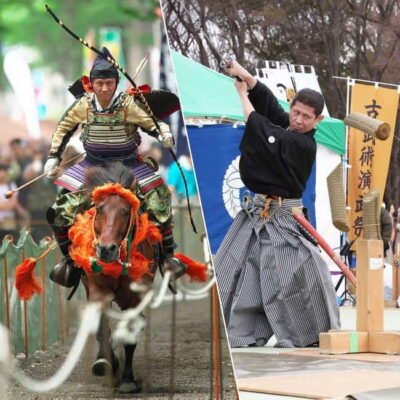
Samurai Sword & Archery Class from Samurai Descendant
Read our review →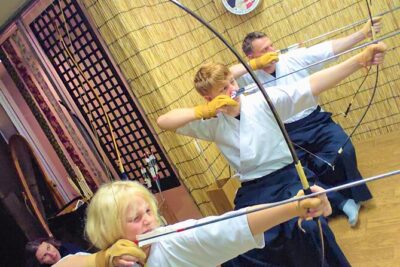
Japanesel Archery Experience HIROSHIMA CASTLE SHARAKU
Read our review →
Authentic knife making experience at a blacksmith in Kyoto
Read our review →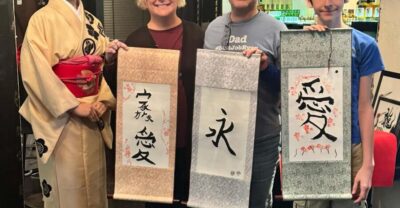
Calligraphy class at Buddhist temple in city center
Read our review →Browse the lists this tour appears in