
Review · JAPANESE CRAFT WORKSHOPS
Tokyo: Shinjuku Chopstick Making Class
Chopsticks can be therapy. In this 1-hour Shinjuku workshop, you’ll carve your own wooden pair of chopsticks with traditional tools. I especially like the hands-on carving and the patient English coaching from instructors such as Koji and Shu. One possible drawback, the room is small, so if you hate crowds, you may feel a little shoulder-to-shoulder.
This is also a rare souvenir you actually use. You choose from two included wood options, smooth the handle, and finish your chopsticks to take home in special wrapping, ready for dinner or gifting.
The class runs in Shinjuku, but it feels quiet once you’re at your table. Plan to arrive a few minutes early to find the 10th floor meeting point at the Shinjuku West Building.
In This Review
- Key things I’d put on your radar
- Finding the Shinjuku West Building meeting point fast
- What makes this chopstick class worth your time
- Step 1: Choosing your wood and getting oriented
- Step 2: Carving your chopsticks with traditional tools
- Step 3: Smoothing, finishing, and making them look ready for dinner
- Optional upgrades: higher-grade wood and engraving
- What you take home, and how to use it right away
- How long it takes, and how the pace feels
- Price and value: is $12 a good deal
- Who this class suits best (and who might skip it)
- Quick tips so your chopsticks turn out nicer
- FAQ
- How long is the Shinjuku chopstick making class?
- Where do I meet for the workshop?
- Is the instructor English-speaking?
- What is included in the price?
- Do I get to take my chopsticks home?
- Can I pay later?
- Can I cancel for a refund?
- What wood options are included?
- Is engraving available?
- Should you book this chopstick making class?
Key things I’d put on your radar
- You carve a real pair of chopsticks, then take them home in special wrapping.
- Beginner-friendly, slow pace with step-by-step help from English-speaking instructors like Koji, Shu, and Yuki.
- Traditional tools and Japanese techniques are part of the method, not just a demo.
- Two wood types are included, with more advanced woods available for an extra fee.
- Personalization is possible, with engraving offered at an additional cost.
- The experience is soothing, with lots of patience when your wood acts up.
Finding the Shinjuku West Building meeting point fast
You’re meeting at the 10th floor of the Shinjuku West Building. Take the elevator up, then go from there to the workshop space. The building is near the post office, and it’s associated with 617 Bar.
If you’re arriving by train, don’t try to rush across streets while juggling your daypack. Give yourself a little buffer, because Shinjuku can be easy to misread, especially when you’re hunting floor numbers.
Once you’re inside, the workshop setup is compact. That matters because it usually means instructors can keep an eye on your progress without long waits.
More Craft Workshops in Tokyo
- Chopstick Making Workshop in Ginza
★ 4.8 · 1,366 reviews - Tokyo: Samurai Sword & Archery Class from Samurai Descendant
★ 5.0 · 603 reviews - Tokyo: Calligraphy on Kanji Fan & Scroll with Drink
★ 5.0 · 210 reviews
What makes this chopstick class worth your time
A chopstick class sounds simple, but the craft is real. In Japan, chopsticks are everyday tools, and learning the shape and finish gives you a deeper appreciation for why they feel right in your hand.
This experience also has a calming rhythm. You’re doing small, controlled tasks, and you get guidance at each step, so you’re not just watching a show.
The best part is that you leave with something functional. It’s not a decorative souvenir that stays in a drawer, unless you decide to be that kind of person.
Step 1: Choosing your wood and getting oriented
The ticket includes a choice of wood, and the class provides two wood types included. Your guide will help you pick, and it can affect how easy or tricky the carving feels.
A theme from past participants is that some wood choices are more forgiving than others. If you’re nervous about messing up, consider choosing the easier option first, then upgrade next time.
You’ll also get an overview of the tools before the carving starts. Many instructors, like Koji, are known for being very clear, and they slow down when someone needs extra help.
Step 2: Carving your chopsticks with traditional tools
This is where the class becomes satisfyingly hands-on. You’ll carve your own pair of chopsticks using traditional tools and Japanese techniques, guided by an English-speaking instructor.
Expect a step-by-step process: shaping the wood first, then working toward the final form. Your goal is clean lines and an even feel, not speed.
If you run into trouble, staff assistance is part of the design. For example, one participant highlighted support from Masa when their chopsticks weren’t cooperating. That kind of quick course correction is what turns a potential frustration into a finished set.
And yes, your hands will get covered in fine shavings. That’s normal. It’s also strangely relaxing, like quiet desk work but with better bragging rights.
A few more Shibuya and Shinjuku Nightlife around Tokyo:
- Tokyo: Shinjuku Food Tour (13 Dishes at 4 Local Eateries)
★ 5.0 · 6,603 reviews - Tokyo Bar Hopping Tour in Shinjuku (All-You-Can-Drink + Dinner)
★ 5.0 · 3,587 reviews - Official Street Go-Kart in Shibuya
★ 5.0 · 3,435 reviews - Tokyo: Shinjuku Food Tour (15 Dishes and 4 Eateries)
★ 4.9 · 2,033 reviews
Step 3: Smoothing, finishing, and making them look ready for dinner
After carving, you’ll smooth the surface. This step matters more than people expect, because smoothing changes how comfortable the chopsticks feel when you pick them up.
Finishing is also where your chopsticks start looking like an actual set, not a craft project. Your instructor checks details and helps you reach the finish that fits the tool’s purpose.
One thoughtful touch is that staff often help with small extras like taking photos. Several people mentioned instructors taking pictures for them, which is nice if you’re traveling solo and you don’t want to play phone photographer all day.
Optional upgrades: higher-grade wood and engraving
The base experience includes two wood types, but additional woods can cost extra. If you’re curious about a more premium feel, you can choose a higher-qualified wood for an additional fee.
Engraving is another popular add-on. Multiple participants mention laser name engraving at an extra cost, commonly listed at 2000 JPY. If you like souvenirs that feel personal, engraving turns your chopsticks into a true keepsake.
One useful tip: engraving adds a bit of ceremony at the end. It’s a good way to mark the moment you finish, especially for kids or first-time makers.
What you take home, and how to use it right away
You’ll leave with your handmade chopsticks. They come with special wrapping, so you can store them neatly or gift them immediately.
You also might get to keep the wood shavings. One participant described taking the natural shavings home for projects like adding essential oils for bath fragrances or pot-pourri. If you want to do something like that, just make sure the wood is safe to take home based on what the staff tells you.
In practical terms, treat your new chopsticks like a fresh knife. Use them for a meal soon after, then wipe and store them gently. That keeps them looking good, and it helps you avoid a sad situation where your souvenir gets stuck with old-food memories.
How long it takes, and how the pace feels
The class lasts 1 hour. In that time, you’ll go from raw wood to a finished pair, with instruction throughout.
A few reviews suggest the time can feel efficient, sometimes even quicker than expected. Still, don’t plan a super tight schedule right after. You’ll want a few minutes to settle, ask questions, and wrap your chopsticks before heading out.
Small-room setup usually means you aren’t waiting around. That’s a big deal for a hands-on class in a busy area like Shinjuku.
Price and value: is $12 a good deal
At $12 per person, this is one of the more affordable hands-on craft activities in Tokyo. The value comes from three things: you get real tools and real instruction, you take home a functional item, and you can personalize it further if you want.
Yes, there can be add-on costs for different wood options and engraving. But the base is still complete. You’re not required to pay extra to get a solid outcome.
If you’re the type who thinks souvenirs should earn their shelf space, this is a strong pick. Your chopsticks are small, lightweight, and easy to pack, which beats hauling around anything fragile or bulky.
Who this class suits best (and who might skip it)
This class is ideal for people who like doing things with their hands. If you want a break from crowds, it’s a calm change of pace.
It’s also a solid family-friendly option. Multiple people mention kids enjoying it, including families with children around elementary and early teens ages.
If you hate close quarters, note that the workshop is described as compact. And if you’re very picky about woodworking, you may want to choose a wood type that feels easier to carve, since some options can be tougher.
Quick tips so your chopsticks turn out nicer
- Arrive a few minutes early so you can settle before carving starts.
- Pick the easier wood option first if you’re worried about difficulty.
- Ask for help early, especially if the wood feels stubborn. Staff support is part of the experience.
- Plan your engraving decision in advance if you want names or a date.
- Wear clothes you don’t mind getting shavings on, even if the staff keeps things tidy.
FAQ
How long is the Shinjuku chopstick making class?
The class lasts 1 hour.
Where do I meet for the workshop?
Meet at the 10th floor of the Shinjuku West Building. Use the elevator. The building is close to the post office and associated with 617 Bar.
Is the instructor English-speaking?
Yes. The English instructor and English-speaking staff are included.
What is included in the price?
The workshop includes chopstick making, use of traditional and authentic tools, English-speaking staff, and a choice of wood (two types included). You also make your own chopsticks and take them home.
Do I get to take my chopsticks home?
Yes. You carve your own chopsticks and take them home in special wrapping.
Can I pay later?
Yes. The option is reserve now and pay later.
Can I cancel for a refund?
Yes. Free cancellation is available up to 24 hours in advance for a full refund.
What wood options are included?
Two types of wood are included in the ticket price. Additional wood types are available for an extra cost.
Is engraving available?
Engraving is available as an extra add-on.
Should you book this chopstick making class?
If you want a hands-on Tokyo experience that’s calm, practical, and actually useful afterward, I’d book it. The price is low for what you get: guided carving, traditional tools, and take-home chopsticks.
The only reason to skip is if you strongly dislike compact indoor spaces or you know you’ll refuse to pay any optional fees. If that’s you, just go with the two included wood choices and focus on making the best pair you can.
Newly listed around Tokyo
- Tokyo private transfer for Yokohama Port★ 4.5 · 63 reviews
- Luxury Kimono Photoshoot at Ginza Tokyo★ 5.0 · 7 reviews
- Tokyo Allstar Food Tour★ 4.5 · 206 reviews
- Tokyo Art Aquarium Museum E-Ticket with optional Tokyo Metro Pass★ 5.0 · 17 reviews
- Tokyo: Best Ginza Food Tour at 3 Local Eateries★ 5.0 · 83 reviews
- Private One Day Nikko Tour with Bilingual driver★ 3.5 · 11 reviews
- Japanese Whisky Tasting Experience at Local Bar in Tokyo★ 5.0 · 59 reviews
- PRIVATE tour in 180SX to Daikoku+++++★ 5.0 · 6 reviews
Japanese Craft Workshops, compared.
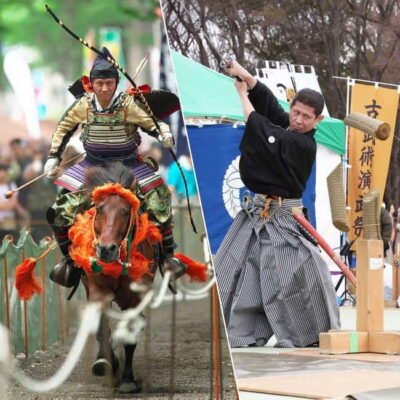
Samurai Sword & Archery Class from Samurai Descendant
Read our review →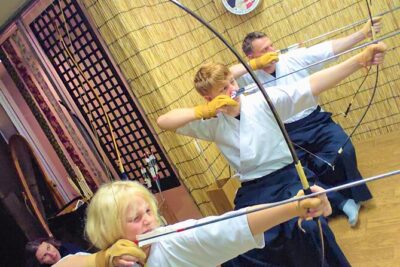
Japanesel Archery Experience HIROSHIMA CASTLE SHARAKU
Read our review →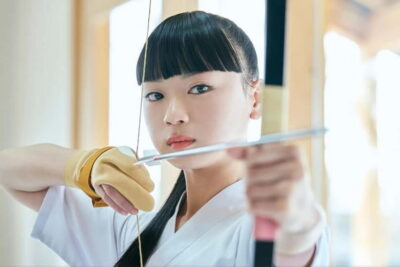
Authentic knife making experience at a blacksmith in Kyoto
Read our review →
Calligraphy class at Buddhist temple in city center
Read our review →Browse the lists this tour appears in