
Review · MATCHA & TEA CEREMONY SESSIONS
Experience Japanese calligraphy & tea ceremony at a traditional house in Nagoya
Ink and matcha in samurai Nagoya. In a real kominka house with tatami mats, shoji paper walls, and a quiet garden, you get a hands-on Japanese culture experience that pairs calligraphy with matcha tea. What I like most is the Sengoku-period context before you pick up the brush, and the fact you leave with a framed souvenir from your own writing.
One consideration: you’ll be spending your time in traditional rooms and tea settings, so expect a slower, sit-and-focus kind of pace. If you prefer fast, sightseeing-style experiences, this one may feel more like a calm workshop than a tour.
In This Review
- Key highlights at a glance
- Why Nagoya’s Samurai-era setting matters for this workshop
- Entering a kominka: tatami, shoji, and the calm you need for calligraphy
- The 15-minute Sengoku-period history slideshow that sets the mood
- Japanese calligraphy: from ink rubbing to your framed souvenir
- Tea ceremony in the tea room: matcha first, then you serve
- What’s included, what to plan for, and how the small group changes things
- Who this workshop is best for (and who should think twice)
- Price, booking timing, and what you should do next
- Should you book Japanese calligraphy and tea ceremony in Nagoya?
- FAQ
- How long is the Japanese calligraphy and tea ceremony experience in Nagoya?
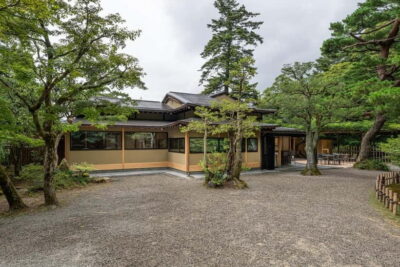
- Where does the experience take place?
- What is the price per person?
- What is included in the ticket?
- Are souvenirs included?
- How big is the group?
- Is the tour suitable for most people?
- What should I do if I have food allergies?
- When will I receive confirmation after booking?
- Can I change or get a refund if I cancel?
Key highlights at a glance
- Kominka house setting with tatami and shoji that feels lived-in, not staged
- Sengoku Nagoya slideshow in simple English to add meaning to what you do
- Calligraphy basics first, including how to hold the brush and move it
- Choose your own symbol from sample designs based on your preferred meaning
- Matcha tea served, then you practice serving yourself in the tea room
- Small group size (max 6) for a more personal feel
Why Nagoya’s Samurai-era setting matters for this workshop
Nagoya is often less on the radar than Tokyo or Kyoto, but it has serious samurai roots. During Japan’s Sengoku period in the 16th century, the Owari district around Nagoya was tied to powerful feudal lords, including Oda Nobunaga, Toyotomi Hideyoshi, and Tokugawa Ieyasu.
That background is not just trivia here. The workshop starts by framing the experience, so the rooms you’re in and the rituals you’re learning don’t feel random. You’re not only copying pretty brush strokes. You’re learning how Japanese aesthetics and discipline show up in daily culture, even in a quiet house setting like a kominka.
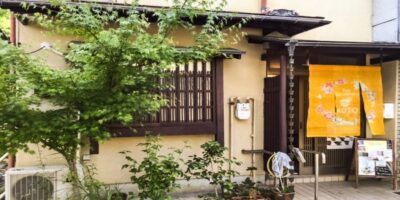
I also like the “real home” approach. The experience takes place in a traditional residence where people actually used to live. When you step inside and see the home details still around you, the calligraphy tools and tea utensils feel more grounded. It’s not a performance space designed for photos. It’s a place where you can concentrate.
More Tea ceremonies in Nagoya:
- Nagoya: Japanese Traditional Sweets making and Tea Ceremony
★ 4.9 · 76 reviews - Tea Ceremony Experience
★ 4.8 · 7 reviews - Kyoto: Tea Ceremony in a Traditional Tea House in Kiyomizu
★ 4.9 · 3,519 reviews
Entering a kominka: tatami, shoji, and the calm you need for calligraphy
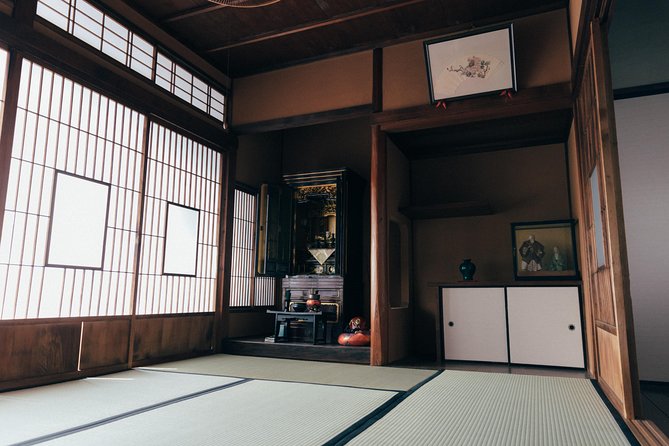
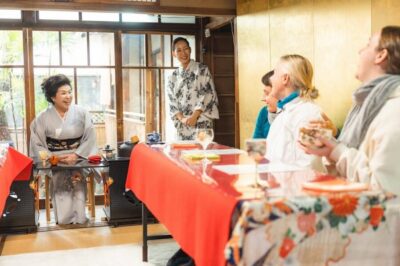
The experience begins in a traditional house in Nagoya, at a specific meeting point in Showa Ward. From there, you move into the home’s interior, where you’ll notice the classic features right away: tatami mats, shoji paper walls, and a traditional Japanese garden feeling.
This matters because calligraphy needs focus. The workshop is built around that quiet mindset. You’re asked to slow down enough to pay attention to small movements, like how the brush tip contacts the paper and how steady your strokes are.
In a typical classroom, you might learn techniques on a desk. Here, the environment helps you do the technique part correctly because it encourages calm. You’re also more likely to remember what you learned since the setting stays with you. That’s one reason this kind of workshop can feel more meaningful than a quick demo.
Practical tip: wear comfortable clothes and shoes you can remove easily if needed. The rooms are traditional, so plan to move carefully and settle in without rushing.
The 15-minute Sengoku-period history slideshow that sets the mood
Before anyone hands you a brush, you get a short history commentary, around 15 minutes. It includes an easy-to-understand slideshow about Nagoya during the Sengoku period.
This is not a long lecture. It’s a quick primer that gives you a framework. When you later learn calligraphy and tea ceremony basics, you understand that these practices are part of broader Japanese culture shaped by eras of discipline, identity, and social ritual.
You don’t need to be a history buff. The workshop is designed so the background is understandable even if you only know the names of major figures from school or pop culture. The point is to help you connect the experience to place, not to test your knowledge.
I appreciate this step because it changes your mindset. Instead of treating calligraphy as a craft activity, you start treating it as something with cultural roots.
Japanese calligraphy: from ink rubbing to your framed souvenir
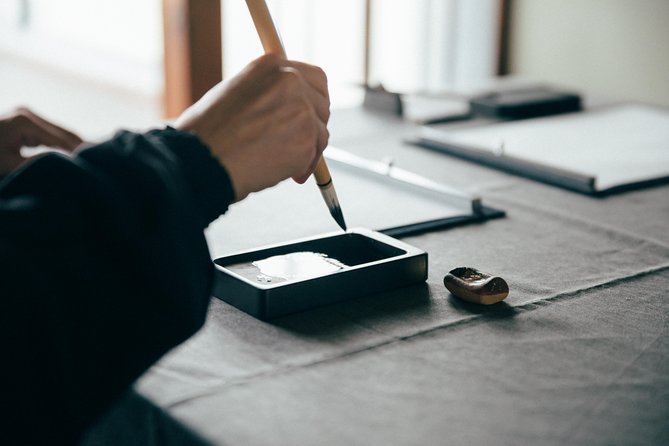
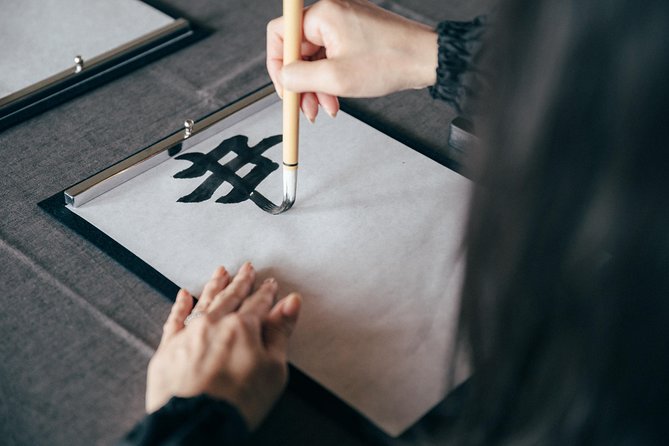
After the history chat, the workshop shifts into pure hands-on learning: Japanese calligraphy. The process starts with ink preparation. You drip water onto the inkstone and slowly rub an ink stick, building ink consistency step by step.
That part is oddly satisfying. There’s a sensory quality to it, too, including the smell of ink and the quiet atmosphere of the house. It’s hard to multitask through this step, which is exactly why it works. You get into a focused rhythm before you even touch the paper.
Next comes the basics. You’ll learn how to hold the brush and how to move it. Even if you have zero experience, this sequence helps you avoid common beginner mistakes, like using the wrong grip or making strokes too stiff.
Then you choose what you want to write. You select symbols with meanings you like and designs you prefer from sample options. That choice makes a difference. Calligraphy can feel intimidating if you’re given one generic character to copy. Here, you steer the subject based on what resonates with you.
Finally, you write on a clean copy. After you finish, your work is framed and becomes a souvenir from the experience.
Value note: framed calligraphy adds up if you try to buy it later. Here, you’re not only learning the technique. You’re producing something you can take home, framed, with a direct personal connection.
Practical tip for best results: don’t chase perfection. Focus on smooth, controlled motion. The process is more important than producing calligraphy that looks like a master’s poster.
More Craft workshops in Nagoya:
- Chopstick Making Workshop in Ginza
★ 4.8 · 1,366 reviews - Tokyo: Samurai Sword & Archery Class from Samurai Descendant
★ 5.0 · 603 reviews - Tokyo: Shinjuku Chopstick Making Class
★ 4.9 · 440 reviews - Japanesel Archery Experience HIROSHIMA CASTLE SHARAKU
★ 5.0 · 387 reviews
Tea ceremony in the tea room: matcha first, then you serve
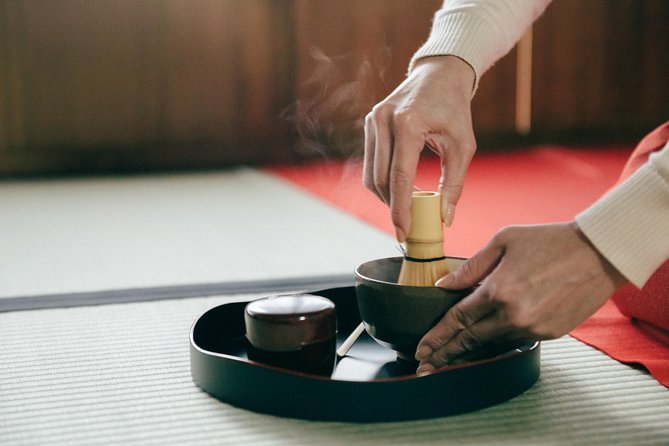
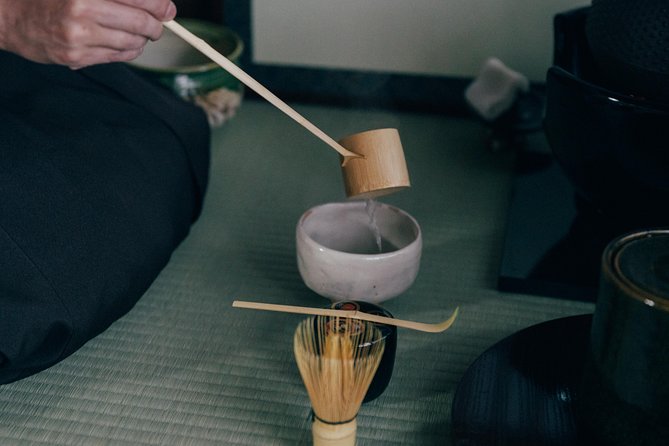
Once calligraphy wraps up, you move to the tea room. The host explains the tea room setting and the utensils. This is a key part of the experience, because the tea ceremony is not only about the taste of matcha. It’s also about the form and flow of how tea is handled and served.
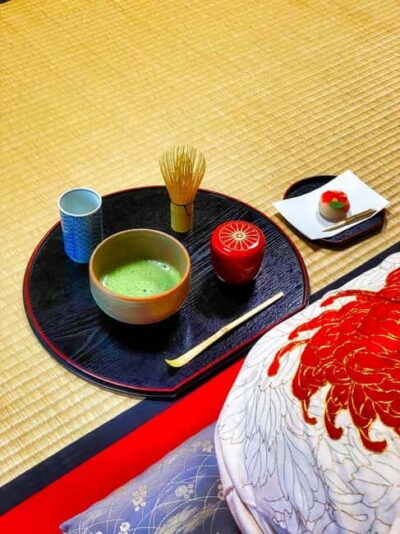
First, you try matcha tea as the host serves it. You’ll also get Japanese sweets along with your tea. This softens the edges of the ritual. You can pay attention to the flavor while your guide handles the steps at first.
After you get used to the atmosphere, you get to try serving tea yourself. This is where you move from watching into doing. You’re practicing the gestures and pacing that make the ceremony feel calm rather than rushed.
I like this two-step method. If you’re new, serving yourself right away can feel like pressure. Serving after you’ve tasted and observed makes it more achievable, and the learning sticks better.
Also, the experience includes coffee and/or tea, but matcha tea is specifically part of the tea ceremony portion. If you want a true tea experience, set your expectation that matcha is the focus.
What’s included, what to plan for, and how the small group changes things
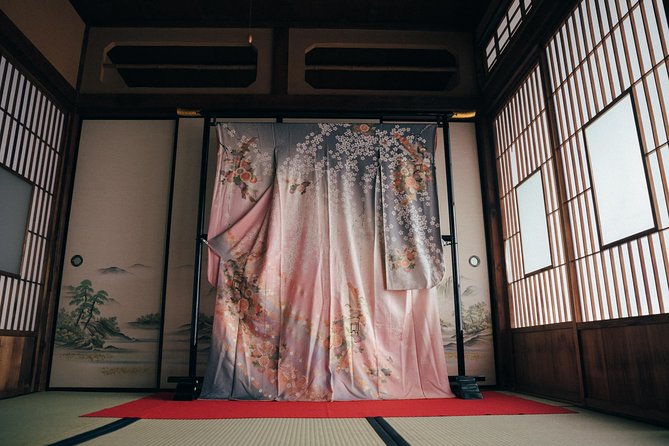
Here’s the practical picture. Your ticket includes:
- Matcha tea and some Japanese sweets
- Coffee and/or tea
- All tools of Japanese calligraphy
Souvenirs are not included beyond what your framed calligraphy provides as part of the experience. That framing is part of the calligraphy process, so you’re not walking out empty-handed.
The group size is capped at a maximum of 6 people. That small number matters. In a larger class, you might get only quick corrections. In a small group, you’re more likely to get the specific help you need, like adjustments to your brush grip or pacing while preparing ink.
Price and value: at $179.63 per person for about 2 hours 30 minutes, the cost isn’t low in the way a museum ticket is low. But it’s also not a generic add-on. You’re paying for a guided Sengoku context, hands-on calligraphy instruction with tools, and tea ceremony guidance in a traditional setting, plus a framed souvenir.
If you compare this to paying separately for a calligraphy class plus a tea ceremony with an English explanation, the bundled format is where the value starts to show.
One more practical note: the experience is a mobile ticket. Keep it ready on your phone for smooth check-in.
Who this workshop is best for (and who should think twice)
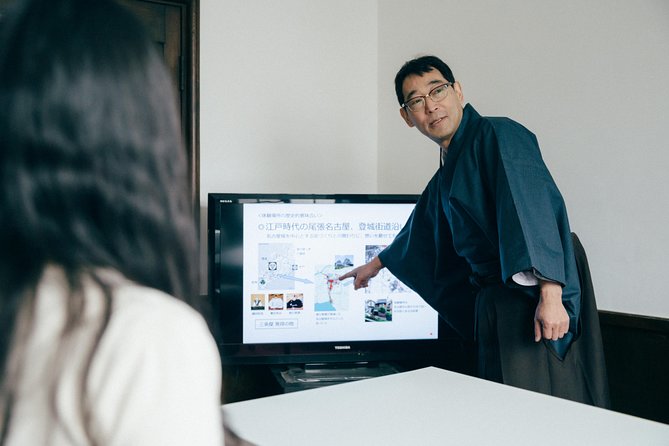
This works especially well if you want something more authentic than a standard cultural show. You get the calligraphy craft side and the tea ritual side in one visit, and both are connected to the home setting.
It’s also a strong pick for people who like structured guidance. The workshop teaches basics in order, from inkstone preparation to brush strokes to the sequence of the tea room experience.
You might think twice if you’re the type who wants lots of walking and multiple sights in a day. This is about one focused experience in one quiet space. You should book it when you want to slow down, sit, and learn.
If you have allergies, you should tell the provider in advance, since sweets are part of the included tea and snack setup.
Price, booking timing, and what you should do next
On average, this experience is booked about 17 days in advance. That’s a useful hint: don’t wait until the last minute if Nagoya is a key stop on your trip.
If you’re trying to plan around a tight itinerary, look at your schedule and reserve a time slot that gives you breathing room beforehand. You’ll want to arrive settled, not rushed. In a workshop like this, arriving frazzled makes it harder to enjoy the calm parts.
Also, the confirmation process is typically handled right away unless you book within 7 days of travel, in which case confirmation comes within 48 hours subject to availability. Plan for that if your trip timing is tight.
Should you book Japanese calligraphy and tea ceremony in Nagoya?
Yes, if you want a small-group, hands-on cultural experience in a genuine kominka house. The combination is smart: the Sengoku-period context helps you understand why the rituals matter, calligraphy gives you a skill and a framed keepsake, and tea ceremony teaches the process in a calm, practical way.
Also, if you’re traveling with a partner or a friend who likes crafts or quiet cultural activities, this format makes it easy to enjoy together without needing complicated planning.
You might skip it if you only want big-ticket sightseeing or you hate sitting and focusing for a couple of hours. This workshop is not trying to be loud or fast. It’s trying to be a thoughtful slice of Japanese culture.
FAQ
How long is the Japanese calligraphy and tea ceremony experience in Nagoya?
It runs about 2 hours 30 minutes (approx.).
Where does the experience take place?
It takes place in a traditional house (kominka) in Nagoya. The meeting point address is 4-chōme-32 Yamawakichō, Showa Ward, Nagoya, Aichi 466-0063, Japan, and the activity ends back at the meeting point.
What is the price per person?
The price is $179.63 per person.
What is included in the ticket?
You get matcha tea and Japanese sweets, and coffee and/or tea. The tour also includes all tools for Japanese calligraphy.
Are souvenirs included?
Souvenirs are not listed as included. However, your framed calligraphy work is part of the calligraphy experience.
How big is the group?
The experience has a maximum of 6 travelers.
Is the tour suitable for most people?
The info says most travelers can participate.
What should I do if I have food allergies?
Some sweets are provided, so you should tell the provider in advance if you have any allergies.
When will I receive confirmation after booking?
Confirmation is received at the time of booking, unless you book within 7 days of travel. In that case, you receive confirmation within 48 hours, subject to availability.
Can I change or get a refund if I cancel?
No. This experience is non-refundable and cannot be changed for any reason.
Newly listed around Nagoya
- Shirakawa-go and Hida-Takayama Private Day Trip from Nagoya★ 4.5 · 11 reviews
- Walking Small-Group Nagoya City Tour★ 5.0 · 13 reviews
- Toyota Automobile Tour for Car Lovers★ 4.5 · 11 reviews
- Private Full-day Nagoya City Tour★ 5.0 · 22 reviews
- Nagoya: 2026 Hida Takayama Shirakawa-go Light-up Winter Tour★ 3.5 · 16 reviews
- Pub Crawl in Nagoya★ 5.0 · 15 reviews
- Nagoya Private Tour with a Local: Highlights & Hidden Gems★ 5.0 · 13 reviews
- Nagoya Night Bar & Food Tour with Locals 【Private Tour】★ 4.5 · 9 reviews
Matcha & Tea Ceremony Sessions, compared.
Tea Ceremony in a Traditional Tea House in Kiyomizu
Read our review →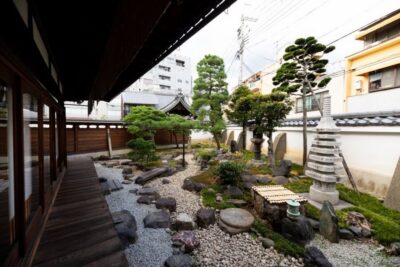

World Heritage Kyoto & Nara Uji Authentic Matcha Experience
Read our review →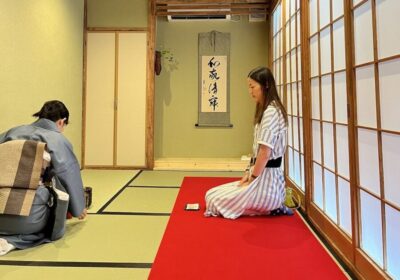
Browse the lists this tour appears in