
Review · SAMURAI SWORD & NINJA TRAINING
Tokyo: Samurai Sword & Archery Class from Samurai Descendant
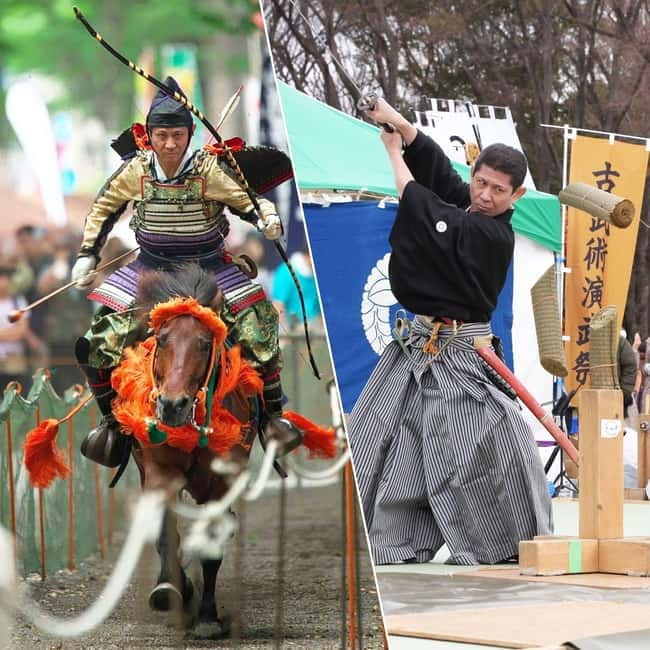
Sword cuts get real fast. In Tokyo, this 3-hour class at Toyama-ryu Bizen-kai brings iaido sword technique and Japanese horseback archery to the same training session.
I love the fact that you do real practice, not just demonstrations, with a clear progression from stance and sword handling to timing and sparring. I also like the instructor’s grounded take on samurai culture, the kind that explains what movies get wrong and why technique matters.
One consideration: this is a serious workout in a real dojo setting, so it can be demanding and it is not a fit if you have limitations like back problems or mobility issues.
In This Review
- Key points to know before you go
- A Tokyo Samurai Class That Actually Feels Like Training
- Finding Toyama-ryu Bizen-kai near JR Machida Station
- What the first moments feel like in a real dojo
- The Iai lesson: learning the katana swing and blade control
- Gekken and sparring: timing offense and defense with a practice sword
- Cutting on the move: the hardest part people notice
- Blade-line checks: small detail, big payoff
- Horseback archery practice: using a yumi-style bow
- Holding historic gear: antique matchlock gun hands-on moment
- Samurai history and the Toyama-ryu tradition demo
- The instructor style that makes it feel worth it
- Price and value: is $193 a fair deal?
- Who should book this class in Tokyo
- Who should skip it
- What to bring, what to wear, and how to prepare
- Should you book Samurai Descendant’s Tokyo Samurai Sword and Archery class?
- FAQ
- How long is the Tokyo Samurai Sword and Archery class?
- How much does it cost?
- Where do I meet for the class?
- Is the class small?
- Do you provide training clothes and equipment?
- What language is instruction offered in?
- What should I bring?
- What activities are included during the session?
- Is the class suitable for kids?
- Who should not book this experience?
- Is alcohol allowed?
Key points to know before you go
- A true two-discipline class: swordsmanship plus traditional horseback archery in one session
- Iai and gekken training: mock-sword form practice, then practice-sword sparring and timing
- Cutting on the move: slashing targets while moving is genuinely hard
- Traditional tools and costume: practice uniform and realistic training equipment, plus cultural context
- Small group feel: capped at 15 people, so you get more corrections
- English support from the instructor: the teaching is designed to be understood, even if your Japanese is limited
A Tokyo Samurai Class That Actually Feels Like Training
If you only know samurai culture from movies and games, this class will reset your expectations fast. Instead of staging a few moves for the camera, you train like a student in a real dojo at Toyama-ryu Bizen-kai, with a master instructor who continues the tradition and teaches it in a structured way.
The big appeal for me is the combination. You get sword forms and practical cutting, then you switch gears to Japanese horseback archery (yumi-style), where precision and follow-through feel very similar to good sword work. It is also the kind of experience where the details matter, grip, timing, and how your body lines up, not just the flashy part.
More Craft Workshops in Tokyo
- Chopstick Making Workshop in Ginza
★ 4.8 · 1,366 reviews - Tokyo: Shinjuku Chopstick Making Class
★ 4.9 · 440 reviews - Tokyo: Calligraphy on Kanji Fan & Scroll with Drink
★ 5.0 · 210 reviews
Finding Toyama-ryu Bizen-kai near JR Machida Station
This is in Honshu, Tokyo area, and the meeting point is easy to plan if you give yourself a little slack. Meet at Toyama-ryu Bizen-kai, a 10-minute walk from JR Machida Station. The dojo is on the third floor, and you use the stairs at the back between the sword shop and the vending machines on the first floor.
If you arrive late, you will feel rushed. Plan to show up early so you can settle, ask quick questions, and get into training clothes without stress. In a hands-on class, that matters more than you might think.
What the first moments feel like in a real dojo

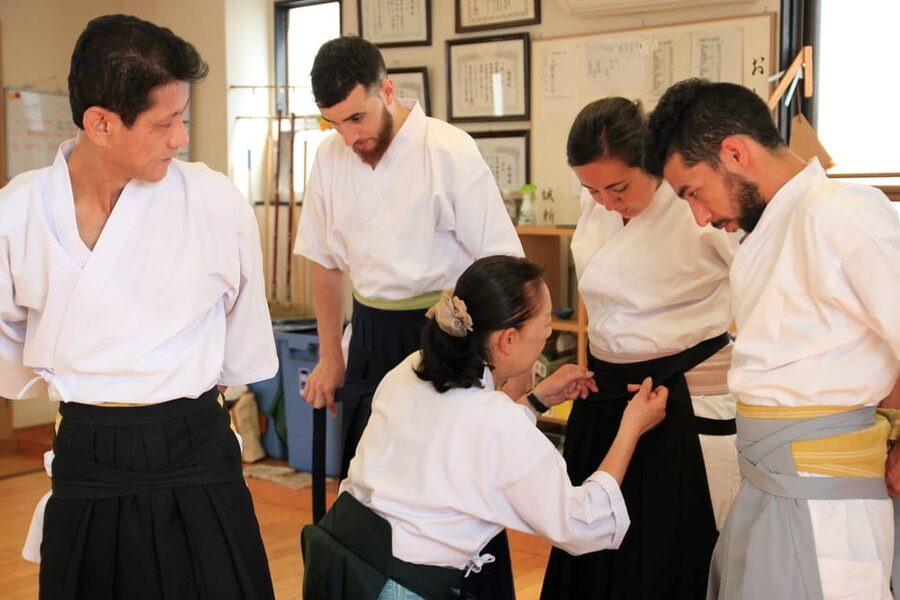
You start with a short lecture and then change into training wear. The class is described as not being for entertainment, and the tone matches that. You will notice it right away in how the instructor talks about safety, form, and respect for the discipline.
In terms of readiness, you will be asked for your height and weight so they can provide proper training uniforms. That is a practical touch, because sword and archery training depends on having clothes that let you move freely and don’t interfere with stance work.
You’ll also want a clear head for instruction. Even when the class is friendly, the instructor is strict about what you do with the sword, where your blade line goes, and how you practice without shortcuts. You should expect corrections, often repeated step by step until it clicks.
The Iai lesson: learning the katana swing and blade control
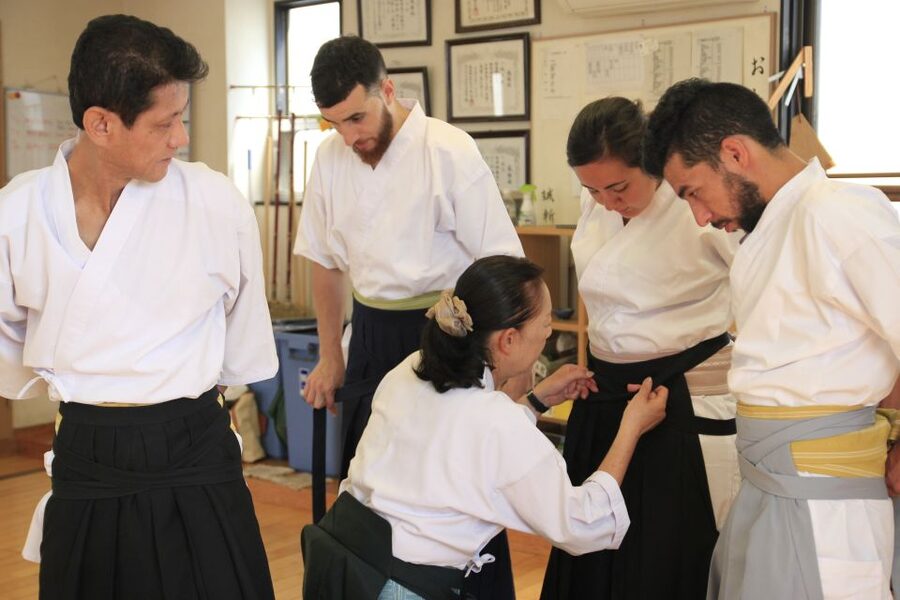
The first hands-on segment centers on iai, the sword-drawing and cutting discipline taught through kata-like forms. Here you use a mock sword first, so you can focus on the correct technique without the chaos of hitting targets right away.
What you learn is not just how to swing, it is how to set up the movement. You practice the basics of handling, the timing of the motion, and how your body moves from start to finish. Instructors in this style care a lot about the blade line, which is why you also get a chance to check it during the session.
If you have never held a sword before, this is the part that helps you stop moving randomly. Multiple instructors emphasize safety and proper form, and you should feel that you are being taught how not to do it wrong, so you can do it right.
More Samurai & Ninja Sessions in Tokyo
- Tokyo: Samurai Restaurant Show Ticket with 2 Drinks
★ 4.5 · 1,307 reviews - Tokyo: Samurai Ninja Museum Guided tour and Experience
★ 4.6 · 1,010 reviews - Ninja+Kabuki Tokyo
★ 4.5 · 512 reviews - Skip the lines Basic Ticket at SAMURAI NINJA MUSEUM TOKYO
★ 5.0 · 470 reviews
Gekken and sparring: timing offense and defense with a practice sword
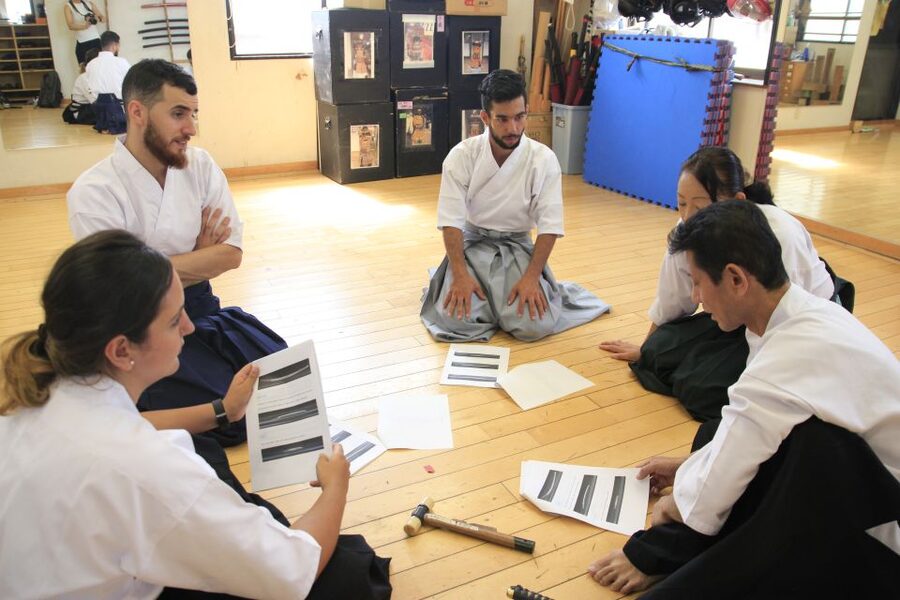
Once the basics settle, you move into gekken training. This is where the session shifts from solo form work into interaction and timing. You practice attack and defense timing and then spar with a practice sword.
Sparring sounds intimidating, but the structure is what makes it work. You are not just out there free-swinging. The instructor guides the sequence, watches what you do, and corrects your stance and timing so you can keep it safe and controlled.
This is also where you learn what makes real sword training different from the movie version. The cutting and sparring focus on precision, rhythm, and awareness of your partner, not wild speed. You might feel a sore forearm or legs afterward, because good stance work uses muscles you do not use much in daily life.
Cutting on the move: the hardest part people notice
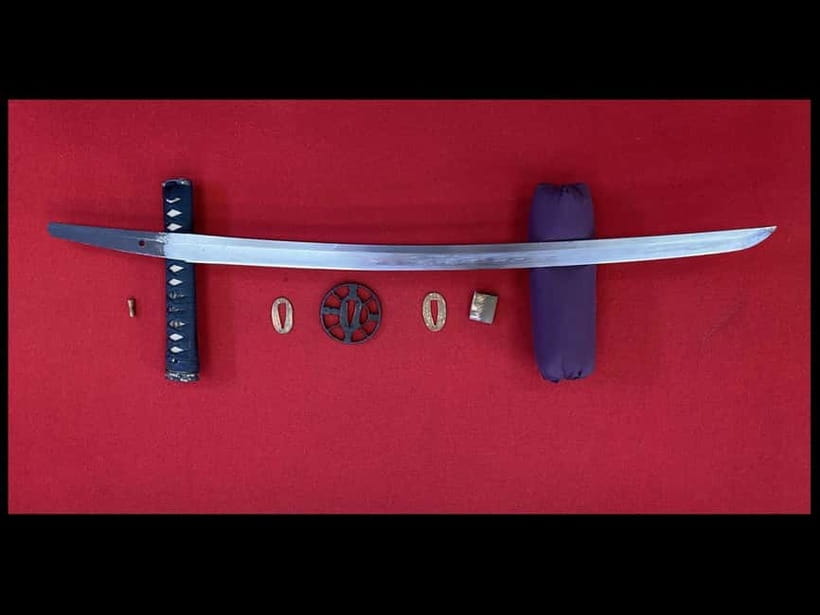
One of the most praised moments is the cutting practice where you slash multiple targets while moving. That is the part that sounds cool in a description and then becomes very challenging in real life. If your footwork is off or your swing comes late, your target timing breaks immediately.
This is exactly why the class is so satisfying. The instructor has you practice in a way where difficulty has a purpose. You start with clean mechanics, then you add the problem of motion, and suddenly it makes sense why samurai sword skill was built through years of repetition.
If you are the kind of traveler who likes “I tried it and it was harder than I expected” stories, this is the section to remember on your way out the door.
Blade-line checks: small detail, big payoff
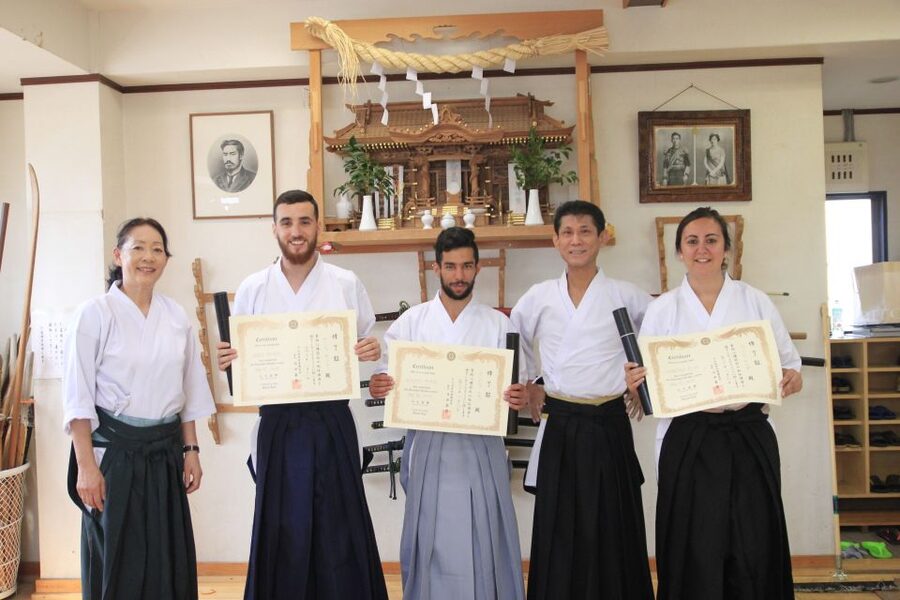
During the session, there’s also an activity where you check the blade line. It might sound like a minor step, but it is one of those training details that separates casual swinging from real technique.
When your blade line is correct, your cut feels more natural and your timing improves. When it’s wrong, everything feels clumsy, and you end up compensating with arm strength instead of body mechanics. This is one of the reasons the class gets strong feedback for being educational, not just physical.
Horseback archery practice: using a yumi-style bow
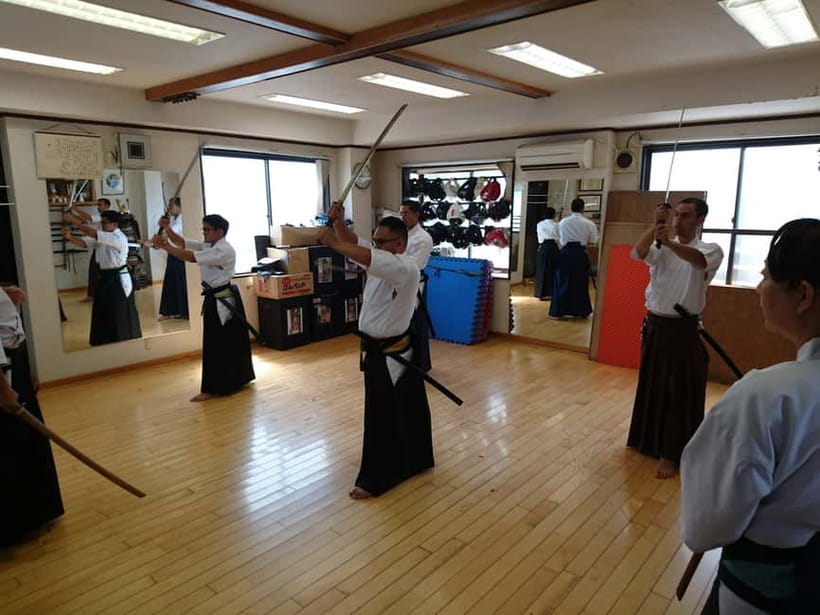
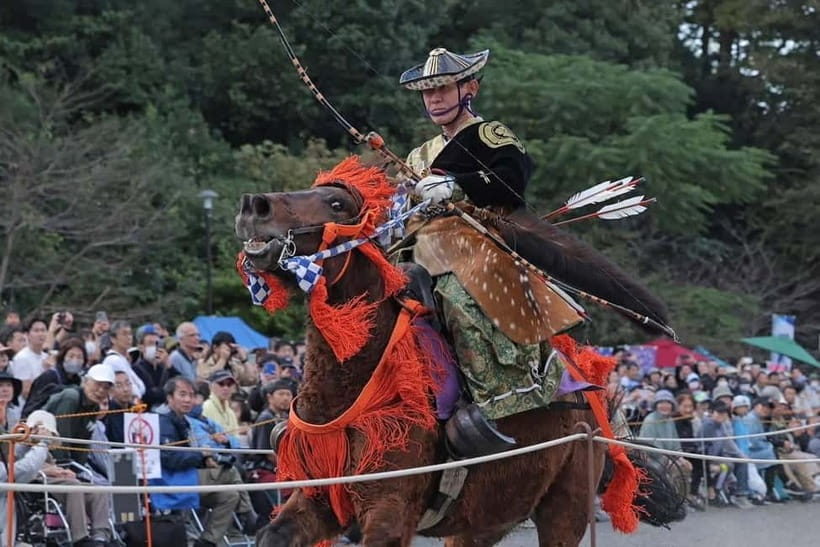
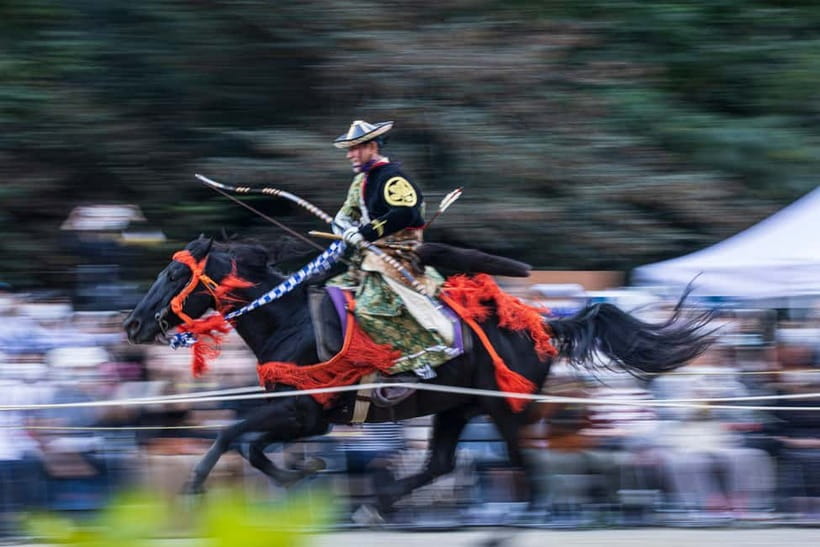
Then you switch to the bow. You try shooting arrows using a real horseback archery bow setup, taught in the traditional Japanese longbow style. This is where you see the link between sword and archery: control, posture, and follow-through.
You should expect instruction focused on the basics: stance, how you draw, and how you release. You are not just asked to aim. The emphasis is on form and consistency, the same way the sword work focuses on technique.
One practical tip: if you’re thinking about filming, consider that the bow and arrow segment may look best with a camera that handles wider framing. That way you can capture you, the instructor, and the shot sequence without constantly zooming or missing the moment.
Holding historic gear: antique matchlock gun hands-on moment
The class also mentions that you can hold an antique matchlock gun in your hands. That kind of handling moment can change how you understand samurai-era technology, because it is no longer abstract.
I recommend approaching it the same way you do the sword practice: with attention. Even if your time with it is short, it helps you place the historical timeline in your head, when weapons shifted from the bow’s dominance to matchlocks, and later to the sword as the civil war era ended.
Samurai history and the Toyama-ryu tradition demo
Between practice rounds, you get lecture context on Japanese swords and the evolution of samurai weaponry. The class description highlights a long arc: the bow as a main weapon about 1000 years ago, matchlock guns gaining power about 450 years ago, and the sword becoming more central about 400 years ago after the civil war ended.
That timeline is useful because it explains why the curriculum is built around sword and archery together. It also helps you connect technique with culture. Swordsmanship and archery were not random skills, they were survival skills tied to training and tradition.
You may also see a live demonstration related to Toyama-ryu, described as a Toyama-ryu 7th grade demonstration. If it happens during your session, watch quietly first, then ask questions if you can. Demos like that often reveal how much control matters even when speed looks impressive.
The instructor style that makes it feel worth it
A lot of experiences claim authenticity. This one earns it through teaching style. The instructor, Yoshioki Sumida, is repeatedly described as professional, patient, and careful about safety. English is used to make sure you understand what you are supposed to do, and you can ask for clarification without feeling lost.
There’s also a sense of pride and seriousness in how he teaches. Some people notice the instructor corrects form kindly but firmly, like gentle scolding with a real goal behind it. That combo helps you progress instead of just flailing through the motions.
One small consideration if you are left-handed: the class uses right-handed training setup. Some left-handed students still do well, but you may feel a slight adjustment during archery and sword technique. If you’re flexible and willing to work through it, it is manageable.
Price and value: is $193 a fair deal?
At about $193 per person for roughly 3 hours, this is not cheap. But if you compare it to other Tokyo activities, the value comes from what you actually do.
You get:
- hands-on sword instruction with mock sword practice and practice-sword sparring
- hands-on cutting practice including slashing while moving
- hands-on archery with a real yumi-style bow
- a classroom component about swords and samurai traditions
- a small group cap (up to 15), which supports more individual corrections
For a traveler, the key question is simple: do you want an educational, active class where you leave sore and clearer, or do you want photos and a short demo? If you want the first one, this price makes sense because you are buying training time with a master in a real dojo setting.
Who should book this class in Tokyo
You’ll be happiest if you:
- want a serious hands-on activity, not a performance
- like structured lessons with corrections
- enjoy martial arts or want a first real taste of them
- want samurai culture explained through practice and discipline
It is also a good fit for a couple or friends who enjoy learning side-by-side. The class is described as shared, and the small group size helps it feel less like a factory.
Who should skip it
This class has clear limits. It is not suitable for:
- pregnant women
- people with back problems
- people with mobility impairments
- people with heart problems
- wheelchair users
- children under 18
- people with epilepsy
- visually impaired people
If any of those apply, it is worth looking for a different type of cultural experience instead of forcing it. Sword and archery work require safe movement and stable focus.
What to bring, what to wear, and how to prepare
The class provides practice uniforms and a practice sword, but you still should show up ready. Bring a camera if you want to capture the experience, and bring drinks so you can stay comfortable during training.
Wear clothes that let you move easily, since you’ll change into training wear. Also, avoid alcohol and drugs, since they are not allowed.
Most importantly, bring patience. This is technique-based training. You might start off feeling awkward, then suddenly improve once the instructor corrects a key detail. That is when the session becomes addictive.
Should you book Samurai Descendant’s Tokyo Samurai Sword and Archery class?
If you want a half-day worth of real practice, with sword forms, sparring, cutting, and yumi-style archery in one session, book it. You are paying for training time with a master who teaches both disciplines, and the small-group structure helps you get coaching.
Skip it only if you want passive entertainment, or if health or mobility limits make sword and archery practice unsafe for you. Otherwise, this is the kind of Tokyo activity you’ll remember when you see samurai movies later, because your brain now has technique to match the story.
FAQ
How long is the Tokyo Samurai Sword and Archery class?
It lasts about 3 hours.
How much does it cost?
The price is listed at $193 per person.
Where do I meet for the class?
Meet at Toyama-ryu Bizen-kai (戸山流備前会 BIZENKAI), about a 10-minute walk from JR Machida Station. The dojo is on the third floor.
Is the class small?
Yes. A maximum of 15 people can participate.
Do you provide training clothes and equipment?
Training wear and a practice sword are provided.
What language is instruction offered in?
The instructor can teach in Japanese and English.
What should I bring?
Bring a camera and drinks.
What activities are included during the session?
You can expect a short lecture, an iai lesson with a mock sword, a gekken lesson with practice sword sparring and timing, blade line checking, and bow and arrow practice using a horseback archery-style bow.
Is the class suitable for kids?
The program includes a note that children under 18 may participate with parental permission and supervision, but they need the muscle strength to swing the sword. (You should also check the listed unsuitability conditions.)
Who should not book this experience?
It is listed as not suitable for pregnant women, people with back problems, mobility impairments, heart problems, wheelchair users, children under 18, people with epilepsy, and visually impaired people.
Is alcohol allowed?
No alcohol and drugs are allowed.
Newly listed around Tokyo
- Tokyo private transfer for Yokohama Port★ 4.5 · 63 reviews
- Tokyo Allstar Food Tour★ 4.5 · 206 reviews
- Luxury Kimono Photoshoot at Ginza Tokyo★ 5.0 · 7 reviews
- Tokyo Art Aquarium Museum E-Ticket with optional Tokyo Metro Pass★ 5.0 · 17 reviews
- Tokyo: Best Ginza Food Tour at 3 Local Eateries★ 5.0 · 83 reviews
- Private One Day Nikko Tour with Bilingual driver★ 3.5 · 11 reviews
- PRIVATE tour in 180SX to Daikoku+++++★ 5.0 · 6 reviews
- Kabuki Talk★ 5.0 · 10 reviews
Samurai Sword & Ninja Training, compared.

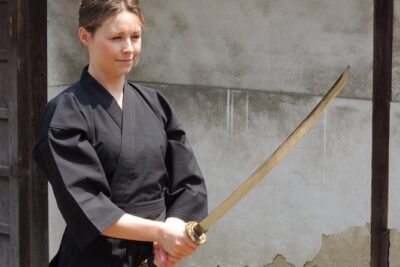
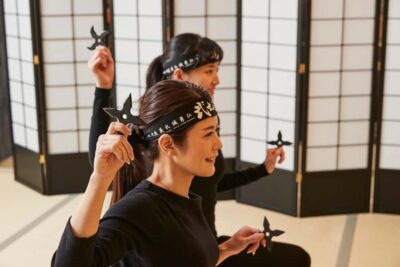
Samurai Ninja Museum Guided tour and Experience
Read our review →
Kendo and Samurai Experience with Uniform and Gear
Read our review →
Samurai Sword Class by Experts in Traditional Arts
Read our review →
Skip the lines Basic Ticket at SAMURAI NINJA MUSEUM KYOTO
Read our review →

Browse the lists this tour appears in