
Review · SAMURAI SWORD & NINJA TRAINING
Experience Samurai and traditional Culture to the fullest
Armor first, manners next. This 3-hour Osaka experience pairs kimono dressing with calligraphy and tea etiquette, then adds a real sword trial and a photo on the Osaka Castle grounds. I like how it stays balanced, quiet arts first, then hands-on action. I also like that the instruction feels patient, and a photographer covers key moments so you are not scrambling for shots. One thing to consider, it is scheduled and hands-on, so you should arrive ready to change clothes and follow directions closely.
For $168 per person, you are not just watching a show. You get a structured practice session with a certified instructor, English-speaking staff, and multiple activities bundled into one time block, plus a photo delivery to email. It is also a private group, which helps when you have questions or want the pace adjusted to your comfort level.
The program is designed for the one experience you are most likely to miss if you are only sightseeing near the castle, suiting up as a samurai and doing the training-style activities that go with that role. I would treat it like a workshop, not a quick photo stop.
In This Review
- Key Things I Think You Should Notice
- First Stop: Meeting Point and Your 30 Minutes Before It Starts
- Kimono Dressing and the Cultural Rules Hidden in Plain Sight
- Calligraphy Practice: Tome, Hane, Harai and the Hands-On Rhythm
- Samurai Calligraphy: Words of Resignation and a Serious Meaning
- Tea Ceremony Etiquette: Bushido in the Way You Move
- Sword Trial Cutting: Katana Instruction With Responsibility First
- Osaka Castle Battle Role-Play: Armor Up and Get Your Photo
- Optional Seppuku and Harakiri Add-On: When to Say No
- Price and Value: Why $168 Feels Like a Workshop, Not a Stop-By
- Who Should Book This, and Who Might Not
- Small Tips That Make the Whole 3 Hours Easier
- Final Verdict: Should You Book Samurai and Traditional Culture Near Osaka Castle?
- FAQ
- How long is the Samurai and Traditional Culture experience?
- What activities are included in the experience?
- Is pick up or drop off from a train station or hotel included?
- What languages are available for interpretation?
- Where do I meet and how early should I arrive?
- What should I bring?
- Can I cancel and get a full refund?
Key Things I Think You Should Notice
- Kimono to calligraphy in one flow, with guidance on tool handling and stroke order
- Samurai resignation calligraphy, where your final written character ties to a serious concept
- Tea ceremony etiquette, focused on manner, gestures, and hospitality
- Katana sword trial cutting, taught as responsibility, not just a stunt
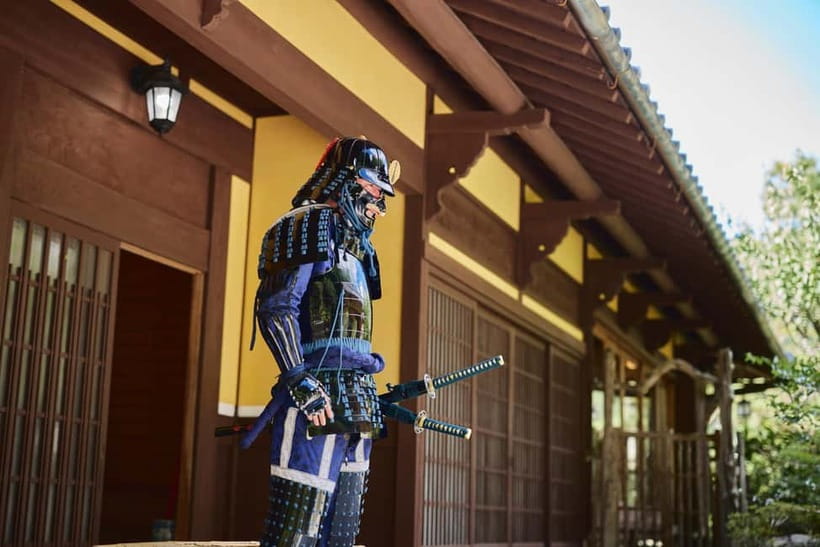
- Armor photo at Osaka Castle, with role-playing that matches the Osaka battle theme
First Stop: Meeting Point and Your 30 Minutes Before It Starts
Your experience kicks off at the Excellence Takayama area in Joto-ku, Osaka. The meeting landmark is a wooden sign that reads Honor of the Samurai, and there are likely kimonos and hakama hanging nearby, so you should be able to spot the right setup.
Plan to arrive 30 minutes early. That extra time is for instructions and changing clothes, and it makes the rest of the 3 hours feel calmer instead of rushed. Also note there is no pick-up or drop-off from a station or hotel, so you will want to get yourself there on your own transportation plan.
What to bring is simple, a t-shirt. It is the one item they ask for, and it helps when you are changing into traditional clothing.
More Samurai & Ninja Sessions in Osaka
- Samurai Training Experience KENDO in Osaka
★ 5.0 · 515 reviews - OSAKA NIGHT FUSION Japanese Taiko Kabuki Samurai Dance Show
★ 4.8 · 155 reviews - Osaka: Samurai Training Experience KENDO in Osaka
★ 5.0 · 111 reviews
Kimono Dressing and the Cultural Rules Hidden in Plain Sight
The session starts with changing into kimono. The point is not just costume. You are being taught how traditional culture shows up in body language, courtesy, and the kind of gestures that look natural when you do them correctly.
If you have ever put on kimono and felt unsure about what to do with your hands, this part matters. You are given guidance before moving into calligraphy and tea, so your posture and movements are more than just for photos.
This is also where you learn what kind of atmosphere to expect. The workshop tone is respectful and intentional, even during the more physical moments later.
Calligraphy Practice: Tome, Hane, Harai and the Hands-On Rhythm
Next comes calligraphy practice, about 20 minutes. You learn how to prepare yourself for calligraphy and how to hold the brush and use the tools properly. That might sound basic, but it changes the whole outcome, because brush control is everything.
You practice key strokes, including tome, hane, and harai. Then you choose a kanji character and follow the stroke order while the instructor keeps you on track. The experience is short, but it feels like real training rather than a casual craft session.
What I like about this segment is that it gives you a mini-lesson you can actually use later. Once you understand stroke order and pressure, your next attempt at calligraphy makes more sense.
One small consideration, calligraphy requires patience. If you are expecting a quick, hands-off lesson, you may feel a little restrained because you are focusing on technique.
Samurai Calligraphy: Words of Resignation and a Serious Meaning
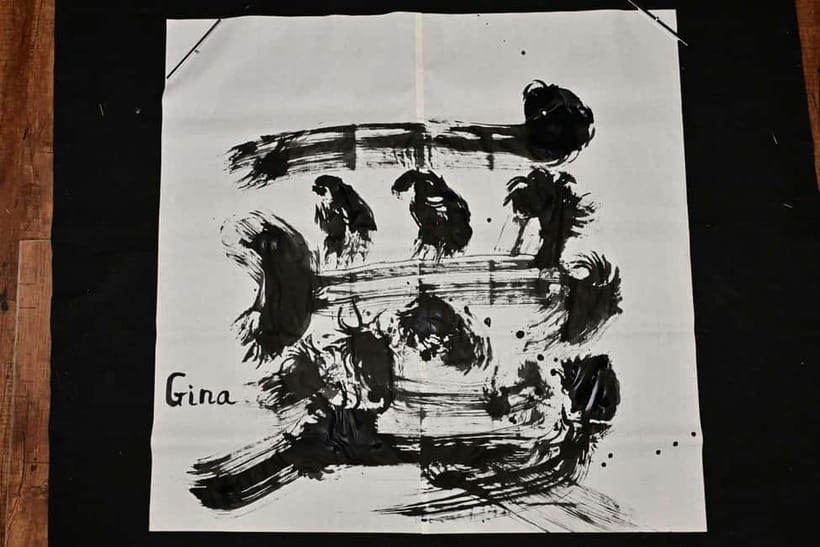
After the first round of brush practice, you move to samurai calligraphy. You are taught about the concept behind the phrase called words of resignation. In plain terms, it is tied to a person’s farewell, the words someone writes as they prepare to die.
Then you write the kanji you selected earlier, paying close attention to technique. This is only about 10 minutes, so it is not a long meditation. It is more like a final, focused attempt where the meaning gives the strokes extra weight.
I found this part especially effective because it turns calligraphy from decoration into a statement. Even if you do not speak Japanese, you walk away with a story tied to what you wrote.
More Samurai and Ninja sessions in Osaka:
- Osaka: Private Samurai Experience – Train with Sword Master
★ 5.0 · 36 reviews - Honor – Experience Samurai & traditional Culture to the fullest
★ 5.0 · 32 reviews - Osaka: Kendo Workshop Experience
★ 4.9 · 28 reviews - Osaka Castle & Samurai History Walking Tour
★ 5.0 · 22 reviews
Tea Ceremony Etiquette: Bushido in the Way You Move
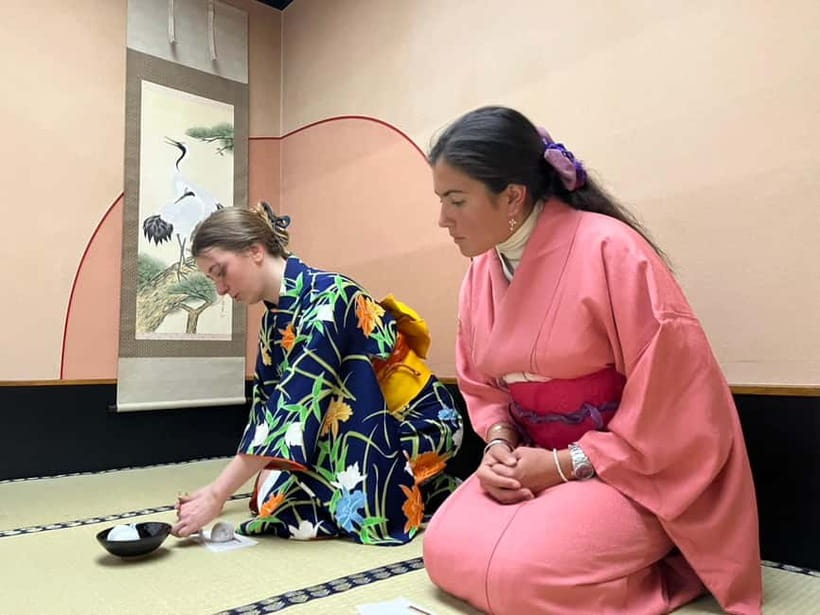
The tea ceremony portion takes around 30 minutes. A master of the tea ceremony prepares and serves powdered green tea to the participants. You learn etiquette and manners, plus those subtle details that make gestures look graceful instead of awkward.
The workshop also frames tea with the idea of honor in the spirit of Bushido. That does not mean it becomes gloomy or dramatic. It just means the session asks you to slow down and take care with how you present yourself.
Practical benefit for you, tea ceremony practice teaches hand control and pacing. It is not only cultural trivia. It is a body skill that also helps with the armor and sword parts because you stop moving like you are rushing for a photo.
Sword Trial Cutting: Katana Instruction With Responsibility First
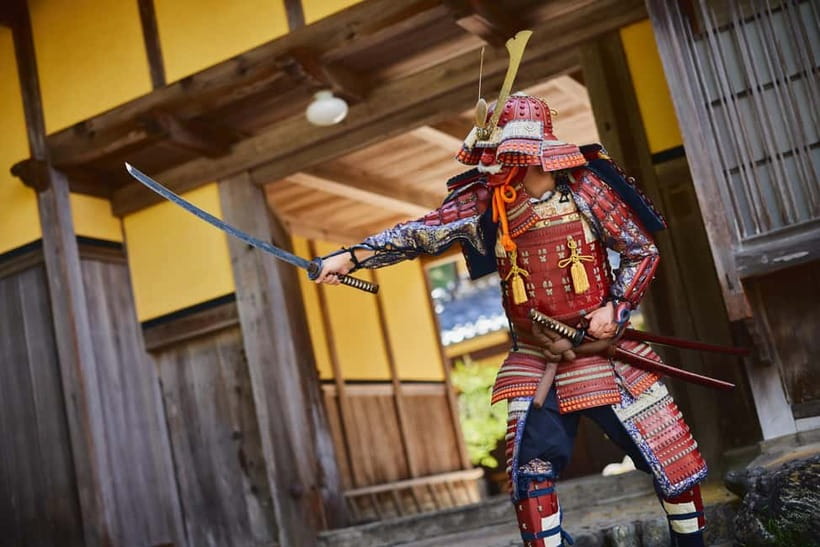
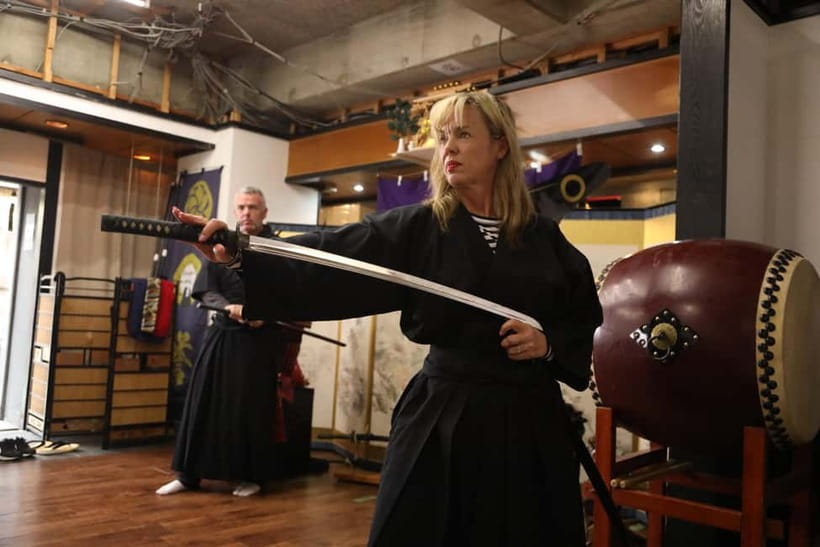
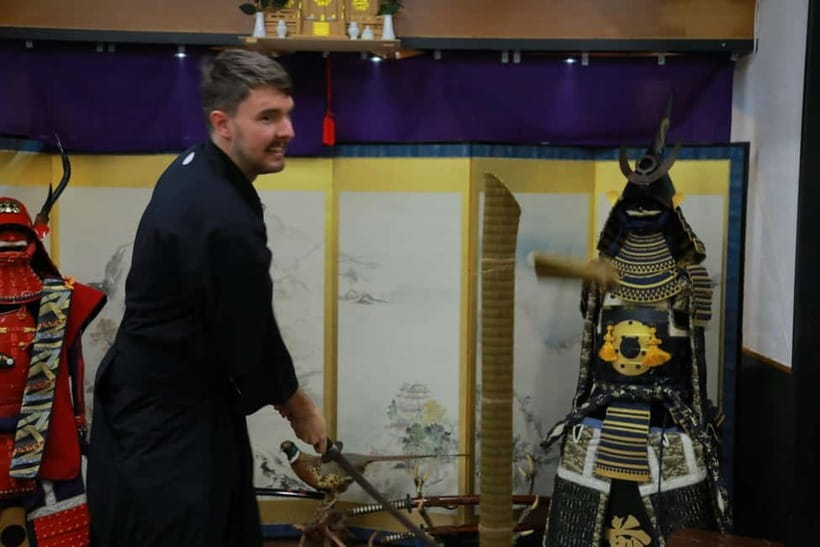
Now for the part most people book for, the sword trial cutting. This segment is about 30 minutes, and it comes after you learn how to use a sword and how to understand the responsibility that comes with carrying a deadly weapon.
You get instruction on basics, then you are allowed to wear a serious sword. After that, participants try their hand at cutting with a samurai sword. The experience description emphasizes cutting practice and the cutting edge, but what stands out in the framing is that respect comes first.
Important for your expectations: this is an active skill, not a cinematic show. You will get coaching so you can try safely and correctly, and you should follow every instruction even if you think you already know what to do.
Also, this is not ideal for people who hate structured rules. It requires focus. If you are tired, hungry, or distracted, you will feel that during the sword segment.
Osaka Castle Battle Role-Play: Armor Up and Get Your Photo
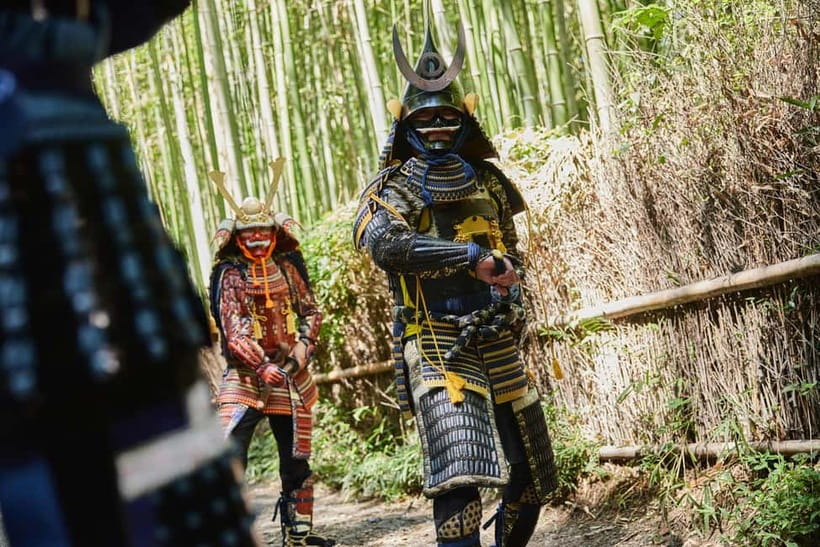
The armor portion is where the whole theme snaps into place. You wear armor and join the battle role-play connected to the Osaka conflict in April 1615. You go into the imagined battle as a member of Toyotomi’s side, then you get photo time.
You will be photographed on the grounds of Osaka Castle, pretending to be the best soldier in that scene. This is one of the most memorable parts because it connects the practical skills you learned earlier to a powerful visual.
The photo part includes photo shooting, and your photo data is sent to a designated email address. So you are not forced to keep juggling your phone while you are in full kit.
One small practical note: armor feels like armor. Even if you do not find it heavy, you may want to take your time standing and posing so you do not rush and lose the moment.
Optional Seppuku and Harakiri Add-On: When to Say No
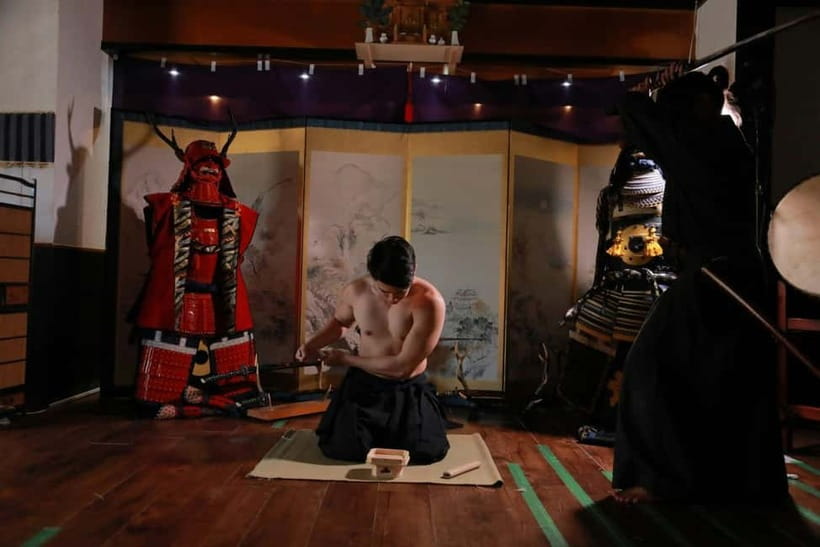
There is an option described as Seppuku and Harakiri. The idea presented is that a samurai must be prepared to die for their lord and that Bushido pursues a beautiful death, framed as a paradox of how to live beautifully.
That is intense material. Even if you are comfortable with Japanese history themes, this may be emotionally heavy. Since it is listed as an option rather than a standard inclusion in the package details you provided, you should only add it if you genuinely want this type of content and you are okay with the seriousness.
If you prefer to keep your experience lighter, you can stick with the core kimono, calligraphy, tea, sword trial, and armor photo flow.
Price and Value: Why $168 Feels Like a Workshop, Not a Stop-By
At $168 per person for 3 hours, you are paying for multiple guided activities inside one session. Your included items cover the practical pieces: samurai clothing, instruction in calligraphy, the tea ceremony, sword trial cutting, armor use, and the armor photo shoot.
You are also getting certified professional instruction and English-speaking staff. Tax and tips are included in what you pay, and that helps you avoid the awkward, last-minute tally that can happen with other experiences.
In value terms, the best part is the variety. You get a sequence that moves from quiet technique (calligraphy) to etiquette (tea) to kinetic training (sword) to role-play (armor and the Osaka Castle photo). Most half-day experiences in big cities either pick one theme or feel too rushed to learn anything.
If you are choosing based on value for your time, this is one of the clearer packages you will find.
Who Should Book This, and Who Might Not
This experience is set up for people who enjoy being taught and who want to do hands-on practice. It is a private group, so it tends to work well if you want more attention, especially during sword and calligraphy.
It is also not for everyone. The information provided says it is not suitable for children under 10, babies under 1, and people over 95. Also, pets are not allowed, and baby strollers and baby carriages are not allowed.
If you are traveling with mobility limitations, you should consider that you will be changing into traditional clothing and doing active movements during sword practice and posing in armor. Nothing here sounds like extreme hiking, but it is still physical and structured.
On the language side, English is the default interpreter language. Other languages are available by request based on staff schedules, including Spanish, Italian, French, Chinese, Thai, and Indonesian. If you need a specific language, it is smart to ask before you reserve so you do not end up waiting.
Small Tips That Make the Whole 3 Hours Easier
Arrive early and treat the first part like a setup phase, not a minor step. The changing time is part of the experience rhythm, and skipping it by arriving late is the quickest way to end up flustered later.
Wear a t-shirt, and keep your day organized so you can focus during calligraphy and tea. When you are concentrating, you will enjoy the instruction more and your strokes and gestures will look better.
For the sword trial and the armor photo, listen first. Even if you think you know the posture, follow the instructor’s guidance for your session. That is how you get a confident try and a good photo.
Final Verdict: Should You Book Samurai and Traditional Culture Near Osaka Castle?
If you want a samurai experience that feels like practice, not theater, I think this is a strong book. You get real technique training in calligraphy, a proper etiquette-based tea ceremony, a sword trial cutting segment, and then the armor photo moment tied to Osaka Castle. The combination is hard to beat for a single half-day block.
I would book it if you like hands-on activities and you want something uniquely Osaka-adjacent, especially near the castle grounds. I would skip or think twice if you want passive sightseeing, or if you are not comfortable with a structured program that asks you to participate in sword and armor segments.
FAQ
How long is the Samurai and Traditional Culture experience?
It lasts about 3 hours.
What activities are included in the experience?
Included activities are kimono experience, calligraphy practice, samurai calligraphy, a samurai tea ceremony, samurai sword trial cutting, wearing samurai armor, and photo shooting. English-speaking staff and a certified professional instructor are included, along with tax and tips.
Is pick up or drop off from a train station or hotel included?
No. Pick up and drop off at a train station or hotel is not included.
What languages are available for interpretation?
The default language for interpreters is English. Other languages (Italian, Spanish, French, Chinese, Thai, and Indonesian) may be available depending on staff schedule.
Where do I meet and how early should I arrive?
Meet at the location listed for Address/Excellence Takayama 1F, 2-3-19 Shiginonishi, Joto-ku, Osaka-shi, Osaka 536-0014. Look for the wooden sign that reads Honor of the Samurai. Arrive 30 minutes before your reserved experience time.
What should I bring?
Bring a t-shirt.
Can I cancel and get a full refund?
Yes. Free cancellation is available up to 24 hours in advance for a full refund.
Newly listed around Osaka
- Kyoto & Nara Private Day Tour★ 4.5 · 45 reviews
- Hiroshima and Miyajima Private Tour with English Speaking Driver★ 3.5 · 9 reviews
- Kyoto Top Four Highlights Day Trip from Osaka or Kyoto★ 5.0 · 18 reviews
- 【Family Friendly】Traditional Mochi Pounding Experience★ 5.0 · 26 reviews
- From Osaka: 10-hour Private Customizable Tour to Kyoto★ 4.5 · 8 reviews
- Osaka Highlights Walking Tour: Castle, Dotonbori & Hidden Gems★ 5.0 · 9 reviews
- Osaka Highlights: 4Hrs Guided Walking Tour with a Native Expert★ 5.0 · 12 reviews
- Honor – Experience Samurai & traditional Culture to the fullest★ 5.0 · 32 reviews
Samurai Sword & Ninja Training, compared.

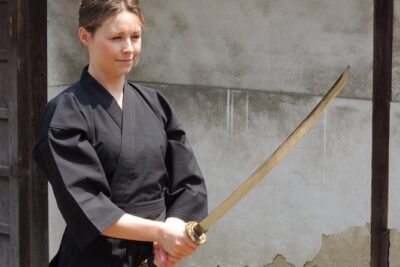
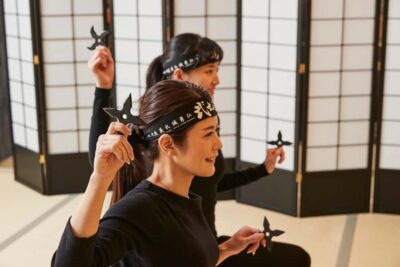
Samurai Ninja Museum Guided tour and Experience
Read our review →
Kendo and Samurai Experience with Uniform and Gear
Read our review →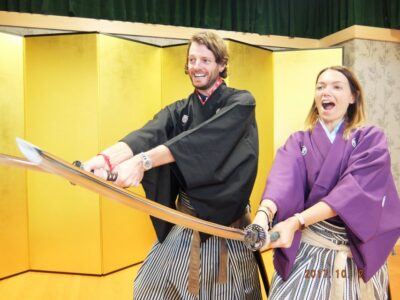
Samurai Sword Class by Experts in Traditional Arts
Read our review →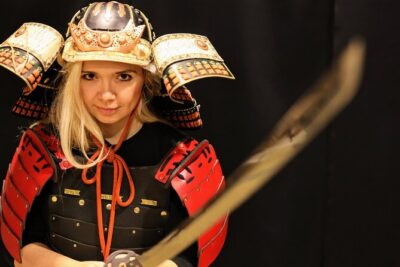
Skip the lines Basic Ticket at SAMURAI NINJA MUSEUM KYOTO
Read our review →
Samurai Sword & Archery Class from Samurai Descendant
Read our review →
Browse the lists this tour appears in