
Review · SAMURAI SWORD & NINJA TRAINING
Kyoto: Kendo and Samurai Experience with Uniform and Gear
Put on armor, then learn kendo discipline. In Kyoto, a 2-hour workshop in a 100-year-old machiya dojo turns you from tourist to trainee, complete with authentic uniform and gear.
What I love most is how practical it feels. You get a safety-first intro, then you work on posture, grip, strikes, and blocks with training swords in a real training space, not a stage.
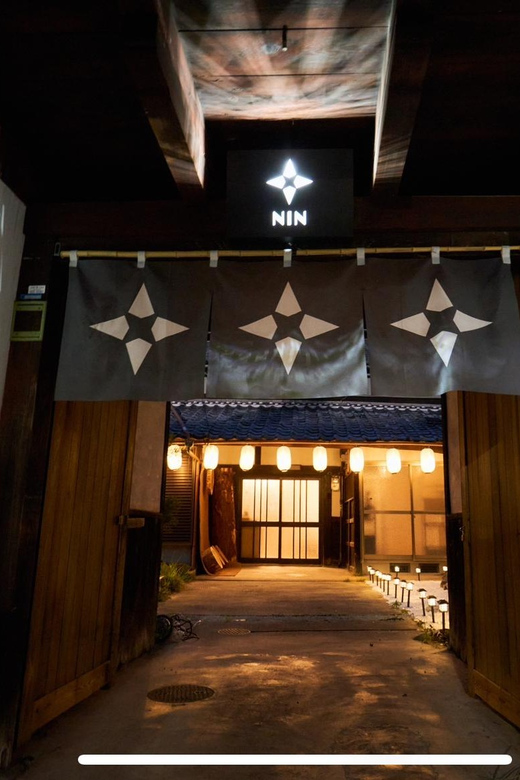
One consideration: the meeting spot sits in a quiet residential area down a winding approach. If you rely on public transit alone, plan for extra time or use a taxi to reach the large gate.
In This Review
- Key things that make this Kyoto kendo and samurai experience worth your time
- Step inside a 100-year-old Kyoto machiya dojo
- Suiting up correctly, from uniform to sword stance
- Kendo basics you can actually use, with careful coaching
- Samurai etiquette and mindset, not just physical moves
- The photo and video moment: cinematic memories in full gear
- Price and value: why $103 for 2 hours can feel fair
- Logistics that matter in Kyoto: plan how to get there
- What to wear and bring so you stay comfortable
- Who should book this Kyoto kendo workshop with samurai gear
- Should you book this kendo and samurai experience?
- FAQ
- How long is the Kyoto kendo and samurai experience?
- How much does it cost?
- What’s included with the experience?
- Are replica swords included?
- Where do I meet the instructor?
- What languages are offered?
- Are there any restrictions?
Key things that make this Kyoto kendo and samurai experience worth your time
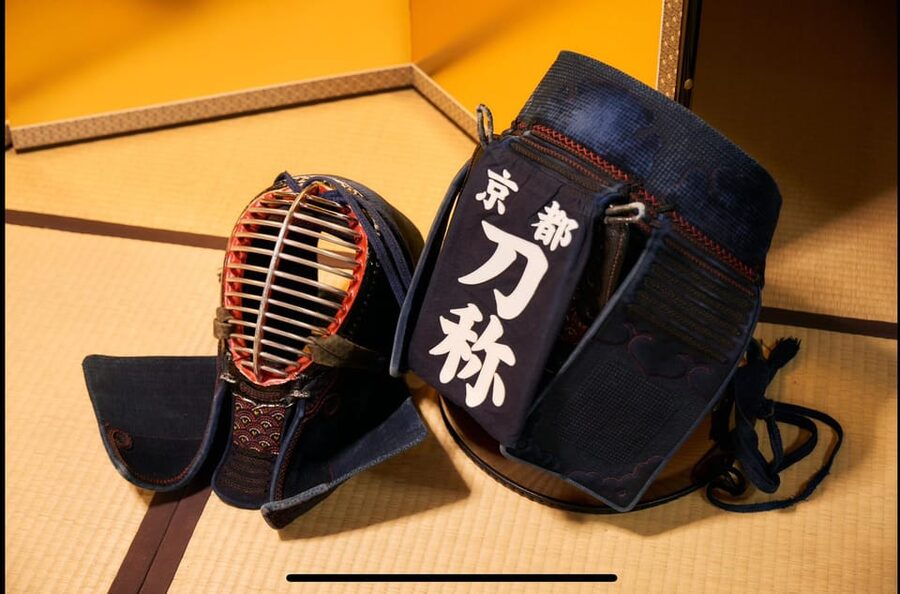
- Succeed fast in full uniform (you dress up before you even touch a sword)
- Real dojo setting in a 100-year-old machiya that gives the class the right mood
- English guidance from the instructor, Taka-san, with patient help for beginners
- Training with safe swords like bamboo, foam, and other replica-style blades
- Photo and video memories taken while you are dressed for the part
Step inside a 100-year-old Kyoto machiya dojo
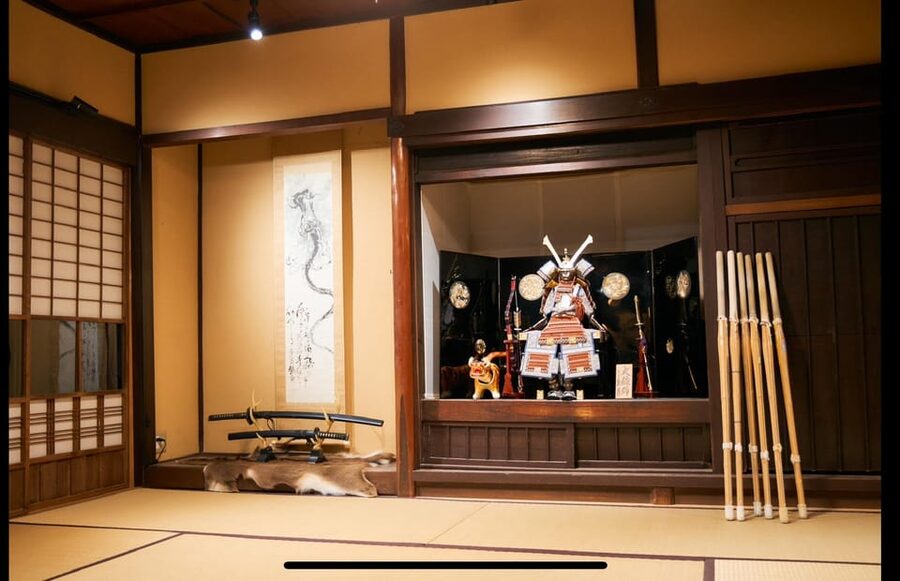
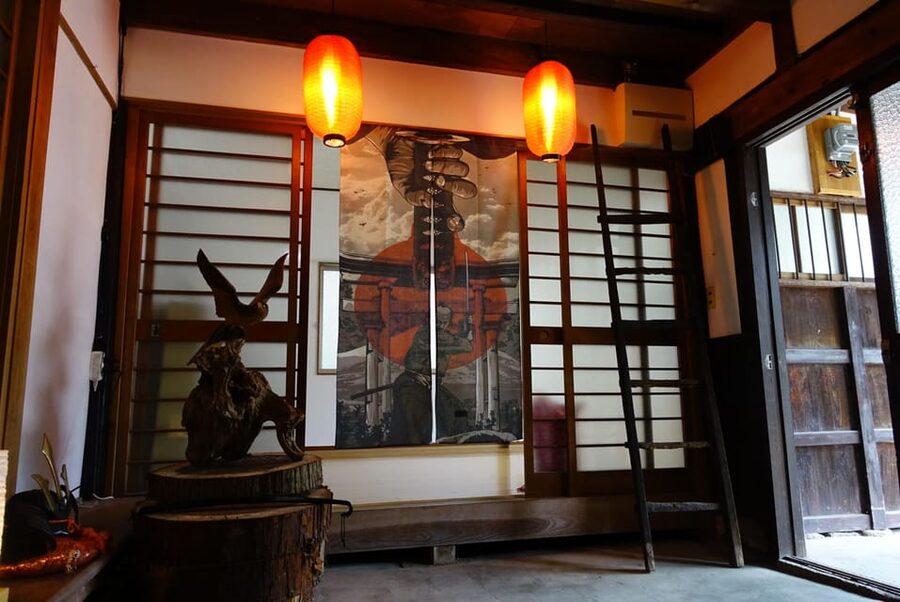
This is not a quick photo-and-vanish stop. You arrive at an old Japanese house with a large gate, then you walk into the kind of space that immediately changes your mindset. A Kyoto machiya over 100 years old sets the tone. Wood beams, a traditional training room, and the feel of a place where people actually practice.
That matters, because kendo is about more than swinging. It is about discipline, timing, and etiquette. When you train in a real dojo environment, those basics land faster. You move more carefully. You listen longer. You start to understand why the rituals exist.
You also start with the best part of the whole experience: dressing the part. The uniform rental and gear rental are ready for you, including shoes and other equipment. Once you are in it, your brain switches into training mode. It is harder to treat this as a costume demo when you’re wearing a proper kit and being guided through how to use it.
More Samurai & Ninja Sessions in Kyoto
- Kyoto Samurai Experience
★ 5.0 · 1,294 reviews - Kyoto: Samurai Sword Class by Experts in Traditional Arts
★ 4.9 · 657 reviews - Skip the lines Basic Ticket at SAMURAI NINJA MUSEUM KYOTO
★ 4.5 · 632 reviews
Suiting up correctly, from uniform to sword stance
The flow is straightforward, and that is a good thing. After you arrive and meet your instructor, you get an overview and a safety briefing. This is where beginners usually relax. The instructor explains sword safety and etiquette, and you get clear guidance on what to do and what not to do.
Then comes the hands-on part: learning the foundations of sword handling. Expect instruction on grip, posture, and the basic movement patterns. Even if you have never held a sword before, the lesson is designed so you can make progress in one session.
You will be trained using safe equipment. The experience uses training tools such as bamboo swords, foam swords, and other refined replica-style blades. That lets you practice real mechanics without the stress of handling something dangerous.
One thing I really like is how the class emphasizes discipline in small details. It is not just about doing a move. It is about doing it with correct form and respect for the training space and your partner.
Kendo basics you can actually use, with careful coaching
For many people, the highlight is the moment you start moving with purpose. You practice refined techniques like strikes, blocks, and footwork. You learn how to connect body position with arm and blade control, and you get feedback as you go.
This is where you will notice why so many bookings score it so highly. The teaching is not vague. It is not just, try this, good luck. The instructor adjusts what you are doing and keeps the pace beginner-friendly. And because you work with training swords, you can focus on learning the form rather than managing risk.
Some sessions also build toward a sparring-style moment using foam swords. The idea is simple: apply what you learned with a partner in a controlled way. If you want something active, not just lecture, this part delivers.
Quick reality check: if you have seen older-style dojo demos online, you might expect tatami mat cutting. In this kind of class, tatami cutting is no longer part of the session because it is illegal. So aim to enjoy the kendo training and partner practice, not to expect Hollywood-style cutting.
Samurai etiquette and mindset, not just physical moves
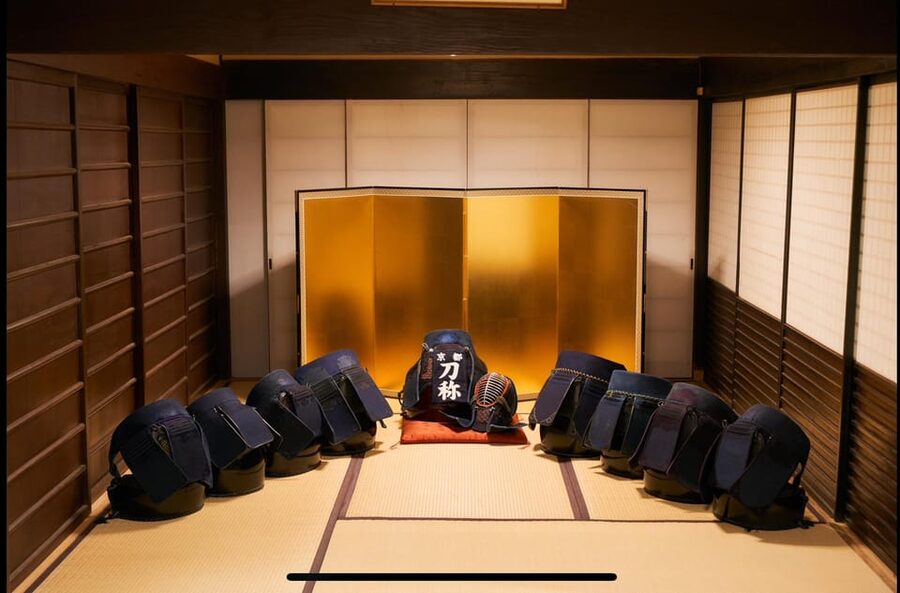
Kendo is a martial art, and samurai culture is a philosophy. This experience makes sure you get the thinking part too.
Along the way, you learn the etiquette and mindset behind the blade. You also get cultural and historical context, including the samurai code and how kendo developed. You are not left staring at a sword while someone explains everything in a long lecture. Instead, the history is tied to what you are doing in the room.
This is where the workshop feels more than a novelty activity. It gives you language for what you see. Why do people start and stop in specific ways? Why does posture matter so much? Why do you practice the same basics repeatedly instead of trying to look cool?
You also get the cultural context that helps the gear make sense. When you understand the discipline behind kendo, the uniform and equipment stop feeling like a costume and start feeling like part of a training system.
More Samurai and Ninja sessions in Kyoto:
- Ninja 1-hour Hands-on Lesson by Japanese master in Kyoto -Entry
★ 5.0 · 489 reviews - Kyoto: Ninja Weapon Forging Experience
★ 4.8 · 478 reviews - Kyoto: Samurai Kenbu Traditional Sword Dancing Show
★ 4.5 · 426 reviews - Samurai Training with Modern day Musashi in Kyoto
★ 5.0 · 256 reviews
The photo and video moment: cinematic memories in full gear

A big part of the experience is how you leave the session. The instructor helps with photos and videos while you are fully dressed. That means you get images that match the training mood, not random shots in the hallway.
The nice touch here is that you are photographed during the experience, when your uniform and stance are fresh. The result looks like you stepped into a samurai scene, not like you just borrowed armor for a minute.
If you care about travel photos, this is a real plus. You can get pretty pictures anywhere in Kyoto. But having a trained instructor position you and show you what the posture should look like turns your camera time into part of the experience.
Price and value: why $103 for 2 hours can feel fair
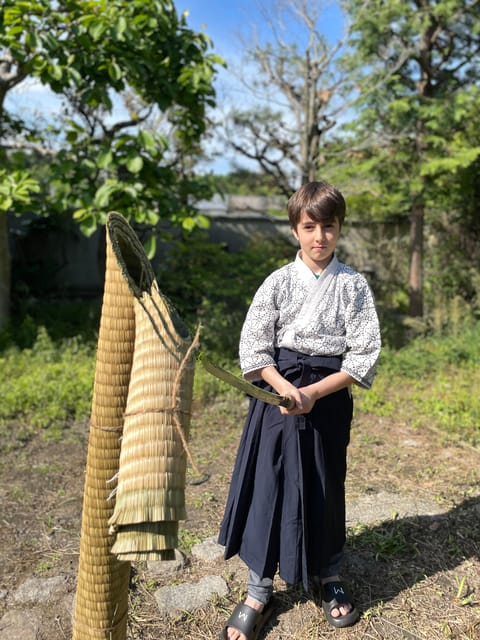
At $103 per person for a 2-hour session, this is not the cheapest thing you will do in Kyoto. But it can be good value when you look at what you get.
You are paying for:
- A full training lesson with safety briefing and hands-on coaching
- Uniform rental, equipment rental, and shoe rental so you do not need to bring anything
- Professional-style photos and video support
- English instruction and cultural context from Taka-san
A regular guided activity can cost similar money, but often it is mostly walking and talking. Here, you get a physical skill, structured practice, and a clear cultural framework. The gear is also a real cost saver. If you have ever bought or rented martial arts gear in any country, you know it adds up quickly.
If you want an active, memorable Kyoto highlight, the price starts to look reasonable.
Logistics that matter in Kyoto: plan how to get there
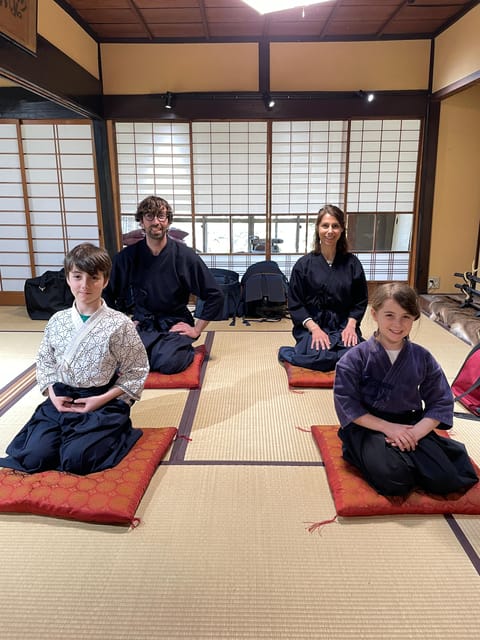
This class is in a residential area with a traditional house and a large gate. Some people find it a bit far from major transit stops, and a taxi can make the whole day less stressful.
So I recommend this simple plan:
- Give yourself extra time to reach the meeting gate.
- If you are traveling by train, consider a short taxi hop rather than relying on a long walk through quiet lanes.
Once you arrive, the location becomes part of the charm. You are training in a dojo-like setting, not a crowded tourist zone. But you do want the timing to go smoothly, so you do not feel rushed during check-in.
What to wear and bring so you stay comfortable
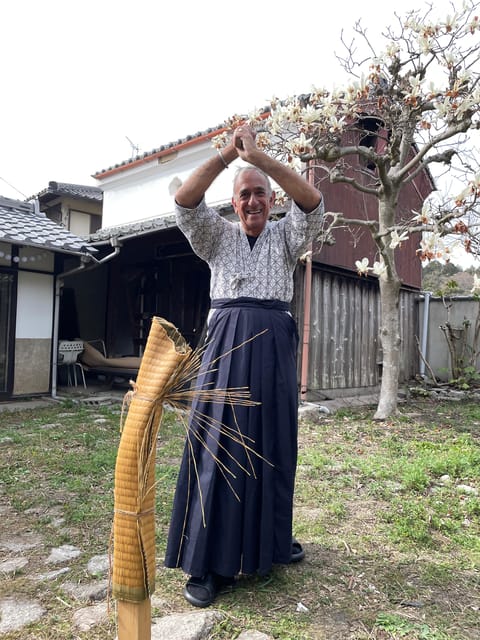
Because you are renting the uniform and gear, you do not need to worry about matching equipment. Still, comfort counts.
For colder months, expect the dojo to feel chilly. A few bookings specifically suggest warm layers and warm socks. Do not underestimate how much you feel the cold once you are waiting, suiting up, and standing still between instructions.
Also remember the rules: alcohol and drugs are not allowed. Keep your session focused and respect the training environment.
Other than that, bring a good attitude and a willingness to look a little silly while you learn. That first awkward attempt is part of the fun.
Who should book this Kyoto kendo workshop with samurai gear
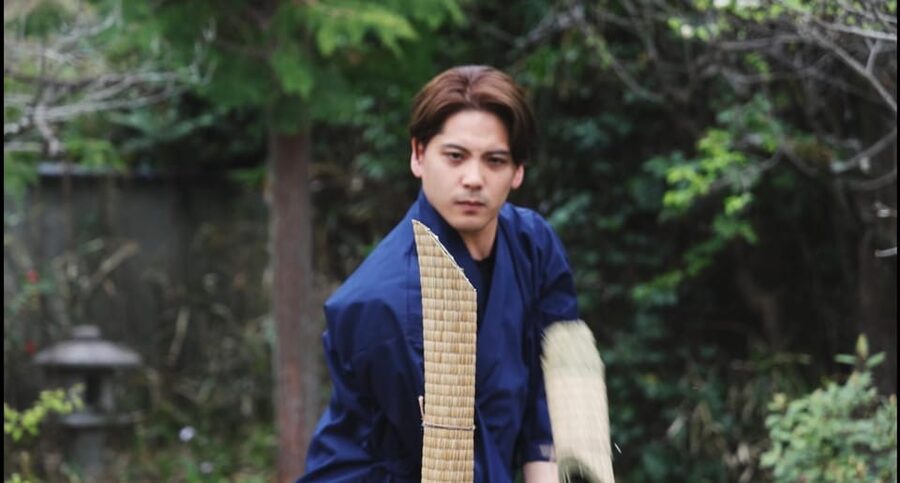
This experience is a strong fit if you want:
- Something hands-on in Kyoto, not just sightseeing
- Beginner-friendly instruction with safety guidance
- A cultural lesson tied directly to movement and etiquette
- Full costume immersion with photos and video to take home
It is also a great choice if you are traveling with friends or on your own and you like structured activities. The instructor support is a recurring theme, including patience and approachable guidance.
Not everyone should book it. The experience is not suitable for children under 7. If you have younger kids, you will need another Kyoto activity that fits your family schedule.
Should you book this kendo and samurai experience?
If your goal is an authentic Kyoto martial arts moment, I would book it. The best reasons are practical: you train in a real dojo-style space, you learn fundamentals with safe gear, and you leave with instructor support for photos and videos.
If you are the type who hates logistics, do plan your transport so you are not late. Also, if you expect cutting tatami mats, adjust your expectations. This is kendo training and samurai etiquette, not a stunt show.
Overall, this is the kind of activity that changes how you see Japanese culture for the rest of your trip, because you do more than watch. You learn how the discipline feels in your body.
FAQ
How long is the Kyoto kendo and samurai experience?
It lasts 2 hours.
How much does it cost?
The price is $103 per person.
What’s included with the experience?
Instruction is included, along with uniform rental, equipment rental, shoe rental, and gear rental.
Are replica swords included?
Replica swords are not included. They are available for purchase.
Where do I meet the instructor?
The meeting point is an old Japanese house with a large gate.
What languages are offered?
The instructor teaches in English.
Are there any restrictions?
Alcohol and drugs are not allowed. Children under 7 years are not suitable.
Newly listed around Kyoto
- Taste of Nishiki Market Walking Food Tour with Local guide★ 5.0 · 17 reviews
- Kyoto: Sushi Making Class with Sushi Chef★ 4.8 · 64 reviews
- Simple Plan with Maiko★ 4.4 · 10 reviews
- Shibori Furoshiki Course at Kyoto Shibori Museum★ 5.0 · 21 reviews
- Kyoto: City Secrets eBike Tour★ 4.9 · 196 reviews
- Sacred Pathways: Discover the Philosopher’s Path of Kyoto★ 4.9 · 20 reviews
- Private Tour to Monkey Park and Arashiyama Highlights★ 5.0 · 22 reviews
- Private Nara Tour from Osaka – Meet at Your Hotel★ 5.0 · 22 reviews
Samurai Sword & Ninja Training, compared.

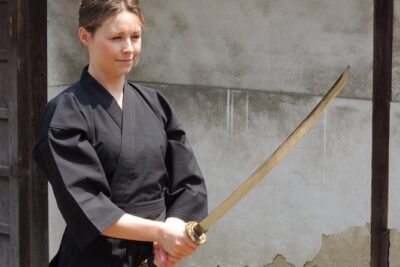
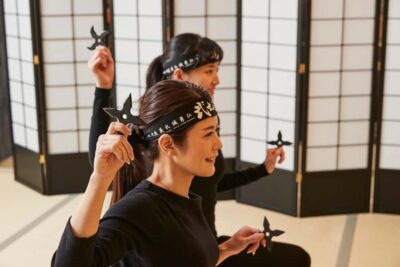
Samurai Ninja Museum Guided tour and Experience
Read our review →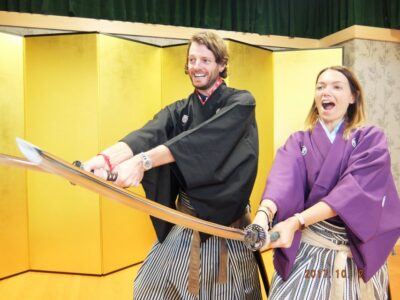
Samurai Sword Class by Experts in Traditional Arts
Read our review →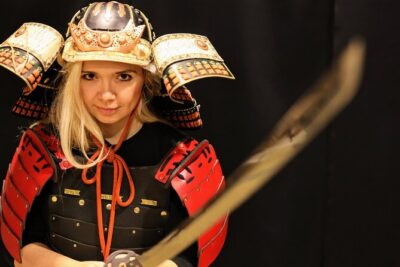
Skip the lines Basic Ticket at SAMURAI NINJA MUSEUM KYOTO
Read our review →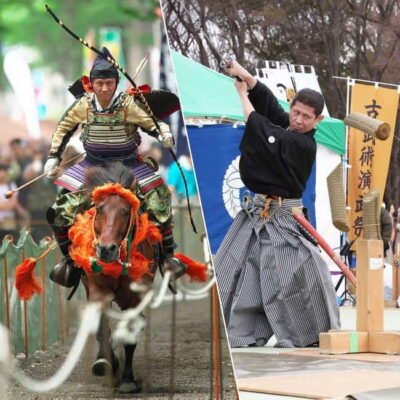
Samurai Sword & Archery Class from Samurai Descendant
Read our review →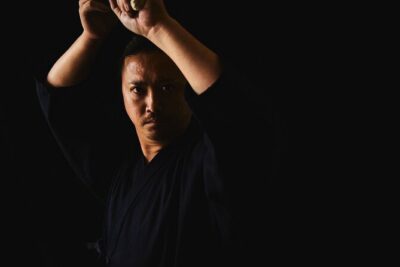

Browse the lists this tour appears in