
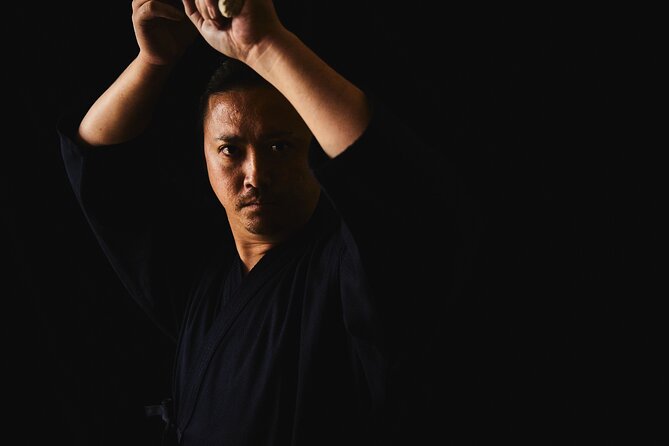
Review · SAMURAI SWORD & NINJA TRAINING
Samurai Training Experience KENDO in Osaka
Suit up and spar in Osaka. This small-group Kendo lesson mixes samurai culture with practical training, taught in English. You learn the basics in a real dojo setting, then put on protective gear and try match-style practice with guidance.
My favorite part is the hands-on armor and shinai experience, not a staged photo shoot. I also like that you get digital photos and videos to take home as a souvenir, not just memories. One drawback to consider, it is a two-hour format, so you will learn a starting set of skills, not become fully trained.
In This Review
- Key Highlights You Should Know
- Why This Osaka Kendo Lesson Feels Authentic
- Getting There and What Happens When You Arrive
- The Two-Hour Flow: From Bushidō Basics to Sparring
- 1) Samurai context and Kendo basics
- 2) Suiting up in authentic gear
- 3) Technique practice: stance, striking, and control
- 4) Safe match-style session
- Suit Up Like a Samurai: Gear, Etiquette, and Comfort
- The Dojo Museum Bonus You Can Actually Use
- Your Photo and Video Souvenir, and How to Get the Most From It
- Value Check: Is $131.32 Worth It in Osaka?
- Who Should Book This, and Who Might Skip It
- Final Call: Should You Book This Kendo Experience in Osaka?
- FAQ
- How long is the Samurai Training Experience KENDO in Osaka?
- Is this Kendo class beginner-friendly, and is it taught in English?
- What is the group size for this experience?
- Do I get the Kendo uniform and protective armor?
- Do I receive photos or videos from the training?
- Are there changing rooms, showers, and climate control at the dojo?
- Can children participate, and what happens for younger kids?
- What if I need to cancel, and are service animals allowed?
Key Highlights You Should Know
- Small group size (max 12) means you actually get correction and attention.
- English instruction with a translator assistant helps first-timers follow along.
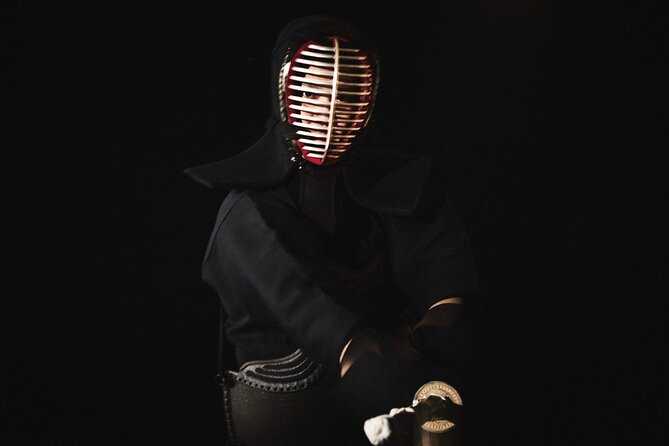
- Traditional armor + shinai practice lets you experience the real feel of Kendo safely.
- Photo and video souvenirs are included, so you can capture the gear and the sparring moment.
- Real dojo with artifacts adds a museum-like layer to the training.
- Comfort on site includes showers, changing rooms, and air conditioning.
Why This Osaka Kendo Lesson Feels Authentic
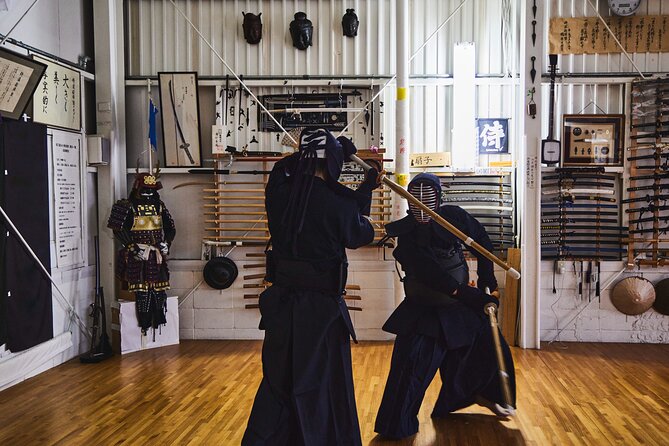
Osaka is great for big sights, but this experience gives you something more personal. You practice Kendo in a genuine dojo environment, with authentic samurai artifacts around you, so the class connects movement to culture instead of treating it like just a workout.
I love the way the training is structured for beginners. You start with an intro to Kendo, samurai culture, and Bushidō, then you move step-by-step into form, stance, and striking. Then you earn the right to spar in a controlled, match-style way when you are ready.
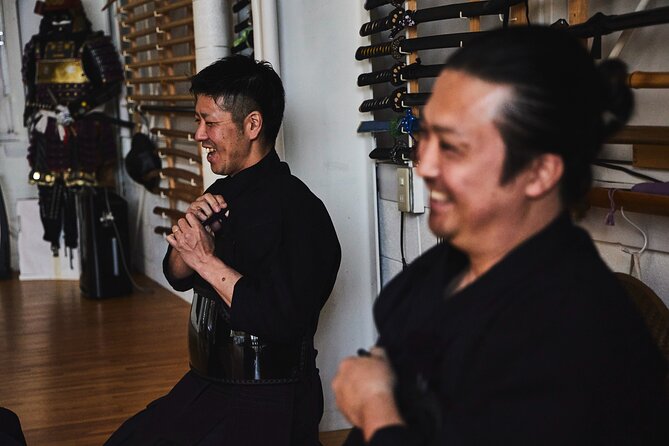
The instructors are a major part of the value too. In the sessions described, the husband and wife team of Toshi and Kumiko runs the class with patience, humor, and clear coaching, with an English helper who supports communication. Even if you feel a little awkward at first, the tone stays encouraging and focused on safety.
More Samurai & Ninja Sessions in Osaka
- OSAKA NIGHT FUSION Japanese Taiko Kabuki Samurai Dance Show
★ 4.8 · 155 reviews - Osaka: Samurai Training Experience KENDO in Osaka
★ 5.0 · 111 reviews - Osaka: Private Samurai Experience – Train with Sword Master
★ 5.0 · 36 reviews
Getting There and What Happens When You Arrive
The meeting point is in central Osaka, at 1-chōme-18-2 Honjōhigashi, Kita Ward, Osaka 531-0074, Japan. The activity ends back at the meeting point, which makes planning easy if you have dinner or other plans afterward.
Once you arrive, you do not jump straight into fighting. The flow begins with an introduction to what Kendo is, why it matters, and how samurai ideals connect to training. For first-time visitors, that context makes the movements click faster, because you understand what you are practicing and the purpose behind it.
Next comes the practical part: changing into the uniforms and donning protective armor. The dojo has changing rooms, showers, and climate control, so you can get comfortable before and after training.
The Two-Hour Flow: From Bushidō Basics to Sparring
This is a 2-hour class, so every segment has a job. The best way to think of it is as a guided sequence: learn, practice, then test your skills.
1) Samurai context and Kendo basics
You begin with an overview of Kendo, samurai culture, and Bushidō. In the descriptions, instructors also answer questions during this portion, and that helps you make sense of what you will do later with the bamboo sword.
This matters because Kendo is not only about hitting hard. It is about controlled form, timing, discipline, and safe engagement. When you know the framework first, your body naturally moves with more intention once the shinai comes out.
More Samurai and Ninja sessions in Osaka:
- Osaka: Kendo Workshop Experience
★ 4.9 · 28 reviews - Experience Samurai and traditional Culture to the fullest
★ 5.0 · 26 reviews - Osaka Castle & Samurai History Walking Tour
★ 5.0 · 22 reviews - Osaka: Ninja Experience Cafe in Dotonbori
★ 4.9 · 16 reviews
2) Suiting up in authentic gear
Then you change into a traditional Kendo uniform and protective armor. You will use a shinai, the bamboo sword used for training. The armor is key for safety and also for realism, because it changes how you move and how you hold your body during practice.
If you want the full experience for photos, this is your moment. People get captured in the gear and then later record sparring too, so you get a complete “from outfit to action” souvenir set.
3) Technique practice: stance, striking, and control
After suiting up, you practice basic Kendo techniques. Expect foundational movements, proper stances, and striking with guidance. The training is paced for beginners, so you learn correct form before jumping into more intense sparring.
If you like a workout, this is still active. You work through strikes, combinations, and footwork, and as your comfort grows, the session progresses toward more realistic dueling practice.
4) Safe match-style session
The highlight for most people is the safe, match-style session. You practice in a duel format with professional supervision, which keeps it fun but controlled. In multiple descriptions, participants end up sparring each other, and some get the chance to challenge the instructor depending on group flow and skill level.
If you want to push for a faster duel, ask the instructor once you have shown you can follow safety and technique cues. That way, you get the intensity you want without rushing the basics.
Suit Up Like a Samurai: Gear, Etiquette, and Comfort
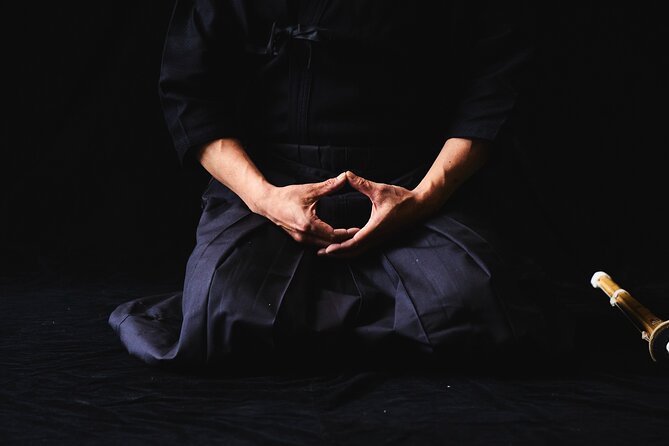
Wearing full Kendo gear is one of the most memorable parts of this experience, and you do not need prior experience to get there. The instructors walk you into correct form and safe handling, so you can focus on learning instead of guessing.
The dojo facilities help a lot. There are changing rooms and showers, plus air conditioning and heating, so the experience stays comfortable even if the weather is doing its own thing outside. That practical comfort is not a small detail in a two-hour activity, because it keeps you focused during training.
A smart tip, wear comfortable clothes for getting changed. You do not need to show up in athletic gear unless you naturally prefer that, but you should plan for a quick swap into your uniform and armor.
The Dojo Museum Bonus You Can Actually Use
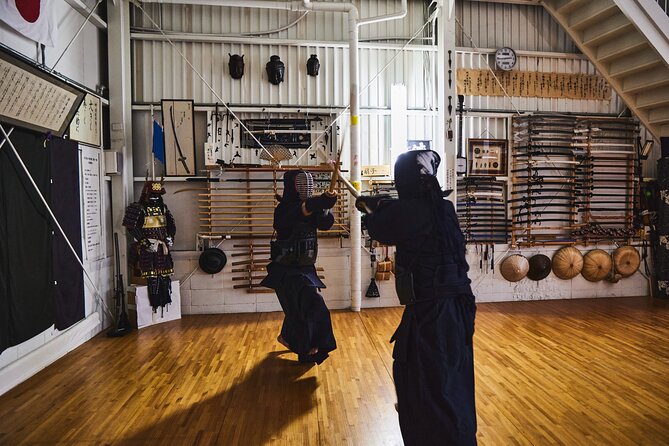
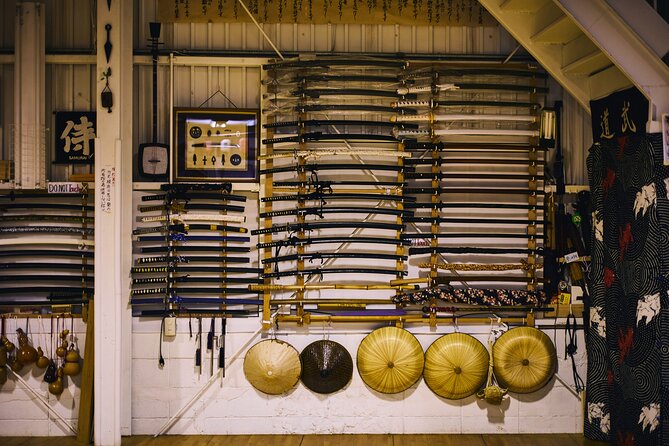
One reason this class feels different from a “try Kendo for photos” setup is that the dojo also functions as a museum. You are surrounded by samurai artifacts and memorabilia while you are learning.
That does not mean you sit and stare at display cases. It adds atmosphere and helps the history portion feel real. When your instructor explains Bushidō and how Kendo developed from older fighting methods, the physical artifacts around you make the story easier to picture.
In other words, you are not just learning how to swing. You are learning why this style of training exists.
Your Photo and Video Souvenir, and How to Get the Most From It
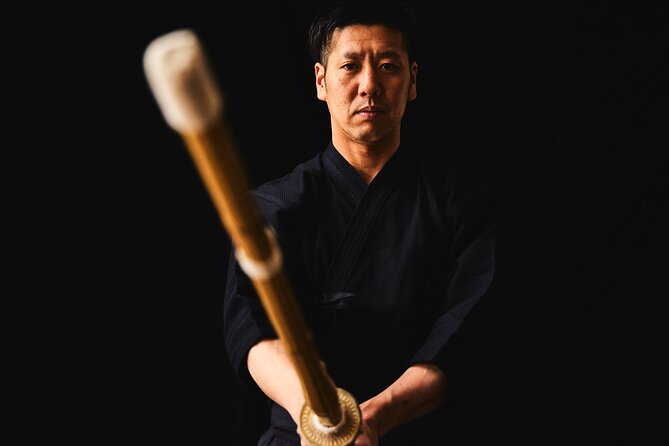
You receive digital photos and videos of the experience as a souvenir. Many participants highlight the moment of getting dressed and the action portion, and the fact that instructors record the session makes it easier to remember what you did correctly.
If you care about getting good shots, take a breath after the armor goes on. The posing and gear moments are part of the experience, and you will look more relaxed on camera. Then, when sparring starts, focus on your form first. The best videos tend to come from controlled technique, not panic swings.
Also note that the class is described as professionally run, and people feel safe during the match-style portion. That safety context matters because you can enjoy the sparring rather than worrying about what might go wrong.
Value Check: Is $131.32 Worth It in Osaka?
At $131.32 per person for about two hours, the value comes from what you get packaged together:
- Instructor-led training in a small group (max 12), so you get real feedback.
- Authentic uniforms and protective armor, meaning you are not paying extra for gear rental.
- A structured lesson that starts with culture and ends with a safe sparring session.
- Digital photo and video souvenirs, which many activities do not include.
If you compare it to stand-alone museum time, guided sessions, or generic martial arts demos, this is a practical buy because you leave with something measurable: a new skill set, plus proof on camera.
If you are chasing only a quick cultural sightseeing stop, it might feel too physical and too short. But if you want hands-on experience with samurai culture, this price point makes sense.
Who Should Book This, and Who Might Skip It
Book it if you want a real taste of Japanese martial culture without needing prior knowledge. It is beginner-friendly, taught in English, and paced so you can learn without feeling lost.
It is also a strong pick for families. In the descriptions, instructors are patient and encouraging, and there is special attention for kids aged 3 to 5. For that younger group, the emphasis is on wearing uniforms and armor and taking photos safely, rather than pushing intense sparring.
You may want to adjust your expectations if you are a martial arts expert. This is a single lesson. You will learn foundations, not advanced technique ladders or long-term progression. Think of it as a focused introduction that gives you a start point.
Final Call: Should You Book This Kendo Experience in Osaka?
I think you should book it if Kendo or samurai culture is on your wish list and you want an experience you can photograph without sacrificing real instruction. The small class size, English-led coaching, and the fact that you practice in protective armor make it feel like the real activity, not a costume stop.
Skip it if you only want passive culture and do not want any physical training. Also keep in mind it is two hours, so plan your day around learning, suiting up, practicing, then heading back ready for the next thing.
FAQ
How long is the Samurai Training Experience KENDO in Osaka?
It runs for about 2 hours.
Is this Kendo class beginner-friendly, and is it taught in English?
Yes. The class is designed for beginners and is conducted in English.
What is the group size for this experience?
The class has a maximum of 12 travelers.
Do I get the Kendo uniform and protective armor?
Yes. You will change into authentic Kendo uniforms and protective armor as part of the experience.
Do I receive photos or videos from the training?
Yes. You receive digital photos and videos as a souvenir.
Are there changing rooms, showers, and climate control at the dojo?
Yes. The facilities include changing rooms, showers, and air conditioning.
Can children participate, and what happens for younger kids?
Kids aged 3 to 5 can participate, with the focus on wearing uniforms and armor and taking photos safely.
What if I need to cancel, and are service animals allowed?
You can cancel for a full refund if you cancel up to 24 hours in advance of the experience start time. Service animals are allowed.
Newly listed around Osaka
- (Ticket Included) Explore Osaka Castle & Museum of History★ 4.8 · 21 reviews
- Hidden Osaka – Yukaku Red Light Tour & Culinary Adventure★ 4.8 · 96 reviews
- Osaka: Walking Tour and Top Highlights★ 4.8 · 104 reviews
- Same Day OK! Osaka: Local Food, Izakaya & Local Bites Tour!★ 4.8 · 17 reviews
- Osaka: Private Ceramic Painting Workshop★ 5.0 · 13 reviews
- Eat Like a Local in Osaka – Private Custom Street Food Tour★ 4.3 · 33 reviews
- Pickleball in Osaka & Kyoto with Locals!★ 4.6 · 64 reviews
- Osaka:SUMO BEATS SHOWCASE: Taiko Drum and Wagyu burger!★ 4.2 · 37 reviews
Samurai Sword & Ninja Training, compared.

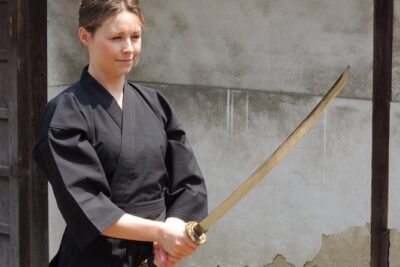
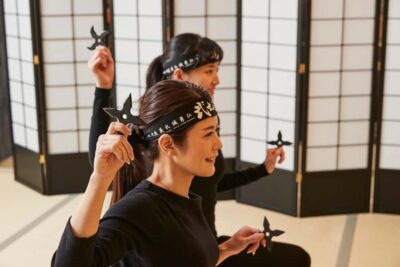
Samurai Ninja Museum Guided tour and Experience
Read our review →
Kendo and Samurai Experience with Uniform and Gear
Read our review →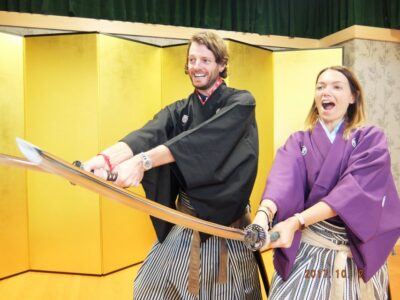
Samurai Sword Class by Experts in Traditional Arts
Read our review →
Skip the lines Basic Ticket at SAMURAI NINJA MUSEUM KYOTO
Read our review →
Samurai Sword & Archery Class from Samurai Descendant
Read our review →
Browse the lists this tour appears in