
Review · SAMURAI SWORD & NINJA TRAINING
Osaka: Samurai Training Experience KENDO in Osaka
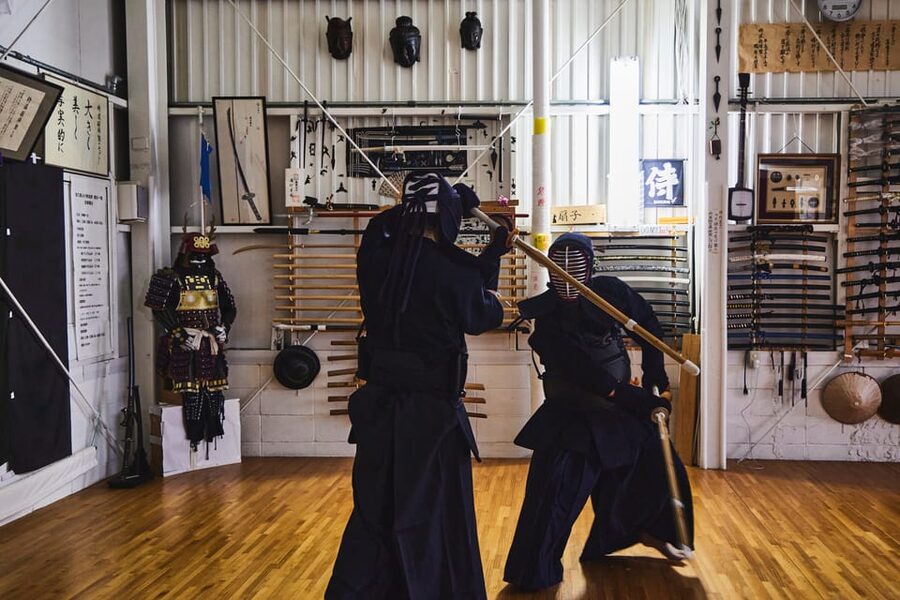
Kendo in Osaka is not just a photo stop. This 2-hour hands-on session puts you in full gear inside a real dojo, with English-speaking instruction that builds from basics to match-style practice.
Two things I especially like: the training starts with proper etiquette and history, and you get paired practice that feels like real Kendo rules, not a stunt. One consideration is the strict age limits for trying Kendo, so it is best to read the guidelines before you book.
What makes this format work is the way you progress. You wear the full protective armour and uniform, learn posture and footwork, then move into controlled sparring where timing matters more than brute strength.
The photo moment is also a plus. You get a Samurai-themed photo session using swords and props inside the dojo, so your memories look like they belong in Japan, not on a mall set.
In This Review
- Key Points at a Glance
- Samurai Training in Osaka: A Real Dojo, Not a Performance
- The 2-Hour Flow: Lecture, Gear, Basics, Then Sparring
- What Full Kendo Armour Does for First-Time Confidence
- Reiho and Bushidō: Why the Etiquette Part Is More Than Culture Talk
- Learning Kendo Techniques the Safe, Structured Way
- The Sparring Moment: What It Feels Like When It Gets Real
- Samurai Photos Inside the Dojo: How to Get Shots That Look Real
- Price and Value: Is $127 for 2 Hours Worth It?
- Who Should Book This Kendo Session in Osaka
- What to Bring, What to Expect, and How to Prepare
- Should You Book This Samurai Kendo Experience in Osaka?
- FAQ
- How long is the Osaka Samurai training experience?
- Is this experience suitable for beginners?
- Do I need prior martial arts or Kendo experience?
- What is included in the price?
- What should I bring with me?
- Are there age restrictions for trying Kendo?
- What about children aged 3 to 5?
- What languages are used during the session?
- Is the experience wheelchair accessible?
- Is there a cancellation policy?
Key Points at a Glance
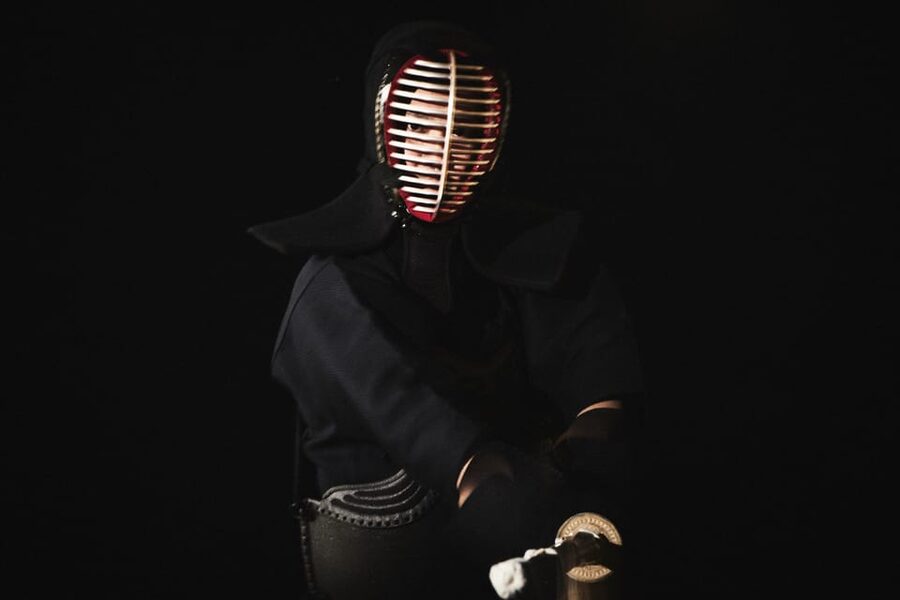
- Full Kendo armour (bogu) so you practice with real protection and real rules.
- Reiho and Samurai culture explained clearly, with focus on respect and self-control.
- English-speaking instruction that slows down when you need it and pushes when you are ready.
- Match-style sparring designed for first-timers, with respect for different comfort levels.
- Dojo photo session with Samurai items and props, in an authentic training space.
Samurai Training in Osaka: A Real Dojo, Not a Performance
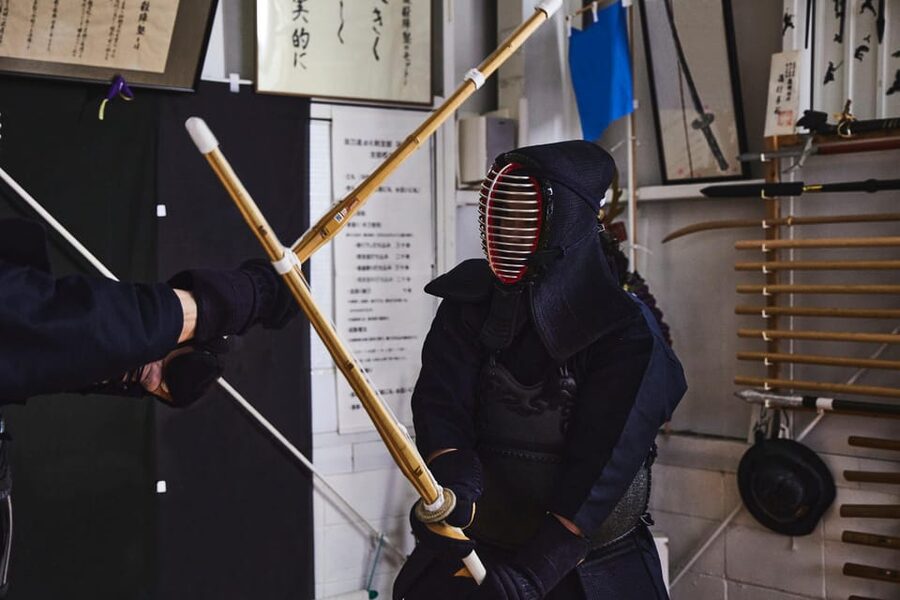
If you want Japan that feels lived-in, this is a strong choice. You train in a genuine Japanese dojo in Osaka City, where the day’s structure follows how Kendo is actually taught. That matters, because Kendo is not only about hitting. It is about posture, control, and the social code wrapped into every movement.
I also like the people side of it. The session is led by an experienced instructor, with English support, plus assistants who help with the flow. In the experience you are not left guessing. You are guided through each step, corrected when needed, and pulled back to safety rules without shaming or rushing you.
One more practical thing: the activity is set up mainly for beginners. If you have never done martial arts, you are still a good fit. If you have prior experience, you can still get meaningful sparring in a respectful way.
More Samurai & Ninja Sessions in Osaka
- Samurai Training Experience KENDO in Osaka
★ 5.0 · 515 reviews - OSAKA NIGHT FUSION Japanese Taiko Kabuki Samurai Dance Show
★ 4.8 · 155 reviews - Osaka: Private Samurai Experience – Train with Sword Master
★ 5.0 · 36 reviews
The 2-Hour Flow: Lecture, Gear, Basics, Then Sparring
The schedule is short, but it is built like a class, not like an entertainment segment. You begin with a lecture that connects Kendo to Samurai values, especially Bushidō and Reiho (etiquette). The goal is to understand why the movements look the way they do, and why respect is part of the sport.
Next comes the hands-on part. You will change into traditional Kendo wear, including the uniform and the hakama-style pants, then put on full protective armour: Men, Kote, Dō, and Tare. Once you are dressed, you hold a shinai (bamboo sword) and learn the fundamentals.
From there, you train basics like:
- posture and body alignment
- footwork and distance
- safety rules for controlled practice
Then you shift into partnered drills and a match-style sparring experience. This is where beginners often feel surprised. It is fun, but it is also athletic. You are not trying to win a fight. You are learning timing and focus under Kendo rules. That is why even first-timers usually walk out sweaty and satisfied.
Finally, you cap the day with a Samurai-themed photo session inside the dojo. It is not an afterthought. It is part of the experience arc, after you have already learned how the gear and stance should look.
What Full Kendo Armour Does for First-Time Confidence
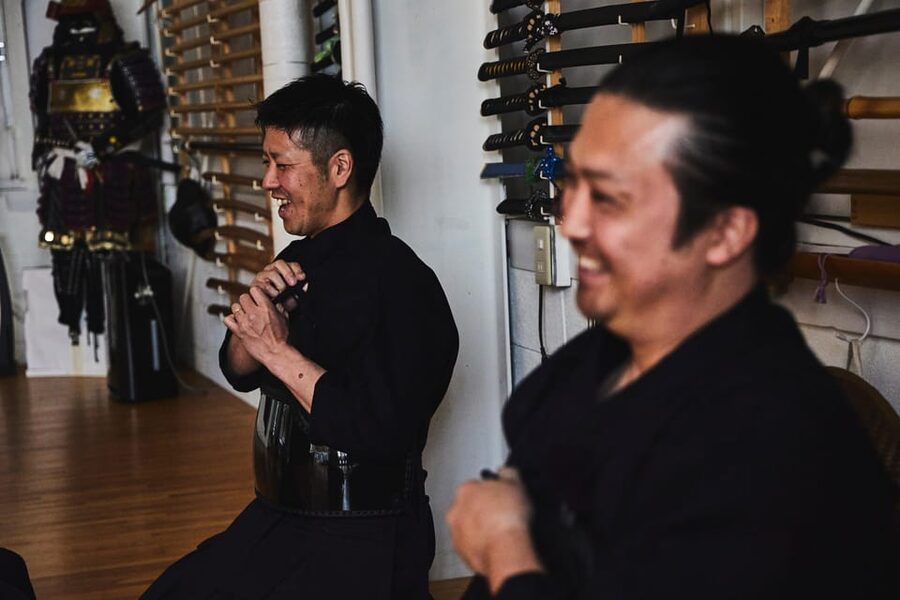
Wearing full Kendo armour changes everything. With the bogu in place, you can focus on correct technique instead of fear of getting hurt. Your brain stops worrying about impact and starts listening to the instructor’s cues.
You also get a better feel for how Kendo is meant to move. The equipment shapes your body position, and that helps you understand what you see in videos and anime. The Men helmet keeps your head protected and encourages you to keep your posture steady. Kote gloves teach you where your hands should be in relation to timing and distance. The Dō and Tare add protection that lets practice stay confident and controlled.
A simple but important tip: do not try to force power. In Kendo practice, precision and timing matter more. Expect your legs and core to work hard during stance changes and footwork. If you are physically active, you will feel at home. If you are not, you will still be fine, but slow down your effort and focus on form.
Reiho and Bushidō: Why the Etiquette Part Is More Than Culture Talk
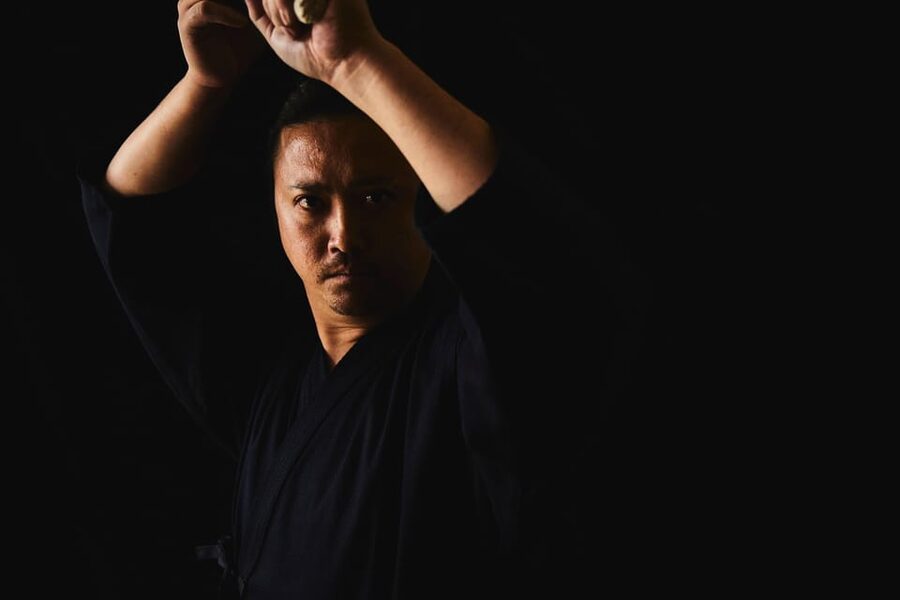
A lot of martial arts experiences skip the why and go straight to action. Here, you actually learn the etiquette framework first. That is Reiho, the manners and respectful protocols that structure how practice and sparring happen.
You are introduced to Kendo’s history, including how it connects to Bushidō, the warrior way. The lesson emphasizes self-control, mutual respect, and focus. That shows up immediately in the training rules and the way you are guided.
This part is valuable for two reasons:
1) It gives you context, so the bows and safety protocols feel meaningful instead of random.
2) It changes your behavior in the dojo, which improves the overall learning pace.
I like that the instructor takes time to explain what matters. Even if you only catch some phrases, you still feel the system. You will likely leave with an instinct for how to act respectfully in training spaces in Japan, not just during your session.
More Samurai and Ninja sessions in Osaka:
- Osaka: Kendo Workshop Experience
★ 4.9 · 28 reviews - Experience Samurai and traditional Culture to the fullest
★ 5.0 · 26 reviews - Osaka Castle & Samurai History Walking Tour
★ 5.0 · 22 reviews - Osaka: Ninja Experience Cafe in Dotonbori
★ 4.9 · 16 reviews
Learning Kendo Techniques the Safe, Structured Way
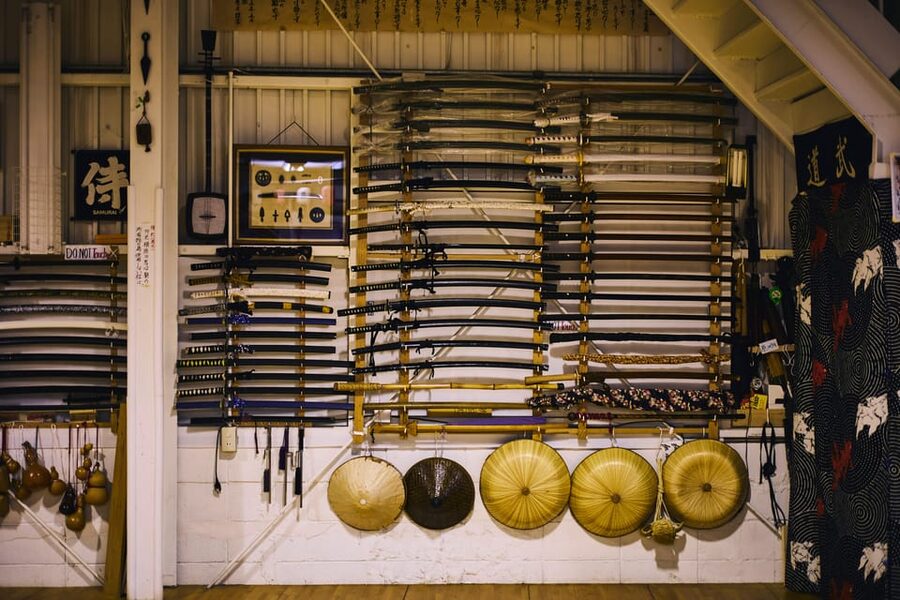
Your technique work starts basic and stays safe. You learn the posture and footwork first, then simple striking and defensive patterns. The class builds so you are not overwhelmed.
One reason this experience works for beginners is the pacing. You are taught step by step, and instruction is available in English. The instructor is described as patient and attentive, and you can get corrections without feeling lost.
Another smart element is the match-style ending that still respects where you are starting from. The sparring is described as respectful and intense in a fun way. That combination is key. You get real engagement, but the safety rules keep the session on track.
If you have experience in martial arts or Kendo, you are still welcome. You will likely find that your background helps with footwork rhythm and distance. But even if you have no background, the course is designed so you can still participate fully.
The Sparring Moment: What It Feels Like When It Gets Real
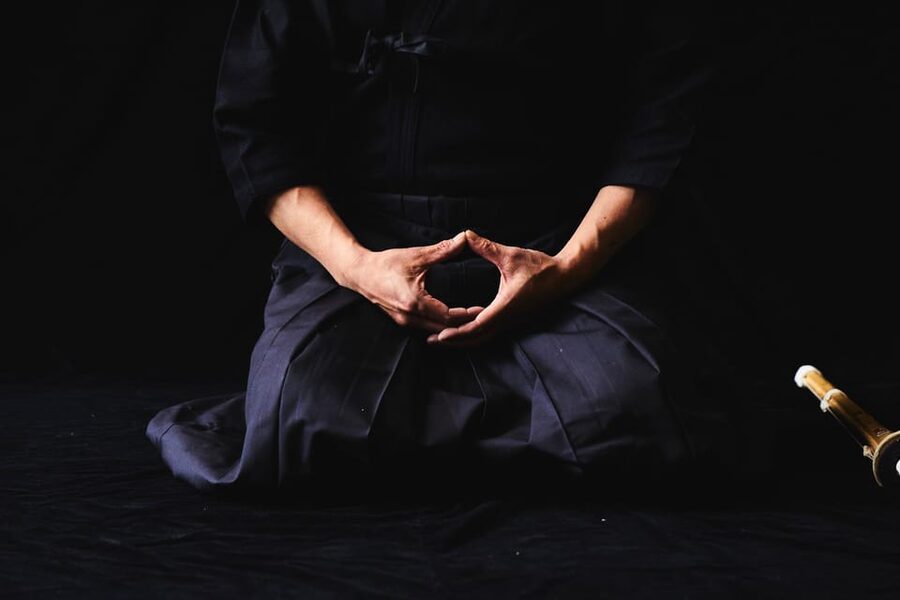
When you move into paired practice and sparring, you shift from learning moves to applying them. You are working timing, spirit, and focus, not just strength. That is why this is often a highlight.
From the way the session is taught, I would expect:
- lots of emphasis on distance control
- quick resets after each exchange
- coaching to improve your form, not just scoring points
The sparring experience is structured like a real Kendo encounter, following Kendo rules. Beginners should not expect a gentle demo. You will likely be surprised by how much energy a two-hour Kendo session takes. Legs get tired fast, and you will work up a sweat, especially during match-style rounds.
If you want to get the best value from the sparring segment, focus on calm breathing and clean footwork. When you panic and rush, your timing gets messy. When you stay composed, your strikes start landing more cleanly.
Samurai Photos Inside the Dojo: How to Get Shots That Look Real
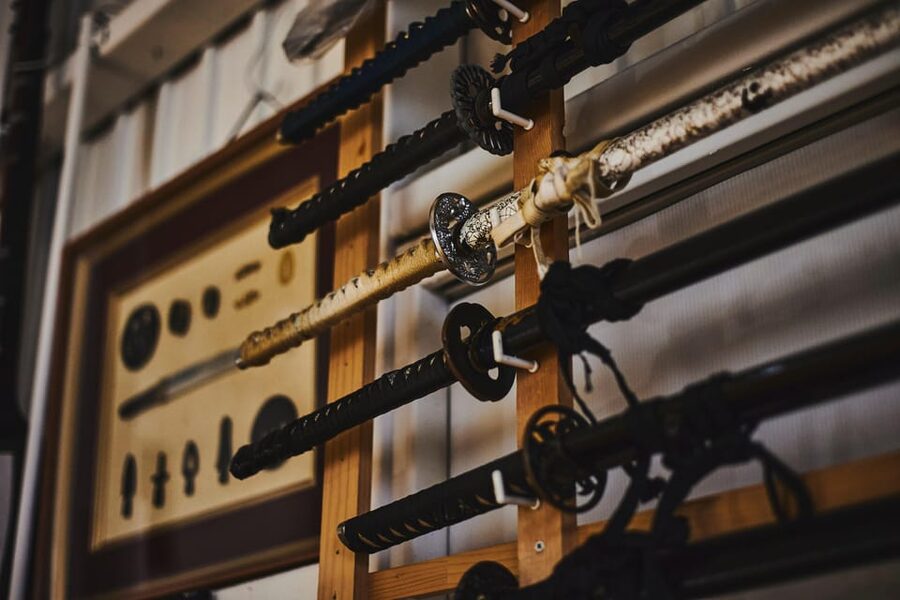
The photo session is one of the most practical souvenirs in this experience. You are dressed in Kendo gear already, so your photos look authentic because you are not performing in street clothes.
You get Samurai items and props, and the photos are taken inside an actual dojo. That gives you that real wood, training space vibe that you just cannot fake in a themed studio.
Here is how to make the photos work for you:
- Pay attention during your stance practice so you know what looks correct in gear.
- Ask for a mix of posed shots and action-style shots if offered.
- If you care about how you look, tell the assistant when you want to slow down and redo a pose.
This is also a good moment for couples and friends. You can compare stances and gear shots right away, which helps you remember the training part, not only the costumes.
Price and Value: Is $127 for 2 Hours Worth It?
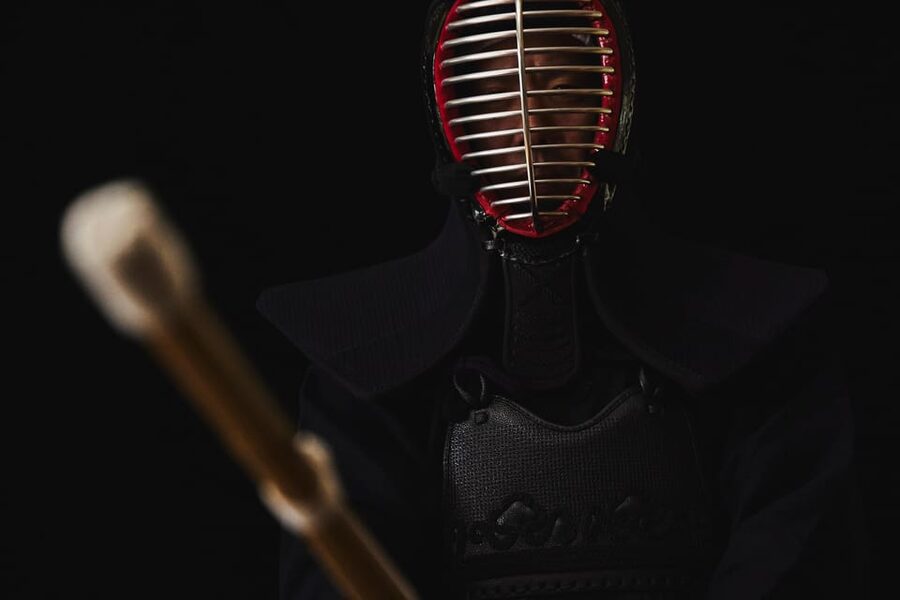
At $127 per person for 2 hours, you are paying for more than “a class.” You are paying for a full Kendo setup and trained staff time.
That value shows up in the inclusions:
- lecture on Kendo history and Samurai values
- traditional uniform and full protective armour
- instruction from an experienced instructor with English support
- shinai and guided practice
- dojo photo session
If you think about the cost of renting or buying protective gear plus paying for a qualified coach, this price feels more reasonable. And because the session includes the full outfit and photos, you leave with both a skill you can explain and images that actually fit the experience.
The main tradeoff is time. It is only 2 hours, so you will not leave as a Kendo expert. You will leave with a real taste of the discipline, plus enough technique basics to talk about Kendo like you understand it.
Who Should Book This Kendo Session in Osaka
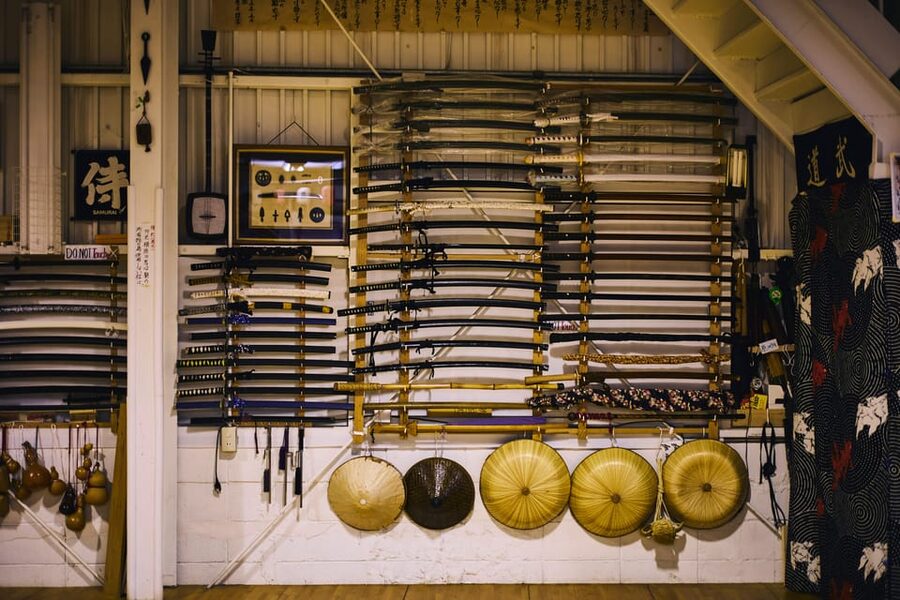
This experience is a good fit if you want hands-on culture, not just a museum stop. It suits:
- anime and Samurai fans who want something physical and real
- visitors who want an authentic dojo training format
- beginners looking for structure and safety
- active travelers who enjoy learning a sport with rules
It may not fit if:
- you are outside the allowed age range for trying Kendo
- you want a purely low-impact activity
- you are expecting a long, multi-session training program
If you are traveling with kids, there are specific formats. Children aged 3 to 5 mainly do uniform and armour try-on and photo-focused activities, not the same full training experience as adults. That is great if your kid enjoys costumes and photos, but you should set expectations for active sparring.
What to Bring, What to Expect, and How to Prepare
Preparation is simple. You just need to bring drinks. Everything else is provided as part of the session: uniforms, protective armour, and the shinai for practice.
I would also recommend practical mindset prep:
- Wear comfortable layers under your gear. You are getting fully suited.
- Keep your expectations realistic. You will learn fundamentals, then test them.
- Be ready for your legs to feel it. Footwork and stances are the workout.
One more practical tip: provide your height, weight, and gender for the best fit. In gear-based sports, fit affects comfort and safety, so this helps the instructors set you up properly.
Should You Book This Samurai Kendo Experience in Osaka?
If you want a unique Osaka activity that is not fake and not passive, I think this is a smart booking. You get real protective gear, clear instruction in English, and a structured progression from etiquette and history to practical practice. Add in the dojo photo session, and you leave with both memories and muscle.
Skip it only if your group falls outside the age rules for trying Kendo or if you are looking for something more relaxed and sedentary. For most visitors, this is one of the best ways to experience Samurai culture in a way you can actually feel in your body.
FAQ
How long is the Osaka Samurai training experience?
It lasts about 2 hours. You can check availability to see starting times.
Is this experience suitable for beginners?
Yes. It is designed mainly for beginners and first-time participants, with a safe and welcoming training environment.
Do I need prior martial arts or Kendo experience?
No. You can join as a beginner. If you have prior experience, you may still enjoy respectful sparring with a skilled practitioner.
What is included in the price?
You get a lecture about Kendo, the uniform and protective armour, instruction from an English-speaking instructor, and a Samurai photo session.
What should I bring with me?
You should bring drinks.
Are there age restrictions for trying Kendo?
Yes. Guests over 76 cannot try Kendo and can view only. Children under 2 cannot try Kendo.
What about children aged 3 to 5?
For ages 3 to 5, the programme mainly focuses on uniform and armour try-on and photo sessions. It is not the same full training experience as for adults.
What languages are used during the session?
The instructors provide instruction in English and Japanese.
Is the experience wheelchair accessible?
Yes, it is listed as wheelchair accessible.
Is there a cancellation policy?
Free cancellation is available up to 2 days in advance for a full refund.
Newly listed around Osaka
- (Ticket Included) Explore Osaka Castle & Museum of History★ 4.8 · 21 reviews
- Hidden Osaka – Yukaku Red Light Tour & Culinary Adventure★ 4.8 · 96 reviews
- Osaka: Walking Tour and Top Highlights★ 4.8 · 104 reviews
- Same Day OK! Osaka: Local Food, Izakaya & Local Bites Tour!★ 4.8 · 17 reviews
- Osaka: Private Ceramic Painting Workshop★ 5.0 · 13 reviews
- Eat Like a Local in Osaka – Private Custom Street Food Tour★ 4.3 · 33 reviews
- Pickleball in Osaka & Kyoto with Locals!★ 4.6 · 64 reviews
- Osaka:SUMO BEATS SHOWCASE: Taiko Drum and Wagyu burger!★ 4.2 · 37 reviews
Samurai Sword & Ninja Training, compared.

Samurai Ninja Museum Guided tour and Experience
Read our review →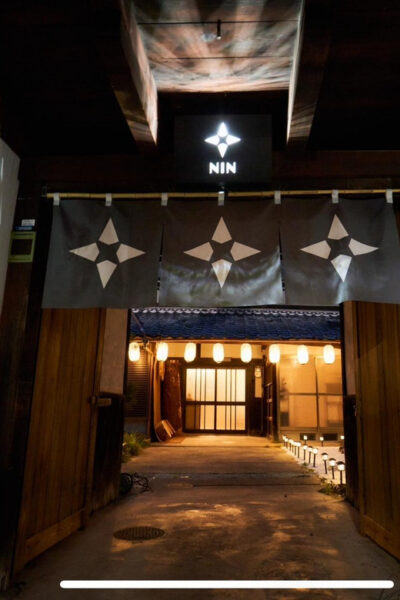
Kendo and Samurai Experience with Uniform and Gear
Read our review →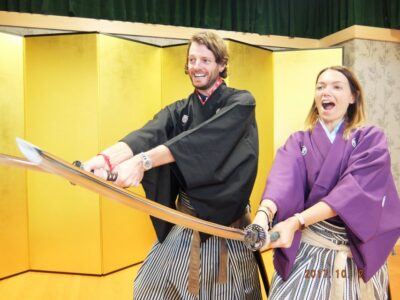
Samurai Sword Class by Experts in Traditional Arts
Read our review →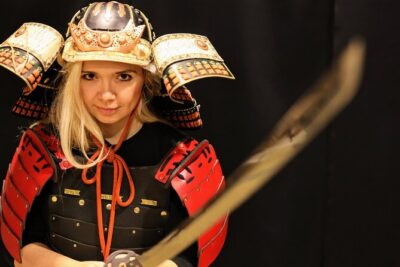
Skip the lines Basic Ticket at SAMURAI NINJA MUSEUM KYOTO
Read our review →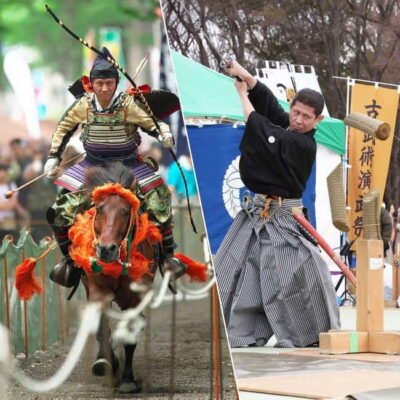
Samurai Sword & Archery Class from Samurai Descendant
Read our review →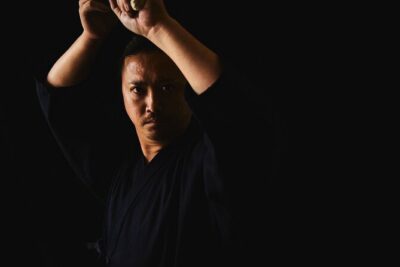
Browse the lists this tour appears in