Review · GEISHA DISTRICT WALKS
Kyoto: Gion Geisha District & Sake-in-Hand Walking Tour
Gion after dark has a different pulse. This small-group walk threads you through Gion’s backstreets and key shrine and temple stops, with sake turning the whole evening a little softer.
What I like most is the chance to understand geisha culture through a guide’s commentary, not just see pretty streets.
You’ll also appreciate the built-in pace. The route is short enough for a relaxed evening (about 1 to 1.5 hours), yet it hits the spots that make Higashiyama and Gion feel like one connected world.
One thing to consider first, there’s a lot of walking on stone and slopes. If your mobility is limited, you might find it tiring, even though the stops are spaced out.
In This Review
- Key reasons this tour works well
- Why Gion After Dark Feels Like a Different Kyoto
- Meeting Point and the End at Yasaka Shrine
- The Route Core: Gion Streets Without Getting Lost
- Gion, Kyoto’s most famous geisha district
- Hanamikoji Street and how to use it as your visual anchor
- Yasui Konpiragu and Hokan-ji: Shrines and a Pagoda You Can Feel
- Yasui-Konpiragu Shrine: a shrine with a specific kind of hope
- Hokan-ji Temple (Yasaka Pagoda): the landmark people point at
- The Higashiyama Slopes: Ninenzaka, Sannenzaka, and Sanneizaka
- Sannenzaka and Ninenzaka: the classic stone-paved approach
- Sanneizaka: the quieter adjacent slope
- Nene-no-Michi: A Named Path With Story Energy
- Kamo River: The Scenic Thread Through the Night
- The Sake in Hand Part: More Than a Free Pour
- Guide Commentary: Samurai, Zen, and Geisha Context That Actually Helps
- Price and Value: Why About $27.84 Can Make Sense
- What to Wear and How to Keep the Evening Respectful
- Who This Tour Is Best For, and Who Should Skip It
- Should You Book This Kyoto Gion and Sake Tour?
- FAQ
- How long is the Kyoto Gion Geisha District & Sake-in-Hand Walking Tour?
- How many people are in the group?
- What is included besides the walking?
- Does the tour include temple or shrine entry fees?
- Where does the tour start and where does it end?
- Is the tour only in Gion?
- Is there an age requirement?
- Do I need to be physically fit?
- What happens if the weather is bad?
Key reasons this tour works well

- Small group, max 10 people, so you can hear the guide and keep up on narrow lanes
- Sake in hand during the walk, a fun way to match the mood of lantern-lit Kyoto
- Real Gion streets, including Hanamikoji and the quieter back alleys people miss
- Landmarks with meaning, like Yasaka Shrine and Hokan-ji (Yasaka Pagoda)
- Good for first-timers, because the route gives you context fast, so you can explore more confidently
Why Gion After Dark Feels Like a Different Kyoto
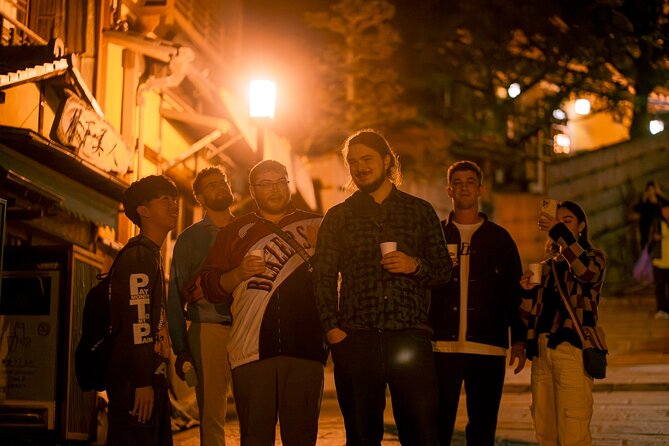
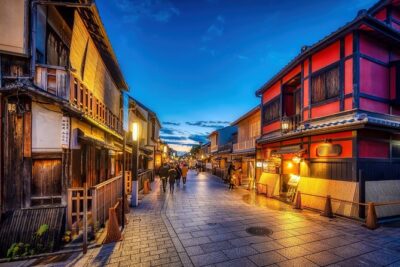
Gion at night is when the district starts acting like itself. Daytime crowds can make everything blur, but after dark you get lantern light, quieter lanes, and more of that old Kyoto mood.
This tour leans into that timing. You’re not just walking from one photo stop to another, you’re being taught how to read the area, including what to look for in and around geiko and maiko districts. That cultural context is what turns a simple stroll into something you can remember.
More Drinking Tours in Kyoto
- Kyoto Night Foodie Tour in Gion (9+ dishes + 6 Sake tastings)
★ 5.0 · 1,762 reviews - 3-Hour Kyoto Insider Sake Brewery Tour with Tastings & Pairings
★ 5.0 · 917 reviews - Arashiyama Bamboo, Temple, Monkeys, or Secret Sake Brewery
★ 4.8 · 886 reviews
Meeting Point and the End at Yasaka Shrine
You start at Kikunoi RoanJapan (Saitōchō area near Shijo). The exact address is 600-8012 Kyoto, Shimogyo Ward, Saitōchō, 四条下る斎藤町118.
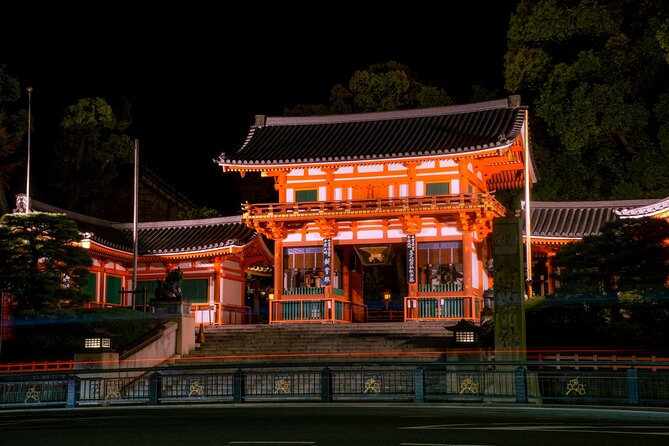
You end at Yasaka Shrine (625 Gionmachi Kitagawa, Higashiyama Ward, Kyoto, 605-0073). Ending here matters, because it’s a central, easy-to-follow landmark for the rest of your night, and it also makes it simpler to grab a taxi or get back toward your plans.
If you’re finishing late, do yourself a favor and plan a backup route. The tour can conclude when buses are no longer running, and the provider says they can help you catch a taxi or return to the starting point.
The Route Core: Gion Streets Without Getting Lost
The tour’s main payoff is moving through Gion without the stress. Gion is famous, which also means it’s easy to wander in circles. Here, you follow a guide through the district’s lanes so you spend your energy looking up and around instead of scanning every corner.
Gion, Kyoto’s most famous geisha district
You’ll walk through Gion, known for its traditional machiya wooden townhouses and historic teahouses. Even if you don’t spot a geiko or maiko, the area still reads differently when you know what you’re seeing.
A practical tip: keep your distance and stay respectful. This is a residential neighborhood as well as a tourist zone, and the tour instructions specifically ask you to keep voices down while walking through residential areas at night.
More Food Tours in Kyoto
- Kyoto: Insider Sake Brewery Tour with Sake and Food Pairing
★ 5.0 · 704 reviews - Kyoto Sake Brewery & Tasting Walking Tour
★ 5.0 · 623 reviews - Kyoto Nishiki Market Food and Culture Walking Tour
★ 5.0 · 412 reviews - 1.5-Hour Kyoto Insider Sake Experience with 7 Tastings & Pairings
★ 5.0 · 297 reviews
Hanamikoji Street and how to use it as your visual anchor
Next up is Hanamikoji Street, one of the best-known streets in Gion. It’s preserved, narrow, and photogenic, and it works as your visual anchor for the district.
If you want photos, this is where they usually come easiest. The street structure and lighting create a natural frame, and the tour pacing gives you a short window to pause.
Yasui Konpiragu and Hokan-ji: Shrines and a Pagoda You Can Feel
Part of the fun here is that the route mixes Gion culture with Kyoto’s shrine and temple atmosphere. You’re not stuck in one theme all night.
Yasui-Konpiragu Shrine: a shrine with a specific kind of hope
You’ll visit Yasui-Konpiragu, a Shinto shrine in the Higashiyama district. It’s known for a ritual linked to severing bad relationships and bringing good ones. The shrine is also famous for the large Enki lantern.
This stop is a good chance to slow down. Even if you’re not into ceremonies, you’ll get a sense of how old beliefs live right in the middle of daily Kyoto life.
Hokan-ji Temple (Yasaka Pagoda): the landmark people point at
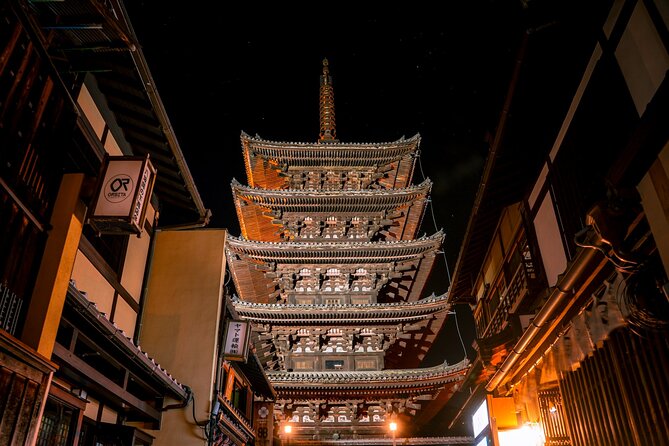
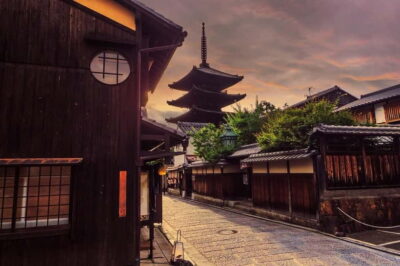
Then comes Hokan-ji Temple, commonly called Yasaka Pagoda. It’s a striking five-story pagoda and a big landmark in Higashiyama.
What makes this stop work on a walking tour is timing. The route includes it with enough time for you to look closely and absorb the scale, without feeling rushed through the surroundings.
The Higashiyama Slopes: Ninenzaka, Sannenzaka, and Sanneizaka

After you’ve had your shrine-and-pagoda moment, the tour shifts into the historic pedestrian streets that make Kyoto feel like Kyoto.
Sannenzaka and Ninenzaka: the classic stone-paved approach
You’ll pass through Sannenzaka and Ninenzaka. These are charming, historic, stone-paved lanes, known for traditional wooden buildings and that gently sloping, walkable rhythm.
Drawback to plan for: slopes plus crowd energy. Even on a guided tour, these streets can be busy at peak times, and the route is about strolling, not sprinting to landmarks.
Sanneizaka: the quieter adjacent slope
You then move to Sanneizaka, a stone-paved slope right next to Ninenzaka. It’s a short stop, but it helps you see how Kyoto’s layers fit together geographically, not just as separate attractions.
If you like architecture details, this is where you can spot the changes in building styles as the street curves.
Nene-no-Michi: A Named Path With Story Energy
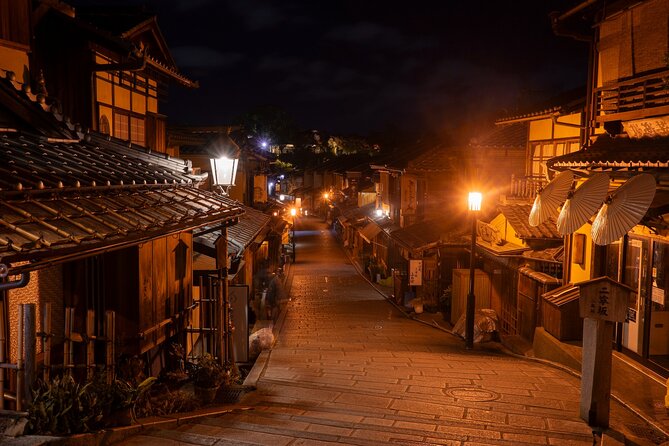
The tour includes Nene-no-Michi, a serene stone-paved path connecting Kodaiji Temple and Maruyama area. It’s named after Nene, the wife of Toyotomi Hideyoshi.
This is one of those segments where the walking feels less like transport and more like a short reset. Even in a one-hour-plus tour, Nene-no-Michi gives you a calmer pace and a better sense of direction.
Kamo River: The Scenic Thread Through the Night

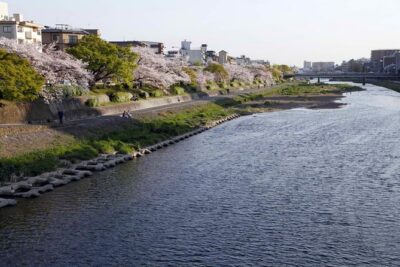
Early in the experience, the tour focuses on the Kamo River, which runs through the center of Kyoto. It’s known for scenic views and historical significance, and during cherry blossom season the riverbanks are lined with trees.
Even if you visit outside blossom season, the river corridor still gives you a visual break from street walls. It also helps the route feel like a real evening walk, not just a checklist of stops.
The Sake in Hand Part: More Than a Free Pour
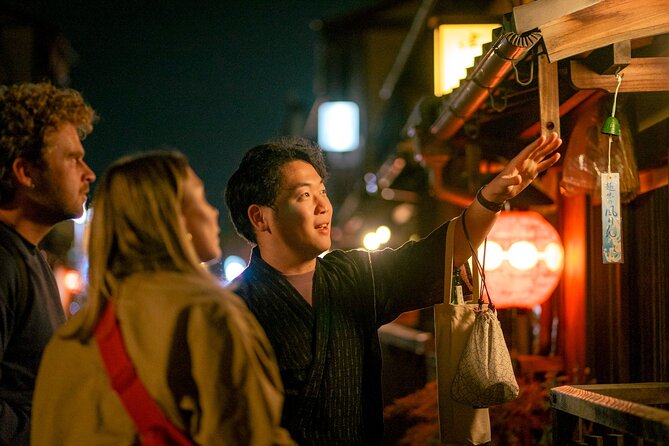
Let’s talk about the big feature: you get a local sake tasting as part of the tour. This is one of the highest praised parts of the experience, because it sets the mood while you walk.
Sake changes how you pay attention. Instead of only focusing on sights, you start noticing the feel of the evening, the lantern glow, and the guide’s stories as part of the same atmosphere.
A practical note from the tour rules, this activity includes alcohol, so drink responsibly. Pace yourself, and if you’re not comfortable with alcohol, consider what pace and social atmosphere you want from a night tour.
Also, be ready for small interactions. People often ask questions during this kind of tour, and guides featured in past groups (like Shumpei and Mune) are described as friendly and willing to talk about life and differences between cultures.
Guide Commentary: Samurai, Zen, and Geisha Context That Actually Helps
What makes this tour more useful than a basic stroll is the commentary. You’re not only learning about the obvious places like Yasaka Shrine, you’re getting cultural context that connects the pieces.
The guide storytelling covers geisha culture, and you’ll also hear references to samurai culture and Zen meditation. That kind of context matters because Kyoto is layered. Without a few guiding explanations, you might enjoy the sights but miss why people built them where they did and how they fit into daily life.
This is also where a small group helps. With fewer people, the guide can keep the flow going and answer questions that come up naturally.
Price and Value: Why About $27.84 Can Make Sense
At $27.84 per person, this is priced like a budget-to-mid activity, not a premium private tour. The value comes from three practical things happening together:
First, you get a tight route that includes multiple major stops, so you’re not paying for one temple and calling it a day.
Second, you get sake tasting included, which is a real add-on for the evening. Even if you would buy one drink anyway, the tasting is the kind of experience that helps you remember the night beyond the photos.
Third, the max group size is 10, which usually means you’ll spend less time waiting and more time walking and listening. On narrow Gion streets, that matters.
If you’re the type who likes to understand what you’re seeing, this price feels fair. If you only want a quick look and zero conversation, you might feel you paid for guidance rather than sights.
What to Wear and How to Keep the Evening Respectful
This is a nighttime walking tour with residential areas in the mix. That means you should dress for walking and behavior, not just weather.
Wear comfortable shoes. The itinerary includes slopes and stone-paved streets, and the tour notes moderate physical fitness is recommended.
Keep your voice down. The provider specifically asks you to respect local residents while walking through neighborhoods at night. In practice, that means no loud talking, no music, and no rushing into private-looking areas for photos.
If it’s rainy or very windy, plan your expectations. The tour requires good weather, and if it’s canceled due to poor weather, you’ll be offered a different date or a full refund.
Who This Tour Is Best For, and Who Should Skip It
This is a great match if you want:
- an orientation to Gion and Higashiyama at night
- geisha culture context with a guide
- a short walking schedule around major landmarks like Yasaka Shrine and Hokan-ji
- an included sake tasting that fits the vibe
It may not be ideal if:
- you dislike walking, or you struggle with slopes and uneven stone
- you expect a very interactive, back-and-forth style tour every minute
- you prefer to choose every stop on your own with no structure
There’s also an age requirement: participants must be 20 years old or older. The tour includes alcohol, so that rule fits the design.
Should You Book This Kyoto Gion and Sake Tour?
If your goal is to see Gion at night without getting lost, this is an easy yes. The combination of small group size, cultural commentary, and sake tasting makes the evening feel intentional, not random.
Book it if you like history that you can feel in the streets, plus a route that ends at Yasaka Shrine so you can keep exploring afterward. I’d skip it if you’re mainly chasing nightlife photos and want minimal walking, or if you know you cannot handle stone slopes.
If you pick a night when the streets are dry and you dress for comfort, you’ll get the best version of what this tour is designed to do: a calm, respectful walk through Kyoto’s most story-rich blocks.
FAQ
How long is the Kyoto Gion Geisha District & Sake-in-Hand Walking Tour?
The tour lasts about 1 hour to 1 hour 30 minutes.
How many people are in the group?
The tour has a maximum of 10 travelers.
What is included besides the walking?
The tour includes a sake tasting, and it also provides alcohol as part of the experience.
Does the tour include temple or shrine entry fees?
All the listed stops show admission ticket free.
Where does the tour start and where does it end?
It starts at Kikunoi RoanJapan (四条下る斎藤町118) and ends at Yasaka Shrine (Gionmachi Kitagawa).
Is the tour only in Gion?
No. The route includes Gion, Hanamikoji Street, Yasui-Konpiragu Shrine, Hokan-ji Temple (Yasaka Pagoda), and several historic streets in Higashiyama, plus Yasaka Shrine.
Is there an age requirement?
Yes. Participants must be 20 years old or older.
Do I need to be physically fit?
You should have a moderate physical fitness level, because it involves a lot of walking.
What happens if the weather is bad?
The tour requires good weather. If it’s canceled due to poor weather, you will be offered a different date or a full refund.
More Walking Tours in Kyoto
- Kyoto Geisha Walking Tour: Gion District & Hidden Gems
★ 4.7 · 3,273 reviews - Kyoto: Gion Geisha District Walking Tour – Stories of Geisha
★ 4.7 · 2,187 reviews - Night Walk in Gion: Kyoto’s Geisha District
★ 4.5 · 2,003 reviews - Kyoto Gion Geisha District Walking Tour – The Stories of Geisha
★ 5.0 · 1,441 reviews
More Sake Tastings in Kyoto
- Kyoto: Insider Sake Experience with 7 Tastings and Snacks
★ 5.0 · 266 reviews - Private Tea Ceremony and Sake Tasting in Kyoto Samurai House
★ 5.0 · 163 reviews - Kyoto: Sake Brewery and Tasting Tour in Fushimi
★ 4.8 · 55 reviews - Advanced Kyoto Insider Sake Tasting Experience
★ 5.0 · 44 reviews
Newly listed around Kyoto
- Zen Meditation for Life in Kyoto★ 5.0 · 10 reviews
- Kyoto: Zen Meditation at a Private Temple with a Monk★ 5.0 · 25 reviews
- Kyoto Private Customizable Day Tour with Guide and Vehicle★ 5.0 · 52 reviews
- Private Wagyu Beef Tour with a Local Guide★ 5.0 · 6 reviews
- Your Private Vacation Photography Session In Kyoto★ 5.0 · 110 reviews
- Private Guided Traditional Buddhist Cooking in Japan★ 5.0 · 16 reviews
- Private Pewter Sake Cup Experience with a Kyoto Artisan★ 5.0 · 31 reviews
- Private Cooking Class Udon in Kyoto Japan★ 5.0 · 23 reviews
Geisha District Walks, compared.
Kyoto Geisha Walking Tour: Gion District & Hidden Gems
Read our review →
Gion Geisha District Walking Tour – Stories of Geisha
Read our review →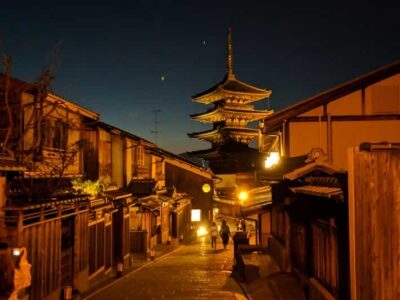
Best of Kyoto: Gion, Geisha, Pagodas & Cobblestones
Read our review →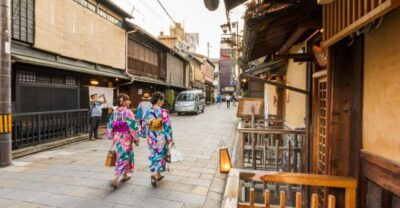
Kyoto Night Foodie Tour in Gion (9+ dishes + 6 Sake tastings)
Read our review →
Kyoto Gion Geisha District Walking Tour – The Stories of Geisha
Read our review →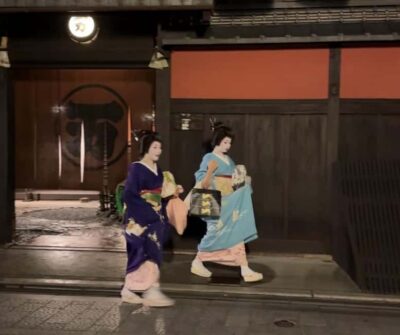
Gion Magical Night Walking Tour with Geisha Insights
Read our review →