Review · KYOTO TOURS
Zen Meditation for Life in Kyoto
A quiet Kyoto afternoon can change your whole pace. This private Zen meditation workshop in a traditional machiya house near Nishi Honganji gives you structured zazen and kinhin instruction, not a crowded, generic temple stop. What I like most is the 90-minute priest-led format, and the practical focus on breath and posture.
One thing to plan for: the session is packed with instruction, so you may feel a bit of information overload unless you remind yourself to just slow down and follow along.
In This Review
- Key highlights to know before you go
- Zen meditation in a machiya house near Nishi Honganji
- The teacher, the lesson style, and what you leave understanding
- How the 4.5-hour session actually unfolds
- Zazen and kinhin: learning the sitting and the walking
- Seated meditation (zazen)
- Walking meditation (kinhin)
- Posture, breath, and mind control, explained in plain terms
- Coffee, tea, and a Kyoto sweet to end the lesson gently
- Price and value: what $108 buys you in real terms
- Getting there from Kyoto Station without making it harder than it is
- Who should book this private Zen meditation workshop
- Should you book this private Zen meditation in Kyoto?
- FAQ
- How long is Zen Meditation for Life in Kyoto?
- Where does the workshop take place?
- Is this a private experience?
- What should I expect during the meditation session?
- Can I meditate if I cannot do lotus or half lotus?
- What drinks and food are included?
- What is the meeting point and start time?
- Is public transportation included in the price?
- What is the cancellation policy?
Key highlights to know before you go
- Private group only: it is truly just your group, so questions and pace stay personal.
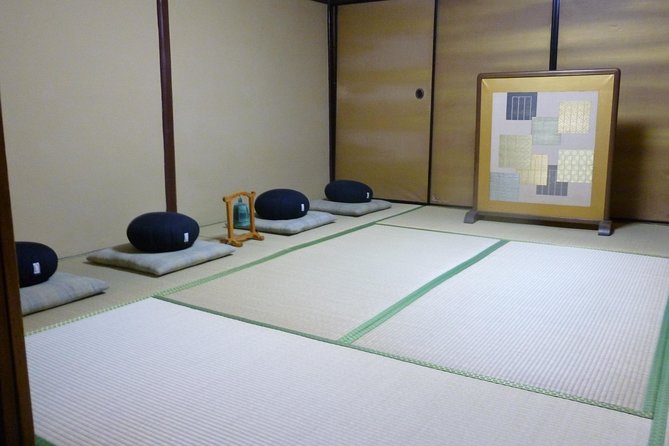
- Machiya house setting: Zen practice in a classic Kyoto home, close to Nishi Honganji.
- Hands-on time: seated meditation and walking meditation are both included, not just theory.
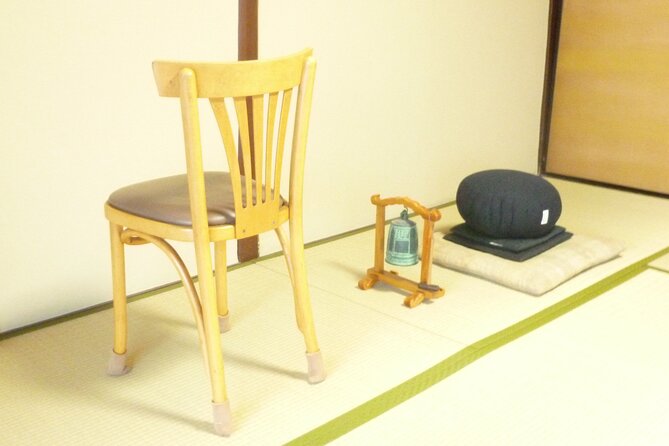
- Chair option: you can practice with lotus, half lotus, or on a chair if that is more comfortable.
- Tea and a Kyoto sweet: you end with green tea and a traditional sweet, built into the price.
Zen meditation in a machiya house near Nishi Honganji
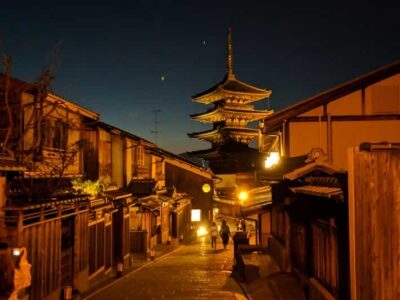
Kyoto is famous for temples, but this is different. Instead of rushing through viewpoints and photo stops, you sit down inside a traditional Kyoto machiya home and learn the actual mechanics of Zen meditation. The location also makes it easy to pair with the rest of your day, since it is near Nishi Honganji and only about a five minute bus or taxi ride from Kyoto Station.
The vibe is calm and focused, with a real lesson structure. You will get a thorough introduction to Zen meditation, then you will practice it right away. That order matters. Most sightseeing days are all intake, but this one builds your attention step by step.
A few more Kyoto days to weigh up
- PERFECT KYOTO 1-Day Bus Tour
★ 5.0 · 13,518 reviews - Kyoto: Fushimi Inari, Kinkakuji, Bamboo Grove 1 Day Bus Tour
★ 4.8 · 4,316 reviews - Kyoto: Tea Ceremony in a Traditional Tea House in Kiyomizu
★ 4.9 · 3,519 reviews
The teacher, the lesson style, and what you leave understanding
The workshop is led by a Zen Buddhist priest, Brian Victoria. He teaches the theory and the practice, but in a way that is meant to help you do it yourself. The goal is not to impress you with big ideas. It is to help you feel confident enough to continue meditating on your own, if you want to.
From what you are set up for, you should expect two kinds of learning. First is the “why” side, the purpose of Zen meditation and how it fits into Zen practice. Second is the “how” side, including posture basics and how to work with breath and attention.
I like that this isn’t positioned as a once-and-done activity. Even if you never become a daily meditator, you still walk away with a clearer mental model for what meditation is trying to do. You will also have time to ask questions at the end with tea service, which helps if something felt confusing while you were sitting.
How the 4.5-hour session actually unfolds
This is a long, real workshop, not a quick “try it once” experience. Plan for an afternoon where your schedule runs in one block and you do not try to squeeze extra plans right before or after.
The session flow is built like this:
- A thorough 90-minute introduction covering both theory and practice
- Two rounds of 20-minute seated meditation (zazen), separated by…
- 10 minutes of walking meditation (kinhin)
- A finish with 30 minutes of tea and a traditional Kyoto sweet
- Time to ask questions during the tea portion
That rhythm is one of the best parts. You get seated focus, then you shift to walking so your body does not feel trapped in one position. Then you return to sitting with a calmer, more collected head.
A practical note: the lesson is detailed, so if you are the type who wants everything explained before you move, you might feel the pace is heavy at first. That does not mean it is poorly taught. It just means you should let yourself absorb gradually.
Zazen and kinhin: learning the sitting and the walking
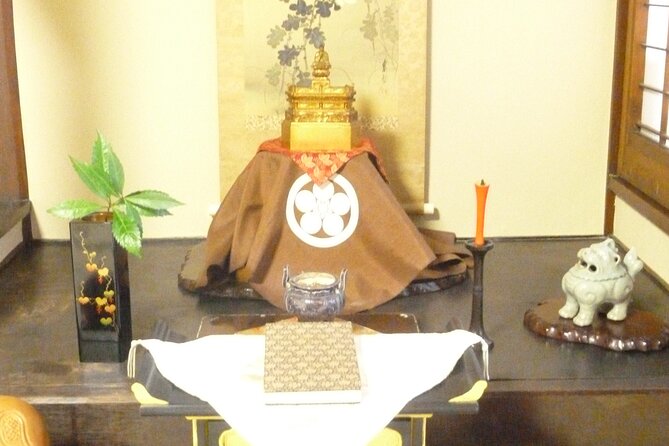
Zen meditation here is not only “sit and hope.” You get instruction on zazen posture and timing, then you practice it. You also get kinhin, the walking meditation, which is often the part people assume they can freestyle. With instruction, it becomes something you can actually repeat later.
A different sort of day in Japan:
- Kyoto Geisha Walking Tour: Gion District & Hidden Gems
★ 4.7 · 3,273 reviews - Kyoto: Tea Ceremony Ju-An at Jotokuji Temple
★ 4.9 · 3,207 reviews - Kyoto: 45-Minute Tea Ceremony Lesson Experience
★ 4.3 · 2,378 reviews - Kyoto: Gion Geisha District Walking Tour – Stories of Geisha
★ 4.7 · 2,187 reviews
Seated meditation (zazen)
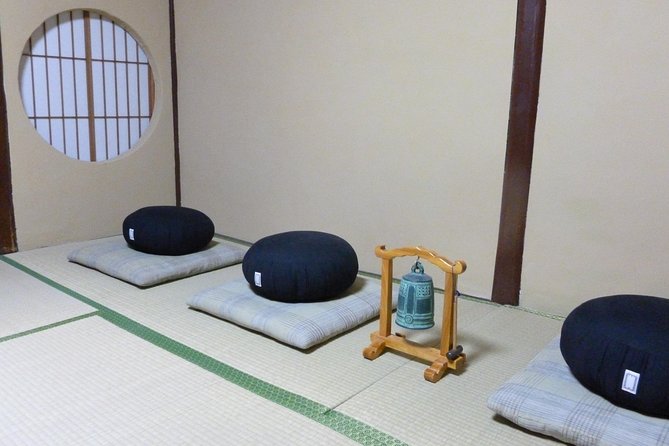
You will be guided through proper posture for mindfulness meditation in the Zen form used in this tradition. The key elements are your body position and your focus on breath and mind control. You are given options: traditional lotus, half lotus, or sitting on a chair.
If you are unsure about lotus or half lotus, the chair option is a big deal for value. It means you can participate fully without turning the session into a stretching contest.
Walking meditation (kinhin)
The short walking segment helps reset your attention. It also gives your legs a break while still keeping your mind on the practice. Since you only have 10 minutes between the seated rounds, you will not feel like you lost momentum. You simply change the channel from sitting awareness to moving awareness.
Posture, breath, and mind control, explained in plain terms
The workshop centers on three practical themes: posture, breath, and mind control. Those words can sound abstract until someone connects them to your actual body.
The posture coaching is especially important. Zen meditation is not just about closing your eyes and thinking good thoughts. In this format, posture is part of the training. You learn what “proper” means in this tradition, and you practice it rather than guessing.
Then comes the breath. You will work with breath as an anchor. This can help you stop chasing thoughts and instead return to the physical reality of breathing. That is how the “mind control” piece becomes workable. You are not trying to erase your thoughts. You are learning how to notice and return.
If you have tried meditation before and felt like you were doing it wrong, this kind of instruction can be a relief. You leave with a clearer idea of what to focus on next time you sit alone.
Coffee, tea, and a Kyoto sweet to end the lesson gently
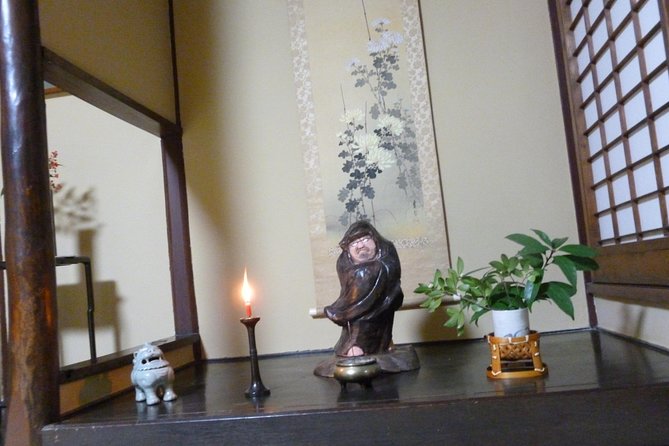
You get drinks during the visit, with coffee and tea provided. The workshop ends with green tea and a traditional Kyoto sweet, and that tea time also functions like a transition out of practice mode.
I like this ending because it makes the experience feel complete. You are not forced to snap back into tourist mode the moment you stand up. The tea pause gives you room to think about what you practiced and what questions you still want to ask.
It also helps if you tend to get a little mentally foggy after sitting still. Something warm in your hands and time to talk makes the whole day feel less like a workout and more like a ritual you can remember.
Price and value: what $108 buys you in real terms
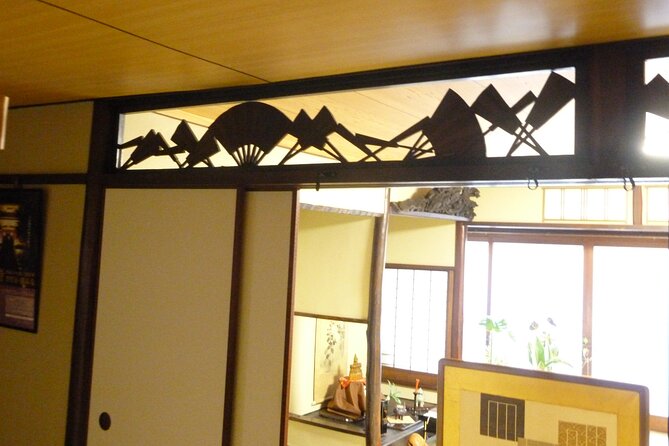
At $108 for about 4 hours 30 minutes, the price can look high if you compare it to a basic temple ticket. But this is not a museum entry. You are paying for a private, structured session with a Zen priest, plus guided practice time, plus included drinks and a sweet.
The biggest value driver is private instruction. In a crowded public class, your posture and breath questions often get swallowed by the group pace. Here, the format is built for your group to stay focused and be able to ask things during the tea portion.
Then there is the inclusion of refreshments. You get coffee and/or tea during the session, and green tea plus a Kyoto sweet at the end. Those details add up, and they also signal that this is meant to be lived as an experience, not just watched.
Public transportation is not included, and the guide notes ¥240 per person for that. If you are already in central Kyoto, you can budget a small amount for the ride. If you are staying near Kyoto Station, the logistics are straightforward.
Getting there from Kyoto Station without making it harder than it is
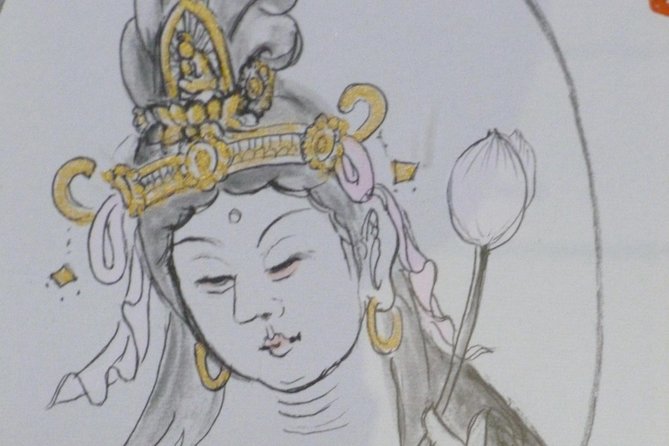
You start at Hotel Granvia Kyoto, at the JR Kyoto Station Central Entrance. The workshop location is a short ride away, about five minutes by bus or taxi from Kyoto Station near Nishi Honganji.
This is one of those practical setups that matters. Kyoto can be confusing when you are juggling routes, crowds, and language. Starting at a major, obvious landmark like Granvia Kyoto reduces stress. You also end back at the meeting point, so you do not have to figure out a new drop-off area mid-afternoon.
If your goal is to keep your day simple, plan to head to the meeting point with a little buffer. The session is longer than many people expect, so you will want your afternoon to breathe.
Who should book this private Zen meditation workshop
This works best if you want something more personal than standard temple touring. You will like it if you are:
- Curious about Zen meditation and want practical guidance
- Interested in posture, breath work, and the structure behind the practice
- Looking for a calmer Kyoto activity that is not just photo stops
- Traveling with someone who will enjoy a thoughtful, discussion-friendly experience
It also suits beginners. The tour says most travelers can participate, and the chair option helps remove the biggest barrier for people who cannot do lotus comfortably.
If you hate sitting still or you want constant sightseeing movement, this might feel too quiet for your taste. But if you enjoy a slow, guided practice, this is the kind of experience that sticks with you.
Should you book this private Zen meditation in Kyoto?
Book it if you want a real introduction to Zen meditation in a setting that feels authentically Kyoto, a machiya house near Nishi Honganji, led by Brian Victoria. The price makes sense because you are paying for private, structured instruction plus hands-on practice time, not a quick demonstration.
Skip it or rethink it if you are only looking for a short, low-effort activity. This is an afternoon workshop with a lot to absorb, and you will get the most out of it if you give it your full attention.
If you are the type who likes to understand how something works, this is a smart use of time in Kyoto. You will leave with practical tools, a clearer sense of Zen meditation’s purpose, and a calmer perspective you can carry into the rest of your trip.
FAQ
How long is Zen Meditation for Life in Kyoto?
The experience runs about 4 hours 30 minutes.
Where does the workshop take place?
It takes place in a traditional machiya house near Nishi Honganji, about a five minute bus or taxi ride from Kyoto Station.
Is this a private experience?
Yes. It is a private tour/activity, so only your group participates.
What should I expect during the meditation session?
You get a 90-minute introduction to Zen meditation, followed by two 20-minute seated meditations (zazen) with 10 minutes of walking meditation (kinhin) in between.
Can I meditate if I cannot do lotus or half lotus?
Yes. You can use traditional lotus or half lotus postures, or sit on a chair if that is more comfortable.
What drinks and food are included?
Coffee and/or tea are provided during the visit. The workshop ends with green tea and a traditional Kyoto sweet.
What is the meeting point and start time?
The start is at Hotel Granvia Kyoto, JR Kyoto Station Central Entrance, and the start time is 1:00 pm.
Is public transportation included in the price?
No. Public transportation is not included, and the listed amount is ¥240 per person.
What is the cancellation policy?
You can cancel for a full refund if you cancel up to 24 hours in advance of the experience’s start time. If you cancel less than 24 hours before, the amount paid is not refunded.
Newly listed around Kyoto
- Kyoto: Zen Meditation at a Private Temple with a Monk★ 5.0 · 25 reviews
- Kyoto Private Customizable Day Tour with Guide and Vehicle★ 5.0 · 52 reviews
- Private Wagyu Beef Tour with a Local Guide★ 5.0 · 6 reviews
- Kyoto: Gion Geisha District & Sake-in-Hand Walking Tour★ 5.0 · 37 reviews
- Your Private Vacation Photography Session In Kyoto★ 5.0 · 110 reviews
- Private Guided Traditional Buddhist Cooking in Japan★ 5.0 · 16 reviews
- Private Pewter Sake Cup Experience with a Kyoto Artisan★ 5.0 · 31 reviews
- Private Cooking Class Udon in Kyoto Japan★ 5.0 · 23 reviews
Kyoto Tours, compared.

Fushimi Inari, Kinkakuji, Bamboo Grove 1 Day Bus Tour
Read our review →
Tea Ceremony in a Traditional Tea House in Kiyomizu
Read our review →
Kyoto Geisha Walking Tour: Gion District & Hidden Gems
Read our review →
Gion Geisha District Walking Tour – Stories of Geisha
Read our review →