
Review · COOKING CLASSES IN KYOTO
Private Guided Traditional Buddhist Cooking in Japan
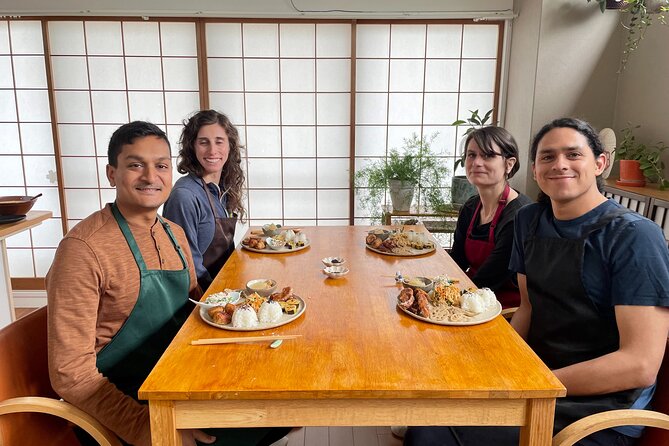
Shojin-ryori turns dinner into a lesson. In Kyoto, this private class pairs temple stops with hands-on cooking, and I love the way Yukari explains the ingredients, not just the steps. You also get recipes you can actually use later. The only drawback to plan for is the set menu, so if you want one specific dish, you’ll need to match your expectations to the 7 dishes plus rice balls.
You spend about 2 hours 30 minutes learning traditional Buddhist cooking made without animal products, then eating the plate lunch you helped create. You’ll cook everything step by step, from tofu salads to miso-grazed eggplant, with modern twists designed to highlight Kyoto-style flavors.
In This Review
- Key points to know before you go
- Shojin-ryori in Kyoto, a vegan meal built from temple logic
- Meet Yukari at 10:00 am, private class setup and what you get
- Enkoji Temple, Shisendo Temple, Ginkakuji Temple stops that give cooking context
- Hands-on cooking of 7 dishes plus rice balls, tofu, miso, and wheat gluten
- Gluten-free option
- The plate lunch moment, tasting how Buddhist flavors stay balanced
- Price and value in a private Kyoto cooking class at $70.94 per person
- Who should book this Shojin-ryori cooking class
- Practical tips so you enjoy it fully
- Should you book this Kyoto Shojin-ryori cooking experience
- FAQ
- How long is the private guided traditional Buddhist cooking class?
- Where does the experience start?
- What time does the class begin?
- Is this cooking class vegan or does it include animal products?
- What dishes will we cook?
- Can the class accommodate gluten-free needs?
- What is included in the price?
- Is transportation included, and what about refunds if I cancel?
Key points to know before you go
- Private group experience in Kyoto so the pace and attention are geared to you
- Shojin-ryori taught in context, with temple visits that connect the meal to Buddhist food logic
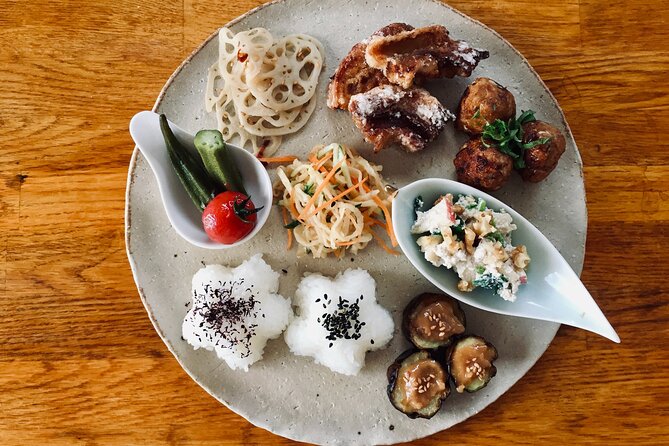
- Hands-on cooking of 7 dishes plus 2 rice balls, built around vegetables, tofu, miso, seaweed, and fermented flavors
- A real plate lunch at the end, so you taste what you made while it is still at its best
- Gluten-free possible if you tell the host ahead of time
- Yukari provides recipes, which is huge if you want to repeat the dishes at home
Shojin-ryori in Kyoto, a vegan meal built from temple logic
This experience is built around Shojin-ryori, traditional Buddhist cooking that avoids animal products. The core idea is simple: if killing animals is forbidden, then the food has to come from plant sources. That practical rule shapes everything you’ll cook, from texture to seasoning.
In the kitchen, you’ll see how balanced Shojin-ryori can be without meat or fish. Kyoto-style plant cooking often leans on seasonal vegetables, tofu and other soy products, grains, seaweed, and fermented foods. The result is not bland and not just “healthy for the sake of it.” It is flavor-forward. Think of it as Japanese cooking where the restraint is the point, and the details do the heavy lifting.
I especially like that the class doesn’t treat vegan food as a compromise. It treats it as a tradition with its own techniques. That changes how you taste everything you make. Even if you already eat plant-based, you’ll likely come away with new ways to use tofu, miso, and fermented elements to add depth.
More Cooking Classes in Kyoto
- Ramen Cooking Class at Ramen Factory in Kyoto
★ 5.0 · 1,937 reviews - Kyoto: Ramen Cooking Class at a Ramen Factory with Souvenir
★ 4.9 · 532 reviews - Kyoto: Ramen, Gyoza, and Onigiri Cooking Class
★ 5.0 · 445 reviews
Meet Yukari at 10:00 am, private class setup and what you get
The class starts at 10:00 am and runs about 2 hours 30 minutes, with the activity ending back at the meeting point. It is a private tour, meaning it is just your group, not a mixed crowd. That matters because a hands-on cooking class goes faster when your questions get answered in real time.
You’ll meet at Japan, 606-8165 Kyoto, Sakyo Ward, Ichijōji Nodachō, 16 フェアモントビル. The listing notes it is near public transportation, which is helpful because the tour does not include private transportation.
In terms of what’s included, you’re covered on the practical stuff: ingredients, a drink (water or tea), an apron, cooking equipment, utility charges, facility fee, and recipe handouts. That means you can show up without hunting down grocery items. It also helps the class stay focused on cooking technique rather than logistics.
From the reviews, one theme pops up again and again: Yukari is patient and explains with care. One couple called it one of the best cooking classes they took in Japan, and another review highlighted how she kept kids entertained. That’s a good sign if you’re traveling with family, or if you just want a teacher who won’t rush you.
Enkoji Temple, Shisendo Temple, Ginkakuji Temple stops that give cooking context
Before you start chopping and stirring, you visit three temple locations: Enkoji Temple, Shisendo Temple, and Ginkakuji Temple. Even though the cooking happens in a class setting, those stops matter. They ground the meal in the setting where Shojin-ryori developed.
Here’s what that practically means for you. You’re not only learning recipes. You’re learning why certain ingredients and cooking styles fit a Buddhist food tradition. That context helps when you later try to recreate dishes at home, because you know what each element is doing.
The potential drawback is time. With only about 2 hours 30 minutes total, you won’t have hours at each place. You’ll experience each stop in a brief guided way, then move into cooking. If you’re the type who wants to linger and explore every corner, you might pair this class with extra temple time on a separate day.
Still, the trade-off is worth it if your priority is food culture that you can taste. Temple visits plus cooking is a combo that turns Shojin-ryori from a concept into a lived experience.
Hands-on cooking of 7 dishes plus rice balls, tofu, miso, and wheat gluten
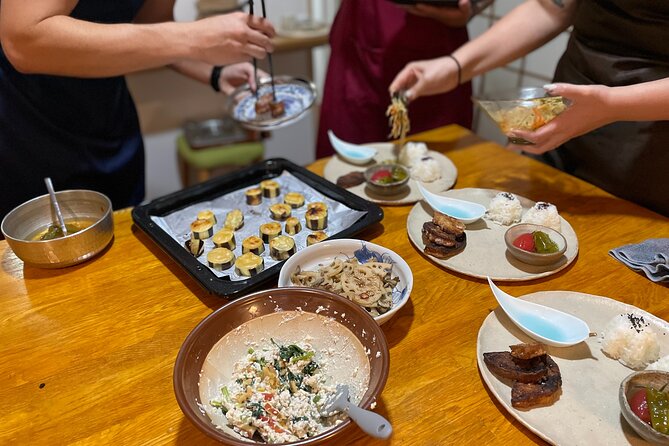
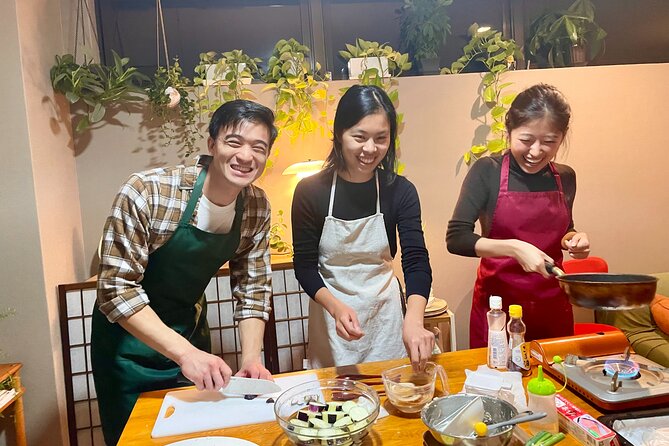
This is not a watch-and-snack class. You’ll put on an apron and cook. The menu is built around familiar Shojin-ryori building blocks, but it stays varied so you get a broad sense of the cuisine.
You’ll cook 7 dishes, plus 2 rice balls:
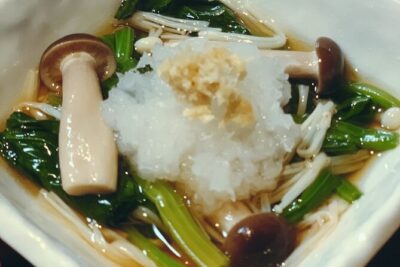
- Simmered seasonal vegetables
This is where you learn how Japanese cooking builds flavor through simmering, not through heavy seasoning. The goal is warmth and balance, letting the vegetables taste like vegetables, just more interesting.
- Dried strips of daikon salad
Daikon can be humble, but dried strips plus dressing make it feel purposeful. This is a dish that teaches texture, and in Shojin-ryori texture is half the meal.
- Kinpira of lotus (braised thinly sliced lotus)
Lotus root is a classic Japanese ingredient. Braising gives it softness while keeping some bite. You’ll learn how braise timing changes the final feel of the dish.
- Nasu dengaku (miso-grazed eggplant)
Eggplant becomes sweet and silky with the right heat. The miso element brings the savory punch. If you want one “wow” dish from the class, this often becomes that dish because it’s both simple and satisfying.
- Shiraae (mashed tofu salad)
This is a key Shojin-ryori staple. Mashed tofu lets you practice how to season soy-based dishes without masking them. Expect a creamy, savory result that makes tofu feel like a meal, not a side.
- Spicy teriyaki balls
This one teaches you how teriyaki flavors can work in vegan form, using soy and sweet-salty balance, then adding a bit of heat. It’s a fun dish because it’s portable and satisfying.
- Vegetarian fried chicken using wheat gluten
Wheat gluten brings the meaty bite without meat. The lesson here is about using plant ingredients to create familiar textures. If you like vegan comfort food, this is the dish that often wins people over.
And then, two rice balls round things out. Rice matters in Japanese meals, and rice balls are a gentle way to close the session with something that feels complete.
A few more Kyoto days to weigh up
- Kyoto: Japanese Washoku Bento Small Group Cooking Class
★ 5.0 · 380 reviews - Kyoto: Afternoon Japanese Izakaya Cooking Class
★ 4.9 · 241 reviews - Izakaya Style Cooking Class
★ 5.0 · 219 reviews - Gyoza Cooking Class in Kyoto: Traditional Japanese Dumplings
★ 5.0 · 210 reviews
Gluten-free option
The class notes it can accept gluten-free, as long as you let them know. If that’s you, message ahead early. In Japan, gluten-free can be straightforward in some contexts and tricky in others, so giving notice helps the host plan with confidence.
The plate lunch moment, tasting how Buddhist flavors stay balanced
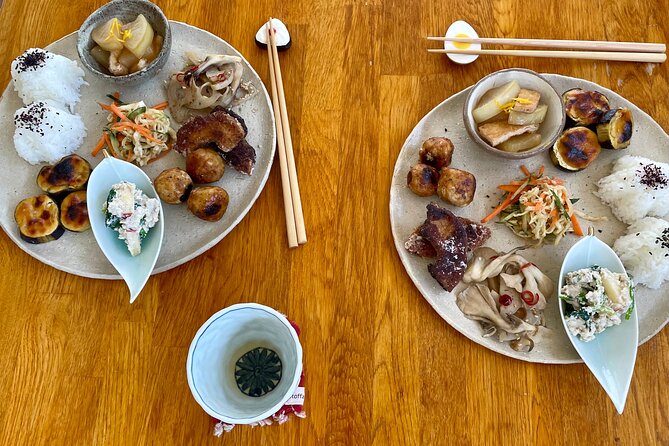
At the end, you get to enjoy a beautiful plate lunch (described like dinner) made from what you cooked. This is one of those details that makes the class feel like a true experience instead of a cooking demo.
I like that the meal is served after cooking, because you can taste each dish in context. You notice how simmered vegetables work next to miso-grazed eggplant, and how tofu salad balances richer flavors. Shojin-ryori often uses a rhythm of textures and temperatures, and eating together helps you understand that rhythm fast.
Also, since you’re provided a drink, you can slow down and enjoy. This class is not only about speed or technique. It’s about eating well after you work for it.
Price and value in a private Kyoto cooking class at $70.94 per person
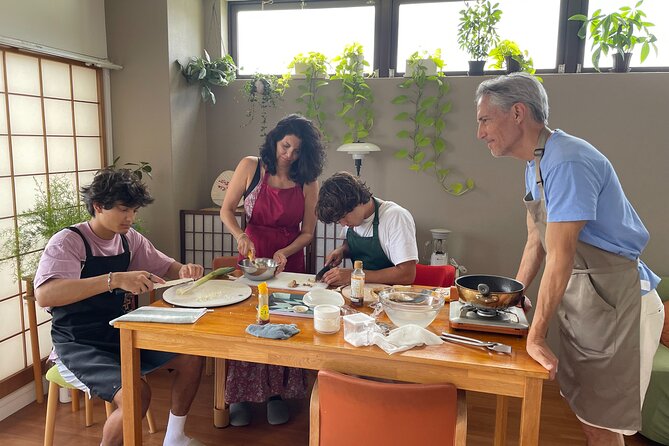
At $70.94 per person, you’re paying for more than a meal. You’re paying for:
- a private instructor-led cooking session
- multiple dishes cooked by hand, not just one or two
- ingredients, equipment, facility fee, and recipe materials included
- and time at three temple locations before the cooking
In Kyoto, a private, hands-on class can add up quickly, so the best way to judge value is to count what you receive. Here, you get a lot for your money because many of the hidden costs are bundled: ingredients, tools, and the recipes you can bring home.
It’s also booked far enough in advance on average, about 51 days. That suggests people plan this class as a must-do, not a last-minute add-on.
If your travel style is food-first, this price can make sense because it’s one of those experiences that keeps paying off after you leave, thanks to the written instructions.
Who should book this Shojin-ryori cooking class
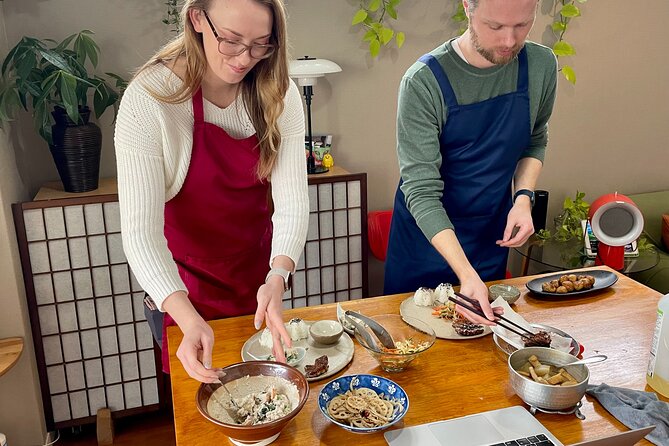
This is a strong fit if you want any of the following:
- You eat plant-based and want traditional Japanese vegan techniques, not just substitution cooking
- You’re curious about Kyoto beyond sightseeing, and you want food culture you can repeat
- You want a private class where the teacher can answer questions at your pace
- You’re traveling with kids, because the reviews highlight Yukari’s ability to keep younger participants engaged
It’s also a good choice if you enjoy ingredients like tofu, miso, daikon, eggplant, seaweed, and fermented flavors. The menu is varied but still grounded in Shojin-ryori logic.
If you hate surprises and prefer your own cooking style, this class might feel a bit structured. The upside is that the dishes are thoughtfully chosen to teach key concepts, not just fill time.
Practical tips so you enjoy it fully
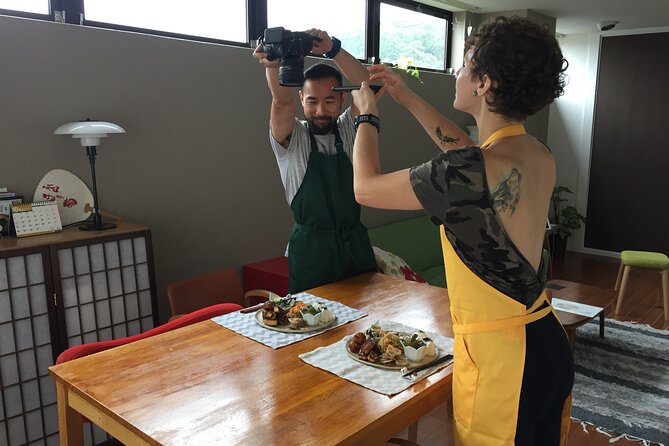
A few simple moves can make your time smoother:
- Eat light before you arrive. You’ll cook a full set of dishes and then eat them, so you want hunger, not stomach pressure.
- Ask about gluten-free early if you need it. The class says it can accept it, but planning ahead is what makes it workable.
- Bring a curious mindset. The temple stops are there for context, so even brief guided time helps if you pay attention.
- Expect hands-on work. This is cooking, not a passive activity. Wear comfortable clothes and plan to get a little involved.
- Take the recipes seriously. One of the biggest strengths in the reviews is that you receive written materials, so you can recreate the dishes later without guessing.
And since it’s private, don’t be shy about asking questions. The best lessons often come from the little “why” moments.
Should you book this Kyoto Shojin-ryori cooking experience
I’d book it if you want a Kyoto food experience that feels authentic and practical at the same time. The combination of temple context and hands-on Shojin-ryori cooking is a smart way to learn. You also end up eating a full plate lunch made from your own work, which turns the class into a real meal, not just a lesson.
Skip it only if you strongly prefer to explore temples at your own pace for long stretches, or if you know you won’t enjoy a vegan menu built around tofu, miso, vegetables, and fermented flavors.
If you land in the middle, you’re exactly the audience. This is the kind of class that teaches you how Japanese plant cooking actually works, then hands you the tools to cook it again later.
FAQ
How long is the private guided traditional Buddhist cooking class?
It lasts about 2 hours 30 minutes.
Where does the experience start?
It starts at Japan, 606-8165 Kyoto, Sakyo Ward, Ichijōji Nodachō, 16 フェアモントビル, and the tour ends back at the same meeting point.
What time does the class begin?
The start time is 10:00 am.
Is this cooking class vegan or does it include animal products?
Shojin-ryori is described as made without animal products such as meat and fish.
What dishes will we cook?
You’ll cook 7 dishes, plus 2 rice balls: simmered seasonal vegetables, dried strips of daikon salad, kinpira of lotus, nasu dengaku (miso-grazed eggplant), shiraae (mashed tofu salad), spicy teriyaki balls, vegetarian fried chicken using wheat gluten, and 2 rice balls.
Can the class accommodate gluten-free needs?
Yes. Gluten-free can be accepted if you let the host know.
What is included in the price?
Included are lunch ingredients, a drink (water or tea), an apron, all equipment, utility charges, facility fee, and recipes.
Is transportation included, and what about refunds if I cancel?
Private transportation is not included. The experience offers free cancellation up to 24 hours before the start time for a full refund; cancellations within 24 hours of the start time are not refunded.
Newly listed around Kyoto
- Zen Meditation for Life in Kyoto★ 5.0 · 10 reviews
- Kyoto: Zen Meditation at a Private Temple with a Monk★ 5.0 · 25 reviews
- Kyoto Private Customizable Day Tour with Guide and Vehicle★ 5.0 · 52 reviews
- Private Wagyu Beef Tour with a Local Guide★ 5.0 · 6 reviews
- Kyoto: Gion Geisha District & Sake-in-Hand Walking Tour★ 5.0 · 37 reviews
- Your Private Vacation Photography Session In Kyoto★ 5.0 · 110 reviews
- Private Pewter Sake Cup Experience with a Kyoto Artisan★ 5.0 · 31 reviews
- Private Cooking Class Udon in Kyoto Japan★ 5.0 · 23 reviews
Cooking Classes in Kyoto, compared.
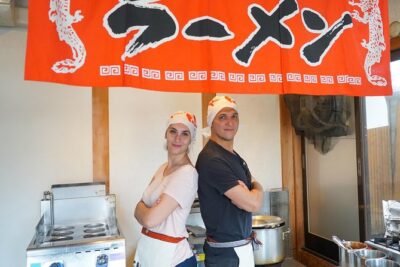
Ramen Cooking Class at Ramen Factory in Kyoto
Read our review →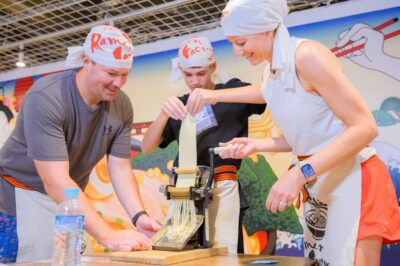
Ramen Cooking Class at a Ramen Factory with Souvenir
Read our review →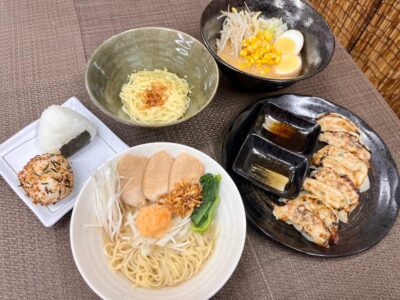
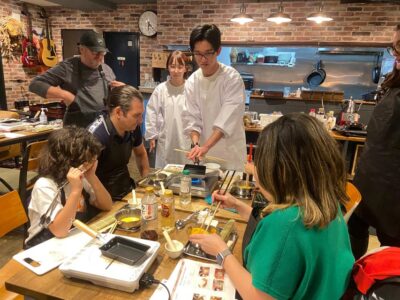
Japanese Washoku Bento Small Group Cooking Class
Read our review →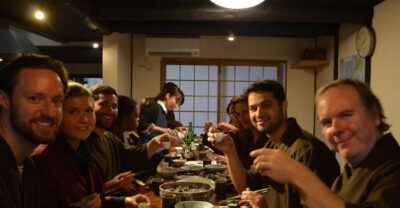

Gyoza Cooking Class in Kyoto: Traditional Japanese Dumplings
Read our review →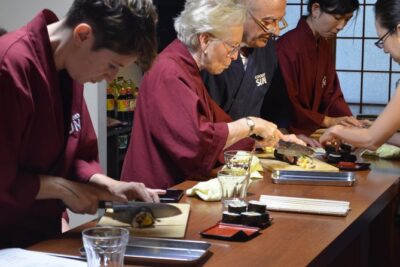
Browse the lists this tour appears in