
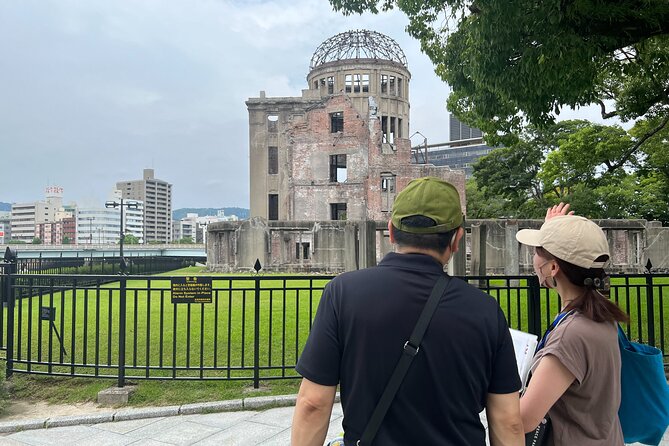
Review · HIROSHIMA PEACE MEMORIAL TOURS
Hiroshima/Guided Virtual Tour of Peace Park/PEACE PARK TOUR VR
One word for this tour: time-travel. Peace Park comes alive through VR reenactments tied to real testimonies and old photographs, so the park feels less like a memorial plaque and more like a lived place. Virtual reality does the heavy lifting here, and an English-speaking guide keeps it clear and respectful.
Two things I really like: you get a short, focused route with five VR-based stops, not a long slog across town. And the pacing leaves room for questions, which matters a lot when you are dealing with such heavy history. A possible drawback is that the VR content is intentionally limited, so if you already visited the big museums the day before, you may feel like you are seeing some familiar material again.
In This Review
- Key Things to Know Before You Go
- Why Hiroshima Peace Park Changes in VR
- Price, Duration, and What You’re Really Paying For
- Meeting Point, Start Time, and the Small Group Advantage
- Getting Set Up at the Rest House and Meeting Eizo Nomura
- Peace Clock Tower VR: Understanding the Before and After
- Aioi Bridge: Two Months Later and Survivor Testimonies
- Motoyasu Bridge: Recovery Starts Quickly, Then Continues
- Closing at the River of Hope Message Wall
- Guide Quality Makes or Breaks This Tour
- Who This Tour Suits Best
- The Best Way to Combine This With the Rest of Your Hiroshima Day
- Should You Book This Hiroshima Peace Park VR Tour?
- FAQ
- How long is the Peace Park VR tour?
- Where does the tour start and end?
- What is included in the tour price?
- Is food included?
- How many people are in a group?
- What time does the tour start?
- Is there a cancellation window for a full refund?
Key Things to Know Before You Go
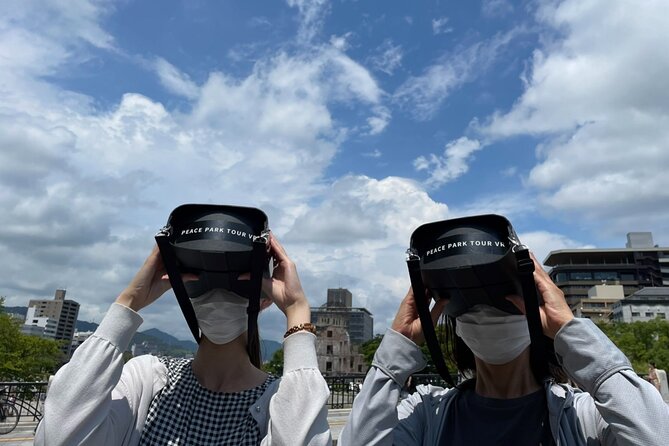
- A small group size (up to 6) means your guide can answer questions without rushing you.
- Short stops add up to 1 hour 20 minutes, with light walking between Peace Park areas.
- VR reenactments are paired with survivor testimonies, bringing historical facts to the front of your mind.
- You will visit key Peace Park locations like the Peace Clock Tower area and Aioi Bridge.
- The tour ends with the River of Hope message wall, a quiet, human closing moment.
Why Hiroshima Peace Park Changes in VR
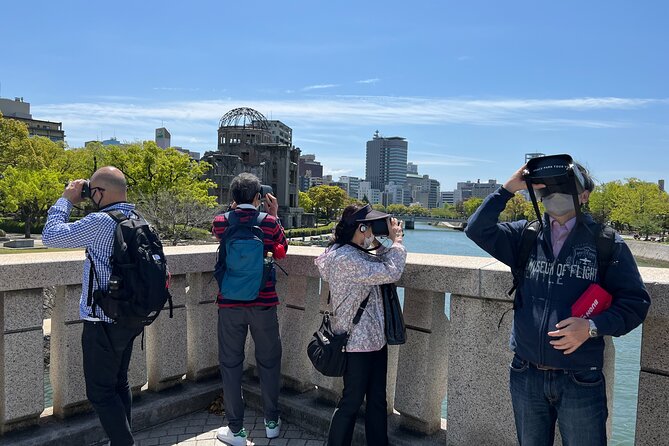
Hiroshima’s Peace Memorial Park is powerful in real life. This tour adds a different tool. Through VR goggles, you do not just read about what happened, you re-encounter the setting before, during, and after the bombing through guided reenactments based on historical facts.
The magic is not flashy effects. It is how the tour uses time markers to structure your emotions. You move from daily life to the moment of destruction, then to the rebuilding. That sequence helps you make sense of the place, instead of just collecting information.
Other Hiroshima Peace Memorial tours worth a look in Hiroshima:
- Hiroshima: Miyajima Peace Memorial Icons of Peace and Beauty
★ 4.9 · 361 reviews - Hiroshima: Peace Memorial Park and Atomic Bomb Dome Tour
★ 4.9 · 91 reviews - Hiroshima; Hiroshima Peace Memorial Museum and Castle Tour
★ 5.0 · 89 reviews
Price, Duration, and What You’re Really Paying For
The price is $33.03 per person for an experience that runs about 1 hour 20 minutes. VR goggles rental and an English-speaking guide are included, so you are not piecing together extra costs for equipment or language support.
Is it value? For me, the best argument is the format. You get a guided, scripted experience of multiple Peace Park sites without needing a long self-planned walking route. You also get help interpreting what you are seeing through the headset, which is usually where DIY VR tours fall short.
The one consideration is that it is not a full-scale VR marathon. The format uses a few key VR segments, so if you are expecting something like a long entertainment session, you might come away wanting more. There is also a reasonable chance you will compare it to other VR videos you have seen elsewhere.
Meeting Point, Start Time, and the Small Group Advantage
You meet at the Hiroshima Peace Park Rest House reception, at Hiroshima, Naka Ward, Nakajimachō, 11 Hiroshima Peace Memorial Park Rest House. The tour you have is scheduled to start at 10:30 am, and it finishes back at the same meeting point.
The group cap is 6 travelers, and that matters more than you might think. With a small group, the guide can help with VR setup quickly, and you are more likely to get direct answers instead of generic explanations. In at least one case, people specifically praised the guide for being kind and responsive, with time for questions.
Also, the tour includes the headset and the guiding, not transport. You will need to plan your trip to the meeting point on your own, plus meals and drinks are not provided.
Getting Set Up at the Rest House and Meeting Eizo Nomura
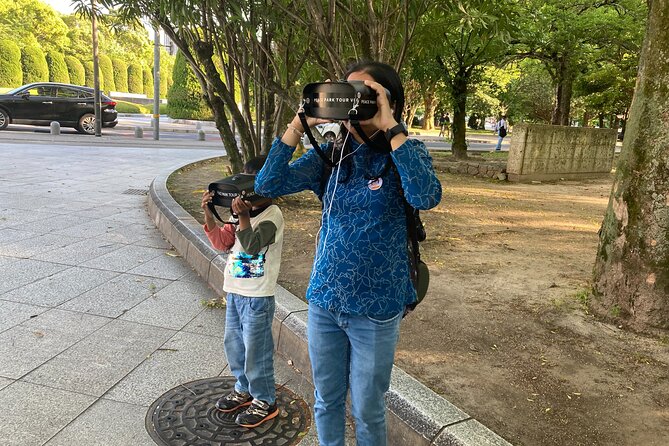
Stop 1 happens at the Rest House of Hiroshima Peace Park. Your guide meets you at reception, then walks you through how to use the VR goggles. After setup, you head down to the basement and relive a slice of life tied to Eizo Nomura, described as the only survivor of the fuel building.
This first segment is smart because it gives you context before you move to the iconic viewpoints. Instead of starting with spectacle, it starts with a person. That personal entry point helps when the later scenes become intense, because you already have a human anchor.
A practical tip: go in expecting the VR part to feel emotionally serious. The tour’s design is meant to keep pace controlled, not to shock you with randomness. Let the guide set the tone.
A few more Hiroshima days to weigh up
- Peaceful Hiroshima & Miyajima UNESCO 1 Day Bus Tour
★ 5.0 · 5,309 reviews - Hiroshima: Hiroshima and Miyajima UNESCO Sites 1-Day Tour
★ 4.9 · 2,330 reviews - Hiroshima / Miyajima Full-day Private Tour with Government Licensed Guide
★ 5.0 · 1,298 reviews - Hiroshima Historical Walking Tour – Why A-Bomb was Dropped
★ 4.8 · 893 reviews
Peace Clock Tower VR: Understanding the Before and After
Stop 2 focuses on the Peace Clock Tower area. With the VR headset on, you see and feel what comes before and after the moment of atomic bombing. This is where the tour connects the famous landmark, the Atomic Bomb Dome, to the reality of what the bombing did and how the site became what you can visit today.
If you have only been to Peace Park’s outdoor viewpoints, this stop can feel like a translation layer. You are standing in a present-day city-scape, but the VR re-frames it in time. You get a guided explanation of destruction and change without needing to jump between multiple museum rooms.
One downside to note, based on how people describe the experience: the VR content is limited to specific segments. If you love VR as a medium, you may wish the visuals were more advanced. If you are there for guided understanding, this stop still does its job.
Aioi Bridge: Two Months Later and Survivor Testimonies
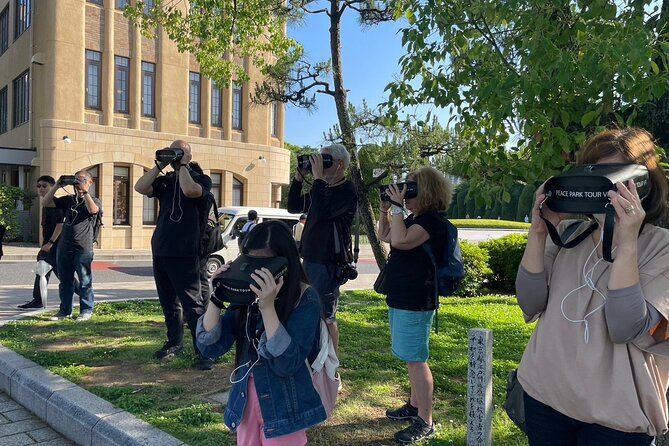
Stop 3 is the Aioi Bridge segment, described as showing the townscape about two months after the atomic bombing. VR brings the imagery of a place transformed into a sea of fire, and the guide also shares testimonies of A-bomb survivors.
This stop is emotionally different from the earlier one. Rather than focusing on the initial moment only, it asks you to picture what “after” looked like. You are not just seeing destruction, you are seeing the aftermath through the lens of people who lived it.
The benefit of having the testimonies included at the bridge viewpoint is that you get a location plus a voice. Many visitors to Hiroshima see the sites as a checklist. This tour pushes you to see them as chapters in a single story.
The trade-off is length. You spend about 15 minutes here, so it will not become a long oral-history workshop. If you crave lots of detailed background, rely on the guide’s explanations and ask questions while you can.
Motoyasu Bridge: Recovery Starts Quickly, Then Continues
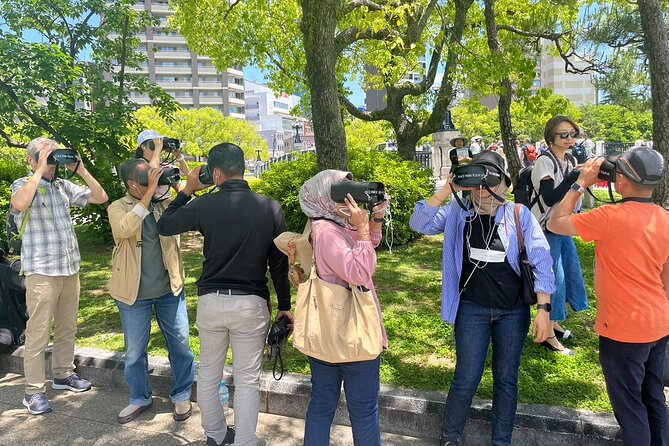
Stop 4 is Motoyasu Bridge, spanning the idea of time from the first year after the bombing to the present day. The guide discusses people who rose to their feet amid chaos and took steps toward recovery, ending with a peace message theme.
This is the stop that shifts your emotional weight. The tour does not keep you stuck in tragedy. It moves you toward resilience and action, which is crucial if you want the experience to do more than make you feel sad.
If you are worried about feeling overwhelmed, this part can help. It gives your brain something constructive to process. It also keeps the tour from feeling one-note. A memorial can educate and grieve at the same time, and this stop aims for that balance.
Closing at the River of Hope Message Wall
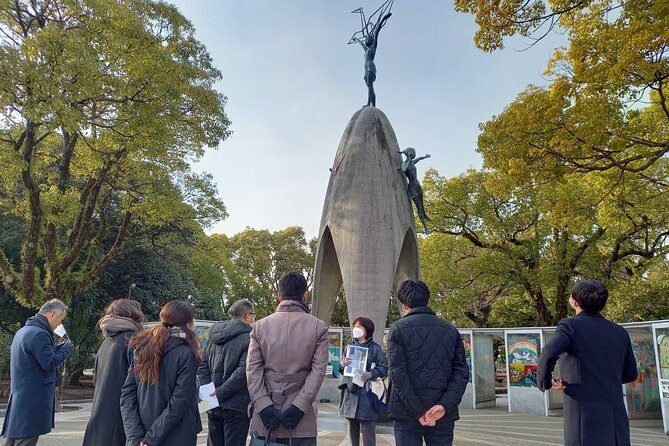
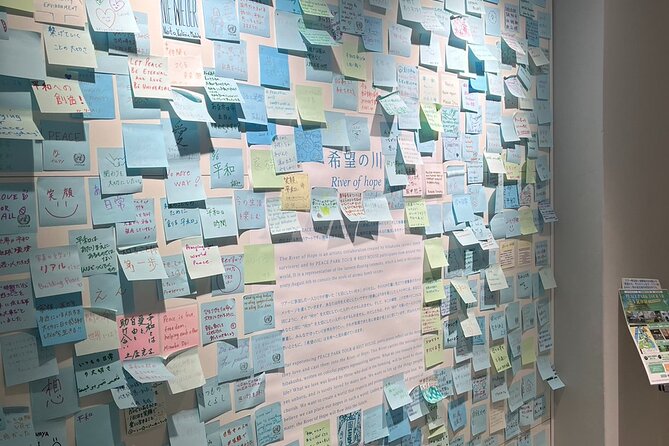
Stop 5 returns you to the Rest House area. The guide offers a short reflection about what you are meant to take from the tour, then you write a message of peace on the wall along the River of Hope and express condolences.
This final segment is not just symbolic. It is a built-in decompression moment. You go from VR scenes to a real, quiet activity with other visitors. It is also a chance to leave with something personal, not just information.
The practical side is that the tour gives you a defined place to do this, rather than leaving you to figure it out on your own. In a city full of monuments, that structure can make the experience feel less like a grab-and-go checklist.
Guide Quality Makes or Breaks This Tour
A recurring theme from the feedback is the guide. One person named Kazuko described the guide as lovely and praised how she answered questions and brought the experience to life. That matters because VR is only half the story. The rest is interpretation, pacing, and tone.
You can think of the guide as the translator between your eyes in the headset and your heart in a real Peace Park. When the content is heavy, you want a calm, respectful guide who can clarify context without turning the event into a performance.
This tour’s format supports good guiding because it is short and structured. Instead of letting you wander, it funnels you into specific places and timelines and gives the guide repeated opportunities to explain what matters.
Who This Tour Suits Best
I think this is a great fit if you want Peace Park to feel personal and time-linked, and you appreciate guidance when history is difficult.
You are likely to enjoy it if:
- You want a short route and a clear sequence of stops.
- You like English-language guidance and question time in a small group.
- You prefer VR as an interpretation tool rather than as pure entertainment.
- You want a respectful closing activity at the message wall.
You might reconsider if:
- You are expecting an extended, high-detail VR experience the way you might see in dedicated VR entertainment products.
- You already did the major museums the day before and you are worried this could feel repetitive in subject matter.
- You strongly dislike VR video quality issues, because some people felt the VR clips were not as high quality as they expected.
The Best Way to Combine This With the Rest of Your Hiroshima Day
If your schedule is tight, this tour can work as your guided Peace Park anchor. It gives you a storyline across key areas like Aioi Bridge and Motoyasu Bridge, plus that Atomic Bomb Dome context.
If you have more time, I would pair it with at least one on-the-ground option outside the VR moments, so you can compare what you saw indoors with what you see outdoors. That contrast can make the memorial feel even more real, because your eyes get both versions: the past as reenacted and the present as preserved.
Should You Book This Hiroshima Peace Park VR Tour?
Book it if you want a small-group, English guided Peace Park experience that uses VR to connect events across time, with a thoughtful ending at the River of Hope message wall. The price is reasonable for the inclusion of headset rental and guided interpretation, and the pacing is built for people who do not want a long walking tour.
Skip or adjust your expectations if you are chasing the most advanced VR visuals or if you are already feeling saturated by history content. In that case, you may want to save your energy for hands-on museum time and let this be your lighter, guided VR option only if your schedule leaves room.
FAQ
How long is the Peace Park VR tour?
It runs for about 1 hour 20 minutes.
Where does the tour start and end?
It starts at the Hiroshima Peace Park Rest House reception and ends back at the same meeting point.
What is included in the tour price?
Your price includes VR goggles rental and an English-speaking guide.
Is food included?
No, food and drinks are not included.
How many people are in a group?
This activity has a maximum of 6 travelers.
What time does the tour start?
The start time listed is 10:30 am.
Is there a cancellation window for a full refund?
Yes. You can cancel for a full refund if you cancel at least 24 hours before the experience start time, and cancellation is free.
Newly listed around Hiroshima
- Hiroshima and Miyajima 1 Day Walking Tour★ 5.0 · 43 reviews
- Hiroshima and Miyajima 1 Day Cruise Tour★ 5.0 · 24 reviews
- Hiroshima & Miyajima: UNESCO A-Bomb Dome & Itsukushima with Local★ 5.0 · 25 reviews
- Hiroshima & Miyajima: Private Full-Day Tour with a Local Guide★ 5.0 · 39 reviews
- Hiroshima 5k Running Tour of Hijiyama Park★ 5.0 · 7 reviews
- Hiroshima and Miyajima Bus Tour with Indian Lunch★ 5.0 · 10 reviews
- Hiroshima and Miyajima 1 Day Bus Tour★ 4.5 · 145 reviews
- Hiroshima Saijo Sake Tasting Guided Tour – 7 Breweries in 2 Hours★ 5.0 · 8 reviews
Hiroshima Peace Memorial Tours, compared.
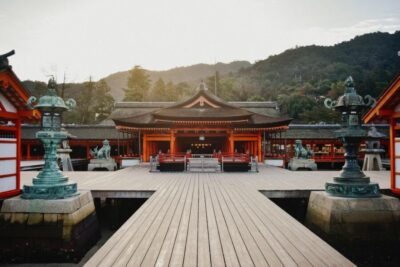
Miyajima Peace Memorial Icons of Peace and Beauty
Read our review →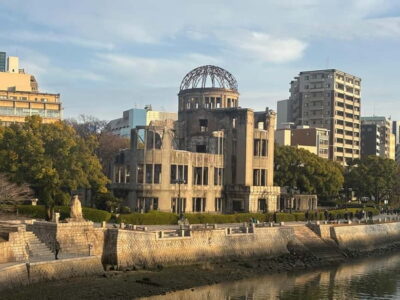
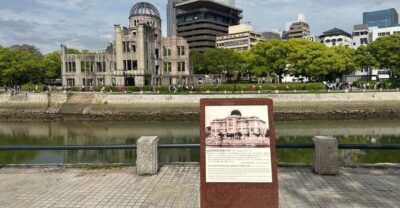
Hiroshima; Hiroshima Peace Memorial Museum and Castle Tour
Read our review →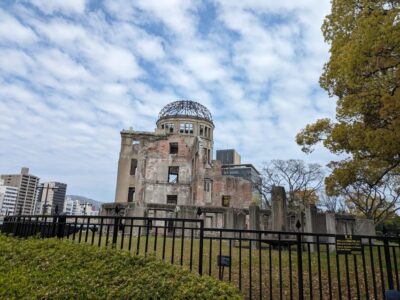
Peace Memorial and Atomic Bomb Dome Private Tour
Read our review →
Hiroshima History Tour : A-Bomb Dome, Peace Memorial & City
Read our review →Hiroshima Peace Memorial and Atomic Bomb Dome Private Tour
Read our review →
Hiroshima:Guided Virtual Tour/PEACE PARK TOUR VR
Read our review →
Hiroshima Peace Park & A-Bomb Dome Private Walking Tour (4 Hours)
Read our review →Browse the lists this tour appears in