
Review · HIROSHIMA PEACE MEMORIAL TOURS
Hiroshima: Peace Memorial and Atomic Bomb Dome Private Tour
Hiroshima hits hard, even with your head prepared. This private walking tour gives you the names, dates, and human stories that turn the Peace Memorial Park into something you understand, not just something you walk past.
I love how the guide helps you prioritize the most important exhibits on a tight 150-minute schedule. I also like that you get a calm, private pace, with time to ask questions and process as you go.
One possible drawback: the material is emotionally heavy, and some stops include images and artifacts that may feel intense. If you know you get overwhelmed easily, plan extra quiet time before or after.
In This Review
- Key highlights you should know before you go
- Why a private guide matters at Hiroshima Peace Memorial Park
- Getting oriented at the Gates of Peace and Dr. Marcel Junod Memorial
- Peace Memorial Museum: artifacts, photos, and how to pace it
- A-bombed Phoenix Trees and the A-Bomb Ruins Exhibition Hall
- Victim memorials and the Flame of Peace
- Children’s Peace Monument and the Korean Atomic Bomb Victims Cenotaph
- Hiroshima National Peace Memorial Hall and the Peace Bell area
- Atomic Bomb Dome and the Hypocenter: seeing the event’s geometry
- Logistics and timing for a 150-minute private walk
- Value check: is $74 worth it for Hiroshima’s biggest sites?
- Should you book this Hiroshima Peace Memorial and Atomic Bomb Dome private tour?
- FAQ
- How long is the Hiroshima Peace Memorial and Atomic Bomb Dome private tour?
- How much does the tour cost?
- Where do I meet the guide?
- Is the tour private, and is it offered in English?
- Does the tour include the Peace Memorial Museum and the Atomic Bomb Dome?
- What is included in the price?
- What should I bring for the tour?
- Is the tour wheelchair accessible, and can I cancel for a refund?
Key highlights you should know before you go
- Skip-the-line museum entry, so you lose less time to queues
- Private English guide who can slow down or adjust the route to your interests
- Atomic Bomb Dome plus the Hypocenter for a strong sense of place and impact
- Children’s Peace Monument and multiple victim cenotaphs that widen the story beyond one viewpoint
- Meaningful stops like the Flame of Peace and Peace Bell area, where remembrance connects to hope
- Tour photos included, handy when you want proof you made it there without juggling your camera
Why a private guide matters at Hiroshima Peace Memorial Park
Hiroshima Peace Memorial Park is not the kind of place where you should rely on guesswork. You can read signs on your own, sure, but a guide helps you connect what you’re seeing with what it meant for real people. With a private group and a live English guide, you get context while you’re standing in the exact spot, not later when the details have blurred.
Another practical win: a private guide helps you manage time. The Peace Memorial Museum takes focus, and the grounds are packed with memorials and structures. Guides described as thorough in how they brief you before key areas, and careful about not rushing you, make a big difference when the day is only 150 minutes.
You’ll also appreciate the “ask anything” element. The tour is built for questions and reflection, and that matters here. You’re not just collecting facts, you’re trying to understand why people built these memorials the way they did.
Other Hiroshima Peace Memorial tours worth a look in Hiroshima:
- Hiroshima: Miyajima Peace Memorial Icons of Peace and Beauty
★ 4.9 · 361 reviews - Hiroshima/Guided Virtual Tour of Peace Park/PEACE PARK TOUR VR
★ 5.0 · 157 reviews - Hiroshima: Peace Memorial Park and Atomic Bomb Dome Tour
★ 4.9 · 91 reviews
Getting oriented at the Gates of Peace and Dr. Marcel Junod Memorial
Most people start with the park map and a determined face. Then you hit the first major area, the Gates of Peace, and your tone changes. That entrance space is designed to put you in the right mindset: respectful, aware, and ready to learn.
Next you’ll visit the Dr. Marcel Junod Memorial. This stop is valuable because it points you toward the bigger story behind the scenes, not just the blast and the aftermath. You get a human thread that helps explain why international attention and medical compassion formed in the wake of the tragedy.
A good guide will also help you with simple orientation questions: Where should you look first? Which buildings and artifacts will be most meaningful? What should you notice in the museum that you might otherwise miss? If you want this to feel personal rather than rushed, choose a private tour time when you’re not trying to fit it between stressful plans.
Peace Memorial Museum: artifacts, photos, and how to pace it
The Hiroshima Peace Memorial Museum is the emotional core of the tour, and it’s also the most time-sensitive stop. You get about an hour inside, plus your guide’s help in choosing what to prioritize. That pacing is important, because the museum can get crowded during busy holiday periods like Christmas and New Year.
Here’s what makes a guided hour work so well: you don’t have to read everything to get the story. A thoughtful guide can point you toward the most powerful sections, then explain what the artifacts and photos are showing. Multiple guides have been praised for briefing visitors well before the museum, then guiding you through the exhibits at a non-rushed pace.
You’ll see personal accounts and artifacts, plus photographs, debris, and remnants linked to the blast. The museum can feel like it’s asking you to slow down and absorb details. If you’re traveling with kids or teens, guides who are patient and sensitive with younger visitors can make the experience possible without forcing anyone to power through.
Practical tip: bring your most comfortable shoes. You’ll do plenty of walking, and museum time is still time on your feet.
A-bombed Phoenix Trees and the A-Bomb Ruins Exhibition Hall
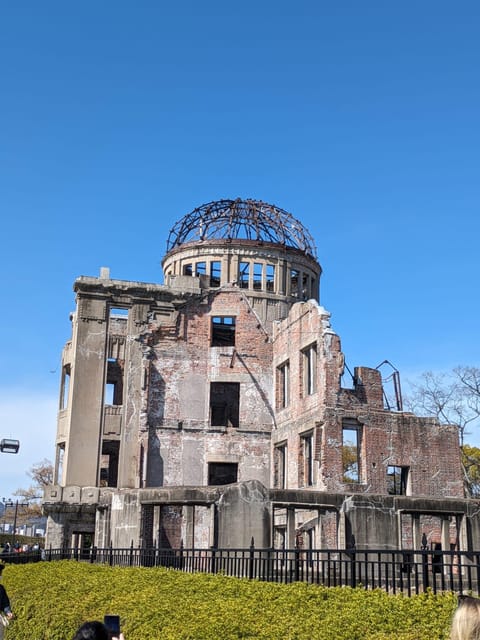
After the museum, the park starts to feel less like a building and more like a living archive. The A-bombed Phoenix Trees are a good example. They’re not just a landmark photo spot. They help you visualize the stubborn survival that took hold after the devastation, which is exactly why Hiroshima memorials include both suffering and resilience.
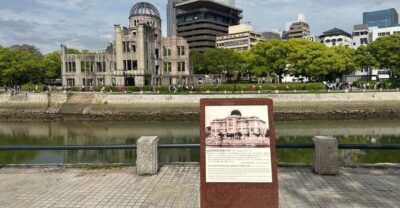
Next you’ll visit the A-Bomb Ruins Exhibition Hall. This stop shifts from indoor interpretation to direct, built evidence of damage. You’re looking at remnants and structures, and the purpose here is clarity. It’s about showing what the blast altered and what remained visible enough to be kept as warning.
The value of this segment is how it balances the museum’s narratives with the grounds’ physical reality. You finish the section with a stronger mental image of what you just learned, because now it’s tied to concrete remains you can see.
A drawback to consider: the ruins and memorial areas can involve lots of standing still to take in details. If you fatigue quickly, plan a slower travel day before or after. This tour gives you intensity, not a break.
A few more Hiroshima days to weigh up
- Peaceful Hiroshima & Miyajima UNESCO 1 Day Bus Tour
★ 5.0 · 5,309 reviews - Hiroshima: Hiroshima and Miyajima UNESCO Sites 1-Day Tour
★ 4.9 · 2,330 reviews - Hiroshima / Miyajima Full-day Private Tour with Government Licensed Guide
★ 5.0 · 1,298 reviews - Hiroshima Historical Walking Tour – Why A-Bomb was Dropped
★ 4.8 · 893 reviews
Victim memorials and the Flame of Peace
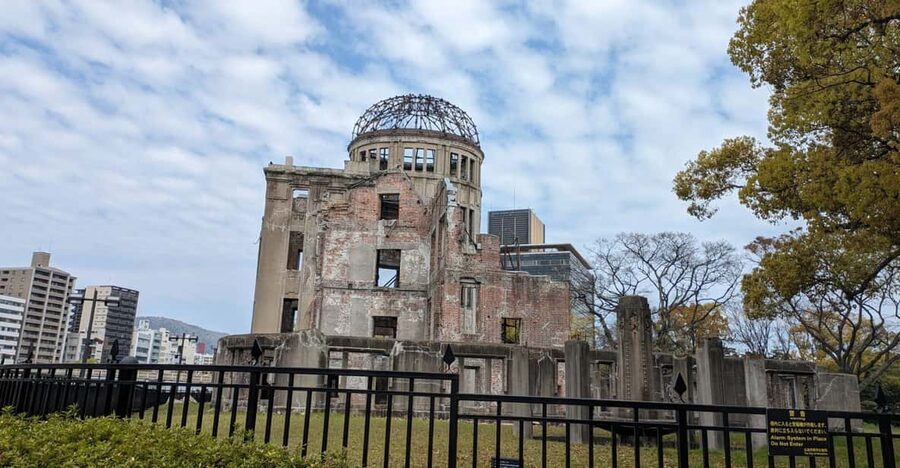
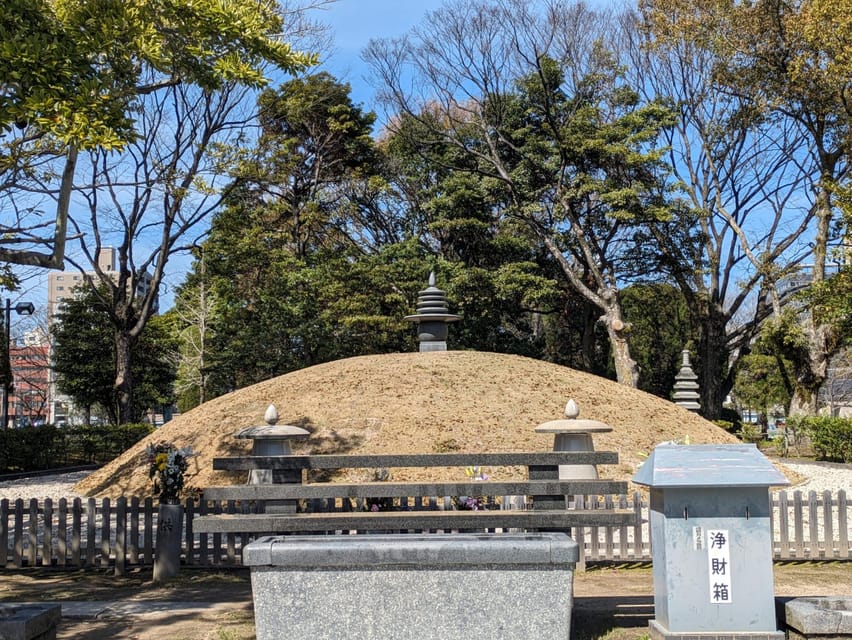
As the tour continues, the memorial focus gets more direct. You’ll visit the Hiroshima Victims Memorial Cenotaph, then move to the Flame of Peace.
These aren’t “check the box” stops. The cenotaph is about names and loss, and it helps you understand that Hiroshima is not only about a historic event, it’s also about ongoing remembrance. The Flame of Peace then shifts you from mourning toward a moral message: the city is pushing for a world where this never repeats.
Guides praised for being sensitive with heavy content often do something important here: they explain without turning it into shock trivia. The tone is respectful, and the pacing leaves room for your own reactions. That matters because the point of these spaces is not to entertain you, it’s to help you recognize what was taken away and what people decided to build in response.
If you tend to rush, this is where you’ll benefit from a private pace. You can stand longer at the memorials, read more slowly, and ask questions without feeling like you’re inconveniencing anyone.
Children’s Peace Monument and the Korean Atomic Bomb Victims Cenotaph
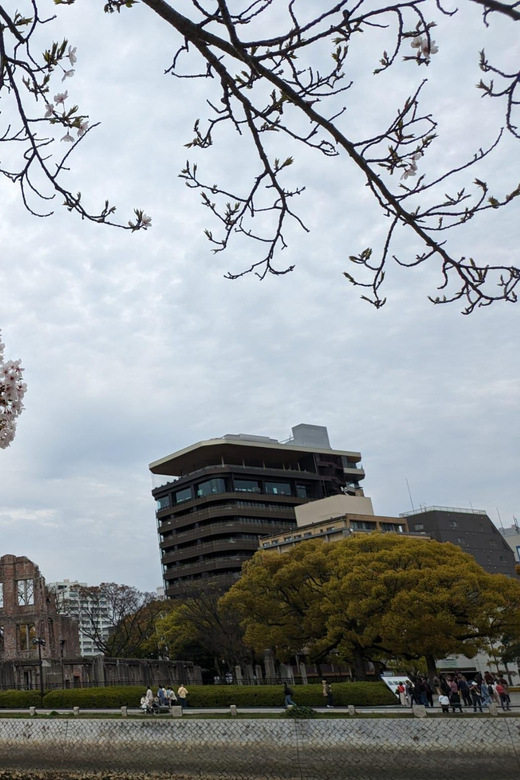
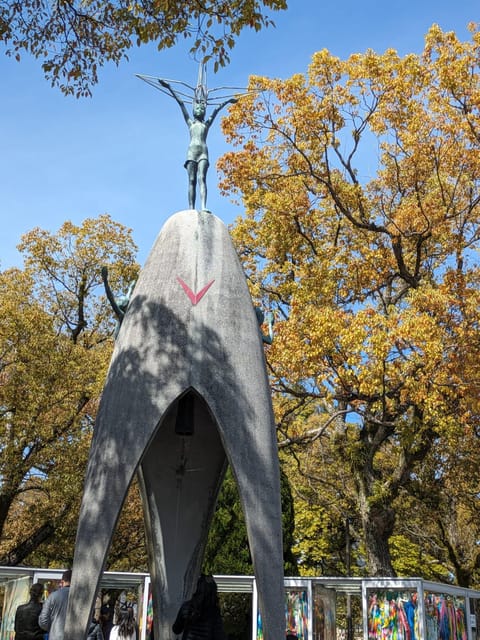
This tour doesn’t treat the tragedy as one narrow storyline. You’ll visit the Children’s Peace Monument, one of the most recognizable symbols in the park. It’s moving because it reframes the event through the lives affected, including young victims. Even if you know the famous details from elsewhere, seeing the monument in the park adds weight.
Next is the Korean Atomic Bomb Victims Cenotaph. This stop is especially important for visitors who want a fuller picture of who was harmed. It broadens the memory beyond the immediate national story and reinforces the idea that nuclear war hits people across borders.
What I like about including these memorials in a private tour plan is that you can ask questions without feeling awkward. Many people want to know, How do these different monuments relate? Why are multiple victim groups specifically named? A strong guide makes these connections clear, and they do it while keeping the tone respectful.
If you travel with people who worry about crying, you can tell them this is a safe place to feel. The design of the park gives you permission to pause, read, and absorb.
Hiroshima National Peace Memorial Hall and the Peace Bell area
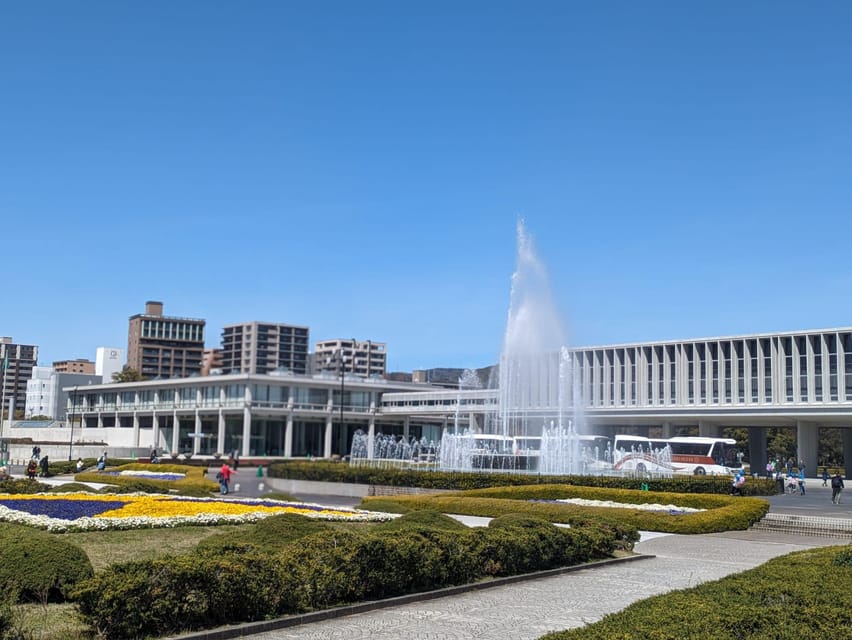
The Hiroshima National Peace Memorial Hall adds structure to what you’ve learned so far. By this point, you’ve seen artifacts, ruins, and memorials, so the hall’s role becomes more than another stop. It helps you understand the city’s message in a broader, more deliberate way.
The tour also sets you up to reflect on the message behind the spaces, including areas tied to the Peace Bell and the park’s theme of hope. Guides often guide you through this part in a way that connects remembrance to advocacy for global peace and nuclear disarmament.
This is where the tour earns its “call to action” feel. Not in a pushy way. More like, you leave with your moral compass slightly re-aimed. You start thinking about how cities, schools, and international communities can keep the memory from becoming just another historical chapter.
One consideration: if you’re expecting this to be light or purely educational, you might feel the mood shift sharply around here. It’s meant to. Plan emotional downtime in your day so you’re not stuffing it into a packed schedule.
Atomic Bomb Dome and the Hypocenter: seeing the event’s geometry
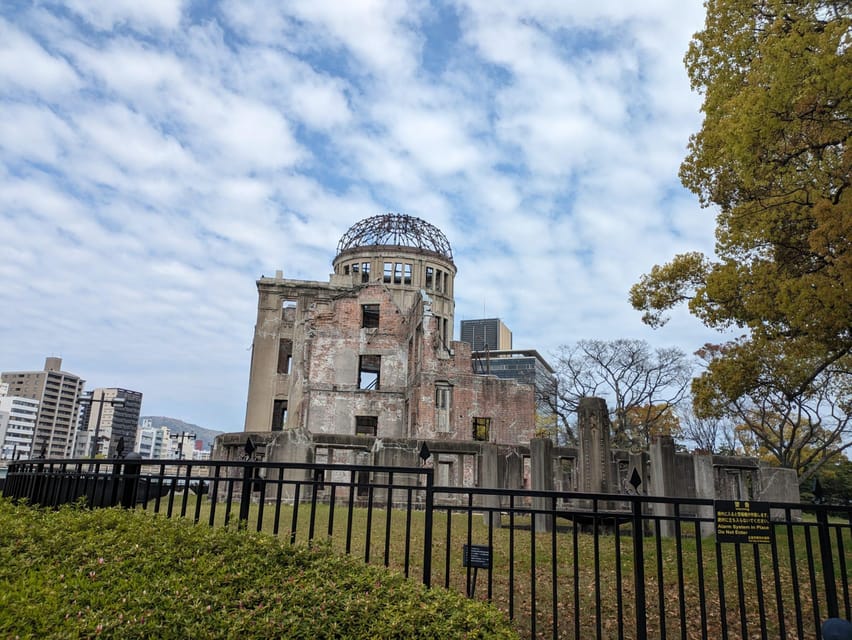
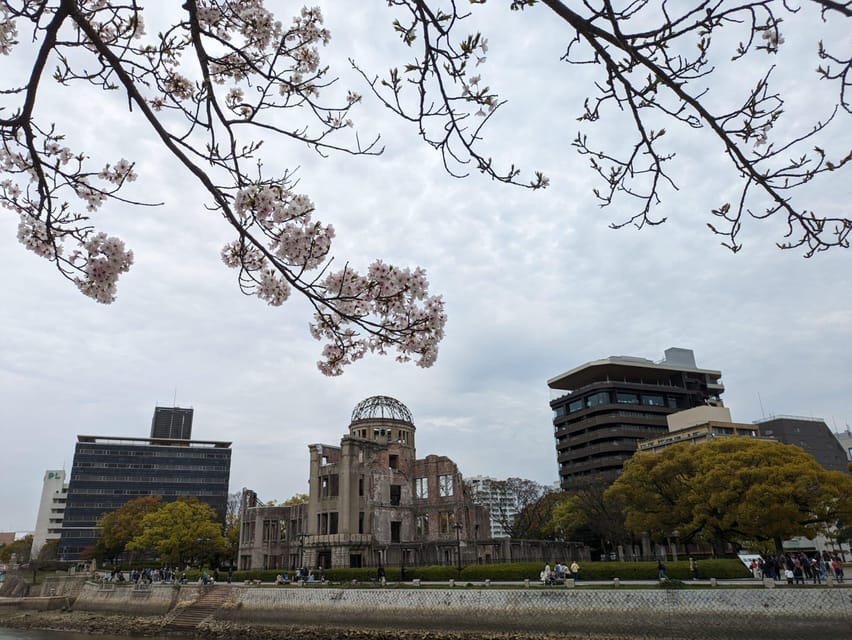
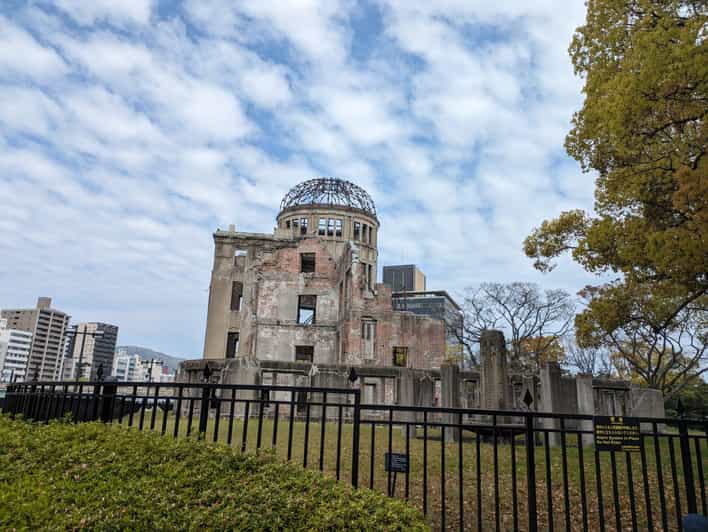
The Atomic Bomb Dome is the stop almost everyone wants to photograph. But the Dome hits harder when you’ve already spent time with the museum exhibits and memorials. By the time you see it, you understand that this single structure is not a monument built after the fact for decoration. It’s a surviving witness, and that changes the way you look at it.
From there, the tour continues through park rest areas and toward the Hypocenter. This is where the “where exactly did it happen” part of the story becomes real in your mind. The hypocenter area is designed to connect memory to location and impact.
In practice, this sequence helps you build a mental map of the day of the bombing. You’re not just absorbing tragedy, you’re learning how the park organizes its truth. A private guide also helps you manage the flow around crowds, since the Dome and Hypocenter areas can be popular.
If you have mobility limits, good news: the tour is listed as wheelchair accessible. Still, you should expect walking time on uneven or outdoor surfaces. Comfortable shoes are not optional here.
Logistics and timing for a 150-minute private walk
A 150-minute tour sounds short until you realize what’s packed in. This experience balances the biggest emotional and educational anchors: gates and memorials, one major museum block, several key cenotaph stops, and then the Atom bomb sites.
The private format also helps you tailor your pace. Some guide styles include adjusting the order to match preferences, and a few have even helped with practical suggestions like lunch routes for the next day. You should treat those as bonus perks, not guarantees, but it’s a nice sign that the guides pay attention to how your day actually works.
Plan for the outdoor factors. You’ll want:
- Comfortable shoes for walking and standing
- A hat for sun or rain protection
- Weather-appropriate clothing
- Goggles, which sounds odd until you think about dust, wind, or weather effects outdoors
Meeting point is straightforward: the taxi stand at Peace Memorial Park. And you can get pickup from your accommodation on foot if it’s within a reasonable distance, so you’re not forced into a complicated transfer.
Value check: is $74 worth it for Hiroshima’s biggest sites?
For $74 per person, the value is strongest if you care about understanding what you’re seeing, not just ticking off landmarks. The price includes a private guide, entry tickets to the Peace Memorial Museum, and tour photos, plus the guide support for navigating the grounds.
You’re also getting time saved with skip-the-ticket-line entry to the museum. Even if you’re a fast reader, the Peace Museum can be crowded. Paying for a guide is not just about interpretation, it’s about time management and emotional pacing.
What you won’t get in the package: food. That’s typical for walking tours here, and frankly it’s better anyway because you can choose a meal that fits your energy level. Some guides may suggest lunch spots and routes based on your next day plans, but it’s wise to confirm any idea directly with your guide.
Who should book this tour? It fits well if you:
- Want an English-speaking guide who can answer questions
- Prefer a private pace over group schedules
- Want the big anchors covered without missing the less obvious memorials
- Are ready for serious content, and you want help processing it thoughtfully
Should you book this Hiroshima Peace Memorial and Atomic Bomb Dome private tour?
Yes, if you want a focused, English-guided walk that gives meaning to every major stop. This tour is built for visitors who feel that Hiroshima deserves more than a quick self-guided circuit. The private format, museum support, and respectful pacing make it easier to understand the story behind the park, not just see the landmarks.
Skip it only if you’re looking for a casual sightseeing day with minimal emotional impact. The subject matter is heavy, and the experience is designed to be reflective. Also, if you hate walking in public spaces, know that this is a walking-focused tour with multiple outdoor stops.
If you’re visiting Hiroshima for the first time, or if you want to return and understand more deeply, this is a solid way to do it in about half a day.
FAQ
How long is the Hiroshima Peace Memorial and Atomic Bomb Dome private tour?
The tour lasts 150 minutes.
How much does the tour cost?
It costs $74 per person.
Where do I meet the guide?
Meet at the taxi stand at Peace Memorial Park.
Is the tour private, and is it offered in English?
Yes, it is a private group tour, and the live guide speaks English.
Does the tour include the Peace Memorial Museum and the Atomic Bomb Dome?
Yes. The Peace Memorial Museum entry tickets are included, and the Atomic Bomb Dome is part of the tour.
What is included in the price?
Included are the private guide, entry tickets to the Peace Memorial Museum, a private walking tour, a local guide, pickup on foot if you are within a reasonable distance, tour photos, and skip-the-ticket-line entry.
What should I bring for the tour?
Bring comfortable shoes, a hat, weather-appropriate clothing, and goggles.
Is the tour wheelchair accessible, and can I cancel for a refund?
Yes, it is wheelchair accessible. You can cancel up to 24 hours in advance for a full refund.
Newly listed around Hiroshima
- Hiroshima/Miyajima Private Custom Tour with Local Guide★ 5.0 · 134 reviews
- Hiroshima: Tour of Atomic Bomb Dome & Peace Memorial Museum★ 5.0 · 20 reviews
- Hiroshima:Guided Virtual Tour/PEACE PARK TOUR VR★ 5.0 · 29 reviews
- Hiroshima: Miyajima Private Cultural Tour by Ferry★ 4.9 · 72 reviews
- Hiroshima: Private Walking Tour with a Local★ 4.6 · 70 reviews
- Hiroshima: Peace Walking Tour of World Heritage Sites★ 4.9 · 190 reviews
- Hiroshima Private Day Tour★ 4.8 · 6 reviews
- Hiroshima: Peace Park, Castle, and Mitaki Temple E-Bike Tour★ 4.8 · 11 reviews
Hiroshima Peace Memorial Tours, compared.
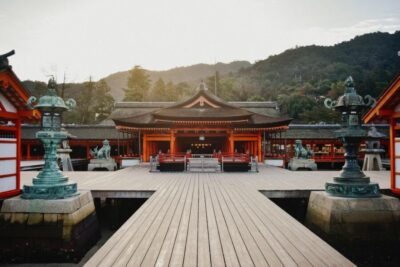
Miyajima Peace Memorial Icons of Peace and Beauty
Read our review →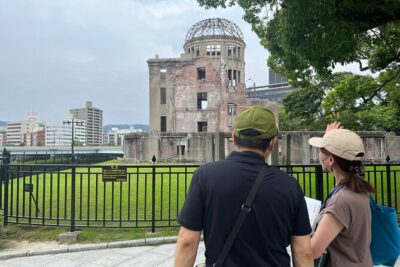
Hiroshima/Guided Virtual Tour of Peace Park/PEACE PARK TOUR VR
Read our review →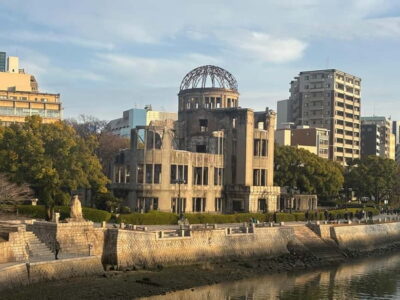
Hiroshima; Hiroshima Peace Memorial Museum and Castle Tour
Read our review →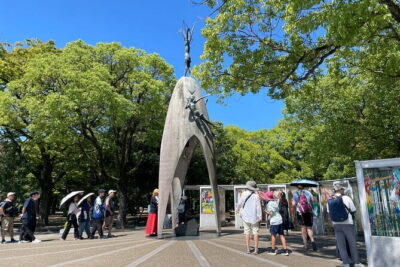
Hiroshima History Tour : A-Bomb Dome, Peace Memorial & City
Read our review →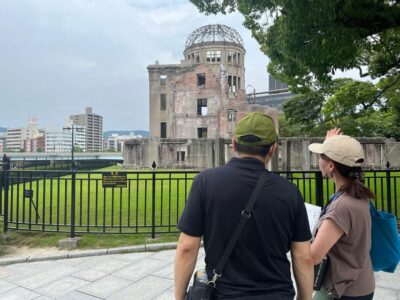
Hiroshima:Guided Virtual Tour/PEACE PARK TOUR VR
Read our review →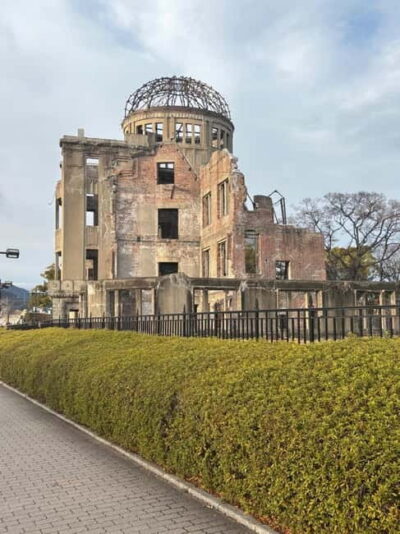
Hiroshima Peace Park & Atomic Bomb Dome Guided Walk
Read our review →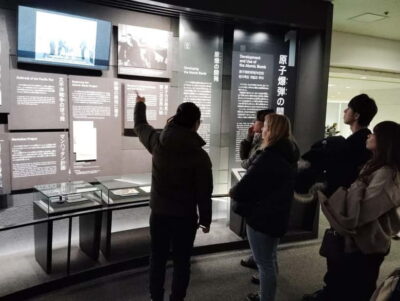
Tour of Atomic Bomb Dome & Peace Memorial Museum
Read our review →Browse the lists this tour appears in