
Review · HIROSHIMA PEACE MEMORIAL TOURS
Hiroshima: Peace Memorial Park and Atomic Bomb Dome Tour
A walk through Hiroshima that never feels distant.
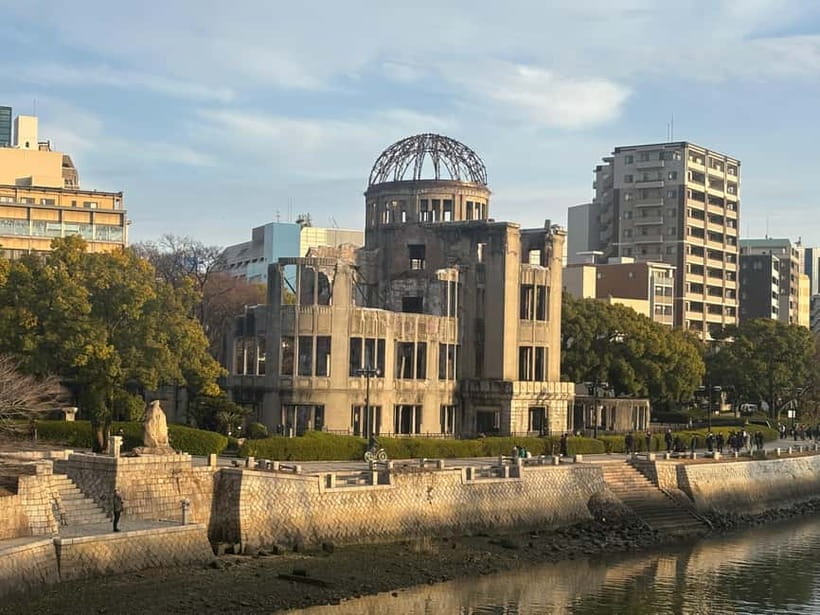
This Peace Memorial Park and Atomic Bomb Dome tour threads together the big picture and the human impact of August 1945, starting at the Gates of Peace and ending near the Atomic Bomb Hypocenter Monument.
I love how the guide keeps the pace tight and readable, with frequent stops that help you understand where you are and what each site symbolizes. I also love the specific moments of remembrance, like paying tribute at the Cenotaph for A-bomb Victims and learning Sadako Sasaki’s story with the thousand paper cranes at the Children’s Peace Monument.
One drawback to plan for: there is a significant amount of walking, and it is not suitable for wheelchair users or people with mobility impairments.
In This Review
- Key highlights worth planning around
- From Gates of Peace to a clearer sense of why Hiroshima matters
- Meeting point, timing, and the walking plan you should actually expect
- Gates of Peace and the first meaning: entering a memorial with purpose
- Prayer Fountain, Hiroshima Peace Memorial Park, and the art of staying focused
- Flame of Peace and the Cenotaph moments that anchor the visit
- Children’s Peace Monument and Sadako Sasaki’s thousand paper cranes
- Korean Atomic Bomb Victims Cenotaph, Peace Bell, and Aioi Bridge
- Atomic Bomb Dome and why it stays the main visual on the map
- Finish at the Hypocenter Monument, then use the day wisely
- Price, value, and why the 2 hours feel fair
- Who should book this Hiroshima peace walk, and who should skip it
- Should you book this tour?
- FAQ
- Where is the meeting point?
- How long is the tour?
- How much does it cost?
- What languages are the guides?
- Is food included?
- What is included on the tour?
- Can I take photos?
- What should I bring?
- Is smoking allowed?
- Is the tour suitable for wheelchair users or mobility impairments?
- Does it run in all weather?
Key highlights worth planning around
- PhD scholar style guidance in English, Urdu, or Hindi, with lots of room for questions
- A focused route that ends at the Atomic Bomb Hypocenter Monument, not halfway through
- Multiple memorial perspectives, including the Korean Atomic Bomb Victims Cenotaph
- Iconic UNESCO stop at the Atomic Bomb Dome
- Hope rituals you can take part in, like ringing the Peace Bell
- Practical after-tour help, including lunch recommendations, with no food served during the tour
From Gates of Peace to a clearer sense of why Hiroshima matters
Hiroshima is one of those places where it is easy to feel overwhelmed. You see powerful buildings, names, and monuments, but your brain can still miss the links between them. This tour helps you connect the dots without turning the experience into a lecture.
The route is built around symbolism, not just sightseeing. You start at the Gates of Peace, then move through the memorial core where the city and the world keep returning to the same questions: what happened, who was affected, and what it means to push for peace after catastrophe.
If you want the quickest path to understanding what you are looking at, this is a strong fit. It also has a lot of practical value, because the guide helps you notice what you might otherwise overlook.
Other Hiroshima Peace Memorial tours worth a look in Hiroshima:
- Hiroshima: Miyajima Peace Memorial Icons of Peace and Beauty
★ 4.9 · 361 reviews - Hiroshima/Guided Virtual Tour of Peace Park/PEACE PARK TOUR VR
★ 5.0 · 157 reviews - Hiroshima; Hiroshima Peace Memorial Museum and Castle Tour
★ 5.0 · 89 reviews
Meeting point, timing, and the walking plan you should actually expect
You meet at the gate of peace, front side of the Italian restaurant Mario. The tour runs about 2 hours, and it moves in a steady sequence of guided stops rather than long, free wandering.
Expect short segments at each location, with guided time at spots like the Prayer Fountain, Hiroshima Peace Memorial Park, and the Flame of Peace. That structure helps if you get lost easily, and it also means you should wear shoes you can walk in for a while.
The big consideration is that it is not a sit-down experience. You should come with water in hand, and you should dress for the weather because the tour operates in all weather conditions.
Gates of Peace and the first meaning: entering a memorial with purpose
Starting at the Gates of Peace sets the tone right away. It is not just a landmark, it is a threshold. The guide uses this opening to frame what you are about to encounter, so the rest of the walk feels like a story you can follow.
This first stretch matters because it trains your attention. Instead of treating monuments like photos, you start reading them as messages. That makes every next stop hit harder, and also makes the whole day feel more coherent.
If you are visiting Hiroshima for a limited amount of time, this start helps you get your bearings fast. It also helps you avoid the common mistake of rushing, because you know what is coming next.
Prayer Fountain, Hiroshima Peace Memorial Park, and the art of staying focused
The Prayer Fountain stop is brief, but it is the kind of moment that grounds the tour in reflection. In a place like this, you need transitions that slow your thinking down, even if your legs keep moving.
Then you spend about 40 minutes in Hiroshima Peace Memorial Park. That chunk is where the guide’s structure pays off. You are not bouncing randomly between points, you are building context through several memorial features within the park area.
Within the memorial zone, the tour includes major names and dedications such as the Hiroshima National Peace Memorial Hall, the Dr. Marcel Junod Memorial, and the Norman Cousins Memorial. Even if you do not know these names going in, the guide connects why they matter in the larger story of peace advocacy and human response after the bombing.
A practical note: this is a heavy subject. The tour is designed to be respectful, but you should still plan mentally for emotions. If you get overwhelmed, take a breath, look slowly, and let the guide’s pacing give you room to process.
A few more Hiroshima days to weigh up
- Peaceful Hiroshima & Miyajima UNESCO 1 Day Bus Tour
★ 5.0 · 5,309 reviews - Hiroshima: Hiroshima and Miyajima UNESCO Sites 1-Day Tour
★ 4.9 · 2,330 reviews - Hiroshima / Miyajima Full-day Private Tour with Government Licensed Guide
★ 5.0 · 1,298 reviews - Hiroshima Historical Walking Tour – Why A-Bomb was Dropped
★ 4.8 · 893 reviews
Flame of Peace and the Cenotaph moments that anchor the visit
The Flame of Peace is one of the tour’s emotional centers. You get guided time here, and the guide explains what the flame represents as a continuing pledge, not a single day of remembrance.
Then you move into tribute at the Cenotaph for A-bomb Victims. This is where the tour becomes very direct about loss, including the names and the human cost tied to 1945. It is not vague, it is grounded.
Because this portion is structured, you are less likely to skim. You also get help understanding the memorial language, like how these locations are meant to be revisited as symbols of peace rather than forgotten as history.
Children’s Peace Monument and Sadako Sasaki’s thousand paper cranes
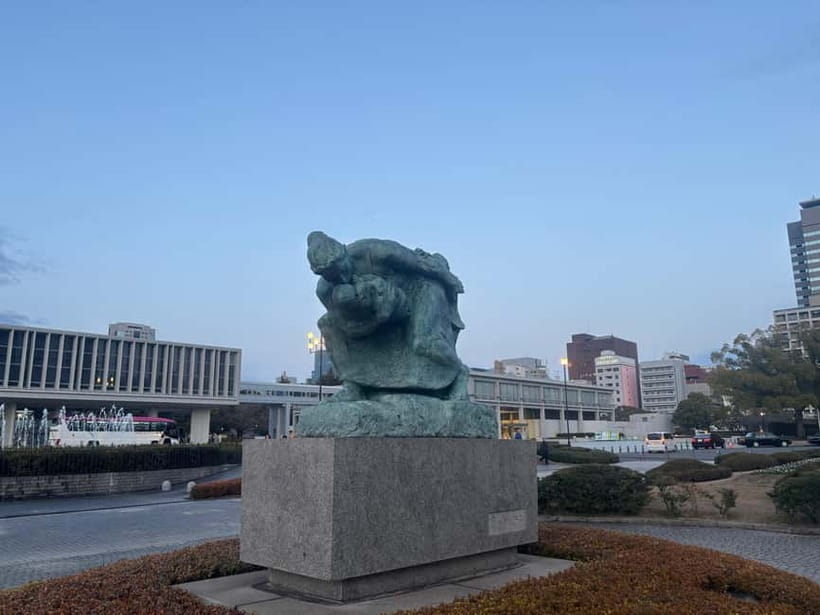
The Children’s Peace Monument is built for connection. You learn the story of Sadako Sasaki and the thousand paper cranes, which gives the memorial landscape a very personal entry point.
I like this stop because it shifts the focus from scale to meaning. The war and bombing are part of the story, but this monument reminds you that individuals, especially children, also shape how the world remembers.
It is also one of the easiest stops to return to in your own thoughts later. When you leave the park, you can still recall the paper cranes and what they symbolize, even if everything else feels like it happened in a different lifetime.
Korean Atomic Bomb Victims Cenotaph, Peace Bell, and Aioi Bridge
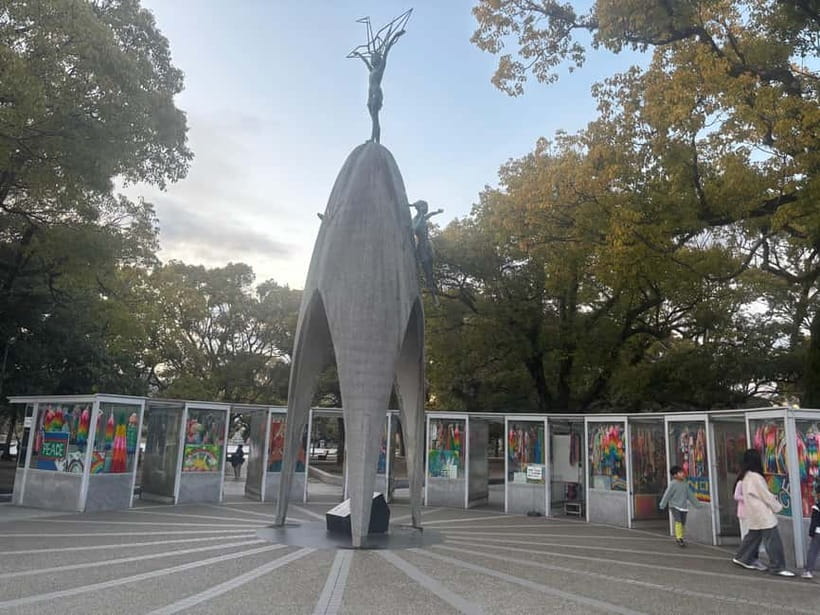
This tour does not limit itself to one national perspective. It includes the Korean Atomic Bomb Victims Cenotaph, which broadens the remembrance in an important way. If your goal is to understand Hiroshima as a global event, this addition makes the walk feel more honest.
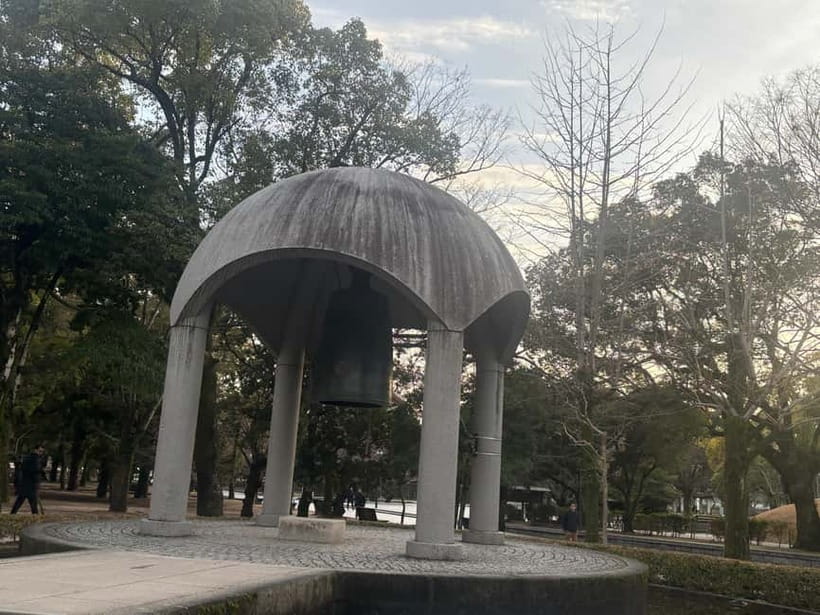
Next comes the Bell of Peace. The tour specifically includes the moment of ringing the Peace Bell as a symbol of hope and world peace. I find actions like this help people feel present without turning the visit into a performance.
Then you cross into the Aioi Bridge area. The guide uses this stop to connect what you see to what you learn, so the bridge is not just a nice photo spot. It becomes a reference point in the story of the bombing’s impact.
Atomic Bomb Dome and why it stays the main visual on the map
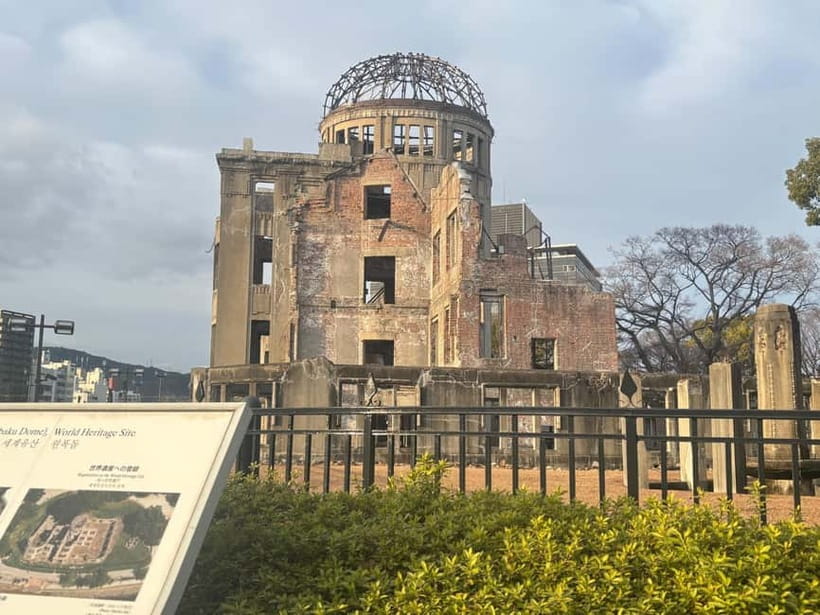
The Atomic Bomb Dome is the UNESCO World Heritage Site that most people picture when they think of Hiroshima. Here, you do get focused guided time, and you learn why it was the primary target in the story the guide lays out for you.
Even without turning it into a technical history lesson, the explanation matters because it changes how you look at the building. Instead of seeing it as an isolated landmark, you start seeing it as a symbol with an original context you can now follow.
This is also a stop where crowd control matters. The Dome area can be busy, so if you have schedule flexibility, consider aiming for a time when you can take your photos and still listen without shouting over other groups.
Finish at the Hypocenter Monument, then use the day wisely
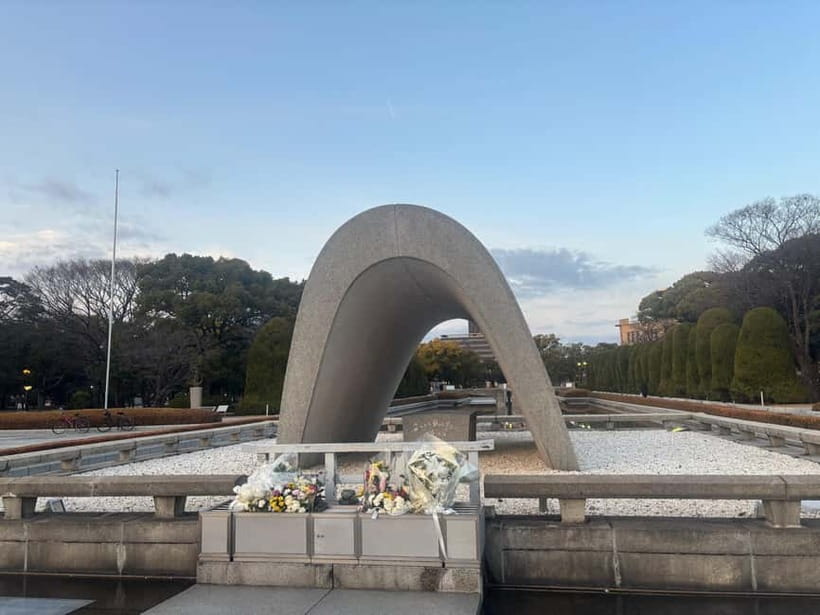
You finish at the Hiroshima Atomic Bomb Hypocenter Monument. Ending here is smart because it gives closure. Your mind can return to a single point: where the blast center was, and why that location remains essential to understanding what followed.
After the walk, you are not just left standing around. Many guides share local tips, including lunch recommendations, and at least one guest specifically noted an okonomiyaki suggestion for afterwards. Since no food is served on the tour, this kind of guidance is genuinely useful.
You also hear about Hiroshima’s rebuilding, and how the city transformed from the ashes into a global peace symbol. I like hearing the reconstruction angle because it prevents the experience from becoming only grief. You still mourn, but you also understand what the city chose to build next.
Price, value, and why the 2 hours feel fair
The price is about $23 per person for a 2-hour live guided walking tour. For a topic as significant as this, I think it is good value because you are paying for interpretation, not transportation or museum entry.
You get multiple major stops, including the Peace Memorial Park area and the Atomic Bomb Dome, plus the memorials connected to peace advocacy and victims across different groups. The guide’s role is not to add noise. It is to help you make sense of what you are seeing so you do not leave with only images.
The tour is also well rated, with an overall 4.9 score from 91 reviews. That usually points to two things working together: the pacing and the way the guide handles sensitive material.
For me, the best value signal is how often guests highlight engagement, question time, and a respectful tone. That is exactly what you want in a place where you cannot afford to zone out.
Who should book this Hiroshima peace walk, and who should skip it
This is a great choice if you want an organized, guided way to experience Hiroshima Peace Memorial Park and the Atomic Bomb Dome. It is especially helpful if you prefer walking with context instead of wandering alone through a memorial area that can feel emotionally heavy.
I would also recommend it if you appreciate a guide who answers questions and keeps the experience engaging, because the guide here can switch between the big picture and individual stories. That balance makes the tour feel less like a checklist.
Skip it if walking is difficult for you. The tour is not suitable for people with mobility impairments or wheelchair users, and it includes a significant amount of walking in memorial areas.
Also, plan your expectations. There is no food served, and this is not a casual sightseeing outing. Come prepared to reflect, and bring what you need to stay comfortable.
Should you book this tour?
If you want a practical path through Hiroshima that helps you understand what you are seeing, I would book it. The $23 price for a 2-hour live guide is solid value, and the route is designed to take you through the key memorial anchors, the UNESCO Dome, and the hypocenter finish.
Book it especially if you care about respectful context, want help understanding major monuments, and would rather ask questions than try to figure everything out on your own. If you cannot handle a lot of walking, or if you need a more accessible format, then you should look for a different option.
FAQ
Where is the meeting point?
The meeting point is the gate of peace, front side of the Italian restaurant Mario.
How long is the tour?
The duration is about 2 hours.
How much does it cost?
The price is listed as $23 per person.
What languages are the guides?
The tour is offered with live guidance in English, Urdu, and Hindi.
Is food included?
No. The tour does not serve food.
What is included on the tour?
It includes live guided commentary plus stops and elements such as the Atomic Bomb Dome, Peace Bell, Prayer Fountain, Cenotaph of the Hiroshima Victims Memorial, Flame of Peace, Children’s Peace Monument, and additional memorials in the area. It also includes the Gates of Peace and the Cenotaph for the victims of the atomic bomb in Korea.
Can I take photos?
Photography is allowed, but you should be respectful in memorial areas.
What should I bring?
Bring comfortable shoes, a hat, a camera, sunscreen, and water.
Is smoking allowed?
No, smoking is not allowed.
Is the tour suitable for wheelchair users or mobility impairments?
No. The tour is not suitable for people with mobility impairments or wheelchair users.
Does it run in all weather?
Yes. The tour operates in all weather conditions, so dress appropriately.
Newly listed around Hiroshima
- Hiroshima and Miyajima 1 Day Cruise Tour★ 5.0 · 24 reviews
- Hiroshima and Miyajima 1 Day Walking Tour★ 5.0 · 43 reviews
- Hiroshima & Miyajima: UNESCO A-Bomb Dome & Itsukushima with Local★ 5.0 · 25 reviews
- Hiroshima & Miyajima: Private Full-Day Tour with a Local Guide★ 5.0 · 39 reviews
- Hiroshima 5k Running Tour of Hijiyama Park★ 5.0 · 7 reviews
- Hiroshima and Miyajima Bus Tour with Indian Lunch★ 5.0 · 10 reviews
- Hiroshima and Miyajima 1 Day Bus Tour★ 4.5 · 145 reviews
- Hiroshima Peace Memorial and Atomic Bomb Dome Private Tour★ 5.0 · 37 reviews
Hiroshima Peace Memorial Tours, compared.
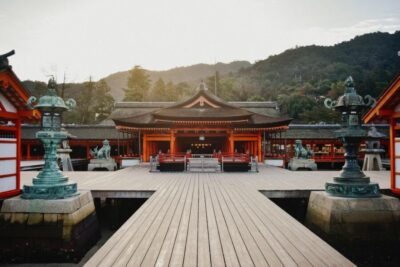
Miyajima Peace Memorial Icons of Peace and Beauty
Read our review →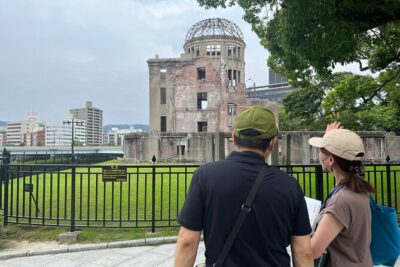
Hiroshima/Guided Virtual Tour of Peace Park/PEACE PARK TOUR VR
Read our review →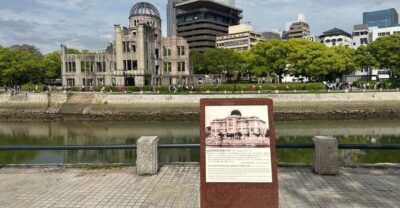
Hiroshima; Hiroshima Peace Memorial Museum and Castle Tour
Read our review →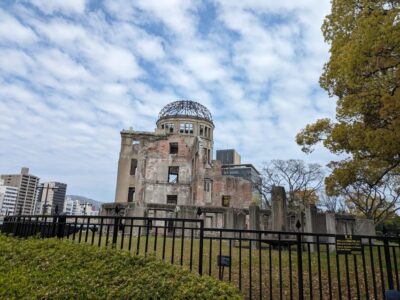
Peace Memorial and Atomic Bomb Dome Private Tour
Read our review →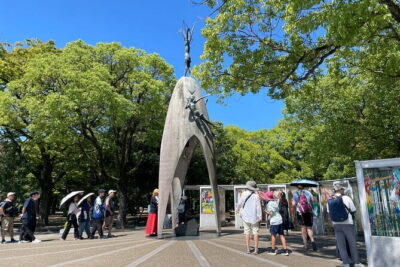
Hiroshima History Tour : A-Bomb Dome, Peace Memorial & City
Read our review →Hiroshima Peace Memorial and Atomic Bomb Dome Private Tour
Read our review →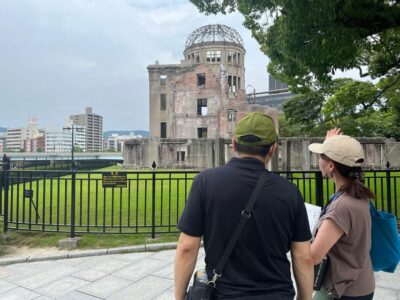
Hiroshima:Guided Virtual Tour/PEACE PARK TOUR VR
Read our review →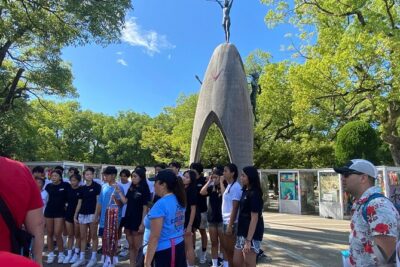
Hiroshima Peace Park & A-Bomb Dome Private Walking Tour (4 Hours)
Read our review →Browse the lists this tour appears in