
Review · JAPANESE COOKING WORKSHOPS
Japanese cooking class
Ramen and gyoza meet a street stroll. I like that this class pairs a hands-on Japanese cooking lesson with a walk through an old-fashioned shopping street first, so the food feels connected to real places and ingredients. I also like the take-home element, you get the recipes you learn and souvenirs that make it easier to repeat the dishes later. The one catch is that your walk may trigger extra spending, since personal drinks and alcohol are not included.
You’ll start near Matsuya-cho Station Exit #3 on the Nagahori Tsurumi-ryokuchi Line, and the guide shows up dressed as a blue samurai holding a placard. With instruction offered in Japanese, Chinese, and English, this is a good choice if you want clear explanations without feeling lost at the cutting board.
In This Review
- Key highlights worth your time
- Japanese cooking class in 150 minutes: a smart hands-on format
- Finding the meeting point fast, with a blue samurai guide
- The old-fashioned shopping street walk: why it matters before cooking
- In the studio: ramen and gyoza steps you can actually repeat
- What you eat, how you take photos, and why you enjoy it more than you expect
- How the recipes and souvenirs extend the experience after you leave
- Price and value: what $83 covers (and what it does not)
- Languages and teaching style: Japanese, Chinese, English instruction
- Who this Japanese cooking class is best for
- Should you book this Japanese cooking class in Honshu?
- FAQ
- How long is the Japanese cooking class?
- Where do I meet the guide?
- What dishes will we cook?
- Which languages are available?
- What is included in the price?
- Is cancellation free, and what is not included?
Key highlights worth your time
- A studio cooking class built around popular dishes like ramen and gyoza, with step-by-step guidance
- An old-fashioned shopping street walk that sets you up with ingredients and context before you cook
- You leave with recipes and souvenirs, so the lesson does not end when you wash your hands
- Clear English-friendly instruction, with named instructors like Shohei and Max described as strong teachers
- Active participation for groups, including family setups where more than one person can jump in
- A flexible feel when the class is small, which can make the lesson more personal
Japanese cooking class in 150 minutes: a smart hands-on format
A lot of food tours stop at eating. This one earns its calories by putting you in the kitchen. In 150 minutes, you walk nearby, learn how to cook, eat what you make, and take home the recipes you followed.
The timing is also practical. You get enough structure to learn real technique, but it is not so long that it eats your whole day. If you’re juggling a busy Japan itinerary, this kind of focused lesson is an easier fit than a half-day food crawl that has you standing the entire time.
The dishes are beginner-friendly in the best way: ramen and gyoza. You’re not just assembling a souvenir plate, you’re learning how the components come together, from prep to cooking to plating.
More Cooking workshops in Japan:
- Ramen Cooking Class at Ramen Factory in Kyoto
★ 5.0 · 1,937 reviews - Ramen & Gyoza Cooking Class in Tokyo with Local Supermarket Visit
★ 5.0 · 823 reviews - Kyoto: Ramen Cooking Class at a Ramen Factory with Souvenir
★ 4.9 · 532 reviews
Finding the meeting point fast, with a blue samurai guide
This experience starts close to public transit. Plan for about a five minute walk from Matsuyamachi Station, and meet at Nagahori Tsurumi-ryokuchi Line Matsuya-cho Station Exit #3.
Look for the guide dressed as a blue samurai and holding a placard. That visual cue matters. In Japan, station exits can be confusing the first time, and a clear meeting signal helps you avoid that stress of wandering with hunger in your stomach.
If you want a smoother start, give yourself a little buffer. Show up early enough to confirm the exact place, then settle in before the group heads out.
The old-fashioned shopping street walk: why it matters before cooking
The walk is not filler. It’s part of how the class teaches you to cook like you’re actually living in Japan, even if only for a couple of hours.
As you stroll through the old-fashioned shopping street, you’re connecting the lesson to ingredient choices. You learn what is special about Japanese pantry items and how that affects flavor and texture. Even if you don’t memorize every detail, the mental link helps when you’re shopping later at home.
There’s also a culture bonus. You get a look at everyday street life and local commerce, in a setting that feels less like a theme park stop and more like a real neighborhood lane. This is one of the best parts if you like your food experiences grounded in place.
One thing to plan for: personal expenses are on you during the walk. That means drinks and alcohol are not included, so if you want soft drinks or beer with the stroll, budget for it.
In the studio: ramen and gyoza steps you can actually repeat
Once you reach the studio, the tone shifts from street walking to hands-on cooking. You’ll work together to prepare Japanese dishes using ingredients unique to Japan, then you eat what you make.
Ramen and gyoza are a smart pairing. Ramen teaches balance and building blocks, since noodles, broth, and toppings all need coordination. Gyoza teaches technique, because the dumplings rely on correct prep and cooking to get the right bite.
What I look for in any cooking class is clear instruction. This one has that strength, including strong English explanations when the instructor is Shohei. The approach described is practical: you don’t just get told what to do, you also get a sense of why the steps matter.
And there’s a social side. Eva’s experience mentioned that a family of five could all participate actively in the process. That suggests the class is designed so multiple people can keep busy, not just watch one cook.
If Max is your instructor, the energy is described as fun and engaging, with education built into the process rather than tacked on at the end. In one situation tied to a birthday celebration, a cake slice was even added. That’s not a guarantee, but it hints that the studio staff can read the moment and help make it memorable.
Practical tip: come ready to get your hands dirty. You’ll be doing real cooking steps, not only holding utensils while someone else works. Wear something you can move in, and expect to smell faintly like starch and sauce afterward.
A few more Japan days to weigh up
- Kyoto: Ramen, Gyoza, and Onigiri Cooking Class
★ 5.0 · 445 reviews - Kyoto: Japanese Washoku Bento Small Group Cooking Class
★ 5.0 · 380 reviews - Osaka: Ramen and Gyoza Cooking Class in Dotonbori
★ 5.0 · 378 reviews - Tokyo: Easy Ramen Cooking Experience in Kabukicho, Shinjuku
★ 4.6 · 321 reviews
What you eat, how you take photos, and why you enjoy it more than you expect
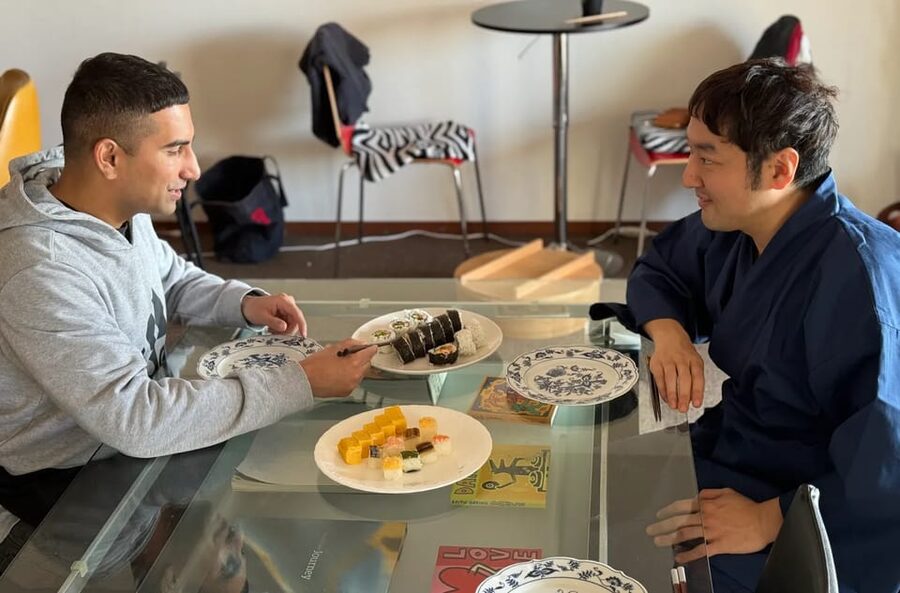
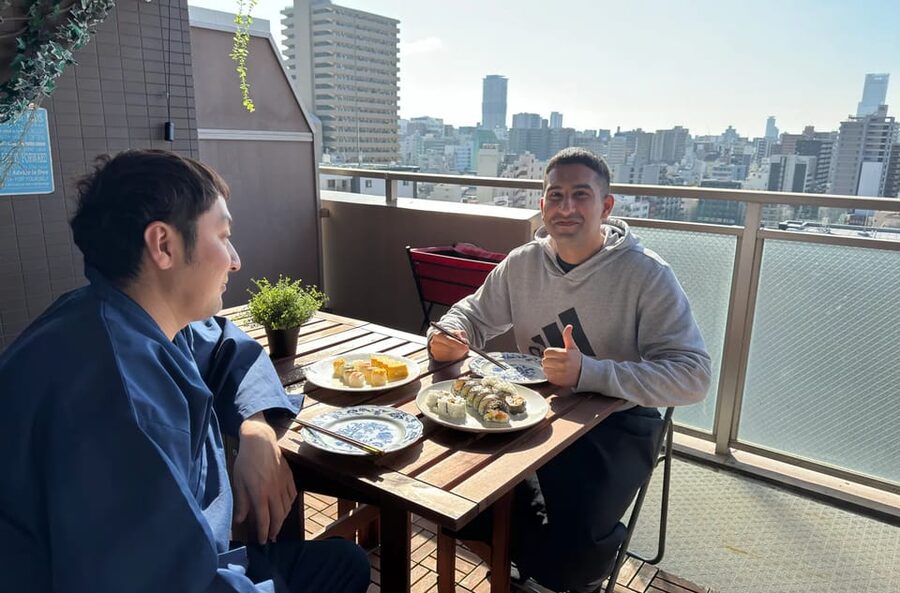
A good cooking class should feed you. Here, you do more than taste. You cook, you eat the dishes you prepared, and you’re encouraged to take photos along the way.
That matters because ramen and gyoza are not just flavors. They are visuals, especially once the dumplings are browned and the ramen looks layered. Photographing the process also gives you a memory anchor, which helps later when you try to recreate it.
Also, eating your own food tends to make the lesson stick. You taste the result immediately, so it’s easier to remember which step created which flavor. That’s the fastest path from instruction to confidence.
How the recipes and souvenirs extend the experience after you leave
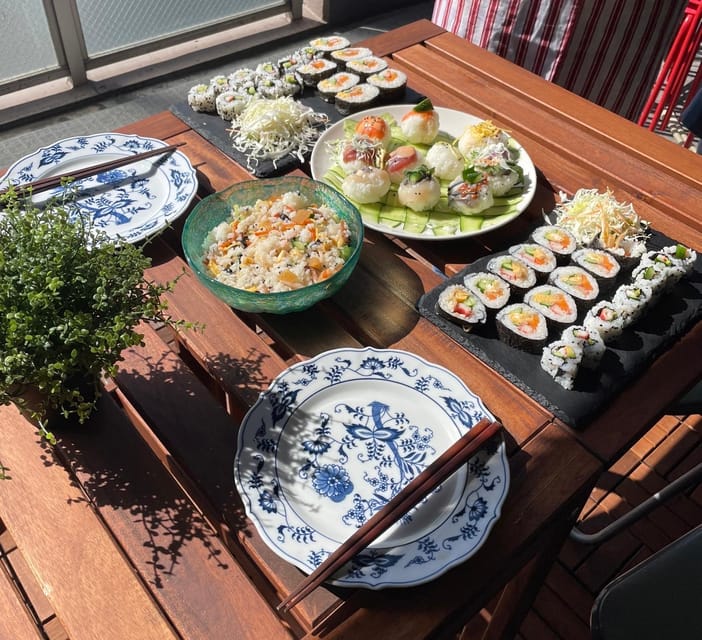
The class ends with two take-home perks: the recipes you learned and souvenirs based on them.
This is the big difference between a typical tasting and a learning experience. Recipes turn what you experienced into something you can repeat. Souvenirs, tied to what you cooked, act like a prompt when you’re searching your kitchen later and thinking, okay, how did that ramen actually come together?
If you’re the type who wants to bring a real memento home, this is also better than a generic bag of snacks. It’s personal because it matches your dishes, your steps, and your choices during the class.
Practical tip: take photos of your final plate and key steps while you’re still there. Then use the recipe card as the checklist when you cook again. This combo helps you translate Japanese cooking terms into real home-kitchen action.
Price and value: what $83 covers (and what it does not)
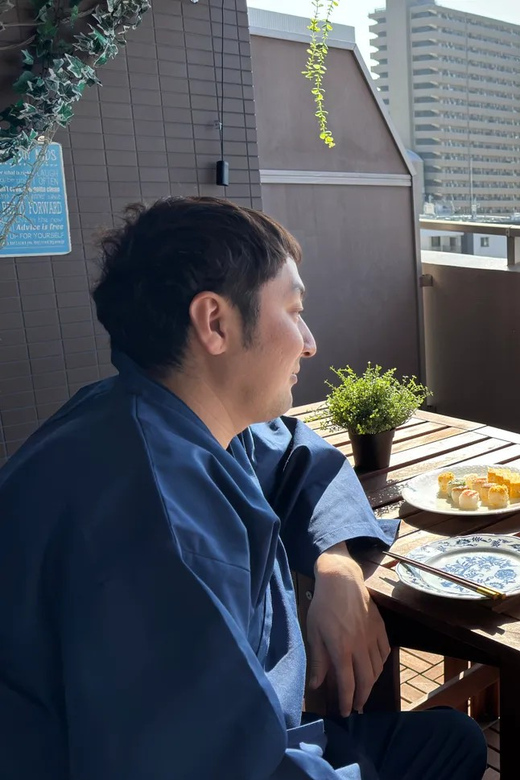
At $83 per person for 150 minutes, the value is in the included overhead and hands-on materials. Your fee covers material cost, shopping street guide fee, cooking lesson fee, venue fee for cooking and drinking, souvenir fee, and tableware and cooking equipment rental.
That list is important. It means you’re not paying extra for basic items like cookware or the workspace. It also means the class is built to run smoothly, rather than relying on you to bring gear or hunt down ingredients.
What’s not included is straightforward. Personal expenses while walking around are on you, including drinks and alcohol. Transportation expenses to the meeting point are also not included.
So the best way to think about price is simple: you’re paying for ingredients, instruction, the studio space, and the experience packaging. If you’re coming in hungry and want a real skill output, that’s a fair trade.
Languages and teaching style: Japanese, Chinese, English instruction
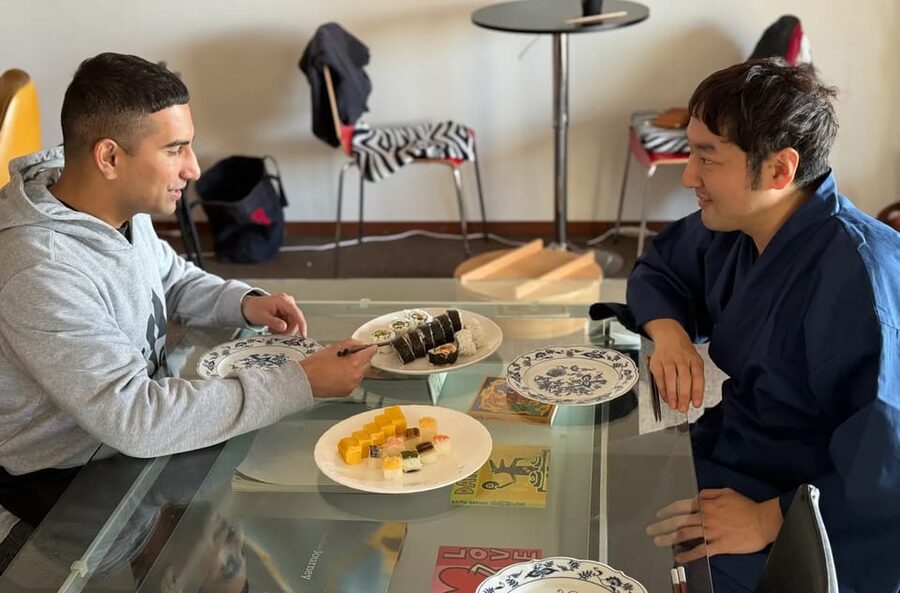
Communication can make or break a cooking class. This one offers languages including Japanese, Chinese, and English, which helps you follow each step without guessing.
In particular, English instruction is praised when the teacher is Shohei. The teaching style described focuses on explaining what to do and why you’re doing it, not only reciting a set of actions. That approach helps you understand technique, which is what you need if you want to cook at home later.
Also, when classes are smaller, the pacing can feel more tailored. One experience mentioned a private-style setup when the group was very small, which usually means you can ask more questions and get quicker feedback.
If you speak English, you still get value even if you rely on visual cues. But the multi-language option is a strong safety net if you’re traveling with someone who prefers another language.
Who this Japanese cooking class is best for
This class works especially well if you fit one of these profiles:
- You want an active food experience, not just a tasting.
- You like Japanese comfort foods, ramen and gyoza are a great starting point.
- You travel with family or a mixed group and want everyone to participate.
- You want a structured 150 minute block that still feels cultural, thanks to the shopping street walk.
- You like learning recipes you can bring home, not leaving with only photos.
It might be less ideal if you want a longer, purely sightseeing-focused tour. This is cooking-led. The walk supports the food learning, but it is not designed as a deep neighborhood tour.
Also, if you have strict dietary restrictions, you should plan to ask questions. The dishes and ingredients are tied to a specific lesson plan, and the safest move is to confirm what can be adapted when you book.
Should you book this Japanese cooking class in Honshu?
Book it if you want a real skill outcome in a short window. The best reason is the combination: street walk for context, studio cooking for technique, and recipes plus souvenirs so the lesson continues after your trip.
I’d skip it if you mainly want to browse markets and snack casually, because this experience is structured around cooking and eating. You’ll get enough street time to set the stage, but it will still feel like a class first.
If you’re deciding between taking notes at a museum versus cooking with your hands, this is the kind of activity where your time turns into something you can taste again later. And with instruction offered in Japanese, Chinese, and English, it’s one of the easier ways to enjoy Japanese food learning without language stress.
FAQ
How long is the Japanese cooking class?
The experience lasts 150 minutes.
Where do I meet the guide?
Meet at Nagahori Tsurumi-ryokuchi Line Matsuya-cho Station Exit #3. The guide is dressed as a blue samurai and holds a placard.
What dishes will we cook?
The course focuses on Japanese dishes including ramen and gyoza.
Which languages are available?
Instruction is offered in Japanese, Chinese, and English.
What is included in the price?
Included are material costs, a shopping street guide fee, the cooking lesson fee, venue fee (cooking and drinking), souvenir fee, and tableware and cooking equipment rental.
Is cancellation free, and what is not included?
Cancellation is free up to 8 days in advance for a full refund. Not included are personal expenses during the shopping district walk, including drinks and alcohol, and transportation expenses to the meeting point.
Newly listed around Japan
- Matcha Tea Bowl Experience in Osaka★ 5.0 · 11 reviews
- Half Day Matcha Tour in Uji, home of culture, with a local★ 4.8 · 14 reviews
- Master Washoku: 5 Core Techniques for Authentic Cooking★ 4.7 · 7 reviews
- Made from flour in 30min! Ramen-noodle Making Experience!★ 4.8 · 24 reviews
- Making Fresh To-fu from soybeans in Kyoto★ 5.0 · 8 reviews
- Make a temple stamp book with artist★ 4.9 · 10 reviews
- DaikokuPA:A private Daikoku tour in a customised R34!★ 5.0 · 9 reviews
- From Kanazawa/Toyama: Shirakawago and Takayama Day Tour★ 4.7 · 82 reviews
Japanese Cooking Workshops, compared.
Ramen Cooking Class at Ramen Factory in Kyoto
Read our review →
Ramen & Gyoza Cooking Class in Tokyo with Local Supermarket Visit
Read our review →
Ramen Cooking Class at a Ramen Factory with Souvenir
Read our review →
Japanese Washoku Bento Small Group Cooking Class
Read our review →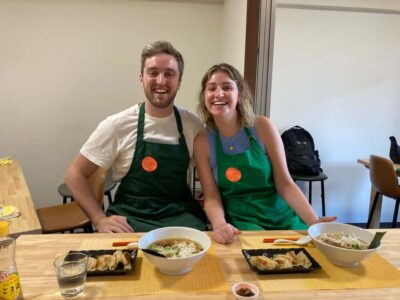
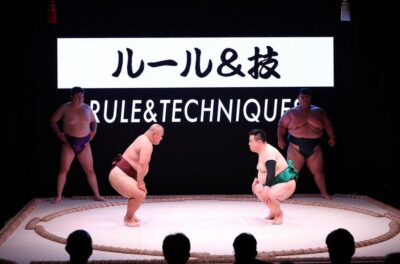
Sumo Stage Show with Bento or Snack + Fight & Photo
Read our review →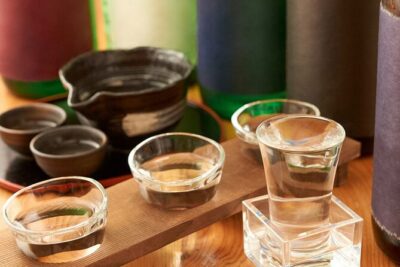
Ramen and Sushi Cooking Class with Sake Pairing Set in Tokyo
Read our review →Browse the lists this tour appears in