
Review · DESSERT TOURS
Japanese Sweets (Mochi & Nerikiri) making at a Private studio
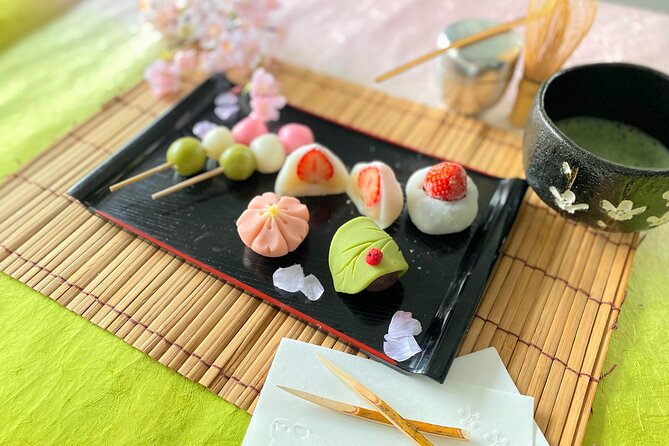
That first knead tells you this is craft, not just cooking. In a private Meguro home, you make traditional wagashi from scratch, then shape and color your own nerikiri for a seasonal motif. Small-group size keeps it hands-on and questions actually get answered.
I like how the class starts with a short tradition-focused talk, so the sweets make sense in context, not just on a plate. I also like that you get practical take-home support, including an English recipe sheet, plus aprons and tasting with matcha. One thing to consider, since it’s in a home setting, is that space is limited, and observers can’t sit in class, so bring your crew who will actively participate.
In This Review
- Key Wagashi Workshop Takeaways
- A Real Tokyo Home for Japanese Sweets, Not a Spectator Show
- Where You Meet in Meguro, and How to Plan Your Timing
- The Class Flow: From Mochi Traditions to Shaping Nerikiri
- Strawberry Daifuku Mochi and Three-Color Dango, Made Step by Step
- Nerikiri Wagashi: Coloring, Shaping, and the Meaning Behind the Motif
- Matcha, Omotenashi, and a Gentle End to the Hands-On Work
- What You’ll Eat, and How Dietary Notes Are Handled
- Price and Value: Is $91.96 Worth It?
- Who This Workshop Suits Best, and Who Might Prefer Something Else
- Practical Tips to Get the Most From Your 2.5 Hours
- Should You Book This Japanese Sweets Workshop in Tokyo?
- FAQ
- What sweets will I make in this class?
- How long is the Japanese sweets making class?
- Is matcha included?
- Are aprons provided?
- Do I get something to take home?
- Is the class small?
- Is there an age limit?
- Can observers watch from the same room?
- Are the ingredients gluten-free?
- Where is the class located and how do you return afterward?
- Can I cancel for a refund?
Key Wagashi Workshop Takeaways
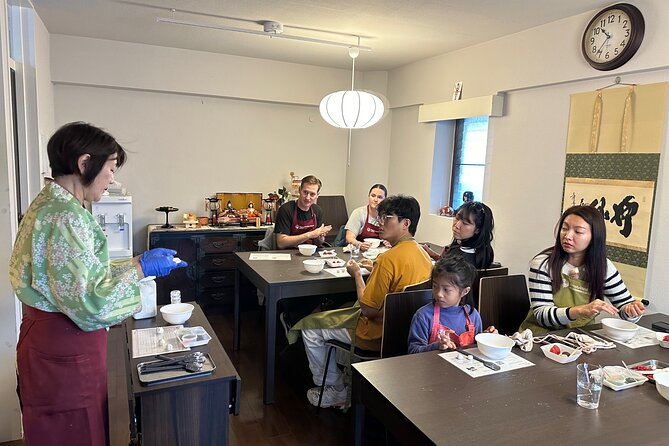
- Private home setting in Meguro (Tokyo) gives you the feeling of learning from locals, not a storefront demo.
- Small group up to 8 people means more time with the instructor while you’re kneading, shaping, and coloring.
- Certified Nerikiri Art Instructor in fluent English helps you understand both technique and meaning behind the sweets.
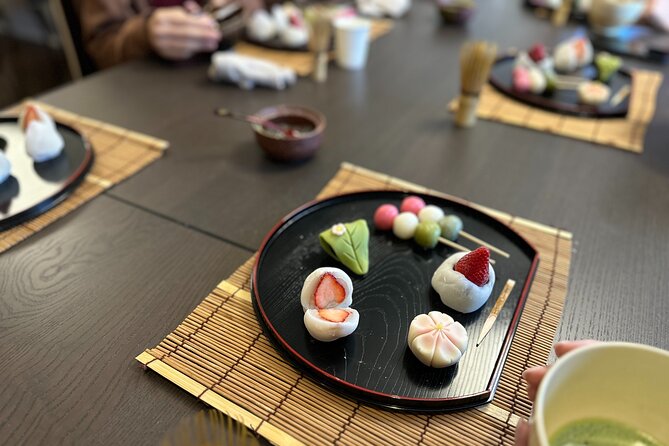
- You make strawberry daifuku mochi and three-color dango, then move into nerikiri shaping.
- Tasting ends with matcha and a short talk on omotenashi and the tea ceremony spirit.
- Plant-derived and gluten-free ingredients are used in the class (with non-caffeinated tea available).
A Real Tokyo Home for Japanese Sweets, Not a Spectator Show
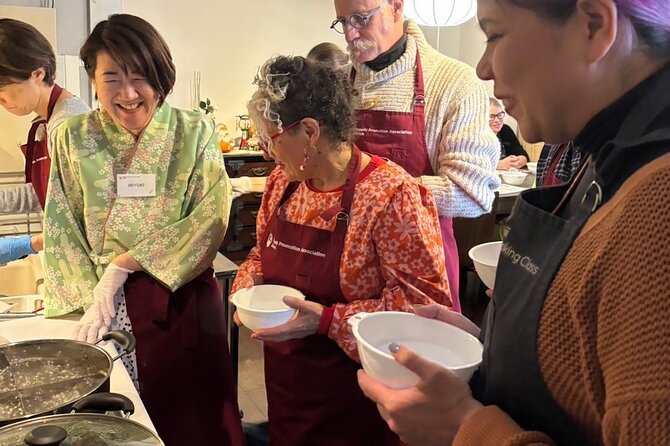
Tokyo cooking classes often fall into two buckets: big group demos, or tiny private sessions. This one lands in the good middle. You’ll be with a maximum of 8 people, and it runs like a real workshop, with the instructor guiding you through each step while you do the work.
The private studio matters because wagashi is detail-driven. When you’re kneading for the right consistency, shaping delicate forms, and coloring dough, you need correction in real time. In this home setting, you get that kind of attention. One plus from past participants is that the instructors explain things patiently, and they also share practical Tokyo advice, like where to shop for wagashi tools and what to prioritize during the rest of your trip.
There’s also a cultural layer. Before you start making, you get a short presentation about mochi traditions and festivals, plus how those sweets connect to Japanese life. That sets the tone, so when you later hear about color and shape symbolism in nerikiri, it doesn’t feel random. It feels like you’re learning the language of the craft.
A few more Tokyo days to weigh up
- Matcha Making Class in Tokyo with Authentic Japanese Sweets Set
★ 5.0 · 744 reviews - Tokyo: Matcha Making Experience with Mochi Sweets in Asakusa
★ 4.9 · 388 reviews - Make Traditional Nerikiri Sweets & Matcha experience in Shibuya
★ 5.0 · 130 reviews
Where You Meet in Meguro, and How to Plan Your Timing
The meeting point is in Meguro City, Meguro, at Meguro 1-chōme (a residential address in the President Meguro Heights area). The activity ends back at the same meeting point, so you’re not dealing with a long route through multiple stops.
You can choose a morning or afternoon class. That flexibility is genuinely useful in Tokyo, where jet lag or a busy sightseeing day can throw off your schedule. Also, because it’s near public transportation, you should be able to get there without turning your day into a logistics puzzle.
A home studio has its own rhythm. Aprons are provided, so you don’t need to bring one. You should still wear comfortable clothes you don’t mind getting a little food-sticky (wagashi can get touchy when dough is still warm). And remember: observers can’t sit in the class. If you’re bringing friends who just want to watch, plan on them not being part of the seating.
The Class Flow: From Mochi Traditions to Shaping Nerikiri
The full session runs about 2 hours 30 minutes, and it’s built in a logical progression. You start with mochi, then move into nerikiri. By the time you’re coloring and shaping, you’re already warmed up on texture, handling, and timing.
Expect three main stages:
- A short introduction on mochi traditions and why these sweets matter in Japanese culture.
- Hands-on making of strawberry daifuku mochi and three-color dango.
- Nerikiri dough instruction and workshop time, where you shape and color your own seasonal motif.
This structure is part of the value. If you only did nerikiri, you’d miss the tactile basics of mochi textures. If you only did daifuku, you’d miss the art side of wagashi. This class gives you both.
Strawberry Daifuku Mochi and Three-Color Dango, Made Step by Step
You’ll begin with a presentation that sets mochi into its seasonal and cultural role. Mochi shows up in Japanese traditions and festivals, and the lesson frames it as more than a dessert ingredient. That matters, because mochi is famous for being stretchy and forgiving until it isn’t. Getting the context helps you focus on the technique when things get warm and slightly sticky.
Then you make strawberry daifuku mochi. You’ll learn how to handle the dough and assemble the sweet. Daifuku is a great starter because you can see the end form clearly, and it forces you to learn the practical basics: dough consistency, portioning, and careful shaping.
After that, you’ll make three-color dango, skewered mochi balls. Dango is different from daifuku even though it sits in the same mochi family. The color work gives you a feel for controlling dough portions and shaping repeatedly without losing texture. Plus, three colors means you’re not just making one thing and calling it a day. You’re practicing variation, which translates well to nerikiri later.
If you’re a first-timer, this progression helps a lot. You start with mochi you can assemble and eat, then you carry that muscle memory into the more artistic work of nerikiri.
A different sort of day in Japan:
- Mt Fuji and Hakone 1-Day Bus Tour Return by Bullet Train
★ 5.0 · 26,383 reviews - 1-Day Tokyo Bus Tour
★ 5.0 · 14,250 reviews - Tokyo: TOKYO SKYTREE® Admission ticket
★ 4.5 · 11,192 reviews - Tokyo: teamLab Planets TOKYO Digital Art Museum Entry Ticket
★ 4.6 · 9,779 reviews
Nerikiri Wagashi: Coloring, Shaping, and the Meaning Behind the Motif
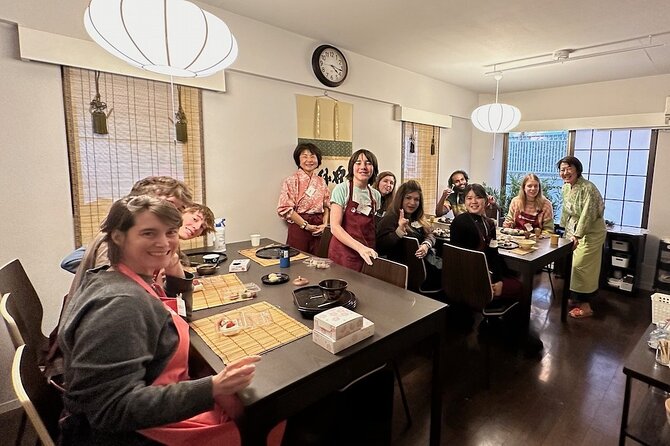
Nerikiri is the star of the show. The instructor demonstrates how to make the nerikiri dough, then you do the hands-on part: coloring, shaping, and forming your own seasonal motif.
Here’s why that part is worth the price on its own. Nerikiri is less about speed and more about finesse. You’re working a dough that needs the right feel, and you’re shaping it into something that has visual symbolism. Past participants highlighted that they learned the symbolism of color and shape, not just how to copy a model.
Also, the instructor is a certified Nerikiri Art Instructor and is fluent in English. That combination is a big deal. Wagashi technique includes small cues like how dough should look and feel at different stages, and you don’t want those cues lost in translation. With fluent English guidance, you get real feedback rather than general instructions.
You’ll leave with your nerikiri creation, plus the knowledge of what you did to make it. And since you’ll get an English recipe sheet, you’re not relying only on memory when you try this at home later.
Matcha, Omotenashi, and a Gentle End to the Hands-On Work
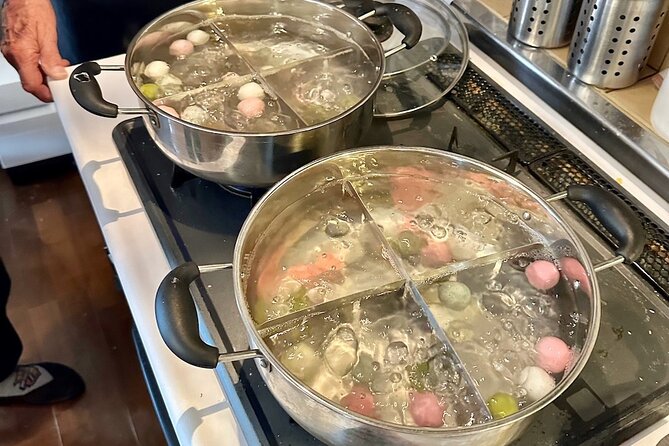
Once the shaping is done, you shift from making to tasting. The class concludes with a tasting of the sweets, paired with matcha green tea. Non-caffeinated tea is offered as an alternative, depending on what you choose.
There’s also a short talk on omotenashi, the hospitality spirit that sits at the heart of chado (the tea ceremony). This isn’t a long lecture. It’s more like a lens. It helps you understand why matcha is paired with sweets, and why the order and handling of tea and wagashi matters.
If you’ve ever wondered why Japanese sweets feel so deliberate, this is your answer. Even the end of the class is structured, from tasting to explanation. It turns the workshop into something closer to cultural practice than a cooking class that ends when the food hits the table.
What You’ll Eat, and How Dietary Notes Are Handled
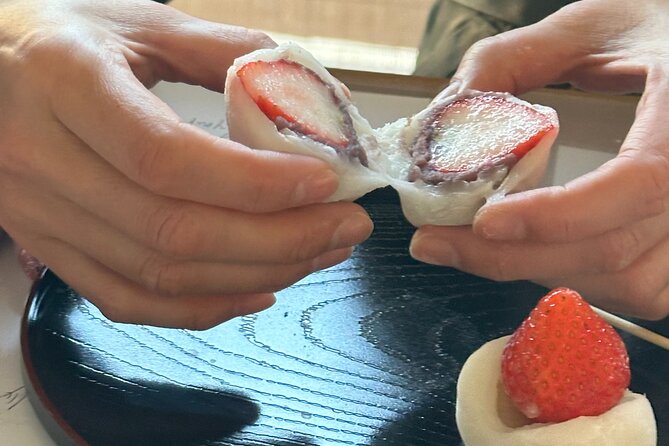
You’ll taste what you make, and the session includes tea and the sweets tasting portion. The class materials specify that the ingredients are plant-derived and gluten-free. That’s a helpful detail if you’re watching dietary needs, and it also signals that the workshop uses ingredients meant to meet those basic requirements.
What’s not included is additional food and drinks outside what’s specified. So if you’re hungry beyond the tasting, plan a meal before or after your class time. It’s also smart to avoid scheduling this right before a very long meal-free stretch of sightseeing.
The tasting part is more than a formality. You get to compare textures in your own mouth, which is how you learn what the dough process was aiming for. That feedback loop is what makes the workshop stick, even if you don’t master everything on your first attempt.
Price and Value: Is $91.96 Worth It?
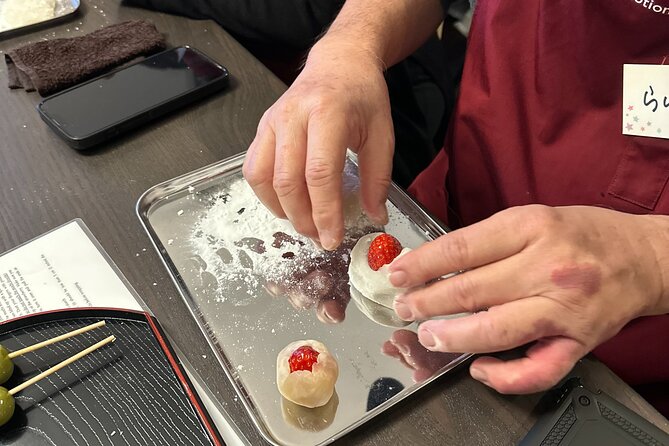
At $91.96 per person for about 2 hours 30 minutes, you’re paying for four things: expert instruction, hands-on practice, ingredients, and the tea-and-tasting finish.
Most bargain classes skip at least one of those. Here, the class stays small, the instructor gives step-by-step guidance, and the session includes aprons, an English recipe sheet, plus matcha or another non-caffeinated tea. You’re also not just learning one sweet. You’ll learn mochi techniques for strawberry daifuku and dango, then you’ll go into nerikiri dough and produce a shaped seasonal motif.
The biggest value lever for me is the small-group setup. With up to 8 people, you’re less likely to feel like a production line and more likely to get feedback when your dough consistency needs adjusting.
Two practical considerations for value: there’s no hotel pickup or drop-off, and transportation is on you. Also, because observers can’t sit in class, you get the best value if the people paying are actually making something.
Who This Workshop Suits Best, and Who Might Prefer Something Else
This is a great choice if you want a hands-on Tokyo experience that goes beyond sightseeing photos. If you like craft work, patience, and small details, you’ll enjoy nerikiri shaping. If you’re curious about Japanese food traditions, the early mochi presentation and the omotenashi talk add real context.
It also works well for families, with a minimum age of 4. Children under 4 aren’t allowed due to safety reasons, and that’s good to know ahead of time. If you’re traveling with kids old enough to participate, wagashi making can be a fun, structured activity with visible results.
I’d consider skipping or looking for a different class if you’re someone who wants purely visual sightseeing. This isn’t a passive experience, and observers aren’t allowed to sit in class. If you want to watch quietly while someone else cooks, the setup won’t match your style.
Practical Tips to Get the Most From Your 2.5 Hours
Here are the choices that make your session smoother and help you take more home than sugar.
- Arrive on time or a bit early. A workshop benefits from getting settled before you start kneading.
- Wear clothes you can move in. Dough work is physical, and you’ll be shaping for real.
- Ask questions about tools. One of the best side benefits from past participants was getting advice on where to shop in Tokyo for wagashi tools.
- Use the recipe sheet immediately. If you can, skim it after class while everything still feels fresh.
- Take note of color and shape reasoning. When nerikiri color and motif symbolism is explained, it helps you understand how to recreate the look later.
Also, the class uses plant-derived, gluten-free ingredients, but that doesn’t replace checking your own personal allergies or restrictions. The data gives gluten-free reassurance, yet you should still consider your sensitivities.
Should You Book This Japanese Sweets Workshop in Tokyo?
I’d book it if you want something authentic, hands-on, and small enough to feel personal. The private home setting, the up-to-8 group size, and the instructor’s fluent English all point to a class that works for beginners and improves your understanding fast.
You should also book it if you care about meaning, not just food. The mochi tradition intro and the omotenashi talk give your sweets more depth. And since you make multiple sweets and finish with matcha tasting, the time feels worth it.
I’d pause if you need a strictly observational activity, or if you’re very sensitive to the idea of being in a private home studio with limited seating. But for most travelers looking for a memorable Tokyo experience that leaves you with skills, not just photos, this fits nicely.
If your schedule allows, choose the morning or afternoon slot that keeps you rested. Wagashi is easier when you’re calm, focused, and ready to get a little sticky.
FAQ
What sweets will I make in this class?
You’ll learn to make strawberry daifuku mochi, three-color dango, and nerikiri wagashi. You’ll also shape and color your own seasonal nerikiri motif.
How long is the Japanese sweets making class?
The experience lasts about 2 hours 30 minutes.
Is matcha included?
Yes. The class includes tasting with matcha green tea or another non-caffeinated tea.
Are aprons provided?
Yes. Aprons are provided.
Do I get something to take home?
Yes. You’ll receive an English recipe sheet to take home.
Is the class small?
Yes. It has a maximum group size of 8 travelers.
Is there an age limit?
Yes. The minimum age to attend is 4 years. Children under 4 are not allowed due to safety reasons.
Can observers watch from the same room?
No. Observers are not allowed to sit in class.
Are the ingredients gluten-free?
The class notes that ingredients are plant-derived and gluten-free.
Where is the class located and how do you return afterward?
The class meets at Meguro 1-chōme−3−16 President Meguro Heights in Tokyo, and it ends back at the same meeting point. There is no hotel pickup or drop-off.
Can I cancel for a refund?
Yes. You can cancel for free up to 24 hours in advance for a full refund. If you cancel less than 24 hours before the start time, the amount paid is not refunded.
Newly listed around Tokyo
- Tokyo private transfer from/to Tokyo Ports★ 4.5 · 26 reviews
- Yanaka and Asakusa Walk around DOWNTOWN TOKYO like a local★ 5.0 · 36 reviews
- Yokohama Private Arrival Transfer : Tokyo Hotels to Yokohama Port or Hotels★ 4.5 · 12 reviews
- Yanaka Historical Walking Tour in Tokyo’s Old Town★ 5.0 · 182 reviews
- Official Japan Go-Kart Through Shibuya / Shinjuku (IDP Required)★ 5.0 · 92 reviews
- Private homevisit for whole cultual experience, 20min from Tokyo★ 5.0 · 20 reviews
- Exclusive Sumo Morning Practice in Tokyo with Photo Opportunity★ 5.0 · 68 reviews
- 3-Hour Tokyo Pub Crawl Nightlife Welcome Guided Tour in Shibuya★ 5.0 · 209 reviews
Dessert Tours, compared.
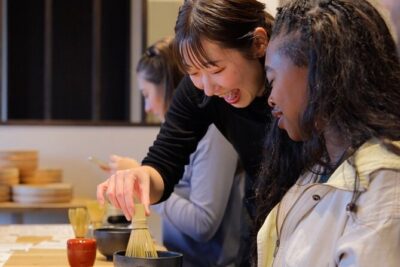
Matcha Making Class in Tokyo with Authentic Japanese Sweets Set
Read our review →
Matcha Making Class in Osaka with Authentic Japanese Sweets Set
Read our review →
Matcha Making Experience with Mochi Sweets in Asakusa
Read our review →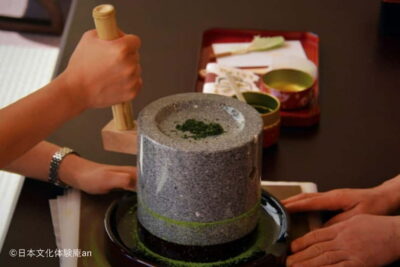
Japanese Traditional Sweets Making and Tea Ceremony
Read our review →

Make Traditional Nerikiri Sweets & Matcha experience in Shibuya
Read our review →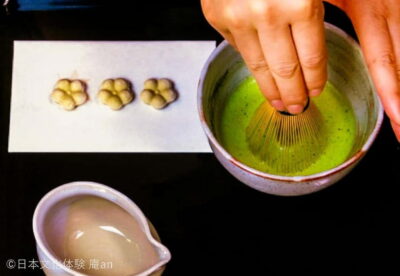
Japanese Traditional Sweets Making and Tea Ceremony
Read our review →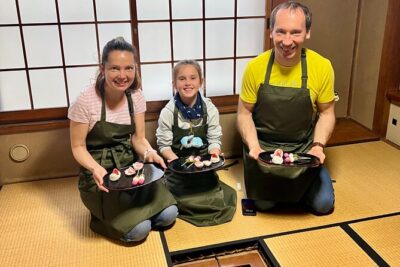
Private Mochi Sweets Making class near Shibuya area
Read our review →Browse the lists this tour appears in