
Review · MATCHA & TEA CEREMONY SESSIONS
Make Traditional Nerikiri Sweets & Matcha experience in Shibuya
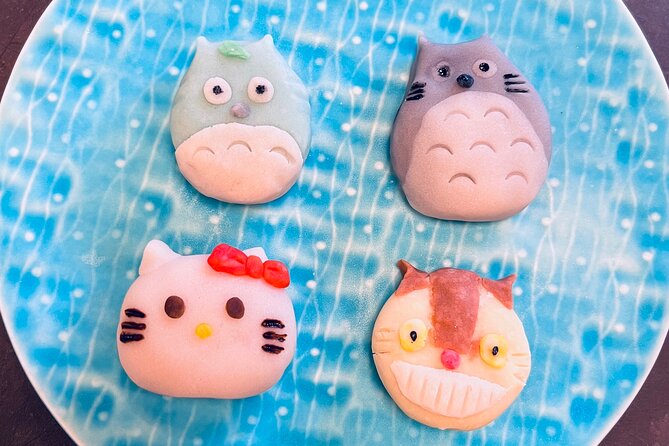
Sticky paste, pretty results, real Tokyo. In this Harajuku-area class with Hana, you shape Nerikiri bean-paste sweets and learn matcha tea etiquette you can repeat later. I love that you finish with four sweets you can take home, and that the tea pairing comes with Japanese sweets sourced from different places. The only real drawback is that nerikiri is detail work, so you need patience if you want your shapes to look sharp.
This is also a smart way to fit culture into a busy day. You meet across CHUMS Omotesando, walk a short distance, and then spend about 1 hour 30 minutes making sweets in a small group (maximum 4 people) in someone’s home. Then you’re free to keep exploring Shibuya and Harajuku right after.
In This Review
- Key things to know before you go
- Harajuku Nerikiri at a Real Home Setting
- Meeting at Omotesando, then walking to the class
- Making Nerikiri: choosing designs, shaping three pieces, then going original
- What to expect your hands to do
- The tea ceremony-style table: matcha plus sweets from across Japan
- Food preferences: vegan and vegetarian friendly
- What you actually learn, and how to use it later
- Price and value: what $60 buys you in Tokyo
- The location advantage: pair it with Meiji Shrine, Takeshita Street, and Shibuya Crossing
- Small details to consider before you book
- Who this Shibuya nerikiri class is best for
- Should you book this nerikiri and matcha experience?
- FAQ
- How long is the Nerikiri and matcha class?
- What is included in the $60 price?
- Where do we meet?
- What time slots are available?
- How big is the group?
- Can I take the sweets home?
- Is it suitable for vegans and vegetarians?
Key things to know before you go
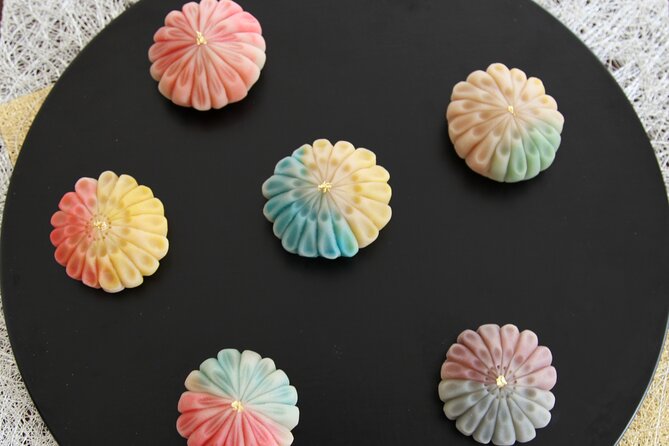
- You leave with four pieces of nerikiri, not just photos, including one design that’s yours
- Hana’s teaching style is patient and encouraging, with examples to copy and chances to improve your technique
- The tea is part of the lesson, using matcha and a set of Japanese sweets on the table
- Small-group size keeps it hands-on, so you get help while your paste is still workable
- Harajuku location makes it easy to pair with nearby sights, like Meiji Shrine, Takeshita Street, and Shibuya Crossing
- Vegan and vegetarian options are supported, so you can plan without stress
Harajuku Nerikiri at a Real Home Setting
If you’ve ever wondered what Japanese sweets crafting feels like when it’s not behind glass, this is your answer. You’re not just watching someone else do the work. You’re rolling, shaping, refining, and coloring bean-paste-based confection that has a long tradition of looking as elegant as it tastes.
What makes it especially worth your time in Shibuya is the “small and personal” setup. The class is in central Tokyo, around Harajuku and Omotesando, but the atmosphere is calmer than you’d expect from the neighborhood. You get a slow, focused activity with a teacher who explains the technique clearly and keeps things moving at a human pace.
More Tea Ceremonies in Tokyo
- Matcha Making Class in Tokyo with Authentic Japanese Sweets Set
★ 5.0 · 744 reviews - Kimono Tea Ceremony at Tokyo, Asakusa Maikoya
★ 5.0 · 638 reviews - Tokyo: Traditional Tea Ceremony with a Tea Master
★ 5.0 · 528 reviews
Meeting at Omotesando, then walking to the class
Your start point is easy to find: meet across CHUMS Omotesando, in front of the Brown building. From there it’s only about a 30-second walk together to Hana’s place. If you’re arriving by train, this area is super convenient because Omotesando Station is just a short walk away.
Schedule matters because you’re doing culture in the morning. There are class times at 9:00, 13:00, and 15:30, and the workshop runs about 1 hour 30 minutes. Starting at 9:00 AM is useful if you want to enjoy Shibuya and Harajuku before the big crowds and before most shops wake up. (Many shops open around 11:00, so an early class gives you time for browsing afterward.)
You’ll also receive confirmation at booking, and you’ll use a mobile ticket for the experience.
Making Nerikiri: choosing designs, shaping three pieces, then going original
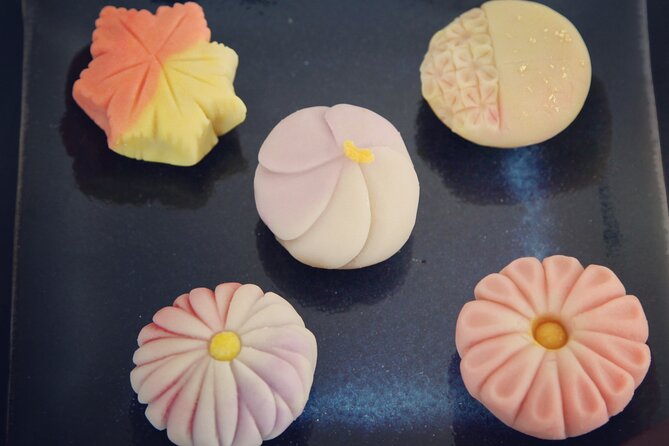
Nerikiri is where the class really earns its keep. The process teaches both technique and creativity, and it results in sweets that look like tiny works of art.
Here’s how it typically flows:
- You start by choosing from sample designs.
- Then you make three different shapes, guided step-by-step so you understand how the paste should behave.
- After that, you create your own original design. This is the part that turns the lesson from copying into personal expression.
I like that the class gives you both structure and room to play. The samples help you avoid the classic beginner problem, making something that technically works but looks a mess. And then the free design gives you a satisfying finish, because you’re not limited to one style.
Everything you make can be taken home, so your effort does not disappear after the tea is poured. You’ll also be working with ingredients like bean paste and sugar as the base, which means you learn the “heart” of nerikiri rather than just assembling pre-made shapes.
What to expect your hands to do
This is handcraft, not just tasting. Your fingers will be shaping paste, and you’ll spend time getting details right. That’s why the teacher’s patience matters. In the class, Hana consistently helps people improve their technique, including learners who feel clumsy at first. The goal is to make you comfortable enough to keep going until your shapes look like the design in your head.
A few more Shibuya and Shinjuku Nightlife around Tokyo:
- Tokyo: Shinjuku Food Tour (13 Dishes at 4 Local Eateries)
★ 5.0 · 6,603 reviews - Tokyo Bar Hopping Tour in Shinjuku (All-You-Can-Drink + Dinner)
★ 5.0 · 3,587 reviews - Official Street Go-Kart in Shibuya
★ 5.0 · 3,435 reviews - Tokyo: Shinjuku Food Tour (15 Dishes and 4 Eateries)
★ 4.9 · 2,033 reviews
The tea ceremony-style table: matcha plus sweets from across Japan
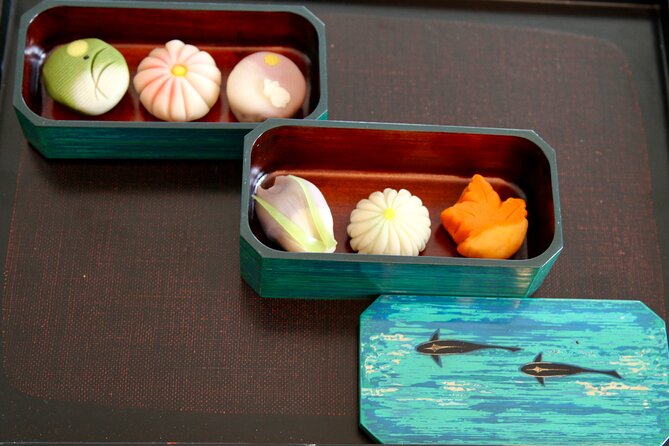
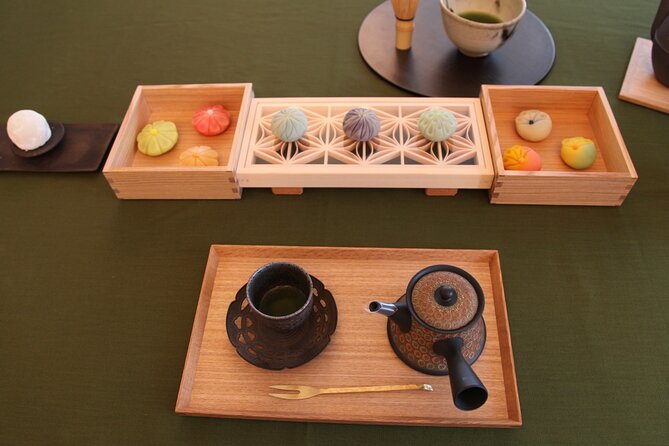
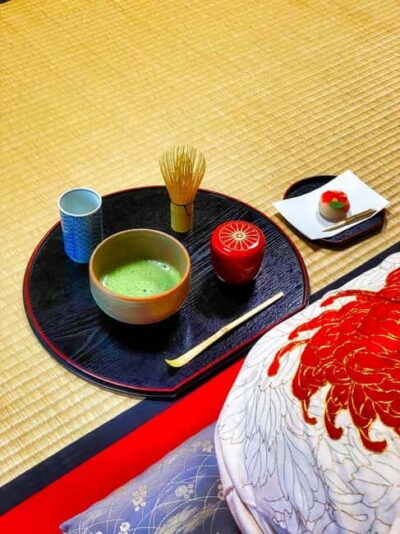
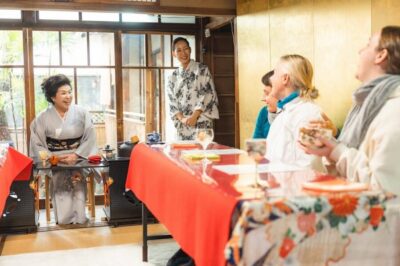
After the nerikiri shaping, you switch gears to the tea part. This isn’t a rushed “drink and go.” It’s a table-style tea ceremony, with Hana serving matcha and presenting Japanese sweets that are carefully selected and sourced from all over Japan.
In a city that can feel fast and noisy, this part helps you slow down in a good way. You’ll see the sweets you made alongside matcha, which makes everything feel connected. The delicate visual style of nerikiri also fits naturally with matcha, so it doesn’t feel like two unrelated activities stapled together.
One practical benefit: you’re eating four total sweets made by you, plus you get the hot drink and the curated tea-time sweets pairing. So you’re not leaving hungry, and you’re getting a fuller taste of Japanese confectionery culture than a typical snack stop.
Food preferences: vegan and vegetarian friendly
The experience is listed as suitable for vegans and vegetarians. That matters because Japan travel often means you have to decide between authenticity and dietary needs. Here, the class is built to include people with those preferences, so you can focus on learning rather than worrying.
What you actually learn, and how to use it later
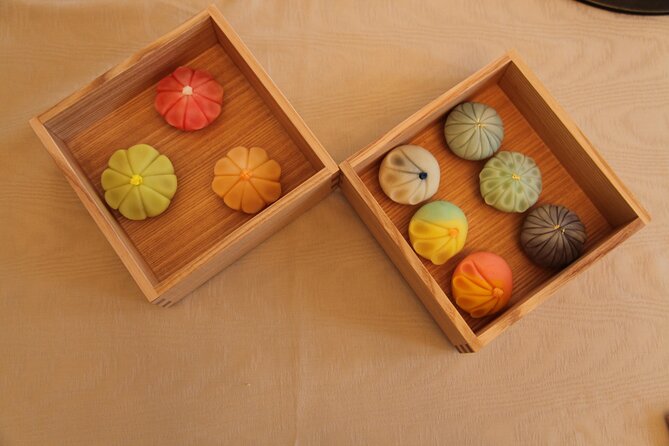
The biggest value isn’t just the end product. It’s the process you can take home mentally, and the confidence to try again.
Nerikiri is all about small decisions:
- how you handle paste so it stays workable
- how you shape for clean edges and consistent form
- how color and detail change the final look
You also get the kind of guidance that helps you fix mistakes. Hana gives encouragement, offers clear instructions, and uses beautiful examples so you can understand what success looks like before you finish.
There’s also a social layer. Because the group is capped at 4, it’s easier to ask questions and get real answers instead of feeling like you’re competing for attention. Many people find they enjoy chatting during the crafting and tea, and it becomes a memorable highlight because it feels like an actual cultural lesson, not a production line.
Finally, Hana often shares practical travel tips in the area. If you want to turn this class into a better Shibuya and Harajuku day, you’ll likely get ideas on what to see and how to plan your next stops.
Price and value: what $60 buys you in Tokyo
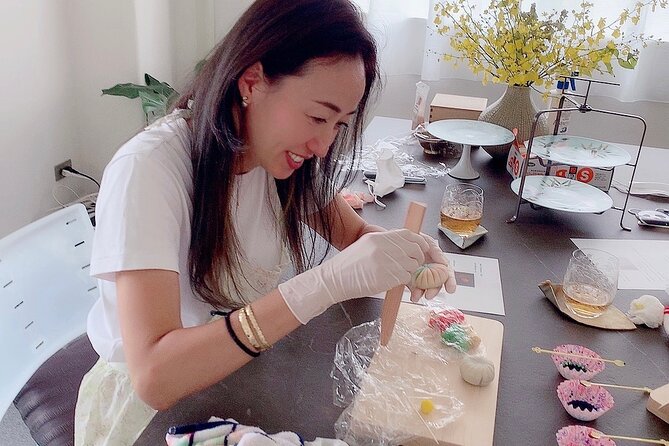
At $60 per person, you’re paying for several things that matter in Tokyo:
- a small-group lesson (maximum 4 people)
- hands-on materials for four sweets plus tea-time treats
- time with an instructor who teaches technique, not just background
- a matcha-and-sweets experience that functions like a mini cultural ritual
If you’re used to paying for cooking classes elsewhere, Tokyo can feel expensive. But here you’re getting more than a basic “make and taste” session. You’re walking away with physical sweets you made, plus the knowledge to recreate the feel of nerikiri shaping and tea etiquette at home, even if your first attempt is imperfect.
Also, your class time is about 1 hour 30 minutes, so you’re not losing half a day. That matters when you’re already juggling Shibuya, Harajuku, and the classic sights nearby.
The location advantage: pair it with Meiji Shrine, Takeshita Street, and Shibuya Crossing
This is not a remote workshop. It’s in one of Tokyo’s most convenient and fun zones. After your sweets and tea, you can easily keep exploring:
- Meiji Shrine for a calm break from the city
- Takeshita Street for fashion energy and people-watching
- Shibuya Crossing for the big-city icon moment
Because you’re close to Omotesando and within walking distance of Shibuya and Harajuku, the workshop becomes a natural anchor. I like using experiences like this as a “reset button” during a sightseeing-heavy trip.
If you’re going during colder or rainy weather, this kind of indoor, hands-on lesson is also a smart plan. It keeps your day moving without forcing you into weather roulette.
Small details to consider before you book
A few practical notes to set your expectations right:
- This is fine-detail work. You’ll probably slow down and focus on shaping, not just finishing quickly.
- You’ll be working with sweet paste, so expect a bit of mess, sticky hands, and the need to pay attention to technique while you work.
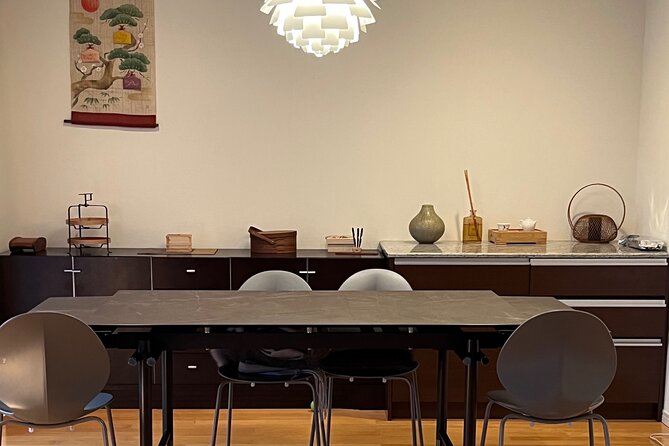
- The home setting means it’s best suited to people who are comfortable with a close, personal learning environment.
- If you hate early starts, choose the 13:00 or 15:30 session. The 9:00 AM slot is great for maximizing the day, but jet lag is real.
On the plus side, the class is described as enjoyable for all ages, from young children to seniors, so it’s a solid choice for families if everyone’s up for a calm, seated activity.
Who this Shibuya nerikiri class is best for
This is a great fit if you want Japanese culture that you can touch, taste, and take home.
You’ll likely love it if:
- you enjoy food crafts and want a skill you can repeat later
- you want something calmer than shrine hopping and shopping all day
- you’re traveling with family, including kids who like hands-on making
- you’re a first-time Japan visitor who wants an insider feel in central Tokyo
- you need vegan or vegetarian options and want a lesson that includes you
If you’re the type of traveler who only likes big group tours or fast photo stops, this may feel too slow. But if you’re after craft, etiquette, and a real sense of care, this one hits the mark.
Should you book this nerikiri and matcha experience?
I’d say yes, with one simple condition: go in ready to focus for about an hour and a half.
Book it if you want a high-value cultural activity in Shibuya or Harajuku, with a teacher like Hana who’s patient, clear, and encouraging. The payoff is real: four nerikiri sweets you can take home, plus matcha and a tea-time pairing with Japanese sweets. And the small-group size makes it feel personal instead of rushed.
Skip it only if you know you hate detail work or you need constant motion and entertainment. Otherwise, this is one of those Tokyo experiences that feels small in size but big in memory, especially because you leave with something you made.
FAQ
How long is the Nerikiri and matcha class?
It runs for about 1 hour 30 minutes (approx.).
What is included in the $60 price?
You’ll make four nerikiri sweets in total and enjoy a hot drink with a table-style tea ceremony using matcha, plus carefully selected Japanese sweets.
Where do we meet?
Meet across CHUMS Omotesando, in front of the Brown building. The address listed is 5-chōme-2-21 Jingūmae, Shibuya, Tokyo 150-0001, Japan.
What time slots are available?
There are sessions at 9:00, 13:00, and 15:30.
How big is the group?
The class has a maximum of 4 travelers.
Can I take the sweets home?
Yes. Everything you make can be taken home with you.
Is it suitable for vegans and vegetarians?
Yes, it’s stated to be suitable for vegans and vegetarians.
More Dessert Tours in Tokyo
- Tokyo: Matcha Making Experience with Mochi Sweets in Asakusa
★ 4.9 · 388 reviews - Private Mochi Sweets Making class near Shibuya area
★ 5.0 · 93 reviews - Sweets Making and Kimono Tea Ceremony at Tokyo Maikoya
★ 5.0 · 57 reviews - Japanese Traditional Sweets making and Tea Ceremony
★ 4.7 · 50 reviews
Newly listed around Tokyo
- From Tokyo: Mount Fuji Sightseeing One Day Trip★ 4.5 · 42 reviews
- Customizable Private Tour in Mt Fuji from Tokyo by Car or Van★ 5.0 · 107 reviews
- Mount Fuji Full Day Private Tour with English Speaking Driver★ 5.0 · 23 reviews
- Mount Fuji Full Day Tour form Tokyo Lake Kawaguchi & Yamanaka★ 5.0 · 9 reviews
- Full Guided Mt. Fuji & Shiba-Sakura Festival One Day Pvt.Tour★ 5.0 · 6 reviews
- Tokyo: Mount Fuji Must-see Attractions One Day Sightseeing Tour★ 4.5 · 13 reviews
- Mount Fuji Day Tour:Lake Kawaguchi, HealingVillage,Oshino Hakkai★ 4.5 · 8 reviews
- Mt.Fuji day trip with English Speaking Chauffer★ 5.0 · 39 reviews
Matcha & Tea Ceremony Sessions, compared.
Tea Ceremony in a Traditional Tea House in Kiyomizu
Read our review →
World Heritage Kyoto & Nara Uji Authentic Matcha Experience
Read our review →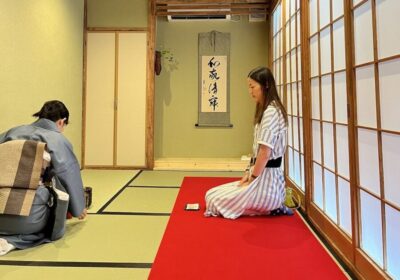
Browse the lists this tour appears in