
Review · SHIBUYA & SHINJUKU NIGHTLIFE
Private Mochi Sweets Making class near Shibuya area
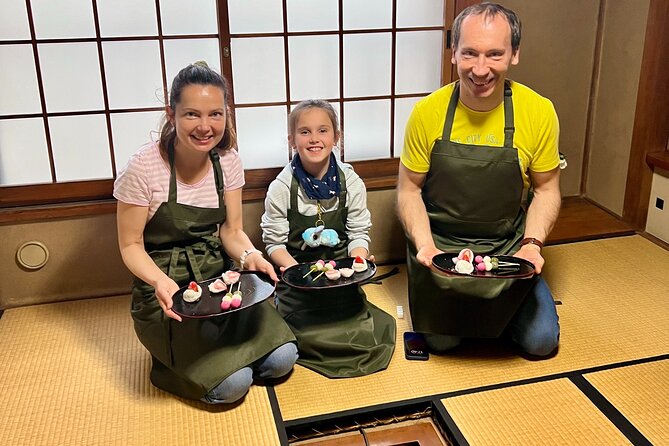
Mochi dough, real neighborhood life. This private-style class near Shibuya has you make mochi and dango by hand in instructor Sakura’s own home, then taste what you made with green tea. It’s set up for a small group and focuses on the how, not just the show.
I love how hands-on it is, not a demo. You shape and cook the sweets yourself, including fruit daifuku and dango, and you get clear guidance for every step.
One big consideration: Sakura’s home has a dog, and the host says people with dog allergies are not recommended. The venue is also on the second floor, so plan for stairs.
In This Review
- Key highlights you will actually care about
- Why Sakura’s mochi class feels different than a factory kitchen
- Finding Sakura near Shibuya: Sangenjaya, stairs, and a cozy home setup
- What happens during the 2-hour class (and why the timing is such good value)
- Making mochi and dango by hand: daifuku, dango, and real step-by-step guidance
- The matching part: matcha, tea, and tasting your own sweets like a pro
- Learning mochi culture from Sakura, not from a pamphlet
- The Sakura factor: friendliness, English, and how this works for families
- Food rules you should know up front: gluten, additives, caffeine, and allergies
- Price and value: $79.28 for 2 hours in a private home setting
- Timing tips: how to fit it into your Shibuya day without rushing
- Should you book Sakura’s private-style mochi and dango class?
- FAQ
- How long is the mochi sweets making class?
- What does the class cost and what is included?
- Do you offer tea options if I avoid caffeine?
- How many people can be in the class?
- Is there a dog at the venue?
- Is the meeting spot accessible if there are stairs?
Key highlights you will actually care about
- Learn by doing, from shaping dough to cooking your own sweets
- Sakura teaches in English and is patient with different ages
- Tasting is part of the class, with green tea or matcha served
- Small group limit of 8 means you get more personal attention
- Take-out bag and take-home leftovers help you avoid waste
- Dango is gluten-free, and the class uses ingredients without alcohol or additives (as described)
Why Sakura’s mochi class feels different than a factory kitchen
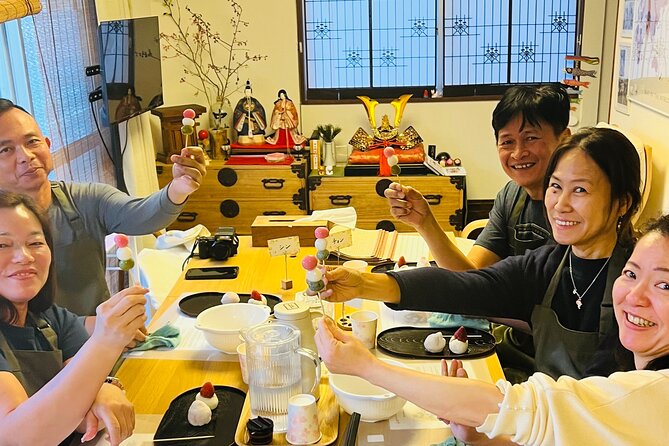
Most food classes teach you a recipe. This one teaches the vibe around the food, in a real home setting in the Sangenjaya area. You are not watching from the sidelines, you are working with your hands while Sakura explains what mochi and these sweets mean in Japanese everyday life.
From what you will experience, you get two things that make this memorable: the practical “how-to” steps and the cultural context tied to the recipes. That combination matters because you leave with a story you can tell, not just a bite-sized souvenir.
A few more Shibuya and Shinjuku Nightlife around Tokyo:
- Tokyo: Shinjuku Food Tour (13 Dishes at 4 Local Eateries)
★ 5.0 · 6,603 reviews - Tokyo Bar Hopping Tour in Shinjuku (All-You-Can-Drink + Dinner)
★ 5.0 · 3,587 reviews - Official Street Go-Kart in Shibuya
★ 5.0 · 3,435 reviews
Finding Sakura near Shibuya: Sangenjaya, stairs, and a cozy home setup
You start at 1-chōme-11-13 Sangenjaya in Setagaya City, Tokyo. It ends back at the same meeting point, which makes the rest of your day easier to plan. The location is near public transportation, so you should be able to connect from Shibuya without needing a private car.
Plan for two logistics up front. The venue is on the second floor, so you will go up stairs, and the host notes there is a dog in the house. If either of those is an issue for you, this is the moment to decide before you commit.
Once you arrive, you will settle into a familiar, calm home environment. The class is capped at a maximum of 8 travelers, which helps keep the pace relaxed and the feedback targeted.
What happens during the 2-hour class (and why the timing is such good value)
The class runs about 2 hours. That is long enough to actually make something from scratch, but short enough that it does not eat your whole morning or afternoon. For a Tokyo schedule, that kind of timing is a sweet spot.
You can also plan around the included food moment. Coffee and/or tea is served, including Japanese green tea or matcha, and there is a decaffeinated option if you do not like caffeine. Since bottled water is not included, I suggest you drink some water before you go, or plan to grab some right after.
A small but useful detail: you get a take-out bag and you can get leftovers packaged. That matters because mochi and dango are filling, and you may not want to finish everything on the spot.
Making mochi and dango by hand: daifuku, dango, and real step-by-step guidance
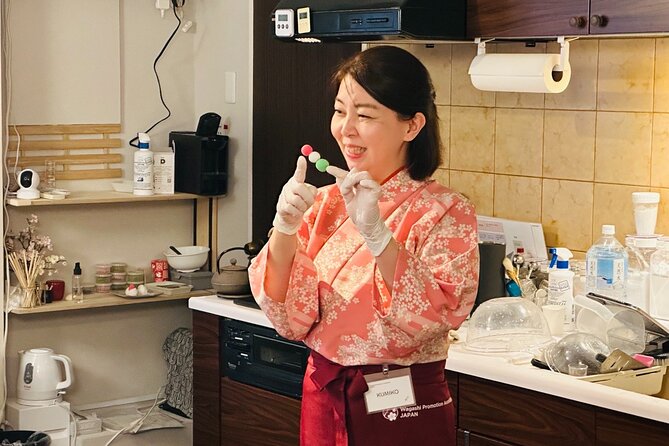
This class is not a demonstration-style lesson. You learn every step yourself, guided by Sakura, so you understand the motions and the feel of the dough and shaping process. Multiple participants highlight how patient and clear she is, including for kids and first-timers.
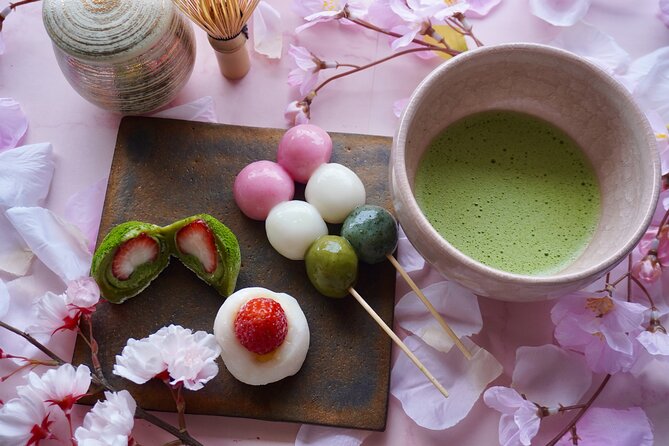
You will make mochi and dango, and the class includes fruit daifuku. The description also emphasizes that the dango you make has no gluten, no alcohol, and no additives, which is a big deal if you are trying to avoid common ingredients. The class is also described as using traditional recipes, so you are not learning a simplified “tourist-only” version.
What you will likely notice while you work is the way Sakura slows things down. Reviews repeatedly point out that her instruction is gentle and effective, including with beginners and younger participants. Even if your Japanese is basic, her English communication is described as easy to follow.
A few more Tokyo days to weigh up
- Matcha Making Class in Tokyo with Authentic Japanese Sweets Set
★ 5.0 · 744 reviews - Tokyo: Matcha Making Experience with Mochi Sweets in Asakusa
★ 4.9 · 388 reviews - Sweets Making and Kimono Tea Ceremony at Tokyo Maikoya
★ 5.0 · 57 reviews - Japanese Traditional Sweets making and Tea Ceremony
★ 4.7 · 50 reviews
The matching part: matcha, tea, and tasting your own sweets like a pro
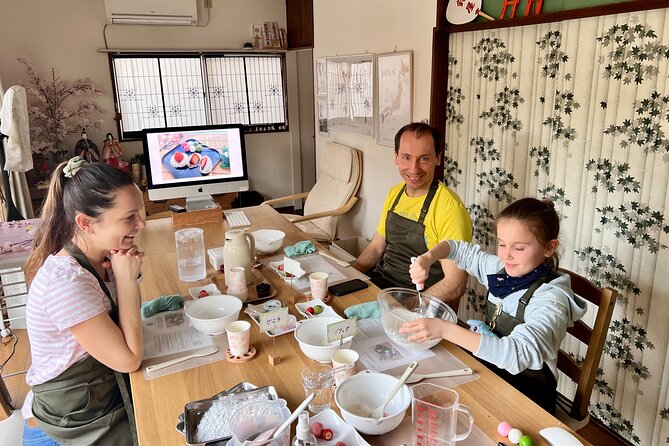
You will sample the treats you make with Japanese green tea or matcha. That is not just a courtesy. It helps you connect what you just did with how it turns out, so your next bite teaches you something.
If matcha is your thing, plan to take it seriously. Tea is part of the mochi-and-wagashi world, and Sakura’s class uses it as a natural finishing step. If you avoid caffeine, you are not stuck, because the host offers decaffeinated black tea instead, and matcha is also available.
You will also get time to talk. Reviews mention conversations about mochi’s significance, and Sakura’s background as an instructor who has taught many international visitors. If you like learning while you eat, this is where the class becomes more than a task list.
Learning mochi culture from Sakura, not from a pamphlet
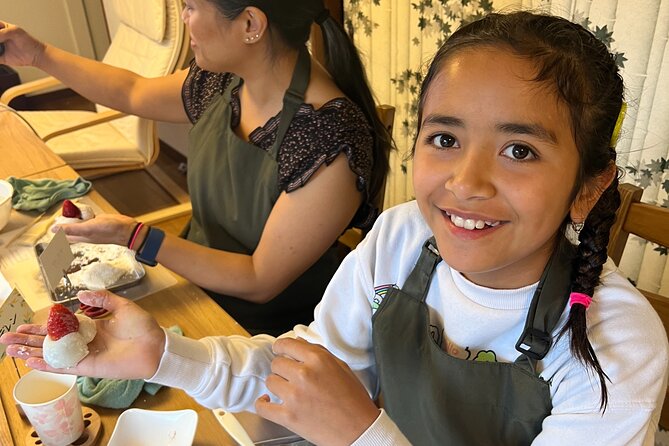
A lot of classes say “cultural history.” This one is described as covering mochi’s cultural history and traditional recipes from a local perspective. In practice, that means you hear the why while you are doing the how.
Sakura is the point here. She has taught more than 1,000 guests from over 35 countries in her home, and she has been invited to Switzerland as a guest instructor. That kind of experience shows up in how she organizes the lesson and how she explains each step without rushing.
I also like that the cultural talk is tied to food you can actually remake later. One review notes that the ingredients used are readily available abroad. That is a quiet value point, because it increases your chances of cooking again at home instead of letting the recipe fade.
The Sakura factor: friendliness, English, and how this works for families
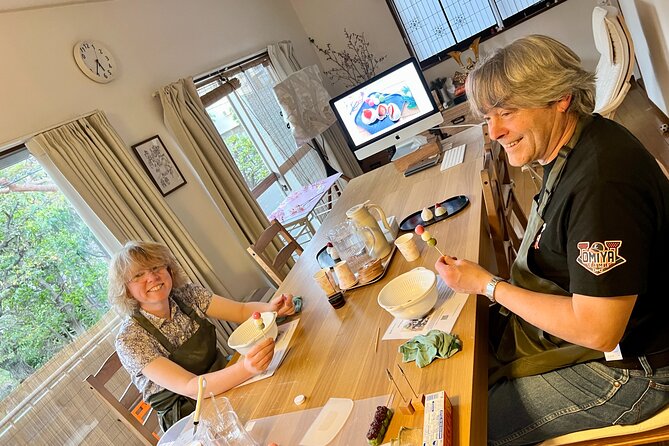
If you are traveling with kids, this class reads like it was designed with families in mind. The description notes Sakura teaches gently and effectively, and reviews mention children leave happy and satisfied. One participant even describes bringing teenagers, and everyone still enjoyed the mix of explanation and hands-on making.
For adults, the same qualities matter, just in a different way. Clear English instruction reduces stress, and a small group lets Sakura correct your technique without making you feel slow. Multiple reviews mention she is gracious, kind, and helpful, which is exactly what you want when you are learning something sticky and new.
There is also a lighthearted home atmosphere. Reviews mention Sakura’s dog, Choco or Chico-chan, as a class partner. If you love animals, that can add a comforting Tokyo neighborhood feel.
Food rules you should know up front: gluten, additives, caffeine, and allergies
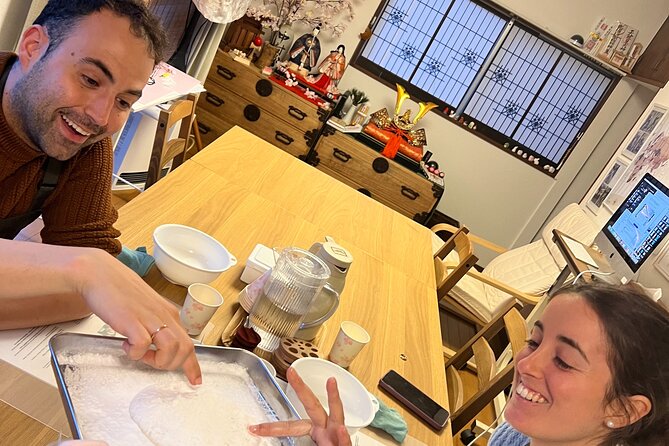
The description specifically says the dango contains no gluten, no alcohol, and no additives. That is the clearest dietary info provided, and it is worth taking at face value.
For caffeine, you have options. The class serves coffee and/or tea, including Japanese green tea or matcha, and if you do not like caffeine the host provides decaffeinated black tea. Since matcha tea is also available, you can choose based on your taste.
Allergies and allergies-to-dogs are the main caution. The host asks if you have a dog allergy and says people with dog allergies are not recommended because there is a dog in the house. Service animals are allowed, but if you personally have a strong allergy, you should treat this as a hard filter, not a “maybe.”
Price and value: $79.28 for 2 hours in a private home setting
At $79.28 per person for about 2 hours, this is not the cheapest cooking class in Tokyo. The value comes from what you are buying: a small group limit of 8, true hands-on instruction, a home setting near Shibuya, and tea plus take-out support.
If you compare it to bigger cooking experiences, the advantage is attention. You are more likely to get feedback while you shape and cook, and that affects your results. If you compare it to cheaper “make-and-eat” experiences that feel scripted, the advantage is cultural context and the chance to work step-by-step.
The class also includes aprons available for rent, plus coffee or tea and a take-out bag. For a short activity day, those inclusions reduce what you need to budget for separately.
Timing tips: how to fit it into your Shibuya day without rushing
Because this ends where you start, you can plan it as a clean block in your itinerary. I suggest giving yourself a little buffer time for walking and stairs on arrival, especially if you are traveling with kids or anyone who prefers not to rush.
Sangenjaya is a local neighborhood, and reviews highlight it as having nice streets to explore near transit. That is your cue to consider arriving early, grabbing a drink nearby, and doing a calm neighborhood stroll before class.
Also remember the class includes tea, but bottled water is not included. If your day is warm or you will be walking a lot after, take water into account so you do not feel dehydrated right after the activity.
Should you book Sakura’s private-style mochi and dango class?
Book it if you want a Tokyo food experience that feels human. This class is best for people who like hands-on cooking, families who want a positive structured activity, and travelers who want the cultural story connected to what they are making. The repeated 5-star feedback for Sakura’s patience and clarity is exactly what you want when learning by doing.
Skip it if you have a dog allergy, because the host explicitly notes it is not recommended due to a dog in the house. Also consider skipping if stairs are a dealbreaker, since the venue is on the second floor.
FAQ
How long is the mochi sweets making class?
The class lasts about 2 hours.
What does the class cost and what is included?
The price is $79.28 per person. It includes coffee and/or tea (green tea or matcha), a take-out bag, and aprons for rent.
Do you offer tea options if I avoid caffeine?
Yes. If you do not like caffeine, decaffeinated black tea is provided, and matcha tea is also available.
How many people can be in the class?
The group is limited to a maximum of 8 travelers.
Is there a dog at the venue?
Yes. The host says there is a dog in the house and notes that people with dog allergies are not recommended.
Is the meeting spot accessible if there are stairs?
The venue is on the second floor and you need to go up stairs.
If you want, tell me your travel dates and whether anyone in your group has dietary restrictions or a dog allergy, and I’ll help you decide if this fits your plan.
Newly listed around Tokyo
- Tokyo JDM Experience: Daikoku PA & Fast & Furious Night Drive★ 5.0 · 40 reviews
- Fast & Furious Tokyo Drift 3 (Kaila Yu-SP) : Experience Ride JDM★ 4.5 · 189 reviews
- Flavors of Japan Food Tour in Tokyo★ 5.0 · 39 reviews
- Tsukiji Fish Market Food Tour: Seafood, Street Food & Hidden Gems★ 5.0 · 85 reviews
- Akihabara: Go-Kart Experience with Local Guide in Tokyo★ 4.5 · 57 reviews
- Tokyo Bike Tour: Shibuya & Hidden Tokyo★ 5.0 · 53 reviews
- Explore Unique Tokyo Streets / Learn with a Pro Photographer★ 5.0 · 19 reviews
- Tokyo City 1-Day Private Tour with Bilingual Driver★ 4.5 · 78 reviews
Shibuya & Shinjuku Nightlife, compared.
Shinjuku Food Tour (13 Dishes at 4 Local Eateries)
Read our review →
Tokyo Bar Hopping Tour in Shinjuku (All-You-Can-Drink + Dinner)
Read our review →
Shinjuku Food Tour (15 Dishes and 4 Eateries)
Read our review →
Shinjuku Local Bar and Izakaya Guided Walking Tour
Read our review →
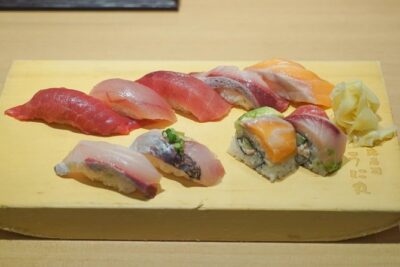
Tokyo Night Foodie Tour in Shinjuku – Seasonal Sushi, Wagyu Beef
Read our review →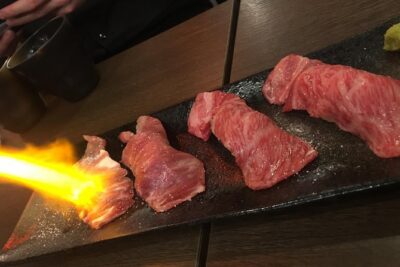
Shibuya Meltdown Nightlife Tour: All-You-Can-Drink Bar Hopping
Read our review →Browse the lists this tour appears in