
Review · SAMURAI SWORD & NINJA TRAINING
Kanazawa: Samurai Residence Remains Nomura Family admission
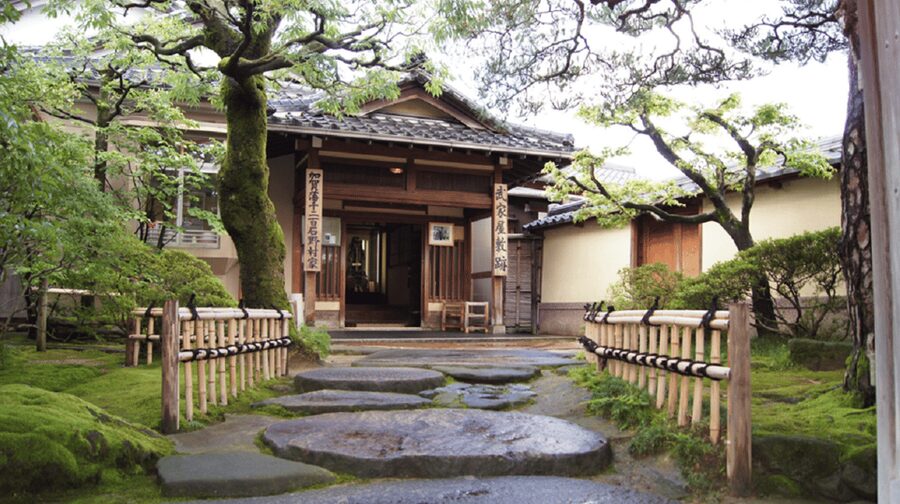
You only need one ticket to step back in time. The Nomura Family Samurai Residence in Kanazawa lets you see how a loyal samurai retainer lived, inside a 400-year-old home and garden in Nagamachi. I love the quiet, walkable Japanese garden and the careful architectural details that make the house feel real. One thing to consider is that you must remove your shoes and follow the strict no-touch and no-flash rules, so this is more about respectful viewing than casual hanging out.
This is also a smart value stop because it is the only publicly accessible building and garden within the Nagamachi Samurai District. Even if you only have a few hours in Kanazawa, the visit gives you a focused look at samurai life through the former residence of Nomura Denbei Nobusada, a loyal retainer of Maeda Toshiie. The experience runs on a ticket system for entry times you can check for the day you choose.
If you’re planning around photos, bags, or weather, plan ahead. Large luggage and umbrellas are not allowed, flash photography is off-limits, and some areas may not be easy for wheelchairs due to the historic design.
In This Review
- Key Highlights You Should Care About
- Nomura Family Samurai Residence in Nagamachi: What You’re Walking Into
- The 400-Year-Old Home: Rooms, Layout, and Realistic Samurai Life
- The Garden Stroll: Calm Patterns and Design That Slows You Down
- What You’ll See Indoors: Artifacts and Intricate Architectural Details
- How to Respect the House: Shoes, Touch Rules, and Photography Limits
- Price and Value: A Low-Cost Ticket With Focused Payoff
- Practical Planning: Where to Go and How to Handle Entry
- Should You Book the Nomura Samurai Residence Ticket?
- FAQ
- Where is the meeting point for the ticket redemption?
- How long is the admission valid?
- Is the ticket refundable?
- How much does admission cost?
- Can children enter for free?
- Do I need to remove my shoes?
- What items are not allowed inside?
- Is photography allowed?
- Is the whole residence wheelchair accessible?
Key Highlights You Should Care About
- Only publicly accessible home and garden in Nagamachi for a concentrated district experience
- Nomura Denbei Nobusada’s residence links the building to Maeda Toshiie through a loyal retainer
- Japanese garden stroll that keeps the atmosphere calm and slow
- Samurai artifacts and displays that help you read the household’s daily priorities
- Architectural details that reward careful looking, not rushing
- Simple ticket visit (about 1 day) that fits well into a Kanazawa day plan
Nomura Family Samurai Residence in Nagamachi: What You’re Walking Into
Nagamachi is one of those Kanazawa areas where the setting matters. You are not just seeing an exhibit in a modern building. You are stepping into a former samurai home that has been preserved so the layout still tells a story. This ticket focuses on one specific place, the Nomura Family Samurai Residence, and that focus is exactly why it works.
The site’s big claim is practical: it is the only building and garden in Nagamachi that is open to the public. That matters because it saves you from trying to “piece together” what the district might have been like from outside-only sights. Instead, you get a complete experience inside the walls, with the residence and garden working together to show how space supported samurai life.
What I like most is that the experience is not about generic samurai cosplay. It is about a real person, Nomura Denbei Nobusada, described here as a loyal retainer of Maeda Toshiie. That kind of named connection turns the visit from background culture into something more specific. You can feel the shift from “samurai stuff” to “one household’s way of living.”
More Samurai & Ninja Sessions in Kanazawa
- Kanazawa: Samurai, Matcha, Gardens and Geisha Full-Day Tour
★ 4.9 · 75 reviews - Full-Day Tour from Kanazawa: Samurai, Matcha, Gardens and Geisha
★ 5.0 · 68 reviews - Kanazawa Private Tour: Highlights of an Old Samurai Town
★ 5.0 · 46 reviews
The 400-Year-Old Home: Rooms, Layout, and Realistic Samurai Life
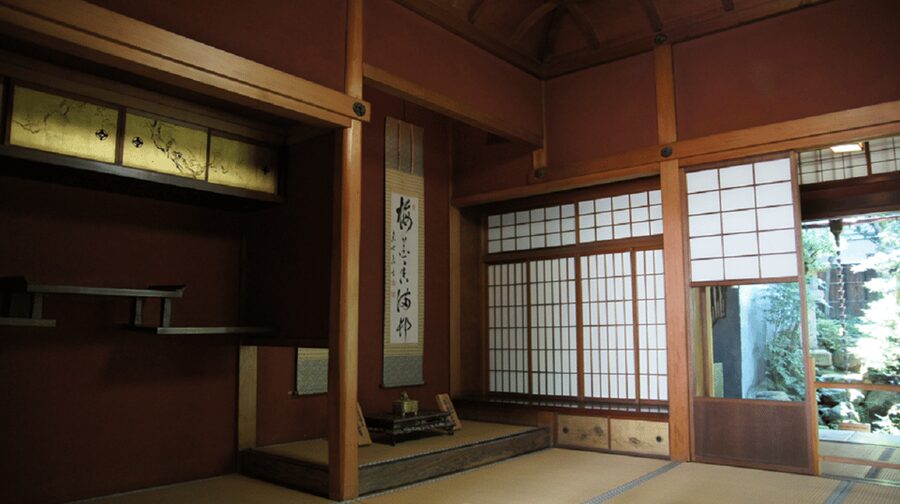
A 400-year-old home is not just old wood and old walls. The age changes how you read the spaces. The residence has intricate architectural details, and you will feel it most when you slow down and look at how parts of the building connect. Expect a sense of order in the way the house is arranged, with areas that reflect daily routines rather than a museum layout designed for crowds.
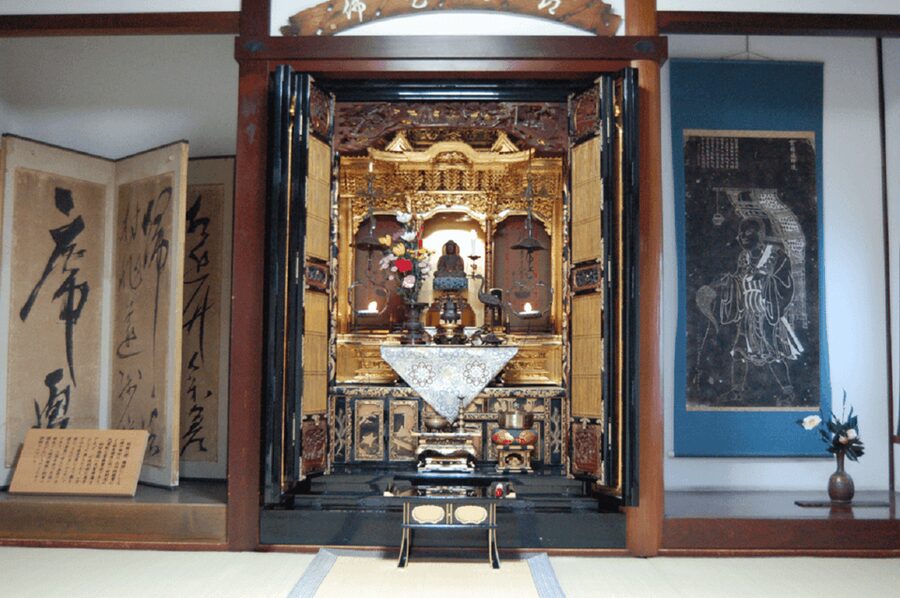
You will also come across fascinating historical samurai artifacts on display. The artifacts help you understand what mattered in a samurai household: objects with function, objects tied to rank and duty, and items that show how authority and discipline lived inside ordinary domestic space. Even without a huge volume of information, the artifacts give you visual anchors, so the story stays grounded.
If you tend to enjoy architecture more than lectures, you are in good shape here. The residence is built for observation. That is also why the rules matter. The site asks you not to touch artifacts, furniture, or displays, and that keeps the viewing experience clean and stable for everyone.
The Garden Stroll: Calm Patterns and Design That Slows You Down
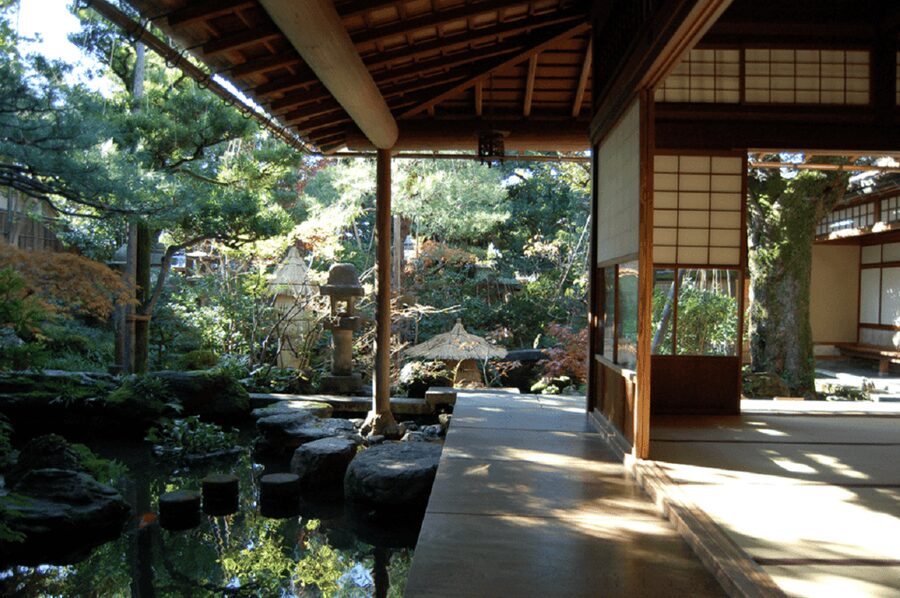
The garden is a highlight for good reason. You are not just passing through as fast as possible. The setting invites a quieter pace, with a serene Japanese garden that gives your visit a natural rhythm: enter, look at the household spaces, then step into the garden’s calmer mood.
Even if you do not consider yourself a garden person, this kind of garden works because it behaves like part of the architecture. In a samurai residence, the outdoor space can support daily life, reflect status, and create boundaries between public and private moments. Here, the garden is designed to complement the home, so it does not feel like an add-on.
For you, that means you can take a breather from the intensity of reading historical objects. You can stand, look across the garden, then return to the residence and notice how the building and garden relate. This is the kind of slow travel that makes a small ticket feel like a meaningful stop.
What You’ll See Indoors: Artifacts and Intricate Architectural Details
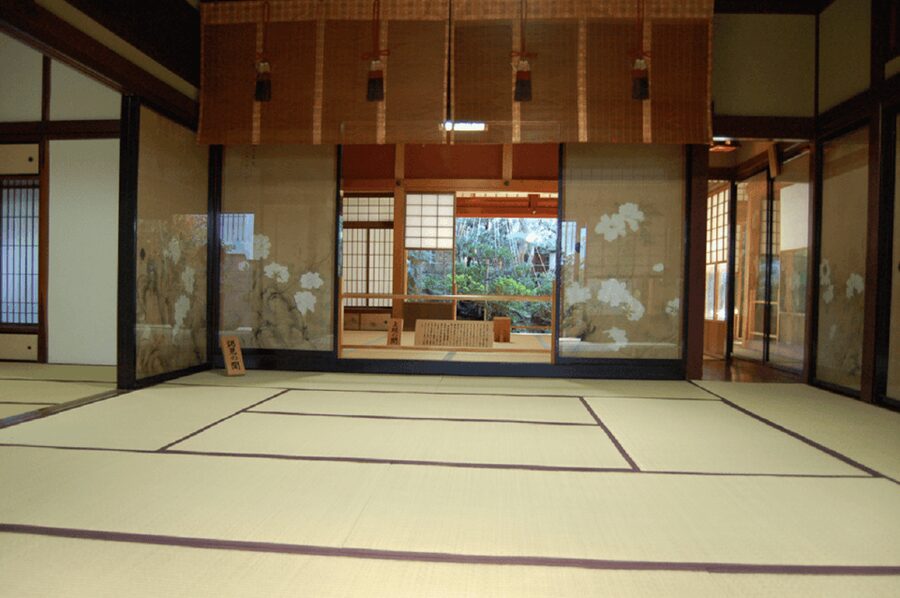
Inside, the residence gives you two strong visual categories: architecture and samurai-related displays. The architecture is not just decorative. It’s functional and expressive, and the intricate details help you understand why historic homes were designed the way they were. Look for the subtle parts, the joins, the room transitions, and the craftsmanship visible in the house itself.
Then there are historical samurai artifacts. These displays are the kind that reward attention because they give your imagination something specific to grab. Instead of vague ideas about samurai culture, you see real objects presented for careful viewing. You are also asked to be quiet and respectful inside the residence, which is good advice. This is not a place where loud voices fit. The atmosphere helps you focus.
One practical note: photography is allowed, but you cannot use flash, and tripods are not allowed inside. That helps keep the space comfortable and protects artifacts from harsh light and clutter. If you want photos, think quick framing and clean angles rather than setting up gear.
More Samurai and Ninja sessions in Kanazawa:
- Kanazawa “Near Ninja Temple” : Japanese Calligraphy Class
★ 5.0 · 13 reviews - Tokyo: Samurai Restaurant Show Ticket with 2 Drinks
★ 4.5 · 1,307 reviews - Kyoto Samurai Experience
★ 5.0 · 1,294 reviews - Tokyo: Samurai Ninja Museum Guided tour and Experience
★ 4.6 · 1,010 reviews
How to Respect the House: Shoes, Touch Rules, and Photography Limits
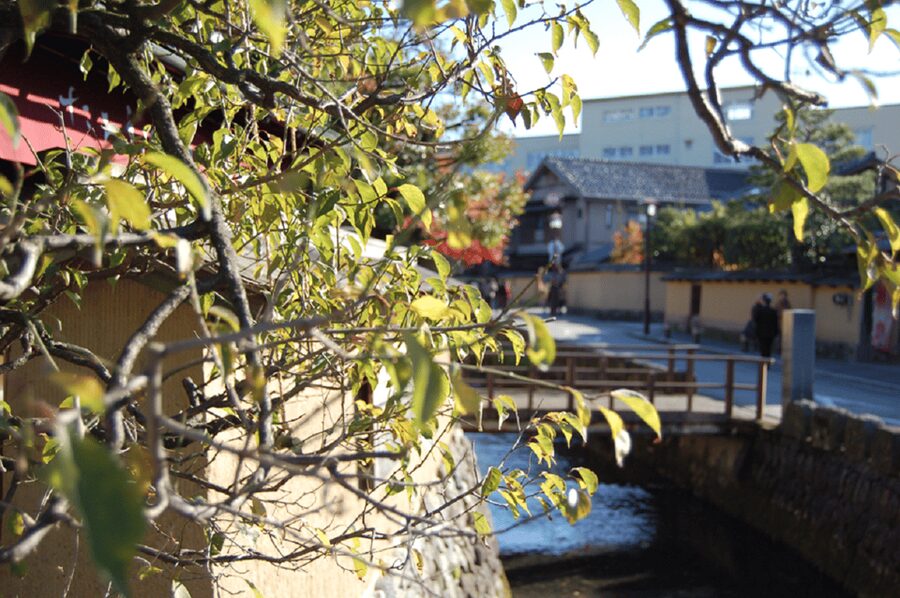
This is where your visit becomes smoother. The residence has clear behavior guidelines because it’s a historic home. Shoes must be removed before entering. That means wear socks you’re okay with staying in, and if your trip plan includes a lot of walking later, consider bringing fresh socks in your day bag.
You also need to follow these rules:
- No touching artifacts, furniture, or displays
- No flash photography and no tripods inside
- Be quiet and respectful inside the residence
- No smoking
- No food and drinks
- No large bags or luggage, and umbrellas are not allowed
Those restrictions might sound strict, but they make sense. A historic wooden home is sensitive, and artifacts need protection. For you, it also helps keep the experience calm. You’re less likely to feel like you’re in a busy show-and-tell space.
If you are traveling with anything bulky, plan to travel light. Large luggage and umbrellas are specifically not allowed, so if you’re used to bringing a daypack plus extras, you’ll want to keep it lean.
Price and Value: A Low-Cost Ticket With Focused Payoff
At about $3.55 per person, this admission is priced to be easy to justify in a Kanazawa itinerary. The real value is not only the low cost. It’s that you are buying access to one of the district’s key heritage experiences: the Nomura residence plus the Japanese garden, in a setting that is hard to replicate with outside-only stops.
The visit also fits a “grab it when you can” travel style. It’s a 1 day admission, and you can check starting times based on availability. That flexibility helps when you’re building a day around Kanazawa’s neighborhoods, meal timing, and weather.
Who benefits most from this value:
- You like history that is tangible, not just explained from a distance
- You enjoy architecture and designed spaces
- You want one high-quality samurai-related stop without stacking ten attractions
- You prefer quiet, respectful sites over noisy, high-energy crowds
What might not fit as well:
- If you’re looking for hands-on activities, this is not that kind of place
- If you hate rules like shoe removal, no flash photography, and no touch displays, consider a different stop
Practical Planning: Where to Go and How to Handle Entry
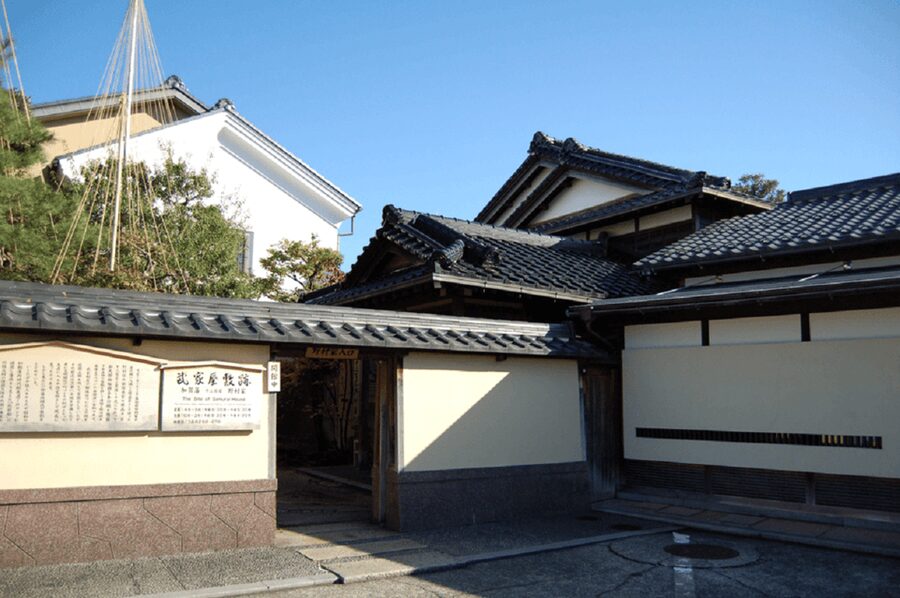
You redeem your ticket at the residence, and the instruction is straightforward: proceed directly to the Kanazawa Samurai Residence for redemption. The coordinates listed are 36.5642325, 136.6501985. Use that to get accurate directions in maps, especially if your phone has trouble with Japanese place names or you are hopping between neighborhoods.
This ticket is non-refundable, so make sure the day you choose actually works for your schedule. Also note that children under 6 can enter for free, which can make family planning simpler.
One detail I think you should take seriously is QR access at the door. The experience includes ticket redemption, and if your booking does not provide a way to redeem at entry, you could end up stuck at the doorway. Before you go, double-check that you have what you need to redeem your admission smoothly.
Should You Book the Nomura Samurai Residence Ticket?
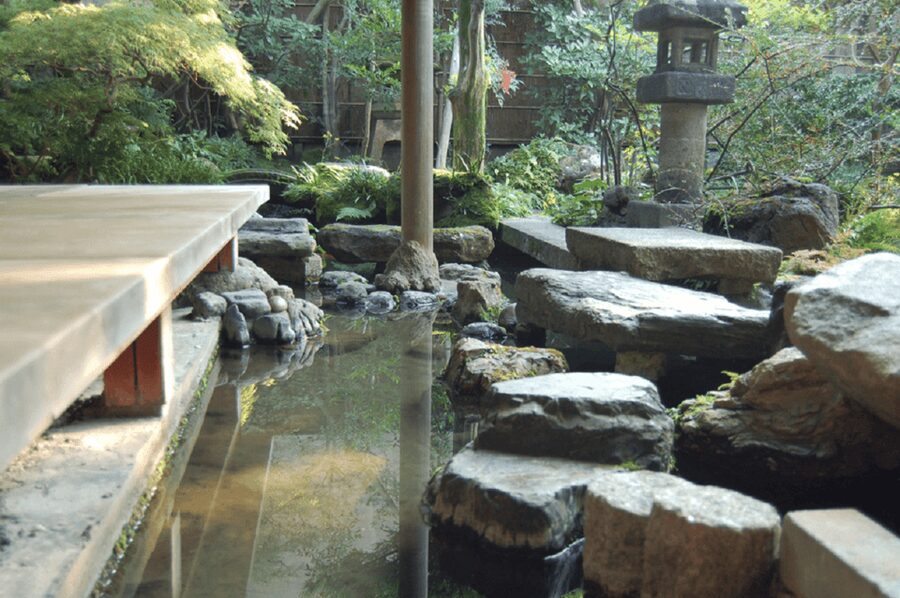
Book it if you want a calm, focused look at samurai life through a preserved household: a 400-year-old residence, a serene Japanese garden, and samurai-related artifacts displayed in a real home setting. The price is low enough that this can be a no-regrets Kanazawa stop, especially if you enjoy architecture and slow walks.
Skip it, or at least think twice, if your trip style needs hands-on activities, you dislike rules like removing shoes, or you rely on flash photography and bulky bags. Also, if you need wheelchair access everywhere, remember that some areas may not be wheelchair accessible due to the historic design.
If you’re planning a Kanazawa day and you want one ticket that feels authentic rather than rushed, this is a strong choice.
FAQ
Where is the meeting point for the ticket redemption?
Proceed directly to Kanazawa Samurai Residence for redemption. The coordinates given are 36.5642325, 136.6501985.
How long is the admission valid?
The ticket is valid for 1 day. Starting times depend on availability.
Is the ticket refundable?
No. The activity is non-refundable.
How much does admission cost?
The price is listed as $3.55 per person.
Can children enter for free?
Yes. Children under 6 years old can enter for free.
Do I need to remove my shoes?
Yes. Shoes must be removed before entering.
What items are not allowed inside?
Smoking is not allowed. Food and drinks are not allowed. Luggage or large bags are not allowed. Flash photography is not allowed, and umbrellas are not allowed.
Is photography allowed?
Photography is allowed, but no flash and no tripods inside. Commercial photography or filming requires prior approval.
Is the whole residence wheelchair accessible?
Some areas may not be wheelchair accessible due to the historic design.
Newly listed around Kanazawa
- Shirakawa-go, Gokayama & Takayama Private Tour From Kanazawa★ 4.7 · 21 reviews
- From Kanazawa/Toyama: Shirakawago and Takayama Day Tour★ 4.7 · 82 reviews
- Kanazawa:Traditional Experience -kimono rent at wargo★ 4.7 · 30 reviews
- Kanazawa: Sushi Making Experience at Oumicho Market★ 5.0 · 7 reviews
- Kanazawa: Authentic Japanese Cooking and Sushi-Making Lesson★ 5.0 · 93 reviews
- Kanazawa: Private Tour with Local Guide★ 4.9 · 70 reviews
- Kanazawa: Tea Ceremony Experience at Kenrokuen★ 4.2 · 7 reviews
- Kanazawa: Private Custom Tour with Local Guide★ 4.9 · 20 reviews
Samurai Sword & Ninja Training, compared.


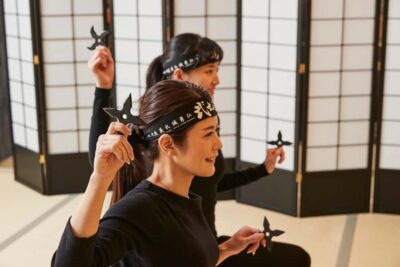
Samurai Ninja Museum Guided tour and Experience
Read our review →
Kendo and Samurai Experience with Uniform and Gear
Read our review →
Samurai Sword Class by Experts in Traditional Arts
Read our review →
Skip the lines Basic Ticket at SAMURAI NINJA MUSEUM KYOTO
Read our review →
Samurai Sword & Archery Class from Samurai Descendant
Read our review →
Browse the lists this tour appears in