
Review · JAPANESE COOKING WORKSHOPS
Katsu Curry OR Bento Making Cooking Class & Local Shop Tour
Osaka starts with a shrine snack. This small-group class pairs a walk through local shops with hands-on Japanese home cooking, led in English. You can leave with real Katsu Curry or Bento techniques you can repeat at home.
What I like most is the way the day connects ingredients to cooking. The stop near Osaka Tenmangu Shrine sets a calm, local tone, and the limited group size means you get help when questions pop up.
One consideration: the session runs about 150 minutes total, so you’ll want to arrive on time and be ready to work at a lively pace.
In This Review
- Key things to know before you go
- Osaka Cooking Base: A simple idea that sticks
- Meeting at Osaka Tenmangu Shrine, and why it matters
- Local shops first: learning ingredients with meaning
- Katsu Curry or Bento: what you’re really learning
- If you’re doing Katsu Curry
- If you’re doing Bento
- The kitchen workflow: small group, lots of help
- What you eat: lunch you build and actually enjoy
- Cultural exchange, not just cooking steps
- Price and value: is $83 a fair deal?
- Best day, best audience, and when to skip it
- Practical tips to get the most out of it
- Should you book this Katsu Curry or Bento class?
- FAQ
- What dishes can I cook in this class?
- How long is the experience?
- Where do we meet?
- Is the class taught in English?
- How big is the group?
- Are local shops included?
- Is alcohol or sake included?
- How far in advance should I reserve?
Key things to know before you go
- Market-to-kitchen structure: you see ingredients in small shops, then cook with that context
- Pick your meal style: Katsu Curry or Bento, with guidance for both
- English support with translation help: you’re not stuck guessing what items mean
- Small group, up to 8: more hands-on time and easier Q&A
- Real home-style outcomes: you make food you can recreate, not just watch
- Optional sake tasting: if you want a drink pairing, it’s available
Osaka Cooking Base: A simple idea that sticks
This is one of those classes that sounds basic until you actually think about it. You start with a local shop tour, then you cook a meal that Japanese people genuinely make at home. That link is the whole point.
A lot of cooking classes teach recipes. This one tries to teach how you end up with Japanese flavor and texture. The guidance is step by step, and because the class includes time for conversation, you can ask about everyday Japanese food habits, not just cooking technique.
It also helps that the class is built for a range of ages. The rhythm is friendly for kids and patient for seniors, which usually means instructions stay clear and practical.
More Cooking Classes in Osaka
- Osaka: Ramen and Gyoza Cooking Class in Dotonbori
★ 5.0 · 378 reviews - Osaka Cooking Class: Okonomiyaki &Japanese cuisines experience
★ 5.0 · 261 reviews - Ramen and Gyoza Cooking Class in Osaka
★ 5.0 · 202 reviews
Meeting at Osaka Tenmangu Shrine, and why it matters
You meet in front of the large main gate of Osaka Tenmangu Shrine, not the small back gate. That detail seems tiny, but in practice it’s how you avoid that first 10 minutes of stress.
The shrine location is a smart choice for two reasons. First, it instantly places you in an older, more local Osaka feel before you ever hit the kitchens or shops. Second, it gives the group a shared landmark. When you’re in a small group (limited to 8), everyone arriving together makes the rest of the experience run smoothly.
If you’re planning your day, I’d treat this as a focused activity rather than something you wedge in between long sightseeing blocks. The class starts with walking and shop stops, so your timing affects your whole flow.
Local shops first: learning ingredients with meaning
You begin with a tour of local shops, described as visiting a few stops. The big win here is that ingredients are explained in context, not as random items on a shopping list.
This is where the English support and translation help really pay off. You’re not just buying what looks familiar. You get cultural and practical background for what you’re seeing, and that makes cooking later feel less like copying steps and more like understanding choices.
In the Osaka area, you’ll find lots of packaged products and regional brands, and the shops you visit are the kind that teach you how people actually stock a kitchen. That matters if you want to recreate these dishes at home. You’ll know what each ingredient is doing, not just which brand to buy.
Some guides, including names like Yuka, Miyako, and Tomoko from past sessions, are especially good at mixing practical explanations with questions. That kind of back-and-forth turns a shop walk into a mini culture class.
Katsu Curry or Bento: what you’re really learning
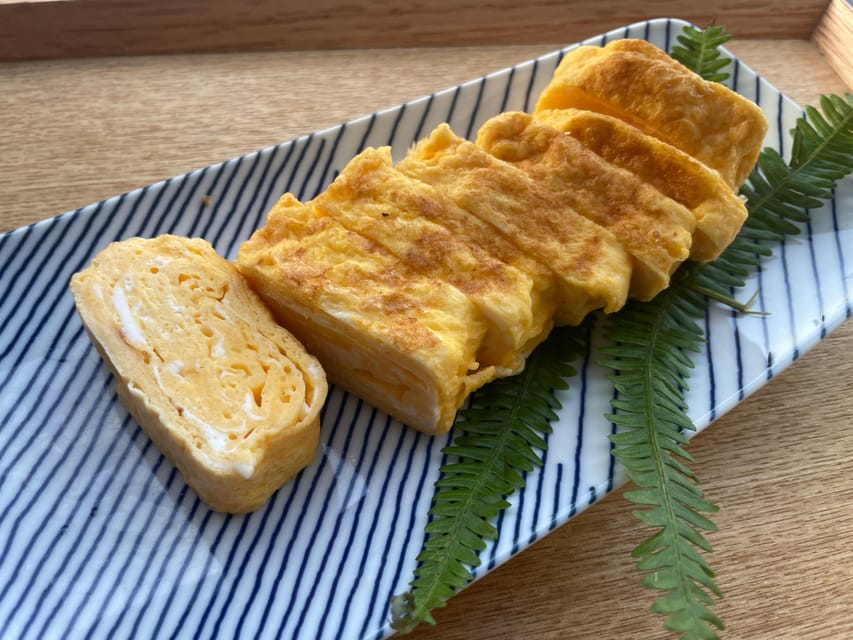
The core of the experience is the cooking. You choose either Katsu Curry or a Bento box, and you follow step by step guidance to make the dish from scratch.
More Cooking Workshops in Osaka
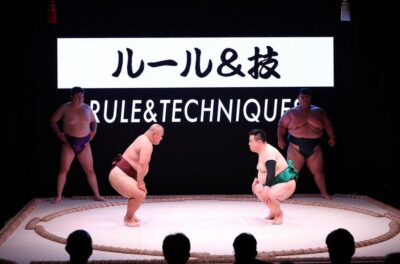
- Osaka: Sumo Stage Show with Bento or Snack + Fight & Photo
★ 4.3 · 364 reviews
If you’re doing Katsu Curry
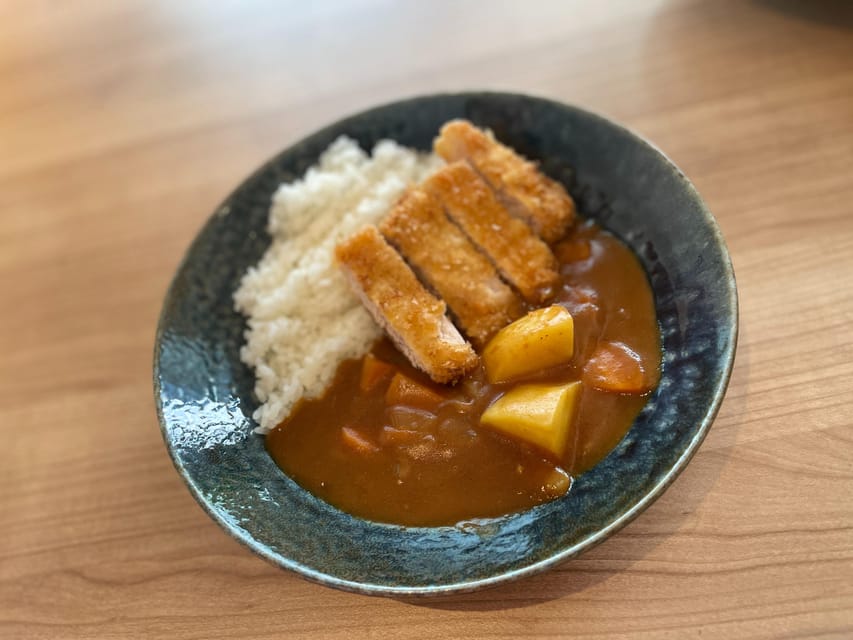
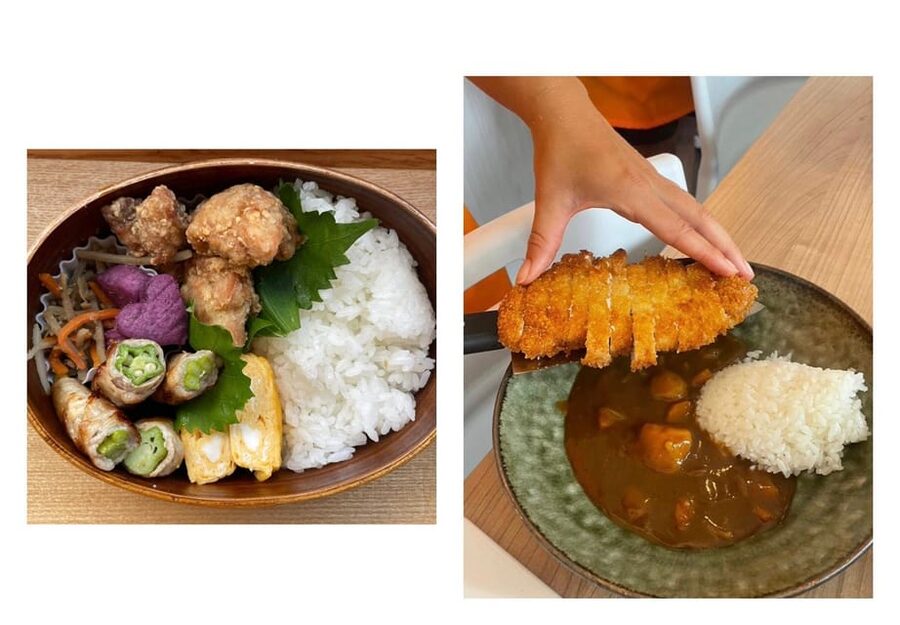
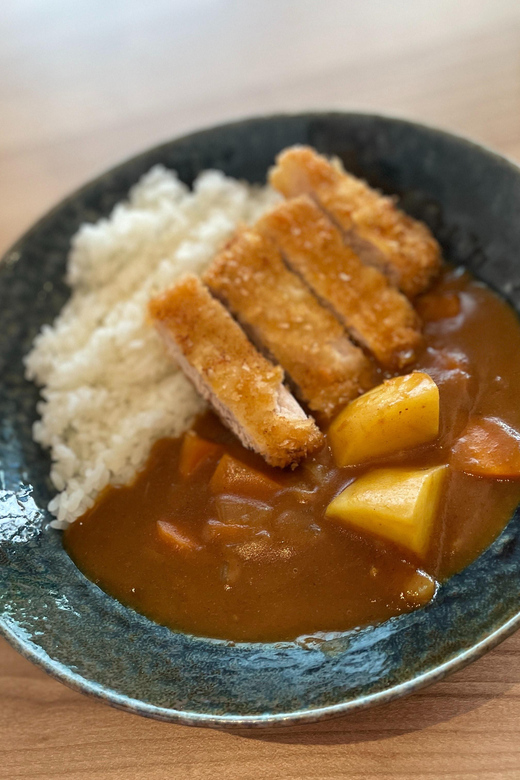
Katsu curry is a comfort food that looks simple, but it’s built from clear technique. In a good class, you don’t just learn the recipe. You learn the logic: how the curry’s thickness and seasoning works with the crisp texture of the cutlet, and how timing matters so everything shows up on the plate with the right balance.
This class is designed to keep you moving through stages without losing the “why.” That’s how you end up confident enough to recreate it later, not just impressed by your finished lunch.
If you’re doing Bento
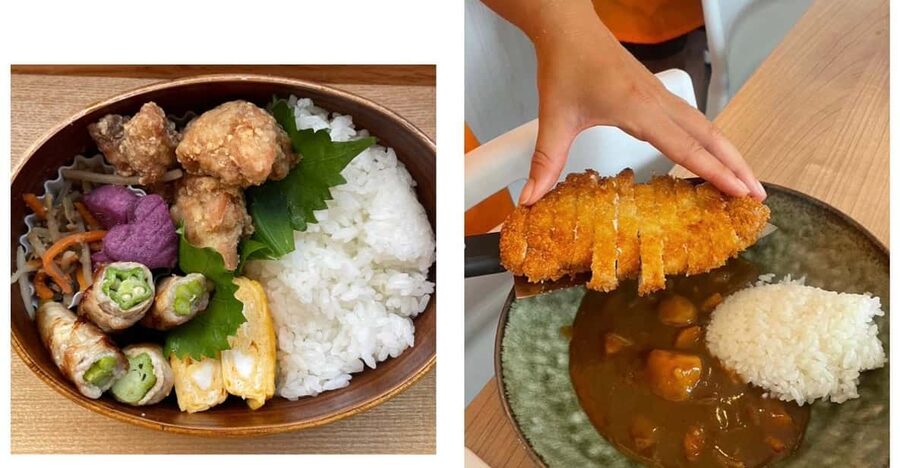
Bento is less about one giant dish and more about assembling food with intention. You learn how to build a Bento box, with enough structure that it looks neat and feels satisfying.
A Bento class has a special kind of payoff. You can take what you learn and apply it to everyday lunches back home. Once you understand how components fit together, Bento stops being intimidating and becomes a fun format for using cooked rice, quick sides, and organized portions.
Either way, the class goal is the same: you finish with skills you can actually use, not just a one-time meal.
The kitchen workflow: small group, lots of help
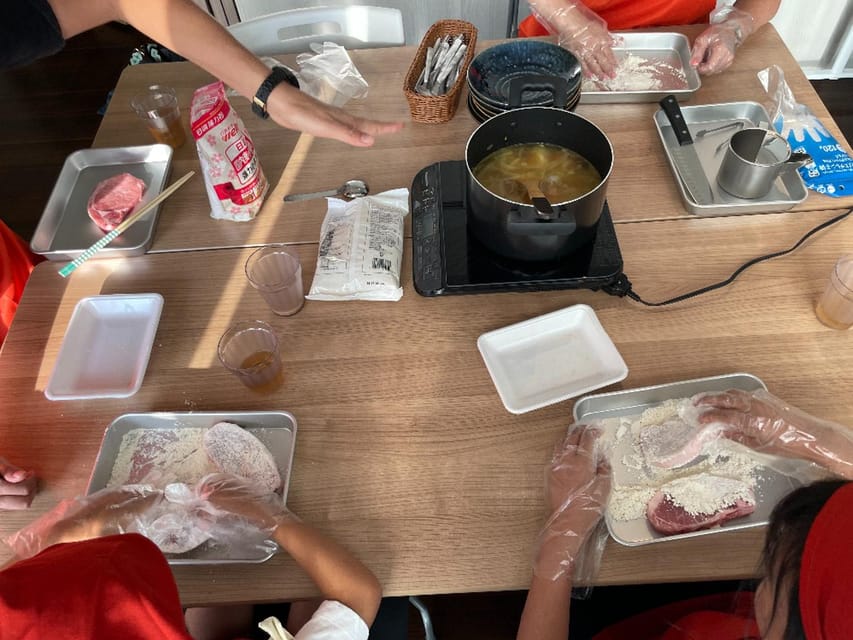
This is a small group class, limited to 8 participants. That changes the experience.
In a large class, you often wait for the instructor to finish. Here, you can get help when your question is live. And because the instructor is English speaking, you’re less likely to miss steps that would later cause a texture or seasoning problem.
The sessions also include lively conversation during cooking. I like this approach because it makes the time feel social and practical. You’re cooking, asking questions, and learning how Japanese people think about meals and everyday food habits.
If you’re traveling with kids, that conversation style can help them stay engaged. If you’re an adult who’s trying to learn quickly, the same Q&A keeps you from getting stuck on details that don’t get explained in a typical classroom.
What you eat: lunch you build and actually enjoy
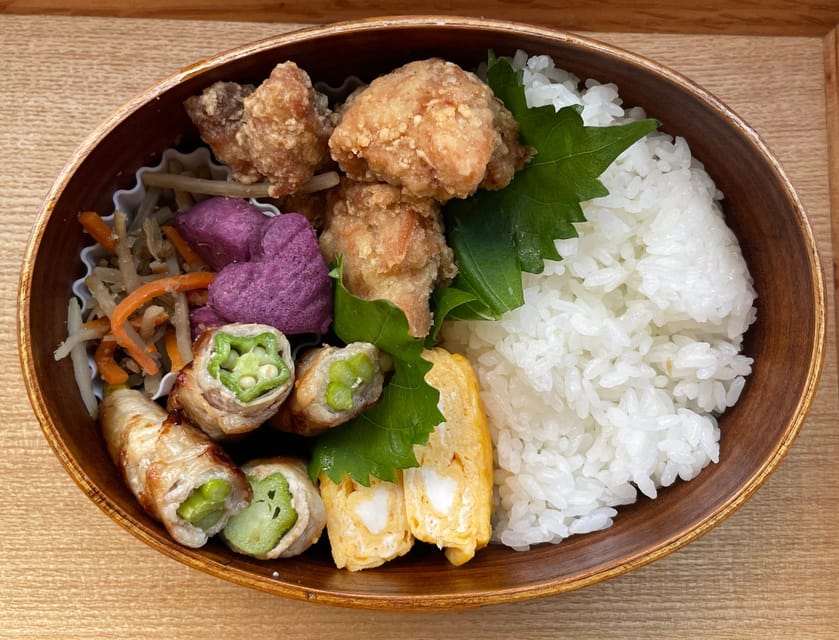
Food is included, and it’s the meal you cook, either Katsu Curry or the Bento. That turns the class into a true “eat what you made” situation, so your work has an immediate reward.
The best part of this setup is that you taste the result while it’s fresh and while the technique is still top of mind. If something doesn’t taste right, you’re still in the process stage where you can ask for adjustments.
There’s also an optional drink component. Drinks besides water can include sake tasting. If you enjoy small local food pairings, this is the kind of add-on that can make the lunch feel more complete, without turning it into a separate, long activity.
Cultural exchange, not just cooking steps
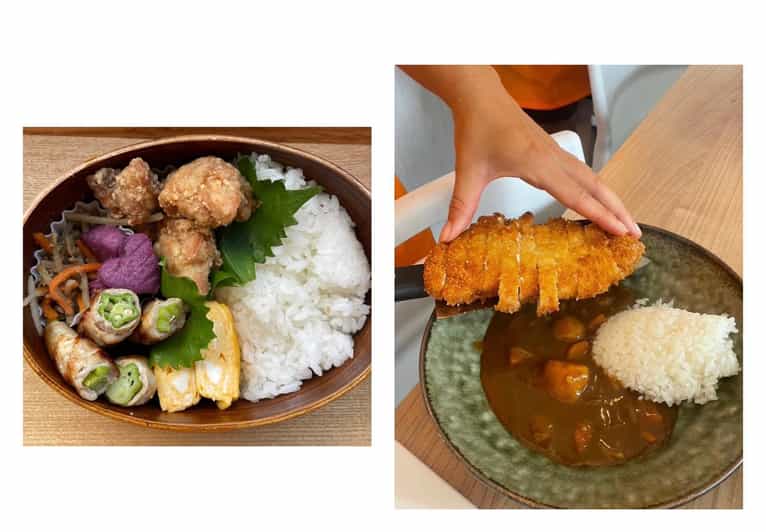
The experience is described as more than a cooking class and it really functions that way in practice. You get insights into Japan through the combination of the shrine start, ingredient explanations, and questions during cooking.
The class encourages you to ask about Japan and daily life. That matters because cooking classes often stay stuck in recipe mode. Here, you’re set up to understand why things are done a certain way, even when the technique is simple.
If you’ve ever felt like Japanese food is full of “mystery,” this format is a good antidote. You’ll leave knowing what changes flavor, how ingredients fit together, and what to look for if you’re shopping later.
Price and value: is $83 a fair deal?
At $83 per person for about 150 minutes, you’re paying for two things: guided instruction and a structured food experience.
Here’s how I’d judge the value:
- You’re not just eating. You’re learning step by step and building the meal yourself.
- You get a shop tour. A few local shops are part of the experience, and ingredient context is included.
- Small group size (up to 8) increases the odds you’ll actually get help, which is where many cooking classes feel worth it or not.
Is it the cheapest way to eat in Osaka? No. But if you’re the type of traveler who wants skills you can use at home, it’s a solid use of money. The price makes more sense when you consider that you’re paying for a full “culture plus cooking plus lunch” block, rather than just one recipe.
If you mainly want a quick meal with no interest in cooking technique, you’ll probably feel you could find cheaper food. But if you want a takeaway, this class is built around that goal.
Best day, best audience, and when to skip it
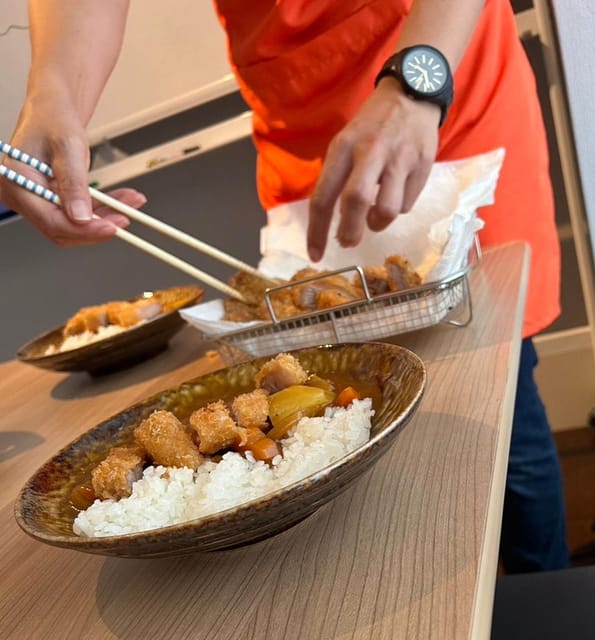
This class fits best if you want a hands-on Osaka morning or afternoon that mixes food and local life. It’s ideal for:
- You want Japanese home cooking skills that are repeatable
- You like learning by doing, not just watching
- You’re traveling as a couple or small group and you want personal attention
- You’re coming with kids or family, since the pacing is designed for a range of ages
- You enjoy asking questions and getting context, not just instructions
You might skip it if:
- You dislike cooking classes and only want a meal
- You’re looking for a long, slow workshop style with deep technical training (the whole session is about 150 minutes)
- You prefer a fully independent, self-guided market exploration rather than a structured tour
In general, think of this as a practical cultural experience. If that’s your style, you’ll likely enjoy it.
Practical tips to get the most out of it
A few things will help you have a smoother experience.
Plan to arrive at the large main gate of Osaka Tenmangu Shrine. That’s the meeting point and it avoids confusion.
Decide ahead of time whether you’re choosing Katsu Curry or Bento. You’ll experience different parts of the workflow, so your interest matters.
Finally, go in with questions. The class is set up for conversation during cooking, and guides like Yuka, Miyako, and Tomoko are good at answering questions with patience and warmth. If you ask what you’re unsure about, you’ll get more out of the time you spend.
Should you book this Katsu Curry or Bento class?
Book it if you want a hands-on meal in Osaka that teaches you how to reproduce Japanese flavor and structure at home. The combination of shrine meeting, local shops for ingredient context, and step-by-step cooking is exactly what turns a class from entertainment into a useful skill.
Skip it if you only want a cheap lunch or you’re not interested in cooking. Also, if your schedule is tight, remember the class is about 150 minutes total, so you need to be on time.
If you’re looking for an experience that feels genuinely Japanese, not just “tourist cuisine,” this one is worth your time.
FAQ
What dishes can I cook in this class?
You can cook either Katsu Curry or a Bento box. The food included is the meal you prepare during the class.
How long is the experience?
The session runs for about 150 minutes.
Where do we meet?
You meet in front of the large main gate of Osaka Tenmangu Shrine. Be careful not to go to the small back gate.
Is the class taught in English?
Yes. The instructor is English, and translation assistance is provided to help you understand items during the shop portion.
How big is the group?
The class is a small group limited to 8 participants.
Are local shops included?
Yes. You’ll enjoy a local tour of a few shops as part of the experience.
Is alcohol or sake included?
Drinks other than water are optional, and sake tasting can be included as an option.
How far in advance should I reserve?
You’re asked to reserve at least 24 hours in advance. Free cancellation is available up to 24 hours in advance for a full refund.
Newly listed around Osaka
- Kyoto: Immersive Arashiyama & Fushimi Inari by Private Car★ 5.0 · 35 reviews
- JAPAN 7Days Unlimited 4G SIM (OSAKA Pick-up)★ 4.6 · 9 reviews
- Himeji: Private Guide Tour of the Castle from Osaka or Kyoto★ 4.5 · 7 reviews
- Get to know Minoo from Osaka. Katsuoji Temple, Ryuanji Waterfall and Ryuanji Temple★ 5.0 · 16 reviews
- From Osaka/Kyoto:Private Kyoto-Nara Day Tour★ 4.3 · 6 reviews
- From Osaka/Kyoto:Mount Koya, Wakayama & Nachi Waterfall Trip★ 4.2 · 30 reviews
- From Osaka/Kyoto: Mount Koya & Wakayama Private Day Trip .★ 4.0 · 7 reviews
- From Osaka: Sakai Knife Maker or Blacksmith Walking Tour★ 4.9 · 64 reviews
Japanese Cooking Workshops, compared.
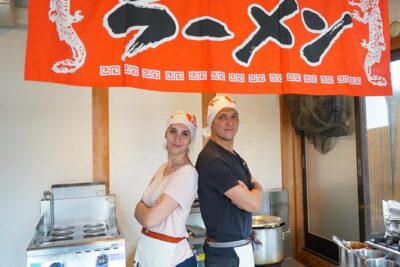
Ramen Cooking Class at Ramen Factory in Kyoto
Read our review →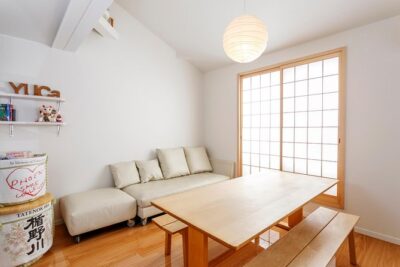
Ramen & Gyoza Cooking Class in Tokyo with Local Supermarket Visit
Read our review →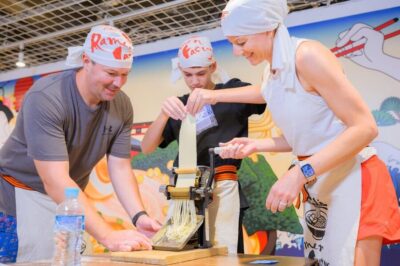
Ramen Cooking Class at a Ramen Factory with Souvenir
Read our review →
Japanese Washoku Bento Small Group Cooking Class
Read our review →
Sumo Stage Show with Bento or Snack + Fight & Photo
Read our review →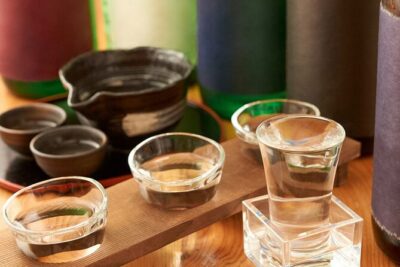
Ramen and Sushi Cooking Class with Sake Pairing Set in Tokyo
Read our review →Browse the lists this tour appears in