Review · GUIDED
Kintsugi Experience with Arita Ware in Tokyo (English Guide)
Gold turns repair into art.
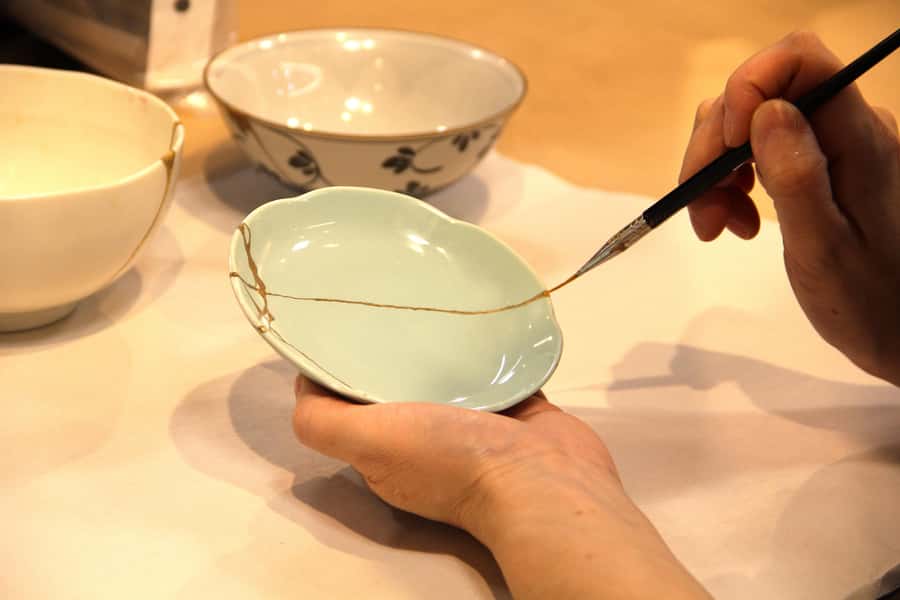
This 90-minute Kintsugi experience in Nihonbashi lets you learn Japanese pottery repair using Arita Ware, with a history that stretches back about 400 years. You do the work yourself, and you leave with a finished piece that looks intentionally different, not accidentally broken.
What I like most is the hands-on feel with an English-speaking instructor, plus a small group size that keeps things calm and easy to follow. You get what you need for the workshop, and you can even bring a suitable broken ceramic or porcelain item if you want to personalize your souvenir.
One practical thing to plan for: after the repair, your piece needs a week of careful indoor drying, and you will need to hand wash it only. It is meant for decoration rather than everyday eating or drinking, so it is not the kind of souvenir you toss in the dishwasher.
In This Review
- Key Highlights You’ll Notice Fast
- Nihonbashi Mutoh: A Tokyo Workshop in a Proper Craft Store
- Arita Ware and the 400-Year Porcelain Connection
- Your 90-Minute Flow: What Happens During the Workshop
- What You Can Bring for Repair (and the Limits)
- Taking Your Piece Home: Drying, Washing, and What Not to Do
- Price and Value: Is $139 Worth It?
- Who This Workshop Suits Best (and Who Might Want to Skip It)
- Practical Booking Advice Before You Choose a Time Slot
- Should You Book Kintsugi With Arita Ware in Tokyo?
- FAQ
- How long is the Kintsugi experience?
- What time slots are available?
- Is there an English-speaking instructor?
- How many people are in the group?
- Is the workshop wheelchair accessible?
- Can children participate?
- Can I bring my own damaged item to repair?
- What will I take home from the workshop?
- How should I care for the repaired piece after the workshop?
- What if I arrive late or miss the session?
Key Highlights You’ll Notice Fast
- English instruction in a small group (limited to 10), so you can actually ask questions and follow the process
- Arita Ware repair experience tied to a porcelain tradition with about 400 years of history
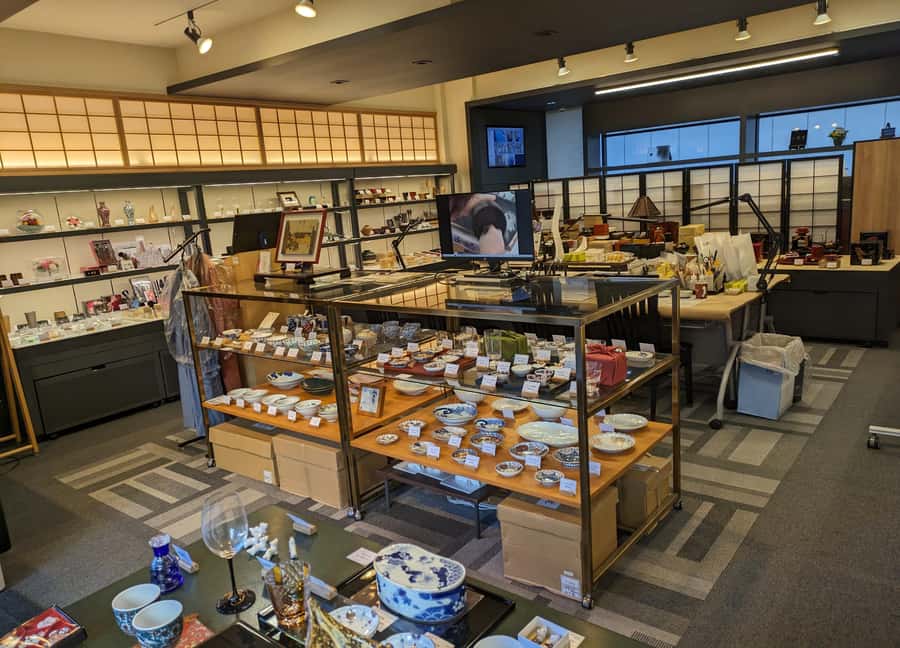
- Nihonbashi Mutoh Main Store setting with about a 100-year shop presence, established in 1923
- A take-home repaired piece using a plate provided for the workshop
- Optional bring-your-own item rules, with clear size and breakage limits
- Real aftercare expectations for drying and cleaning, so you do not ruin your work at home
Nihonbashi Mutoh: A Tokyo Workshop in a Proper Craft Store
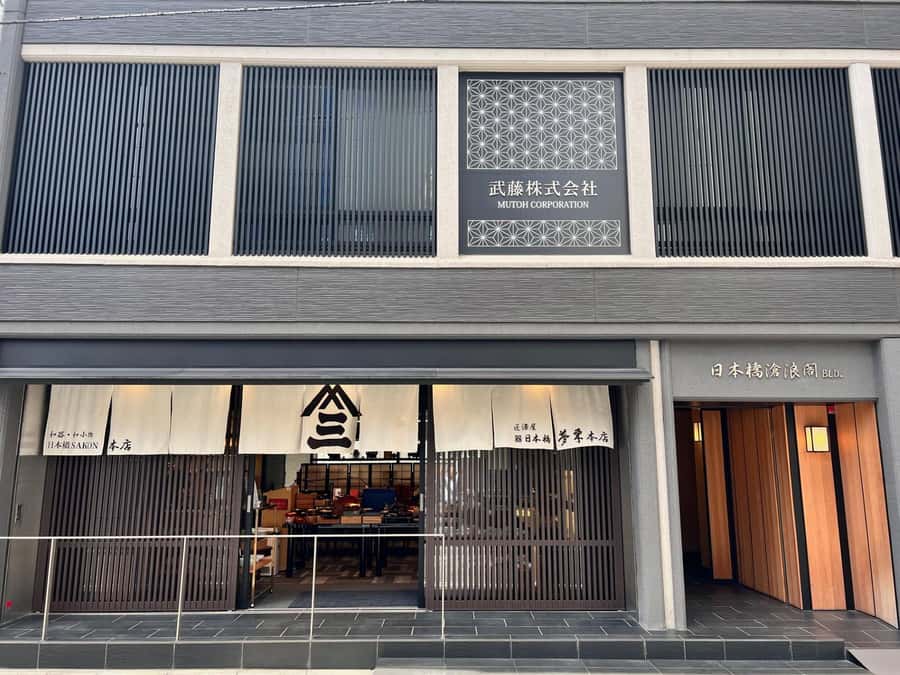
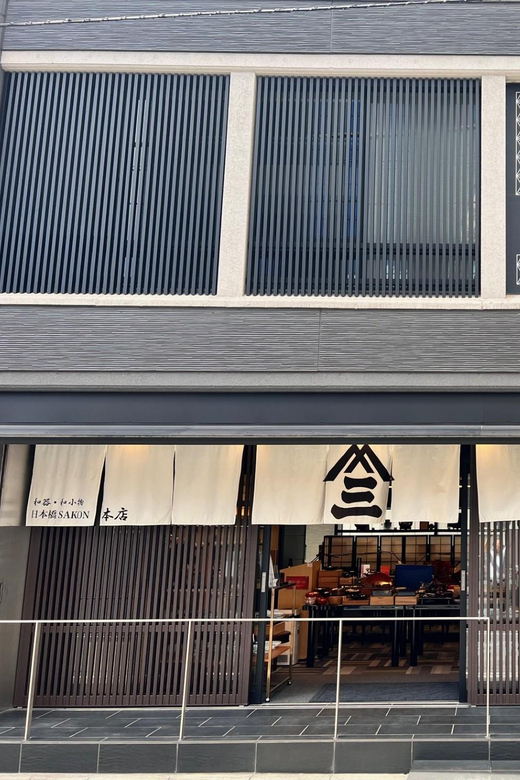
This Kintsugi workshop is set at Nihonbashi Mutoh Main Store in Tokyo’s Nihonbashi area. The address is 1-8-3 Honcho, Nihonbashi, Chuo City, Tokyo 103-0023. If you want a “Japan you can still find in everyday shopping” kind of experience, this is a strong fit because the shop focuses on high-quality lacquerware and glassware, and it has been operating since 1923.
The pace matters here. This is not a loud, fast craft demo, it is a guided hands-on session where you make your own repaired object. Even though the workshop may run alongside regular customers, the atmosphere still feels manageable, and the group size stays small.
Also, you are in the right part of Tokyo for a craft stop. Nihonbashi is easy to reach and easy to build around, so if you are doing a day of cultural errands, this fits nicely without swallowing your whole afternoon.
A few more Tokyo days to weigh up
- Mt Fuji and Hakone 1-Day Bus Tour Return by Bullet Train
★ 5.0 · 26,383 reviews - 1-Day Tokyo Bus Tour
★ 5.0 · 14,250 reviews - Tokyo: TOKYO SKYTREE® Admission ticket
★ 4.5 · 11,192 reviews
Arita Ware and the 400-Year Porcelain Connection
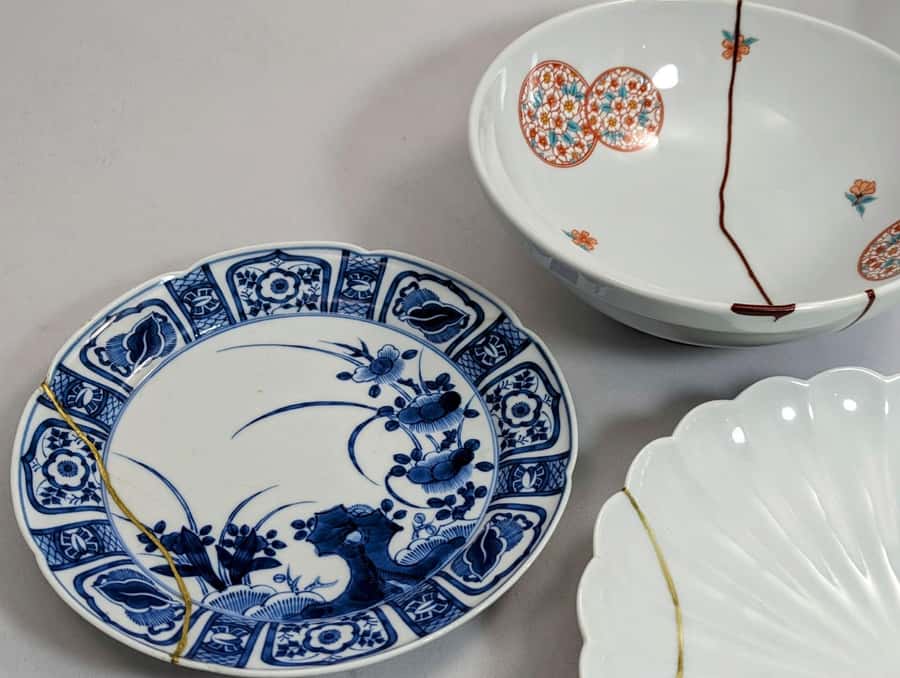
Arita Ware is Japan’s early porcelain tradition, and the experience uses Arita Ware pieces associated with a brand called Shobido Honten. In other words, you are not repairing just any generic ceramic, you are working with a style that has been produced for centuries and is closely tied to the history of porcelain in Japan.
What makes this part worth caring about is the “why” behind Kintsugi. Kintsugi is not only about fixing an object. It is about treating damage as part of the object’s story. So if you repair a piece tied to such a long porcelain tradition, the symbolism lands harder: you are literally translating a philosophy into gold seams on a real material with real heritage.
You can think of it as a craftsmanship double-feature. You learn the Japanese pottery repair method, and you also get hands-on experience with Arita Ware as the canvas for that philosophy.
Your 90-Minute Flow: What Happens During the Workshop
You choose one of three start windows: 10:30 to 12:00, 13:30 to 15:00, or 15:30 to 17:00. The session is 1.5 hours, and it is designed so you complete one object during that time.
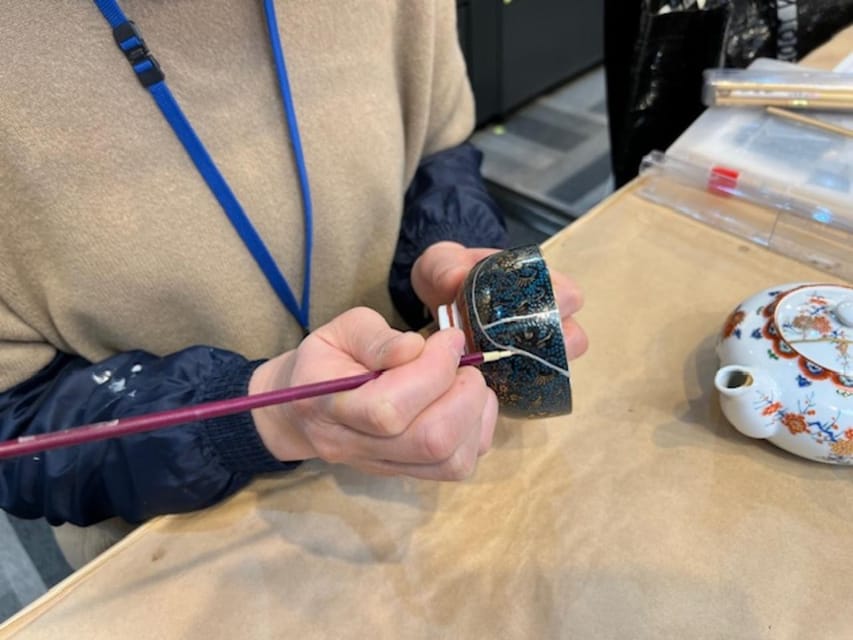
Here is how the flow typically feels in practice. First, the instructor explains the Kintsugi concept and the method you will use. Because the class language is English, you do not have to guess what the instructor is doing or what the goal is. Then you move into the hands-on work with your provided materials. Finally, you finish the repaired piece and bring it home to cure and dry properly.
One detail I appreciate is that the workshop includes a plate used in the experience. That means you are not forced to source a compatible broken item before you arrive. You still get full ownership of the finished result, but the logistics stay simple.
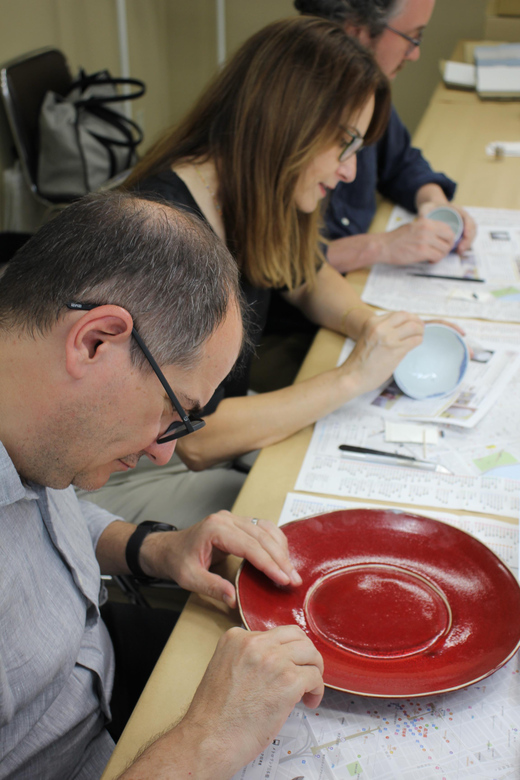
Also, the class is small enough that explanations do not get lost. You can follow the steps and keep your questions in the moment, which is key for any craft where timing and patience matter.
What You Can Bring for Repair (and the Limits)
You are welcome to bring your own damaged item for the Kintsugi experience, as long as it meets specific conditions. This matters because Kintsugi can only be done effectively within certain size and damage limits.
Bring-your-own item rules:
- Size limit: up to about 15 cm in diameter (φ15 cm) and 15 cm in height
- Damage limit: 1 to 2 broken parts
- Material: ceramic or porcelain
If your broken piece is larger or the damage is more extensive than 1 to 2 parts, it may not fit the workshop requirements. Since the class is timed to finish one object, it is best to assume your item must be repairable within the workshop scope.
If you do not bring your own item, you still leave with a repaired plate made for the experience. So you can choose the level of personalization you want, without the risk of showing up with something the instructor cannot use.
A different sort of day in Japan:
- Tokyo: teamLab Planets TOKYO Digital Art Museum Entry Ticket
★ 4.6 · 9,779 reviews - Mt Fuji & Hakone Cruise, Drum Show Bullet Train 1 Day from Tokyo
★ 4.0 · 7,413 reviews - Tokyo: Sumo Show Experience with Chicken Hot Pot and a Photo
★ 4.8 · 6,678 reviews - Tokyo: Shinjuku Food Tour (13 Dishes at 4 Local Eateries)
★ 5.0 · 6,603 reviews
Taking Your Piece Home: Drying, Washing, and What Not to Do
This is the part that can surprise people, so read it twice before you plan your kitchen routine.
After the repair, you will bring your piece home and dry it indoors for about one week. This is not a “set it on the counter for a day” situation. If you rush the drying, your piece will not follow the intended curing timeline.
Care rules:
- Hand wash only, using dishwashing detergent
- No microwave
- No dishwasher
- Use it for decoration, not for eating or drinking
So yes, you can admire and display your work. But do not treat it like a normal plate you pass around at meals. Think of it more like a made-by-you art object with functional caution.
One more practical note: you should wear clothes you do not mind getting dirty. Craft work can get messy, and you will be handling materials during the session.
Price and Value: Is $139 Worth It?
At $139 per person, this is not a cheap “fun activity.” But the value is clearer when you look at what you get included.
You pay for:
- A 90-minute workshop in Kintsugi technique
- All necessary materials
- An English-speaking instructor
- A plate used in the experience, available to bring home
For a craft class, the biggest hidden value is often the materials and the guidance. Here, you are not just watching, you are repairing a real piece with a method that takes time to cure correctly afterward. That instructor support, plus the included take-home object, is what turns the price into something you can justify.
If you compare it to the cost of buying a finished Kintsugi souvenir, you are also paying for the experience itself. The reward is not only the final product, it is knowing how the repair is done and what decisions you made along the way.
So, I would call it a fair price for a small-group, English-guided, hands-on craft with a take-home artifact.
Who This Workshop Suits Best (and Who Might Want to Skip It)
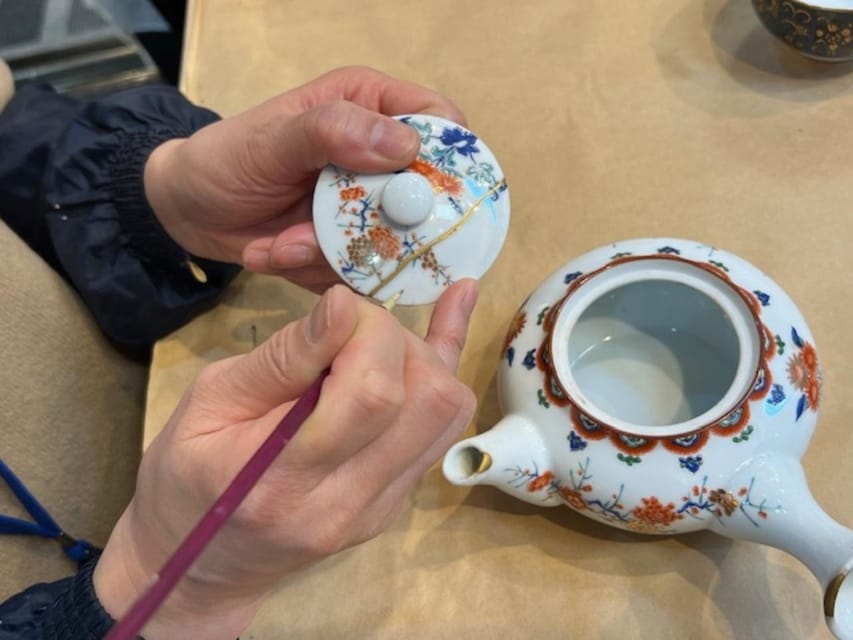
This works especially well if you:
- Want a memorable, hands-on souvenir you cannot replicate at a department store
- Like traditional Japanese crafts and want to understand them through your own hands
- Prefer small groups where you can actually communicate with the instructor
- Are visiting Tokyo and want something calmer than a high-energy sightseeing circuit
It may be less ideal if you want a fully practical dish for daily use, because the repaired piece is meant for decoration and needs special care. It also is not suitable for children under 13, so if you are traveling with younger kids, you will need another option.
If you are sensitive to mess, plan for the clothing note. And if you are the type who forgets to plan drying time, set a reminder now, because you will have a week of indoor drying ahead.
One last consideration is timing. If you arrive late, the experience still ends at the originally scheduled time. That means showing up early matters more here than it might for a flexible museum stop.
Practical Booking Advice Before You Choose a Time Slot
Choosing between the three start times is mostly about your energy and the rest of your day.
- 10:30 is a good pick if you like a structured morning and want this craft activity done before lunch
- 13:30 works well if you plan morning sightseeing and a slower afternoon
- 15:30 is ideal when you want a late-day cultural activity and you are already in the area
Because this is a single 90-minute session, your day planning is simple. Just remember that once you finish, you will need to take your repaired plate home and start the indoor drying period. If your travel schedule is very tight, pick the day that gives you a place to store the piece safely for that week.
Also, if you have mobility needs, the workshop is listed as wheelchair accessible, which is worth noting when you are comparing craft experiences in Tokyo.
Should You Book Kintsugi With Arita Ware in Tokyo?
I think you should book this if you want a thoughtful souvenir that carries meaning, not just a photo moment. The combination of Kintsugi technique, Arita Ware as the material, and an English-speaking instructor makes it accessible without turning it into a watered-down craft class.
It is also a strong choice for value because everything needed is included, and you take home a completed plate. The shop setting at Nihonbashi Mutoh adds a real sense of place, not just a generic classroom feel.
Skip it only if you are looking for something you can use like a normal dish, or if you cannot commit to the one-week indoor drying and special cleaning rules.
If you can follow those simple aftercare steps, you will end the workshop with an object that looks beautiful precisely because it is repaired the Japanese way.
FAQ
How long is the Kintsugi experience?
The workshop lasts about 90 minutes, which is listed as 1.5 hours.
What time slots are available?
The available sessions are 10:30 to 12:00, 13:30 to 15:00, and 15:30 to 17:00. You choose your preferred time.
Is there an English-speaking instructor?
Yes. The workshop includes an English-speaking instructor.
How many people are in the group?
It is a small group limited to 10 participants.
Is the workshop wheelchair accessible?
Yes, the workshop is listed as wheelchair accessible.
Can children participate?
The experience is not suitable for children under 13.
Can I bring my own damaged item to repair?
Yes, you can bring your own item as long as it is ceramic or porcelain, the size is up to about 15 cm in diameter and 15 cm in height, and the damage is 1 to 2 broken parts.
What will I take home from the workshop?
You will take home the plate used in the experience. It is available to bring home.
How should I care for the repaired piece after the workshop?
You should bring it home and dry it indoors for about one week. Then hand wash only with dishwashing detergent, and avoid using it in a microwave or dishwasher. It is recommended for decoration, not for eating or drinking.
What if I arrive late or miss the session?
If you arrive late, the experience still ends at the originally scheduled time. No refunds are issued if you do not participate on the scheduled day.
Newly listed around Tokyo
- Kyoto: Nijo Castle World Heritage Guided Tour with Admission★ 4.9 · 37 reviews
- Asakusa Kimono/Yukata Rental & Photography_Tsutsuji★ 5.0 · 12 reviews
- Kawagoe Private Custom Tour with Local Guide★ 5.0 · 29 reviews
- Kamakura Temples Private Guided Tour from Tokyo★ 4.8 · 21 reviews
- Kamakura Private & Customizable Tour – All-in-One Experience★ 5.0 · 49 reviews
- Kabukicho, Shinjuku: experiencing Japanese Host Club★ 4.3 · 9 reviews
- Tokyo: KABUKI Show at Kabukiza Theatre Admission Ticket★ 4.8 · 152 reviews
- Kabukicho Macabre Tour – the Real Tokyo Vice★ 5.0 · 48 reviews
Guided, compared.
Tokyo 6hr Private Tour with Government-Licensed Guide
Read our review →
Shinjuku Local Bar and Izakaya Guided Walking Tour
Read our review →
Private City Highlights Tour with Local Guide
Read our review →
Kyoto Early Morning Tour with English-Speaking Guide
Read our review →

Tokyo 4hr Private Tour with Government-Licensed Guide
Read our review →
Kyoto 6hr Private Tour with Government-Licensed Guide
Read our review →