
Review · BIKE TOURS IN KYOTO
Kyoto: Authentic Biking Half Day Experience
Kyoto moves at bicycle speed. This half day ride strings together the city’s most classic sights in a way that feels easy, not rushed. You’ll start in Gojō Station area, then pedal your way through neighborhoods and temples most visitors only get in pieces.
I especially like the Mamachari concept, a practical mom’s bike made for everyday commuting, not mountain climbs. I also like that the pacing is built around stops with time to look closely, not just snap a photo and go.
One thing to consider: you need to be able to ride a bike comfortably. The tour is not set up for people with mobility issues, heart problems, respiratory issues, or anyone who cannot pedal on their own.
In This Review
- Key highlights worth your attention
- Starting at Gojō Station, Mamachari bikes, and a calm pace
- Gion to Nanzenji, old streets, temple stillness, and better photos
- Philosopher’s Path to Ginkakuji, a classic canal-side stroll by bike
- Shimogamo Shrine to Kyoto Imperial Palace, forest calm and royal grounds
- Price and value: what $79 gets you in real terms
- Gear, fitness, and what to bring for an easy ride
- Small-group riding, why 9 people matters
- Best seasons and weather reality for Kyoto biking
- Who this Kyoto bike tour fits best
- Should you book this Kyoto bike tour?
- FAQ
- Where do I meet the tour guide?
- How long is the Kyoto biking experience?
- What bike do I ride?
- Is the tour on an electric bike?
- Are helmets provided?
- What stops are included on the route?
- Is the entrance fee included?
- Is the guide English-speaking?
- What should I bring with me?
- Is this tour accessible for people with mobility issues?
- Can I cancel for a refund?
Key highlights worth your attention
- Comfort-first Mamachari bikes with a standard non-electric setup and helmet included
- Small group size limited to 9 for a calmer ride through busy Kyoto
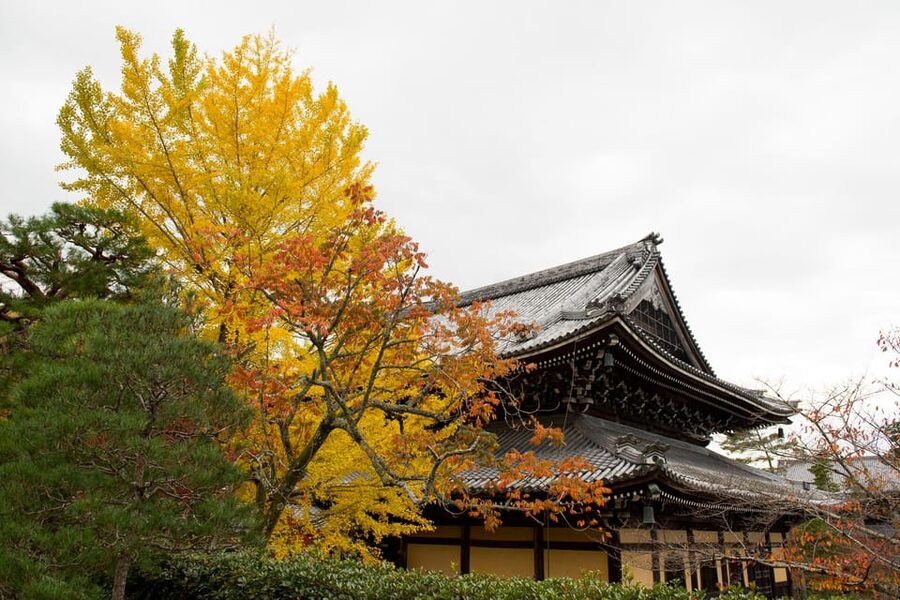
- Temple and shrine mix across Zen grounds, Shinto forest paths, and palace calm
- Photo-friendly stops with guide support for pictures along the way
- Flat riding with gentle slopes, designed to feel manageable for most travelers
- Entrance fee handled for Nanzenji Temple, plus English guide and insurance
Starting at Gojō Station, Mamachari bikes, and a calm pace
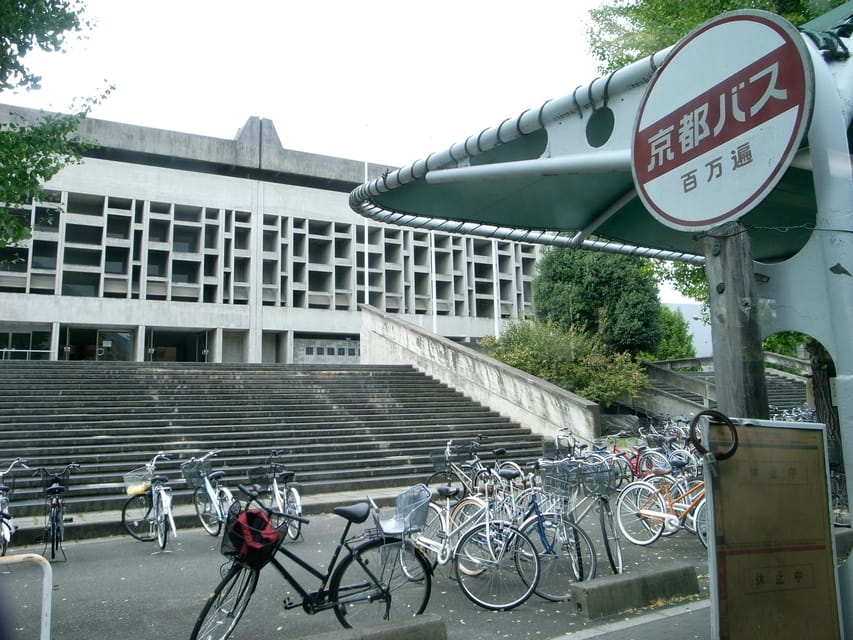
Meeting is straightforward. You’ll meet at Subway Gojo Station, Exit 2, and look for a TripGuru shirt or sign. The bikes are provided, and you’ll get a helmet right away, which matters because Kyoto traffic can still surprise you if you expect everything to be slow and sleepy.
The ride is built around comfort. You’ll use a Mamachari, a comfortable commuter bike that favors stability over speed. That’s the whole idea here: you get to move like a local without white-knuckle focus. Your bike is a standard non-electric B-type with 3 gear shifts, so if you run into a gentle slope, you can usually settle into an easier cadence instead of grinding.
Timing also feels sane. Four hours is long enough to cover a serious chunk of Kyoto, but short enough that your legs do not turn into whiny museum exhibits. Most of the route is mostly flat, with only a few gentle slopes, so the experience stays in the “easy sightseeing” zone.
You’re also not just on your own to figure things out. An English-speaking TripGuru guide keeps the day flowing and shares what you’re seeing, which is especially helpful when you want the spiritual and cultural context, not just the postcard view.
More Bike Tours in Kyoto
- Hidden Kyoto E-Biking tour
★ 5.0 · 1,843 reviews - Bike Tour Exploring North Kyoto plus Lunch
★ 5.0 · 1,087 reviews - Arashiyama Bamboo Forest & Hidden Gems Bike Tour (Early Bird)
★ 5.0 · 613 reviews
Gion to Nanzenji, old streets, temple stillness, and better photos
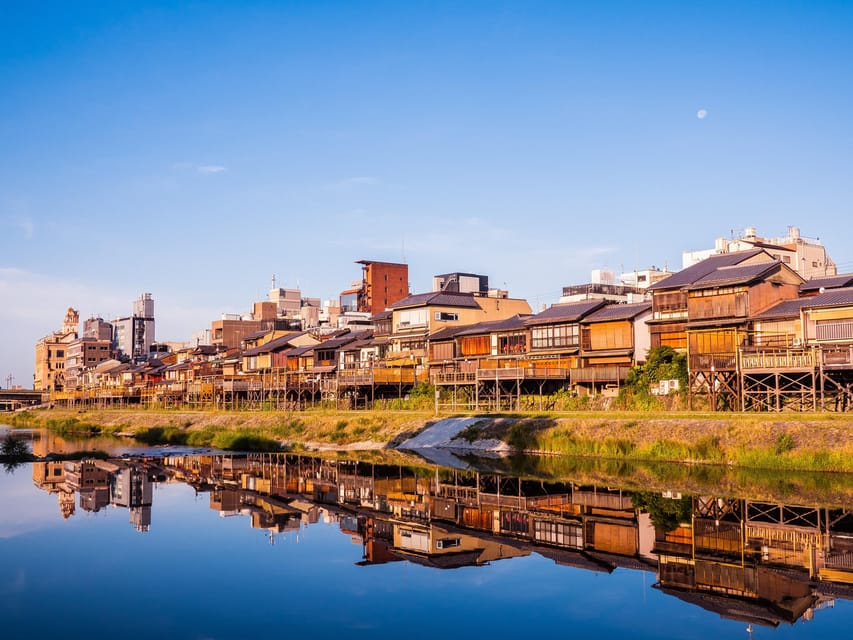
You kick off in Gion, Kyoto’s famous geisha area. Even if you’re not there to hunt for performers, Gion is a strong way to start because it immediately gives you the city’s traditional rhythm. The streets feel tighter and more atmospheric than many other visitor zones, and that makes the bike start feel like you’ve entered a different Kyoto.
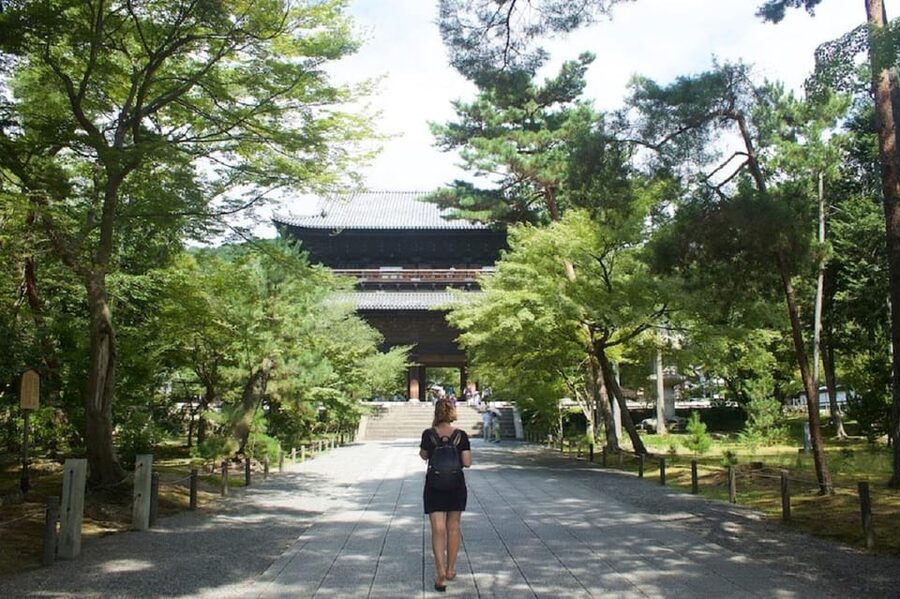
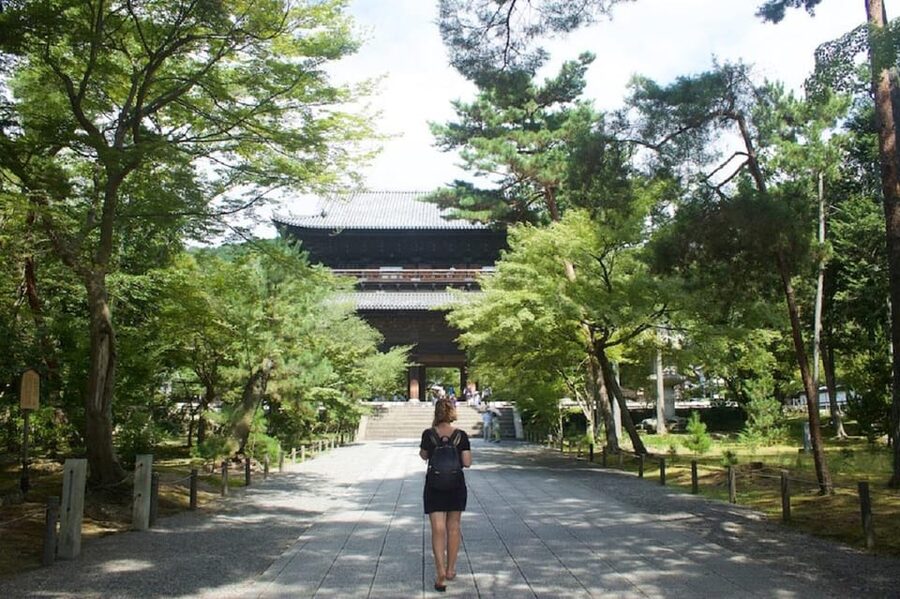
The first stretch is brief, then you’re heading toward Nanzenji Temple. Here, the vibe shifts from neighborhood charm into temple scale. Expect a slower tempo for the temple portion because the goal is to actually look at what’s around you, not just pass through on wheels. Your Nanzenji visit includes the entrance fee, so you’re not doing last-minute budgeting while you’re trying to enjoy the place.
This is also where guide help shows its value. In real world terms, this kind of tour is great when you want photos that aren’t just awkward arm length angles. Guides like Miya have a reputation for kindly taking photos for the group, which sounds small, but it saves you the hassle of stopping in the wrong spot, arguing with your camera settings, or blocking pedestrian flow.
One more practical point: temple grounds can feel cooler and calmer, especially compared with street-level crowds. That alone can make the biking feel less tiring because your senses get a break from traffic noise and heat.
Philosopher’s Path to Ginkakuji, a classic canal-side stroll by bike
Next comes the ride along the Philosopher’s Path, one of Kyoto’s most recognizable pedestrian-and-water corridors. If you’ve ever seen photos of this canal walkway, you already know what makes it famous: the long, linear feel and the way greenery frames the water. On a bike, you get the benefit of seeing it as a connected route, not just as a single point on foot.
The biking segment helps you keep the flow without sprinting. You can slow down when you want, then keep moving when you’re ready. It’s a nice middle ground between walking the whole way (which can take much longer) and traveling by car (which can feel disconnected).
From there, you reach Ginkakujicho and then Ginkakuji, the Silver Pavilion. Even if the name sounds flashy, the experience is more about peace and careful garden design than about big showmanship. You get a chance to look around with enough time to register the atmosphere, which is hard to do when you’re bouncing between stops on a tight walking schedule.
The guide storytelling helps here too. When you understand what you’re looking at, the details start to make sense: why gardens are arranged the way they are, how temple spaces guide your movement, and why certain paths feel designed for quiet reflection. That context is often the difference between visiting and actually appreciating.
Shimogamo Shrine to Kyoto Imperial Palace, forest calm and royal grounds
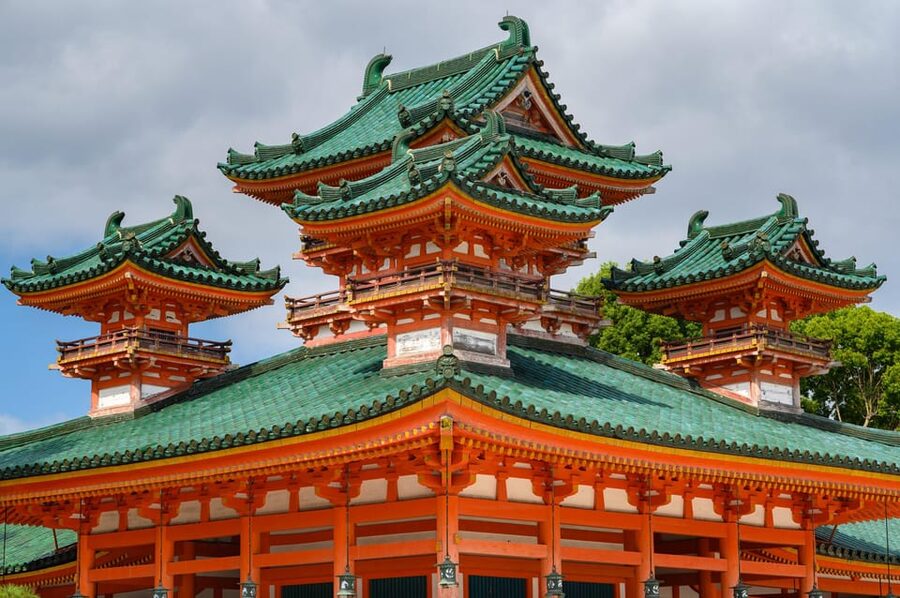
After temple and canal, you shift into Shimogamo Shrine, one of Kyoto’s oldest Shinto shrines. This stop feels different right away because of the wooded setting. It’s the kind of place where your senses slow down, shade cools the air, and the overall mood feels more grounded than the city streets.
The guide-led time is worth it if you want to understand the shrine setting without turning it into a “checklist only” stop. Shimogamo is the sort of place where signage and structure matter, and having someone explain what you’re seeing can make your visit feel smoother and more meaningful.
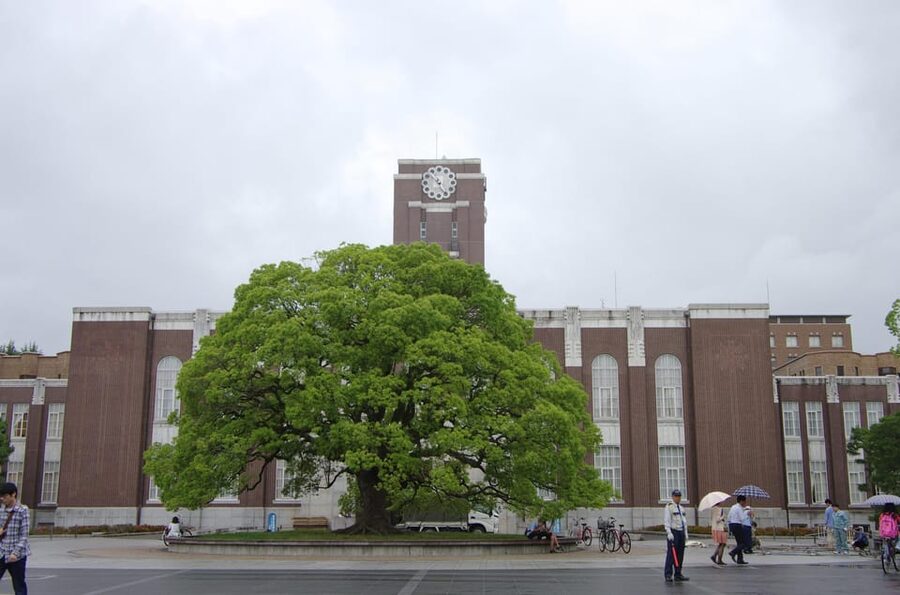
Then you finish at Kyoto Imperial Palace. Even if you’ve never followed Japanese imperial history closely, the palace grounds give you a strong sense of scale and planning. It feels less like a single monument and more like an entire world of carefully arranged spaces. The biking segment to the palace also helps you get there without losing half your day stuck in crosswalk logistics.
The best part about ending here is that you land in a calm setting after several mentally active stops. If you still have energy, you can take a longer look around. If you’re tired, you can simply sit and absorb the atmosphere. Either way, it’s a satisfying finish to a bike day.
A few more Kyoto days to weigh up
- 5 Top Highlights of Kyoto Full Day Bike Tour (E-bike option)
★ 5.0 · 511 reviews - Full Day Biking Tour Exploring the Best of Kyoto
★ 5.0 · 498 reviews - Kyoto: Memory Kyoto E-Bike Tour
★ 4.8 · 297 reviews - E-Bike Tours of the highlights of Kyoto!!!
★ 5.0 · 291 reviews
Price and value: what $79 gets you in real terms
At $79 per person for about 4 hours, this tour sits in the “good value for time and convenience” category. Here’s why.
You’re paying for more than a bike rental. The price includes an English-speaking guide, a provided helmet, insurance, and the Nanzenji entrance fee. That means fewer small add-on costs and fewer moments where you’re trying to figure out what’s included once you’re already out the door.
You’re also paying for a route that links multiple major sites without requiring you to plan traffic turns, parking, and how to efficiently move between neighborhoods. Kyoto is bike-friendly, but navigating it still takes energy. This tour converts that effort into actual sightseeing time.
Is it the cheapest way to see Kyoto? No. But if you want a concentrated day that covers iconic spots and keeps you oriented, the price starts to make sense fast. Four hours also means you get to invest in the experience without blowing your whole first day on logistics.
Gear, fitness, and what to bring for an easy ride
This tour is designed for comfortable, low-stress biking, but you still need to show up ready. You’ll want comfortable shoes, and you should bring a camera if you care about photos, plus cash for any personal purchases since meals and drinks are not included.
The bike itself is non-electric with three gear shifts, so you’ll be using your legs. The route is mostly flat with a few gentle slopes, which keeps the physical demand reasonable, but it’s still a bike ride, not a stroller tour.
If you’re sensitive to bike time, consider your comfort level. You will be pedaling for several stretches, and temple and shrine visits include walking around the grounds. So plan as if this is “light active sightseeing,” not pure sitting.
One more smart move: since meals and other drinks are not included, don’t build the day around big food plans. Kyoto has lots of options, but your best strategy is to grab what you need as you go and keep moving when the group is rolling.
Small-group riding, why 9 people matters
With a group limited to 9 participants, the experience feels easier than big group sightseeing. It’s not just about numbers on paper. Smaller groups ride closer together, hear directions better, and tend to create less chaotic stopping and starting.
That size also helps at quieter moments. When you arrive at a shrine or temple, there’s more time for you to look without a constant wave of other bikes or tour voices forcing you to rush. You still might encounter other visitors, but the pace stays under your control more often.
The guide also plays a bigger role in small groups. You’re more likely to get clear route guidance, photo help, and pacing that doesn’t feel like a race. Guides such as Kats and Katz have been praised for not rushing people through temples and shrines, which is exactly what you want for Kyoto.
Best seasons and weather reality for Kyoto biking
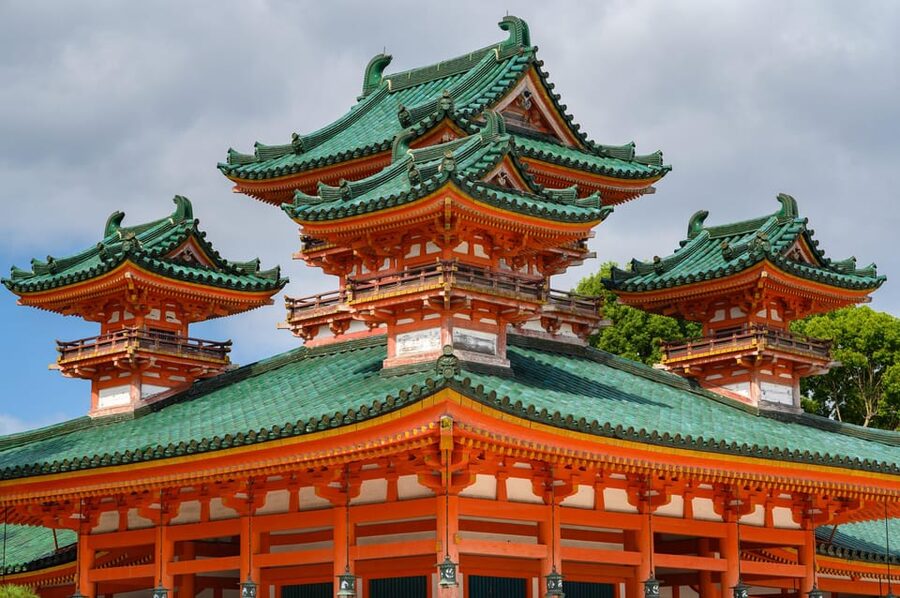
The tour is designed to work across seasons, from the cool breeze of spring to the crisp air of winter. That matters because biking comfort depends on temperature and wind more than it does on a museum visit.
In hot weather, you’ll want to think like a commuter. Wear breathable layers, stay hydrated by purchasing drinks on your own, and take the breaks during the temple portions seriously. In cooler weather, you’ll enjoy the crisp air and likely feel less drained during longer walking sections.
Kyoto can also have sudden changes in humidity and cloud cover. Your best approach is to dress in layers so you can adjust quickly without overheating on the bike.
Who this Kyoto bike tour fits best
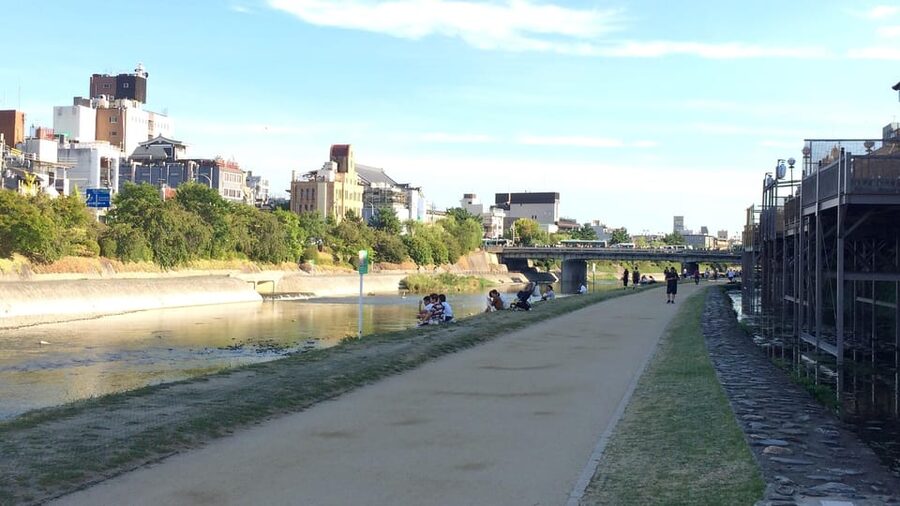
This tour is a strong match if you want a classic Kyoto highlight route without spending the whole day sorting out transportation. It’s ideal for couples, friends, and families with older kids who can ride confidently, because it combines city streets, temple grounds, and scenic canal-side routing.
It’s not the right fit if you cannot ride a bike, since that limitation is explicit. It’s also not suitable for pregnant women, people with mobility impairments, people with heart problems, or people with respiratory issues. If any of those apply, it’s better to choose a walking or transit-focused experience that matches your needs.
If you’re trying to orient yourself on a first day in Kyoto, this works especially well. The stops are the kind that help you understand where things are, how neighborhoods connect, and what “Kyoto mood” feels like from one area to the next.
Should you book this Kyoto bike tour?
Book it if you want a structured, comfortable way to hit major Kyoto sights in one half day, without turning the day into navigation stress. The bike setup, helmet, small group size, guide support, and included Nanzenji entrance fee make the price feel fair.
Skip it if you want to move at a fully independent pace, or if biking is not your thing. In Kyoto, you can absolutely travel slowly on foot, but you will cover less ground in four hours than you will on a Mamachari.
If you’re between planning anxiety and sightseeing hunger, this tour is the sweet spot: simple logistics, classic stops, and enough guide time to help you see more than just what’s on the main road.
FAQ
Where do I meet the tour guide?
Meet at Subway Gojo station, Exit 2. Look for a guide wearing a TripGuru shirt or holding a TripGuru sign.
How long is the Kyoto biking experience?
The tour lasts 4 hours.
What bike do I ride?
You get a bicycle rental, a standard non-electric B-type with 3 gear shifts.
Is the tour on an electric bike?
The included rental is a standard non-electric bike. Electric bikes are not listed as part of what’s included.
Are helmets provided?
Yes, a helmet is included.
What stops are included on the route?
You’ll ride and visit places including Gion, Nanzenji Temple, the Philosopher’s Path, Ginkakuji, Shimogamo Shrine, and Kyoto Imperial Palace.
Is the entrance fee included?
The Nanzenji Temple entrance fee is included.
Is the guide English-speaking?
Yes, the tour includes an English-speaking guide.
What should I bring with me?
Bring comfortable shoes, a camera, and cash for personal expenses since meals and drinks are not included.
Is this tour accessible for people with mobility issues?
No. It is not suitable for people with mobility impairments, and it requires you to be able to ride a bike.
Can I cancel for a refund?
You can cancel up to 24 hours in advance for a full refund.
Newly listed around Kyoto
- Kyoto: Enjoy Sushi & Market Tour! Best for Family & Couple!★ 4.8 · 20 reviews
- Kyoto: Early Bird E-Bike Tour with Lunch★ 5.0 · 14 reviews
- Kyoto Early Bird English Tour: Fushimi-Inari and Arashiyama★ 4.8 · 40 reviews
- Kyoto: Discover Every Bit of Kyoto Imperial Palace★ 4.4 · 21 reviews
- Kyoto: Nishiki Market Food Tour★ 4.9 · 21 reviews
- Kyoto: Guided Tour in UNESCO Site, Kiyomizu-dera – 90 Min.★ 5.0 · 7 reviews
- Kyoto: Lunch or Dinner with Maiko★ 4.2 · 52 reviews
- Kyoto: Customizable Full-Day Tour with Privarte Transfers★ 3.5 · 13 reviews
Bike Tours in Kyoto, compared.
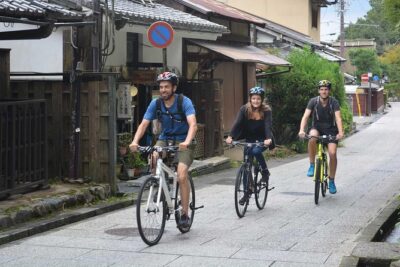
Arashiyama Bamboo Forest & Hidden Gems Bike Tour (Early Bird)
Read our review →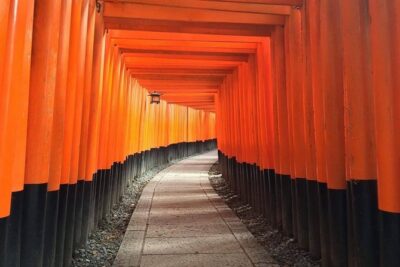
5 Top Highlights of Kyoto Full Day Bike Tour (E-bike option)
Read our review →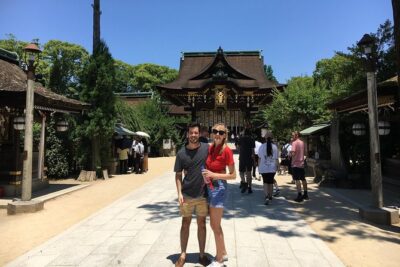
Full Day Biking Tour Exploring the Best of Kyoto
Read our review →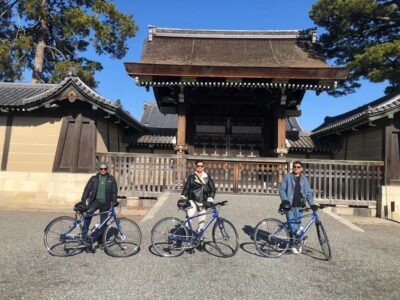
Afternoon Kyoto Bike Tour: Bamboo Forest, Monkeys & Hidden Spots
Read our review →Browse the lists this tour appears in