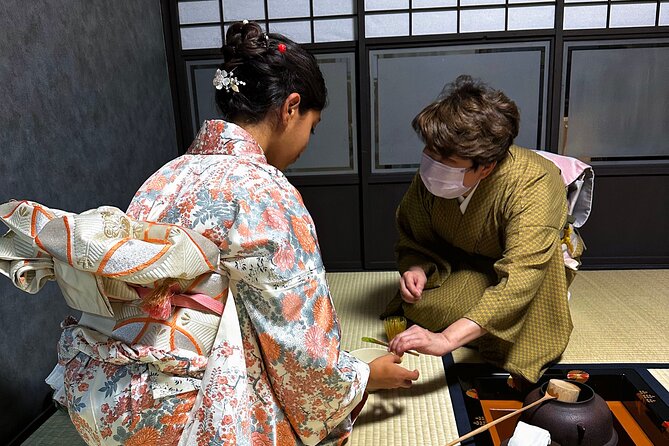
Review · MATCHA & TEA CEREMONY SESSIONS
KYOTO Tea Ceremony with kimono near by Imamiya Jinjya Shrine
Kimono dressing turns matcha into a real moment. You get authentic kimono help, including hair styling and lots of photo time, plus a guided tea ceremony led by a tea master who teaches the steps as you go. One thing to keep in mind, this is a weather-dependent experience, and getting dressed well takes time, so aim for a relaxed afternoon.
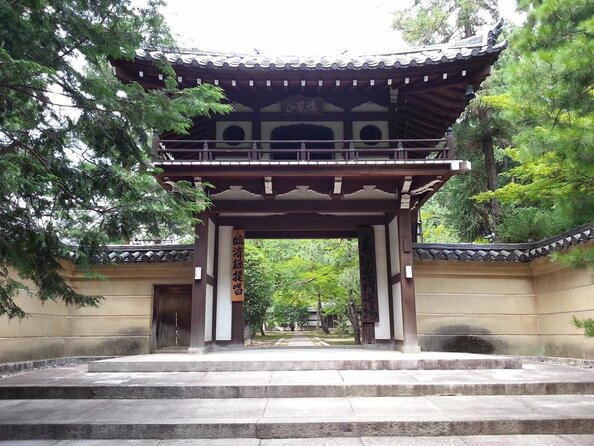
What makes this stand out in Kyoto is the setting and the pace. The tea room is described as being used for three generations, and it sits near Daitoku-ji, in an area tied closely to tea culture. You start at Caren (in Kita Ward, Murasakino Daitokujicho), do your kimono selection and prep, then move into the ceremony where etiquette and brewing techniques matter.
In This Review
- Key things I’d zoom in on
- Entering The Caren Tea Space: Where the Experience Starts
- Getting Dressed in Kimono Without the Stress
- Nishijin Kimono Patterns and Why They Get Explained
- The Tea Room Near Daitoku-ji: Quiet, Old-World, and Real
- Meet The Tea Master: Steps, Etiquette, and Seasonal Sweets
- You Brew Your Own Matcha: The Moment It Clicks
- Photo Time That Feels Like Part of the Day, Not a Detour
- Price and Value: Is $99.49 Worth It?
- Who This Suits Best (and Who Might Skip It)
- Final Call: Should You Book the Kyoto Kimono Tea Ceremony?
- FAQ
- How long is the Kyoto kimono tea ceremony?
- How many people are in each group?
- What’s included in the experience?
- Where is the meeting point?
- Is private transportation included?
- What if the weather is bad or I need to cancel?
Key things I’d zoom in on
- Kimono help that includes hair styling, not just a quick costume swap
- Hands-on matcha brewing, so you are not only watching
- A tea master with 30 years of study, plus staff who explain patiently
- Photo time built into the flow, with posing and support
- A small group size (max 12 people), which keeps the experience calm
- A tea room used for three generations, near Daitoku-ji and the Imamiya Jinja area
Entering The Caren Tea Space: Where the Experience Starts
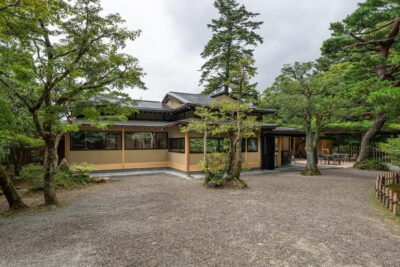
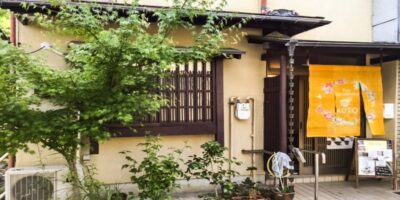
This starts at Tea Ceremony – Caren, address: 74-4 Murasakino Daitokujicho, Kita Ward, Kyoto (603-8231). Even before the tea begins, this location matters because it is in Kyoto’s quieter north side, close to temple and shrine culture rather than the busiest downtown streets. If you like your cultural activities to feel rooted and not rushed, you’ll probably appreciate that.
Expect a small-group setup. The experience caps at 12 people, and that changes the vibe. You get space for questions, and the staff can give real attention while you get dressed and set up. The whole experience runs about 1 hour 30 minutes, so it is long enough to learn the rhythm of the ceremony, but not so long that you feel stuck all day in formalwear.
One practical note: private transportation is not included. The listing says it is near public transportation, so plan to arrive under your own steam. If you are the type who hates being late, I’d give yourself extra buffer. One review specifically recommended arriving a bit early, because kimono dressing can feel hectic if everyone shows up at once.
More Kimono Rentals in Kyoto
- Kimono Tea Ceremony at Kyoto Maikoya, NISHIKI
★ 5.0 · 911 reviews - Kyoto: Kimono Rental with Hairstyling and Accessories
★ 4.8 · 653 reviews - Kyoto: Kimono and Tea Ceremony Experience at Cultural Asset
★ 4.3 · 306 reviews
Getting Dressed in Kimono Without the Stress
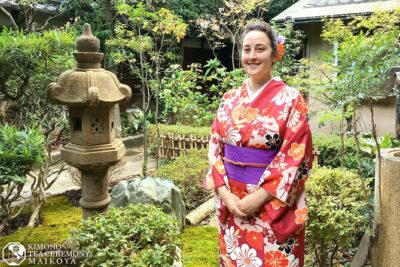
The most nerve-free part here is the fact that you are not left alone with a pile of fabric. You choose a kimono with your preferred color and pattern from a collection in Nishijin, Kyoto, then the staff helps you put it on. Nishijin matters because it is known for textiles, and the whole point is that you get options that feel like they belong to Kyoto, not generic souvenir style.
Hair set is included, and that is not a throwaway detail. Traditional hair styling helps the kimono look correct from every angle. You also get a simple photo shoot before the ceremony. This is where the day becomes memorable, because you do not just take a quick snapshot in a shop mirror. Staff help with posing and photos while you are dressed properly.
If you want to make your dressing time smoother, pick a color idea before you arrive. Reviews mention that having an idea of what color you want helps save time since you get asked your preferences up front. Also, be ready for multilayered dressing. Even people who worried it might feel silly turned around and said the dressing process made them respect the craft more.
Nishijin Kimono Patterns and Why They Get Explained
You are not only wearing a kimono, you learn something about it. The guide provides commentary on the history of tea ceremonies, and the program also highlights the meaning of different kimono patterns. That matters because patterns are not random. They can connect to seasons, aesthetics, and how formal dress communicates mood and occasion.
If you care about details, this is one of the best parts. It turns the kimono into context. You start noticing why the ceremony clothes often look understated, yet intentional. The fact that someone explains this while you are already in the outfit helps it land. You can actually remember the lesson because you are experiencing it in your own photos and posture.
There is also a cultural translation layer here. One review highlighted interpretation by Akira, including extra context about a tea ceremony fan. That kind of side story is where you feel the ceremony is being presented with respect, not just delivered like a script.
The Tea Room Near Daitoku-ji: Quiet, Old-World, and Real
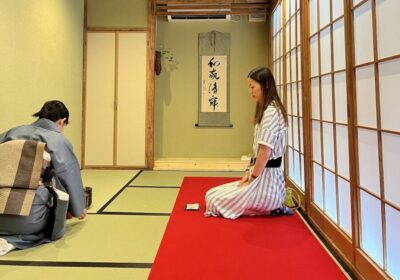
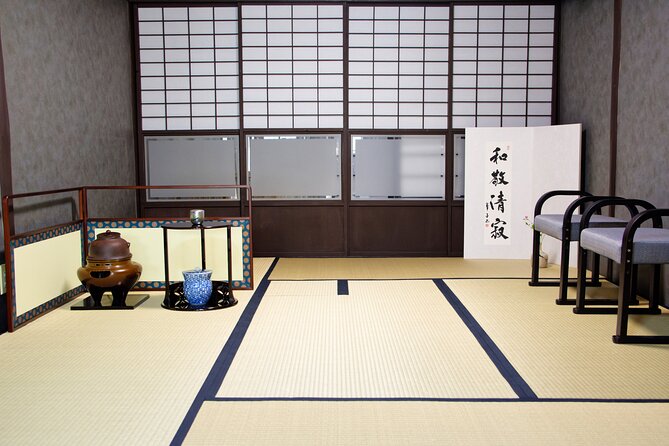
After dressing and photos, you settle into the tea part of the experience. The program describes the tea room as being used for three generations, and that gives it a different feel than a modern studio. It is also said to be near Daitoku-ji Temple, a place deeply rooted in Japanese tea culture.
Yes, the room is described as a bit old. That can be a drawback if you dislike older buildings or you get chilled easily. The good news is the staff acknowledges that fatigue from your trip might add up, and they try to help ease it. In other words, you are not expected to be fully energized and graceful at all times.
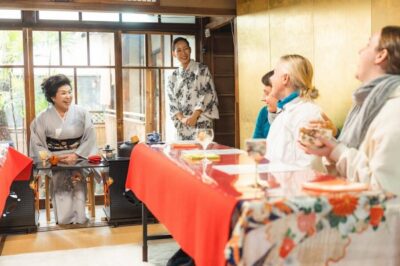
Group size helps here too. With max 12 people, the room does not feel overcrowded. You get a calmer, more ceremonial pacing, which is essential for tea. This is not a loud, high-energy activity. It is the opposite: you slow down so the small gestures actually make sense.
More Shrine & Temple Visits in Kyoto
- Kyoto: Fushimi Inari, Kinkakuji, Bamboo Grove 1 Day Bus Tour
★ 4.8 · 4,316 reviews - Kyoto: Tea Ceremony Ju-An at Jotokuji Temple
★ 4.9 · 3,207 reviews - Fushimi Inari Hidden Hiking Tour (Private Option Available)
★ 5.0 · 1,750 reviews - Osaka/Kyoto:Kinkakuji,Arashiyama,FushimiInariShrine,NaraPark
★ 4.1 · 1,596 reviews
Meet The Tea Master: Steps, Etiquette, and Seasonal Sweets
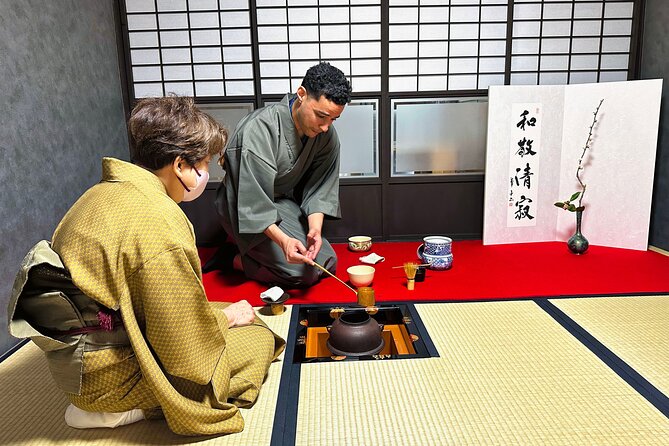
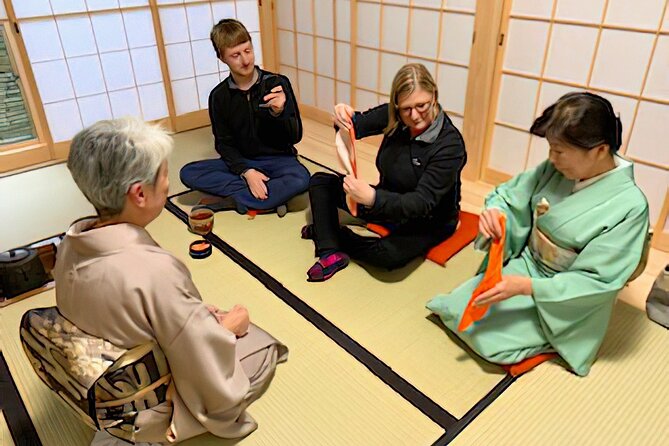
A tea master who has studied tea ceremonies for 30 years leads the traditional presentation. You will watch the ceremony and learn the steps, then you also get time to sip tea and understand etiquette.
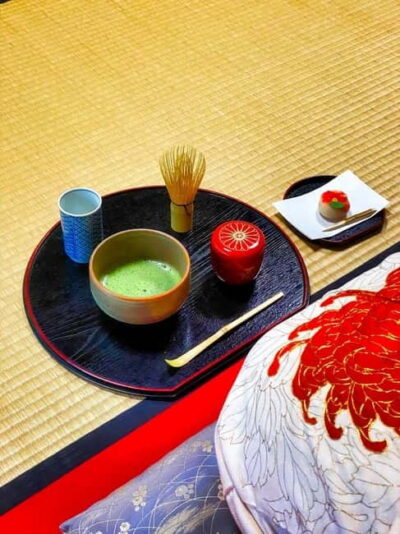
Here is how it tends to flow: you start with the tea master demonstrating, then you enjoy a cup of tea with seasonal sweets. Next comes explanation, including the history and manners tied to the ceremony. This is the part I like most because it prevents the experience from becoming just costume + matcha. You learn why actions matter, like how tea is handled, when you look, and how you interact in the space.
If you are hoping for a meaningful cultural moment, you’ll appreciate how the program frames etiquette as part of the ritual. One review described the tea ceremony as intimate and detailed, with attention paid to the process. Another said the experience felt truly authentic and not touristy, which is exactly what you want in Kyoto.
You Brew Your Own Matcha: The Moment It Clicks
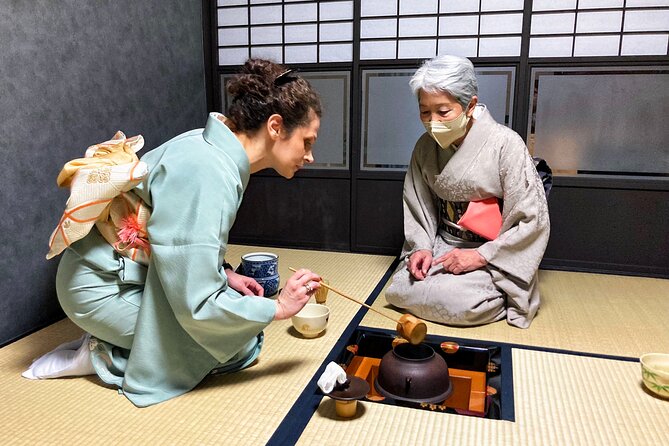
The best skill you take home is not a souvenir. It is learning how to brew your own cup of Japanese tea. The program says you will try your hand at preparing tea after the explanation and tasting.
This is where you stop being a passive observer. Even if your first cup is not perfect, you learn the sequence and the feel of it. Reviews back this up with repeated mentions that people got the chance to make tea themselves, including solo travelers. That matters, because a tea ceremony for some people can feel like a performance you watch from the sidelines. Here, you get to participate.
I also like that the staff supports you while you do it. With the ceremony being structured and measured, you need guidance to follow it without panic. The program includes a professional instructor, and reviews mention the hostesses and staff being attentive, encouraging, and careful about comfort.
If you want a quick checklist for what to do mentally, focus on patience. Tea is slow on purpose. The action is simple, but you learn how precision becomes part of etiquette.
Photo Time That Feels Like Part of the Day, Not a Detour
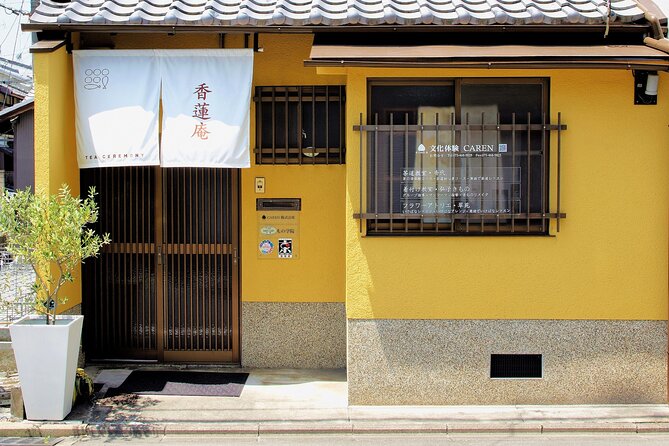
A lot of kimono experiences get the photos right, then rush you through everything else. This one builds photography into the schedule early, after hair and kimono selection. That means you can look like yourself later in the tea room, instead of sprinting for photos while your kimono is still being adjusted.
One review credited staff support for posing and taking memorable photos, mentioning a guide who helped with Japanese interpretation and comfort in the moment. Another mentioned a very organized system, with staff pulling out all the stops to make the experience smooth.
If you plan to use your photos to document your Kyoto day, this is a real advantage. You will have time to get properly dressed first, then the ceremony happens after, when you are settled.
Price and Value: Is $99.49 Worth It?
At $99.49 per person, you are paying for more than tea and a lesson. You are paying for a full formalwear experience: kimono selection and help putting it on, hair styling, and a structured tea ceremony with a professional instructor and a tea master. You also get tea (the program lists coffee and/or tea as included) and seasonal sweets are described as part of the ceremony.
Is that expensive compared with a casual matcha stop? Sure. But it is not a casual matcha stop. This is closer to a guided cultural class plus a real moment of being dressed in traditional attire in the correct setting. For many people, that is what makes the cost feel fair.
Also, consider group size and time. With max 12 people and about 1 hour 30 minutes, the instruction is focused. This is not a big factory tour. That’s part of the value.
If you have a tight budget, the kimono component is the deciding factor. If you feel confident wearing a kimono and you want hands-on brewing and etiquette context, the price makes more sense. If you only want a quick photo or you are not into formal clothing, you might want a simpler food and tea tasting instead.
Who This Suits Best (and Who Might Skip It)
This fits best if you want culture, not just an activity. I’d especially recommend it for:
- Couples who want a shared, low-stress, high-impact memory
- Families where even teens might actually enjoy the structure and photos
- Solo travelers who still want help, guidance, and a chance to participate by making tea
The reviews also reflect that first-timers often worry it will be silly or overly touristy, then end up loving it. That makes sense. When the kimono dressing is taken seriously and the tea master is leading, it stops feeling like a costume and becomes a craft lesson.
The main consideration is time and weather. The experience requires good weather, and it also depends on a minimum number of travelers. So if you booked the night before a big storm window or you hate uncertainty, keep that in mind. Also, if you strongly dislike formalwear or feel uncomfortable in layered clothing, the dressing portion may not be your favorite.
Final Call: Should You Book the Kyoto Kimono Tea Ceremony?
I think you should book it if you want a Kyoto experience that actually teaches you something, not only lets you pose. The combination is hard to beat: kimono selection from Nishijin, hair styling, guided ceremony etiquette, a tea master with decades of study, and the chance to brew your own matcha.
Skip it only if you want zero formality and zero dressing time, or if you are not comfortable with a weather-dependent plan. Otherwise, this is a calm, well-structured way to spend 90 minutes in Kyoto, and it gives you a story you will remember long after the photos.
FAQ
How long is the Kyoto kimono tea ceremony?
It lasts about 1 hour 30 minutes.
How many people are in each group?
The group size is capped at a maximum of 12 travelers, so it stays small.
What’s included in the experience?
The experience includes coffee and/or tea and a professional instructor, plus the kimono-based tea ceremony instruction described in the program.
Where is the meeting point?
You start at Tea Ceremony – Caren, 74-4 Murasakino Daitokujicho, Kita Ward, Kyoto, 603-8231, Japan.
Is private transportation included?
No, private transportation is not included.
What if the weather is bad or I need to cancel?
You can cancel for a full refund up to 24 hours in advance. The experience requires good weather, and if it is canceled due to poor weather, you will be offered a different date or a full refund.
More Tea Ceremonies in Kyoto
- Kyoto: Tea Ceremony in a Traditional Tea House in Kiyomizu
★ 4.9 · 3,519 reviews - Kyoto: 45-Minute Tea Ceremony Lesson Experience
★ 4.3 · 2,378 reviews - Kyoto: Table-Style Tea Ceremony at a Kyo-Machiya
★ 4.9 · 1,211 reviews - Kyoto: Tea Museum Tickets and Matcha Grinding Experience
★ 4.9 · 739 reviews
Newly listed around Kyoto
- Taste of Nishiki Market Walking Food Tour with Local guide★ 5.0 · 17 reviews
- Kyoto: Sushi Making Class with Sushi Chef★ 4.8 · 64 reviews
- Simple Plan with Maiko★ 4.4 · 10 reviews
- Shibori Furoshiki Course at Kyoto Shibori Museum★ 5.0 · 21 reviews
- Kyoto: City Secrets eBike Tour★ 4.9 · 196 reviews
- Sacred Pathways: Discover the Philosopher’s Path of Kyoto★ 4.9 · 20 reviews
- Private Tour to Monkey Park and Arashiyama Highlights★ 5.0 · 22 reviews
- Private Nara Tour from Osaka – Meet at Your Hotel★ 5.0 · 22 reviews
Matcha & Tea Ceremony Sessions, compared.
Tea Ceremony in a Traditional Tea House in Kiyomizu
Read our review →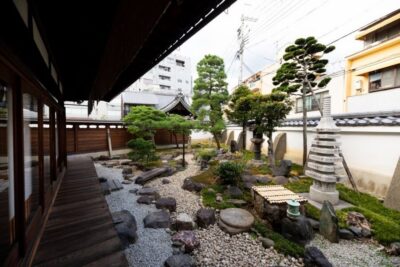
World Heritage Kyoto & Nara Uji Authentic Matcha Experience
Read our review →