
Review · MATCHA & TEA CEREMONY SESSIONS
Kyoto: Kimono and Tea Ceremony Experience at Cultural Asset
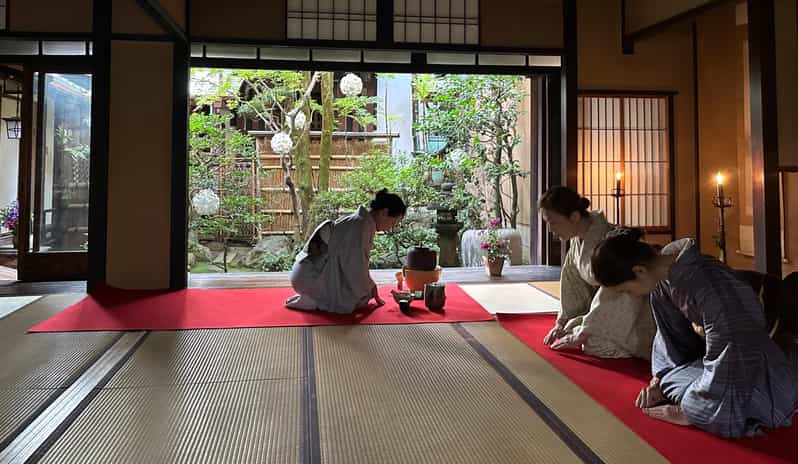
Kyoto comes to life in a 140-year-old townhouse. At Tondaya, you step inside a nationally registered Kyoto machiya, then put on high-quality silk kimono before sitting down for a traditional tea ceremony. It is one of those experiences where the setting does half the work for you, especially if you like old wood, quiet gardens, and the look of real Kyoto street scenes.
I love how smoothly the kimono part runs, including help to choose and fit your silk kimono. I also like that the tea ceremony is presented by a seasoned tea master in the same historic townhouse, so it feels like Kyoto culture, not a performance staged in a shopping mall.
One thing to think about first, this experience can feel busy. It is run with other participants unless you choose the more private option, and a crowded room can make it harder to fully enjoy the calm pace of the ceremony.
In This Review
- Key highlights to know before you go
- Tondaya Machiya: Kyoto’s townhouse setting you can actually feel
- Dressing in real silk kimono: quick help, real rules, and real fit
- The tea ceremony in a traditional machiya: calm etiquette and matcha moments
- House tour and gardens: where the best photos actually come from
- Group reality: waiting, noise, and how to get the calm experience you paid for
- Price and value: is $222 per person worth it in Kyoto?
- Getting to Tondaya: location tips for your Kyoto day
- Who this Kyoto kimono and tea ceremony suits best
- Should you book Tondaya Kimono and Tea Ceremony?
- FAQ
- How long is the Kyoto kimono and tea ceremony experience?
- Where do I meet for the experience?
- What is included in the price?
- What do I need to bring?
- Are bare feet allowed?
- Do I get hair styling or makeup?
- Is the experience private or in a group?
- What languages do instructors speak?
- What should I wear to make the kimono fit well?
- Can I take photos during the dressing or ceremony?
Key highlights to know before you go
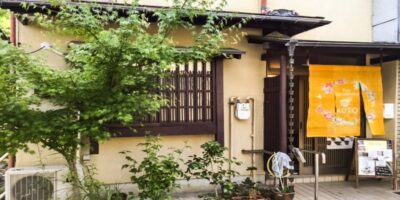
- 140-year-old nationally registered machiya (Tondaya) in Kyoto, with woodwork and garden backdrops
- High-quality silk kimono dressing with staff assistance, usually quick and well organized
- Traditional tea ceremony in a historic setting, led by a tea master
- Lots of photo time during the townhouse tour, with some restrictions during dressing
- Group setting reality, with occasional waiting and noise if others do not read the room
Tondaya Machiya: Kyoto’s townhouse setting you can actually feel
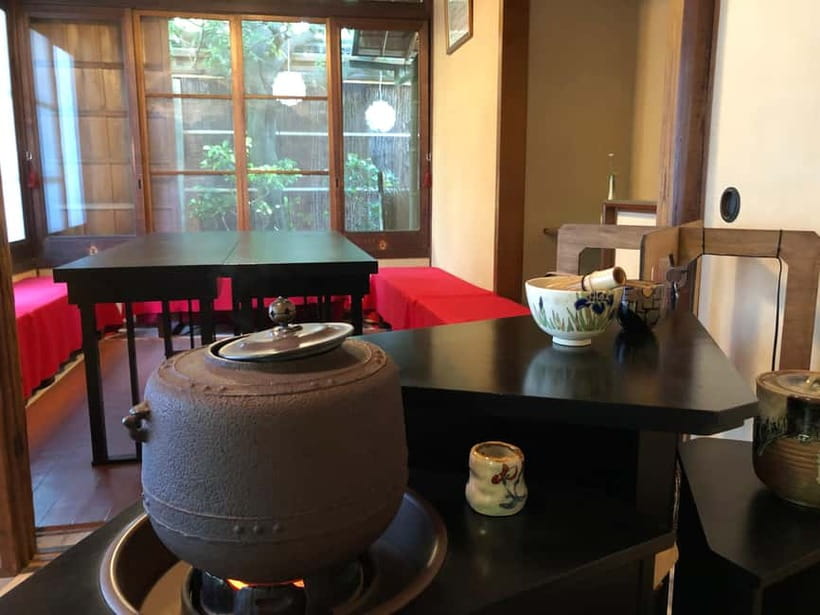
This is not just a tea ceremony venue, it is the tea ceremony venue plus a window into older Kyoto daily life. Tondaya is a machiya townhouse that is about 140 years old and recognized as a culturally significant property. When you arrive, you are not greeted by a generic studio. You are inside a traditional wooden house, with details like old craftsmanship and a calm interior layout.
What I like about this setting is how it changes your sense of time. Even if your itinerary is packed, this place encourages slower behavior. You can look closely at the structure, the way rooms connect, and the small garden views that pop up as you move around.
You also get a more grounded kind of cultural context. The staff guide you through the property and share stories tied to the house and its artifacts. That matters because Kyoto tourism can sometimes turn into a checklist. Here, you are in the place where tradition happens, not just looking at it from the outside.
More Kimono Rentals in Kyoto
- Kimono Tea Ceremony at Kyoto Maikoya, NISHIKI
★ 5.0 · 911 reviews - Kyoto: Kimono Rental with Hairstyling and Accessories
★ 4.8 · 653 reviews - KYOTO Tea Ceremony with kimono near by Imamiya Jinjya Shrine
★ 5.0 · 343 reviews
Dressing in real silk kimono: quick help, real rules, and real fit
Your experience starts in a kimono dressing room. Staff help you choose and fit an authentic silk kimono, and the process is described as fast, around 5 minutes for dressing assistance. That is ideal if you worry about feeling awkward in a long, complicated setup.
Here is what you need to plan for so the experience feels smooth:
- Wear socks. Bare feet are not allowed.
- Avoid tight clothing around the neck, since it can interfere with how the kimono sits.
- The experience requires you to avoid wet shirts when you are getting dressed. If your T-shirt is damp, you may not be able to get help dressing you, so bring a spare.
- No hair styling or makeup is included, so plan to style your hair yourself before or after.
One practical tip: do not assume all kimono options will look identical on every body type. In feedback, a taller pair noted that they were given larger kimono in more solid colors, while shorter participants received kimono with more varied prints. That does not mean your kimono will be plain, but it does tell you that fit and choice can vary.
Also plan ahead for photos. While the house itself is photo-friendly, there are moments when pictures are restricted. One visitor noted photos were not allowed during the dressing process and while taking the kimono on and off. So, keep your camera ready, but follow your host’s cues.
If you want the best-looking photos, the key is timing and posture. Kimono can make you stand a little differently, and that changes how pictures look. Listen to directions, move slowly, and let your guide manage the flow.
The tea ceremony in a traditional machiya: calm etiquette and matcha moments
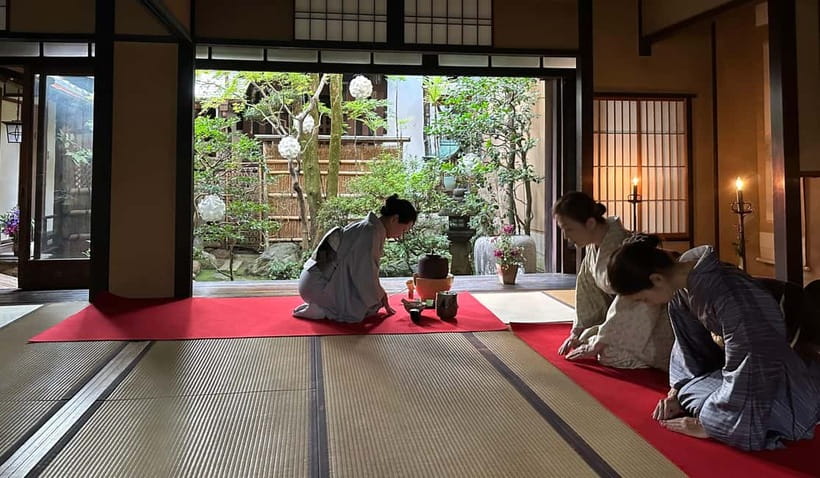
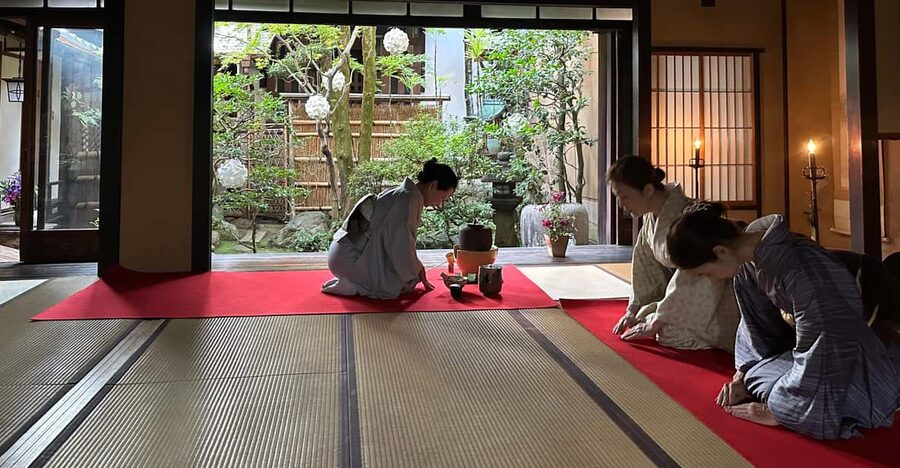
Once you are dressed, the experience shifts to tea ceremony time. You get an authentic tea ceremony in the traditional machiya setting, led by a tea master. Even if you have seen tea ceremonies before, doing it in a real old townhouse changes the feel.
Tea ceremonies are built on quiet focus. The ceremony uses deliberate movement, measured pauses, and etiquette that tells you what matters: respect, attention, and proper way to handle the utensils. If your group treats it like a photo booth, the whole tone changes.
So when you arrive seated, treat it like a small performance you are participating in, not spectating. Keep your phone away or on silent. One of the clearest signals from the experience is that staff explain the ceremony as mindful and peaceful, and the experience can get distracting when other people talk loudly or film nonstop.
You may also notice seating details. One visitor described being seated on the floor, with only a few small chairs available. If you need a chair, it is worth communicating with the staff when you arrive, but there is no promise given. Plan for low seating as part of the experience.
If you want to learn, you are in luck. Multiple guests praised the clarity of explanations during the tea ceremony. Even when your instructor’s English is not their strongest language, a translation device may be used when necessary. Expect a lesson in what you are seeing and why each step is done.
Practical suggestion: do not rush your understanding. The ceremony is not long, but it is structured. If someone next to you is staring at their screen, ignore that. Your best moment might be when you finally set your phone down and watch the host’s timing.
House tour and gardens: where the best photos actually come from
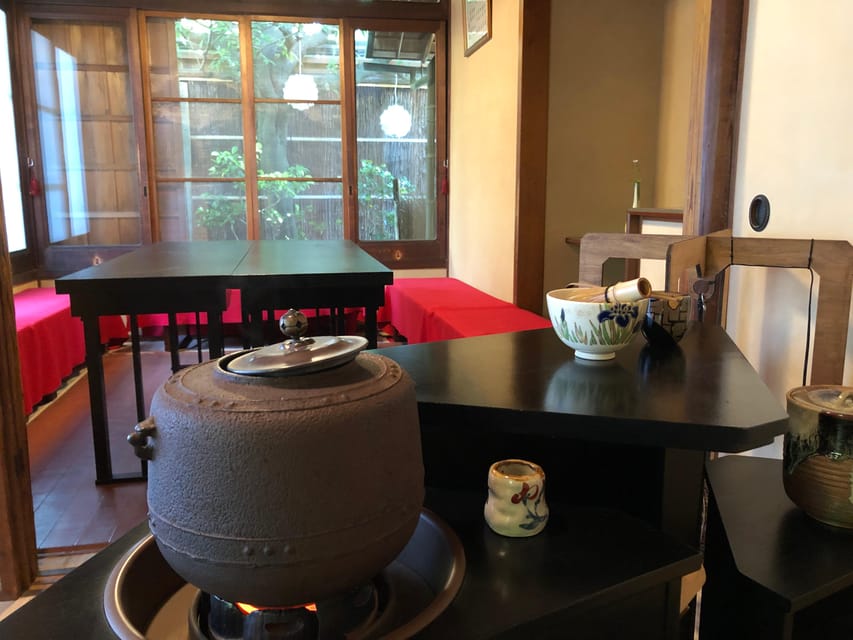
After the ceremony, you move through the property. This is where the experience earns its keep, because you can see how the townhouse connects rooms and gardens, and you get multiple chances to take your own photos.
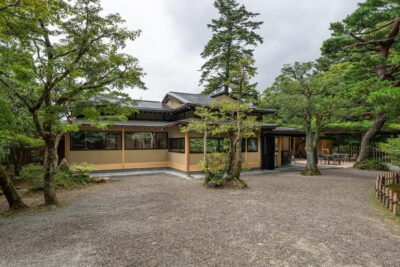
Several visitors specifically called out the house and inside gardens as excellent photo backdrops. The interior setting photographs well because it looks like the kind of place locals might have lived, not a stage set. You get old-wood textures, small garden views, and the visual contrast of modern visitors in traditional clothing.
Timing matters. Many people appreciated having enough time for photos, not just a quick stop. One person said they were allowed plenty of time to take pictures, and another noted they had a chance to stay later for extra photography in their own pace.
That said, you should know the ceremony and dressing parts may limit when you can take photos. A visitor mentioned photos were not allowed during dressing and when they were taking the kimono off. So think of your photo strategy like this:
- Use the photo-friendly window during the townhouse tour
- Follow rules during dressing and transitions
- Take a few quick shots early, then switch to slower, calmer portraits once the group settles
Pro tip for photos in kimono: step back for full-length shots, then come closer for details. Kimono looks great up close, especially at the collar area, sleeves, and how fabric falls. But if you only shoot wide portraits, you will miss the small design work that makes silk kimono look special.
More Tea Ceremonies in Kyoto
- Kyoto: Tea Ceremony in a Traditional Tea House in Kiyomizu
★ 4.9 · 3,519 reviews - Kyoto: Tea Ceremony Ju-An at Jotokuji Temple
★ 4.9 · 3,207 reviews - Kyoto: 45-Minute Tea Ceremony Lesson Experience
★ 4.3 · 2,378 reviews - Kyoto: Table-Style Tea Ceremony at a Kyo-Machiya
★ 4.9 · 1,211 reviews
Group reality: waiting, noise, and how to get the calm experience you paid for
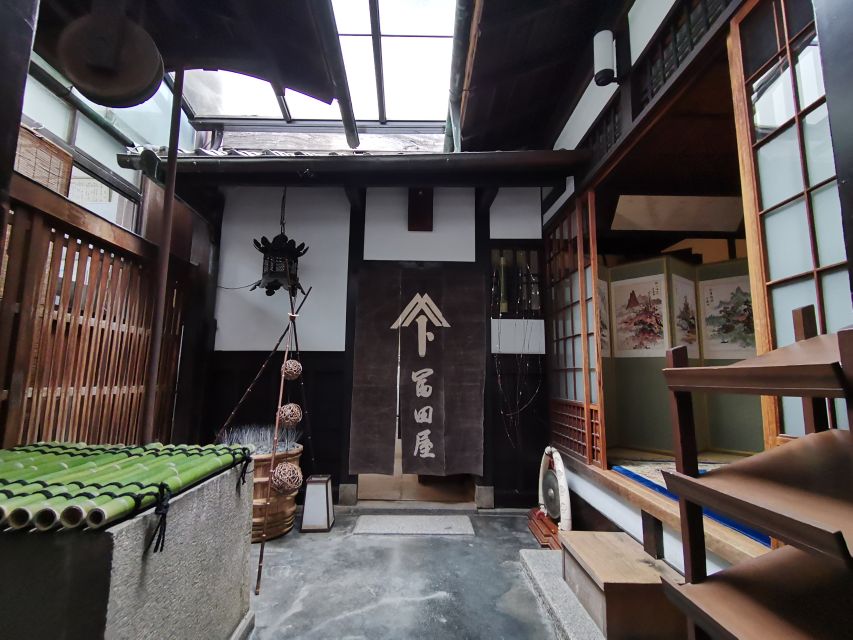
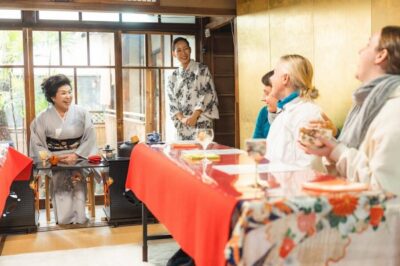
This is a group experience unless you choose the private option. Even with a private option available, your session might still involve a few other participants depending on how the day is scheduled. Some visitors described crowding and waiting.
Here is the honest truth: a calm tea ceremony depends on the room staying calm. One guest described their experience as zen and trance-like, while another described distractions from late arrivals, shouting for a chair, whispering, filming close up, and ignoring etiquette. That difference comes down to group behavior.
You can control your side of it. Here is how:
- Arrive on time so the room does not run behind.
- Keep your voice down during instructions.
- Put your phone away during the ceremony.
- If you need a chair, ask early instead of calling out during quiet parts.
If you are traveling with a friend and want the most relaxed flow, consider choosing the private session option. If you are flexible, okay with a bit of waiting, and mostly want the kimono and photo time plus tea as a cultural lesson, the standard group option can work very well.
Price and value: is $222 per person worth it in Kyoto?
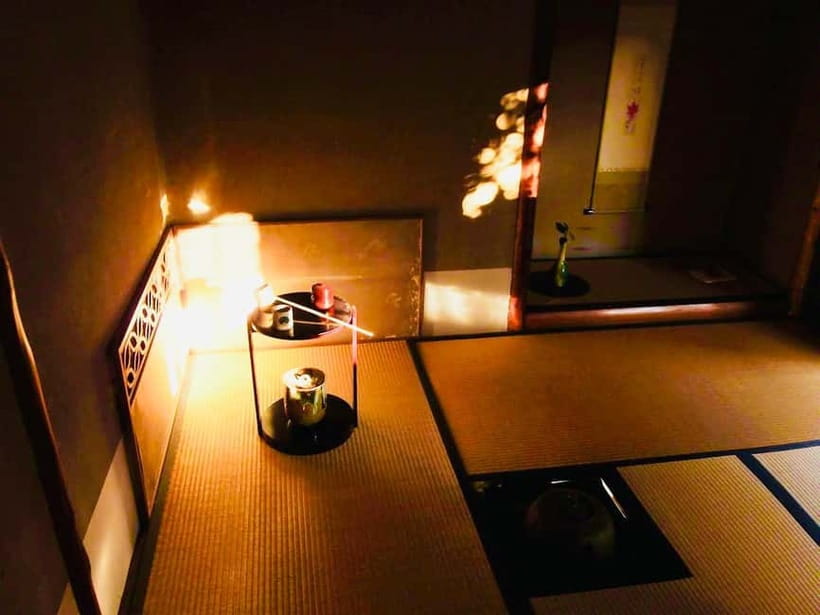
At $222 per person, this is not a budget activity. But you are paying for three things at once:
- Entry to a specific historic property, not a generic venue
- Kimono dressing with quality silk garments and staff help
- A full tea ceremony led by a tea master inside that historic townhouse
What makes the value feel more justified is that you are not just watching. You are dressed, guided through the house, and taught as you go. Multiple guests called the tea ceremony educational and interesting, and many emphasized how beautiful the property and kimonos looked for photos.
The two main value risks are:
- If you hate crowds or noise, the group format can reduce the experience quality.
- If you only want tea ceremony, you might feel the kimono portion is the expensive part.
Also, check what is not included. Socks are on you, and hair styling and makeup are not included. If you want a full beauty finish, factor in extra time or services.
My take: this is worth it if kimono dressing and photos in an authentic machiya are a top priority. If your priority is learning about tea in depth, you may want to pay attention to how your guide communicates, since some hosts may rely on translation tools.
Getting to Tondaya: location tips for your Kyoto day
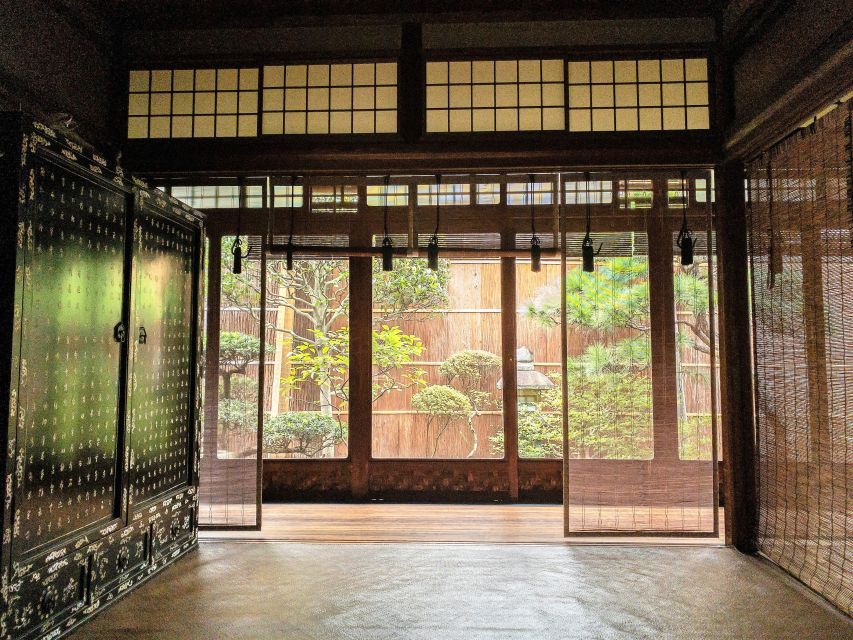
The meeting point is:
Tondaya – Nishijin Japanese Cultural Experience Museum, 697 Ishiyakushichō, Kamigyo Ward, Kyoto, Japan.
It is in a Kyoto neighborhood that some visitors described as off the main tourist path. One person reported trouble getting a taxi even with an Uber app. That tells you something important: plan for transportation with buffer time.
If you are staying in central Kyoto, give yourself extra minutes to reach the address. If you are coordinating with other parts of your day, keep some slack. Arriving late can affect the dressing and ceremony flow.
Once you are there, the location makes sense. You are visiting a real townhouse property, not a downtown museum stop. That is part of the charm, but it is also why smart timing matters.
Who this Kyoto kimono and tea ceremony suits best
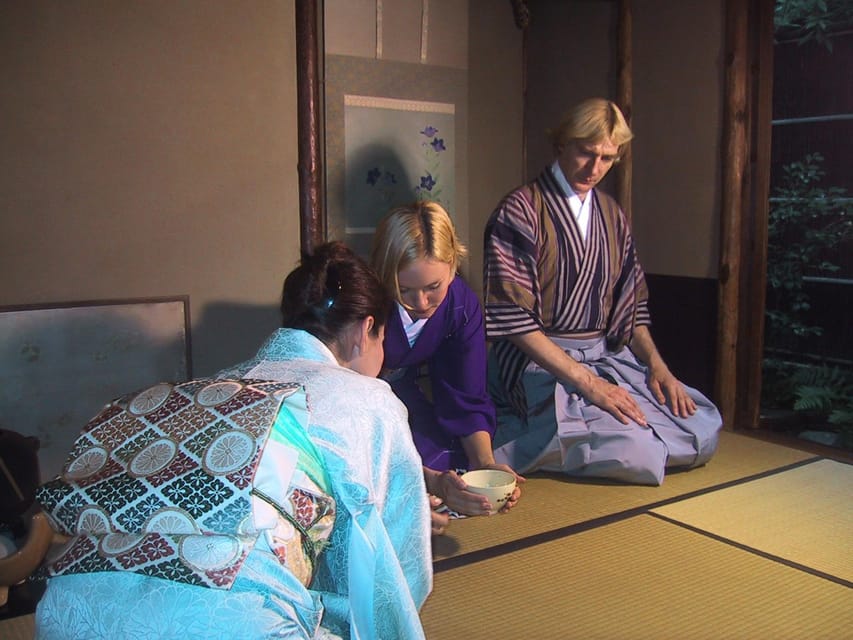
This experience is a strong match if you:
- Want a real Kyoto machiya setting, not a modern replica
- Love photo opportunities that still feel authentic
- Enjoy being guided through cultural practice, especially tea etiquette and meaning
- Want a special, hands-on activity for a couple date or memorable solo afternoon
It is also a good choice if you like learning through observation. The ceremony instructions, plus the house tour context, help you connect tea culture to the space around you.
But consider skipping or upgrading to a private option if:
- You get stressed by crowding
- You strongly dislike waiting
- You need a lot of space or easier physical comfort during seating
Should you book Tondaya Kimono and Tea Ceremony?
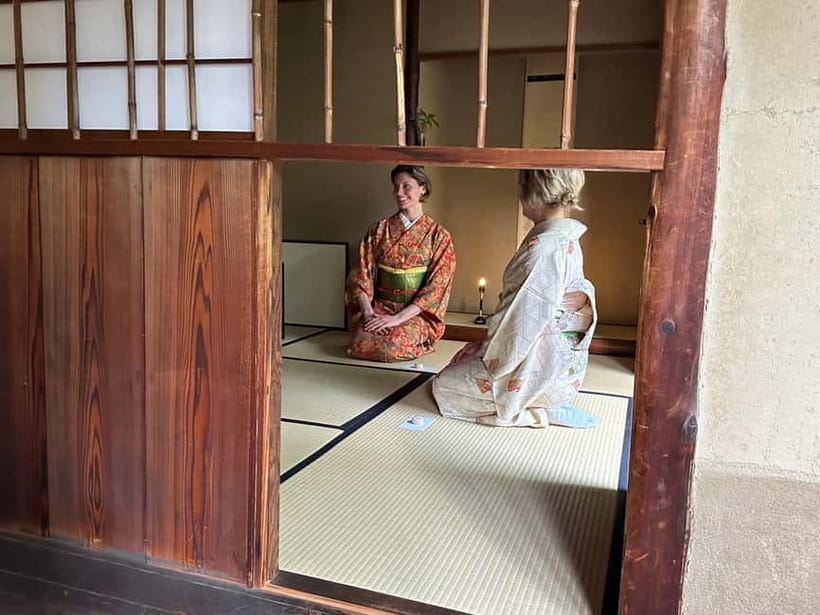
I would book this if your Kyoto trip includes at least one activity that is about looking at culture from the inside. The pairing of silk kimono and a tea ceremony inside a 140-year-old machiya is exactly the kind of experience that you remember later, not just because it looks good, but because it changes how you behave in the moment.
I would hesitate if you are sensitive to group noise or you want a super in-depth, slow-paced lesson with zero distractions. In that case, choose the private option and build a calmer day around it.
If you do book, do two things and you will feel rewarded:
- Bring your socks and wear clothing that works well with kimono at the neck.
- Treat the ceremony like it is sacred quiet time, keep your phone down, and watch closely.
That is the formula for getting the best version of this Kyoto classic, old house, silk, matcha, and all.
FAQ
How long is the Kyoto kimono and tea ceremony experience?
The duration is listed as 90 minutes to 4 hours, depending on the session and schedule. Check availability for the exact start times.
Where do I meet for the experience?
Meet at Tondaya – Nishijin Japanese Cultural Experience Museum, 697 Ishiyakushichō, Kamigyo Ward, Kyoto, Japan.
What is included in the price?
The included items are the entrance fee, the tea ceremony, and kimono dressing.
What do I need to bring?
You should bring socks. Socks are required, and you should not wear bare feet.
Are bare feet allowed?
No. The experience notes that bare feet are not allowed, and you are asked to wear socks.
Do I get hair styling or makeup?
No. Hair styling and makeup are not included.
Is the experience private or in a group?
It is conducted with other participants unless you choose the private experience option. The activity also notes interpreter support may be arranged if needed.
What languages do instructors speak?
The instructor is listed as English and Japanese.
What should I wear to make the kimono fit well?
Wear clothes that are not too tight around the neck to show the best kimono style. Also, avoid getting a T-shirt wet before dressing, since staff may not be able to assist if your shirt is wet.
Can I take photos during the dressing or ceremony?
You can take photos during the experience, but some parts of the process may restrict photos. One note from participants says photos were not allowed while dressing or while taking the kimono off, so follow the staff’s directions during those moments.
Newly listed around Kyoto
- Taste of Nishiki Market Walking Food Tour with Local guide★ 5.0 · 17 reviews
- Kyoto: Sushi Making Class with Sushi Chef★ 4.8 · 64 reviews
- Simple Plan with Maiko★ 4.4 · 10 reviews
- Shibori Furoshiki Course at Kyoto Shibori Museum★ 5.0 · 21 reviews
- Kyoto: City Secrets eBike Tour★ 4.9 · 196 reviews
- Sacred Pathways: Discover the Philosopher’s Path of Kyoto★ 4.9 · 20 reviews
- Private Tour to Monkey Park and Arashiyama Highlights★ 5.0 · 22 reviews
- Private Nara Tour from Osaka – Meet at Your Hotel★ 5.0 · 22 reviews
Matcha & Tea Ceremony Sessions, compared.
Tea Ceremony in a Traditional Tea House in Kiyomizu
Read our review →

World Heritage Kyoto & Nara Uji Authentic Matcha Experience
Read our review →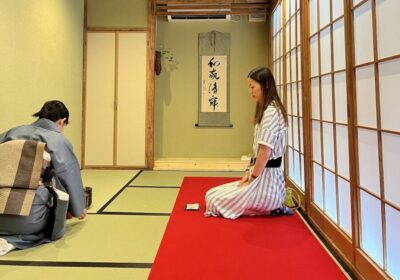
Browse the lists this tour appears in