
Review · HISTORICAL TOURS
Modern Japanese History Tour in Tokyo
Modern war memory in Tokyo hits fast. This 3-hour guided route uses Yasukuni Shrine, the Yūshūkan War Museum, and the Showa-kan museum area to explain how Japan remembers its dead and how WWII shaped civilians and soldiers.
Two things I really like: you get an English-speaking history expert guide who connects the exhibits to everyday wartime life, and you also get ticketed entry to the key museums so you are not hunting around for paperwork. One consideration: this is a sensitive subject, so you should be ready for a serious, respectful tone and careful discussion of kamikaze attacks and wartime losses.
In This Review
- Key points to know before you go
- Kudanshita start, 3-hour pace, and what you’re really signing up for
- Yasukuni Shrine: ceremony grounds and why this stop is more than scenery
- Yūshūkan War Museum: artifacts, documents, and the kamikaze explanation
- Showa-kan Museum: seeing WWII through civilians, not only uniforms
- The guide difference: Shun, Hiro, Izumi, and Yasuhiro Suzuki at work
- Value, price, and what’s included in your ticketed morning
- Who this tour fits best, and when to reconsider
- A practical morning plan: how to make the experience smoother
- Should you book Modern Japanese History in Tokyo?
- FAQ
- Where does the tour start?
- What time does the tour run?
- How long is the tour?
- Is this a private tour?
- What stops are included?
- What is included in the price?
- Is food or drinks included?
- How sensitive is the topic?
- What is the cancellation policy?
Key points to know before you go
- English guide support helps when exhibits are in Japanese, and you get context as you walk
- Ticketed museum time is built in, including Yūshūkan and Showa-kan (no extra admissions to chase)
- A compact route around the Yasukuni area keeps the morning efficient
- Kamikaze gets real explanation, including how families were told about soldiers’ likely fates
- Civilians are part of the story, including starvation and postwar life after 1945
- Photo opportunities are part of the plan, without turning the visit into a sightseeing sprint
Kudanshita start, 3-hour pace, and what you’re really signing up for
This tour is designed as a focused morning, starting at 9:00 am at Kudanshita Station. You end back at the same meeting point, which makes the logistics simple if you are already in central Tokyo.
The route is compact, and that matters. Instead of hopping across the city, you spend your time in one meaningful pocket of Tokyo, the Yasukuni area, where Japan’s war commemoration is physically present. The schedule runs about 3 hours, which is long enough for real museum time but short enough that you are not stuck “museum fatigue” style.
Also, read the emotional purpose. This is not a neutral lecture. It is about how Japanese people commemorate war dead, what civilians faced, and how soldiers understood their roles, including kamikaze. Go in with a respectful mindset and an open approach to perspectives that may feel different from what you already know.
More History Tours in Tokyo
- Tokyo: Imperial Palace Japanese History Walking Tour
★ 4.9 · 987 reviews - Yanaka Walking Tour: Historic and Traditional District of Tokyo
★ 5.0 · 530 reviews - Tokyo: Shinjuku Historical Walking Tour & Secret Backstreets
★ 5.0 · 530 reviews
Yasukuni Shrine: ceremony grounds and why this stop is more than scenery
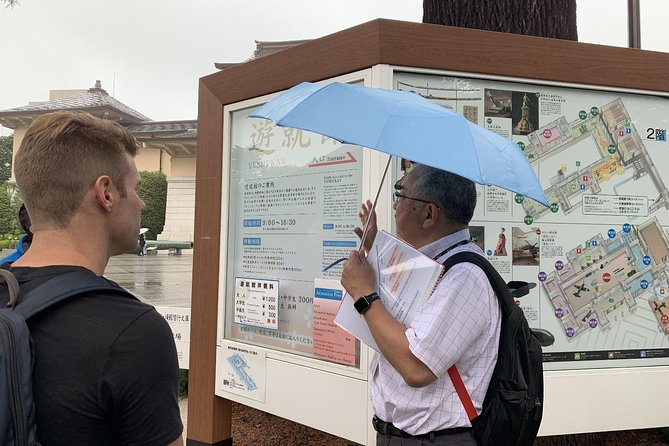
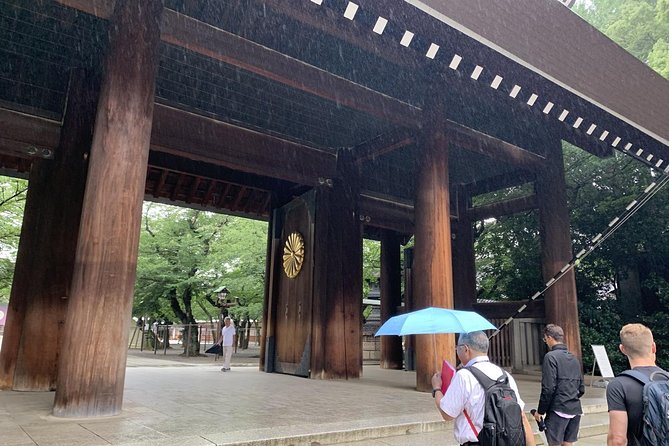
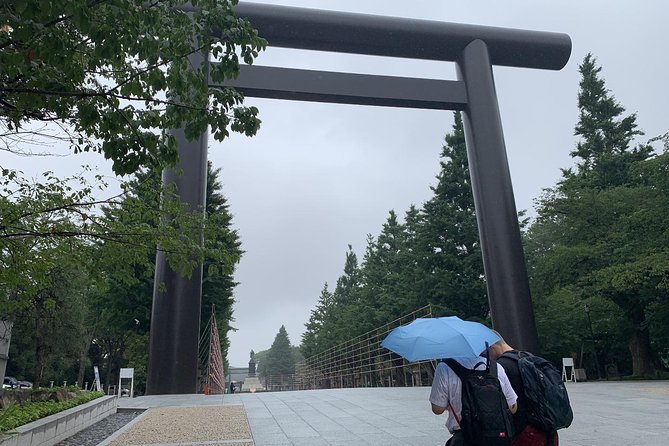
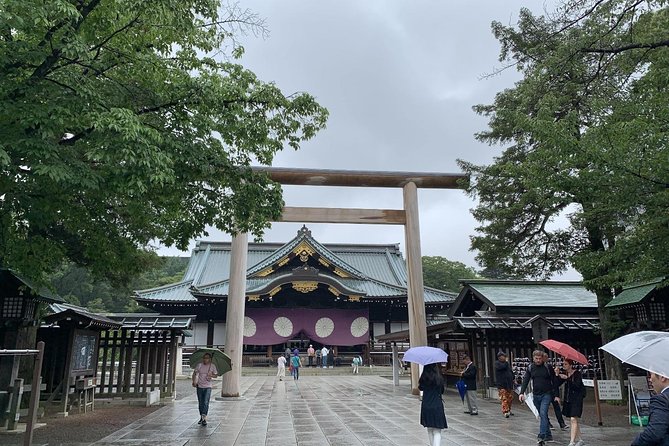
The first stop is Yasukuni Shrine, with about 30 minutes on site and admission included. The grounds mix traditional architecture with a calm, contemplative pace. Even if you are not a “shrine person,” this stop sets the tone for everything that follows.
Why is this first? Because it frames the visit around remembrance, not just military facts. This tour aims to show you how Japan honors those lost since the mid to late 1800s, and especially the scale of 20th-century sacrifice. If you are expecting battle maps and tactics only, you may find the shrine visit shifts you toward grief, memory, and national narratives.
Practical tip: plan for walking on shrine grounds. Comfortable shoes matter here, especially since your next parts are museum-heavy. If you want photos, do them thoughtfully. This is a place where quiet behavior fits the setting.
Yūshūkan War Museum: artifacts, documents, and the kamikaze explanation
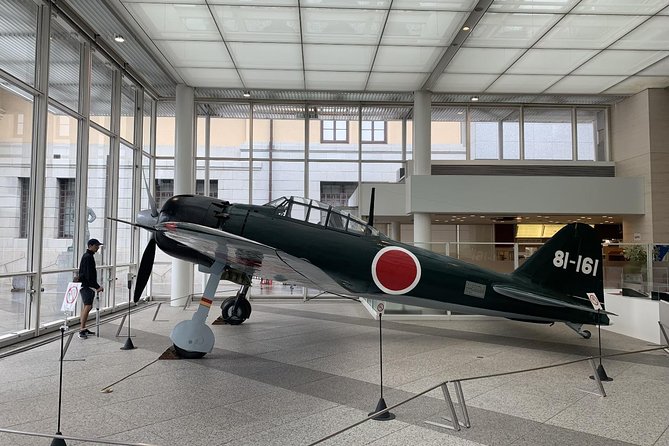
Next you head into Yūshūkan War Museum on the same grounds area, with about 1.5 hours and admission included. This is where the tour becomes very specific, and where an English-speaking guide can change everything.
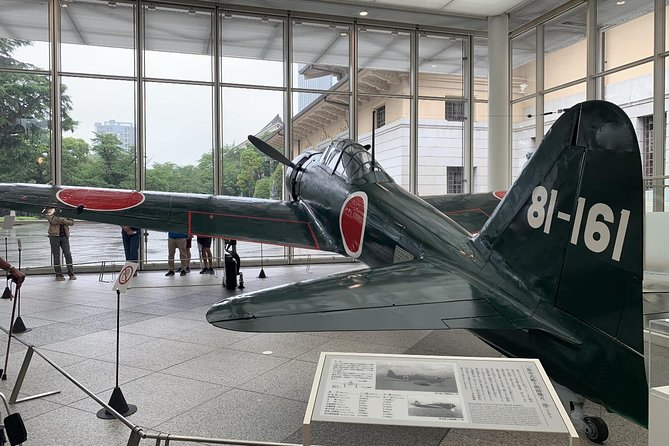
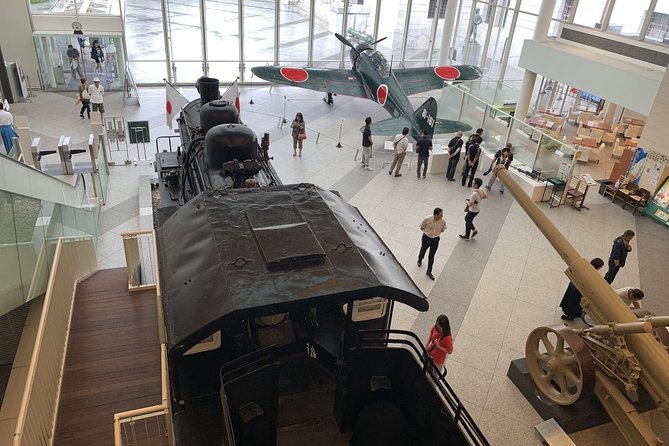
The museum presentation covers Japan’s military history through WWII and beyond, using exhibits like historical artifacts, documents, and military-related items. Many displays are in Japanese, and that is where the guide’s role becomes practical, not just “nice to have.” The guide helps translate and interpret what you are seeing, so you can follow the story as the exhibits move from one theme to another.
The tour is also designed to explain kamikaze (tokotai) in a way that goes beyond the headline label. You will hear why this tactic was used, how it was framed within the wartime mindset, and how soldiers communicated about their likely fate to their families. That family angle is important because it makes kamikaze feel human, not like a distant historical term.
One more consideration: this museum has a commemorative, interpretive approach. If you are sensitive to moral debates around WWII narratives, you may want to keep your own reactions private and let the guide handle the context. The goal here is understanding the logic and emotional weight of how these events are presented, not scoring internet-style arguments.
Showa-kan Museum: seeing WWII through civilians, not only uniforms
The final stop is the National Showa Memorial Museum, often called Showa-kan, with about 1 hour and admission included. This museum shifts the lens toward civilians during and after WWII, including the hardships that many people associate only vaguely with that era.
The tour’s focus here is clear: starvation, daily life pressures, and the human side of war that happened far away from battlefields. Instead of treating WWII as a straight line of campaigns and commanders, you get a more “what did people actually do and endure” framing.
This part often lands differently from Yūshūkan. Military history can be numbers-heavy. Showa-kan tends to feel more personal through the types of materials you encounter, like everyday items and photographs that represent wartime civilian life and the difficult path afterward.
If you have limited time in Tokyo and you care about a fuller story, this is a strong counterbalance. You finish with a sense that history is not only what governments decided, but what ordinary people had to live through.
A few more Tokyo days to weigh up
- Mt. Fuji Heritage Tour: Traditional Villages, Lakes & Shrine
★ 4.5 · 509 reviews - From Tokyo: Nikko World Heritage Site Private Full-Day Trip
★ 4.9 · 243 reviews - Tokyo: The Best of Izakaya in Shinjuku Food & Cultural Tour
★ 4.9 · 221 reviews - Asakusa: 1400-year history exploration
★ 5.0 · 155 reviews
The guide difference: Shun, Hiro, Izumi, and Yasuhiro Suzuki at work
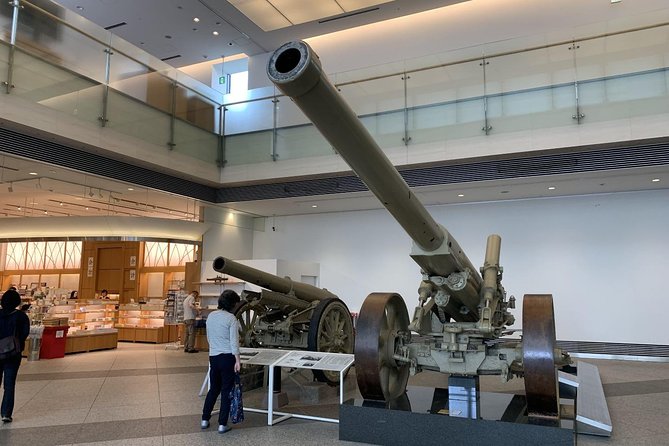
A major strength of this tour is the guide. The experience is built around having a private English-speaking guide who can keep the history clear without turning it into a dry lecture.
Different guides are named in the experience feedback, and the pattern is consistent: people praised the guide’s ability to be tactful while covering heavy material. For example, Shun is described as bringing a warm demeanor plus a lot of fascinating facts that made the morning feel smooth rather than stiff. Yasuhiro Suzuki earned strong marks for being knowledgeable in a way that stayed personable. Hiro received praise for covering both historic themes and everyday living context, with clear organization and solid command of the material. Izumi is specifically noted for being kind and patient, especially for answering many questions. Another guide, referred to as Izumi as well, is also connected to helping with Japanese-only exhibit sections.
What this means for you: you are not just buying museum entry. You are buying translation support, story structure, and the ability to ask follow-up questions that make the exhibits click. In short, the guide is the bridge between what the museum presents and what you can actually understand in real time.
Value, price, and what’s included in your ticketed morning
At $204.58 per person for about 3 hours, this is not a cheap casual add-on. It is priced like a specialist experience. The value comes from the combined package: private English-speaking guide, photo opportunities, and entrance fees to Yūshūkan and Showa-kan, plus admission included for Yasukuni Shrine.
If you were to try to self-tour those sites, you would still face two common friction points: language barriers inside the museums, and the time it takes to understand what you are looking at. Here, the guide handles both. That is where your money goes.
Also note the small practical perks built into the format: it uses a mobile ticket, and the small, focused route keeps you from losing time to transit changes. The price includes what matters most for this theme, which is access and interpretation, not just “standing in a line.”
Who this tour fits best, and when to reconsider
This tour fits you if you want a serious, structured look at modern Japanese history focused on WWII, war commemoration, and the civilian experience. It is also a good match if you prefer walking routes that keep everything close together, and you like having a guide help translate museum content.
You might reconsider if you know you get overwhelmed by emotionally heavy topics. This is explicitly a sensitive subject. The tour provider warns that the tone is educational and that open-minded behavior is expected, because the guide could feel threatened in some situations. The safe choice for many people is to go with a calm, respectful attitude and focus on understanding how Japan remembers and frames these events.
Best strategy before you book: decide what you want from the morning. If your goal is context and interpretation, this is strong. If your goal is entertainment or light sightseeing, this is the wrong genre.
A practical morning plan: how to make the experience smoother
You have a 9:00 am start, so plan your Tokyo day around a museum-heavy block. The tour includes museum entrances, but it does not include food and drinks. Bring a small plan for hydration and a snack if you think you will need it before your next stop.
Dress for walking and standing in museum spaces. Quiet behavior also matters here. You are entering a memorial environment, then shifting into museums that explain wartime choices and losses. Keeping your demeanor respectful will help you absorb what the guide is saying and what the exhibits are trying to communicate.
If you care about photos, you can take them at appropriate moments, but follow the guide’s cues. The goal is memory and understanding, not turning the site into a quick photo backdrop.
Should you book Modern Japanese History in Tokyo?
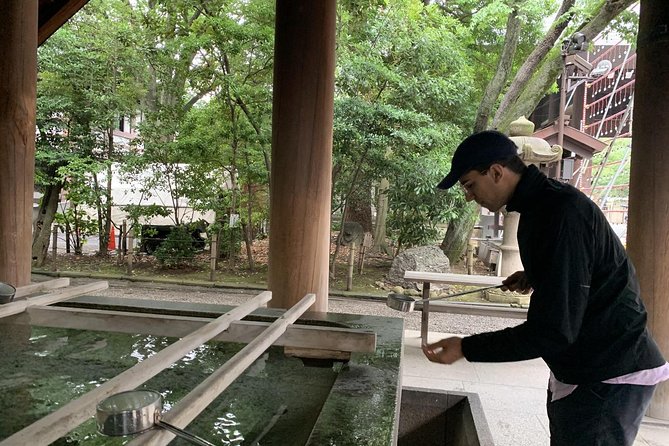
If you want one organized morning to understand Japan’s WWII commemoration and the way civilians and soldiers are portrayed, this is a smart use of time. The fact that the tour includes ticketed entry to Yūshūkan and Showa-kan, plus Yasukuni Shrine, and wraps it in an English-speaking guide format, is exactly what makes the experience practical.
I’d tell you to book if you:
- want a guided explanation of kamikaze and wartime civilian hardship
- prefer a compact route over hopping across Tokyo
- want help interpreting Japanese-only exhibit areas
I would hold off if you:
- cannot handle emotionally heavy historical content
- are seeking a casual, upbeat sightseeing morning
If you do book, go in with patience and respect. This tour works best when you treat it like education, not debate.
FAQ
Where does the tour start?
The tour starts at Kudanshita Station (1-chōme-13-19 Kudankita, Chiyoda City, Tokyo 102-0073, Japan). Your activity ends back at the meeting point.
What time does the tour run?
The start time is 9:00 am.
How long is the tour?
The duration is approximately 3 hours.
Is this a private tour?
Yes. It is described as private, meaning only your group participates.
What stops are included?
The tour includes Yasukuni Shrine, Yūshūkan Museum (on the shrine grounds), and the National Showa Memorial Museum (Showa-kan).
What is included in the price?
Included items are a private English-speaking guide, photo opportunities, and entrance fees to all scheduled sites (Yūshūkan War Museum and Showa Memorial Museum).
Is food or drinks included?
No. Food and drinks are not included.
How sensitive is the topic?
The topic may be sensitive for some people. The tour aims to educate and inform, and everyone is asked to keep an open mind and avoid putting guides in difficult situations.
What is the cancellation policy?
This experience is non-refundable and cannot be changed for any reason. If you cancel or request an amendment, the amount paid will not be refunded.
Newly listed around Tokyo
- From Tokyo: Mount Fuji Sightseeing One Day Trip★ 4.5 · 42 reviews
- Customizable Private Tour in Mt Fuji from Tokyo by Car or Van★ 5.0 · 107 reviews
- Mount Fuji Full Day Private Tour with English Speaking Driver★ 5.0 · 23 reviews
- Mount Fuji Full Day Tour form Tokyo Lake Kawaguchi & Yamanaka★ 5.0 · 9 reviews
- Full Guided Mt. Fuji & Shiba-Sakura Festival One Day Pvt.Tour★ 5.0 · 6 reviews
- Tokyo: Mount Fuji Must-see Attractions One Day Sightseeing Tour★ 4.5 · 13 reviews
- Mount Fuji Day Tour:Lake Kawaguchi, HealingVillage,Oshino Hakkai★ 4.5 · 8 reviews
- Mt.Fuji day trip with English Speaking Chauffer★ 5.0 · 39 reviews
Historical Tours, compared.
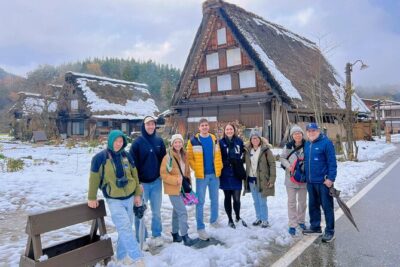
World Heritage Shirakawa-go and Experience Tours from Kanazawa
Read our review →
World Heritage Kyoto & Nara Uji Authentic Matcha Experience
Read our review →
World Heritage Shirakawa-go Morning Guided Tour
Read our review →
Hiroshima Historical Walking Tour – Why A-Bomb was Dropped
Read our review →
Hiroshima Peace (Heiwa) Walking Tour at World Heritage Sites
Read our review →
Yanaka Walking Tour: Historic and Traditional District of Tokyo
Read our review →
Shinjuku Historical Walking Tour & Secret Backstreets
Read our review →Browse the lists this tour appears in