
Review · RAMEN TASTING TRIPS
Okonomiyaki or Ramen&Gyoza Class with Local Shop Tour
Osaka smells like dinner. In this small-group class, you do the eating and the cooking, with a local market-style shop stop built in, plus plenty of chat time. I love how hands-on and practical the instruction feels, so you’re not just watching.
Second, I love the cultural exchange angle, especially when the host explains how regional products fit into daily Japanese food life. With translation support and an English instructor, it stays easy to follow and fun to ask questions.
One thing to consider: it’s a short 2.5-hour session, so if you want a long day of sightseeing, you may feel a little rushed getting in and out of the kitchen routine.
In This Review
- Key points you should know before you go
- Osaka Tenmangu Shrine meetup, and why the start sets the tone
- Local shop tour: how you learn the ingredients behind the cooking
- The kitchen part you actually remember: Okonomiyaki and Yakisoba or Takoyaki
- Making Japanese home meals feel doable at home
- Cultural exchange that’s more than small talk
- Value for $83: small group, local shopping, and real cooking time
- How to get the most out of the class (without overthinking it)
- Should you book Osaka Cooking Base for Okonomiyaki or Takoyaki?
- FAQ
- How long is the cooking class session?
- What dishes will I learn to make?
- Where do we meet?
- Is the class taught in English?
- How big is the group?
- What’s included in the price?
- How far in advance should I reserve?
Key points you should know before you go
- Meet at Osaka Tenmangu Shrine (front gate), not the back gate, so you can start calmly and on time.
- Small group limited to 8, which makes it easier to ask questions while cooking.
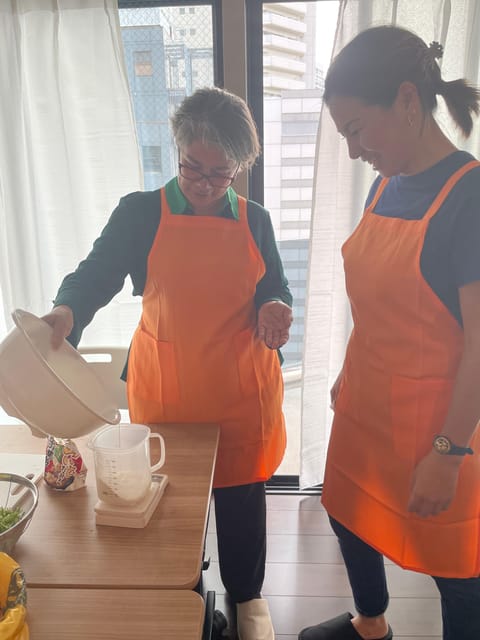
- Local shop stroll plus cooking, with translation help as you compare ingredients and what they mean.
- Choose your main dish set, either Okonomiyaki with Yakisoba or Takoyaki, with step-by-step guidance.
- Hosts share Osaka food context, including where to eat around Osaka, Kyoto, and Nara.
Osaka Tenmangu Shrine meetup, and why the start sets the tone
The meeting point matters here. You’ll gather in front of the large main gate of Osaka Tenmangu Shrine, and you’ll want to avoid the smaller back gate. That small detail is worth paying attention to, because it keeps the group together and prevents the whole day from turning into a hunt.
This is a smart way to begin. Shrine-area streets give you a real sense of the neighborhood rhythm before you even think about food. And starting with a clear public landmark also helps if you’re arriving from different hotels around Osaka.
More Ramen Trips in Osaka
- Osaka: Five Must-See Highlights Walking Tour & Ramen Lunch
★ 4.7 · 411 reviews - Osaka: Ramen and Gyoza Cooking Class in Dotonbori
★ 5.0 · 378 reviews - Ramen and Gyoza Cooking Class in Osaka
★ 5.0 · 202 reviews
Local shop tour: how you learn the ingredients behind the cooking
After you meet, the class moves into a local shop route with a few shops, not a giant production. You’re meant to see ingredients up close, and you’ll get help understanding what you’re looking at through translation assistance. That’s a big deal because Japanese cooking gets confusing fast once you’re staring at labels and unfamiliar product names.
In particular, the best part of this shop time is the focus on why something is used, not just what it costs or what it’s called. Hosts like Yumi and Yuki are described as sharing stories about specific Osaka-region products, plus showing shops where those items can be tried. Rie and Tomo also come up in reviews as hosts who combined shopping with practical cooking guidance and plenty of time to talk.
If you’re the type who likes to shop as you travel, this portion gives you a way to translate local food culture into something you can actually use later. If you’re not into shopping at all, you might still find it useful, because it explains what to look for when you try to recreate the dishes at home.
The kitchen part you actually remember: Okonomiyaki and Yakisoba or Takoyaki
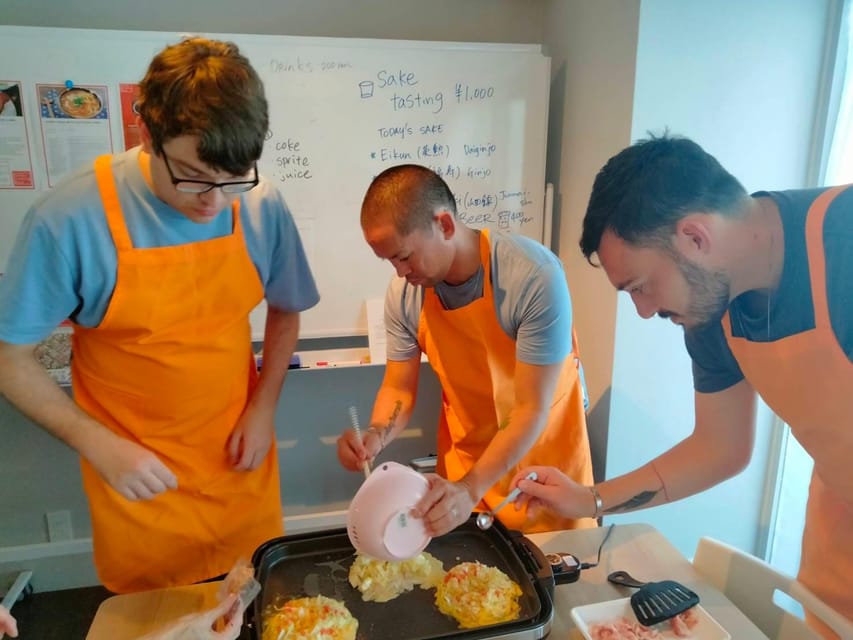
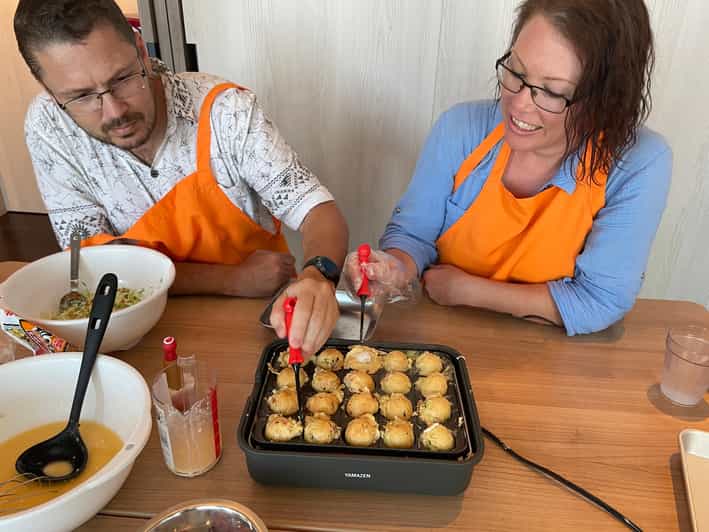
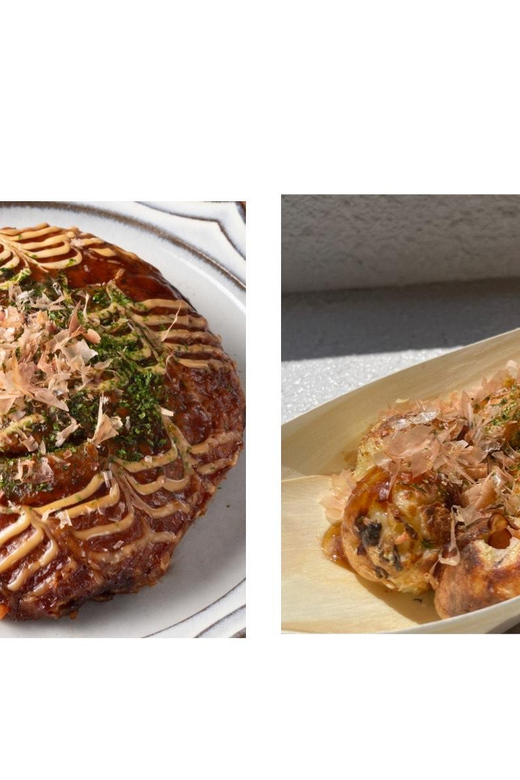
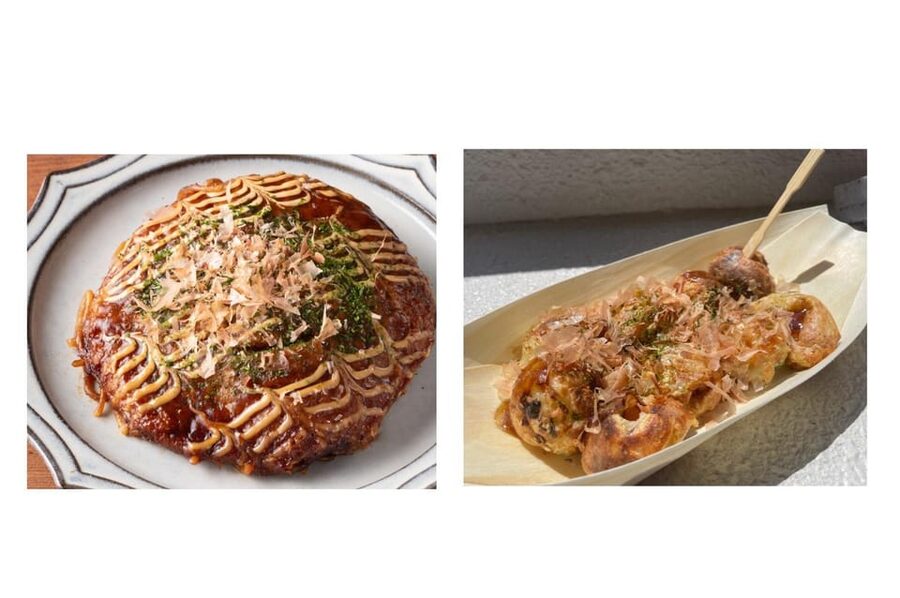
Then you get to the real payoff: cooking in a kitchen with step-by-step teaching. The class gives you two main paths, depending on what option you book. You’ll either learn Okonomiyaki & Yakisoba or learn how to make Takoyaki.
The way this is structured is the difference between a fun meal and a skill you can repeat. You’re guided through each stage carefully, with the goal that you understand techniques and traditions, not just the final result. That matters because Okonomiyaki and Takoyaki-style cooking is all about timing, texture, and how you handle the process.
You’ll also have conversation space during cooking, not just silence while you work. This helps, because questions come up naturally. Want to know how to adjust flavor later at home? Curious why a certain step is done a specific way? The instructor and host are there to answer, and the class format keeps it from feeling like a lecture.
One practical upside of the small group size, limited to 8 participants, is pacing. You’re less likely to be stuck waiting for an answer while the group behind you catches up. That’s where the class earns its high rating.
Making Japanese home meals feel doable at home
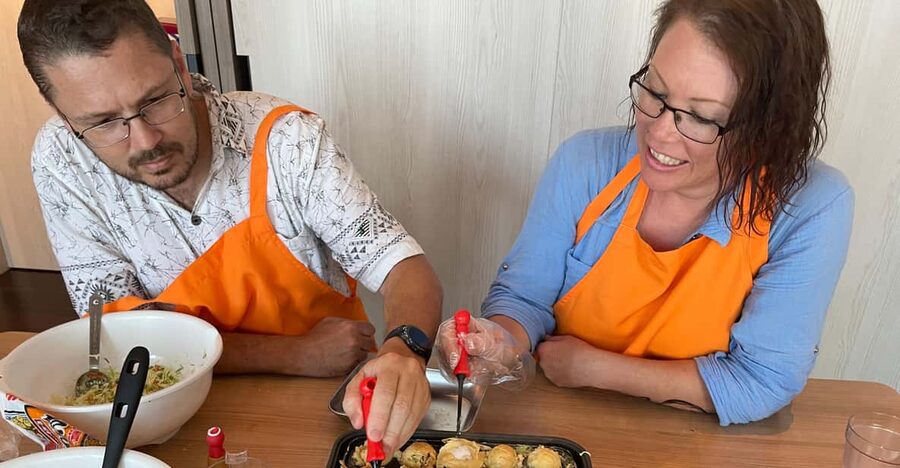
This experience is designed around a clear promise: you should be able to recreate what you make later. The primary goal is not just eating a great dish in Osaka, it’s building confidence.
Here’s what that looks like in real terms. You practice the process with guidance, you learn what’s happening at each stage, and you leave with a routine you can repeat. Even if you’re a beginner in the kitchen, step-by-step instruction turns Japanese street-food favorites into something less intimidating.
This approach works especially well for people who travel a lot and want meals that match the country they’re in. Instead of buying souvenirs you never use, you’ll go home with a method. And because the shop tour covers ingredients and cultural meaning, you’re more likely to source the right items when you try again.
If you’re worried about language, you’re covered. English instruction plus translation assistance means you’re not guessing through the weird parts. In reviews, hosts are singled out for answering questions about Japan, culture, and the cooking process, which is exactly what you want if you’re trying to learn, not just collect photos.
A different sort of day in Japan:
- Osaka Go Karting Tour with Funny Costume
★ 5.0 · 2,658 reviews - Osaka Castle: Museum and Tower Entry Ticket
★ 4.5 · 2,380 reviews - Osaka: Shinsekai Food Tour with 13-15 Dishes at 5 Eateries
★ 4.8 · 2,204 reviews - Osaka Food Tour: 13 Dishes at 5 Local Eateries
★ 5.0 · 2,149 reviews
Cultural exchange that’s more than small talk
It’s not only about food technique. The tour is built as a cultural exchange, and it shows in how the host leads conversation. People describe hosts as welcoming and communicative, with a strong focus on questions and explanations, not just instructions.
This is where local hospitality comes through. You’re encouraged to ask about Japan, culture, or whatever curiosity has popped up during the day. Hosts like Yuki and Yumi are also noted for giving recommendations beyond the class, including where to eat around Osaka, Kyoto, and Nara. That kind of advice is practical, because it helps you keep eating well after the class ends.
What I especially like about this style is that it works for mixed ages. The class is described as engaging for all ages, from young children to seniors. That tells me it’s paced and explained in a way that doesn’t assume everyone already knows how Japanese kitchens work.
Value for $83: small group, local shopping, and real cooking time
Let’s talk money, because $83 can sound either high or fair depending on what you get.
For this class, you’re paying for three things at once: a local shop tour (a few shops), the cooking session, and the food you prepare. It’s also a small group capped at 8 participants, which is a big part of why the experience can stay interactive. If you’ve done larger cooking classes in other places, you know how often the instructor can’t get to everyone. Here, the limit makes personal attention more realistic.
Another value point is duration. The core session is about 2.5 hours, which is long enough to learn something real and cook a dish, but short enough to fit into a packed Osaka itinerary. If you’re only in town briefly, that balance is helpful. You also get the added benefit of the shrine-area start, plus time spent with the host explaining the context behind what you’re eating.
So is it good value? For the price, I think it’s fair, especially if your goal is skill-building. If your only goal is a single meal, you might find cheaper options. But if you want a repeatable recipe process plus local ingredient education, this is the kind of class that justifies itself.
How to get the most out of the class (without overthinking it)
To make this experience work for you, arrive with a small mindset shift. Treat the shop tour as part of the lesson, not just pre-dinner walking. When you see ingredients, ask one or two questions about what the ingredient does in the final dish or how it’s commonly used in the Osaka area.
During cooking, focus on technique, not perfection. The step-by-step instruction is meant to build understanding. If something feels confusing, don’t wait until the end. Ask right then, while you’re doing the step. Small-group format makes that realistic.
Also come hungry, but not too hungry in the sense of rushing. You’ll likely eat what you make, and it’s the point. The best results come from staying present throughout, because that’s how you remember what to do when you recreate it later.
If you’re traveling with family, this is a solid choice. The class is described as friendly for all ages, and the atmosphere is built for questions, not just watching.
Should you book Osaka Cooking Base for Okonomiyaki or Takoyaki?
Book it if you want a practical Osaka food experience you can repeat at home. The combination of local shop context, English guidance, and step-by-step cooking is the winning mix. I’d especially recommend it if you like learning the story behind what you eat and you want a small group setting where you can actually talk.
Skip it or consider alternatives if you prefer long sightseeing blocks. This is a focused session that centers on cooking and ingredient learning, not a full day of touring. Also consider your expectations about the dish options. The class focuses on making Okonomiyaki & Yakisoba or Takoyaki, so choose the option that matches what you most want to learn.
If you’re on the fence, here’s my simple rule: if you want to leave with a skill, not just a photo, this class is a strong pick.
FAQ
How long is the cooking class session?
The cooking session is about 2.5 hours.
What dishes will I learn to make?
You’ll learn either Okonomiyaki & Yakisoba or Takoyaki, depending on the option you book.
Where do we meet?
Meet in front of the large main gate of Osaka Tenmangu Shrine. Be careful not to go to the smaller back gate.
Is the class taught in English?
Yes, the instructor is English, and translation assistance is provided.
How big is the group?
The group is limited to 8 participants.
What’s included in the price?
The price includes the local shop tour (a few shops) and the food you make (Okonomiyaki & Yakisoba or Takoyaki).
How far in advance should I reserve?
You should make your reservation at least 24 hours in advance.
Newly listed around Osaka
- Hiroshima and Miyajima Private Tour with English Speaking Driver★ 3.5 · 9 reviews
- Kyoto Top Four Highlights Day Trip from Osaka or Kyoto★ 5.0 · 18 reviews
- Kyoto & Nara Private Day Tour★ 4.5 · 45 reviews
- 【Family Friendly】Traditional Mochi Pounding Experience★ 5.0 · 26 reviews
- From Osaka: 10-hour Private Customizable Tour to Kyoto★ 4.5 · 8 reviews
- Osaka Highlights Walking Tour: Castle, Dotonbori & Hidden Gems★ 5.0 · 9 reviews
- Osaka Highlights: 4Hrs Guided Walking Tour with a Native Expert★ 5.0 · 12 reviews
- Honor – Experience Samurai & traditional Culture to the fullest★ 5.0 · 32 reviews
Ramen Tasting Trips, compared.
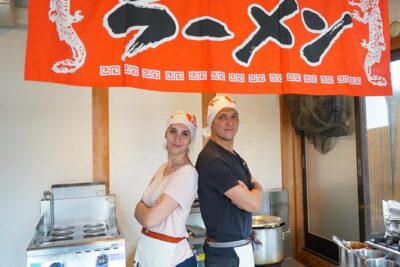
Ramen Cooking Class at Ramen Factory in Kyoto
Read our review →
Eat and Drink Like a Local: Tokyo Ueno Food Tour-Taverns&Ramen
Read our review →
Ramen & Gyoza Cooking Class in Tokyo with Local Supermarket Visit
Read our review →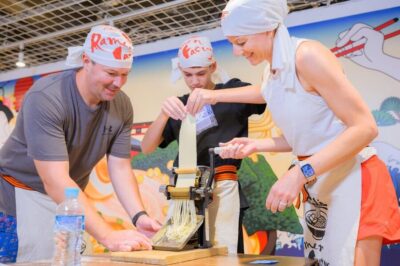
Ramen Cooking Class at a Ramen Factory with Souvenir
Read our review →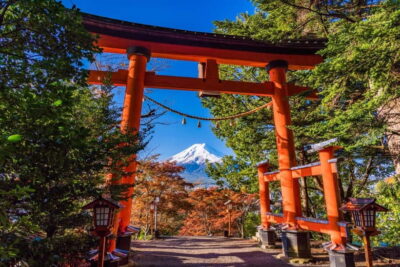
Mount Fuji and Hakone Full Day Tour with Ramen Making
Read our review →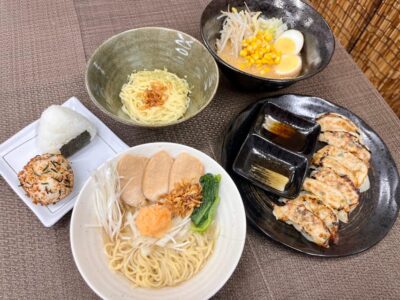
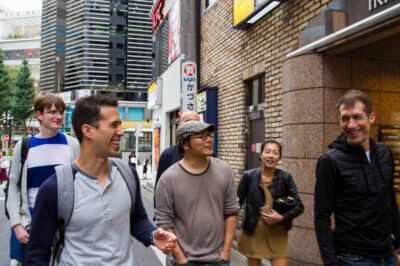

Five Must-See Highlights Walking Tour & Ramen Lunch
Read our review →Browse the lists this tour appears in