
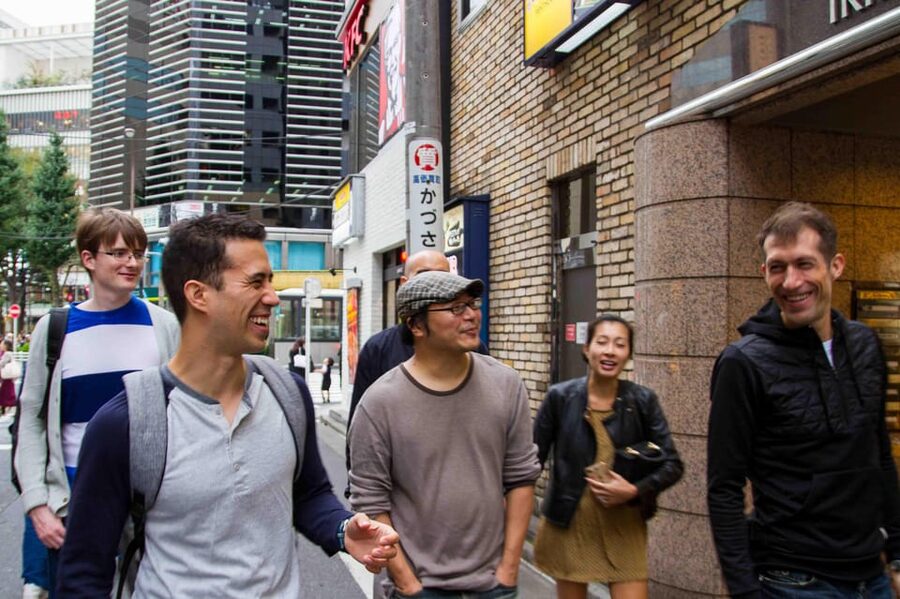
Review · RAMEN TASTING TRIPS
Tokyo: Ramen Tasting Tour with 6 Mini Bowls of Ramen
Six bowls, one ramen education.
This tour is interesting because it turns Tokyo ramen into a guided lesson, not just dinner. I love the six mini bowls you get to compare side by side, and I love how the guide explains ramen origins, types, and preparation using slides and handouts. One consideration: the route adds up to about 3 kilometers of walking in roughly 3 hours, so it is not a sit-and-snack plan.
You also get a real choice menu. At each stop, you pick the bowls from a set of 11 to 12 options, and you visit three ramen shops with different house styles. The group stays small, capped at 8 people, and the guide is live in English. The day starts in Shibuya and ends in Ebisu, or it can end in Shinjuku depending on the route.
In This Review
- Key points before you book
- Six mini bowls: why this tour makes you a ramen person
- Picking your 6 from 11 to 12: control without decision fatigue
- The Shibuya route: Hokkaido classic, fusion tonkotsu, and curry ramen
- The Shinjuku route: classic Tokyo ramen to modern tori paitan
- Ueno route: Kyushu classics, tsukemen dipping, and modern Tokyo
- The guide’s job: making broth and noodles make sense
- The walking reality: 3 km, three neighborhoods, one practical pace
- Diet and ramen truth: every broth includes chicken, pork, and fish
- Price and logistics: what you are actually paying for
- Who this tour fits best, and who should think twice
- Final call: should you book this 6-bowl Tokyo ramen tour?
- FAQ
- How many bowls of ramen do I get?
- Do I choose which ramen I eat?
- How long is the tour?
- Where does the tour take place in Tokyo?
- Where does the tour start and end?
- Is the tour in English?
- How much walking is involved?
- What if I am vegan or vegetarian?
- How big is the group?
Key points before you book
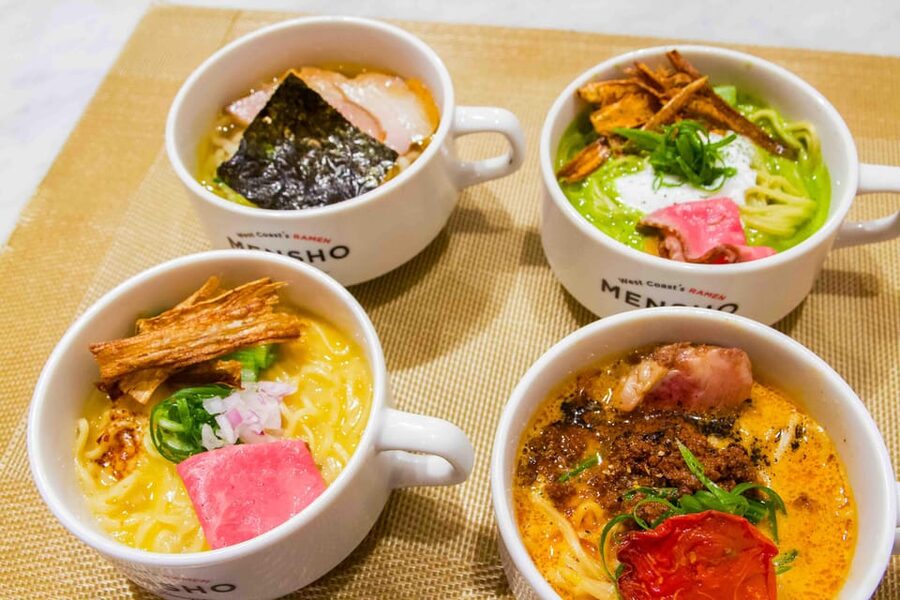
- Six mini bowls only available on this tour, about a quarter-size compared to a full bowl
- Choose your ramen from about 11 to 12 options
- Three Tokyo neighborhoods in one afternoon, including Shibuya or Shinjuku
- 3 ramen shops, 3 distinct styles each day, so you taste variety instead of repeating one broth
- English guide with visual teaching aids, often using a tablet or slides
- Small group size (up to 8) helps the pace and the Q and A
Six mini bowls: why this tour makes you a ramen person
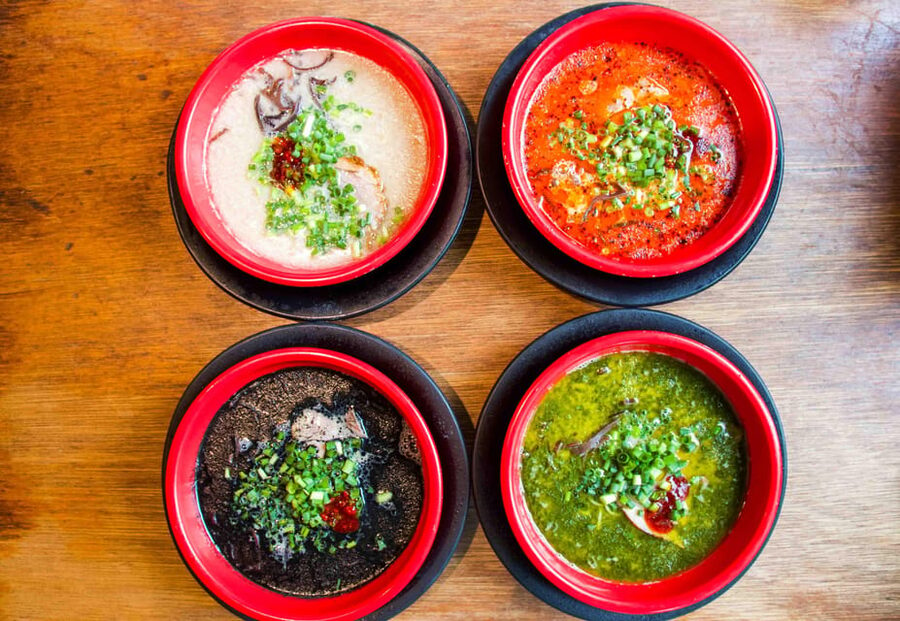
Tokyo ramen can feel like an ocean of choices. This is the tour that gives you a lifeboat. You are not just tasting one favorite style. You are learning how ramen changes depending on broth base, noodle type, and toppings, because each shop is built around its own approach.
The mini bowls matter more than they sound. They are roughly one quarter the size of a full bowl, and they’re only offered as part of this tour. That design lets you sample six different bowls without needing to “power through” the same thing six times. It is the difference between trying ramen and building an actual mental map of what you like.
Also, the comparison is the point. When you taste classics like Tokyo style alongside a richer chicken option like tori paitan, you start to notice what shifts the flavor, not just what tastes good. You can walk away remembering things like how the broth feels on your tongue, how the noodles hold up, and why some bowls feel heavier while others taste sharper or more savory.
More Food Tours in Tokyo
- Tokyo: Shinjuku Food Tour (13 Dishes at 4 Local Eateries)
★ 5.0 · 6,603 reviews - Tokyo Tsukiji Fish Market Food and Culture Walking Tour
★ 5.0 · 3,184 reviews - Tokyo: Shinjuku Food Tour (15 Dishes and 4 Eateries)
★ 4.9 · 2,033 reviews
Picking your 6 from 11 to 12: control without decision fatigue
You get to choose the six bowls from a selection of about 11 to 12. That means you are not stuck with whatever the group schedule decided. You can steer your tasting toward things you actually want to learn.
What I like about this setup is that it balances freedom and structure. The tour narrows your universe to ramen shops and ramen styles you can understand in a single afternoon. At the same time, you get enough options to customize.
A practical tip: go in with one or two “must try” styles in mind. If you love creamy tonkotsu or you want to understand dipping ramen like tsukemen, decide that early. Then let the guide’s suggestions fill the remaining slots. One useful benefit of tours like this is that guides can point out small differences that most people miss when they order solo.
The Shibuya route: Hokkaido classic, fusion tonkotsu, and curry ramen
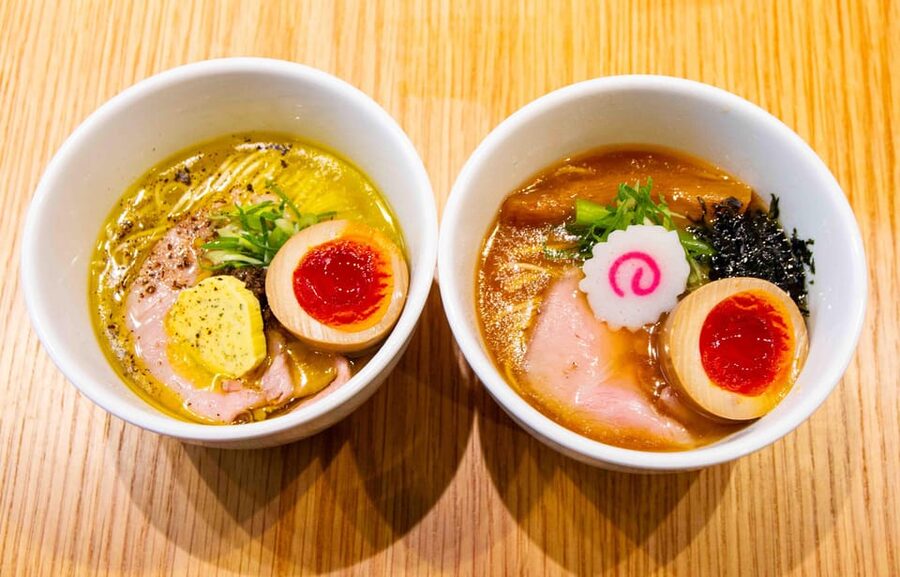
On a day running the Shibuya route, you hit three shops, each with a clear ramen identity.
Shop 1: Classic Hokkaido Ramen
If you want to understand regional Japan, Hokkaido is a great starting point. This is where you can start noticing how local preferences shape broth character and toppings. The payoff here is perspective: you taste something that feels grounded and classic before moving into trendier takes.
Shop 2: Fusion Tonkotsu (Pork Bone) Ramen
Tonkotsu is already a major ramen category, but this stop is framed as fusion. That usually means the shop is mixing familiar tonkotsu depth with a twist, so you get both comfort and curiosity in one bowl. It is also a nice bridge stop if you are the type who loves pork-based broths but wants the science of why one bowl tastes different.
Shop 3: Savory Curry Ramen
Curry ramen is one of those flavors that sounds unusual until you taste it. This is where you learn that ramen is not only about broth types like tonkotsu or miso. It is also about seasoning style. Curry brings warmth and weight, and it can make you rethink what ramen can be besides salty or creamy.
One downside to expect on any ramen day like this: after two or three stops, you will start to feel the rhythm of “soup, noodles, swallow, repeat.” You do not need to be a speed eater. The tour pace is designed to keep you comfortable, but you should still plan for fullness.
The Shinjuku route: classic Tokyo ramen to modern tori paitan
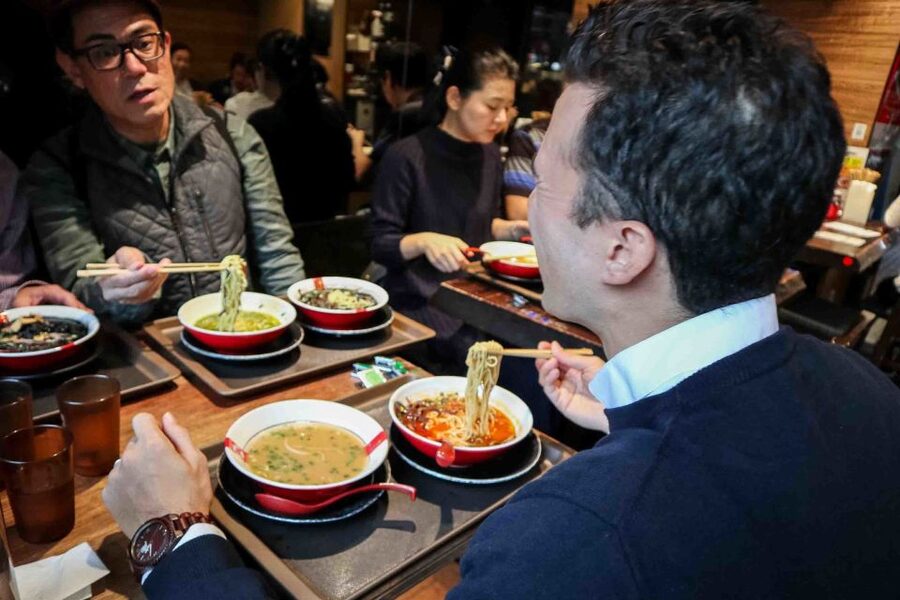
On a Shinjuku route day, the stops are different, and that is exactly why this tour works. You can taste a classic backbone, then move to modern chicken-forward choices.
Shop 1: Classic Tokyo Ramen
This is your anchor. Tokyo style gives you a baseline for what many people imagine as ramen: a savory broth, balanced flavors, and an overall “standard” structure. Even if you think you already know Tokyo ramen, this is where the guide’s explanation helps you catch what defines it.
Shop 2: Modern Tori Paitan (Rich Chicken Ramen)
Tori paitan is the kind of phrase you can read on a menu and still not fully understand until you taste it. You get a richer chicken experience than a simple chicken broth. It is often smoother and more rounded, and the guide’s notes help you connect that texture to the prep.
Shop 3: Luxurious Chicken or Fish Ramen
This last stop in Shinjuku leans into a more luxurious feel, either chicken or fish depending on the specific day. Fish-based ramen can taste brighter or more ocean-forward than pork-heavy bowls, while chicken tends to feel round and steady. Either way, you end with a bowl that expands your definition of what “ramen” covers.
In the reviews, the guides often get praised for answering questions and steering you to understand what makes each bowl special. Names you might hear from past guides include Sahori, Makayla, Daisy, Bunga, Manny, and Michaela. If you see your guide using visual aids on a tablet, pay attention. Those slides can make the ramen story click fast.
More Ramen Trips in Tokyo
- Eat and Drink Like a Local: Tokyo Ueno Food Tour-Taverns&Ramen
★ 5.0 · 957 reviews - Ramen & Gyoza Cooking Class in Tokyo with Local Supermarket Visit
★ 5.0 · 823 reviews - Tokyo: Mount Fuji and Hakone Full Day Tour with Ramen Making
★ 4.5 · 476 reviews - Tokyo: Easy Ramen Cooking Experience in Kabukicho, Shinjuku
★ 4.6 · 321 reviews
Ueno route: Kyushu classics, tsukemen dipping, and modern Tokyo
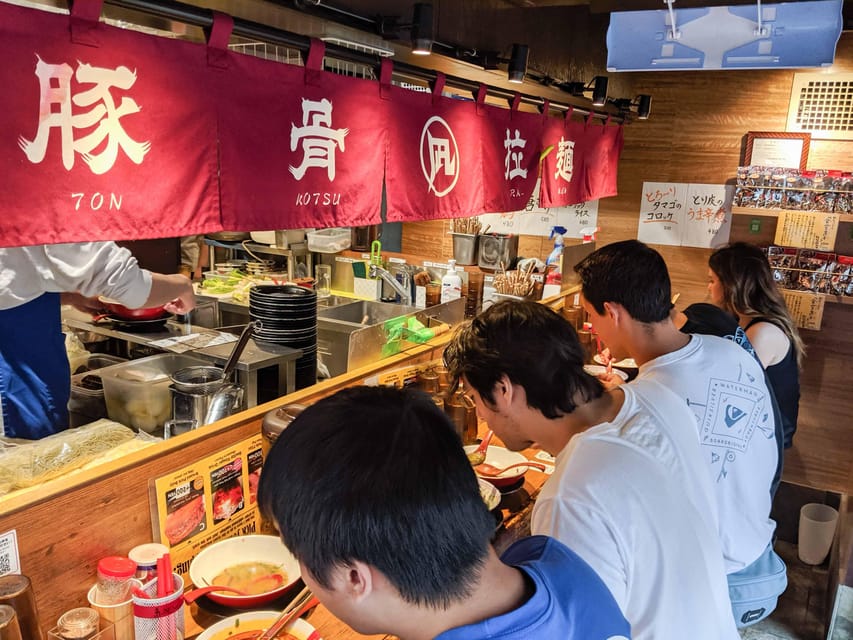
The tour also includes Ueno as the third neighborhood, which is a great move. It prevents the experience from feeling too “one-vibe,” and it adds variety in ramen style choices.
Shop 1: Classic Kyushu Ramen
Kyushu is known for distinctive takes on tonkotsu culture, and even when you expect pork-based flavors, Kyushu can surprise you with how the broth feels and how the toppings balance it. This stop is a strong chance to compare with whatever you tasted earlier.
Shop 2: Contemporary Tsukemen (Dipping) Ramen
Tsukemen is a major ramen concept, because you experience it differently. Instead of drinking the broth, you dip the noodles. That changes your whole sensory experience. Many first-timers find that the dipping format keeps the noodles firmer and lets you control how much broth you get in every bite.
Shop 3: Modern Tokyo Ramen
You close with a modern reinterpretation. That matters because it turns the day from “history and tradition” into “how ramen keeps evolving.” You can compare the modern Tokyo bowl to the classic Tokyo bowl from the Shinjuku route, or to the Tokyo baseline you tasted earlier.
If you are a ramen fan, you may also notice that some past selections included items like squid ink ramen and even non-traditional flavor notes such as pesto. You should not count on those exact choices every day, but it is fair to expect a broad mix across the selection.
The guide’s job: making broth and noodles make sense
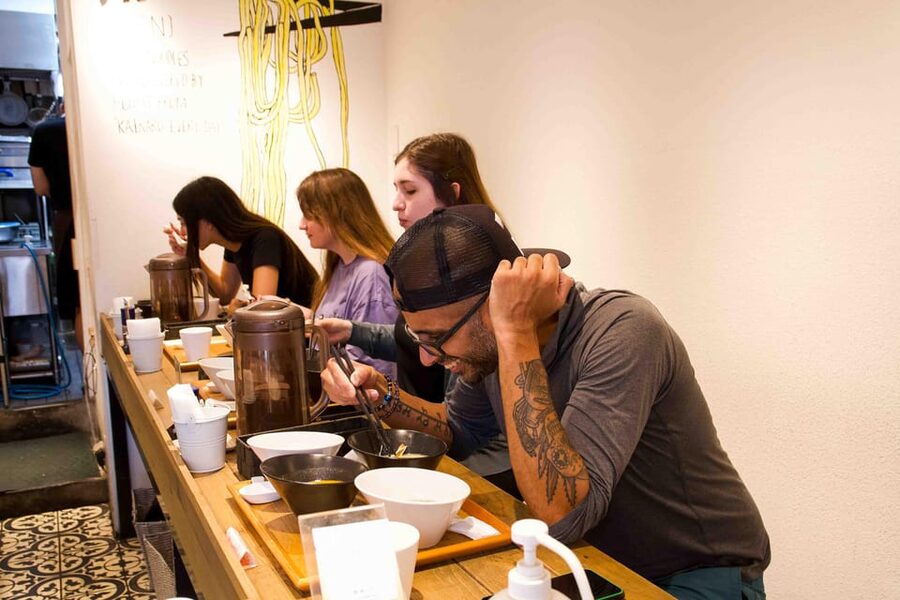
This is not a “walk, eat, move on” tour. The guide is there to teach you how ramen works, and that is why the experience gets consistently high marks.
From the tour format, you should expect visual explanation using slides and handouts. Several reviews specifically mention tablets or an iPad showing how ramen came to Japan and evolved over time. That kind of graphic timeline helps you remember the differences, because you are not relying on tasting alone.
Here are the ramen topics your guide is set up to cover:
- Ramen origins and how the style changed as it spread
- Types of broth and what makes them taste distinct
- Preparation details so you can connect flavor to process
- Noodle behavior, especially across tonkotsu, chicken-rich bowls, and dipping formats
You also get real conversational freedom. In reviews, guides like Bunga and Sahori are praised for strong English and for answering questions beyond ramen. One guide was even noted for giving Japan etiquette tips, plus recommendations for other foods during your trip. That is practical value. When you learn how people order, ask questions, and handle small cultural details, it improves your rest of Tokyo meal plans.
The walking reality: 3 km, three neighborhoods, one practical pace
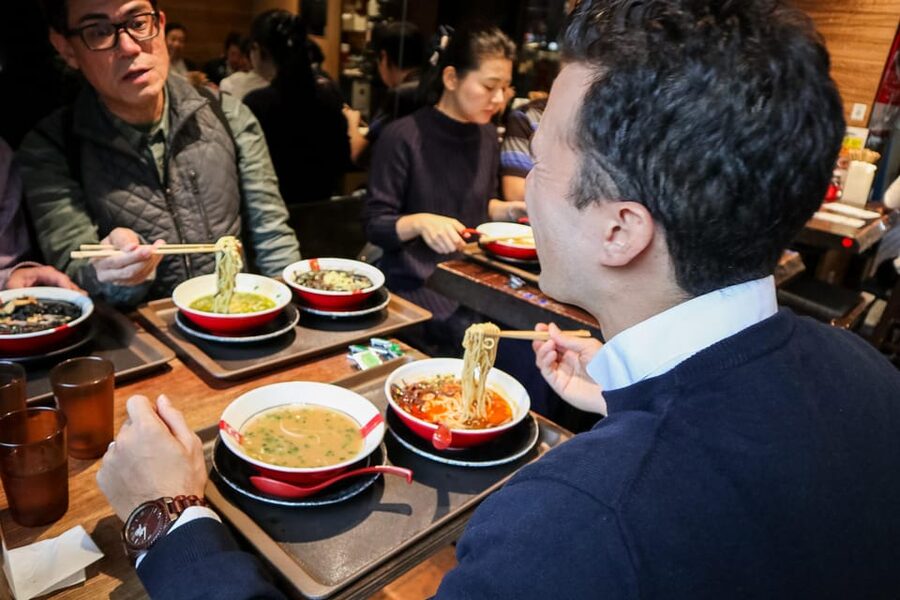
This tour includes a good amount of walking, about 3 kilometers (1.86 miles) total. In 3 hours, that is not an easy route, especially if you are balancing a jet lag schedule or you are carrying a day bag.
My advice: treat it like a food-focused walking tour. Wear comfortable shoes you trust. If you are worried about getting too full, consider skipping lunch before the tour, since you will still have a full belly by the end. Reviews frequently mention that it can be a lot of food, even with mini bowls.
Timing is also part of the plan. You are eating at three shops with walking between them, so you get a natural break. Still, you should expect soup and noodles to hit you all at once if you take on strong broth styles back to back.
If rain shows up, you might face delays, but guides have handled it in the past. One review notes that a guide arranged a taxi to get the last stop done when the weather turned nasty. That is not guaranteed every day, but it tells you the operation can adapt instead of forcing everyone to suffer.
Diet and ramen truth: every broth includes chicken, pork, and fish
This is important, because ramen sounds vegan-friendly until you look at the broth. According to the tour information, all ramen broths contain chicken, pork, and fish.
So, if you are vegan or vegetarian, do not assume you can swap toppings. Book the separate Vegan/Vegetarian Ramen Tasting Tour instead. This is one of those cases where getting the right tour saves you from a disappointing meal and protects your dietary needs.
If you eat meat and fish, you are set. Just be aware that the taste comparisons the guide is teaching are based on these blended broth bases, so the variety you will notice is style and seasoning, not an allergy-free tasting.
Price and logistics: what you are actually paying for
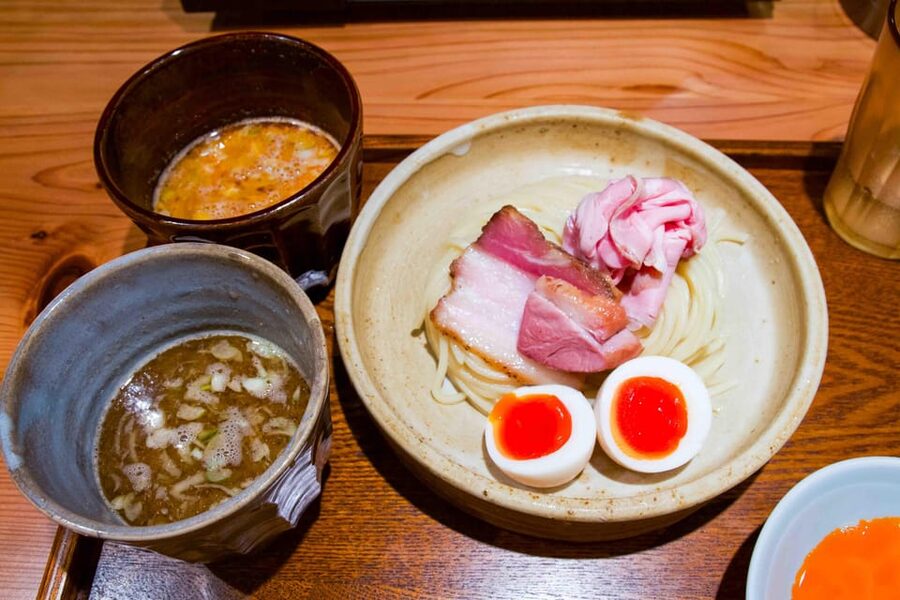
At $122 per person, this is not a budget snack. But it is also not just “six bowls of ramen and a walk.”
You are paying for several real value drivers:
- Six mini bowls at three ramen shops that focus on different styles
- Bowls sized for tasting, not just eating one big meal
- A trained, English-speaking guide who explains ramen origins and prep
- Access to shops and a tasting format that are only available on this tour
- A small group capped at 8 participants, which helps the guide manage pace and questions
- Neighborhood sightseeing across Shibuya or Shinjuku plus Ueno
Some reviews call the tour somewhat pricey. I get that reaction. If your only goal is to eat ramen cheaply, you can find plenty on your own. But if your goal is to learn the differences fast, this is buying time and guidance, not just food.
Also, you are not stuck with one taste profile. The structure is built for variety, so you leave with stronger preferences, not just a full stomach.
Who this tour fits best, and who should think twice
This tour is ideal if you:
- Love ramen and want to taste more than one category
- Want a structured way to learn styles, origins, and preparation
- Enjoy small group tours with an English guide
- Like walking city neighborhoods while you eat
It may be less ideal if:
- You have a low level of fitness, since the walking is about 3 km in a single 3-hour period
- You need a vegan or vegetarian meal (because all broths include chicken, pork, and fish)
- You prefer low-food-volume tours, since even mini bowls still add up
If you are traveling with a child, it can work for kids who can comfortably walk. One review mentions the guide managed the experience for a nine-year-old, which hints that it can be family-friendly if everyone is up for the pace.
Final call: should you book this 6-bowl Tokyo ramen tour?
If you are the kind of traveler who wants to understand what you are eating, this is a smart way to spend an afternoon. I would book it if you want variety across Shibuya or Shinjuku plus Ueno, and if you like learning through tasting.
Skip it if you hate walking, need strict vegan or vegetarian options, or you want ramen without a guided lesson. But if you are ramen-curious and want a real tasting format, the mini bowls, the choice from 11 to 12, and the guide’s visual explanations are exactly what make this tour worth considering.
FAQ
How many bowls of ramen do I get?
You get 6 mini bowls of ramen, plus 1 beverage.
Do I choose which ramen I eat?
Yes. You pick your 6 ramen from a selection of about 11-12 options.
How long is the tour?
The tour lasts about 3 hours.
Where does the tour take place in Tokyo?
It runs through three Tokyo neighborhoods. You will include Shibuya or Shinjuku, plus Ueno.
Where does the tour start and end?
The tour starts in Shibuya and ends in Ebisu, or it can end in Shinjuku depending on the day.
Is the tour in English?
Yes, it includes a live English-speaking tour guide.
How much walking is involved?
Expect about 3 kilometers (1.86 miles) of walking.
What if I am vegan or vegetarian?
All ramen broths contain chicken, pork, and fish, so you should book the separate Vegan/Vegetarian Ramen Tasting Tour.
How big is the group?
The group is small, limited to 8 participants.
More Food & Drink in Tokyo
- Tokyo: Tsukiji Fish Market Food and Walking tour
★ 5.0 · 1,724 reviews - Shinjuku Izakaya Food Tour
★ 5.0 · 1,041 reviews - Tokyo: Shibuya Food Tour (13 dishes and 4 Eateries)
★ 5.0 · 770 reviews - Tokyo: Tsukiji Fish Market Food and Culture Walking Tour
★ 4.7 · 757 reviews
Newly listed around Tokyo
- Tokyo private transfer for Yokohama Port★ 4.5 · 63 reviews
- Luxury Kimono Photoshoot at Ginza Tokyo★ 5.0 · 7 reviews
- Tokyo Allstar Food Tour★ 4.5 · 206 reviews
- Private One Day Nikko Tour with Bilingual driver★ 3.5 · 11 reviews
- Tokyo Art Aquarium Museum E-Ticket with optional Tokyo Metro Pass★ 5.0 · 17 reviews
- Tokyo: Best Ginza Food Tour at 3 Local Eateries★ 5.0 · 83 reviews
- PRIVATE tour in 180SX to Daikoku+++++★ 5.0 · 6 reviews
- Kabuki Talk★ 5.0 · 10 reviews
Ramen Tasting Trips, compared.
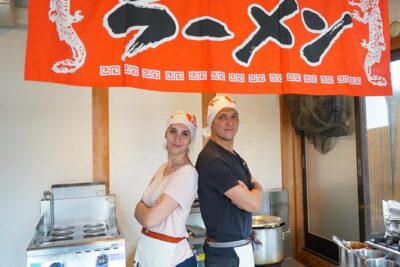
Ramen Cooking Class at Ramen Factory in Kyoto
Read our review →
Eat and Drink Like a Local: Tokyo Ueno Food Tour-Taverns&Ramen
Read our review →
Ramen & Gyoza Cooking Class in Tokyo with Local Supermarket Visit
Read our review →
Ramen Cooking Class at a Ramen Factory with Souvenir
Read our review →
Mount Fuji and Hakone Full Day Tour with Ramen Making
Read our review →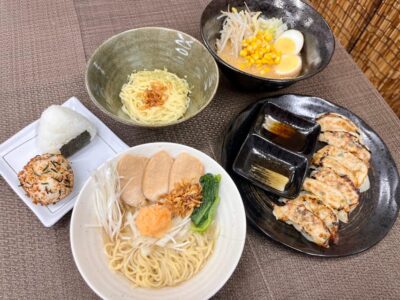

Five Must-See Highlights Walking Tour & Ramen Lunch
Read our review →
Browse the lists this tour appears in