
Review · WALKING TOURS
Old Town Tokyo: Shinagawa-Juku Walking Tour
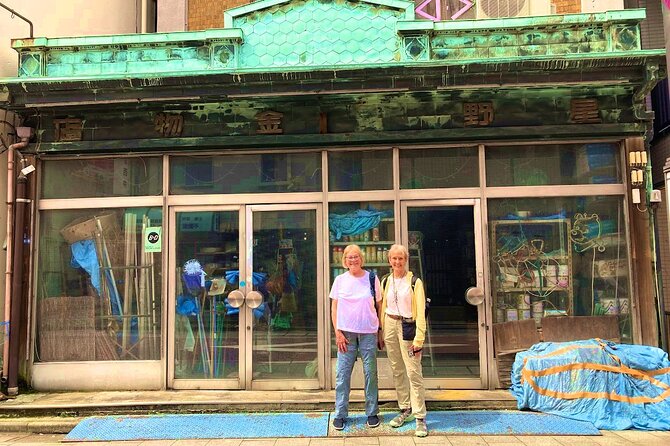
Shinagawa-Juku turns Tokyo streets into a story. This 3-hour Old Town Tokyo walking tour guides you through Edo-era corners of Shinagawa, following the Old Tokaido Road vibe and showing landmarks that are easy to miss on your own. I love how the route keeps you moving through alleys and side streets without the usual Tokyo getting-lost stress, and I also like that the group stays small, so you can actually hear your English guide.
You’ll get coffee or tea as you go, which sounds simple until you are walking in humidity or cool drizzle and suddenly you feel human again. One drawback to weigh: there’s no lunch included, so plan a meal before or after, and expect a solid walking pace for about three hours.
In This Review
- Key points before you lace up
- Why Shinagawa-Juku feels different from the usual Tokyo loop
- Price and value for a 3-hour Shinagawa walk
- Where you meet, where you end, and what that means for your plan
- What you’ll actually see: Shinagawa-Ura Park to Shinagawa Shrine
- Stop 1: Shinagawa-Ura Park, the fishing-shore story
- Stop 2: Kyu-tokaido Street, the old traveler corridor
- Stop 3: Hozenji Temple, small streets with hidden corners
- Stop 4: Shotokuji Temple and the maple setting
- Stop 5: Ebara Jinja Shrine by the Meguro River
- Stop 6: Shinagawa Shrine, the mini-Fuji fujizuka
- Drinks, pace, and why the group size matters
- Your guide: the difference between information and storytelling
- When to go (and what to expect from the weather)
- Who should book this Shinagawa-Juku tour, and who might skip it
- Should you book this Old Town Tokyo Shinagawa-Juku walking tour?
- FAQ
- How long is the Shinagawa-Juku walking tour?
- How much does the tour cost?
- Where does the tour start and end?
- Is the tour in English?
- Are coffee or tea included?
- Is lunch included?
- Do I need to pay for temple or shrine admissions during the walk?
- What is the group size?
- What is the cancellation policy?
- Are service animals allowed?
Key points before you lace up
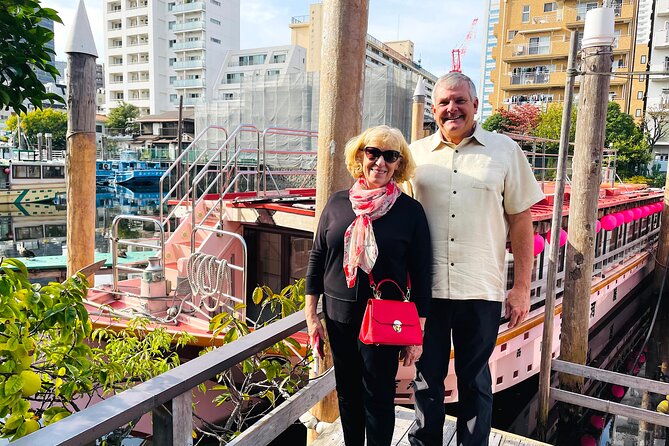
- Max 8 people means a calmer pace and real chances to ask questions.
- Hot drinks included (coffee and/or tea) help you stay comfortable on the move.
- Mostly free sights with one temple or shrine stop included, so you do not burn extra cash mid-walk.
- Edo-era focus on the Old Tokaido Road area, not random photo stops.
- Temples and shrines tucked off the main streets, so you get Tokyo texture you would likely skip alone.
- Start near Kitashinagawa Station and finish near Shimbamba Station, so you are not retracing every step.
Why Shinagawa-Juku feels different from the usual Tokyo loop
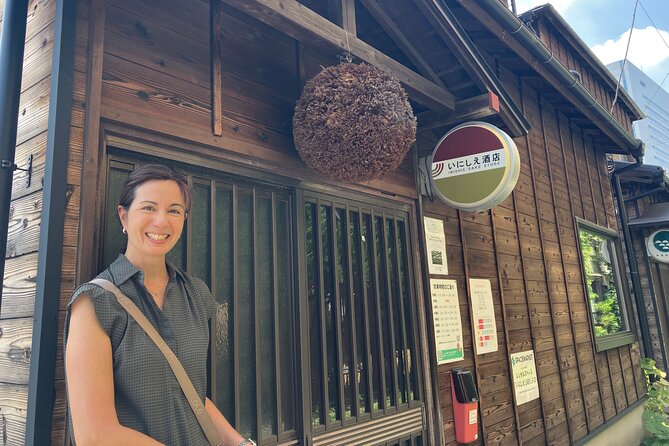
Tokyo can be both thrilling and confusing, especially in older neighborhoods where street names and signage do not always guide you the way you expect. This tour is designed to solve that problem. Instead of asking you to figure out the maze of back lanes, you follow a guide through the Shinagawa area and down smaller streets that connect the dots of the Old Tokaido Road.
I also like the small-group setup. With a maximum of 8 travelers, the tour does not feel like a loud parade. It feels like a walk with a knowledgeable local who keeps the pace readable. You will spend more time looking around and less time stopping to ask, Where am I?
More Walking Tours in Tokyo
- Tokyo Tsukiji Fish Market Food and Culture Walking Tour
★ 5.0 · 3,184 reviews - Tokyo: Shinjuku Local Bar and Izakaya Guided Walking Tour
★ 4.9 · 1,794 reviews - Tokyo: Tsukiji Fish Market Food and Walking tour
★ 5.0 · 1,724 reviews
Price and value for a 3-hour Shinagawa walk
At $94.88 per person, this is not a budget lottery ticket, but it does stack up in value if you care about guided context. You are paying for an English-speaking guide, hot drinks (coffee and/or tea), and a guided route that links several historic stops together.
Here is what helps the math: most of the sight stops are free admissions, and one major highlight is included. So you are not budgeting for entrance fees after entrance fees. The tour also gives you a mobile ticket, which makes it easier than digging through paper while you are in motion.
What is not included matters, too. You will need to handle transport fees on your own, bring lunch if you want it, and plan for your own getting to the meeting point. Hotel pick-up and drop-off are available, but only for an extra fee, so most people will likely meet the group at the station.
Where you meet, where you end, and what that means for your plan
The tour starts at Kitashinagawa Station, 1 Chome-1 Kitashinagawa, Shinagawa City, Tokyo 140-0001. It is one stop from the major Shinagawa Station, which is handy if you are staying somewhere central and want an easy hop to begin.
You finish near Shimbamba Station, 2-chōme-18-1 Kitashinagawa, Shinagawa City, Tokyo 140-0001. Ending at a different station can be a plus, because you often get a smoother path back toward other parts of Tokyo after the tour. The flip side is that you should not assume a simple return trip on foot back to where you started. Build in a little transit time.
Also, this is a walking tour that runs about 3 hours. Comfortable shoes are not optional in Tokyo, and this route includes short temple-street strolls and walking between stops.
What you’ll actually see: Shinagawa-Ura Park to Shinagawa Shrine
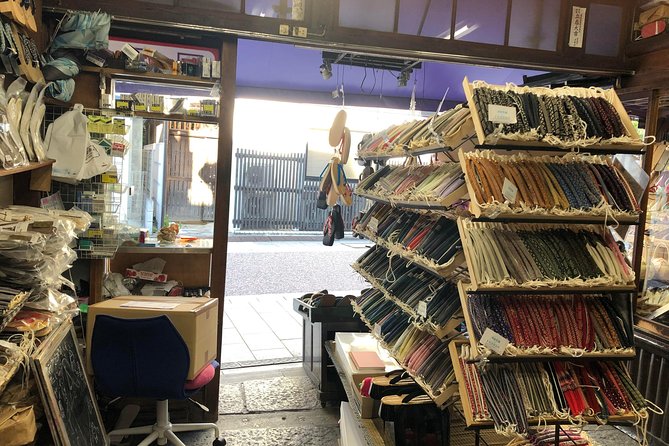
This walk is built like a mini timeline of Shinagawa’s post town and seaside past, then it layers in the quieter temple lanes you usually have to go looking for.
A few more Tokyo days to weigh up
- Tokyo: Asakusa Walking Tour with Sensoji Temple Visit
★ 4.8 · 1,583 reviews - Tokyo: Tsukiji Fish Market Guided Walking Tour
★ 4.9 · 1,397 reviews - Tokyo Castle & Imperial PalaceーShogun Walking Tour
★ 4.7 · 1,068 reviews - Tokyo: Imperial Palace Japanese History Walking Tour
★ 4.9 · 987 reviews
Stop 1: Shinagawa-Ura Park, the fishing-shore story
You begin at Shinagawa-Ura Park, and the big idea here is that the shoreline near Shinagawa was once used for fishing. Over time, a small but prosperous fishing village formed. Even though it is no longer commercial fishing in the same way, the area still carries a nostalgic feel, the kind you notice more when someone points out what used to be there.
This start is a good warm-up because it sets context before you start weaving through the Old Tokaido Road neighborhood. It also helps you understand why this part of Tokyo mattered, beyond just being another place to shop or snap a picture.
Practical note: the park stop is brief, so treat it as orientation, not a long sit-down break.
Stop 2: Kyu-tokaido Street, the old traveler corridor
Next comes Kyu-tokaido Street. This is connected to the idea of the Old Tokaido Road, the highway travelers used when moving from Tokyo toward Kyoto. On this street, you get the sense of a service area built for people on the move, with inns and shops that supported travelers.
One detail I like: this kind of area is often shaped by what survived big disasters and fires. You are told that this street is one of the few that endured, so you are not just looking at replicas or generic scenery. You are walking through something tied to what lasted.
Tip for your eyes: as you walk, scan for storefronts, old building shapes, and street textures that do not feel like modern strip development. The guide’s job is to help you connect those visual clues to the history.
Stop 3: Hozenji Temple, small streets with hidden corners
Then the route shifts from the main flow to side lanes with Hozenji Temple. This stop highlights how temples branch off the main road. You can see local temples tucked into smaller streets and alleyways, plus older houses that are covered in greenery.
There is also a specific feature mentioned, a water well right in the middle of a residential area. That is the kind of detail you would probably walk past without a cue, which is exactly why a guided route is worth it here.
If you like calm, older architecture and quiet contrasts to Tokyo’s busy rhythm, this is one of the stops that delivers.
Stop 4: Shotokuji Temple and the maple setting
At Shotokuji Temple, you get a quick shift in mood. After Kyu-tokaido Street, you stroll down Shinbaba Street, then arrive at the temple area. The note to remember is that it is especially pretty in autumn because it is surrounded by maple trees.
You are also told the temple has an unusual fence. That kind of “look close” detail is handy on a walking tour, because it keeps you from treating every stop like the same postcard.
This is a shorter stop, so if you want photos, do them efficiently. The real value is watching the street-to-temple transition, the way smaller paths lead you into a calmer pocket.
Stop 5: Ebara Jinja Shrine by the Meguro River
Next is Ebara Jinja Shrine, with a long history credited to 709. It is worshipped as the place of the dragon god, and people come to pray for rain. The shrine’s location next to the Meguro River adds another layer, because it ties spiritual practice to water and seasonal needs.
You also get a historical reference about water being taken from the nearby river in 1062. The guide framing helps you see why a shrine would matter in practical day-to-day life, not just as a ritual stop.
This is one of those moments where Tokyo history turns practical. It is easier to understand how communities were shaped by weather, water, and travel.
Stop 6: Shinagawa Shrine, the mini-Fuji fujizuka
The final highlight is Shinagawa Shrine, founded in 1187 as a guardian for the post-town nearby. This is where you learn about the shrine’s fujizuka, a mini-Fuji built for worshippers who did not have the strength or money to climb the real mountain.
This is a powerful idea for travelers who like cultural detail. Instead of treating the shrine as only a place to look at, the tour explains how access and economics shaped religious practice. People adapted, and the physical landscape of worship followed.
This stop lasts longer than many others, about 50 minutes. That extra time helps you slow down and actually absorb what you are seeing, rather than rushing to the next lane.
Drinks, pace, and why the group size matters
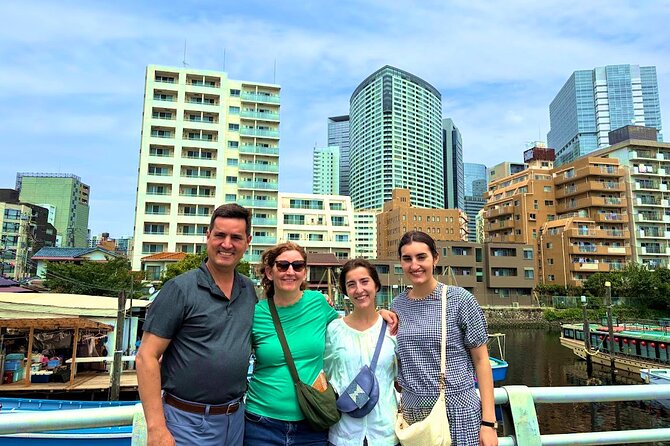
The tour includes coffee and/or tea, and I like that because it turns a walking tour into something you can enjoy instead of just endure. Tokyo weather changes fast, and having a warm drink on hand helps your energy level, especially during transit between stops.
The route also makes sense as a 3-hour experience. It is long enough to feel like you learned something real, but short enough that you are not stuck all day in a single neighborhood. With the max group size of 8, you also get a pace that is less chaotic than big-city tours.
Your guide: the difference between information and storytelling
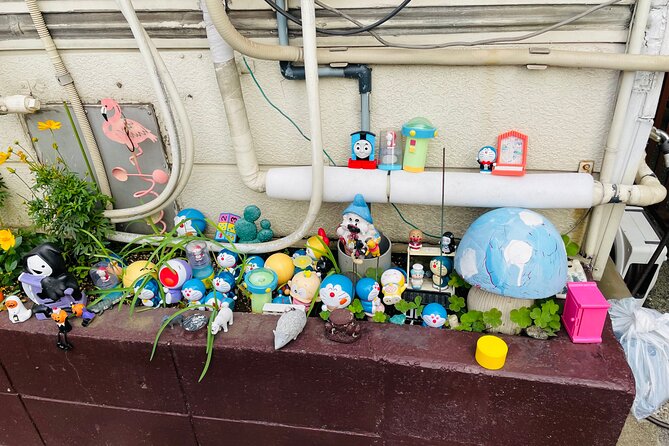
This tour uses an English speaking guide, and the feel is built around helping you read the neighborhood. One name that comes up for this tour is Charlotte, described as friendly and strong at explaining not just culture and history, but also how to think about the subway and the district.
That matters. In Tokyo, the difference between a good and a great guide is whether they help you navigate mentally. You learn how streets connect, why certain sites are where they are, and what to notice as you walk. That turns a neighborhood from a background into a place you understand.
When to go (and what to expect from the weather)
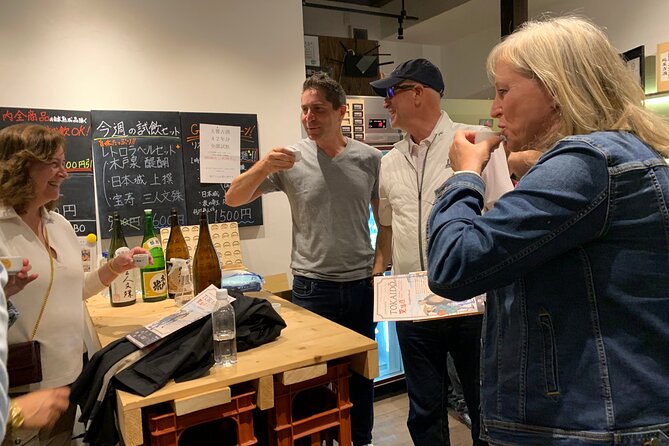
The experience depends on good weather. If it is poor weather, the tour may be canceled and you are offered another date or a full refund.
Plan your timing with that in mind. Also, if you want the best look for one specific stop, autumn is the season called out for Shotokuji Temple because of the maple setting. If autumn is not in your travel window, do not worry. The core value is the Edo-era street and temple route, which still comes through year-round.
Who should book this Shinagawa-Juku tour, and who might skip it
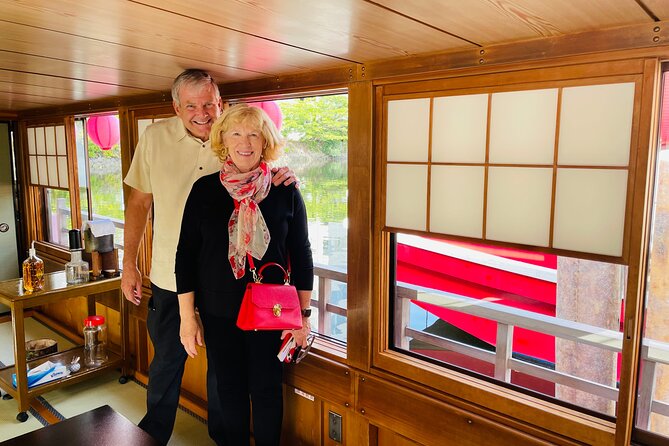
This is a great match if you:
- enjoy history and want the Old Tokaido Road story connected to real places
- like temples and shrines, especially when they are reached via small alleys
- prefer small-group walks where you can hear the guide and ask questions
- want a guided way to avoid getting lost in an older part of Tokyo
You might skip it if:
- you only want a fast highlights loop with no interest in cultural context
- you are hoping for a food-focused tour with lunch included (lunch is not part of this)
- you dislike walking for about 3 hours, even with short stops
Should you book this Old Town Tokyo Shinagawa-Juku walking tour?
I would book it if you want Tokyo history that feels grounded in streets, not just museum walls. The strongest value is the combination of a small group, an English guide, and a route that connects multiple historic sites through the Old Tokaido Road area. The hot drinks are a small touch, but they matter on a walking itinerary.
If you are the kind of traveler who enjoys noticing details like a mini-Fuji fujizuka, a water well tucked into a residential pocket, or the survival of a historic corridor, this tour will likely feel worth the price. If you just want to check boxes quickly, you may find it too “learn and look” compared with more casual sightseeing.
FAQ
How long is the Shinagawa-Juku walking tour?
It lasts about 3 hours.
How much does the tour cost?
The price is $94.88 per person.
Where does the tour start and end?
It starts at Kitashinagawa Station (1 Chome-1 Kitashinagawa, Shinagawa City, Tokyo 140-0001) and ends at Shimbamba Station (2-chōme-18-1 Kitashinagawa, Shinagawa City, Tokyo 140-0001).
Is the tour in English?
Yes. You get an English-speaking guide.
Are coffee or tea included?
Yes. Coffee and/or tea are included.
Is lunch included?
No. Lunch is not included.
Do I need to pay for temple or shrine admissions during the walk?
Many stops are free, and Shinagawa Shrine is listed as having admission included. Other stops are listed as free admission.
What is the group size?
The tour has a maximum of 8 travelers.
What is the cancellation policy?
You can cancel for a full refund up to 24 hours before the experience starts. If it is canceled due to poor weather, you will be offered a different date or a full refund.
Are service animals allowed?
Yes, service animals are allowed.
Newly listed around Tokyo
- Private Tokyo Food Tour – A Journey Through Time Through Food★ 5.0 · 36 reviews
- Private Tokyo Tour with Licensed Guide & Vehicle (Max 15 persons)★ 5.0 · 107 reviews
- Private Tokyo Custom Full-Day Tour by Chartered Vehicle★ 5.0 · 16 reviews
- Private Tokyo Custom Half-Day Tour by Chartered Vehicle★ 4.5 · 13 reviews
- Private Outstanding Nikko Tour with English Speaking Driver★ 4.0 · 11 reviews
- Private Sightseeing to Mt Fuji and Hakone with English Driver★ 5.0 · 51 reviews
- Private Snow Monkeys park Day Trip From Tokyo or Nagano★ 4.5 · 26 reviews
- Private Omiya Bonsai Village Tour with Licensed Guide★ 5.0 · 8 reviews
Walking Tours, compared.
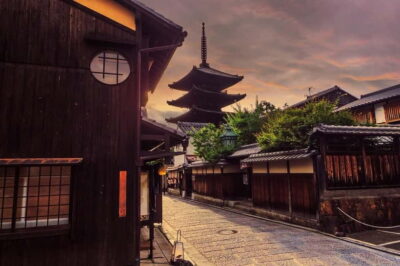
Kyoto Geisha Walking Tour: Gion District & Hidden Gems
Read our review →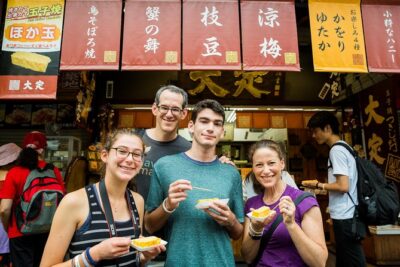
Tokyo Tsukiji Fish Market Food and Culture Walking Tour
Read our review →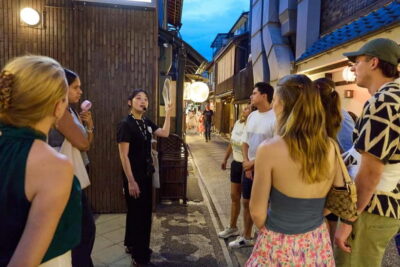
Gion Geisha District Walking Tour – Stories of Geisha
Read our review →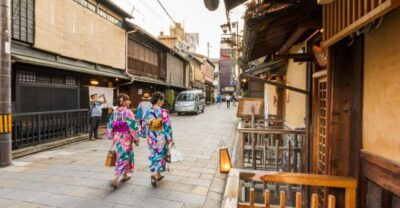
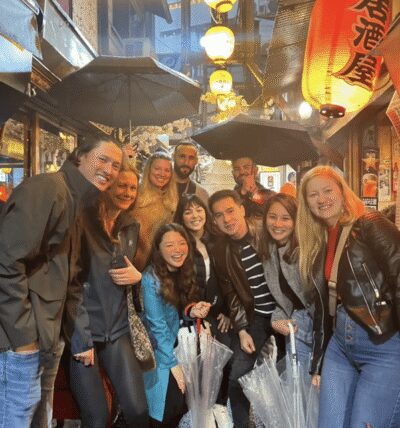
Shinjuku Local Bar and Izakaya Guided Walking Tour
Read our review →
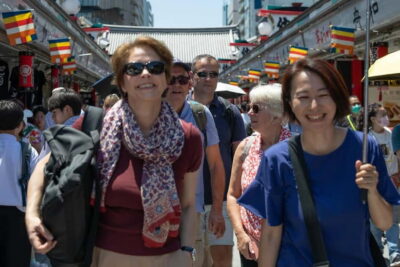
Asakusa Walking Tour with Sensoji Temple Visit
Read our review →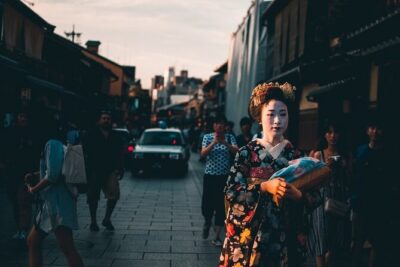
Kyoto Gion Geisha District Walking Tour – The Stories of Geisha
Read our review →Browse the lists this tour appears in