
Review · WALKING TOURS
Osaka: Main Sights and Hidden Spots Guided Walking Tour
Osaka hits different with local stories. This 4-hour route blends Osaka Castle Park with the modern pull of Namba and Dotonbori, then lifts you up for skyline views from Abeno Harukas. You also get a real sense of how Osaka ticks, not just what to photograph.
I especially like how the stops swing between eras, from Shogun-era Osaka Castle context to pre-war commercial streets in Tsuruhashi and the slightly weathered fun district of Shinsekai. Another big win is the guide style, with strong history plus practical city tips, plus photo-minded stops along the way. The main drawback to consider is the workload: it is a walking tour with public-transport hops and no full food stops, so comfortable shoes matter.
In This Review
- Key Highlights You Actually Feel On the Ground
- How This Tour Gives You an Osaka “Map in Your Head” Fast
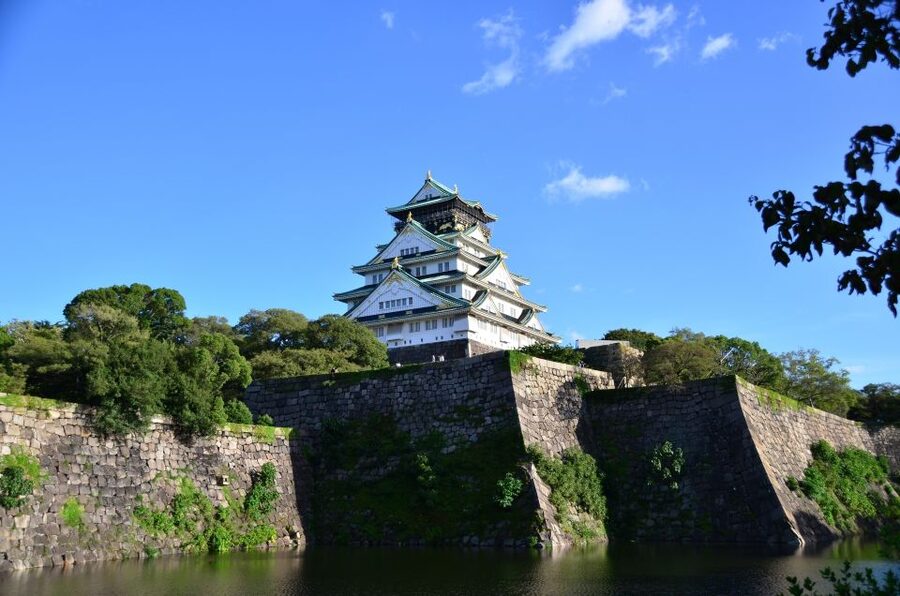
- Osaka Castle Park: Exterior Views and Shogun-Era Context
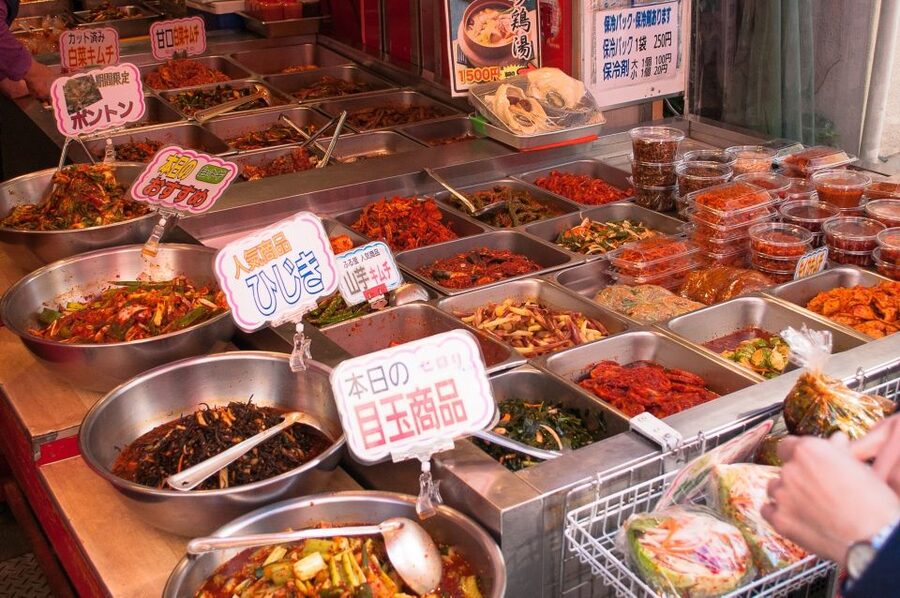
- Tsuruhashi Korea Town: Pre-War Alley Energy in a Maze of Streets
- Abeno Harukas 300: Skyline Views and an Underground Food Hall
- Shinsekai: Slightly Crumbling Nostalgia That Feels Real
- Namba and Dotonbori: Osaka’s Present-Day Power Center
- Kuromon Ichiba: The Market Stop That Explains Osaka Food Culture
- Doguyasuji Kitchen District: Wax Food Models and Cooking-Tool Theater
- The Walk Itself: Pace, Steps, and How to Stay Comfortable
- Price and Value: Why $59 Can Be a Smart First-Day Move
- Who This Tour Fits Best, and Who Might Skip It
- Should You Book This Osaka Walking Tour?
- FAQ
- Where is the meeting point?
- How long is the tour?
- Does this tour include a visit inside Osaka Castle?
- Is food included in the price?
- Do you go up in Abeno Harukas?
- What is the weather plan?
- What languages are available?
- Do I need to use public transport to reach the meeting point?
- Is pickup included?
- What if I am a solo traveler?
- Where does the tour finish?
Key Highlights You Actually Feel On the Ground
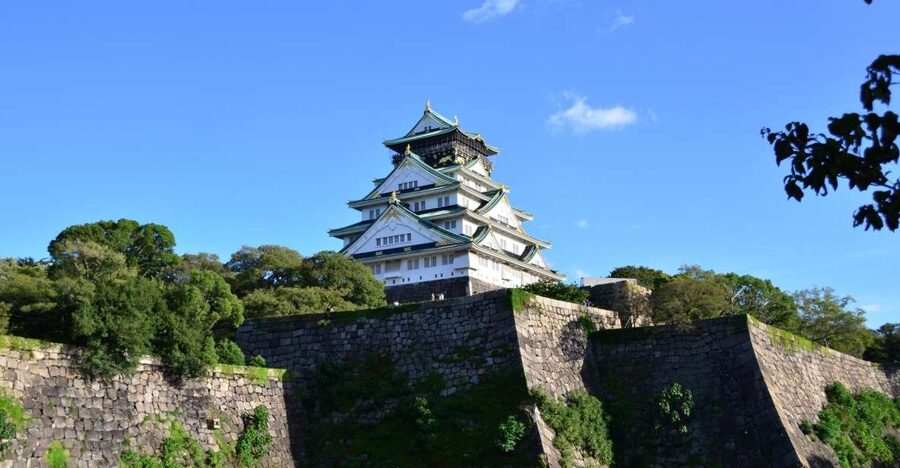
- Osaka Castle Park, plus stories without the ticket hassle (you admire the exterior and walk the grounds)
- Tsuruhashi Korea Town alleys, narrow lanes with older commercial energy
- Abeno Harukas 300 height and an underground food hall, for a top-to-bottom Osaka contrast
- Shinsekai as a time capsule, with that slightly crumbling, keep-it-real feel
- Dotonbori and Kuromon market zone, the loud, food-obsessed center of Osaka life
- Doguyasuji kitchen district, wax food models, noren curtains, and big cookware displays
How This Tour Gives You an Osaka “Map in Your Head” Fast
Osaka can feel confusing on day one. Neighborhoods change fast, and the city’s personality is more street-level than museum-level. This tour helps you build a quick mental map. You start with a landmark that anchors the area, then you move through distinct districts that each explain a different side of Osaka: merchant culture, street food, pop entertainment, and everyday market life.
The pacing is built for a half-day orientation. You are not trying to “do everything.” You are learning how the areas connect, how locals move through them, and what is worth your attention on your own afterward. Guides often layer in history and culture while you walk, so you leave with context instead of just a checklist.
One more value point: the price is low for a guide-led, multi-district walk. At $59 per person for about four hours, you are basically paying for navigation plus storytelling plus a route that strings together places that would take you longer to stitch together alone.
More Walking Tours in Osaka
- Osaka: Hotspots & Hidden Gems Walking Tour Private or Group
★ 4.9 · 1,300 reviews - Osaka Backstreet Nightlife & Street Food Walking Tour
★ 5.0 · 1,011 reviews - Osaka Local Foodie Walking Tour in Dotonbori and Shinsekai
★ 5.0 · 985 reviews
Osaka Castle Park: Exterior Views and Shogun-Era Context
You start near Tanimachiyonchome Station, then head to Osaka Castle Park for the tour’s first big anchor. The emphasis here is not on entering the castle. You admire the grand exterior from the outside and stroll through the surrounding grounds, which is a smarter start for most people. You get the wow factor without burning time on ticketing and long interior pacing.
What makes this stop work is the way it frames Osaka’s history in plain language. The guide covers how Osaka Castle was tied to power struggles and even tells the story of a period when the castle was almost taken 400 years ago. You walk around with those ideas in your head, and the place starts to make sense as more than a photo spot.
Practical tip: plan on wind and open-space weather in the park. Even on good days, Osaka can run hot or humid, and open grounds do not forgive. Bring your water, and keep moving at a comfortable pace.
Tsuruhashi Korea Town: Pre-War Alley Energy in a Maze of Streets
After the castle grounds, you hop to Tsuruhashi, famous for its Korea Town feel. This is where the tour shifts from landmark to lived-in street life. Expect narrow lanes and alleys, plus that pre-war commercial district vibe where small shops and food stands make the street itself part of the experience.
This stop is more than “a cultural detour.” It helps you understand Osaka’s merchant spirit and the city’s habit of mixing new arrivals with older neighborhoods. You see how Osaka absorbs and adapts, then keeps going.
A detail I appreciate: you are not just walking the main roads. You move through side streets that you would likely miss unless you had someone local showing the turns. In reviews, guides like Ferdinand and Kevin were praised for tying the street layout to the broader history and culture of Osaka, not just reciting facts.
Tip for your own comfort: take it slow at first. The lanes can feel like a maze, and the reward is in watching how shops and signage cluster. When you pause for photos, do it lightly, so you do not block foot traffic.
Abeno Harukas 300: Skyline Views and an Underground Food Hall
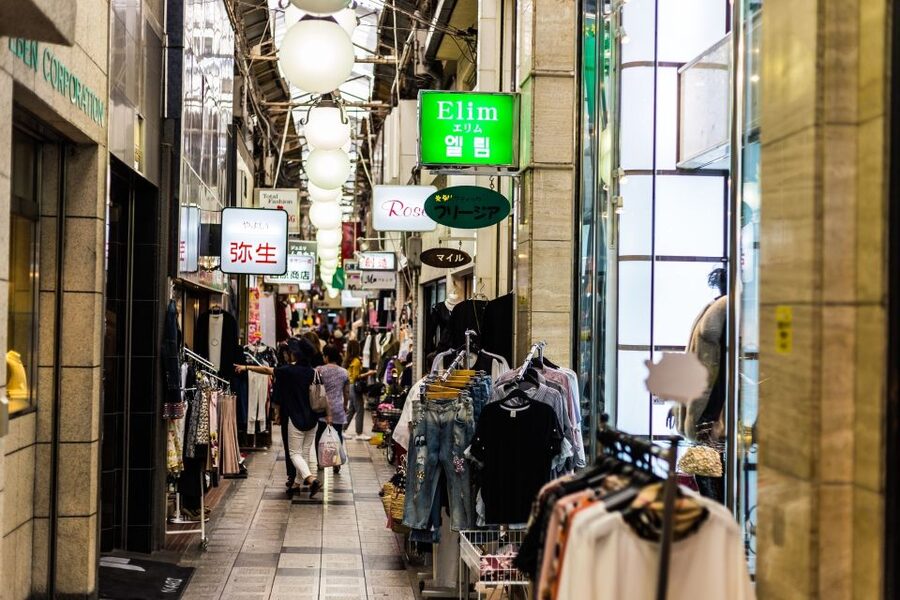
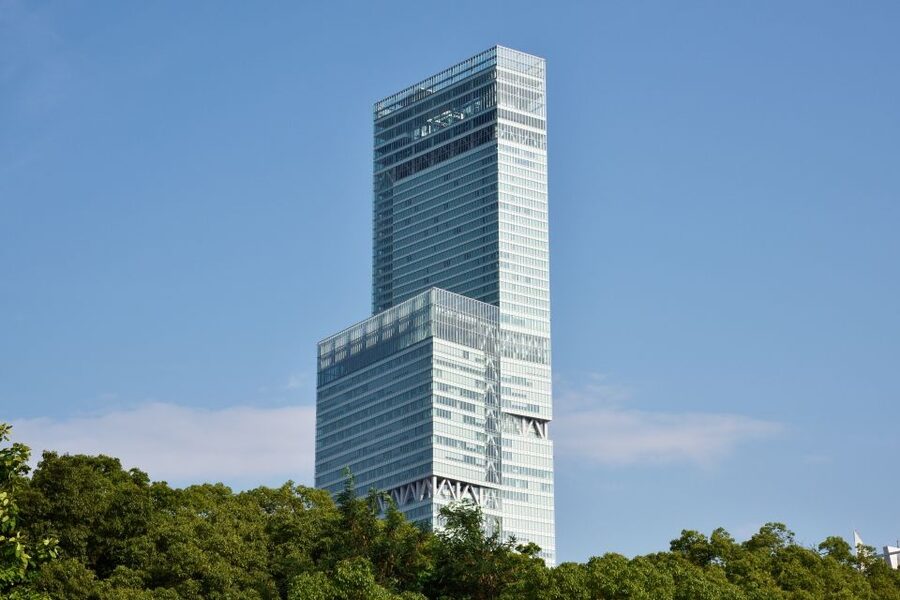
Next comes the payoff for people who love big-city height. You visit Abeno Harukas 300 for a view from high above, then you drop down into the department store food scene underneath.
That vertical shift is smart. From up there, you see Osaka’s density and how districts spread and connect. Then the underground food hall grounds it again in the everyday reason people keep coming back: eating. This tour gives you both perspectives in the same stop.
The food hall side of the visit is not treated like a formal sit-down meal. You explore, browse, and see high-end products. You might spot items like puffer fish and Kobe beef showcased in ways that show how seriously Osaka takes food branding and quality.
Practical consideration: if you are sensitive to crowds, the view area and food hall can get busy. It is still manageable, but you will want to move with your group and follow your guide’s timing.
A few more Osaka days to weigh up
- Osaka Bar Hopping Night Walking Tour in Namba (3 bars, 6 tastes)
★ 5.0 · 958 reviews - Osaka: Deep Backstreets Walking Tour with Dinner Option
★ 4.9 · 902 reviews - Ultimate Osaka Walking Tour: Castle, Dotonbori & Hidden Gems
★ 5.0 · 862 reviews - Private Osaka Walking Tour: Highlights & Hidden Gems
★ 5.0 · 569 reviews
Shinsekai: Slightly Crumbling Nostalgia That Feels Real
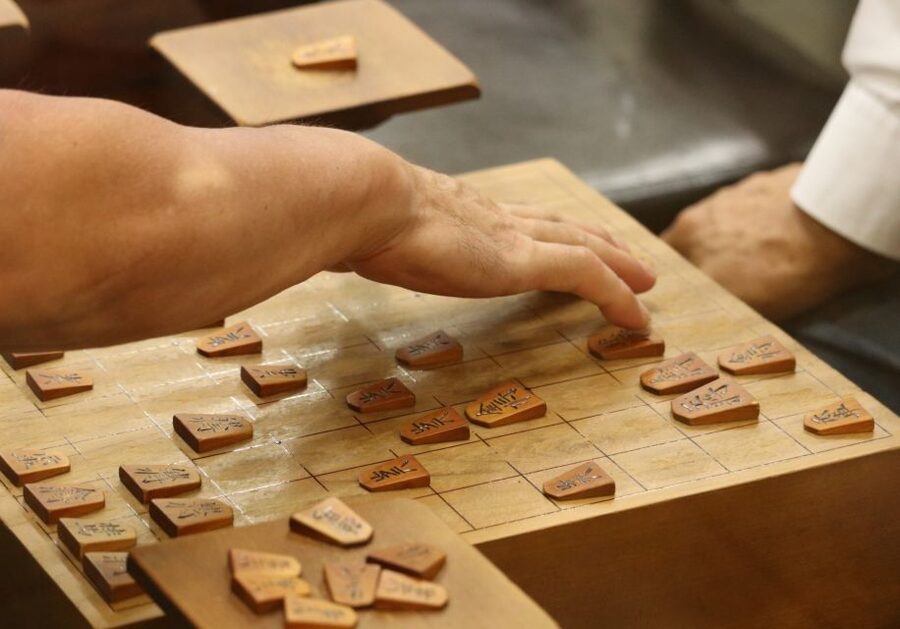
From Harukas, you head to Shinsekai, a neighborhood known for its entertainment history and that old-school Osaka vibe. This is not a polished theme park. It has that slightly worn feel, like parts are frozen mid-story.
That is exactly what you want. Shinsekai helps you understand Osaka entertainment culture without turning it into a museum stop. You see the shapes of older leisure districts and get the sense of why people fall for Osaka’s character: it is not trying to be perfect.
Guides often slow down their commentary here. In the guide stories from the walk, this kind of stop is where the narrative becomes more personal to the city’s identity, not just landmark facts. Oisin and Oshin, for example, were singled out for making Osaka’s neighborhoods feel connected, not random.
Photo tip: look for contrast. Shinsekai gives you manmade textures, signage, and street corners that look like they belong in old postcards, even when they are right in front of you.
Namba and Dotonbori: Osaka’s Present-Day Power Center
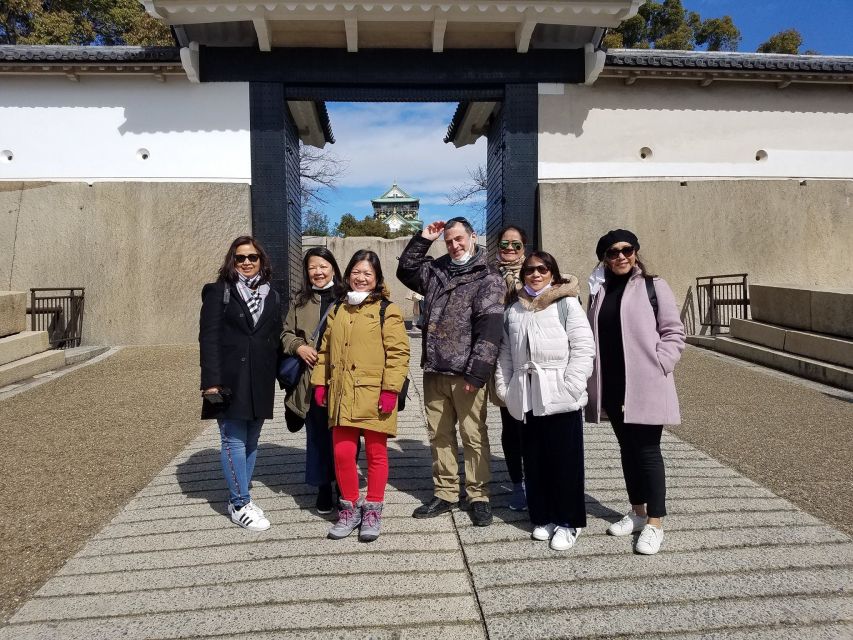
Now the tour moves into Namba, the center of shopping, dining, and nightlife energy. This part of Osaka can feel loud and fast, like the city turned up the volume knob. That is why having a guide matters. You navigate the intensity and still come away with useful impressions.
From Namba, you reach Dotonbori, often described like Osaka’s Times Square. The key difference is that Dotonbori is not just big lights. It is a web of back streets and surprising side spots where the city’s personality shows up in food smells, neon, and constant motion.
This is also where your guide’s street-level advice shines. Several reviews mentioned guides using the walk to give practical tips beyond what you can read on a sign, including how to get around and what to prioritize afterward. If you are only in Osaka for a short time, this is a big deal.
Practical note: Dotonbori evenings can be intense. Even in daylight, keep your belongings secure and expect traffic patterns that take a minute to read. Stay close to the group and you’ll be fine.
Kuromon Ichiba: The Market Stop That Explains Osaka Food Culture
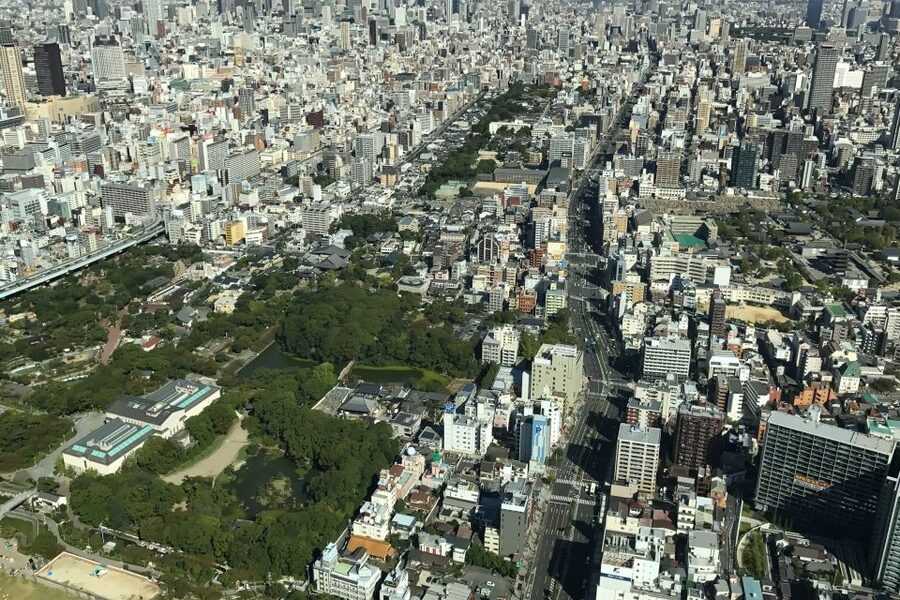
Right near Dotonbori is Kuromon Ichiba, a fresh fish market that has played a major role in Osaka for more than 150 years. This stop is valuable because it gives you the “how” behind the obsession. Osaka does not just eat. It shops, it judges quality, it builds routines around food.
You do not need to be a seafood expert to enjoy Kuromon. Even if you only snack, you learn how the market works, how vendors present products, and why this kind of market is a cornerstone of merchant culture.
And since the tour does not plan a big official food stop, Kuromon becomes your realistic chance to pick up something small if you need it. Expect chances to buy snacks here and there, but do not plan on a full meal included in the price.
Doguyasuji Kitchen District: Wax Food Models and Cooking-Tool Theater
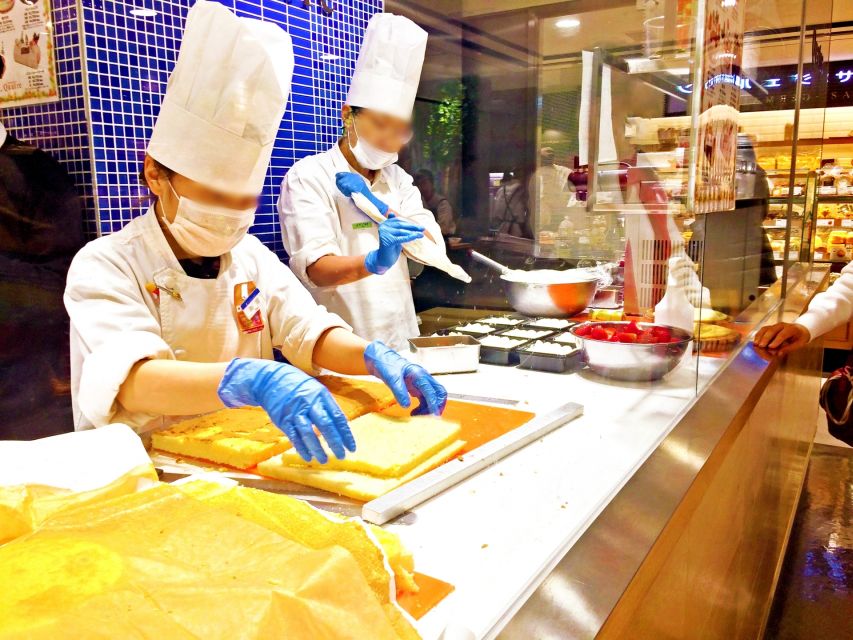
The tour ends with Doguyasuji, a kitchen and cooking district that is all about the objects behind the meals. This is the kind of place you might walk past without knowing why it matters, unless someone points you toward it.
What to look for:
- wax food models that show dishes in a hyper-real, shop window way
- noren curtains at kitchen entrances
- large pottery pieces that look like they belong in a kitchen museum
This is a fun, tangible way to extend Osaka’s food theme into the supporting cast: the tools, the design, the visual merchandising, and the craft of cooking culture.
If you like photographing details, Doguyasuji rewards slow looking. If you want one souvenir category that feels like Osaka rather than generic Japan, this is a strong bet.
The Walk Itself: Pace, Steps, and How to Stay Comfortable
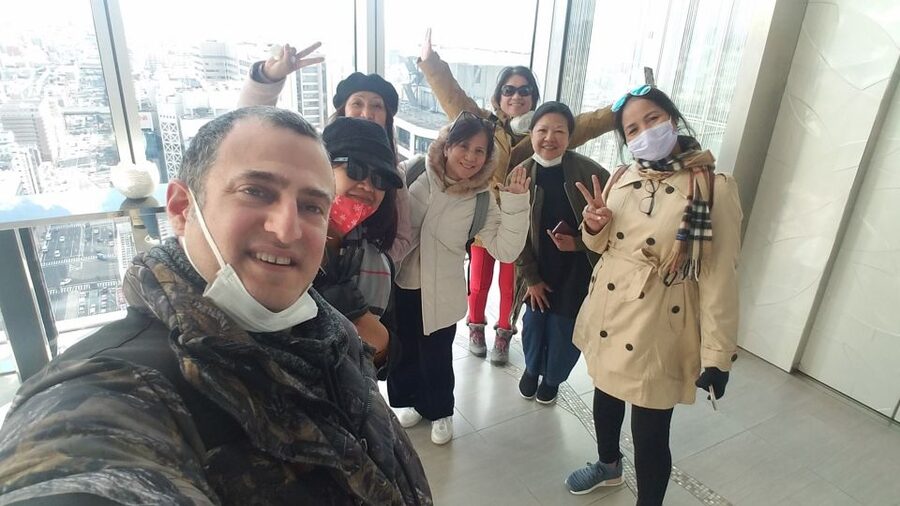
This is a half-day tour, but it does not mean light walking. You cover several districts and use public transport between them. That is great for efficiency, but you should plan your body like it is a long city morning.
Two practical reminders:
- Wear comfortable shoes. Osaka sidewalks have their own rhythm, and you will spend a lot of time standing and walking.
- Carry something small for thirst. There are chances to buy snacks, but food stops are not part of the structure.
Also, the tour runs rain or shine. So if clouds roll in, you still get the full route. A light layer and a compact umbrella or rain shell can save your mood.
Price and Value: Why $59 Can Be a Smart First-Day Move
At $59 per person for about four hours with an English-speaking guide, you get a lot more than sightseeing. You are paying for:
- district-to-district orientation
- local historical storytelling tied to what you see
- routing that would take you longer to assemble on your own
- practical tips for what to do with the rest of your Osaka time
The guide influence shows up in the strongest reviews. People repeatedly praised guides like Ferdinand, Kevin, Oisin, Oshin, Bryan, and Hugo for history, storytelling, and answering questions well. One recurring theme was that the tour gives you a better Osaka mental model, so your remaining time is less aimless and more fun.
If you enjoy “walk-and-learn” travel, this price looks like a bargain. If you hate organized walking tours and would rather freestyle, it might feel structured. But for first timers in Osaka, guided value is usually the difference between guessing and understanding.
Who This Tour Fits Best, and Who Might Skip It
This tour is a strong match if:
- it is your first day in Osaka and you want quick direction
- you like history told through places, not long lectures
- you want a mix of famous sights plus less expected streets
- you care about food culture from markets to cooking districts
It is less ideal if you need slower, low-effort movement. The tour is a walking route with public-transport segments. The information also lists wheelchair accessibility while stating it is not suitable for people with mobility impairments, so you should verify your specific needs with the provider before booking.
Should You Book This Osaka Walking Tour?
If you want a smart first-day foundation, I would book this. The route hits the big names, but it also builds in the neighborhoods that explain why Osaka feels like Osaka, not just another Japanese city.
Book it if you like guided storytelling, market culture, and street-level exploration in a half-day package. Skip it only if you want a slower pace with full food stops or if you know you will struggle with lots of walking and stairs.
FAQ
Where is the meeting point?
Meet in front of Tanimachiyonchome Station Exit 2. If you arrive by taxi, use the intersection name tanimachi 3-chome (谷3交差点).
How long is the tour?
The tour is 4 hours.
Does this tour include a visit inside Osaka Castle?
No. You admire Osaka Castle from the outside and stroll around Osaka Castle Park, but you do not go inside the castle.
Is food included in the price?
Food and drink are not included. There are no official food stops, but you may have chances to buy snacks along the way.
Do you go up in Abeno Harukas?
Yes. You visit Abeno Harukas 300 and enjoy views from high above, then you head underground to the food hall.
What is the weather plan?
The tour runs rain or shine.
What languages are available?
The live guide is available in English, French, and Spanish.
Do I need to use public transport to reach the meeting point?
Yes, the tour instructions recommend buying a subway day pass and using it to get to the meeting point and during the tour.
Is pickup included?
Hotel pickup and drop-off are not included. Pickup is available for an additional 5000 yen, payable in cash to the guide on day of tour or through a secure payment link.
What if I am a solo traveler?
The tour aims not to charge a solo supplement, but if the minimum of 2 guests is not met, you will be offered an alternate date, a 4000 yen solo supplement, or a full refund.
Where does the tour finish?
The tour finishes at 1-chōme-4-2 Nanba, Chūō-ku, Osaka, 542-0076, Japan.
Newly listed around Osaka
- (Ticket Included) Explore Osaka Castle & Museum of History★ 4.8 · 21 reviews
- Hidden Osaka – Yukaku Red Light Tour & Culinary Adventure★ 4.8 · 96 reviews
- Osaka: Walking Tour and Top Highlights★ 4.8 · 104 reviews
- Same Day OK! Osaka: Local Food, Izakaya & Local Bites Tour!★ 4.8 · 17 reviews
- Osaka: Private Ceramic Painting Workshop★ 5.0 · 13 reviews
- Eat Like a Local in Osaka – Private Custom Street Food Tour★ 4.3 · 33 reviews
- Pickleball in Osaka & Kyoto with Locals!★ 4.6 · 64 reviews
- Osaka:SUMO BEATS SHOWCASE: Taiko Drum and Wagyu burger!★ 4.2 · 37 reviews
Walking Tours, compared.
Kyoto Geisha Walking Tour: Gion District & Hidden Gems
Read our review →
Tokyo Tsukiji Fish Market Food and Culture Walking Tour
Read our review →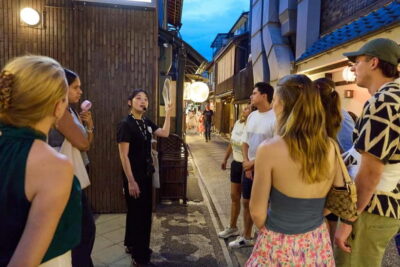
Gion Geisha District Walking Tour – Stories of Geisha
Read our review →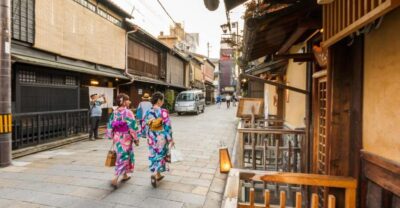
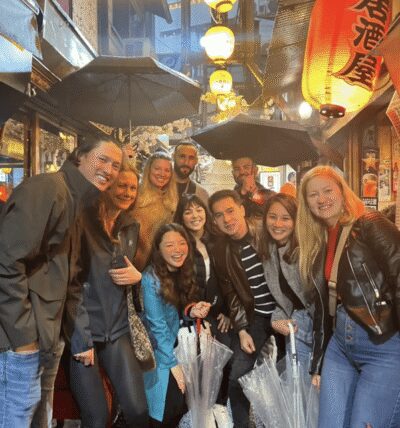
Shinjuku Local Bar and Izakaya Guided Walking Tour
Read our review →
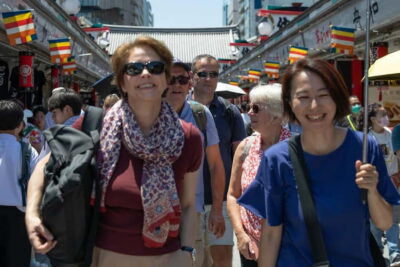
Asakusa Walking Tour with Sensoji Temple Visit
Read our review →
Kyoto Gion Geisha District Walking Tour – The Stories of Geisha
Read our review →Browse the lists this tour appears in