
Review · SUSHI COOKING WORKSHOPS
Osaka Sushi Miso soup Adventure: A Journey of Exotic Flavors
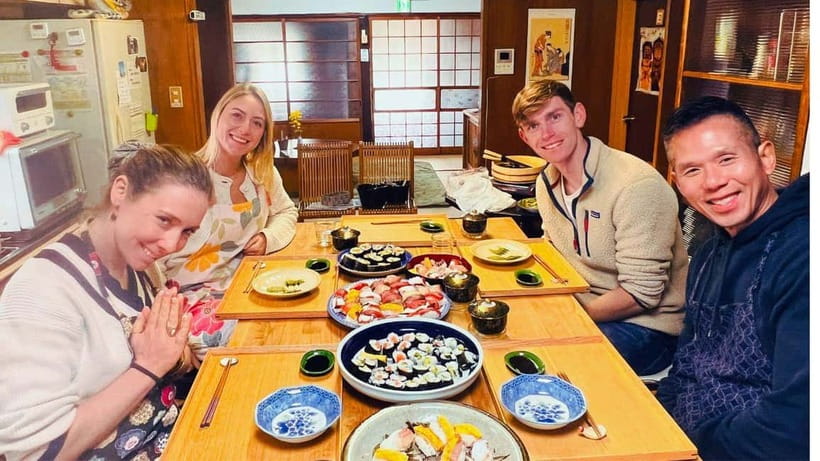
Sushi secrets in Osaka, not a demo. I love how this hands-on class with Chef Yuki turns an art form into step-by-step skill, all in a small group setting. The big draw for me is that you are not just watching, you are actually making sushi and Japanese basics you can repeat at home.
Two things I especially like: the lesson is personal, and the guidance is clearly built from long experience, including techniques taught by a sushi master with 40+ years behind them. One thing to consider is logistics, the kitchen meeting point is near Nukata Station, about a 30-minute ride from Osaka Namba, so plan your timing and arrive a bit early.
In This Review
- Key takeaways before you go
- Why this Osaka class feels practical, not just tasty
- Finding Chef Yuki near Nukata Station (and getting there from Namba)
- What you make in 3 hours, and how each dish teaches a skill
- Sushi rice and dashi basics: the part most people skip
- Rolling nigiri, hosomaki, and tamagoyaki without getting frustrated
- Tuna zuke and kombu-jime salmon: the flavor and the practical takeaway
- Miso soup from scratch, and why the soup matters
- The real reason people love Chef Yuki’s class: the pace and the attention
- Price, value, and what you are really paying for at $96 per person
- Who this experience suits best (and who might want a different option)
- Should you book Chef Yuki’s Osaka sushi and miso class?
- FAQ
- How long is the sushi and miso soup class in Osaka?
- What is included in the experience?
- How many people are in the group?
- What dishes will I learn to make?
- Where is the meeting point?
- Is there free cancellation?
Key takeaways before you go
- Chef Yuki’s sushi background comes from training with a master who has 40+ years of experience
- Hands-on sushi time includes nigiri, hosomaki, and tamagoyaki, not a sit-and-watch format
- Fish flavor upgrades focus on tuna zuke and kombu-jime salmon, using marinating and curing methods
- Miso soup and Japanese foundations are made from scratch, with basics like dashi broth and wasabi paste covered
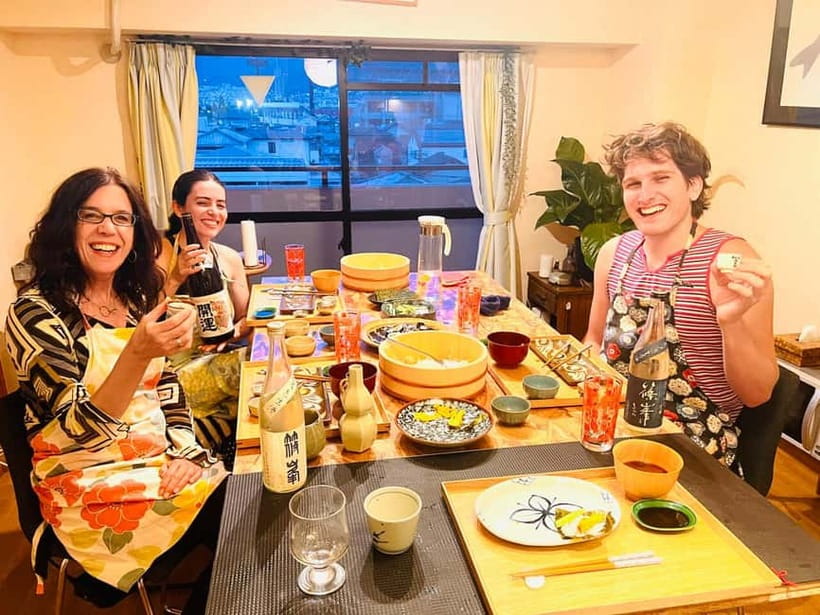
- Small group format keeps it cozy and gives you room to ask questions while you work
- You get recipes to take home, plus insider tips about Osaka and Japanese cooking
Why this Osaka class feels practical, not just tasty
Osaka has food energy, but this experience is different from the usual sightseeing hit list. You come for sushi. You leave with technique. That is the real value.
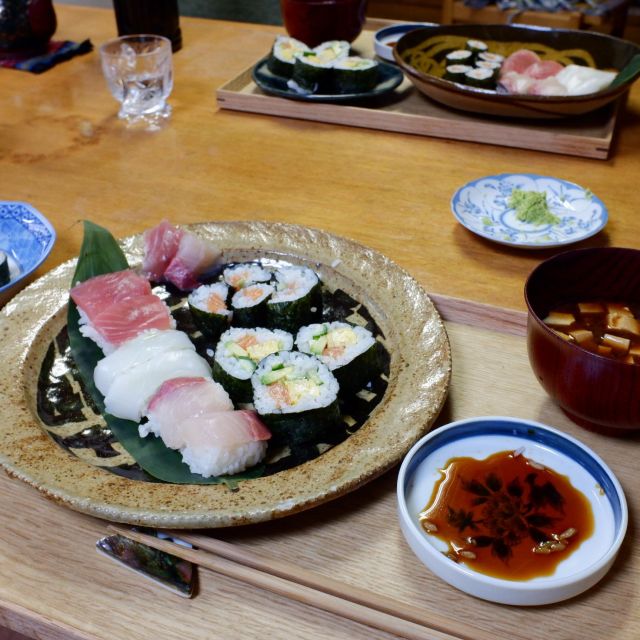
I like that the focus is on what makes sushi work: properly prepared rice, smart fish prep, and sauces or accompaniments that actually taste balanced. If your sushi at home has ever fallen apart, been bland, or tasted like it needed one more thing, this class gives you the missing links. You are working with fresh ingredients and traditional seasonings, guided in English, and limited to a small group of up to 6 people, so you get attention while your hands are busy.
Another strong point is the chef’s credibility. Chef Yuki is trained by a sushi master with 40+ years of experience, and you can feel that in how she explains the why, not just the how. People often compare what they make here to top market sushi, like Tsukiji. The lesson is not pretending to be fancy. It is trying to be accurate.
Is it perfect for everyone? The only realistic downside is that you are not meeting in a central, walk-everywhere sightseeing zone. You need to get to Nukata Station and take a short walk, then settle in. Once you do, the format is friendly and relaxed.
More Sushi Workshops in Osaka
- Sushi Making Osaka! Popular Sushi Class in Japan!
★ 5.0 · 500 reviews - Osaka Sushi Making Experience
★ 5.0 · 400 reviews - Osaka: Roll and Authentic Sushi Making Class in Dotonbori
★ 4.9 · 239 reviews
Finding Chef Yuki near Nukata Station (and getting there from Namba)
The meeting point is at 4-19 Nukata-cho, Osaka, directly at the cooking class location. Look for a white building near Nukata Station. It is easy to reach: about a 5-minute walk from the station.
If you are starting from Osaka Namba, here is the simple route you can plan around:
- Take the Kintetsu Nara Line from Osaka Namba Station
- Get off at Nukata Station (about 30 minutes, ¥430)
- Walk about 5 minutes to 4-19 Nukata-cho
Give yourself a little buffer. The class asks you to arrive 10 minutes early so you can start smoothly. In practice, Chef Yuki has helped people by meeting them near the station area, depending on timing, but the safest move is to arrive on time and follow the address guidance.
One more practical note: because this is in a real kitchen setting, you will be working with hands-on steps. Wear something comfortable for standing and using your arms for rolling and plating.
What you make in 3 hours, and how each dish teaches a skill
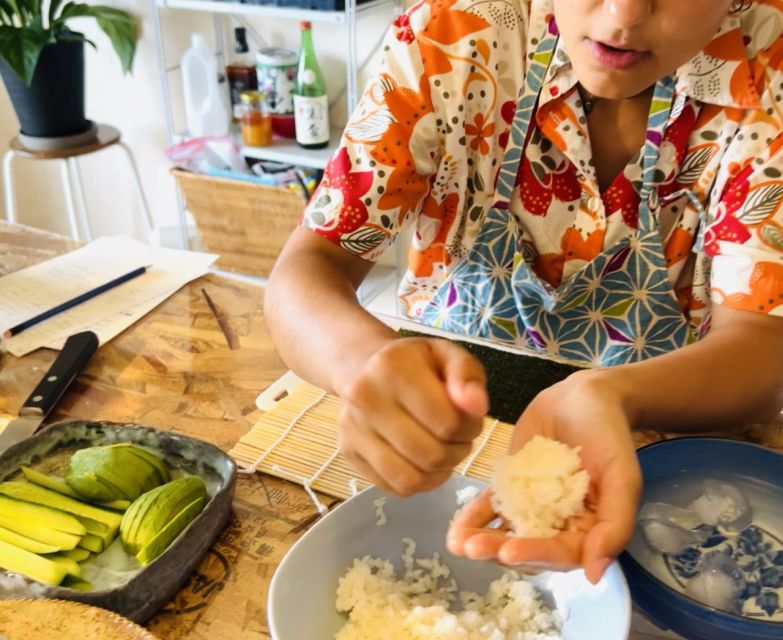
This is a 3-hour course built around building blocks. You will make several items, then eat what you create together at the end. That matters more than it sounds. When you taste your own food right away, your brain connects technique to results.
Here is what you should expect to learn and produce:
- Nigiri sushi, focusing on the balance between properly seasoned rice and fish
- Tuna zuke, marinated tuna in a traditional soy-based style
- Kombu-jime salmon, kelp-cured salmon, a method designed to improve texture and freshness
- Hosomaki, thin rolls using a single-ingredient approach
- Tamagoyaki, the Japanese rolled omelet using a square pan
- Miso soup, prepared from scratch to finish the meal
The class also covers Japanese cooking basics that support sushi flavor. You might work with ingredients or processes tied to dashi broth and even learn basics like preparing wasabi paste. Those are not random add-ons. They are the flavor glue of Japanese home cooking.
Sushi rice and dashi basics: the part most people skip
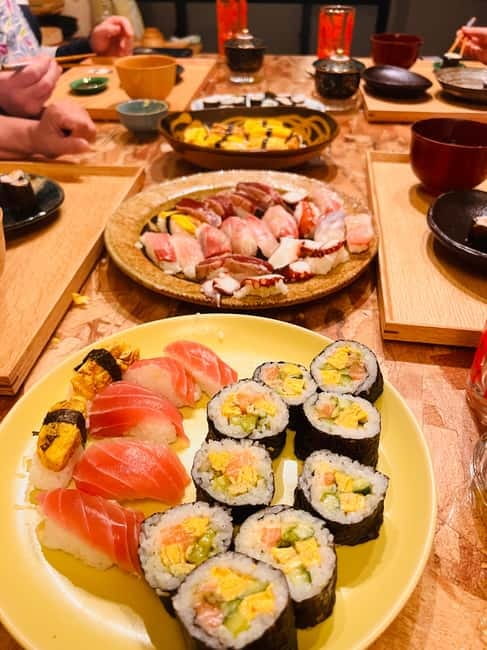
A lot of sushi at home fails because rice is treated like an afterthought. Here, rice preparation is a core part of the lesson, including how to handle it in a traditional way (using a traditional pot is part of what you learn). It is not just about taste. It is about texture, temperature, and consistency, so the rice holds together when you shape nigiri or roll hosomaki.
Then there is dashi broth, the quiet hero behind a lot of Japanese flavor. You learn the basics that help your miso soup taste like miso soup, not like something made from a packet plus hot water. When you understand dashi, you also stop relying on shortcuts.
If you only take one thing from this class, make it this: sushi is not only fish. It is rice discipline plus flavor support. When those two are right, even simple fish tastes correct.
A different sort of day in Japan:
- Osaka Go Karting Tour with Funny Costume
★ 5.0 · 2,658 reviews - Osaka Castle: Museum and Tower Entry Ticket
★ 4.5 · 2,380 reviews - Osaka: Shinsekai Food Tour with 13-15 Dishes at 5 Eateries
★ 4.8 · 2,204 reviews - Osaka Food Tour: 13 Dishes at 5 Local Eateries
★ 5.0 · 2,149 reviews
Rolling nigiri, hosomaki, and tamagoyaki without getting frustrated
Sushi rolling has a reputation for being hard. In a class like this, the hard part becomes manageable because you are taught in steps.
For nigiri, you focus on the rhythm of forming the rice and placing fish in a way that looks clean and tastes balanced. The goal is not restaurant performance art. The goal is consistent structure, so each bite holds together without becoming a messy pile.
For hosomaki, you work on thin rolls, which means precision and patience. Hosomaki is a great learning roll because the roll is smaller and often uses a single ingredient. That simplicity helps you see how rice quantity, pressure, and seam alignment affect the final cut.
For tamagoyaki, you practice one of Japan’s most recognizable comfort foods. The key is the square pan technique. Omelet rolling is not only about taste. It is about learning how to build layers evenly so the texture stays tender and sliceable. When tamagoyaki is done right, it tastes sweet, savory, and comforting, and it also feels like a skill you can reuse for breakfasts or bento-style meals later.
The nice part is that this is not a stressful throw-you-in-the-deep-end setup. Because the group is small and Chef Yuki is actively teaching, you get feedback while you go.
Tuna zuke and kombu-jime salmon: the flavor and the practical takeaway
This is where the class gets real for everyday life.
You will learn tuna zuke, which is marinated tuna in a soy-based style. You are not just eating it. You learn the method so you understand how the marinade seasons the fish and how that changes flavor over time.
Then you learn kombu-jime salmon, using kelp curing. Kelp curing is a traditional method that helps the salmon taste cleaner and feel more refined, while also supporting freshness.
Why I think this part is such a smart lesson: the techniques are designed for practicality. The class explains that marinating or curing can keep the fish fresh for around 3 to 4 days. That is a huge advantage if you are outside Japan and fresh sushi-grade fish is not easy to find on short notice.
If you enjoy sushi but struggle with sourcing ingredients, this is the bridge. You can buy fish responsibly, then use curing or marinating methods to build flavor without treating the process like a one-time special occasion.
Miso soup from scratch, and why the soup matters
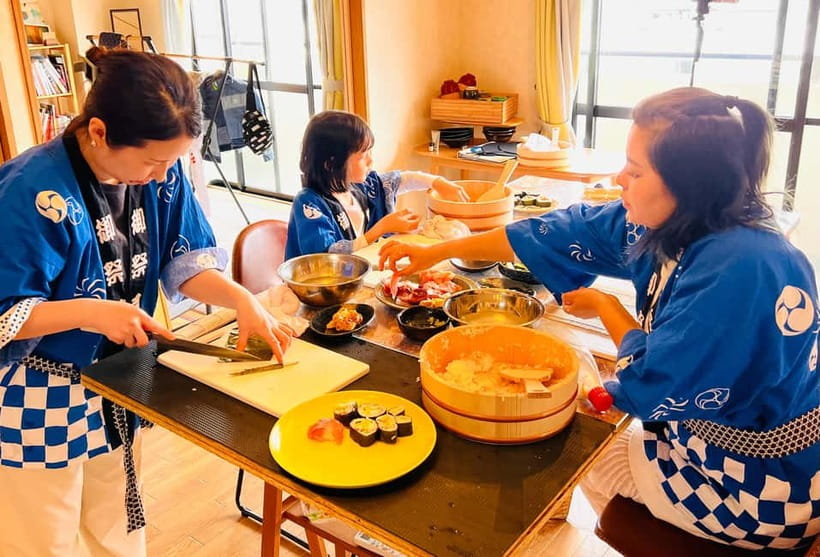
Sushi lessons can end after rolls and nigiri. Here, miso soup is built in as the closing dish, and it makes the meal feel complete.
When you make miso soup from scratch, you learn how to balance saltiness and depth, and how to let dashi flavor carry the bowl. This is the part that often separates a tasty meal from a truly Japanese one, because miso soup is not supposed to shout. It is supposed to support everything else on the table.
If you are someone who loves cozy food that still tastes clean and intentional, you will probably enjoy this portion a lot. You also get to apply the dashi basics you learned earlier, which reinforces your understanding instead of turning miso into a random separate recipe.
Diet notes: one participant shared they are vegetarian and had no major problem with accommodations when it came up. Your safest move is to tell Chef Yuki about dietary needs ahead of time so she can plan.
The real reason people love Chef Yuki’s class: the pace and the attention
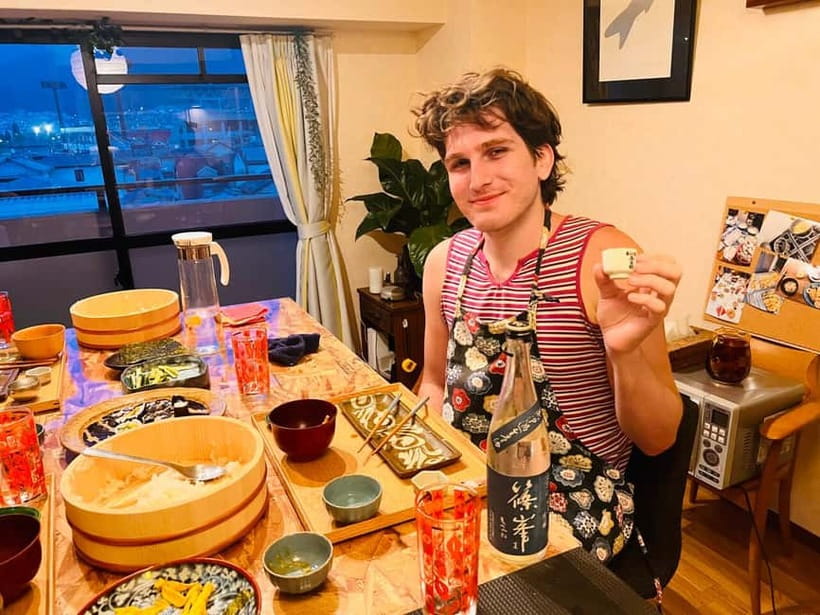
Chef Yuki’s teaching style is clear and friendly. Many people mention a cozy environment and step-by-step explanations, and that matches how the class is set up. With a small group size, you are not stuck watching from the sidelines while the action happens around you.
You also get a cultural layer that is not forced. The class includes tips about Japanese cooking and Osaka life, and the small group makes it easier to ask practical questions. That matters because sushi is full of tiny details, like rice handling and flavor balance, and those are the questions that make you better after you leave.
Another value point: you get recipes to take home. That means you are not stuck trying to remember every ingredient and timing cue from memory. If you want a longer-lasting reference, some people purchase Chef Yuki’s cookbook as well.
Price, value, and what you are really paying for at $96 per person
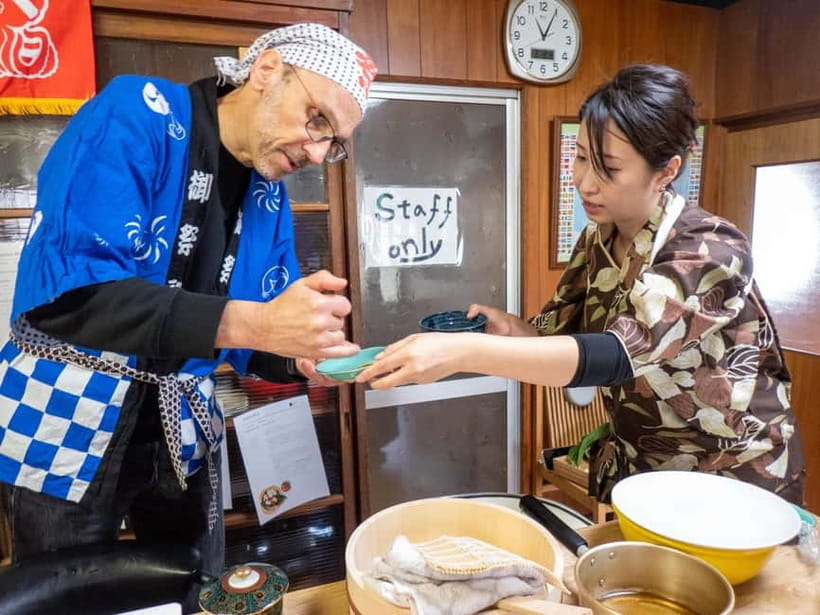
At $96 per person, it is not a bargain class. But it also is not paying only for food. You are paying for instruction by an experienced chef, fresh ingredients and traditional seasonings, and a full hands-on session that includes multiple dishes.
Here is where the value shows up:
- You learn techniques with lasting payoff, especially tuna zuke and kombu-jime curing methods
- You make enough food that you eat together at the end, so it feels like a real meal, not a snack session
- The small group limits distractions and increases feedback while you work
- You get recipes, so your learning continues after the class ends
If you like cooking and you want to leave Osaka with something useful, this price starts to make sense. If you only want a quick taste and zero effort, you might choose a simpler food tour instead.
Who this experience suits best (and who might want a different option)
I would recommend this class if:
- You want hands-on sushi practice instead of a lecture
- You like Japanese flavor systems, especially miso soup and dashi
- You want methods you can repeat at home, not just a one-night meal
- You enjoy small-group teaching where you can ask questions
It can also work for families. One review mentioned taking a baby to the class and support from the host, which suggests the atmosphere can be flexible if planned well.
If you do not like fish at all, or you want only vegetarian cooking with no fish-based components, you should check with Chef Yuki before booking, since the class includes tuna zuke and kombu-jime salmon as core items.
Should you book Chef Yuki’s Osaka sushi and miso class?
Book it if you want a real skill upgrade with a fun, low-stress group size, and if the idea of learning tuna zuke and kombu-jime curing makes you think, yes, I can use that at home.
To make it go smoothly, do three things:
- Arrive 10 minutes early at the white building near Nukata Station so you start calmly.
- Come hungry and ready to work with your hands, not just take pictures.
- Tell Chef Yuki about dietary needs up front so she can guide you confidently.
If you are the type who remembers recipes better when you have practiced them, this class is a strong fit.
FAQ
How long is the sushi and miso soup class in Osaka?
The class runs for 3 hours.
What is included in the experience?
You get fresh ingredients and traditional seasonings, plus instruction from Chef Yuki (English-speaking).
How many people are in the group?
The class is a small group limited to 6 participants.
What dishes will I learn to make?
You will make nigiri sushi, tuna zuke (marinated tuna), kombu-jime salmon (kelp-cured salmon), hosomaki, tamagoyaki, and miso soup.
Where is the meeting point?
The meeting point is at 4-19 Nukata-cho, Osaka, at the cooking class location. It is near Nukata Station and is about a 5-minute walk.
Is there free cancellation?
Yes, you can cancel up to 24 hours in advance for a full refund.
Newly listed around Osaka
- (Ticket Included) Explore Osaka Castle & Museum of History★ 4.8 · 21 reviews
- Hidden Osaka – Yukaku Red Light Tour & Culinary Adventure★ 4.8 · 96 reviews
- Osaka: Walking Tour and Top Highlights★ 4.8 · 104 reviews
- Same Day OK! Osaka: Local Food, Izakaya & Local Bites Tour!★ 4.8 · 17 reviews
- Osaka: Private Ceramic Painting Workshop★ 5.0 · 13 reviews
- Eat Like a Local in Osaka – Private Custom Street Food Tour★ 4.3 · 33 reviews
- Pickleball in Osaka & Kyoto with Locals!★ 4.6 · 64 reviews
- Osaka:SUMO BEATS SHOWCASE: Taiko Drum and Wagyu burger!★ 4.2 · 37 reviews
Sushi Cooking Workshops, compared.
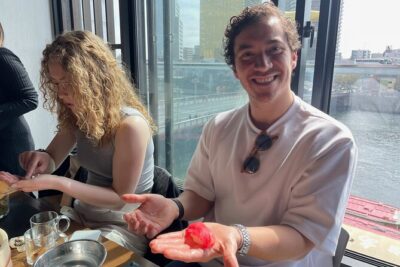
Sushi Making Tokyo Roll and Authentic Japanese Sushi Class
Read our review →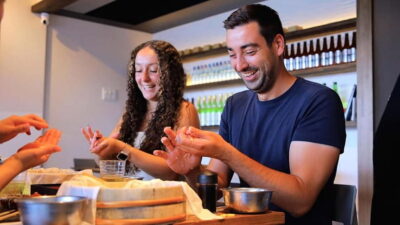
Roll and Authentic Sushi Making Class in Asakusa
Read our review →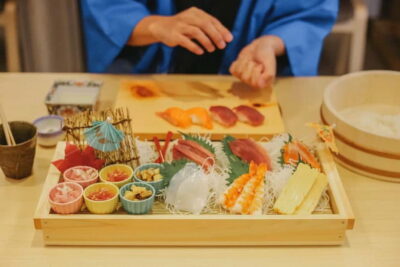
Sushi Making Class in a Happi Coat near a Famous Spot
Read our review →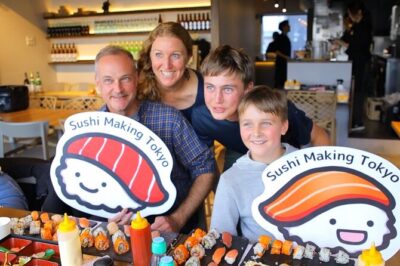
Sushi Making Tokyo! Popular Maki Sushi & Japanese Sushi(+Recipe!)
Read our review →
Tokyo Sushi Making Class in Tsukiji with Professional Chef
Read our review →
Tokyo Night Foodie Tour in Shinjuku – Seasonal Sushi, Wagyu Beef
Read our review →
Tsukiji Fish Market Guided Tour and Sushi Making with Pro Chef
Read our review →
Tsukiji Fish Market Sushi Making Class with Pro Chef
Read our review →Browse the lists this tour appears in