
Review · SUSHI COOKING WORKSHOPS
Osaka: Roll and Authentic Sushi Making Class in Dotonbori
Sushi class, but make it a game. This Osaka sushi making class turns learning into a light, interactive session, starting with sushi history through a quiz before you start building your own pieces. It takes place in the heart of the city, close to Dotonbori and Shinsaibashi, so the experience feels tied to Osaka’s food culture instead of tucked away on the edge of town.
I especially like two things: you get hands-on practice making both roll sushi and authentic Japanese styles like nigiri, and you do it with English-speaking local instructors who bring real energy to the room. Instructors such as Shoki, Takara, and Yui come up again and again in feedback for being friendly, patient, and genuinely fun. One consideration: because it is a full 100 minutes and you will want to enjoy your food, the last stretch can feel a bit rushed if you’re a slow eater or you’re worried about every tiny detail.
In This Review
- Key Highlights You Should Notice First
- Central Osaka Location Makes This More Than a Cooking Class
- The 100-Minute Flow: Quiz, Technique, Then You Eat
- Sushi history quiz, done the fun way
- Step-by-step demonstrations before your hands go in
- Rolling sushi, then authentic Japanese sushi styles like nigiri
- Then you eat right away, so the class has payoff
- Small Group Energy, Clear English, and Instructors Who Actually Teach
- Why instructor personality matters here
- What You Learn: Skills You Can Actually Recreate at Home
- Diet and Allergy Notes: Options Exist, But Read the Rules
- Price and Value: $45 for Skills Plus What You Eat
- Potential Drawback: Timing and How Quickly You Finish Your Pieces
- Where to Go After Class: Use It as Your Dotonbori Fuel
- Who Should Book This Osaka Sushi Class
- Should You Book Sushi Making Osaka?
- FAQ
- How long is the sushi making class in Osaka?
- Do I need prior sushi or cooking experience?
- What will I make during the class?
- Where do I meet for the experience?
- What is included in the $45 price?
- Is the class taught in English?
- What diet options are available?
Key Highlights You Should Notice First
- Quiz-led sushi history that sets the tone without lecturing
- Two technique focus, roll-making plus authentic sushi styles like nigiri
- Central Osaka setting, near Shinsaibashi Station and Dotonbori
- English-speaking instructors who keep instructions clear and lively
- You eat what you make, so the class ends with real satisfaction
- Diet options supported, including vegan/vegetarian/gluten-free/halal with notice
Central Osaka Location Makes This More Than a Cooking Class
This is one of those Osaka experiences where the address matters. You meet at the 3rd floor of the Galleria Acca Building, about a 5-minute walk from Shinsaibashi Station, which means you can fold the class into an afternoon of shopping, street snacks, and dinner plans. And because the workshop is in the same area that feeds Osaka’s night-life energy, you feel like you’re doing something local, not just doing an activity.
Practical detail that helps: the building entrance is described as a bit hidden in a concrete structure, and there is an elevator, but not necessarily up to the workshop floor. If you have mobility needs or you want to minimize stairs, plan to arrive a few minutes early so you can sort out the route without stress.
More Sushi Workshops in Osaka
- Sushi Making Osaka! Popular Sushi Class in Japan!
★ 5.0 · 500 reviews - Osaka Sushi Making Experience
★ 5.0 · 400 reviews - Osaka: Sushi Class in Dotonbori
★ 4.9 · 160 reviews
The 100-Minute Flow: Quiz, Technique, Then You Eat
Even without a long schedule on paper, the class has a clear rhythm based on how it is taught. Expect an intro where the instructor sets expectations and then shifts quickly into learning. The big theme is sushi history and basics first, then the hands-on work.
Sushi history quiz, done the fun way
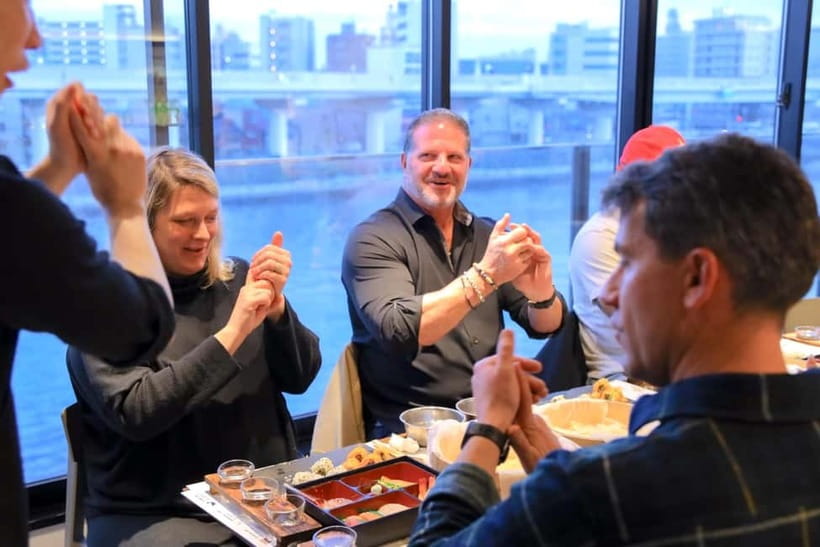
Instead of a dry talk, you get an interactive sushi history quiz. It’s lighthearted and it helps you understand what you are making and why. This matters more than it sounds, because once you know the intent behind different sushi styles, you stop treating it like only a food craft project and start treating it like food culture.
Step-by-step demonstrations before your hands go in
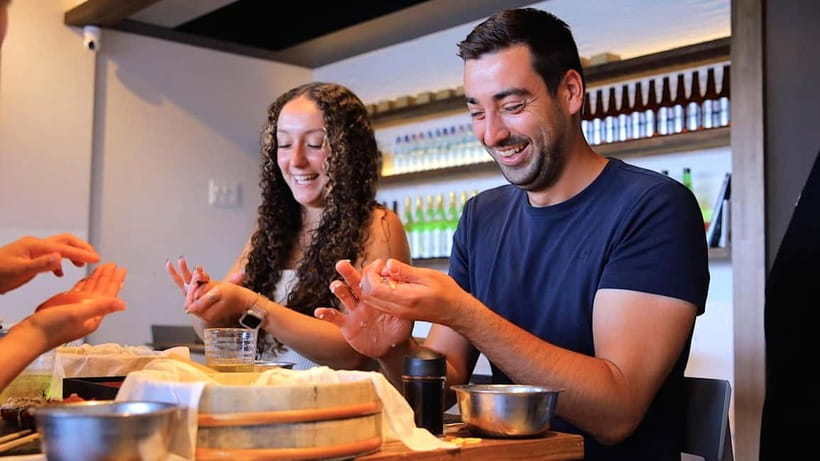
From what I’ve seen described, the instructors do a quick demo plus clear verbal guidance. Some sessions include video-style instruction followed by real-life demonstration. Either way, the goal is the same: you learn the “rules” before you start pressing rice and shaping pieces.
A different sort of day in Japan:
- Osaka Go Karting Tour with Funny Costume
★ 5.0 · 2,658 reviews - Osaka Castle: Museum and Tower Entry Ticket
★ 4.5 · 2,380 reviews - Osaka: Shinsekai Food Tour with 13-15 Dishes at 5 Eateries
★ 4.8 · 2,204 reviews - Osaka Food Tour: 13 Dishes at 5 Local Eateries
★ 5.0 · 2,149 reviews
Rolling sushi, then authentic Japanese sushi styles like nigiri
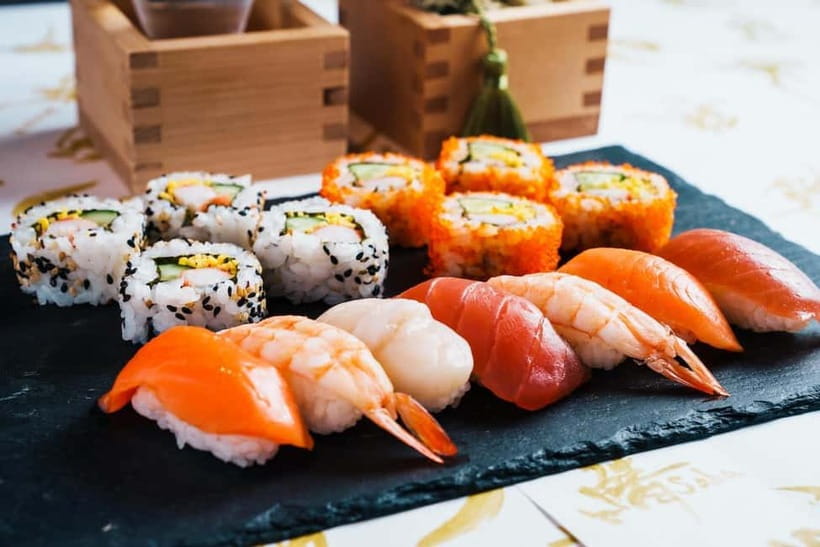
You make two types, and the class is known for covering both maki (roll) sushi and nigiri-style sushi. The rice and core ingredients are typically prepared ahead of time, which is a big deal for value in a short class. It means you spend your time on technique, not on cooking steps that would eat up the clock.
A nice signal of thoughtful teaching: instructors push for good habits, not just pretty results. One memorable line that comes up is the idea of being kind to your sushi, which sounds playful but it basically means treat the rice gently, keep portions controlled, and don’t rush your shaping.
Then you eat right away, so the class has payoff
You do not just take photos and leave. You eat the sushi you make. That ending is one reason the value feels strong at $45: you get skills and you also get an actual meal or at least a satisfying plate. One person noted the portions felt like enough for lunch, and many others called out that they were happy to eat everything they produced.
Small Group Energy, Clear English, and Instructors Who Actually Teach
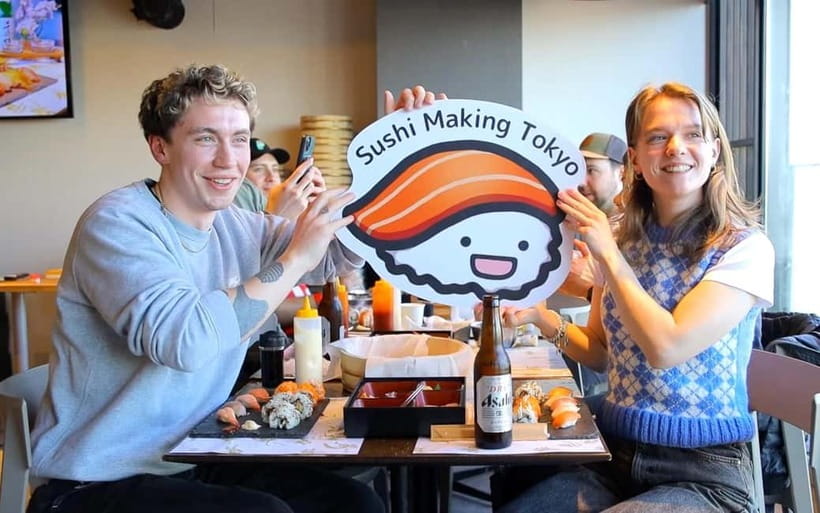
This is not a throw-you-in-and-hope-for-the-best situation. The room stays lively, and instruction is tailored to the group. People repeatedly mention that the environment is clean and well organized, and that the hosts are helpful when you get stuck.
English support is a key part of the comfort level. The class is listed as English taught, and feedback highlights that the guidance is easy to follow. That matters in sushi work because small steps affect everything: rice texture, how tightly you roll, how you form a topping, and even how you handle it once it is assembled.
Why instructor personality matters here
In sushi classes, the “how” is the hard part. The best instructors keep you from panicking. Many comments mention hosts being energetic and social, with lots of laughter during the process. Names that show up include Shoki, Hinata, Rika, Takara, and Yui, and the consistent theme is warmth plus patience.
One practical tip embedded in the tone: instructors often share city recommendations along the way. So you might leave with more than recipes, you might leave with where to go next for food in Osaka.
What You Learn: Skills You Can Actually Recreate at Home
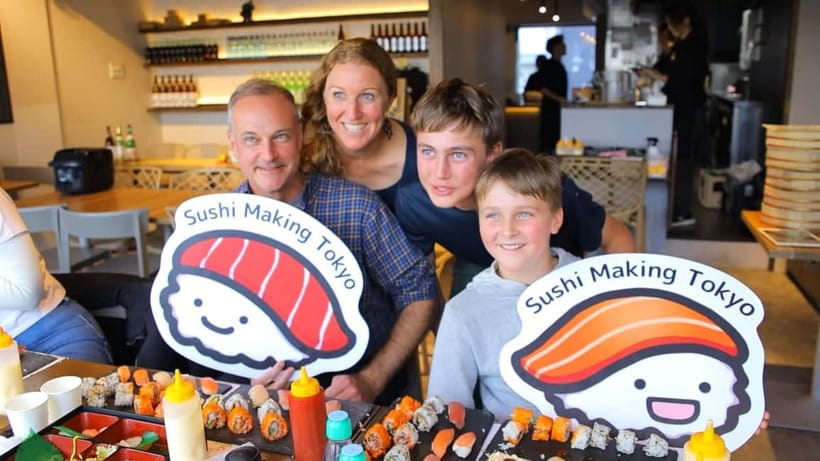
If you’re worried this will be all show and no substance, the feedback points the other direction. People describe learning techniques clearly and leaving with confidence. The key is that you do real assembly work, not only watching.
Here’s what this typically translates to for you:
- Rolling skills that help you manage tightness and shape, so your maki does not fall apart
- Nigiri-style basics, including how to balance rice and topping without overworking anything
- Handling tips that make sushi look better and taste better, because texture is everything here
- A sushi history foundation so you understand what differentiates the styles
Also, because the staff talk you through the process, it is not just copy-and-paste. You get enough context to try again later.
If you already love sushi, this is a great way to make it personal. If you are new to sushi, the history quiz and guided steps reduce the intimidation.
Diet and Allergy Notes: Options Exist, But Read the Rules
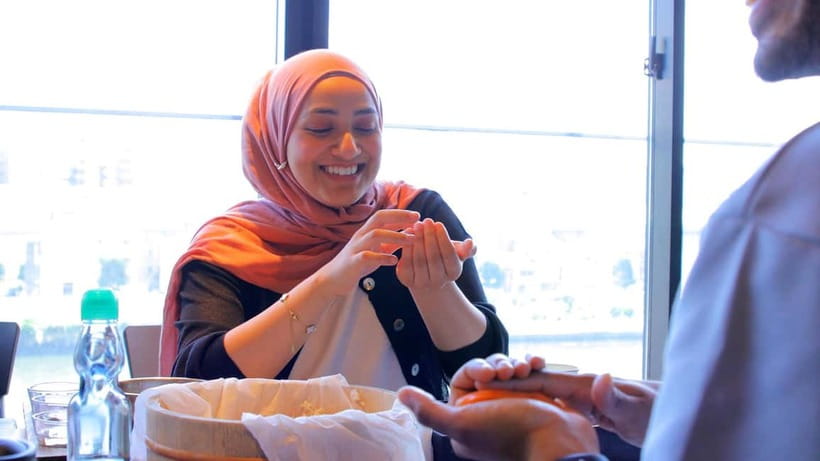
This class lists multiple menu options you can request in advance: vegan, vegetarian, gluten-free, and halal. It also includes an allergy note that says certain ingredient categories are not used: meat, nuts, fruits, dairy.
Two practical cautions based on the provided information:
- Menu changes need to be requested at least 3 days before your class.
- The class says it cannot respond on the day, and it does not accept ingredient specifications.
So if you have a serious allergy, treat this as a “confirm the plan early” situation, not a “show up and figure it out” situation. If you fall into vegan/vegetarian or halal, this still looks like a good match because the options are explicitly listed.
Price and Value: $45 for Skills Plus What You Eat
$45 sounds simple on paper, but the real question is what you get for it. In this case, you get:
- A 100-minute class with an instructor
- Ingredients included
- English instruction
- The meal benefit of eating what you make
Because sushi work is hands-on, “included ingredients” is a meaningful value item, not a marketing line. And since the location is central, you avoid extra transportation costs and you can fit it into a tight Osaka day.
The high rating, about 4.9 with 239 reviews, also signals consistency. Most comments land on the same core themes: fun instructors, clear explanations, enough ingredients, clean space, and good tastings at the end.
If you want a low-stress way to turn Osaka into something personal, this price-to-time ratio is hard to beat for sushi lovers.
Potential Drawback: Timing and How Quickly You Finish Your Pieces
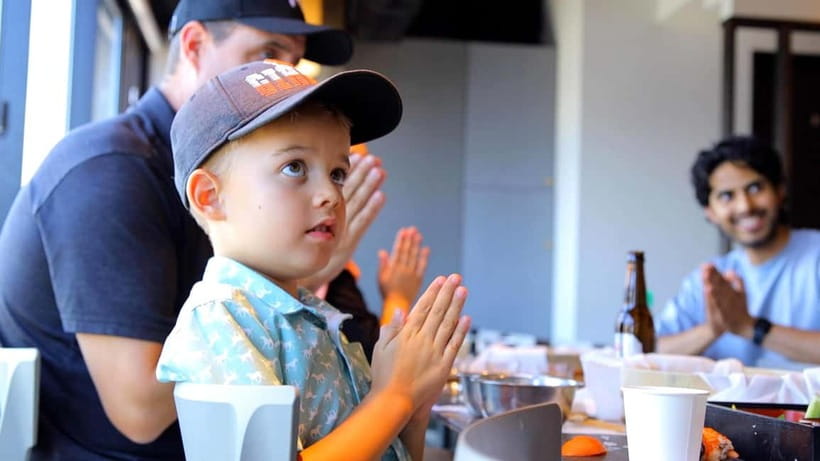
One downside that shows up in the feedback is time pressure near the end. Some people mention feeling a bit rushed to finish their sushi and then eat quickly. Another comment notes that items or trays might be collected before everyone is fully done eating, which can create anxiety if you’re trying to plate things carefully.
How to handle that: go into it with a calm mindset. You do not need to be perfect. Focus on technique and do not overthink plating. The goal is to learn, then enjoy eating immediately after.
Where to Go After Class: Use It as Your Dotonbori Fuel
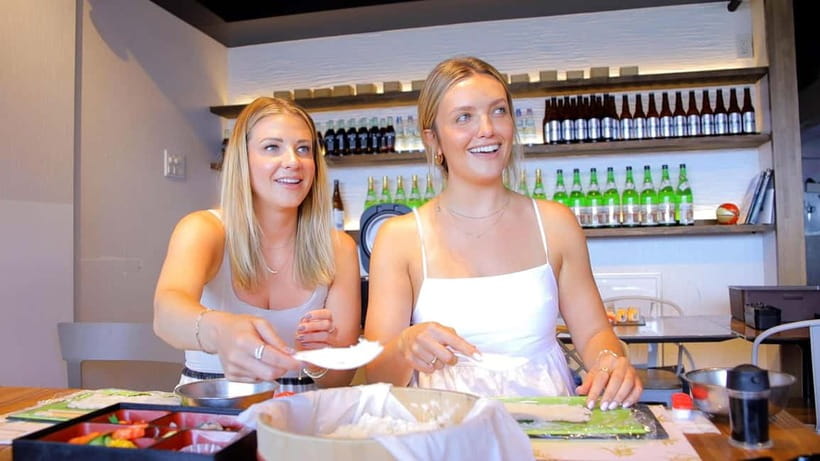
Because you start near Shinsaibashi and you’re close to Dotonbori, the class becomes a launchpad for a food-forward evening. After your sushi, you’ll already understand Japanese food habits better, so you can order with confidence.
A simple plan:
- Walk off the class by heading toward Dotonbori
- Do some street-food sampling in smaller bites
- Pick a dinner spot based on what you liked in class, not only what looks famous
If you want the night to feel tied together, look for places that match the kind of sushi vibe you practiced, like small counters or restaurants with clear ordering.
Who Should Book This Osaka Sushi Class
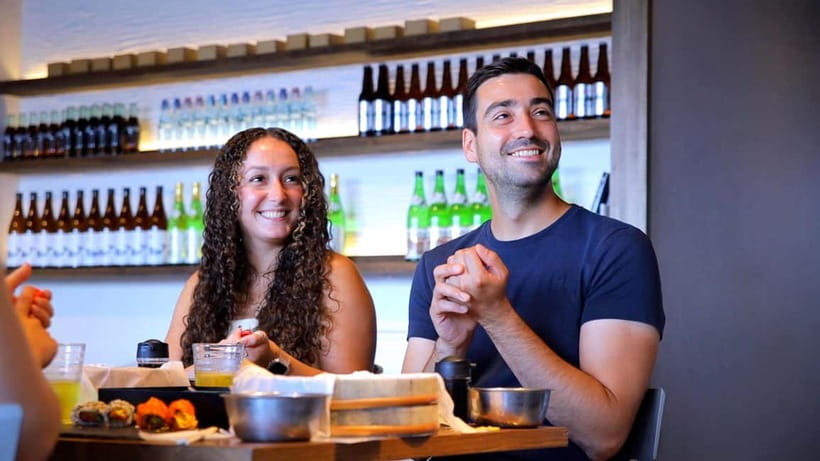
This class fits best if you want any of the following:
- A hands-on Osaka food experience with clear English guidance
- A fun activity that teaches you more than just rolling instructions
- A way to learn two sushi styles in one session
- A central, walkable location that does not require hotel pickup
It is also a good option for solo travelers because the structure and instruction do not depend on you coming with a cooking partner. Couples and small groups tend to like the social energy too.
If you hate time pressure and you want a slow, relaxed pace, you might feel slightly rushed toward the end. You can still love it, just adjust expectations.
Should You Book Sushi Making Osaka?
Book it if you want a fun, practical sushi class in central Osaka where you learn roll sushi and authentic Japanese styles, get instruction in English, and eat what you make. The $45 value is strongest for people who want both skills and a real payoff at the end.
Skip it or choose a different option if you are extremely sensitive to rushed pacing, or if you need very specific allergy handling beyond what the listed rules allow. In that case, message early and plan carefully.
Overall, this is the kind of class that turns Osaka food memories into something you can recreate, even if your first attempt at home is not perfect. The best part is that you leave with both sushi in your stomach and a clearer sense of what makes each style work.
FAQ
How long is the sushi making class in Osaka?
The class runs for 100 minutes.
Do I need prior sushi or cooking experience?
No experience is needed. The instructors guide you in English.
What will I make during the class?
You will make two types of sushi, including roll sushi and an authentic Japanese sushi style taught in the class.
Where do I meet for the experience?
Meet at the 3rd floor, Galleria Acca Building, about a 5-minute walk from Shinsaibashi Station.
What is included in the $45 price?
The price includes the cooking class, ingredients, and the instructor.
Is the class taught in English?
Yes, the class is taught in English.
What diet options are available?
Menu options listed include vegan, vegetarian, gluten-free, and halal. Menu changes need to be requested at least 3 days in advance, and ingredient specifications are not accepted.
Newly listed around Osaka
- (Ticket Included) Explore Osaka Castle & Museum of History★ 4.8 · 21 reviews
- Hidden Osaka – Yukaku Red Light Tour & Culinary Adventure★ 4.8 · 96 reviews
- Osaka: Walking Tour and Top Highlights★ 4.8 · 104 reviews
- Same Day OK! Osaka: Local Food, Izakaya & Local Bites Tour!★ 4.8 · 17 reviews
- Osaka: Private Ceramic Painting Workshop★ 5.0 · 13 reviews
- Eat Like a Local in Osaka – Private Custom Street Food Tour★ 4.3 · 33 reviews
- Pickleball in Osaka & Kyoto with Locals!★ 4.6 · 64 reviews
- Osaka:SUMO BEATS SHOWCASE: Taiko Drum and Wagyu burger!★ 4.2 · 37 reviews
Sushi Cooking Workshops, compared.
Sushi Making Tokyo Roll and Authentic Japanese Sushi Class
Read our review →
Roll and Authentic Sushi Making Class in Asakusa
Read our review →
Sushi Making Class in a Happi Coat near a Famous Spot
Read our review →
Sushi Making Tokyo! Popular Maki Sushi & Japanese Sushi(+Recipe!)
Read our review →
Tokyo Sushi Making Class in Tsukiji with Professional Chef
Read our review →
Tokyo Night Foodie Tour in Shinjuku – Seasonal Sushi, Wagyu Beef
Read our review →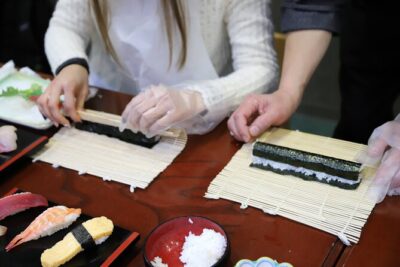
Tsukiji Fish Market Guided Tour and Sushi Making with Pro Chef
Read our review →
Tsukiji Fish Market Sushi Making Class with Pro Chef
Read our review →Browse the lists this tour appears in