
Review · HIROSHIMA PEACE MEMORIAL TOURS
Peace Memorial Park, Hiroshima Castle, & Garden Private Tour
Hiroshima hits hard, then lets you breathe. I like how this Peace Memorial Museum tour puts the bombing story into clear, human-focused context, and I also love the reset you get at Shukkeien Garden, where the pacing turns quiet and calm. It is a tight, well-planned 150 minutes that connects the city’s biggest moments with a beautiful place to slow down.
One thing to consider: the Peace Memorial Museum is intentionally solemn, and speaking is prohibited inside. If you prefer casual chatter while you travel, you will need to switch into a respectful, quieter mode for that part of the day.
In This Review
- Key things to know before you go
- A 150-minute Hiroshima route that actually helps you understand the city
- Shukkei-en Garden: where the day’s mood changes from street-noise to quiet
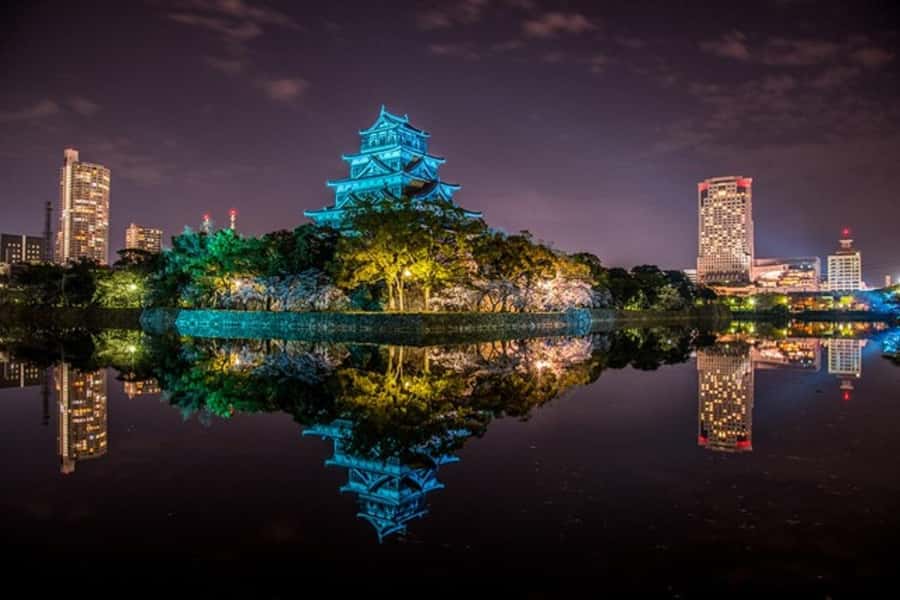
- Hiroshima Castle and Gokoku Shrine: feudal Japan, in stone and symbols
- Peace Memorial Museum: the emotional core, with clear rules
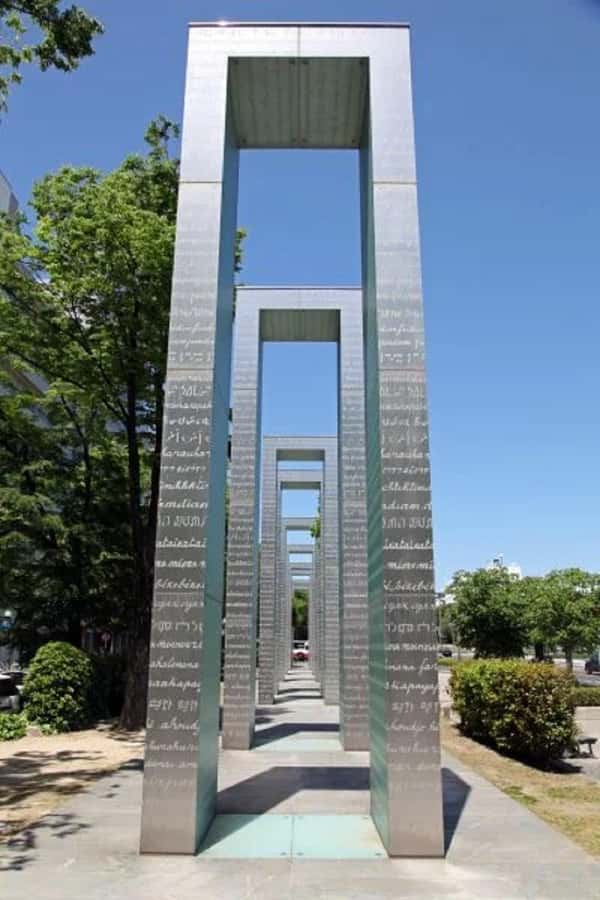
- Peace Park landmarks: how each stop adds a different meaning
- Drop-offs and where the day ends, so you can plan the rest of your trip
- Price and value: is $82 per person a fair deal?
- Practical tips for a smoother, respectful day
- Who should book this private tour?
- Should you book this Private Hiroshima Castle, Peace Park, and Garden Tour?
- FAQ
- How long is the Peace Memorial Park, Hiroshima Castle, and Garden private tour?
- What is included in the tour price?
- Is this tour private or shared?
- Do I skip the ticket line?
- Where can I meet the guide?
- Is pickup from my accommodation available?
- Where can the tour end?
- Is the Peace Memorial Museum part of the tour?
- Is speaking allowed inside the Peace Memorial Museum?
- What should I bring for the day?
Key things to know before you go
English live guide who explains each site and keeps the flow moving for your group
Skip-the-ticket-line approach plus entry tickets for the museum, castle, and garden included
A balanced route that moves from historic views to the emotional weight of the Peace Park
Castle sights with extra context, including Gokoku Shrine within the castle grounds
Peace Park landmarks are more than photos, with stops for the cenotaph, Flame of Peace, and the Atomic Bomb Dome
Comfort beats confidence, bring good shoes and plan for Hiroshima weather (hot summers, cool winters)
A 150-minute Hiroshima route that actually helps you understand the city
Hiroshima can feel overwhelming on your own. This private tour is built for focus. In about 150 minutes, you cover the key places people come for, without losing time to ticket lines, confusion, or figuring out what matters most at each stop.
I especially like how the day is structured like a story. You do not just collect landmarks. You walk through the meaning behind them, starting with the gentler contrast of Shukkeien Garden and the visual authority of Hiroshima Castle, then turning to the Peace Memorial sites with a clear sequence of stops.
Because it is a private group, your guide can set a pace that fits you. One family-friendly detail I like is that the experience can be adjusted to keep children engaged, while still respecting the serious tone of the Peace Park.
More Castle visits in Hiroshima:
- Japanesel Archery Experience HIROSHIMA CASTLE SHARAKU
★ 5.0 · 387 reviews - Hiroshima; Hiroshima Peace Memorial Museum and Castle Tour
★ 5.0 · 89 reviews - Hiroshima: Peace Park, Castle, and Mitaki Temple E-Bike Tour
★ 4.8 · 11 reviews
Shukkei-en Garden: where the day’s mood changes from street-noise to quiet
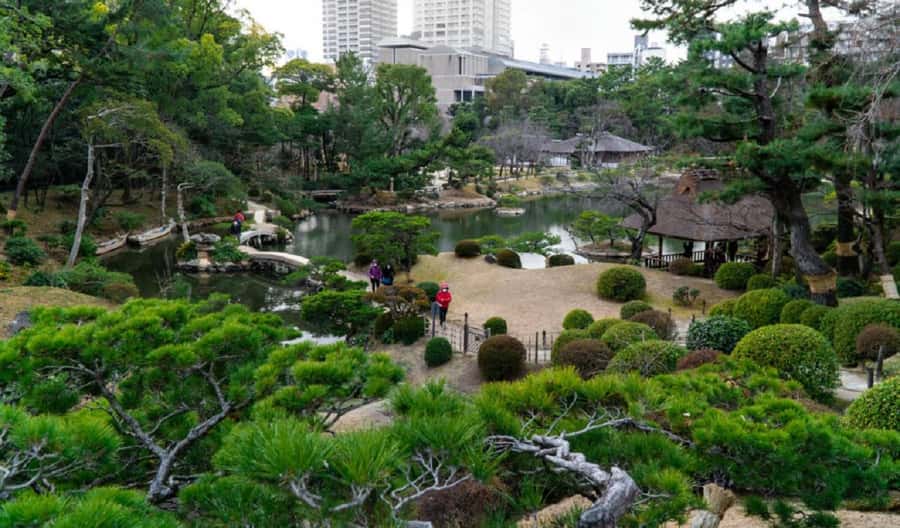
You begin with a guided visit to Shukkei-en Garden (about 25 minutes). This is a traditional Japanese garden, designed to slow your eyes down. Expect ponds, carefully planned views, and the kind of strolling paths that make you notice how water, bridges, and seasonal design work together.
What makes this stop more than a pretty warm-up is the contrast. By the time you step into the Peace Memorial area later, you are already in a calmer frame of mind. It also helps you shake off travel fatigue, because you get a structured, walkable experience without being rushed.
Practical tip: wear comfortable shoes even if the garden sounds “light.” Japanese garden paths can still be uneven, and you will likely keep walking for the rest of the tour after this.
Hiroshima Castle and Gokoku Shrine: feudal Japan, in stone and symbols
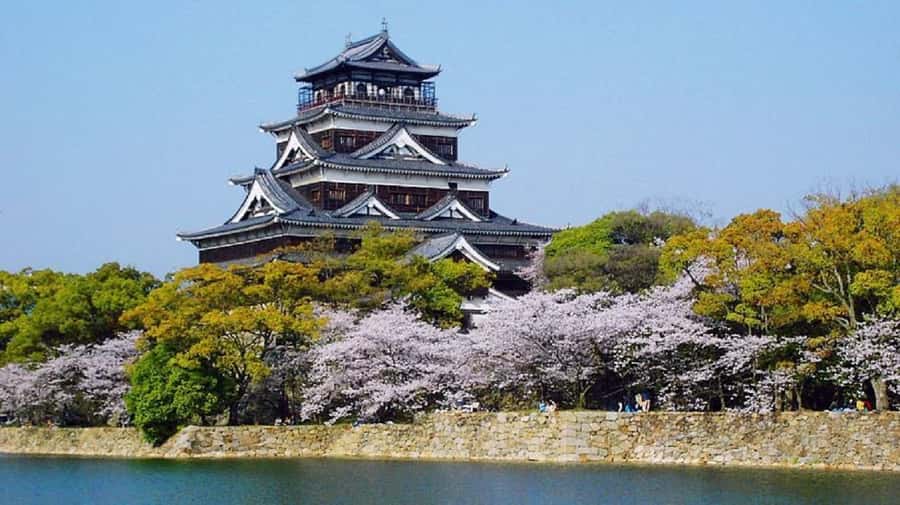
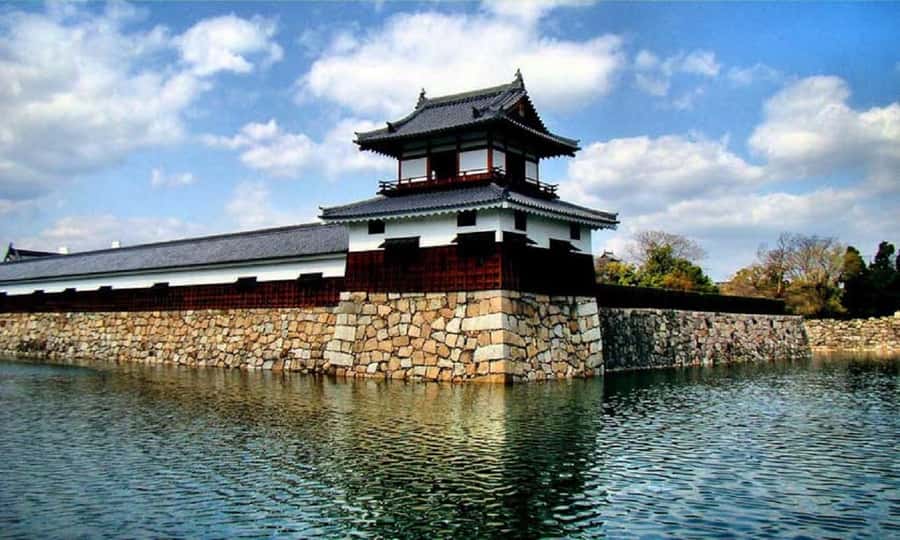
Next comes Hiroshima Castle (about 30 minutes), where you can see how the city once defended itself and displayed power. A highlight here is going beyond the outer views and exploring rooms and climbing up to see from higher ground, so you get a real sense of the fortress layout.
Inside the castle grounds, you will also encounter Gokoku Shrine. This matters because it ties the place to belief and ritual, not just military architecture. Your guide helps you connect what you are seeing to broader Japanese historical life, so the castle does not feel like a random collection of walls.
A minor drawback: castle tours often include stairs and short climbs. If anyone in your group has mobility limits, you will want to move steadily and take your time at each viewing point. The good news is the tour is wheelchair accessible, so there should be options to adjust depending on your needs.
Peace Memorial Museum: the emotional core, with clear rules
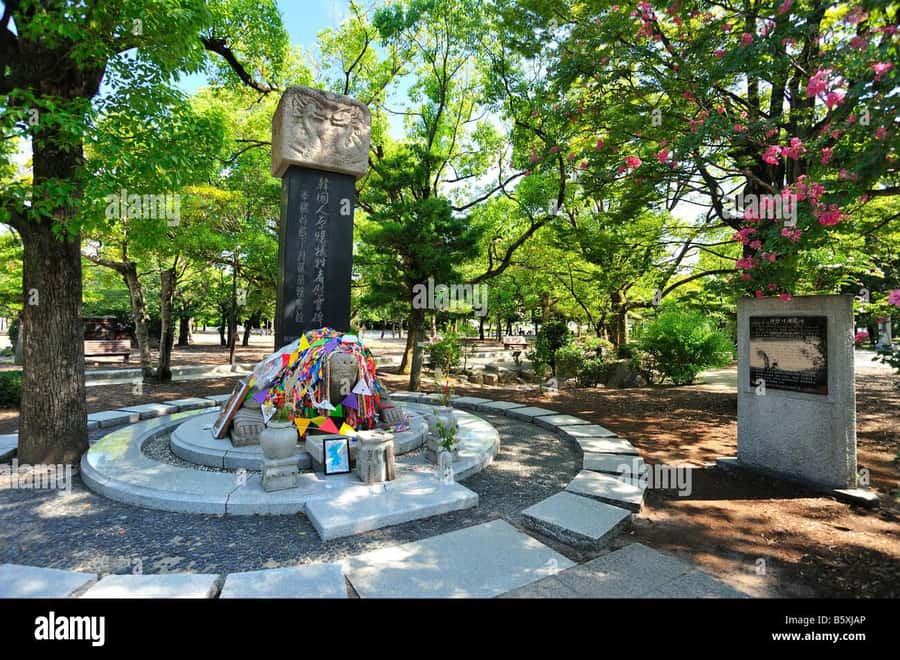
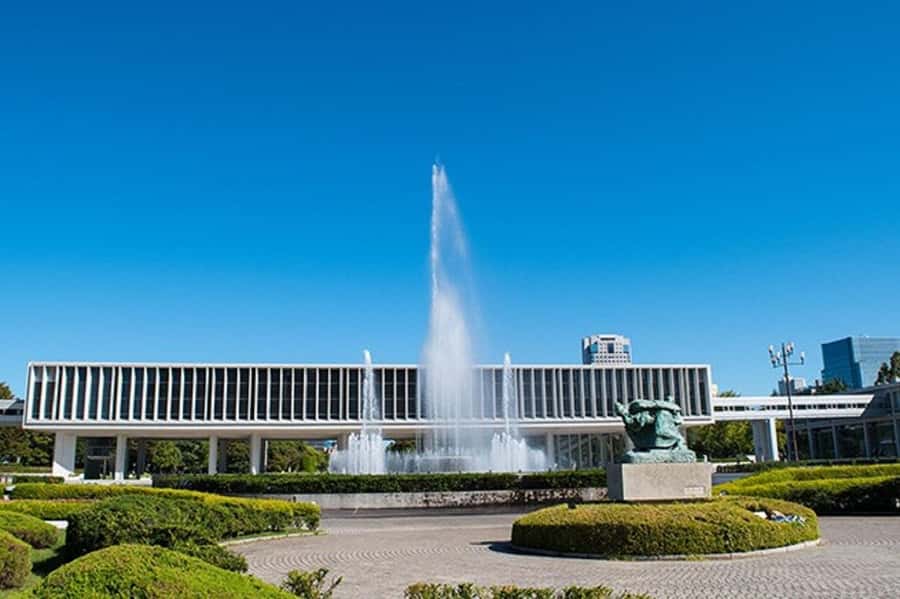
Then you reach the heart of the day: the Peace Memorial Museum (about 1 hour, guided). This is where the tour becomes more than sightseeing. The museum explains the lead-up to the bombing and the tragic aftermath through powerful exhibits.
The most important rule is simple: speaking is prohibited inside. That is not there to be strict for its own sake. It is there to protect the atmosphere, so visitors can reflect. Plan your group energy around quiet time, and avoid treating the museum like just another indoor stop.
If you are visiting with kids, this is also where a good guide makes a difference. A private guide can adapt explanations so children understand without being overwhelmed, while still keeping the tone respectful.
Other Hiroshima Peace Memorial tours worth a look in Hiroshima:
- Hiroshima: Miyajima Peace Memorial Icons of Peace and Beauty
★ 4.9 · 361 reviews - Hiroshima/Guided Virtual Tour of Peace Park/PEACE PARK TOUR VR
★ 5.0 · 157 reviews - Hiroshima: Peace Memorial Park and Atomic Bomb Dome Tour
★ 4.9 · 91 reviews - Hiroshima: Peace Memorial and Atomic Bomb Dome Private Tour
★ 4.9 · 53 reviews
Peace Park landmarks: how each stop adds a different meaning
After the museum, your tour continues through key Peace Memorial sites around the park. The sequence matters, because each location focuses on a different layer of memory and hope.
You will visit the Hiroshima Victims Memorial Cenotaph (about 10 minutes). This is a place for remembrance, with a formal, weighty feel. Your guide’s job here is to help you read the symbolism without rushing you past it.
Next is the Flame of Peace (about 10 minutes). This stop shifts the mood from mourning toward a promise of not repeating the horror. Even if you only spend a few minutes here, you usually leave feeling like the story has a direction, not just a wound.
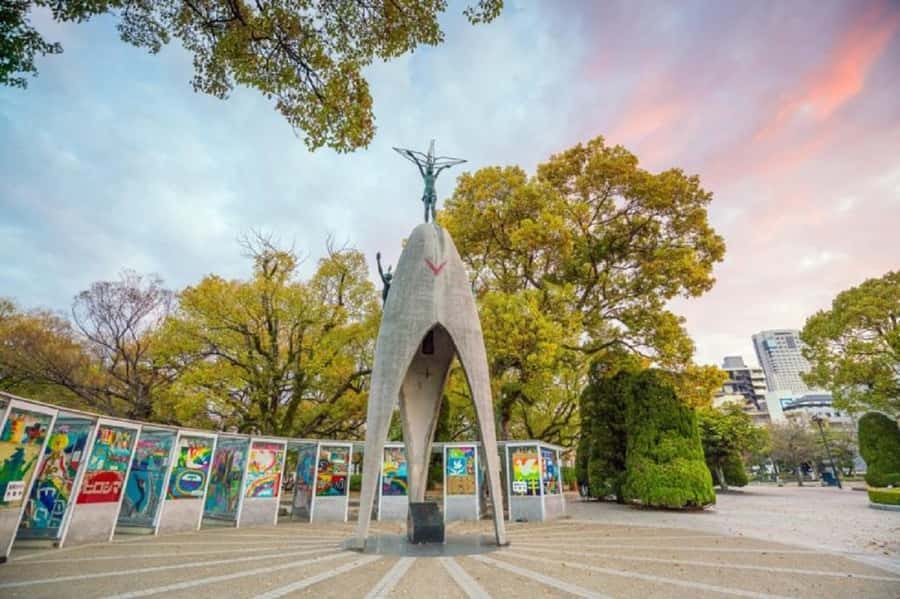
You will also stop at the Children’s Peace Monument (about 10 minutes). This is one of those places that lands differently depending on your own life stage. It can be hard, but it is also part of why Hiroshima became known as a city that speaks loudly for peace.
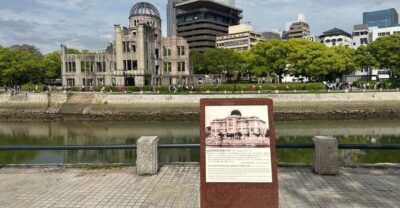
Then comes the Atomic Bomb Dome (about 10 minutes). This is likely the stop you have seen in photos already, but up close it hits differently. It is a haunting symbol, and seeing it in the real setting helps you understand why it became such a lasting icon.
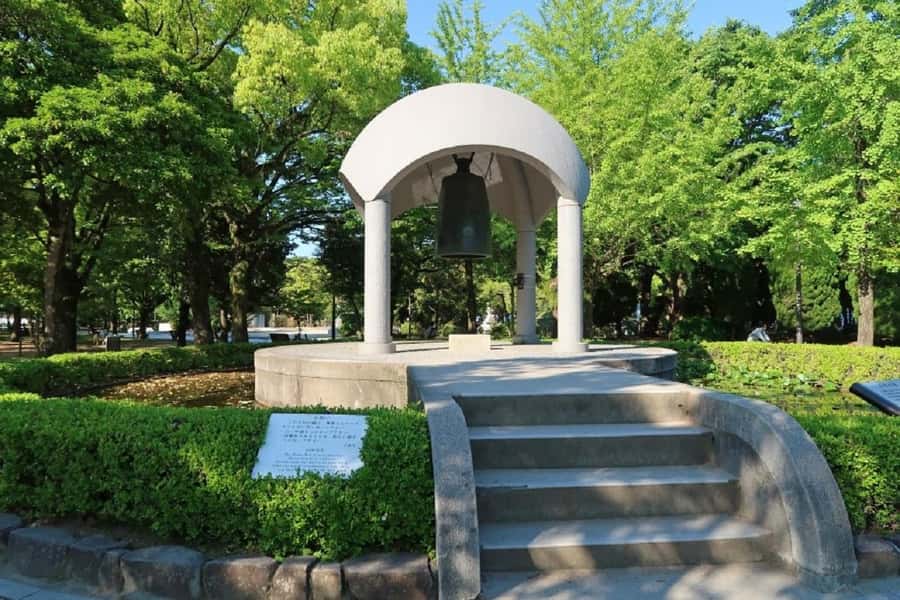
After that, you visit the Bell of Peace (about 5 minutes). It is a short stop, but it is designed for reflection. Your guide helps you understand what makes it meaningful, so it does not just feel like a final photo spot.
Finally, you reach the Hypocenter area (about 25 minutes). This is one of the longer Peace Park moments, and it helps you understand the geography behind the event. If the museum is your emotional learning, this is your spatial learning. Together, they make the story much harder to misinterpret.
Important note for your comfort: many stops involve standing, looking, and walking short distances between locations. You will want comfortable shoes and a plan to slow down when you feel overwhelmed.
Drop-offs and where the day ends, so you can plan the rest of your trip
This tour offers flexibility for finishing your day. You can be dropped at Hiroshima Station, the Peace Memorial Park area, or a taxi stand at Peace Memorial Park. That is useful, because you can line up your next move, whether you are heading to lunch, continuing to nearby sights, or catching onward transport.
Your pickup is also flexible. Depending on your option, you might start from Hiroshima Station or from the Shukkei-en Garden near Station area. The tour also mentions pickup from your accommodation on foot if you are within a reasonable distance, so it may reduce the need for trains or taxis right at the start.
And yes, it is a private group with a live English guide, plus tour photos included. Those photos are handy when you know you will want at least a couple of memories, but you also do not want to spend the whole day holding your camera up.
Price and value: is $82 per person a fair deal?
At $82 per person for about 150 minutes, the value comes from what is included. You are not just paying for narration. You are paying for a guide, a private group setup, and entry tickets to three major sites: the Peace Memorial Museum, Hiroshima Castle, and Shukkeien Garden.
Add in the fact that the tour includes a skip-the-ticket-line approach and tour photos, and the economics shift in your favor. If you were to plan this on your own, you would still spend time queuing and figuring out route timing, especially around the Peace Memorial area where you will want to move respectfully and efficiently.
The other value factor is the human one. The guides have handled real-world complications well. For example, one guide named Zunera was praised for taking care of the group even when heavy rain caused delays, which matters because Hiroshima weather can change quickly. Another guide named Preety was praised for being friendly and informative, and for helping with practical next steps like how to get to Miyajima Island.
That kind of support is hard to DIY.
Practical tips for a smoother, respectful day
This tour asks you to switch modes several times: garden calm, castle sightseeing, then solemn Peace Park reflection.
What to bring
- Comfortable shoes (you will walk and stand)
- Water bottle, especially in summer (Hiroshima can run hot)
- Hat and sunglasses for sun
- Umbrella, useful for weather changes
- Comfortable clothes for indoor and outdoor walking
- Any personal medication you need
How to behave in the museum
- Speaking is prohibited inside the Peace Memorial Museum. It is best to treat it like a quiet learning space, not a conversational one.
- Plan a little mental buffer for emotion. This is heavy material, and it can make time feel slower.
Weather reality
In winter, Hiroshima can get chilly, so dress warmly. In summer, you need hydration and shade planning. A guide can keep the stops organized, but you still control your comfort with what you wear and bring.
Who should book this private tour?
I think this tour is a strong choice if you want three big Hiroshima experiences in one organized package: Peace Memorial Park, Hiroshima Castle, and Shukkeien Garden. It is also a good fit for people who would rather have an English guide explain what they are looking at than guess on their own.
It is especially suitable for:
- Families who want the pace adjusted for kids while still keeping the Peace Park respectful
- Visitors who want the emotional and historical context, not just photos
- Travelers with limited time who prefer a tight plan instead of hopping between separate tickets and transit decisions
- Anyone who appreciates a calm garden moment before or after the heavier sites
If you are the type who wants to wander with no structure at all, you might feel constrained by the guided timing. But if you want meaning, efficiency, and a guide handling the flow, this format makes life easier.
Should you book this Private Hiroshima Castle, Peace Park, and Garden Tour?
Book it if you want a guide-led route that balances major landmarks with context and respectful sequencing. The mix of the Peace Memorial Museum, Atomic Bomb Dome area stops, Hiroshima Castle with its shrine grounds, and Shukkei-en’s quiet garden design is a smart combination for most first-timers.
Skip it only if you already know the history well and you want full freedom to customize every stop without any guided structure. Otherwise, $82 for entry tickets, skip-the-line help, and an English private guide is a practical deal, and it removes the stress of planning your day around Hiroshima’s most important sites.
FAQ
How long is the Peace Memorial Park, Hiroshima Castle, and Garden private tour?
The tour duration is 150 minutes.
What is included in the tour price?
It includes a private tour with a local English guide, walking tour, entry tickets to the Peace Memorial Museum, Hiroshima Castle, and Shukkeien Garden, plus tour photos.
Is this tour private or shared?
It is a private group tour.
Do I skip the ticket line?
Yes, it includes skip-the-ticket-line access.
Where can I meet the guide?
You can meet at Hiroshima Station, or at Shukkei-en Garden near Station (depending on the selected option).
Is pickup from my accommodation available?
Pickup is optional, and pickup from your accommodation on foot is available if it is within a reasonable distance. Pickup is also listed as optional at Hiroshima Station or the taxi stand Peace Memorial Park.
Where can the tour end?
Drop-off locations include Hiroshima Station, Peace Memorial Park – Hiroshima, and the taxi stand at Peace Memorial Park.
Is the Peace Memorial Museum part of the tour?
Yes. The museum is included with a guided visit and entry ticket.
Is speaking allowed inside the Peace Memorial Museum?
No. Speaking is prohibited inside the Peace Memorial Museum to maintain a respectful atmosphere.
What should I bring for the day?
Bring comfortable shoes, sunglasses, a hat, an umbrella, comfortable clothes, and any personal medication. A water bottle is especially helpful in summer since Hiroshima can get hot.
Newly listed around Hiroshima
- Private Hiroshima and Miyajima Tour with Licensed Guide★ 5.0 · 6 reviews
- Hiroshima: Miyajima Half-day Historical Walking Tour★ 4.7 · 100 reviews
- Kumano Brush Factory Tour and Brush-Making Experience★ 5.0 · 7 reviews
- Hiroshima/Miyajima Private Custom Tour with Local Guide★ 5.0 · 134 reviews
- Hiroshima: Tour of Atomic Bomb Dome & Peace Memorial Museum★ 5.0 · 20 reviews
- Hiroshima:Guided Virtual Tour/PEACE PARK TOUR VR★ 5.0 · 29 reviews
- Hiroshima: Miyajima Private Cultural Tour by Ferry★ 4.9 · 72 reviews
- Hiroshima: Private Walking Tour with a Local★ 4.6 · 70 reviews
Hiroshima Peace Memorial Tours, compared.
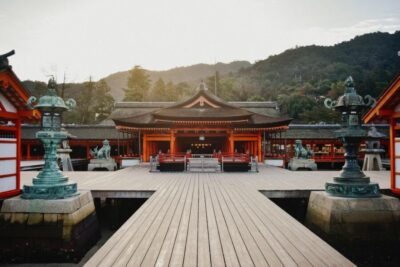
Miyajima Peace Memorial Icons of Peace and Beauty
Read our review →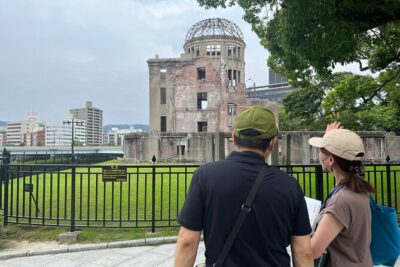
Hiroshima/Guided Virtual Tour of Peace Park/PEACE PARK TOUR VR
Read our review →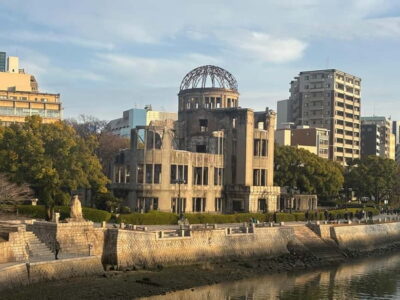
Hiroshima; Hiroshima Peace Memorial Museum and Castle Tour
Read our review →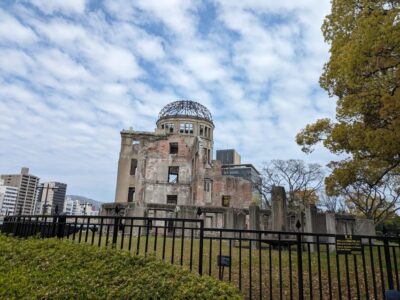
Peace Memorial and Atomic Bomb Dome Private Tour
Read our review →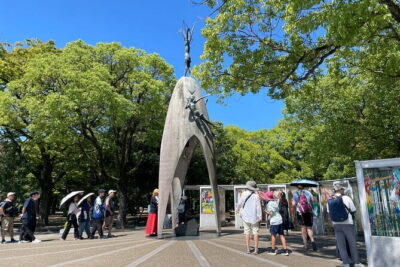
Hiroshima History Tour : A-Bomb Dome, Peace Memorial & City
Read our review →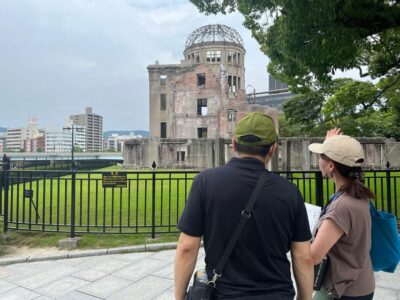
Hiroshima:Guided Virtual Tour/PEACE PARK TOUR VR
Read our review →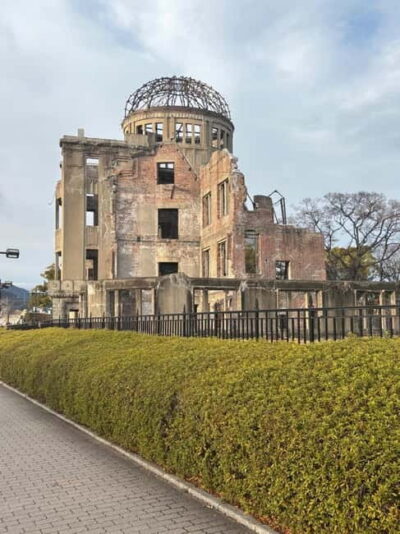
Hiroshima Peace Park & Atomic Bomb Dome Guided Walk
Read our review →Browse the lists this tour appears in