
Review · JAPANESE COOKING WORKSHOPS
Private Japanese Cooking Class in Osaka with Culinary Expert Yoko
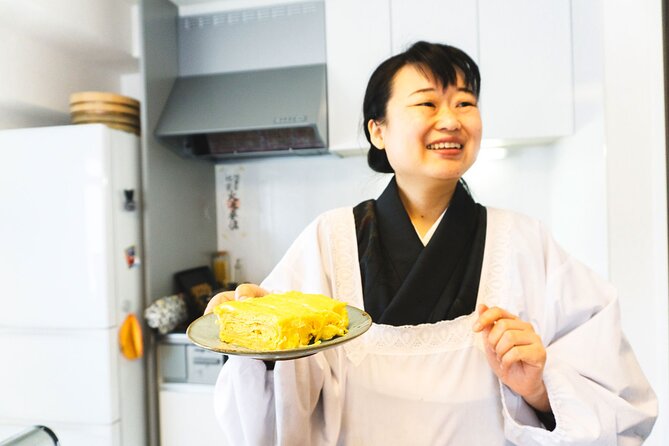
Spending time with Yoko turns Osaka cooking from a show into real life. I like that it happens in a private home right near Osaka Castle, so you get Japanese home rhythms, not a studio script. I also love the mix of live demos and hands-on work, with clear guidance on key ingredients like seaweed and dried fish. One thing to consider is that the menu can shift with the season, so you should treat it as a flexible Japanese cooking experience rather than a fixed checklist.
Before you cook, Yoko meets you at Minami-Morimachi Station and gives you a quick neighborhood orientation. Then you step into an apartment space where slippers are ready and shoes come off, which is the real deal for many Japanese homes. The whole afternoon has a calm pace: learn the technique, practice the steps, and then sit down for the meal you just made.
You’ll spend about 1.5 hours actively cooking (with some prep done ahead), and overall the experience runs around 3 hours. You learn five quintessential dishes through a combination of watching and doing, and you finish with a Japanese meal that can include options like sushi, pancake, or Japanese fried chicken, plus sake tasting and green tea ice cream.
In This Review
- Key things I’d circle before booking
- Meeting Yoko Near Minami-Morimachi Station and Getting Oriented
- Shoes Off, Slippers On: What a Home Setup Teaches You
- The Cooking Plan: Demo First, Then You Cook 3 Dishes
- What You Might Cook: Seaweed, Dried Fish, and Classic Tastes
- Sake Tasting, Then Your Own Meal at the Table
- Why This Private Home Format Helps You Learn Faster
- Price and Value: Is $182 a Smart Deal in Osaka?
- What to Ask and What to Bring for a Smooth Evening
- Who This Cooking Class Suits Best
- Should You Book Yoko’s Private Japanese Cooking Class in Osaka?
- FAQ
- Where is the class located and how do I get there?
- How long is the cooking class?
- Is this a private experience or a shared group class?
- What’s included in the price?
- What dishes will I cook and will the menu change?
- Can I request a vegetarian or vegan option?
- How do dietary requirements work?
- What is the cancellation policy?
Key things I’d circle before booking
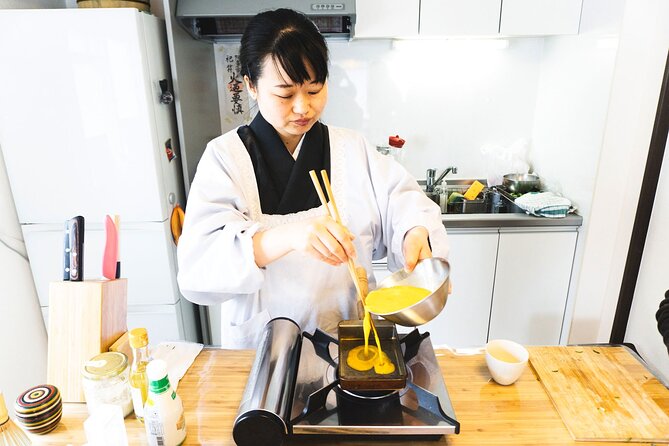
Meet a local chef in her home, not a commercial kitchen
Hands-on cooking with live demos and step-by-step instruction
Five classic Japanese dishes, with three made from scratch during the active cook time
Sake tasting and a sit-down meal of what you prepared
Seasonal menu changes, plus vegetarian and vegan options if you book ahead
Meeting Yoko Near Minami-Morimachi Station and Getting Oriented
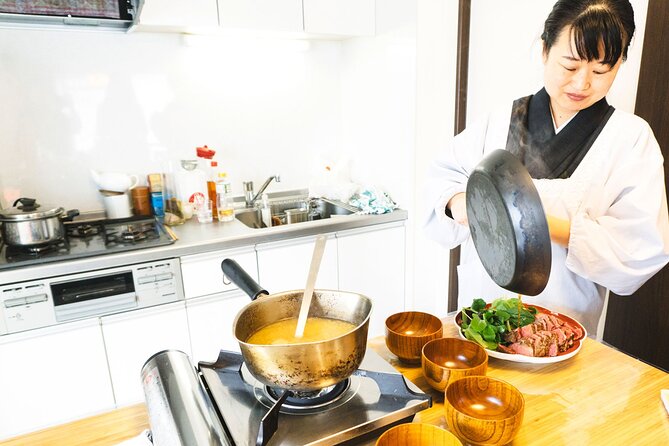
The experience starts at Minami-Morimachi Station (not your hotel), so plan to arrive on your own. That’s a plus for flexibility. You can shape your day around train times, rather than waiting for a pickup window that might drag.
When you meet Yoko, she’ll start with a short walk-through of her neighborhood. This matters more than it sounds. It helps you understand the area beyond the major sights, so the cooking feels grounded in place. It also sets a friendly tone, especially if you’re coming in from a long travel day.
From there, you go into the apartment complex near Osaka Castle. The location is convenient if you want to combine this with castle-area sightseeing either before or after. And because it’s near public transit, you’re not locked into taxis or long detours.
More Cooking Classes in Osaka
- Osaka: Ramen and Gyoza Cooking Class in Dotonbori
★ 5.0 · 378 reviews - Osaka Cooking Class: Okonomiyaki &Japanese cuisines experience
★ 5.0 · 261 reviews - Ramen and Gyoza Cooking Class in Osaka
★ 5.0 · 202 reviews
Shoes Off, Slippers On: What a Home Setup Teaches You
One of my favorite parts of Japanese home experiences is how quickly you switch into the correct mode. In Yoko’s home, slippers are ready when you arrive. Shoes come off before you step inside, which is standard etiquette and makes the space feel comfortable rather than formal.
This is more than politeness. It changes the whole vibe. You’re not treated like a spectator behind glass. You’re treated like someone joining the household for a cooking session.
The apartment setting also means you’ll likely see how ingredients are stored and handled in everyday life. That can be surprisingly useful later, when you try to recreate Japanese flavors at home and wonder how people actually keep seaweed, dried fish, and other staples.
The Cooking Plan: Demo First, Then You Cook 3 Dishes
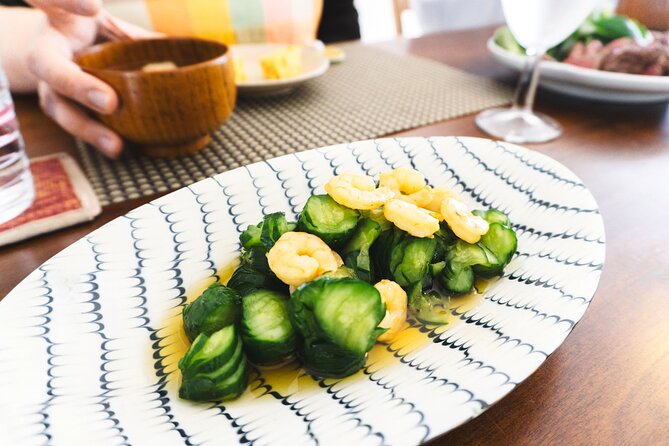
The lesson has a clear rhythm: you watch live demonstration, then you get to participate. Yoko handles some prep so you aren’t stuck on time-consuming steps before you’re ready to cook. That gives you more time to work on the key skills and taste what matters.
In the active portion, you’ll make 3 different dishes from scratch during the 1.5 hours of cooking. This is the sweet spot. You get hands-on practice without being overwhelmed by a full-day kitchen marathon.
You also learn five different specialties overall. That can feel confusing on paper, but it works because some dishes are covered through demonstration and technique explanation, while others get full hands-on treatment. The result is that you leave with a broader understanding of Japanese cooking than you would from a lesson that only focuses on one dish.
The pace is also designed for questions. Yoko explains throughout the process, and you can ask about Japanese cooking styles and how to adapt flavors and methods later. If you’ve ever bought a Japanese ingredient and wondered what to do with it, this is the kind of class where the answers come up naturally.
What You Might Cook: Seaweed, Dried Fish, and Classic Tastes
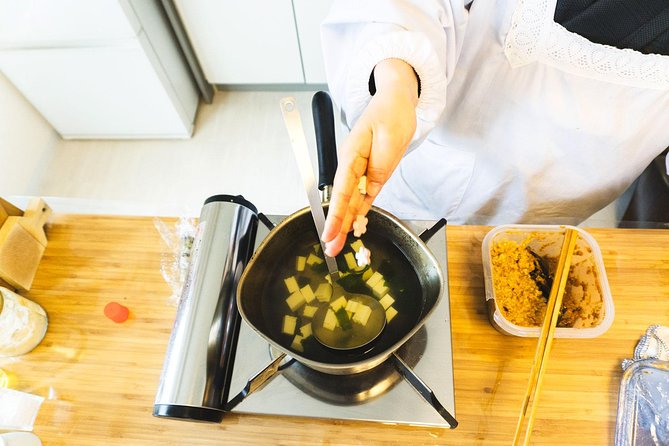
Japanese cooking can feel mysterious from a distance, because so many flavors rely on ingredients you do not see in every supermarket. The class addresses that directly by showing and discussing key components like seaweed and dried fish.
Those ingredients are part of the backbone of many Japanese flavor profiles. Dried fish is often used to build depth in broths and seasonings, while seaweed brings umami and a clean, rounded taste. Even if you don’t memorize every technical term, you start to recognize what each ingredient is doing on the plate.
Menu choices may vary depending on the season, so don’t worry if the exact dishes differ from what you had in mind. The point is learning the underlying techniques and taste-building logic. Think of it like training your palate, not just collecting recipes.
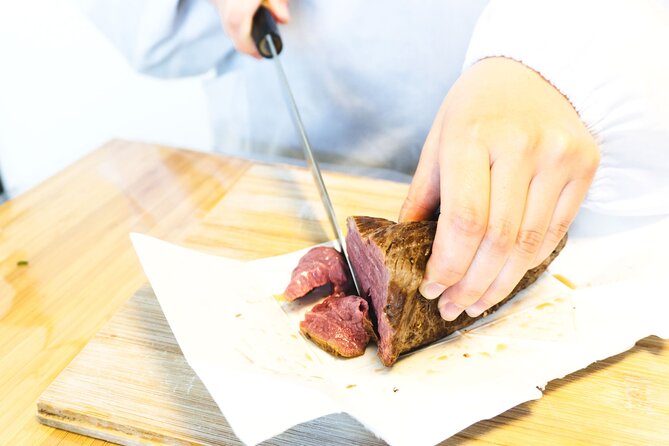
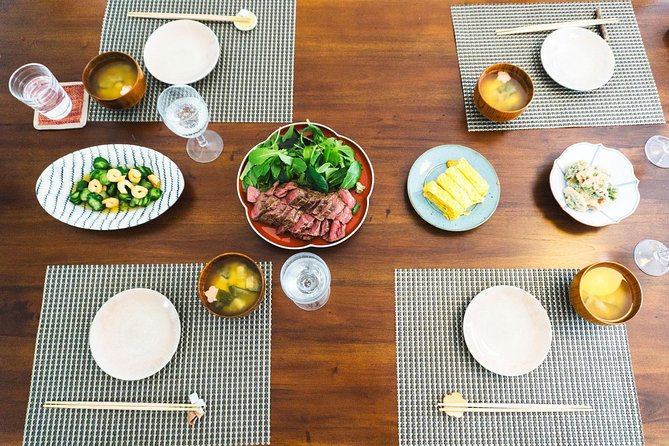
Based on the experience details and typical meal options, your final meal might include dishes such as sushi, Japanese pancake, or Japanese fried chicken, with green tea ice cream at the end. The important part for value is that you learn the method behind classics, not only how to assemble them once.
More Cooking Workshops in Osaka
- Osaka: Sumo Stage Show with Bento or Snack + Fight & Photo
★ 4.3 · 364 reviews - Cooking Ramen&Gyoza/KatsuCurry/Bento/Okonomiyaki+Store Tour@Osaka
★ 5.0 · 138 reviews - Three Types of Ramen Cooking Class in Osaka
★ 5.0 · 119 reviews - Osaka: Cooking Class Ramen & Gyoza Course in Nanba
★ 4.9 · 86 reviews
Sake Tasting, Then Your Own Meal at the Table
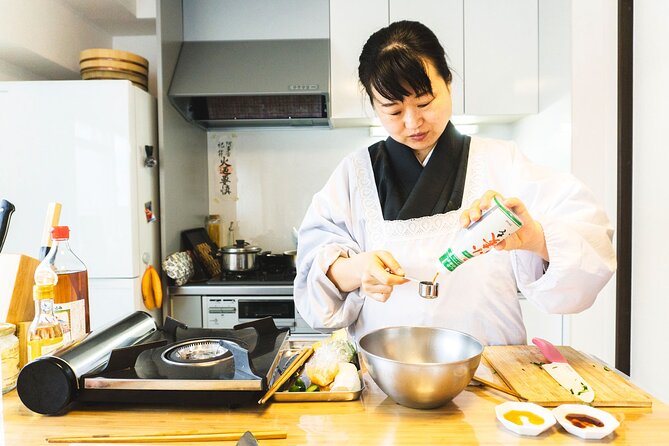
After you cook, you sit down and eat what you made. This is not a token bite either. The goal is a proper shared meal experience.
Sake tasting is included, and that adds context to the flavors. Even if you don’t become a sake expert overnight, tasting alongside your food helps you notice how pairing works in Japanese dining culture.
Dessert is green tea ice cream, which is a classic choice because it’s familiar enough for many visitors but still unmistakably Japanese. It also wraps the whole evening neatly, so you finish feeling like you completed a full meal arc, not just learned a few kitchen tricks.
And yes, you’ll likely taste the difference between an ingredient used with intention and the same ingredient thrown into a dish with no plan. That’s the real payoff of eating your own cooking in a local home setting.
Why This Private Home Format Helps You Learn Faster
A big part of why this works is the private, personalized experience. Only your group participates, so you’re not pushed into a pace designed for a large crowd. That means more time for Yoko to explain what you’re doing, and more room for follow-up questions.
In a group class, you can end up repeating motions without understanding. Here, the conversation can be more targeted, like asking how to adjust seasoning, texture, or method when you’re cooking at home.
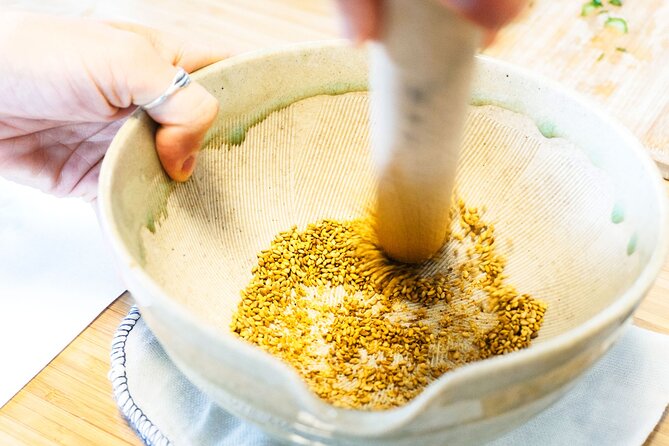
The best practical angle is what you can do after the class. One strong theme in the experience is that Yoko shares secret cooking tips and teaches you how to adapt recipes when Japanese ingredients are harder to find. That’s huge if you’re going back to a country where seaweed products, dried fish items, or specific seasonings are not always easy to source.
You’ll also get cultural context as you cook, not in a lecture at the end. That’s when it sticks. When you’re actively cutting, cooking, and tasting, culture becomes practical, not abstract.
Price and Value: Is $182 a Smart Deal in Osaka?
At $182 per person for about 3 hours, this is not a budget “snack class.” But it is priced like what it is: a private home experience with a trained culinary instructor, hands-on instruction, sake tasting, and a meal.
Here’s why it can still be good value:
- You’re paying for access and teaching time. This isn’t a commercial setup, and you’re in a real home kitchen where instruction is personal.
- You get both demo and hands-on practice. The class isn’t only watching, and you do meaningful work during the 1.5 hours of cooking.
- The meal is included. You’re not leaving hungry and then searching for dinner afterward.
- Vegetarian and vegan options are available if you arrange it in advance, which can be harder to find with many cooking experiences.
The main value tradeoff is that the menu may vary with season, so you might not get the exact dish list you imagined. But if you’re open to Japanese home cooking as a lesson in technique, that variation is usually part of the charm, not a downside.
Also, because it’s near major sights and uses public transit, you aren’t paying extra for hotel pickup, and you can build the day around your own plans.
What to Ask and What to Bring for a Smooth Evening
You’ll get the most out of the class if you come with a few ready questions. Good ones include:
- Which ingredient is doing the main flavor work in this dish?
- How can I substitute if I can’t find a specific Japanese item?
- What’s the one step that most affects texture or taste?
Because the experience includes cutting and cooking, wear comfortable clothes that you don’t mind getting a little kitchen-used. You don’t need fancy gear, but you do want to move easily.
If you have dietary needs, tell Yoko at booking in the special requirements area. Vegetarian and vegan options are available, but you’ll want to handle this early so the menu can be planned properly.
And bring your appetite. The tasting and meal are part of the experience, not an afterthought.
Who This Cooking Class Suits Best
This is a great fit if you want a calmer, more personal Osaka food experience. It’s especially strong for:
- Anyone who loves learning cooking basics, not just copying a single recipe
- Visitors who prefer local neighborhoods over tourist lanes
- People who want cultural context while cooking, including ingredient roles like seaweed and dried fish
- Couples and small groups who want private attention
It might be less ideal if you want a huge variety of cooking stations, lots of people, or a strictly structured timed itinerary with one fixed menu. Seasonal variation and the private pace are part of the style here.
Still, if you’re the type who enjoys asking questions and getting practical tips for cooking at home, this format is hard to beat.
Should You Book Yoko’s Private Japanese Cooking Class in Osaka?
If you care about learning technique, and you want the kind of experience that feels like dinner with an Osaka local expert, I’d book it. The class checks the boxes that matter most: private instruction, hands-on cooking, key ingredient explanations, sake tasting, and a sit-down meal with green tea ice cream.
It’s also a smart choice when you’re staying near Osaka Castle and want to use the area for more than photos. Meeting near Minami-Morimachi Station and spending time in a real apartment home gives you a different side of Osaka.
The only reason to pause is the menu flexibility. If you need a very specific dish list on a specific schedule, you may feel uncertain. If you’re open to what’s seasonal and focused on learning classic Japanese flavors and methods, this is one of the more memorable ways to spend an evening in Osaka.
FAQ
Where is the class located and how do I get there?
The class meeting point is Minami-Morimachi Station (2 Chome-1 Minamimorimachi, Kita Ward, Osaka, 530-0054, Japan). There is pickup from Minami-Morimachi station, and the experience ends back at the meeting point. Hotel pickup and drop-off are not included.
How long is the cooking class?
The duration is approximately 3 hours.
Is this a private experience or a shared group class?
It’s private. Only your group will participate.
What’s included in the price?
You get a private home cooking class with your host Yoko, a homecooked Japanese meal, sake tasting, and pick up from Minami-Morimachi station.
What dishes will I cook and will the menu change?
The menu may vary depending on the season. The class is described as preparing five different Japanese specialties, and you will cook 3 different dishes from scratch during the 1.5 hours of cooking time. Your final meal may include items like sushi, pancake, or Japanese fried chicken, plus green tea ice cream.
Can I request a vegetarian or vegan option?
Yes. Vegetarian and vegan options are available. You should advise at the time of booking if required.
How do dietary requirements work?
You should advise any specific dietary requirements in the Special Requirements box at the time of booking.
What is the cancellation policy?
You can cancel for a full refund up to 24 hours in advance of the experience start time. If you cancel less than 24 hours before the start time, the amount paid is not refunded.
Newly listed around Osaka
- 2 Hours of Bar Hopping in Osaka Style★ 5.0 · 22 reviews
- Same-Day Osaka Food Crawl with local food and Hidden gems★ 5.0 · 114 reviews
- Osaka Authentic Local Izakaya Hopping Experience: Food & Drinks★ 5.0 · 99 reviews
- Well-balanced BENTO (lunch box) Cooking Class★ 5.0 · 35 reviews
- Anime Cosplay Photshoot-50 Digital Photos Provided★ 5.0 · 8 reviews
- OSAKA:Feel the Power! Learn Taiko Drum from Professionals★ 5.0 · 28 reviews
- Three Types of Ramen Cooking Class in Osaka★ 5.0 · 119 reviews
- Urban Canvas: Osaka Street Art Bike Tour★ 5.0 · 47 reviews
Japanese Cooking Workshops, compared.
Ramen Cooking Class at Ramen Factory in Kyoto
Read our review →
Ramen & Gyoza Cooking Class in Tokyo with Local Supermarket Visit
Read our review →
Ramen Cooking Class at a Ramen Factory with Souvenir
Read our review →
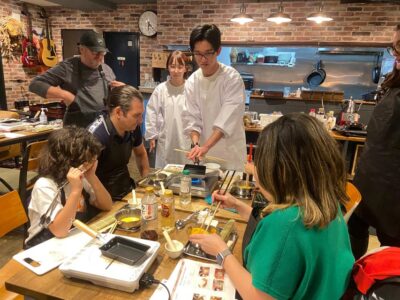
Japanese Washoku Bento Small Group Cooking Class
Read our review →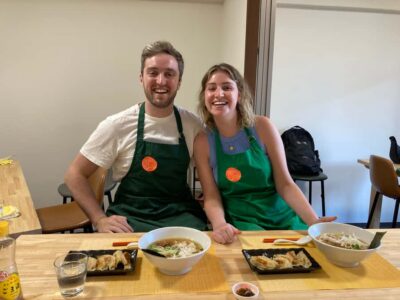
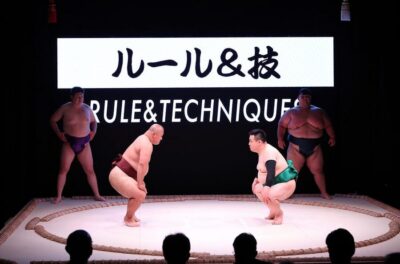
Sumo Stage Show with Bento or Snack + Fight & Photo
Read our review →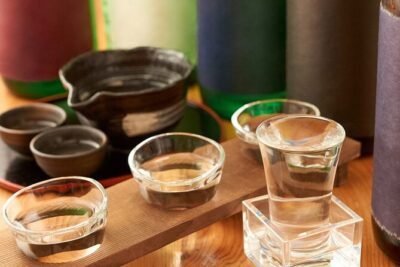
Ramen and Sushi Cooking Class with Sake Pairing Set in Tokyo
Read our review →Browse the lists this tour appears in